- Nursing
- The Nursing Process I
Micro-courses:14

The Nursing Process I
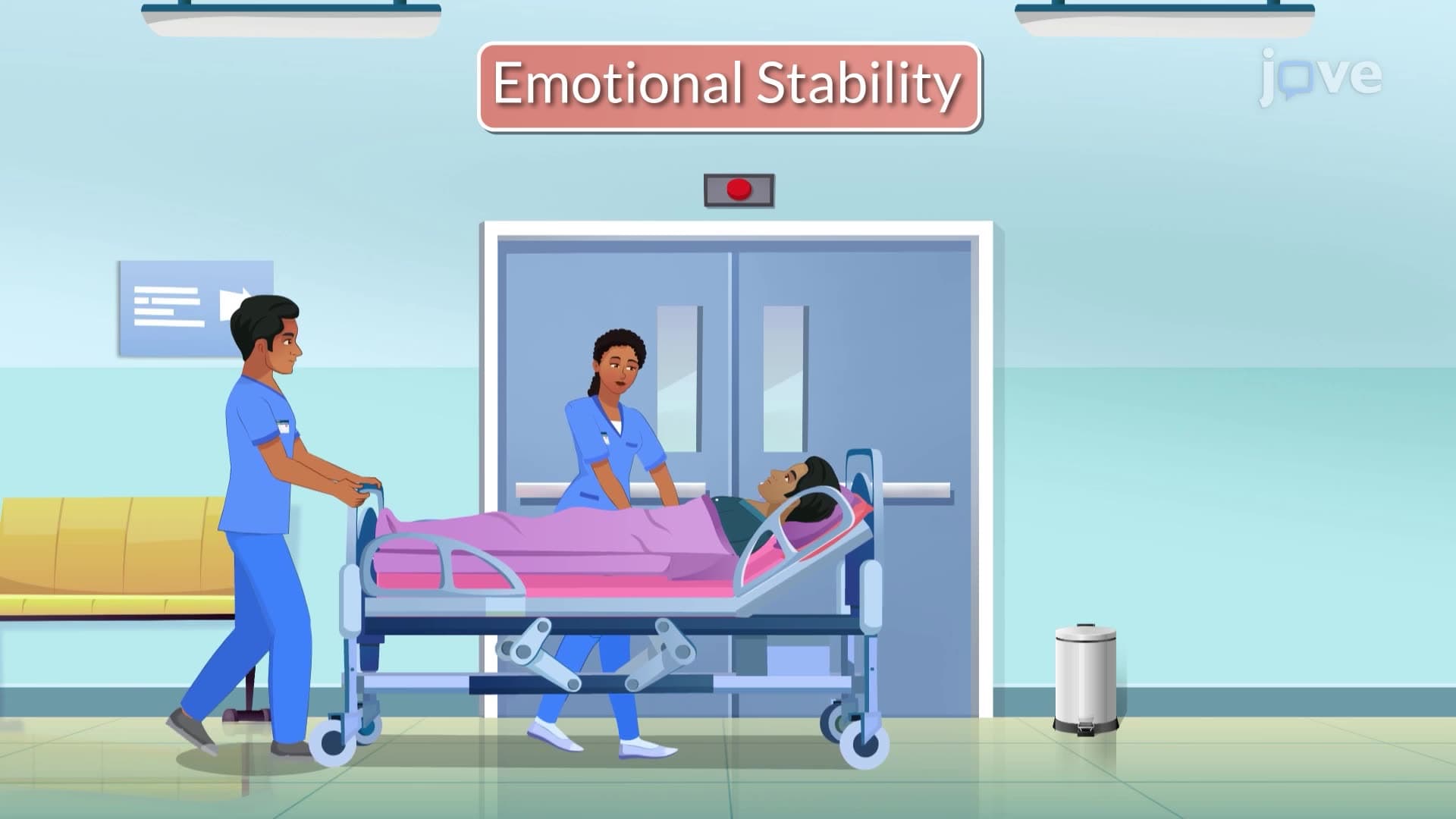
1. The Professional Nurse
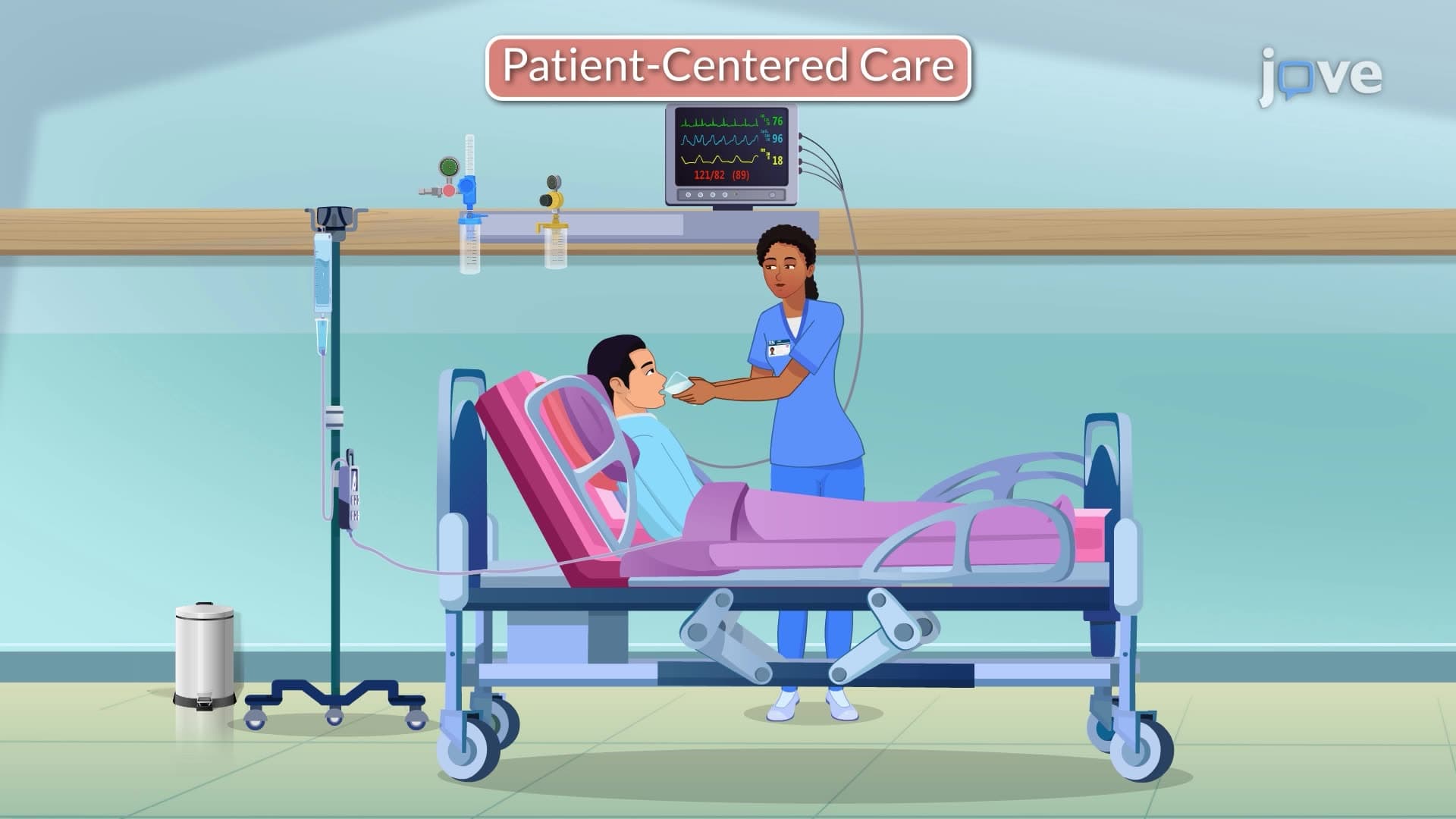
2. Patient-centered Care
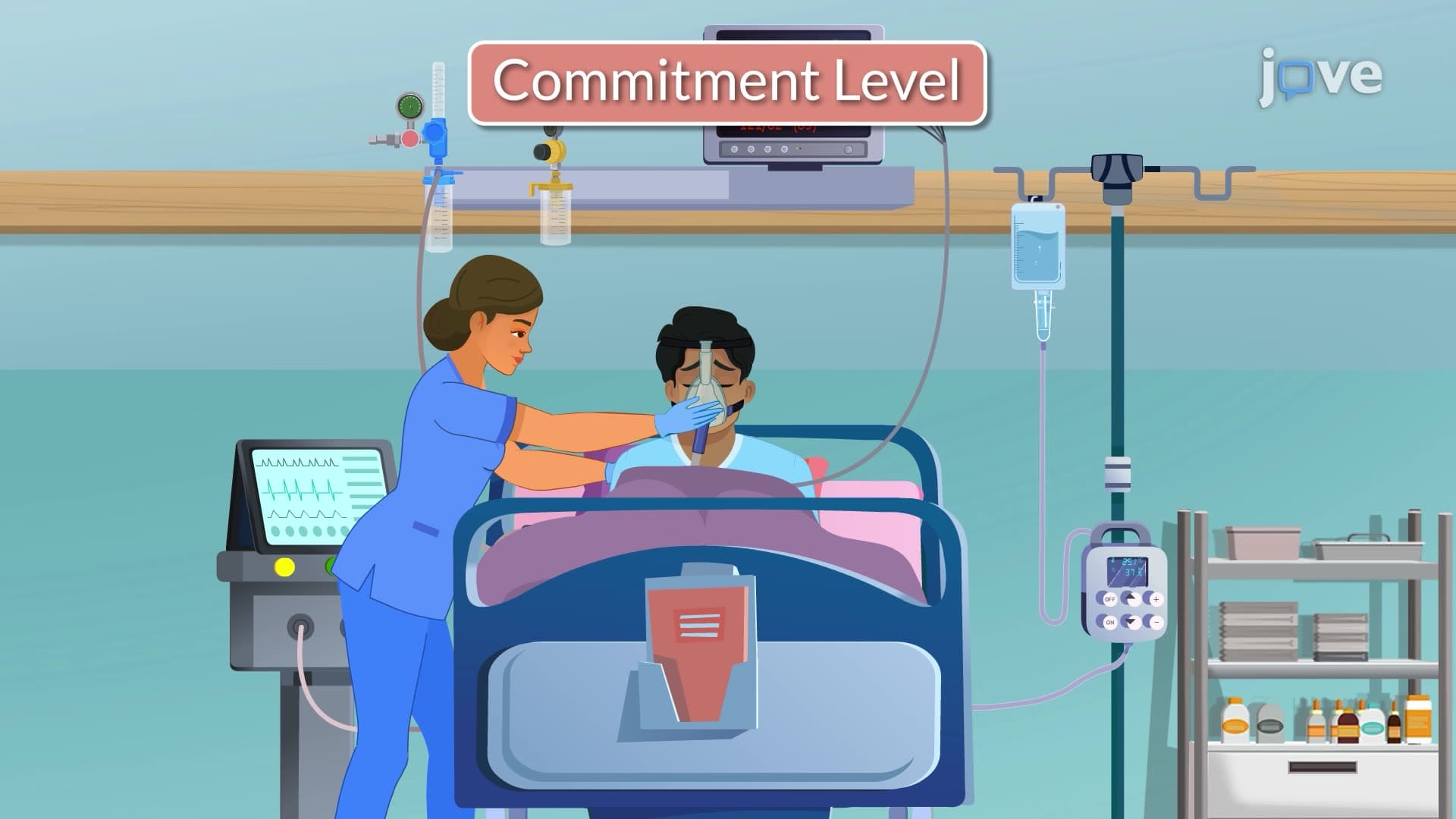
3. Critical Thinking I
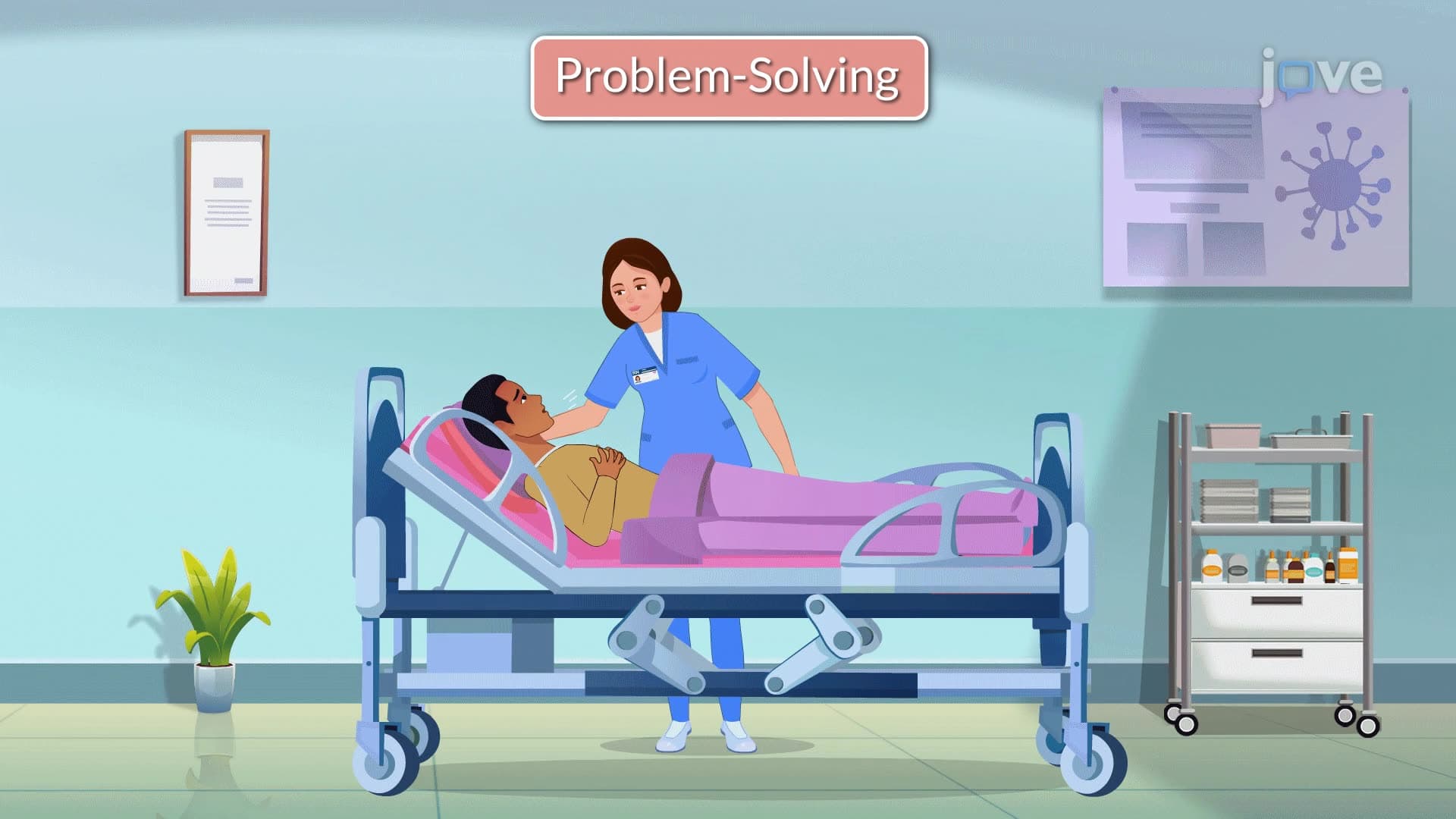
4. Critical Thinking II
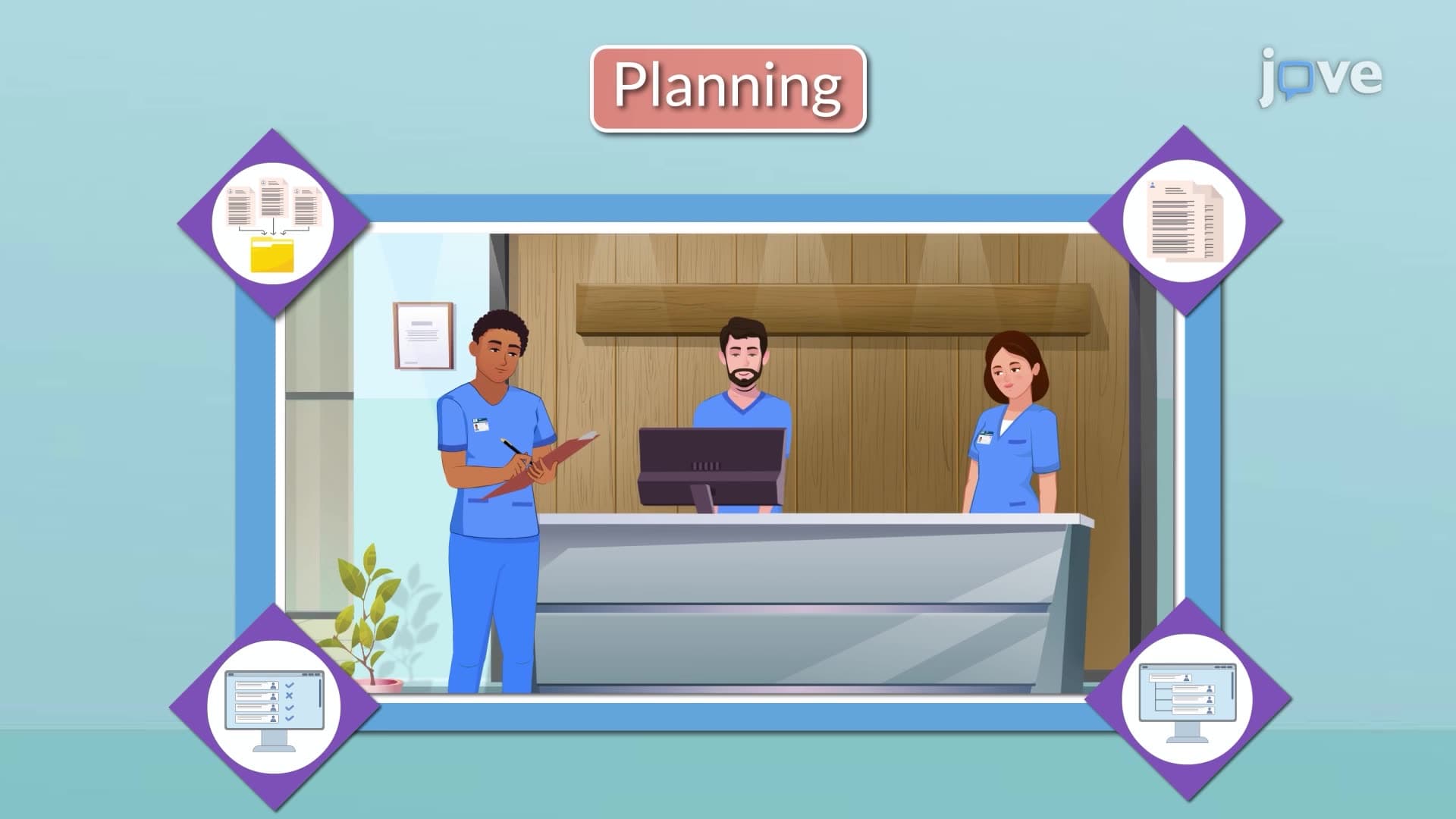
5. Fundamentals of Nursing Process I
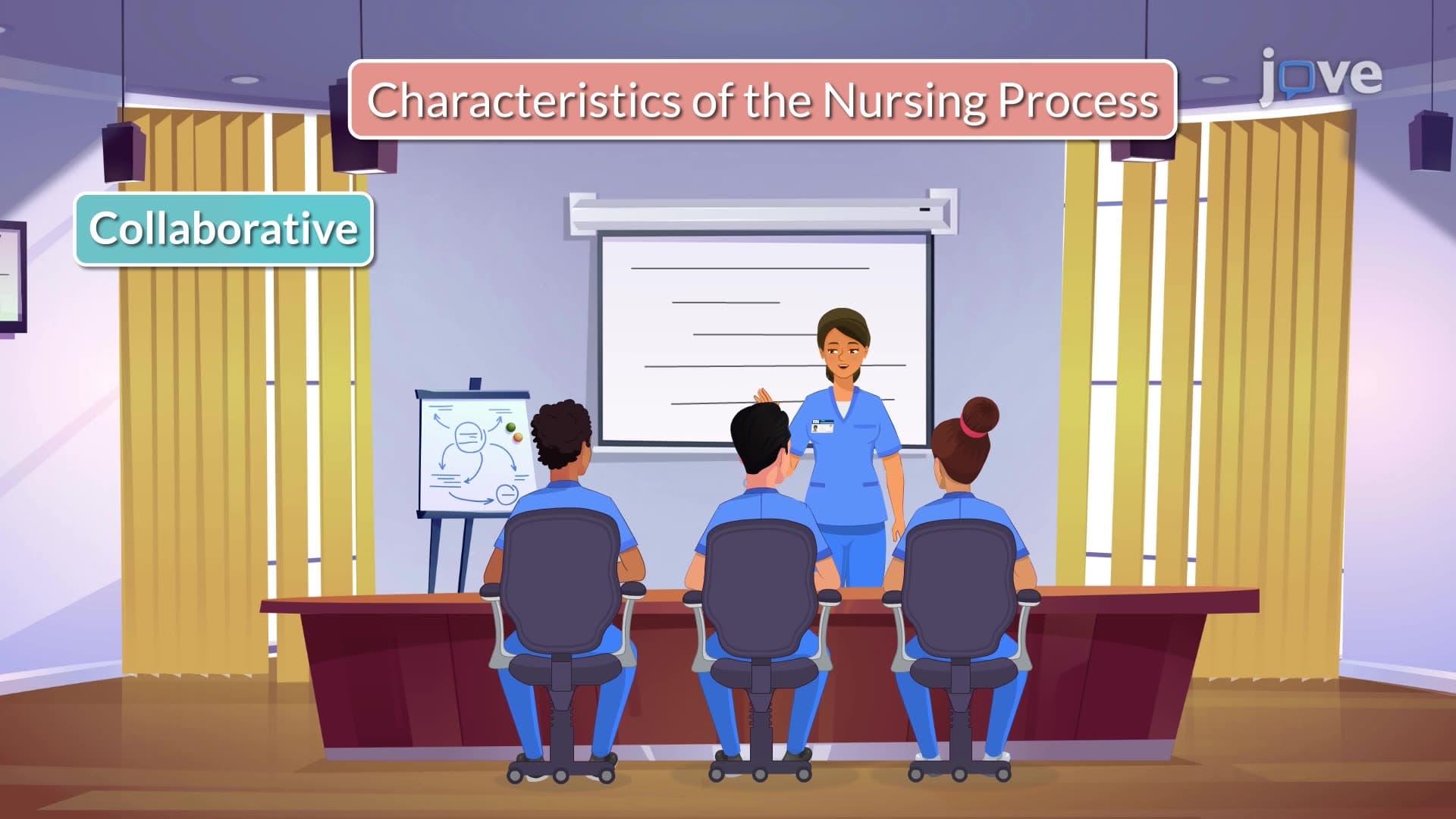
6. Fundamentals of Nursing Process II
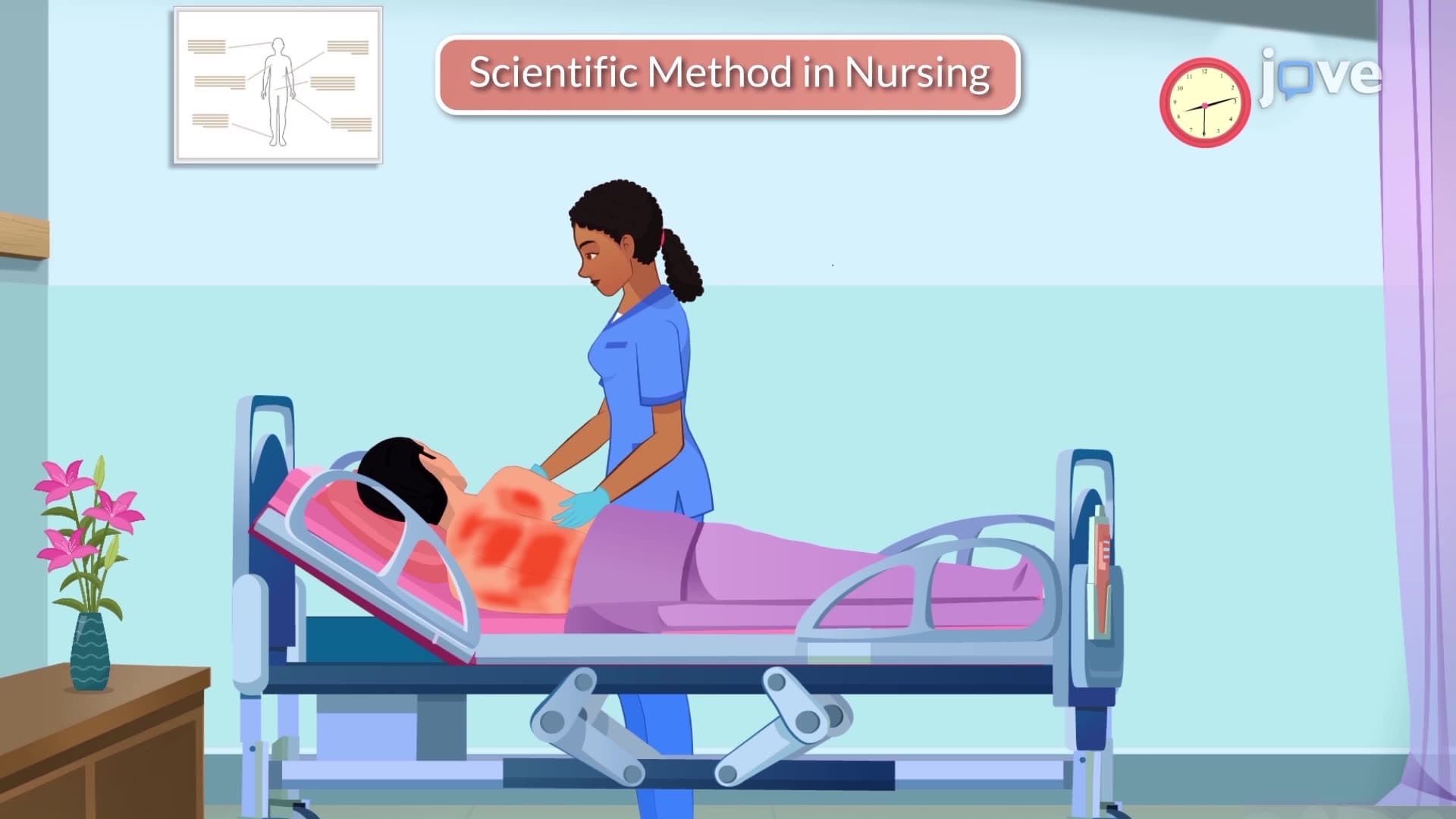
7. The Scientific Method in Nursing Process
The nursing process i represents the foundational systematic approach that professional nurses use to deliver patient-centered care across US healthcare settings. This comprehensive framework combines critical thinking skills, scientific methodology, and evidence-based practice to ensure quality patient outcomes. Students will explore the professional attributes of nursing, master critical thinking competencies, and understand the first steps of the nursing process through JoVE Coach's interactive learning platform.
- Understand the essential attributes and knowledge-based practices of professional nurses in US healthcare systems
- Learn critical thinking skills and their application in clinical nursing situations
- Identify the three levels of critical thinking: basic, complex, and commitment
- Explore general and specific critical thinking competencies used in patient care
- Analyze the five-step nursing process: assessment, diagnosis, planning, implementation, and evaluation
- Apply the scientific method to nursing practice and clinical problem-solving
- Understand the nursing assessment process and systematic data collection techniques
- Examine the characteristics and benefits of patient-centered nursing care
1. Professional Nursing Attributes and Practice Standards Professional nurses in US healthcare facilities demonstrate essential competencies including clear communication with patients and interdisciplinary teams, emotional stability during traumatic situations, and physical endurance for demanding 12-hour shifts. They exhibit strong problem-solving abilities during medical emergencies, maintain patient confidentiality according to HIPAA regulations, and practice evidence-based care. Knowledge-based practice requires understanding clinical conditions, treatment protocols, and patient prognosis to make informed decisions in hospitals, clinics, and community health centers across America.
2. Critical Thinking in Clinical Nursing Practice Critical thinking enables nurses to reason systematically while maintaining openness to inquiry and self-reflection, directly improving patient outcomes in US healthcare settings. The six core skills include interpretation for identifying patient problems, analysis for recognizing potential causes, inference for examining significance of findings, evaluation for determining intervention effectiveness, explanation for drawing evidence-based conclusions, and self-regulation for performance assessment. These competencies progress through three developmental levels, from relying on expert guidance to independent clinical decision-making.
3. Critical Thinking Competencies and Clinical Applications General critical thinking processes encompass problem-solving (responding to patient crises), decision-making (selecting optimal interventions), and scientific methodology (systematic data gathering and analysis). Specific nursing competencies include diagnostic reasoning for determining patient health status and clinical decision-making for selecting appropriate interventions. For example, a nurse caring for an asthmatic patient uses problem-solving skills to address breathing difficulties, while decision-making guides safety measures like raising bed rails for seizure patients in US medical facilities.
4. The Nursing Process Framework and Purpose The nursing assessment process serves as an evidence-based approach for delivering comprehensive patient care in US healthcare systems. Its primary purposes include identifying patient health status and care needs, executing individualized care plans, delivering targeted nursing interventions, and providing legal protection for nursing practice. This systematic five-step framework (assessment, diagnosis, planning, implementation, evaluation) ensures consistent, quality care delivery while meeting Joint Commission standards and state nursing board requirements across American hospitals and healthcare organizations.
5. Characteristics and Benefits of the Nursing Process The first steps of the nursing process demonstrate five unique characteristics: interpersonal (patient-centered focus maintaining dignity), systematic (interrelated steps building upon previous accuracy), dynamic (concurrent implementation of multiple steps), outcome-oriented (specific measurable goals), and collaborative (interdisciplinary teamwork). Benefits include providing systematic quality care delivery, enhancing nursing efficiency through standardized practice, ensuring economic healthcare delivery, maintaining care continuity, preventing service duplication, and establishing universal nursing language for consistent communication across US healthcare facilities.
6. Scientific Method Application in Nursing Practice The scientific method provides a reasoning-based approach for solving clinical problems encountered in US healthcare settings. The seven-step process includes observation, data gathering, hypothesis formulation, prediction, hypothesis testing, evaluation, and conclusion drawing. For instance, when caring for bedridden patients, nurses observe pressure ulcer development, collect assessment data, hypothesize causative factors, predict preventive measures, test positioning interventions, evaluate skin condition changes, and draw conclusions about treatment effectiveness for future patient care planning.
Frequently Asked Questions
The nursing process i emphasizes patient-centered, holistic care rather than task-oriented approaches. Unlike medical diagnosis that focuses on disease identification, nursing assessment encompasses physical, psychological, social, and spiritual patient needs, making it uniquely comprehensive for delivering individualized care in US healthcare settings.
NCLEX-RN questions require systematic analysis using critical thinking skills taught in nursing fundamentals. Students must interpret patient scenarios, analyze potential problems, make inferences about priorities, and evaluate intervention effectiveness. Mastering these competencies directly translates to improved test performance and clinical practice success.
Data interpretation and nursing diagnosis formulation typically present the greatest difficulty. Students often struggle transitioning from data collection to identifying actual versus potential patient problems. This requires developing pattern recognition skills and understanding the relationship between assessment findings and appropriate nursing interventions.
Most accredited nursing programs introduce the five-step process during fundamentals courses, using simulation labs, clinical rotations, and case study analysis. Students practice each step systematically, beginning with basic patient assessment techniques before progressing to complex clinical decision-making scenarios in real healthcare environments.
Absolutely. Nurses constantly use scientific reasoning when observing patient changes, collecting vital signs, forming hypotheses about potential problems, implementing interventions, and evaluating outcomes. This systematic approach ensures evidence-based practice and improved patient safety in all US healthcare settings.
Thorough nursing assessment serves as the foundation for accurate care planning and intervention selection. Systematic data collection helps identify potential complications early, ensures proper medication administration, and facilitates effective communication with healthcare teams, significantly reducing preventable errors in US hospitals and clinics.
Focus on understanding the logical flow between assessment and diagnosis phases. Practice with real patient scenarios, create concept maps linking assessment data to potential problems, and use NCLEX-style practice questions. Emphasize hands-on clinical application rather than memorization for lasting comprehension and exam success.
This microcourse includes 7 concept videos that walk you through the building blocks of Nursing. Each video is short, about 1 minute, so you can cover a full topic during a coffee break or between classes. The full sequence starts with The Professional Nurse and ends with The Scientific Method in Nursing Process.
The playlist moves from big-picture ideas to the precise vocabulary used in Nursing. Early videos introduce The Professional Nurse, Patient-centered Care, and Critical Thinking I. The middle of the series focuses on Fundamentals of Nursing Process I, Fundamentals of Nursing Process II, and The Scientific Method in Nursing Process. The final stretch covers The Scientific Method in Nursing Process.
The natural next step is The Nursing Process II. From there, you can move to The Nursing Process III, Documentation and Reporting, and Ethical and Legal Aspects in Nursing. Once you finish those, the full Nursing curriculum of 14 microcourses on JoVE Coach opens up, taking you from foundational concepts to advanced systems.
Related Subjects
 Anatomy and Physiology 31 micro-courses›
 Medical-Surgical Nursing 28 micro-courses›