- Nursing
- Healthcare Delivery Systems
Micro-courses:14

Healthcare Delivery Systems

1. Introduction To Health Care Delivery System

2. Methods Of Healthcare Delivery System
3. Traditional Level Of Health Care System
4. Integrated Healthcare System
5. Primary Healthcare Services
6. Preventive Healthcare Services
7. Secondary Healthcare System
8. Tertiary Healthcare System

9. Restorative Care

10. Continuing Care
11. Hospitals-I
12. Hospitals-II
13. Specialized Care Centers and Settings-I
14. Specialized Care Centers and Settings-II

15. Healthcare Agencies I
16. Healthcare Agencies II

17. Interdisciplinary Care: The Health Care Team-I
18. Interdisciplinary Care: The Health Care Team-II

19. Issues And Trends In Healthcare Delivery System
Healthcare delivery systems represent the organized framework through which medical services are provided to populations across the United States. These complex networks integrate services, consumers, providers, and payment mechanisms to deliver comprehensive care spanning from preventive services to specialized tertiary treatments. Understanding healthcare system organization is essential for navigating America's multifaceted medical landscape, where nurses serve as critical coordinators ensuring quality, accessible, and cost-effective care delivery through JoVE Coach educational resources.
- Understand the four core components of healthcare delivery systems and their interconnected roles
- Learn the traditional six levels of healthcare from preventive to continuing care
- Identify different healthcare delivery methods including managed care and case management
- Explore integrated healthcare systems and their horizontal and vertical organizational structures
- Analyze the roles of hospitals, specialized care centers, and community healthcare agencies
- Apply knowledge of interprofessional healthcare teams and their collaborative functions
- Understand current issues and technological trends reshaping American healthcare delivery
1. Healthcare System Components and Structure Healthcare delivery systems comprise four essential elements working in coordination. Services encompass the full spectrum of medical care available in communities, from emergency departments to specialized cancer centers. Consumers represent individuals seeking healthcare services, while providers include physicians, nurses, therapists, and other licensed professionals. Payment plans involve insurance mechanisms, Medicare, Medicaid, and private payment options that finance care delivery. In the United States, this system operates through both public institutions like Veterans Affairs hospitals and private facilities including Mayo Clinic and Cleveland Clinic, creating a mixed public-private healthcare infrastructure.
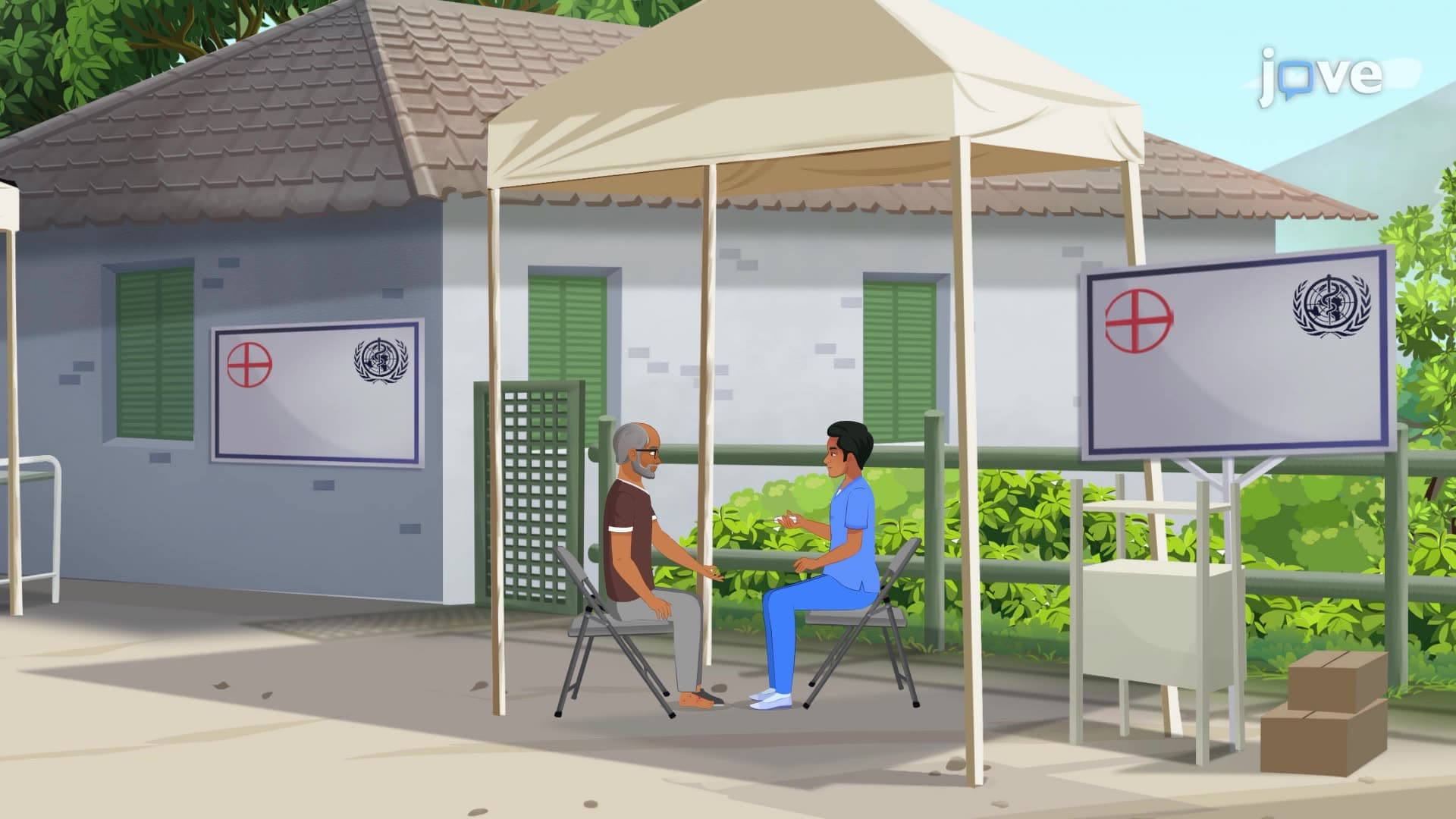
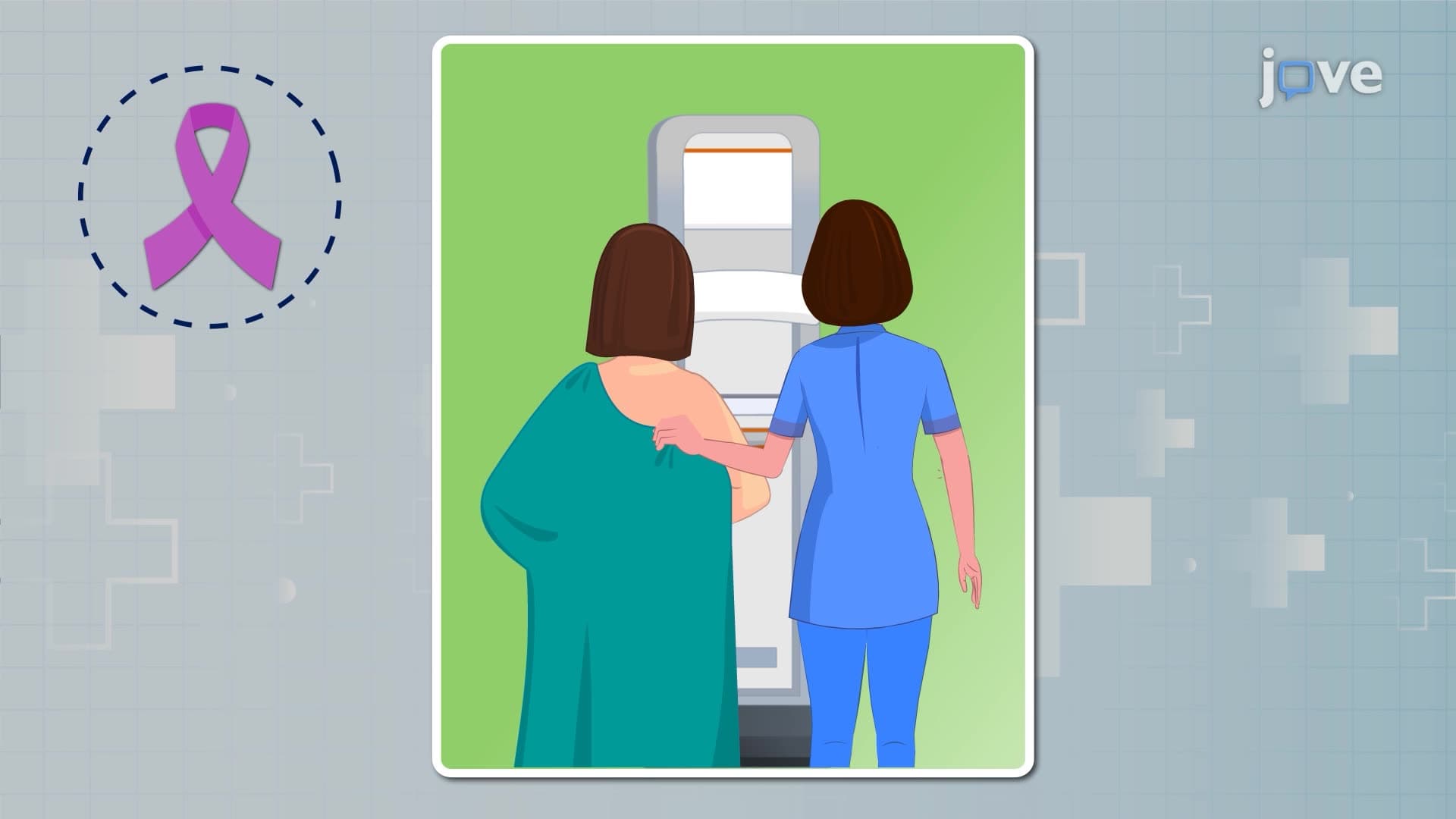
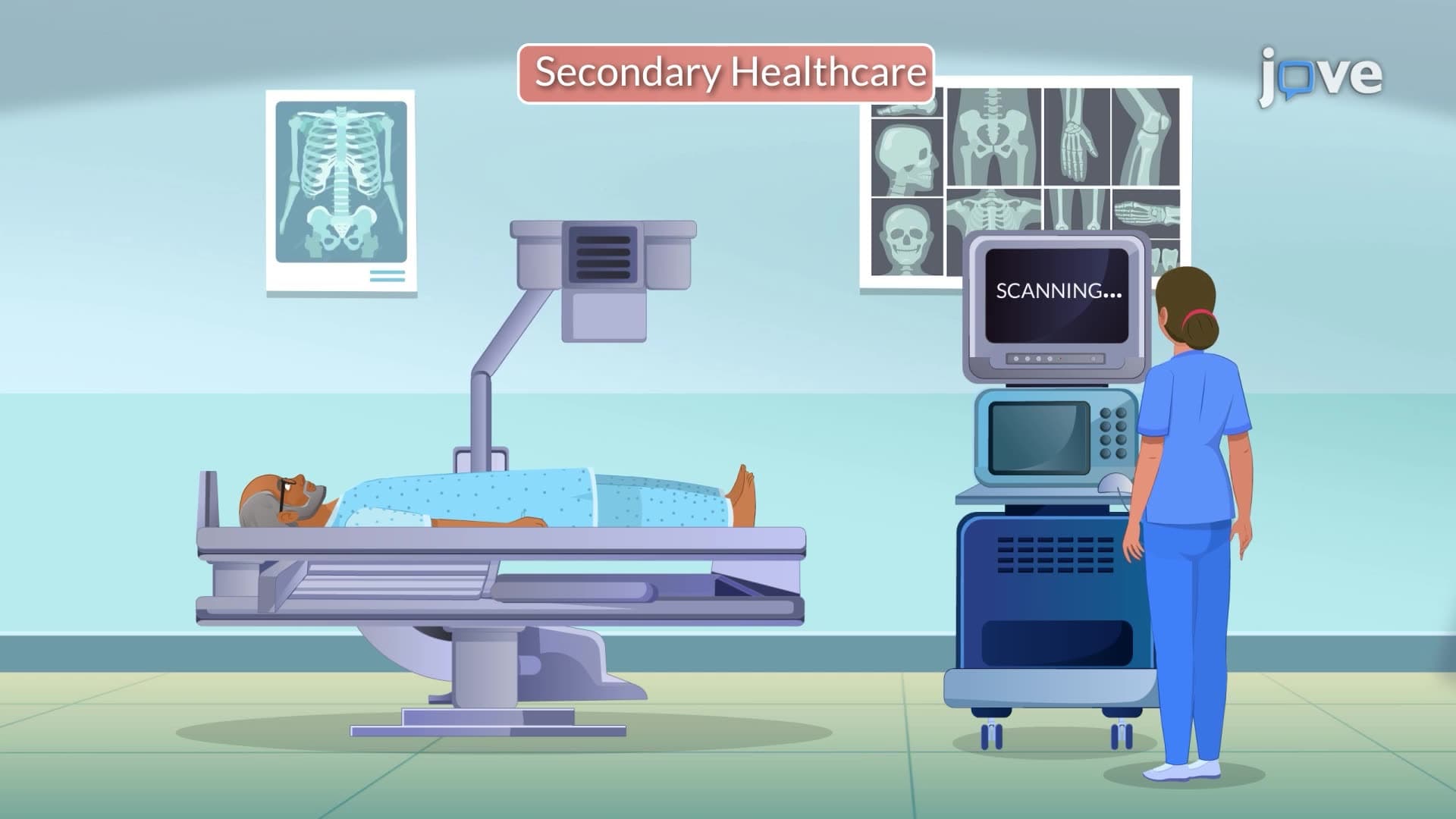
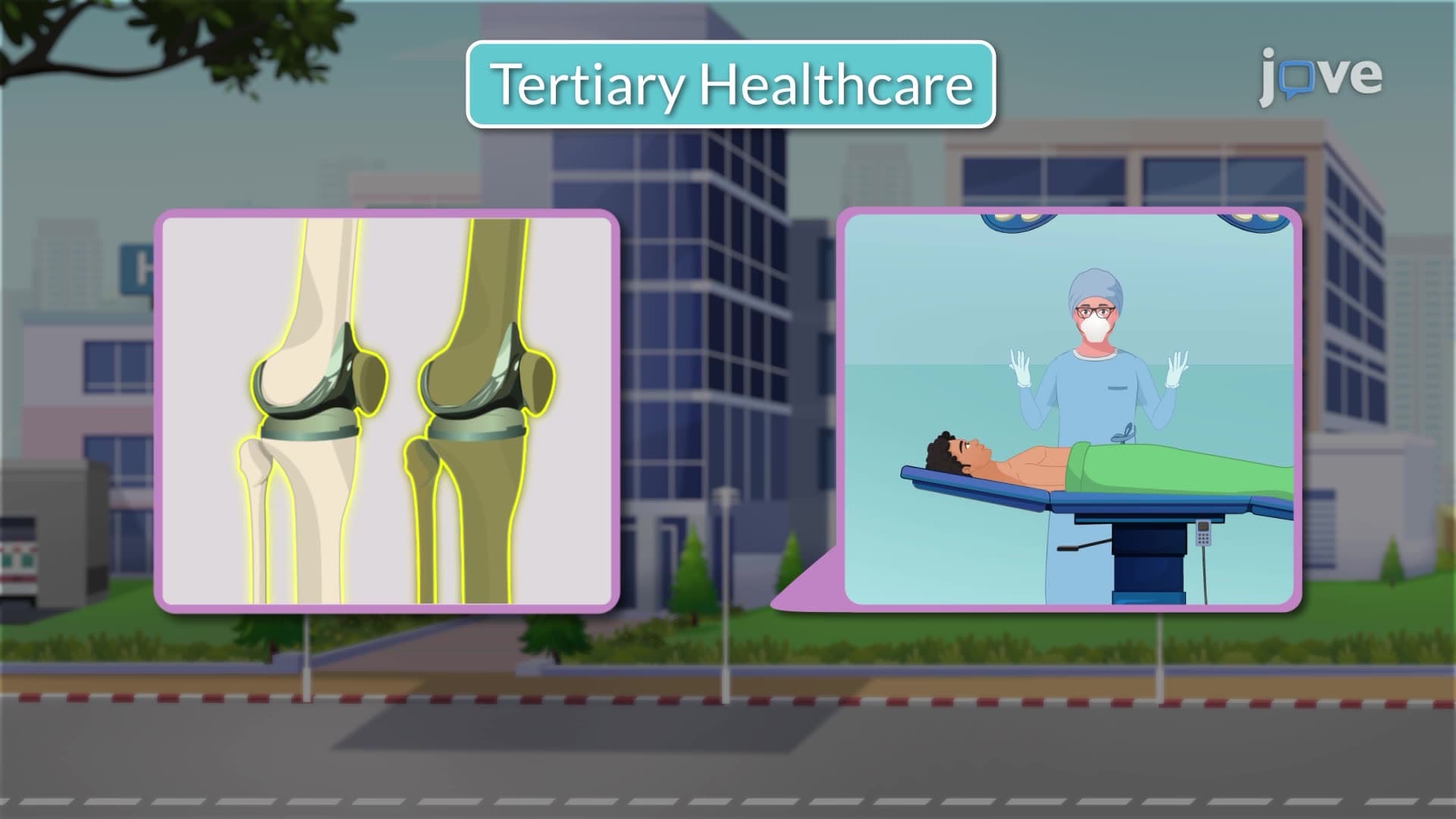
2. Traditional Healthcare Levels and Patient Flow American healthcare operates through six distinct levels based on complexity and specialization requirements. Preventive care includes community screenings and wellness programs offered by organizations like the CDC. Primary care involves family physicians and nurse practitioners providing initial diagnoses and routine management. Secondary care encompasses specialist consultations and hospital services requiring referrals. Tertiary care includes highly specialized treatments at academic medical centers like Johns Hopkins or Massachusetts General Hospital. Restorative care focuses on rehabilitation services, while continuing care provides long-term support through nursing homes and assisted living facilities, creating a comprehensive care continuum.
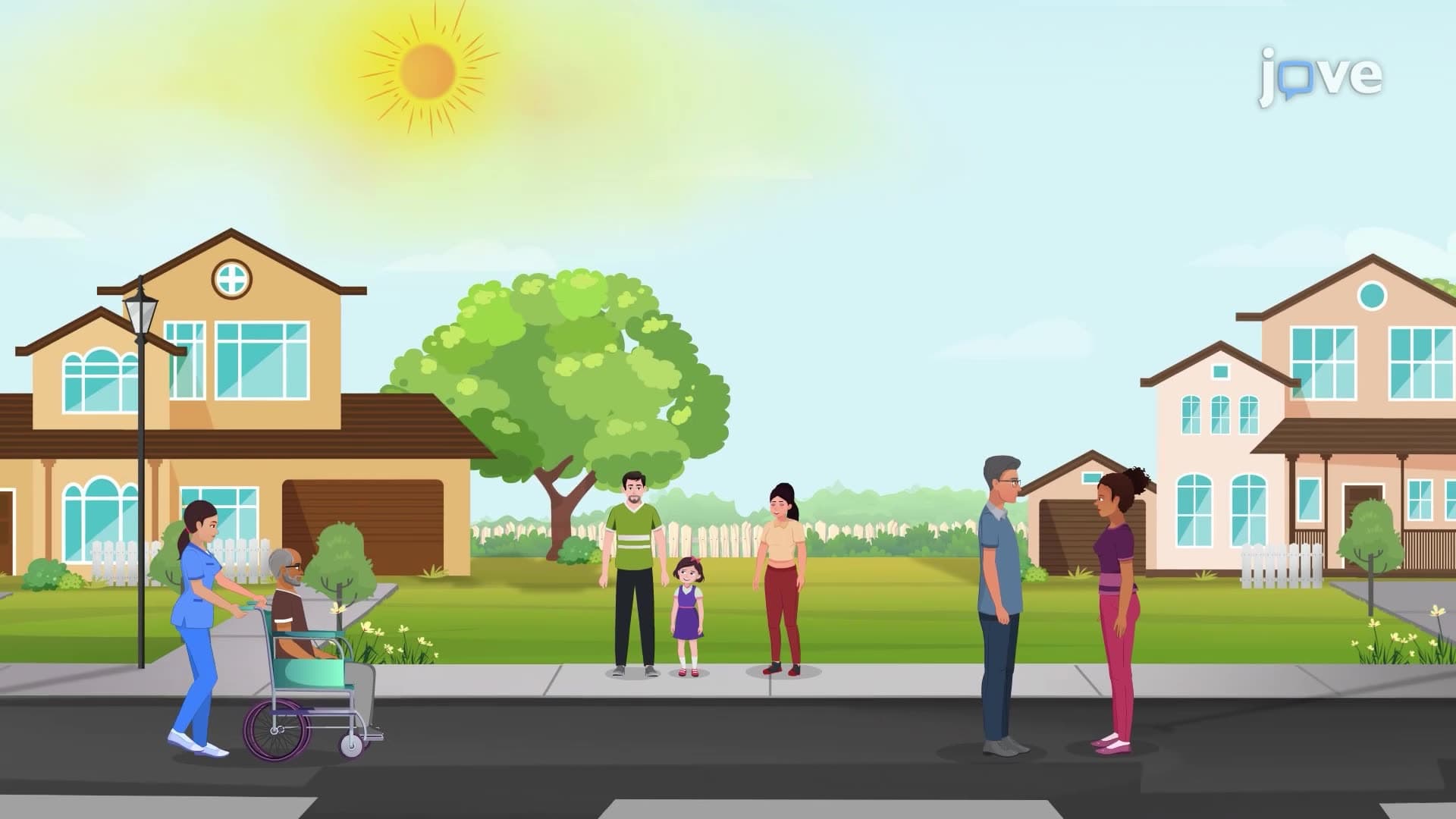
3. Healthcare Delivery Methods and Models Modern healthcare systems employ various delivery approaches to optimize outcomes and control costs. Managed care organizations like Kaiser Permanente integrate insurance and care delivery under unified management. Case management involves registered nurses coordinating patient care across multiple providers and settings, ensuring continuity from hospital discharge through community follow-up. Primary healthcare emphasizes community-based access through federally qualified health centers (FQHCs) serving underserved populations. These methods address care fragmentation challenges common in American healthcare while promoting evidence-based practices and standardized protocols for consistent quality outcomes.
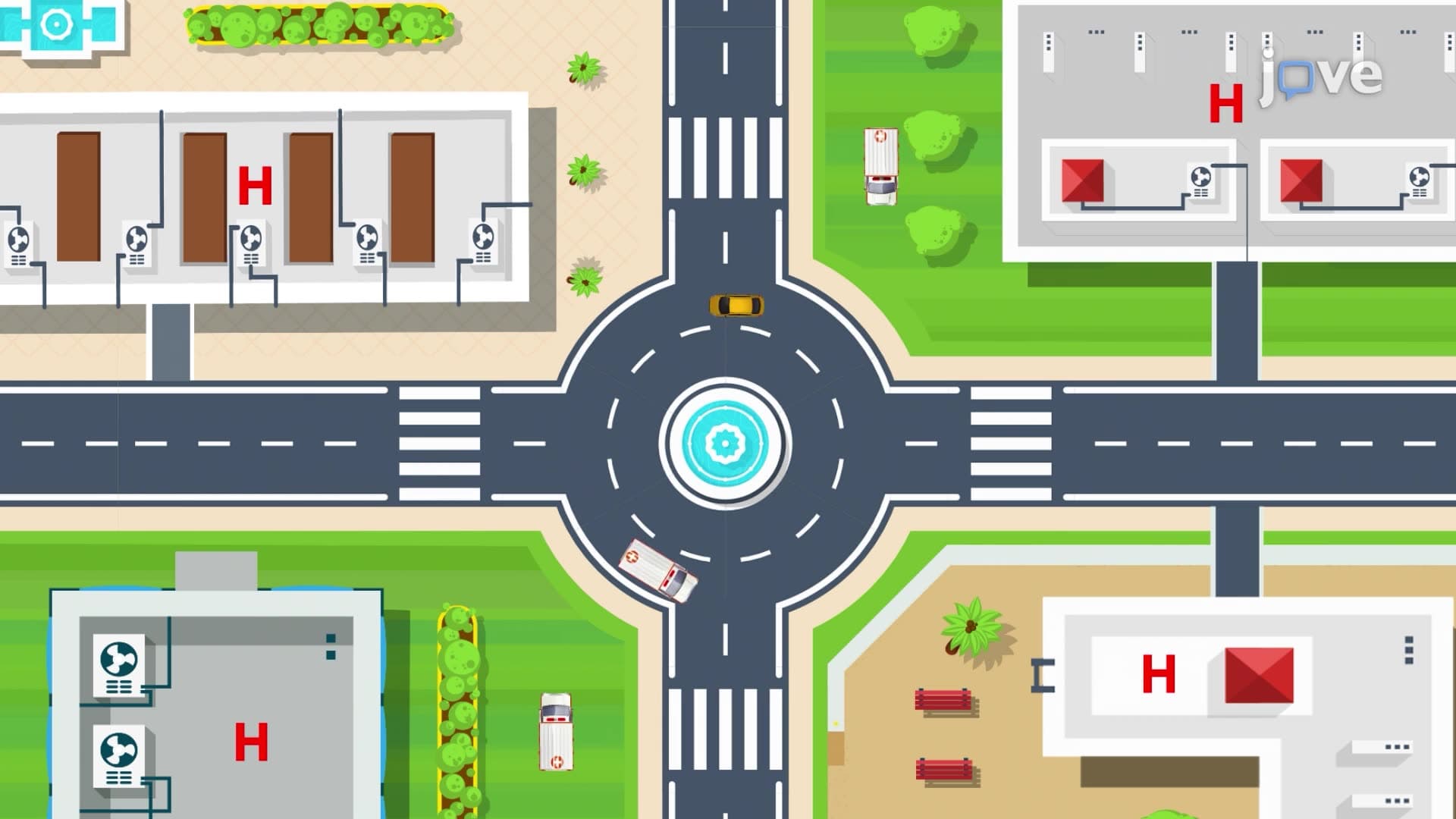
4. Integrated Healthcare Systems and Organizational Models Integrated delivery systems create networks connecting various healthcare providers under coordinated management structures. Horizontal integration links similar-level providers, such as multi-hospital systems like HCA Healthcare managing hundreds of acute care facilities nationwide. Vertical integration combines different care levels, exemplified by systems like Geisinger Health System encompassing primary care clinics, hospitals, specialty centers, and insurance plans. These integrated models improve care coordination, reduce duplication, enhance quality metrics, and achieve economies of scale while maintaining accountability for population health outcomes and fiscal responsibility.
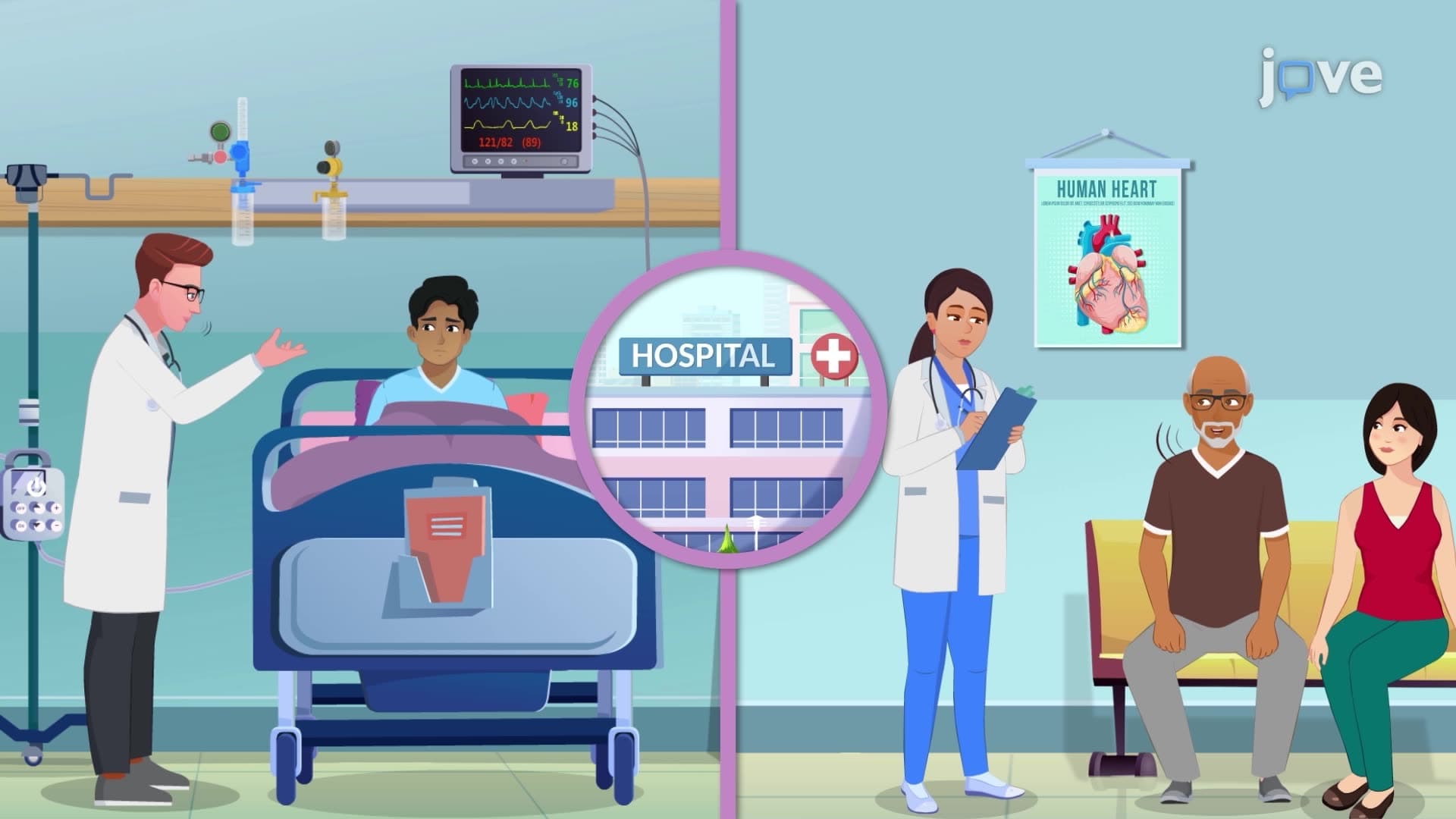
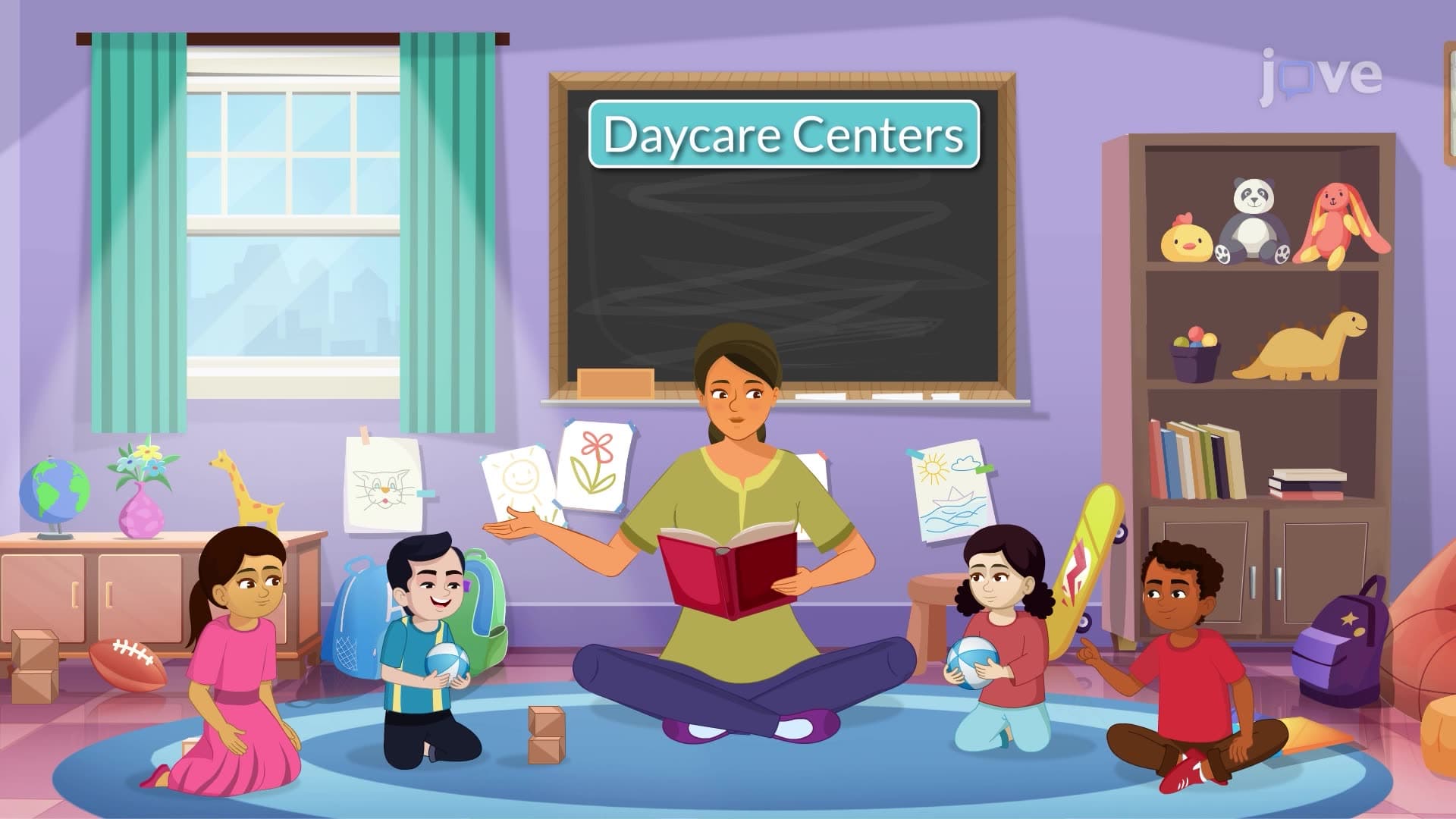
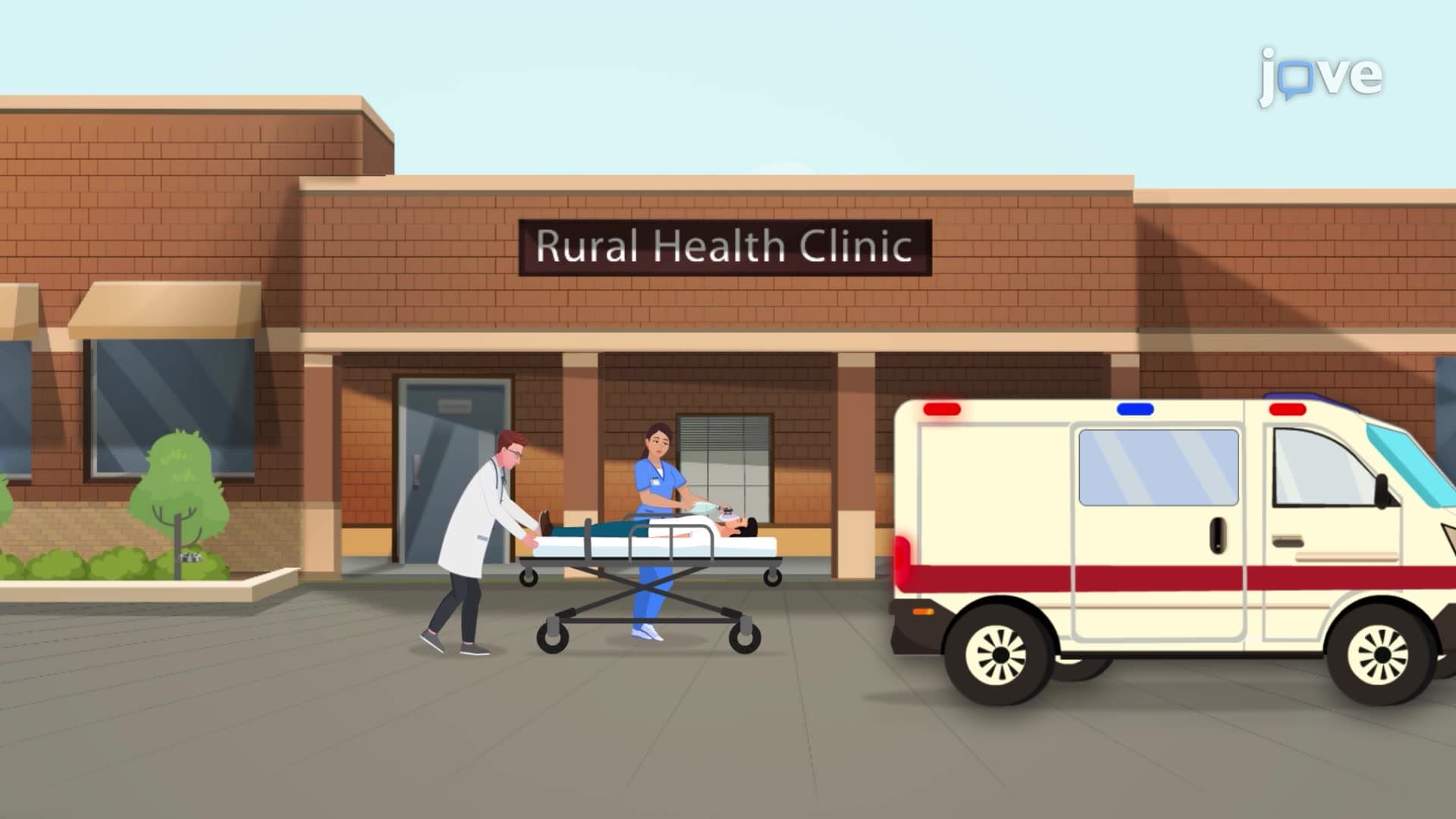
5. Hospital Systems and Specialized Care Settings American hospitals serve as cornerstone institutions providing comprehensive medical and surgical services while training future healthcare professionals. Public hospitals like Los Angeles County Medical Center operate as safety nets for uninsured populations, while private facilities range from community hospitals to specialized centers like St. Jude Children's Research Hospital. Specialized care settings include mental health centers, rural health clinics staffed by nurse practitioners, school-based health centers, occupational health clinics, and rehabilitation facilities. Each setting requires specific nursing competencies and serves distinct population needs within the broader healthcare ecosystem.
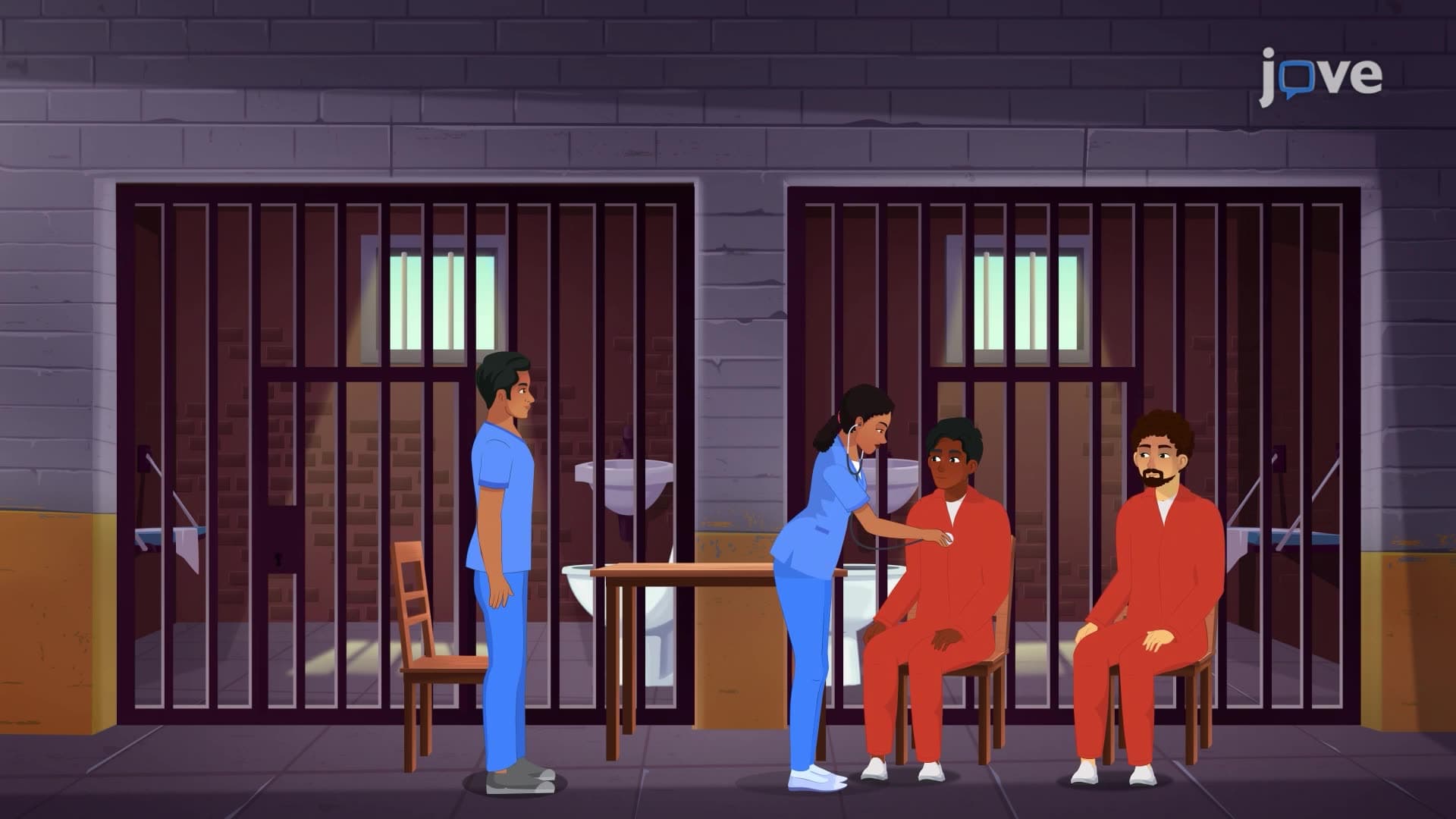
6. Healthcare Agencies and Community Resources Healthcare agencies extend services beyond traditional hospital settings to meet diverse community needs. Voluntary agencies like the American Red Cross and Meals on Wheels provide essential services through donations and grants. Religious organizations offer parish nursing programs integrating spiritual and physical wellness. Government agencies including Veterans Administration hospitals, military medical facilities, and Public Health Service clinics serve specific populations. These agencies coordinate with support groups such as Alcoholics Anonymous and cancer support networks, creating comprehensive community health infrastructure supporting vulnerable populations and specialized needs.
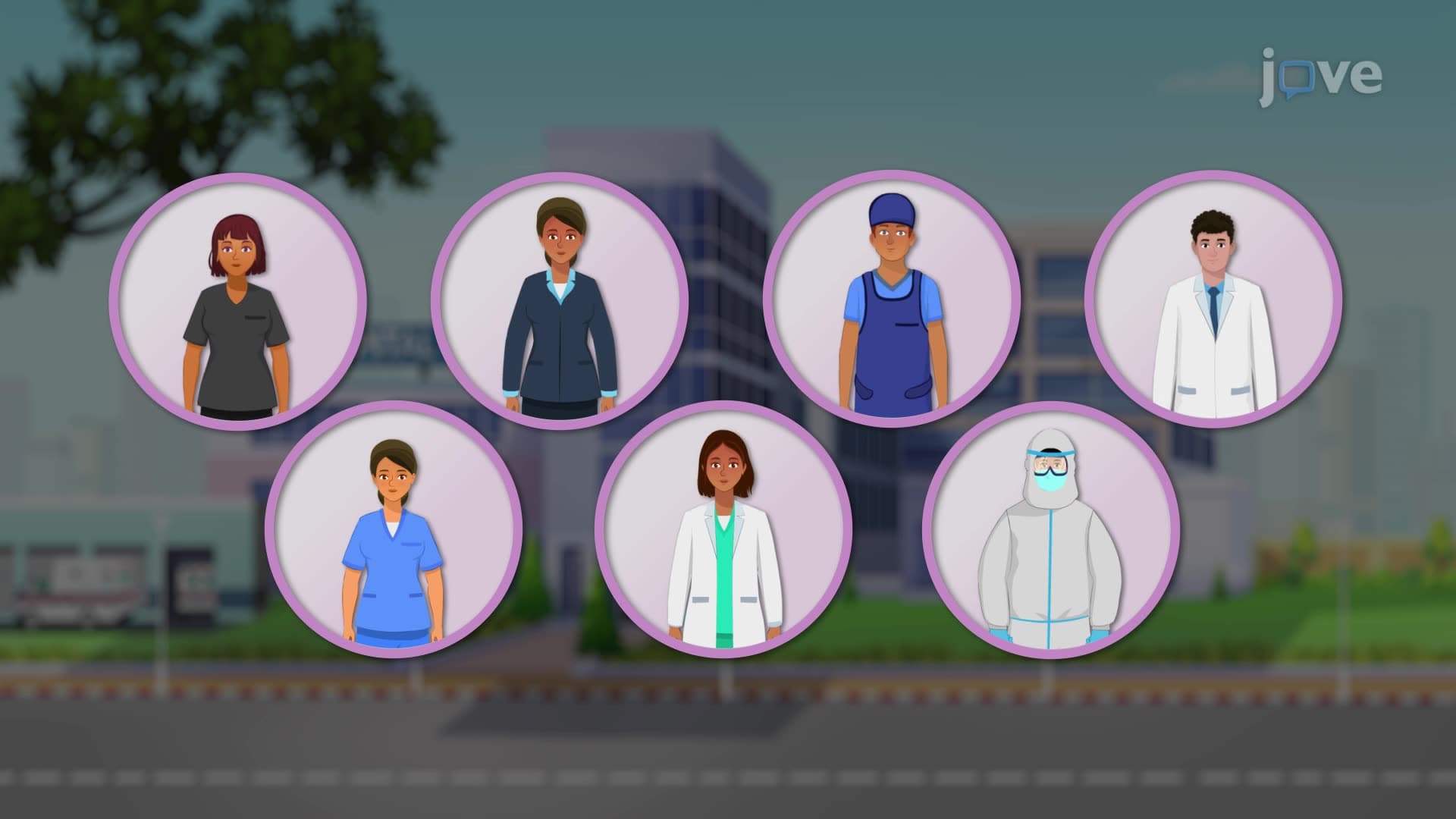
7. Interprofessional Healthcare Teams and Collaboration Modern healthcare delivery depends on coordinated interprofessional teams combining diverse expertise and skills. Physicians diagnose conditions and prescribe treatments while advanced practice registered nurses (APRNs) provide specialized consultations and prescribe medications in most states. Registered nurses coordinate patient care, supervise licensed practical nurses, and manage nursing assistants providing direct bedside care. Allied health professionals include pharmacists managing medication therapy, respiratory therapists optimizing pulmonary function, occupational therapists promoting functional independence, speech therapists addressing communication disorders, dietitians planning therapeutic nutrition, and laboratory technicians performing diagnostic tests essential for clinical decision-making.
8. Current Healthcare Issues and Future Trends Contemporary healthcare delivery faces significant challenges including rising costs, care fragmentation, and workforce shortages accelerated by the COVID-19 pandemic. Demographic shifts toward aging populations increase demand for chronic disease management and long-term care services. Technological advancements introduce artificial intelligence for diagnostic support, telemedicine expanding rural access, electronic health records improving care coordination, and precision medicine enabling personalized treatments. Healthcare financing continues evolving through value-based payment models, while regulatory changes impact service delivery. These trends require healthcare professionals to adapt continuously while maintaining focus on quality, safety, and patient-centered care principles.
Frequently Asked Questions
Horizontal integration combines similar-level healthcare providers under one management structure, such as multiple hospitals forming a health system like Tenet Healthcare. Vertical integration links different levels of care, connecting primary care clinics, hospitals, specialty centers, and even insurance plans under unified management, exemplified by integrated systems like Kaiser Permanente that provide both healthcare services and insurance coverage.
The levels form a progressive care continuum. Preventive care identifies risks through screenings. Primary care provides initial diagnosis and treatment. Secondary care offers specialized services requiring referrals. Tertiary care delivers highly complex treatments at academic medical centers. Restorative care focuses on rehabilitation and functional recovery. Continuing care provides long-term support for chronic conditions or disabilities, ensuring patients receive appropriate care intensity throughout their health journey.
Focus on understanding care coordination, case management principles, levels of prevention (primary, secondary, tertiary), discharge planning, interprofessional collaboration, and community health resources. NCLEX emphasizes nurses' roles in coordinating care across settings, making appropriate referrals, and ensuring continuity of care from acute settings to community-based services.
MCAT questions often address healthcare team collaboration, scope of practice differences between healthcare professionals, care coordination challenges, and how different providers contribute to patient outcomes. Understanding physician-nurse collaboration, the expanding role of nurse practitioners, and how team-based care improves quality while reducing costs is essential for healthcare policy discussions.
Managed care emphasizes coordinated, cost-effective care through networks of providers, utilization review, and preventive services, with organizations like HMOs controlling costs through gatekeeping and prior authorization. Fee-for-service allows patients to choose any provider but may lead to fragmented care and higher costs since providers are paid per service rather than for coordinated outcomes.
Healthcare systems involve complex interactions between multiple components (services, consumers, providers, payment), various organizational structures, and constantly evolving policies and technologies. Students must understand both theoretical frameworks and practical applications while keeping current with ongoing changes in healthcare financing, technology integration, and regulatory requirements affecting care delivery.
Create concept maps linking different system components and levels of care. Use real healthcare organizations as examples to understand integration models. Practice case studies showing patient flow through different care levels. Focus on nursing roles at each level since this perspective integrates throughout the system. Review current healthcare policy changes and technological trends affecting practice.
Technology expands access to care, particularly in rural areas through telemedicine consultations and remote monitoring. AI assists with diagnostic support and predictive analytics for population health management. These innovations enhance traditional delivery models by improving efficiency, reducing costs, and enabling personalized care while maintaining the fundamental structure of preventive through continuing care levels.
This microcourse includes 19 concept videos that walk you through the building blocks of Nursing. Each video is short, about 1 minute, so you can cover a full topic during a coffee break or between classes. The full sequence starts with Introduction To Health Care Delivery System and ends with Issues And Trends In Healthcare Delivery System.
The playlist moves from big-picture ideas to the precise vocabulary used in Nursing. Early videos introduce Introduction To Health Care Delivery System, Methods Of Healthcare Delivery System, and Traditional Level Of Health Care System. The middle of the series focuses on Primary Healthcare Services, Preventive Healthcare Services, and Secondary Healthcare System. The final stretch covers Tertiary Healthcare System, Restorative Care, Continuing Care, Hospitals-I, Hospitals-II, Specialized Care Centers and Settings-I, and Issues And Trends In Healthcare Delivery System.
The natural next step is Communication. From there, you can move to Infection Prevention and Control, The Nursing Process I, and The Nursing Process II. Once you finish those, the full Nursing curriculum of 14 microcourses on JoVE Coach opens up, taking you from foundational concepts to advanced systems.
Related Subjects
 Anatomy and Physiology 31 micro-courses›
 Medical-Surgical Nursing 28 micro-courses›