Loading subject page…


37,756 views

Video Summary: What Is Secondary Healthcare System
When a family doctor can't treat your complex heart condition, where do you go next? The secondary healthcare system bridges this critical gap by providing specialized medical care through expert physicians and advanced technology. For instance, if a student athlete in Texas develops persistent chest pain, their primary care doctor might refer them to a cardiologist at Houston Methodist Hospital for specialized cardiac testing and treatment. This referral-based system ensures patients receive the right level of expertise for their specific health needs. Watch the full video on JoVE Coach to master this concept with expert-led visuals and step-by-step explanations.
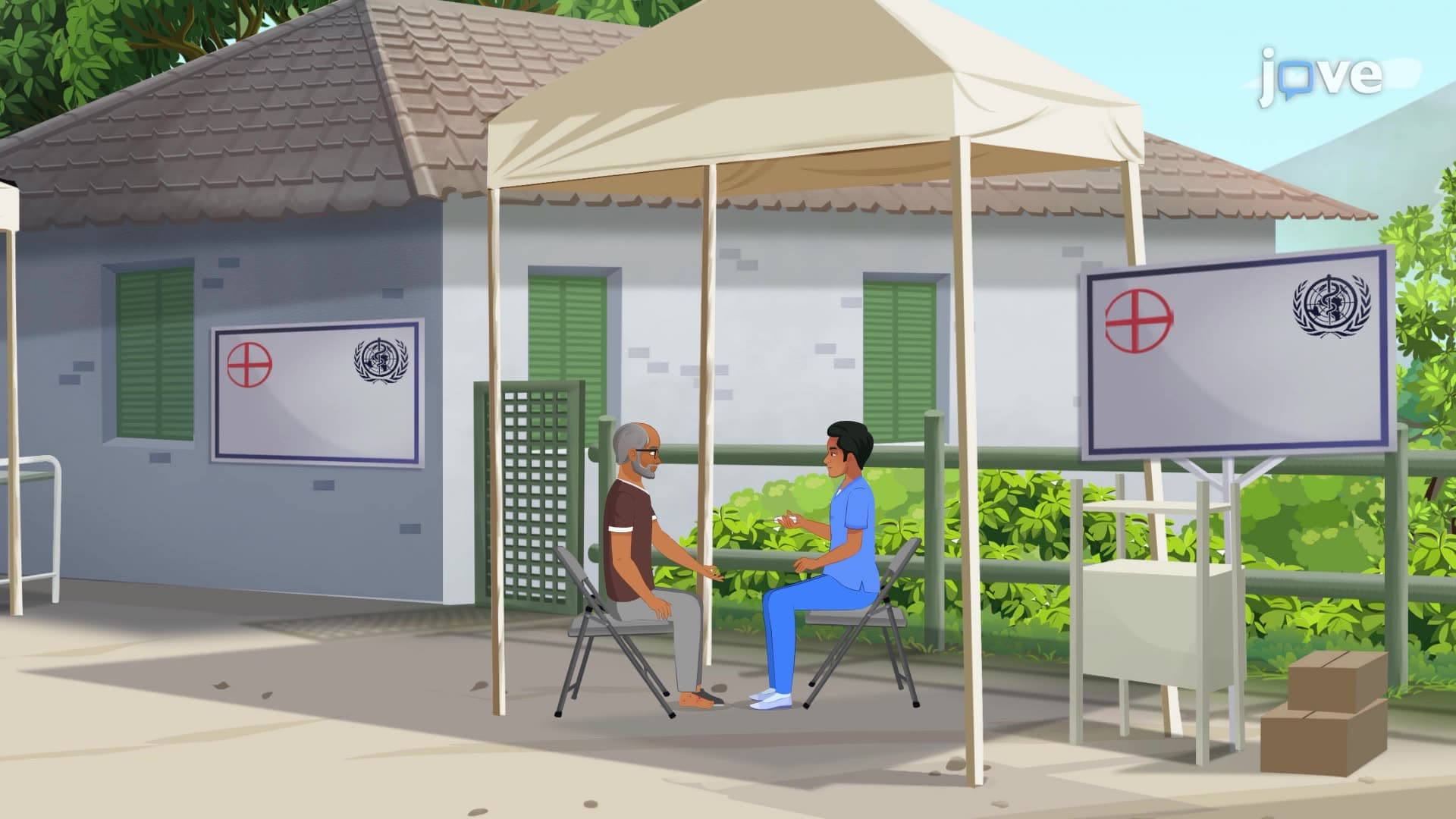
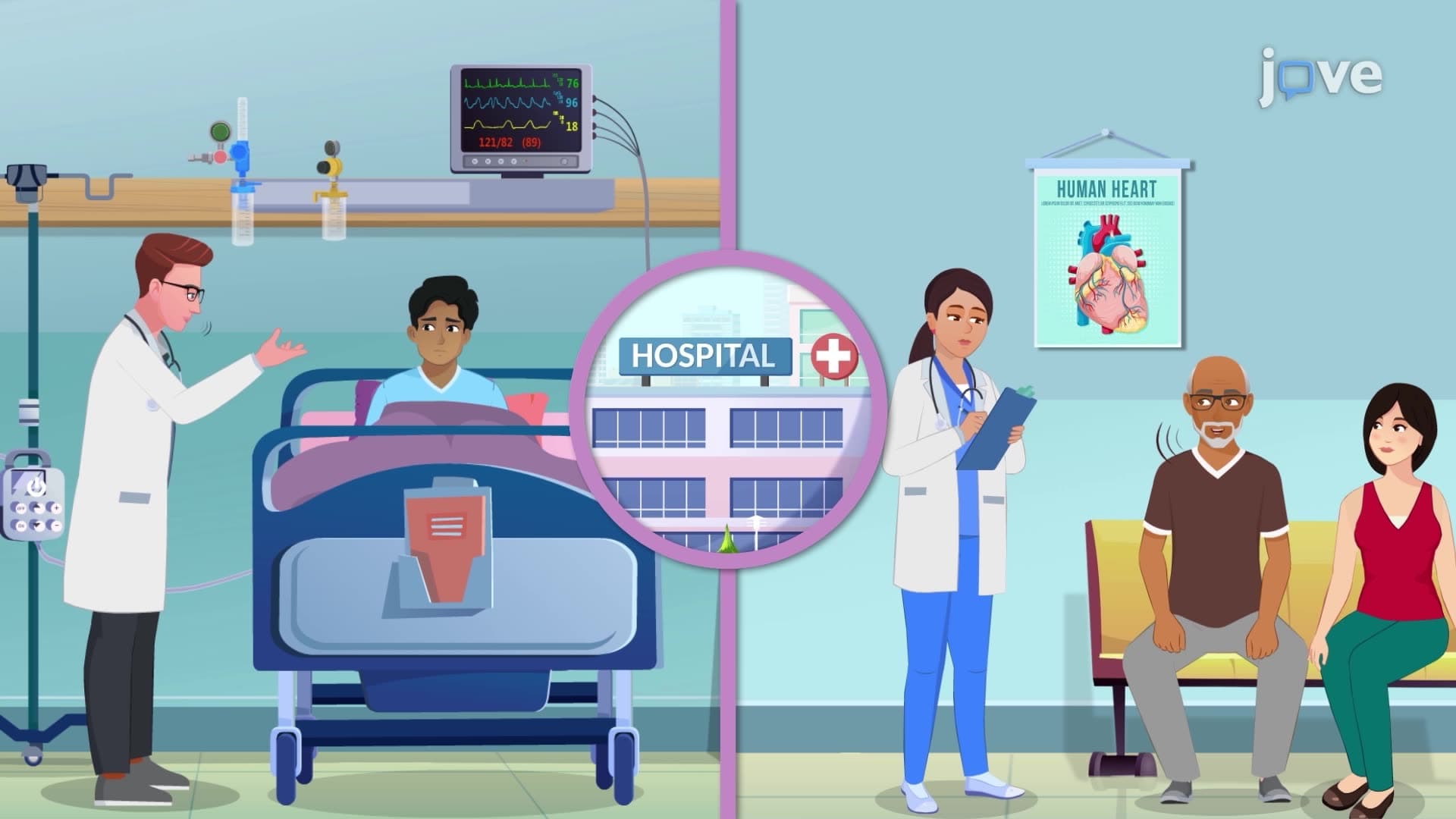
The secondary healthcare system represents the specialized tier of medical care that patients access through referrals from primary care providers. Unlike primary care, which focuses on general health maintenance and common conditions, secondary care addresses complex, specialized, or acute medical situations requiring expert knowledge and advanced medical technology.
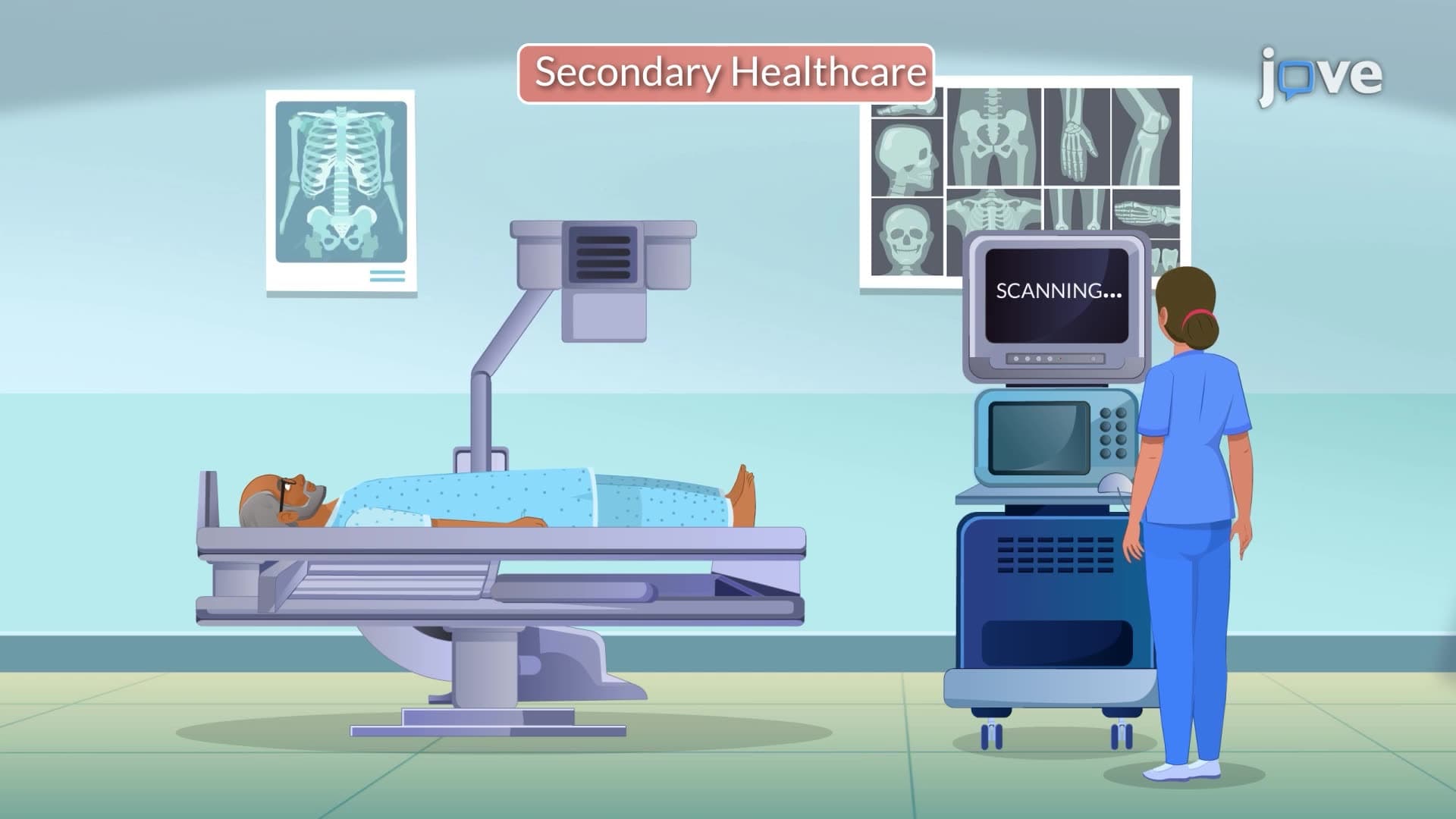
Secondary healthcare systems operate primarily through hospitals, specialty clinics, and medical centers equipped with sophisticated diagnostic and treatment capabilities. These facilities house specialists who have completed additional years of training beyond medical school in specific areas like cardiology, neurology, or orthopedics. For example, Cleveland Clinic's secondary care services include over 120 medical specialties, each requiring specialized equipment and expertise unavailable in typical primary care settings.
The referral-based nature of secondary care ensures appropriate resource utilization and cost management. When a primary care physician encounters a condition beyond their scope-such as a complex cardiac arrhythmia or suspected cancer-they initiate a referral to the appropriate specialist within the secondary healthcare system.
Consider a high school student experiencing recurring seizures. Their family doctor would refer them to a neurologist at a major medical center like Mayo Clinic, where advanced EEG monitoring and MRI imaging can provide definitive diagnosis and specialized treatment plans. This exemplifies how secondary healthcare systems handle conditions requiring specialized diagnostic capabilities and expert interpretation.
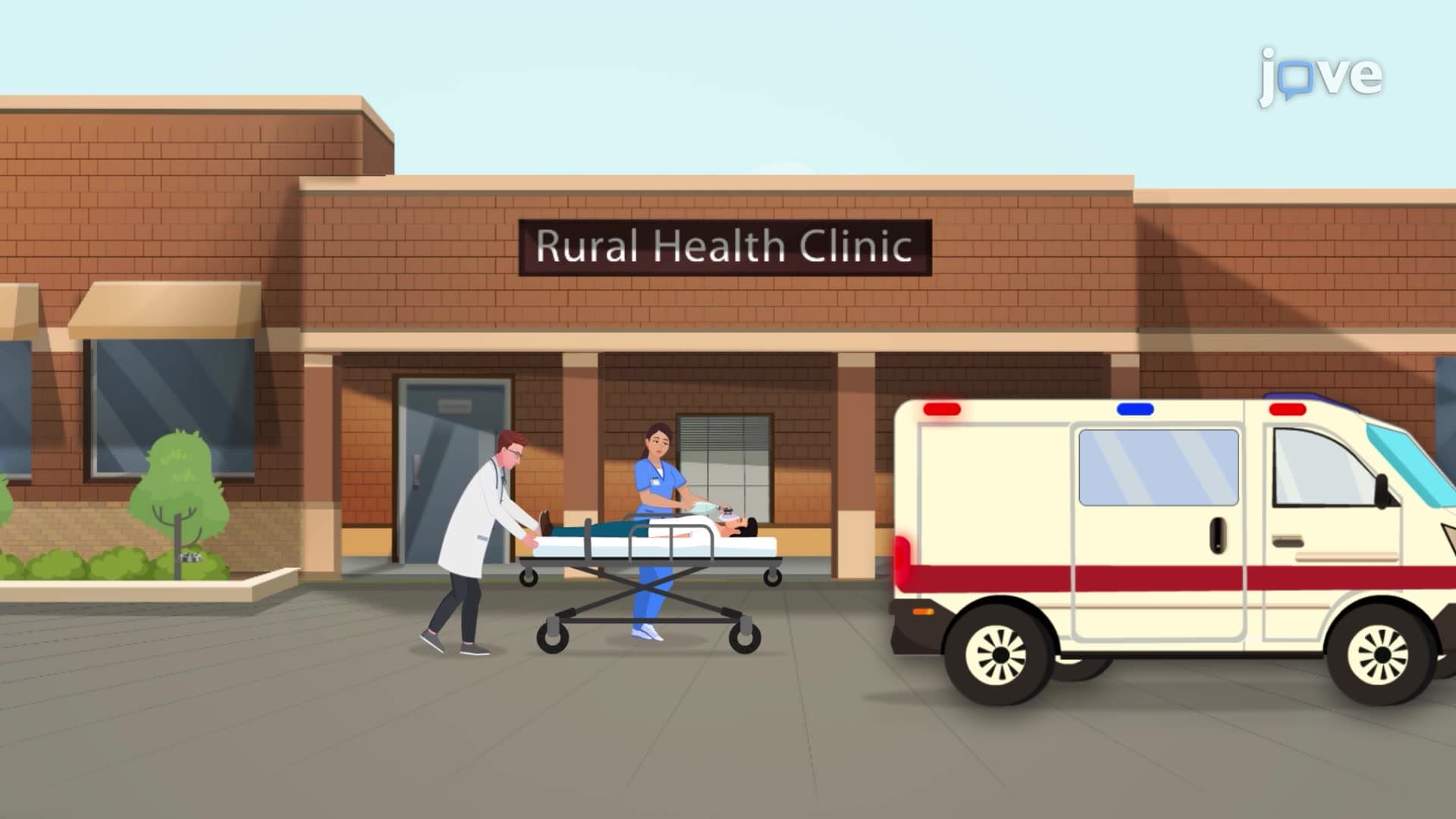
Emergency departments represent another crucial component of secondary care. When patients arrive with acute conditions like heart attacks or severe trauma, emergency physicians and specialists work together using advanced life-support equipment and immediate surgical capabilities unavailable in primary care settings.
Understanding secondary healthcare systems proves essential for students preparing for health-related careers and standardized exams. The MCAT includes questions about healthcare delivery systems, while AP Biology courses often explore how medical specialization reflects biological system complexity. College students in pre-health programs frequently encounter case studies involving the primary-secondary care continuum, making this knowledge crucial for academic and professional success.
Related Micro-courses