Loading subject page…


37,761 views


Video Summary: What Is Continuing Care
Did you know that over 12 million Americans currently receive continuing care services to maintain their independence and quality of life? Continuing care encompasses a comprehensive range of healthcare services designed for individuals who are disabled, functionally dependent, or facing terminal illness. From nursing homes like those operated by Genesis Healthcare to adult daycare programs in local communities, these services bridge the gap between hospital care and independent living. Understanding what is continuing care helps students grasp how healthcare systems support vulnerable populations across diverse settings. Watch the full video on JoVE Coach to master this concept with expert-led visuals and step-by-step explanations.
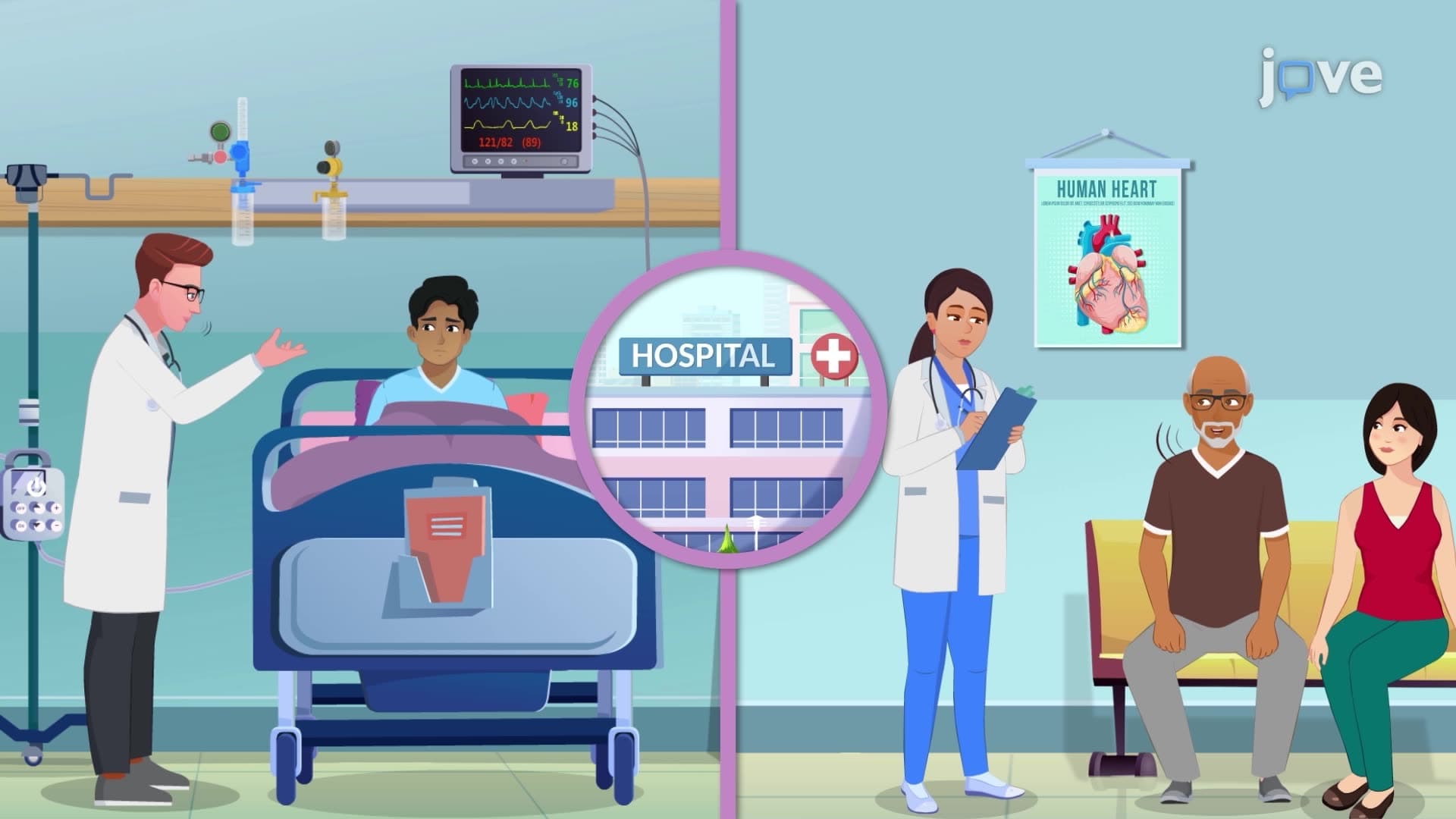
Continuing care represents a vital component of the American healthcare continuum, serving millions of individuals who require ongoing support due to chronic conditions, disabilities, or life-limiting illnesses. Unlike acute care provided in hospitals, continuing care focuses on maintaining quality of life, functional capacity, and dignity over extended periods. This care model addresses not only medical needs but also social, emotional, and spiritual aspects of patient well-being.
The continuing care definition encompasses both the services provided and the philosophy behind them. At its core, continuing care recognizes that healthcare extends beyond treating disease to supporting individuals in achieving their highest possible level of independence and comfort. This approach has become increasingly important as America's population ages, with the U.S. Census Bureau projecting that adults aged 65 and older will comprise 23% of the population by 2060.
Nursing centers, often called skilled nursing facilities, represent the most comprehensive level of institutional continuing care. Facilities like those operated by HCR ManorCare provide 24-hour nursing supervision, rehabilitation services, and custodial care in homelike environments. These centers serve patients recovering from hospital stays, managing chronic conditions, or requiring long-term custodial care. Students preparing for healthcare careers should understand that nursing centers bridge the gap between hospital discharge and either home care or permanent residence.
Assisted living facilities offer a middle ground between independent living and nursing home care. Companies like Sunrise Senior Living operate communities that provide personal care assistance, medication management, and social activities while preserving resident autonomy. This model particularly benefits individuals who need help with activities of daily living but don't require intensive medical supervision.
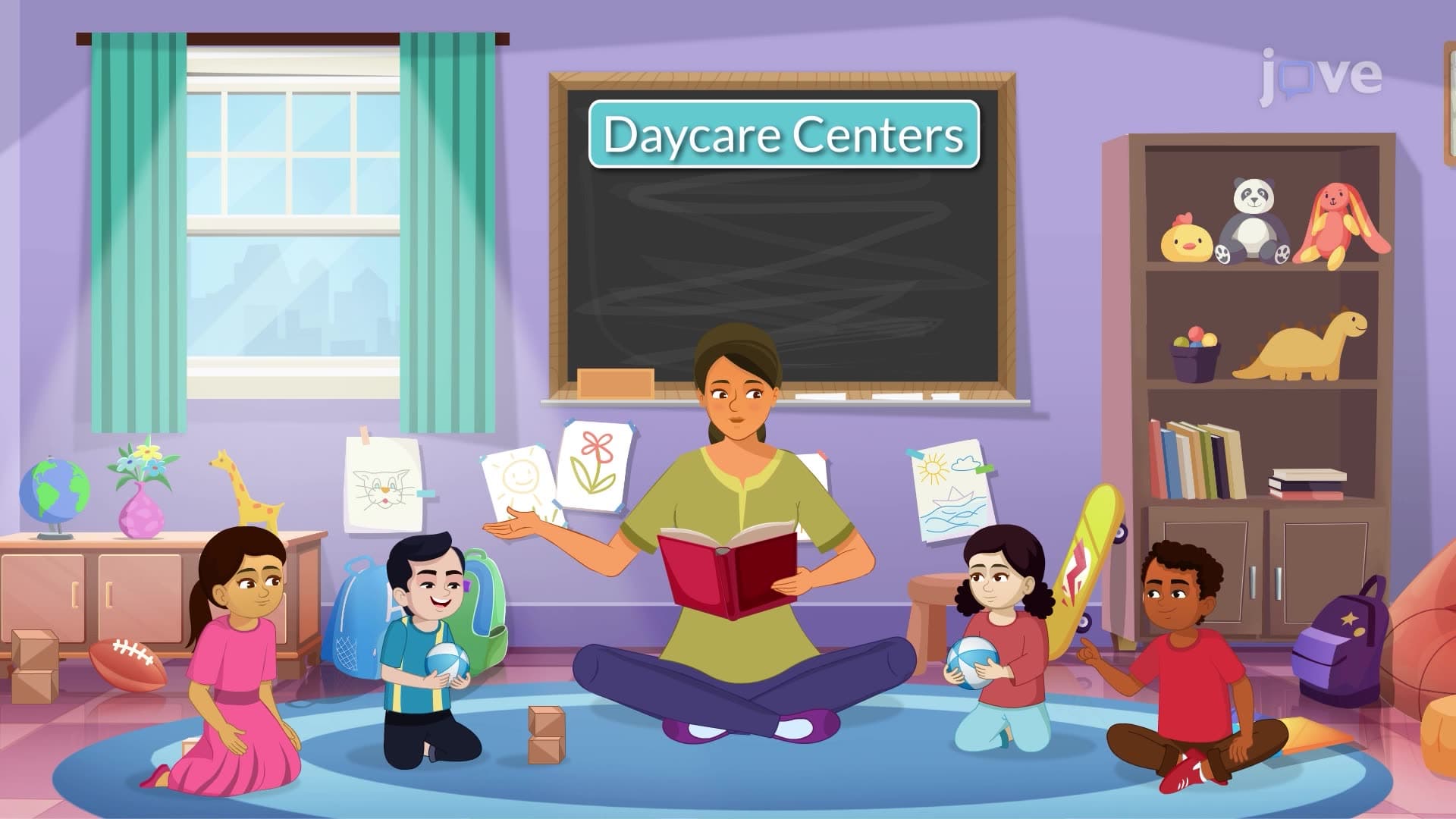
Adult daycare centers provide crucial support for working families caring for dependent relatives. Programs like those offered through local Area Agencies on Aging deliver health monitoring, social interaction, and therapeutic activities during business hours, enabling family caregivers to maintain employment while ensuring their loved ones receive appropriate supervision and care.
Respite care offers temporary relief for family caregivers through short-term placement in facilities or in-home professional support. This service prevents caregiver burnout and maintains family stability, which research shows is essential for successful long-term care outcomes.
Palliative care and hospice care represent specialized continuing care approaches for patients facing serious illnesses. Palliative care, available at any disease stage, focuses on symptom management and quality of life improvement. Organizations like the American Hospital Association report that over 70% of U.S. hospitals now offer palliative care programs, reflecting growing recognition of this approach's value.
Hospice care provides comfort-focused treatment for terminally ill patients with life expectancies of six months or less. Unlike curative treatments, hospice emphasizes pain management, emotional support, and maintaining dignity during end-of-life transitions. Students should note that hospice care can be provided in various settings, including homes, dedicated facilities, or hospital units, always with a family-centered approach that includes bereavement support.
For students taking AP Psychology, MCAT preparation, or nursing school prerequisites, understanding continuing care concepts helps contextualize healthcare delivery systems and patient advocacy principles that frequently appear in exam scenarios and clinical situations.
Related Micro-courses