Loading video…


 19 Concepts
 37.8K views

Video Summary: What Is Health Care Delivery System
Did you know that every time you visit your doctor, you're interacting with a complex network involving thousands of professionals and billions of dollars? The health care delivery system is the comprehensive framework that connects patients with medical services through four essential components: services, consumers, providers, and payment systems. For example, when a student visits a campus health center at UCLA, they experience this system firsthand-from the nurse practitioner who provides care to the insurance plan that covers costs. Understanding what is health care delivery system reveals how quality care reaches communities while managing costs and improving access. Watch the full video on JoVE Coach to master this concept with expert-led visuals and step-by-step explanations.
The health care delivery system represents one of the most complex organizational structures in modern society, designed to meet the medical needs of entire populations while balancing quality, cost, and accessibility. This intricate network extends far beyond individual doctor-patient interactions to encompass hospitals, clinics, insurance companies, pharmaceutical manufacturers, and government agencies working in coordination.
At its foundation, this system operates on four interconnected pillars that determine how effectively healthcare reaches those who need it. The complexity becomes apparent when considering that the U.S. healthcare system involves over 6,000 hospitals, 250,000 practicing physicians, and serves more than 330 million Americans with varying health needs and financial circumstances.
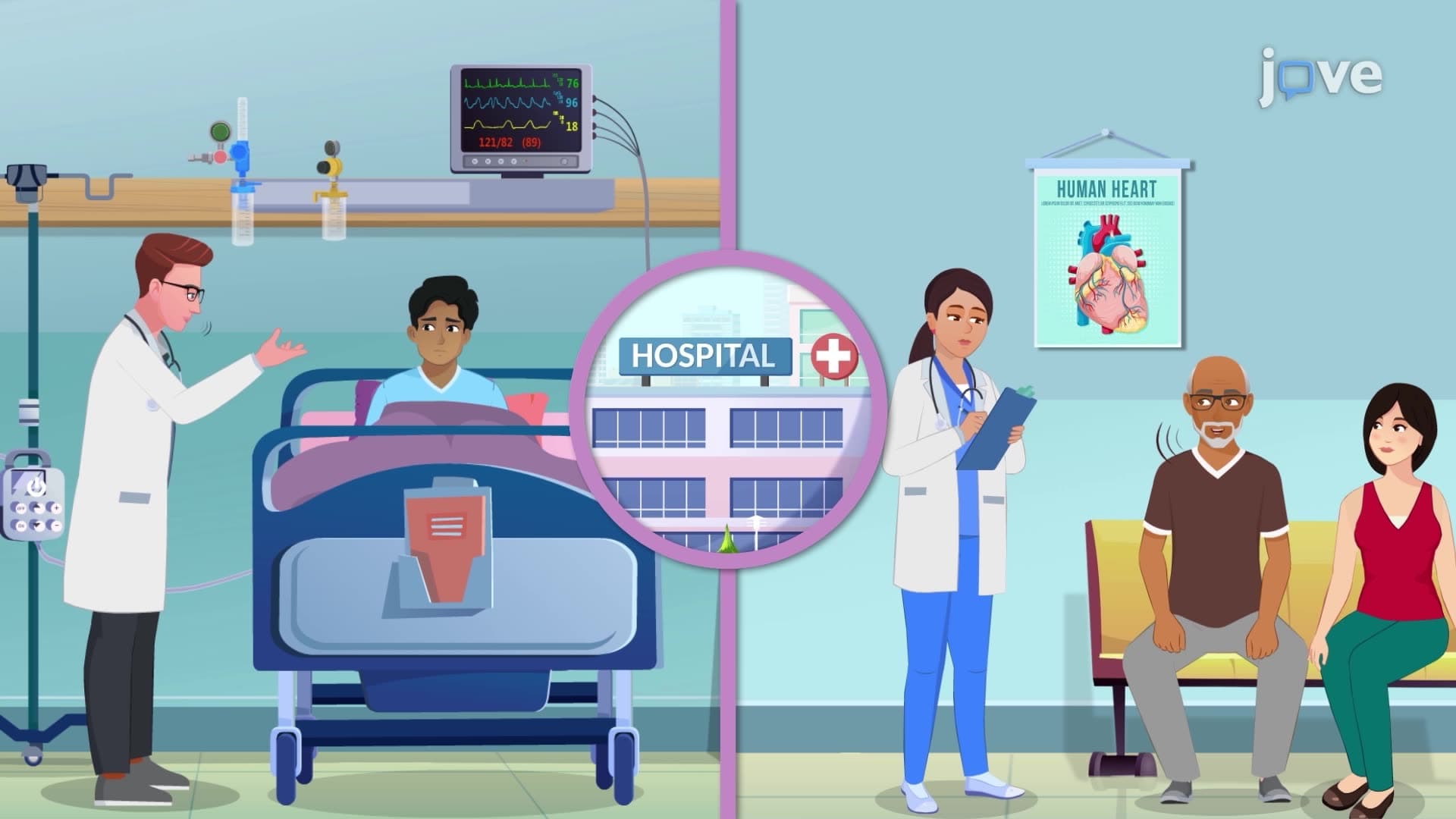
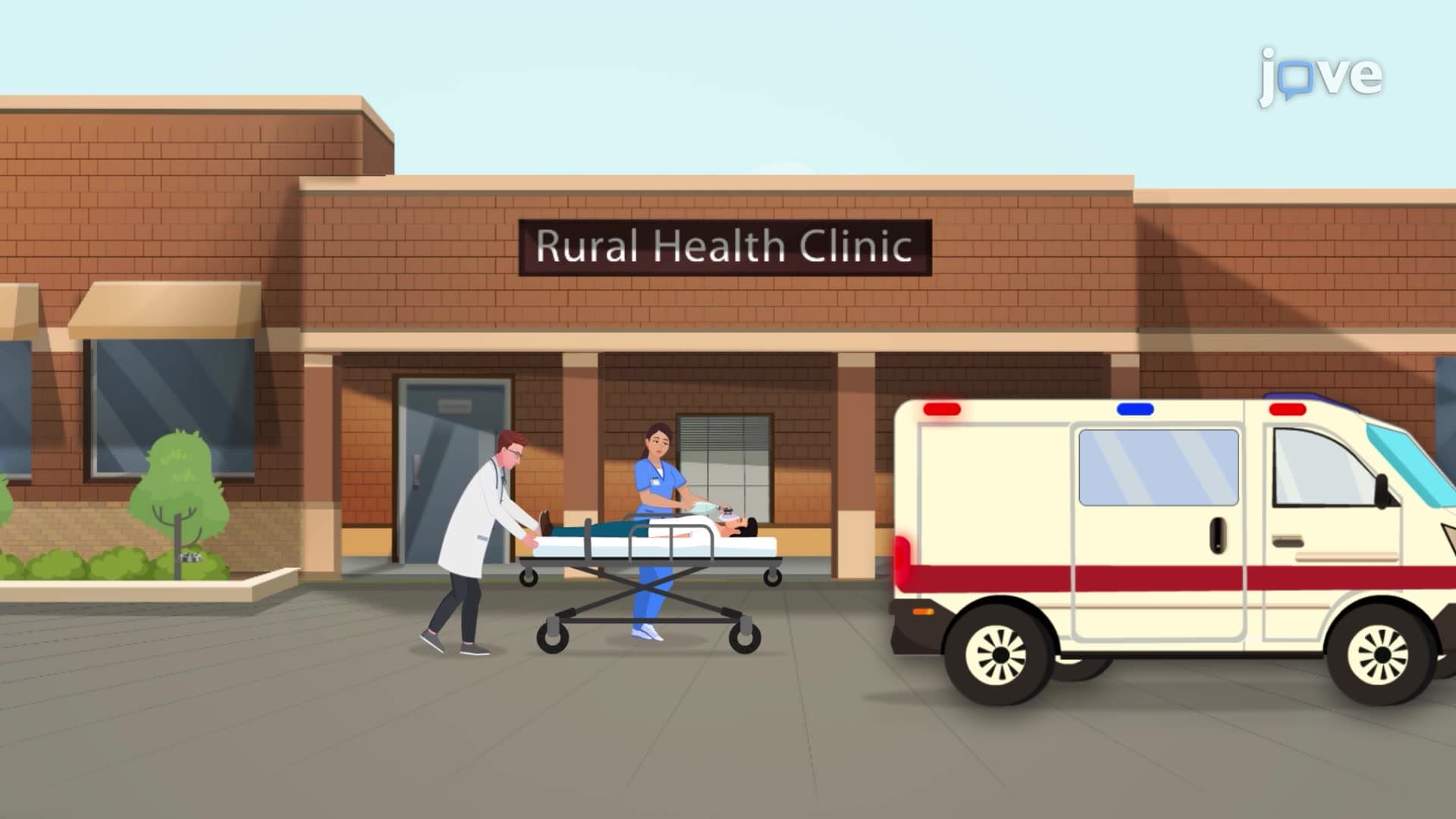
Healthcare Services form the backbone of delivery systems, encompassing everything from routine preventive care at community health centers to complex surgical procedures at academic medical centers like Cleveland Clinic or Massachusetts General Hospital. These services span primary care, specialty medicine, emergency services, mental health treatment, rehabilitation, and long-term care. The diversity of services reflects the comprehensive approach needed to address population health needs across different life stages and medical conditions.
Healthcare Consumers represent individuals, families, and communities who actively seek medical care and make decisions about their health. Unlike traditional business models, healthcare consumers often face unique challenges including medical urgency, limited treatment options, and complex insurance requirements. Understanding consumer behavior helps explain why healthcare markets function differently from other economic sectors.
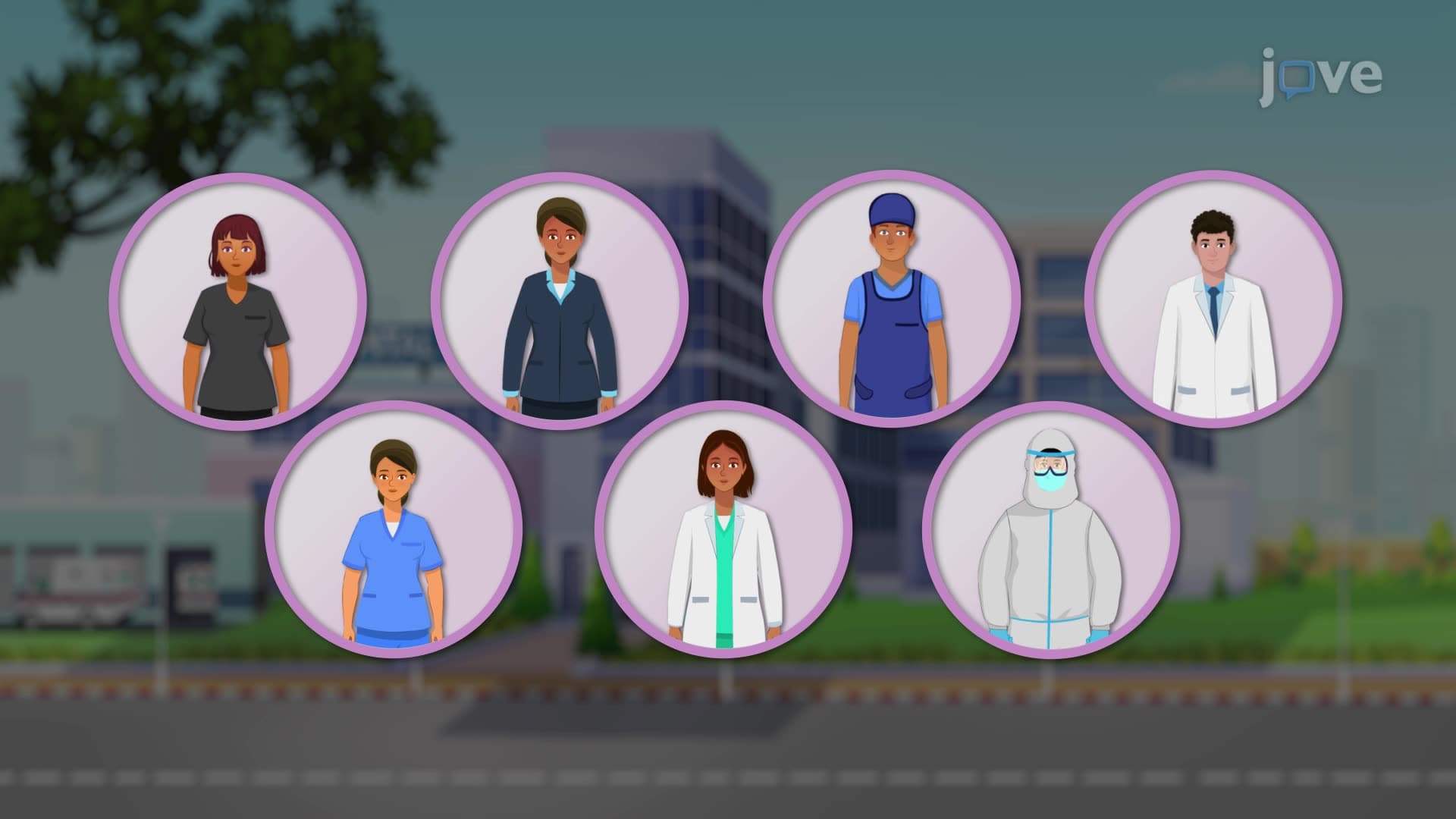
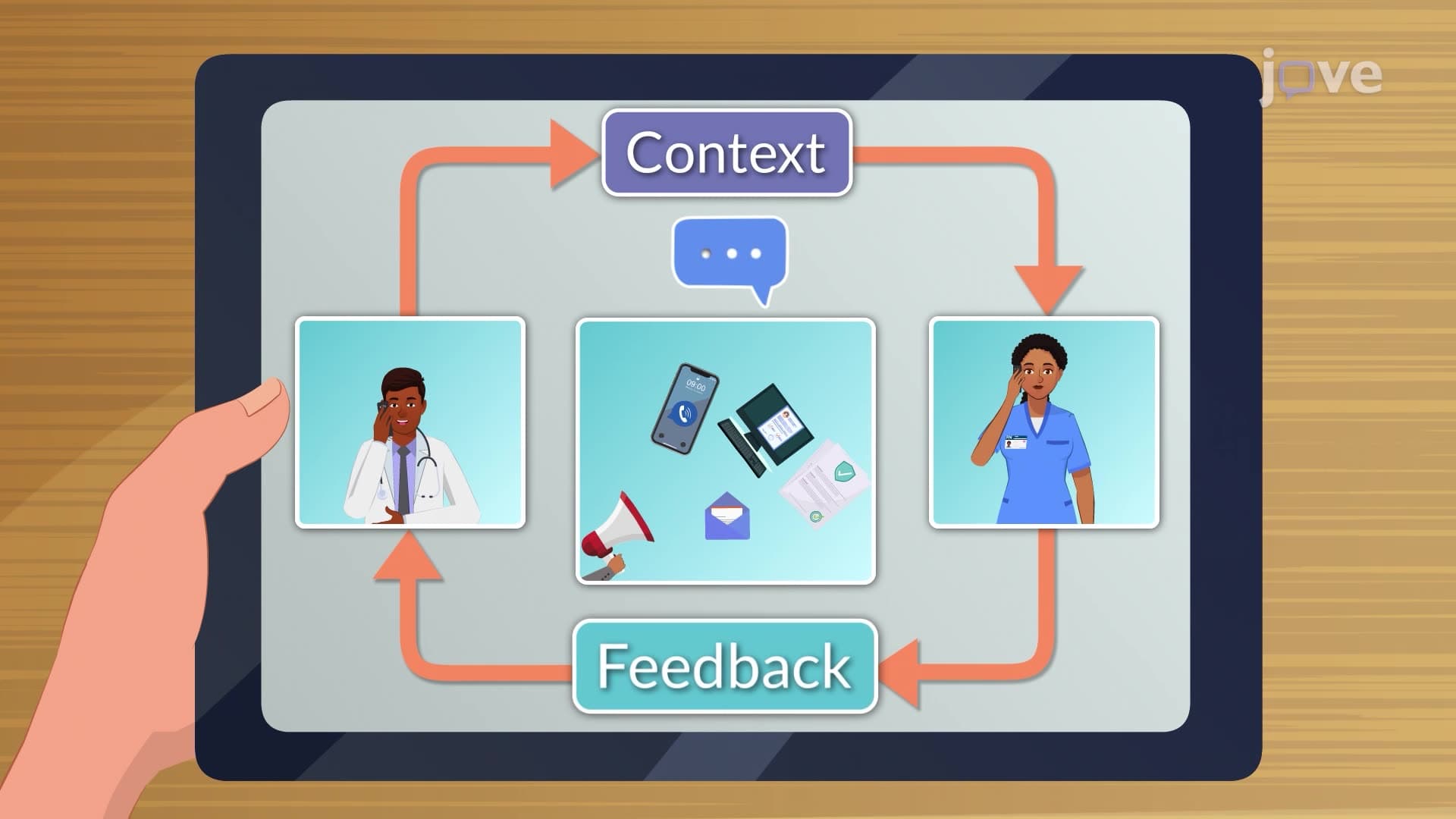
Healthcare Providers include the extensive network of professionals who deliver direct patient care and support services. This encompasses physicians, nurses, pharmacists, therapists, technicians, and administrative staff. The coordination among these providers determines care quality and patient outcomes. For instance, successful cancer treatment at institutions like MD Anderson requires seamless collaboration between oncologists, surgeons, radiologists, and nursing staff.
Payment Systems represent the financial mechanisms that fund healthcare delivery, including private insurance, government programs (Medicare and Medicaid), employer-sponsored plans, and direct patient payments. These systems significantly influence how care is delivered, what services are available, and how providers operate their practices.
Nurses occupy a unique position as patient advocates and system navigators, bridging gaps between complex medical procedures and patient understanding. They ensure continuity of care, monitor patient safety, and often serve as the primary point of contact throughout treatment processes. This intermediary role becomes increasingly important as healthcare systems grow more specialized and technologically advanced.
Students preparing for healthcare careers through programs like pre-nursing, pre-med, or health administration will encounter these concepts extensively in college coursework and professional exams. The NCLEX-RN exam tests nursing students' understanding of healthcare delivery systems, while the MCAT includes healthcare policy and delivery questions for future physicians. AP Biology and AP Psychology courses often incorporate healthcare delivery examples when discussing population health and behavioral factors in medical care.
Related Micro-courses