Loading video…


 19 Concepts
 37.8K views

Video Summary: What Is Issues and Trends
Did you know that the COVID-19 pandemic accelerated telemedicine adoption by over 3,000% in just months? Understanding issues trends in healthcare has become critical as systems face unprecedented challenges from staffing shortages to technological breakthroughs. The Mayo Clinic's rapid implementation of remote monitoring exemplifies how healthcare adapts to emerging demands. What is Issues And Trends encompasses both current challenges like care fragmentation and innovative solutions including AI-powered diagnostics. Watch the full video on JoVE Coach to master this concept with expert-led visuals and step-by-step explanations.
Healthcare systems operate within a constantly shifting landscape where issues and trends intersect to create both challenges and innovations. The issues and trends definition explained encompasses two interconnected components: persistent problems that healthcare systems must address and emerging patterns that indicate future directions. For students preparing for healthcare-related coursework or exams like the MCAT, understanding this dynamic relationship proves essential for grasping how medical systems evolve.
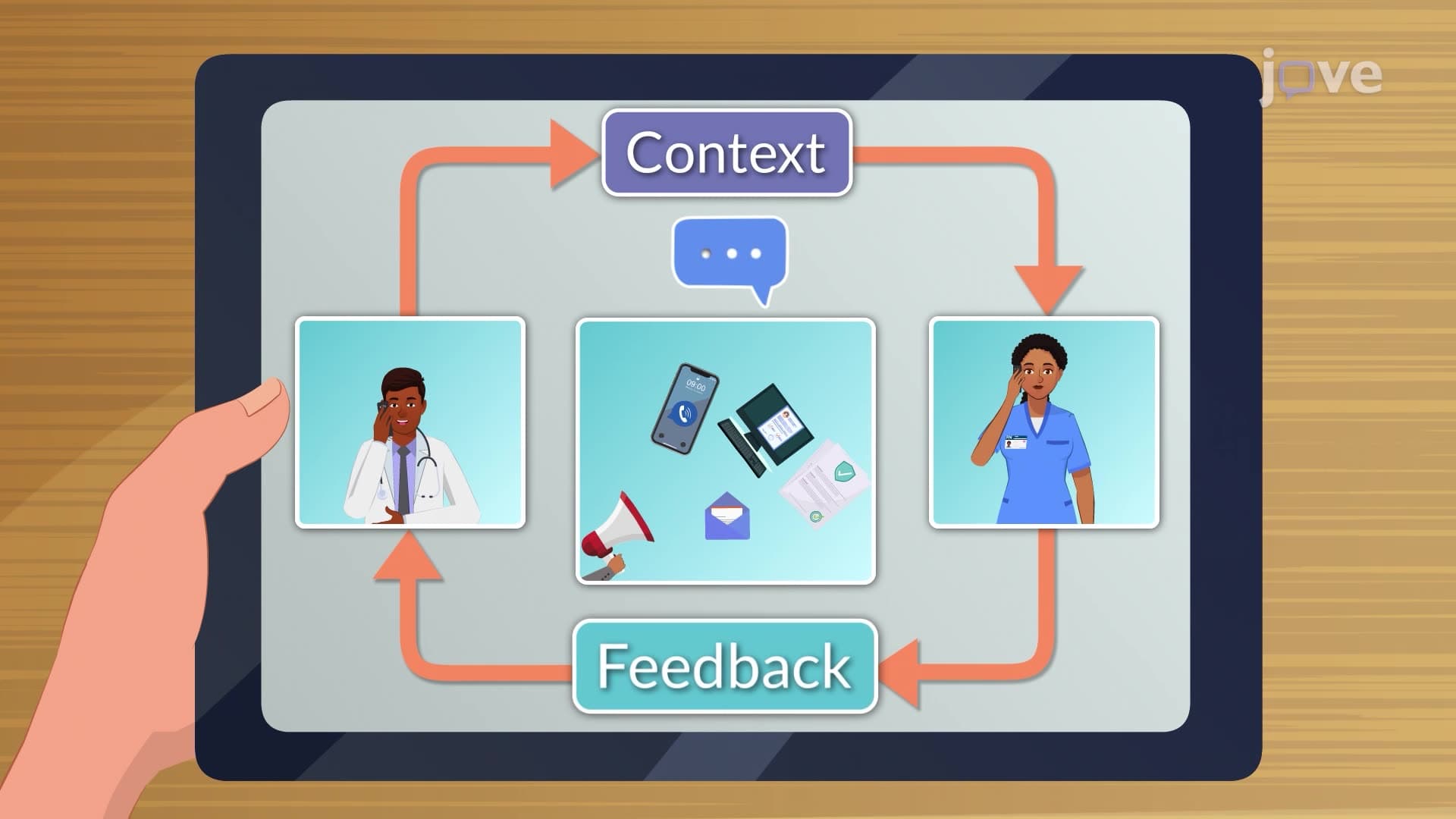
The most pressing issues trends in American healthcare include escalating costs, provider shortages, and care fragmentation. Care fragmentation occurs when patients receive treatment from multiple specialists without adequate coordination-imagine a diabetic patient seeing an endocrinologist, cardiologist, and ophthalmologist separately without shared treatment plans. The Cleveland Clinic's integrated care model addresses this issue by centralizing patient information and coordinating specialist consultations. Rising healthcare expenditures, particularly evident during COVID-19 when uninsured patients faced overwhelming medical bills, demonstrate how insurance gaps create systemic vulnerabilities that affect entire populations.
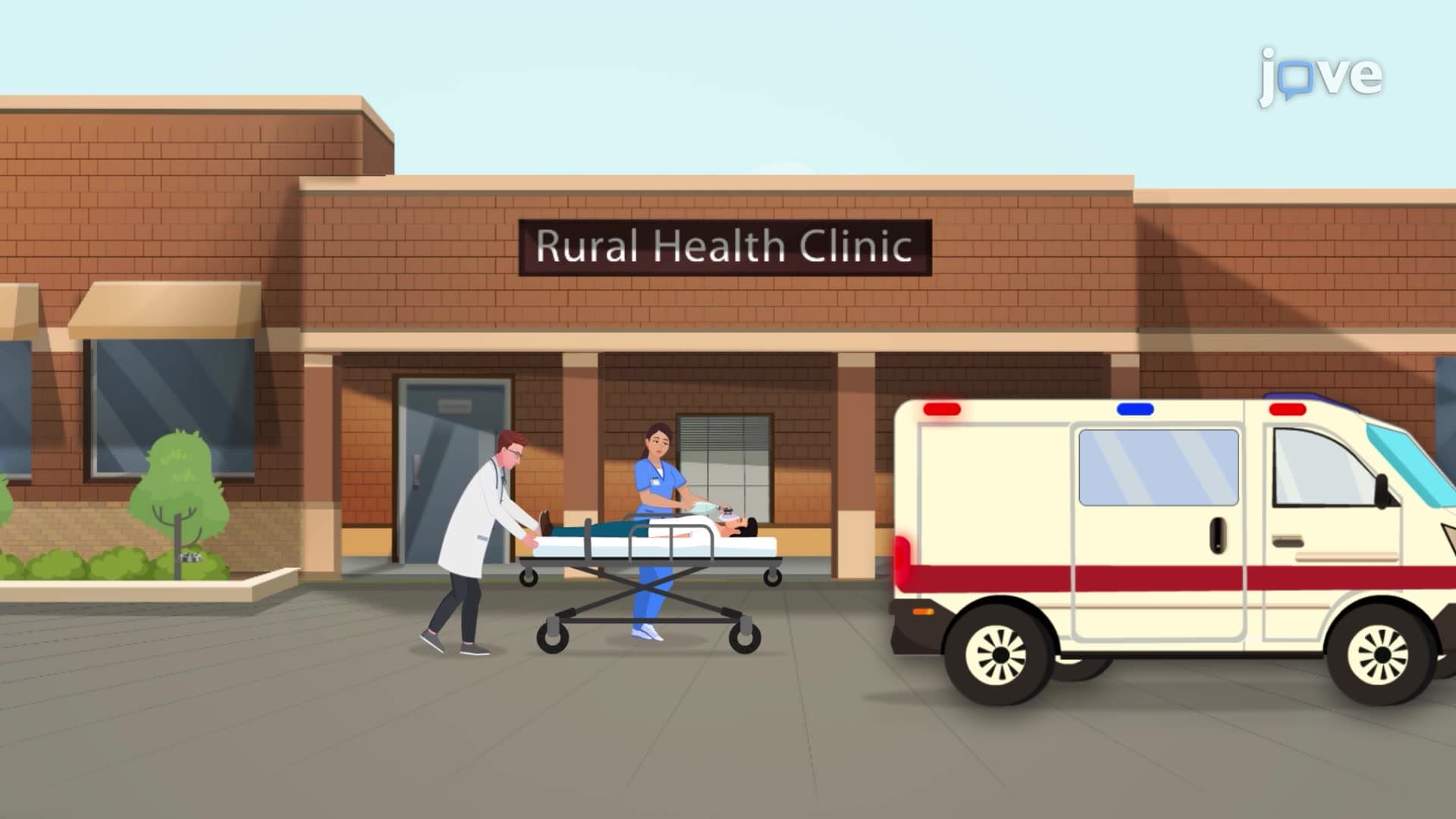
Contemporary healthcare trends reflect technological advancement and changing patient expectations. Artificial intelligence now assists radiologists at institutions like Johns Hopkins in detecting early-stage cancers with greater accuracy than traditional methods. The Internet of Medical Things enables continuous monitoring through devices like smart insulin pumps and cardiac monitors, allowing real-time data collection that improves treatment outcomes. Telemedicine, which experienced explosive growth during the pandemic, now serves rural communities where specialist access was previously limited. Students studying for AP Biology or college-level health sciences courses should understand how these technologies integrate with traditional medical practices.
Genomics and nanomedicine represent the frontier of personalized healthcare, where treatments are tailored to individual genetic profiles. The National Institutes of Health's All of Us Research Program exemplifies how large-scale genetic data collection enables precision medicine development. Bioprinting technology, currently in clinical trials at major US medical centers, promises to revolutionize organ transplantation by creating patient-specific tissues that reduce rejection risks. These advances require healthcare professionals to understand both technological capabilities and ethical implications, making this knowledge crucial for students considering medical careers or taking advanced placement courses in biological sciences.
Related Micro-courses