Loading subject page…


37,756 views


Video Summary: What Is Hospitals I
Did you know that hospitals like Mayo Clinic treat over 1.3 million patients annually while simultaneously training future doctors? Hospitals I encompasses the fundamental understanding of how these complex healthcare institutions operate as treatment centers, educational hubs, and research facilities. From public hospitals serving uninsured patients to specialized children's hospitals like Boston Children's Hospital, these institutions form the backbone of America's healthcare system. Watch the full video on JoVE Coach to master this concept with expert-led visuals and step-by-step explanations.
Hospitals I represents the introductory study of hospital systems and their multifaceted role in American healthcare. These institutions serve as cornerstones of medical care, combining patient treatment, professional education, and medical research under one roof. Understanding hospital fundamentals is crucial for students pursuing healthcare careers, as these concepts appear frequently on the MCAT, NCLEX-RN, and college-level health administration courses.
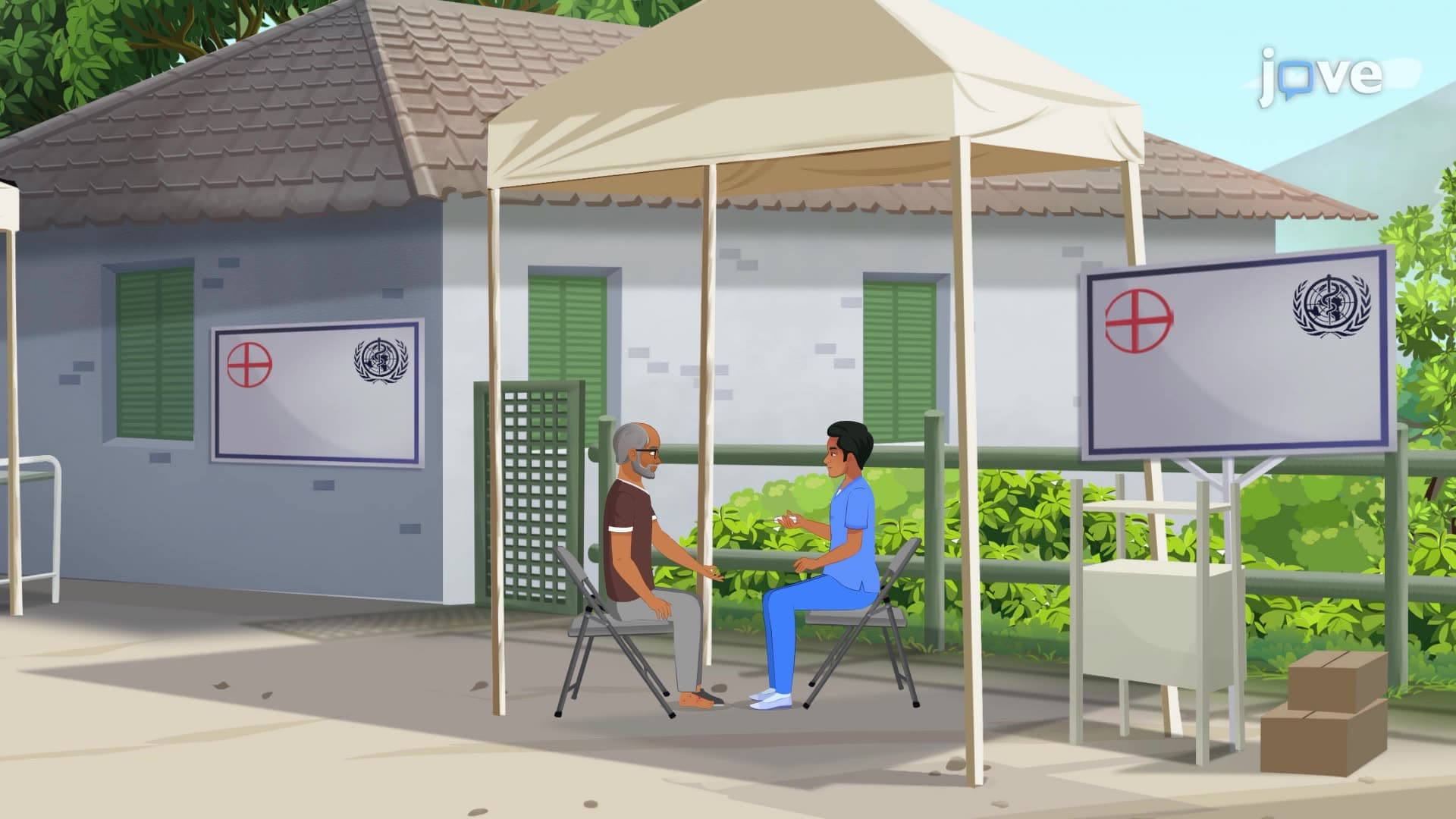
The ownership classification system divides hospitals into distinct categories that directly impact patient care and accessibility. Public hospitals, such as Grady Health System in Atlanta, operate as government-funded nonprofit organizations serving primarily uninsured and underinsured populations. These facilities often function as safety nets, providing essential services regardless of patients' ability to pay.
Private hospitals encompass both for-profit entities like HCA Healthcare facilities and nonprofit institutions such as those operated by religious organizations like Ascension Health. Private hospitals typically serve patients with comprehensive insurance coverage or significant financial resources, often providing more amenities and shorter wait times. This ownership distinction significantly influences hospital operations, funding sources, and patient demographics.
Hospital classification by size directly correlates with service capability and community role. Critical Access Hospitals, with 25 beds or fewer, serve rural communities like those in Montana and Wyoming, providing essential emergency and basic medical services. In contrast, major medical centers such as Houston Methodist Hospital operate with over 900 beds, offering comprehensive tertiary care including organ transplants and complex surgical procedures.
Medium-sized hospitals, typically ranging from 100-400 beds, serve suburban and mid-sized urban areas, providing most common medical services while referring complex cases to larger academic medical centers. This size-based classification helps healthcare planners determine resource allocation and service distribution across geographic regions.
Specialty hospitals represent a crucial category focusing on specific patient populations or medical conditions. Shriners Children's Hospital network exclusively treats pediatric orthopedic conditions, burns, and spinal cord injuries, while institutions like MD Anderson Cancer Center specialize in oncology treatment and research. These specialized facilities often collaborate with general hospitals to provide comprehensive care pathways.
The integration of various hospital types creates a healthcare ecosystem where patients can access appropriate levels of care. This concept frequently appears in AP Biology discussions about human body systems and in college-level health policy courses examining healthcare delivery models.
Related Micro-courses