Loading subject page…

- Nursing
- Healthcare Delivery Systems
- Specialized Care Centers and Settings-I
Micro-course: Healthcare Delivery Systems
37,756 views
Learn key concepts and earn your certificate.







Specialized Care Centers and Settings-I

00:00
01:30
Video Summary: Specialized Care Centers and Settings I Explained
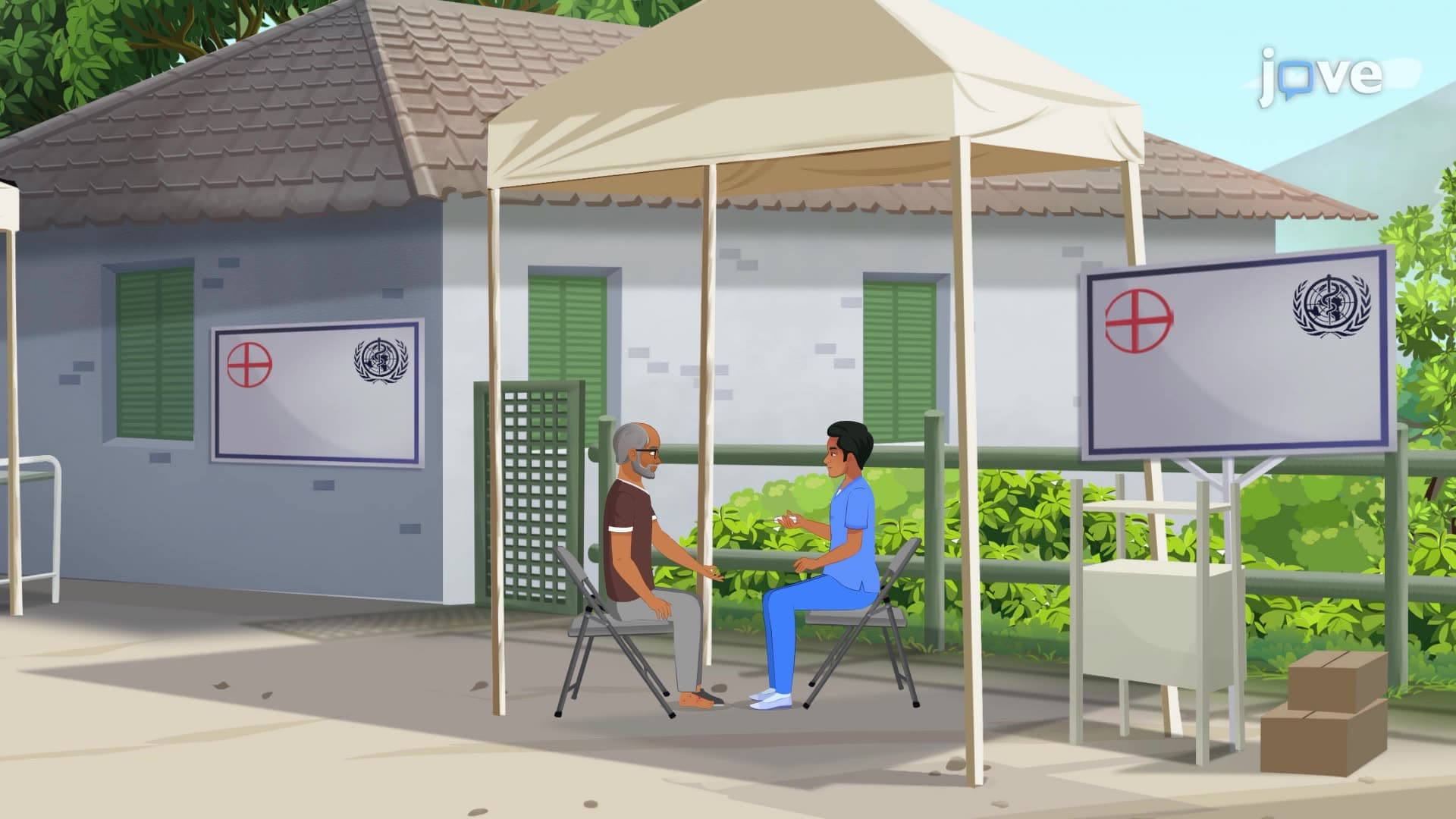
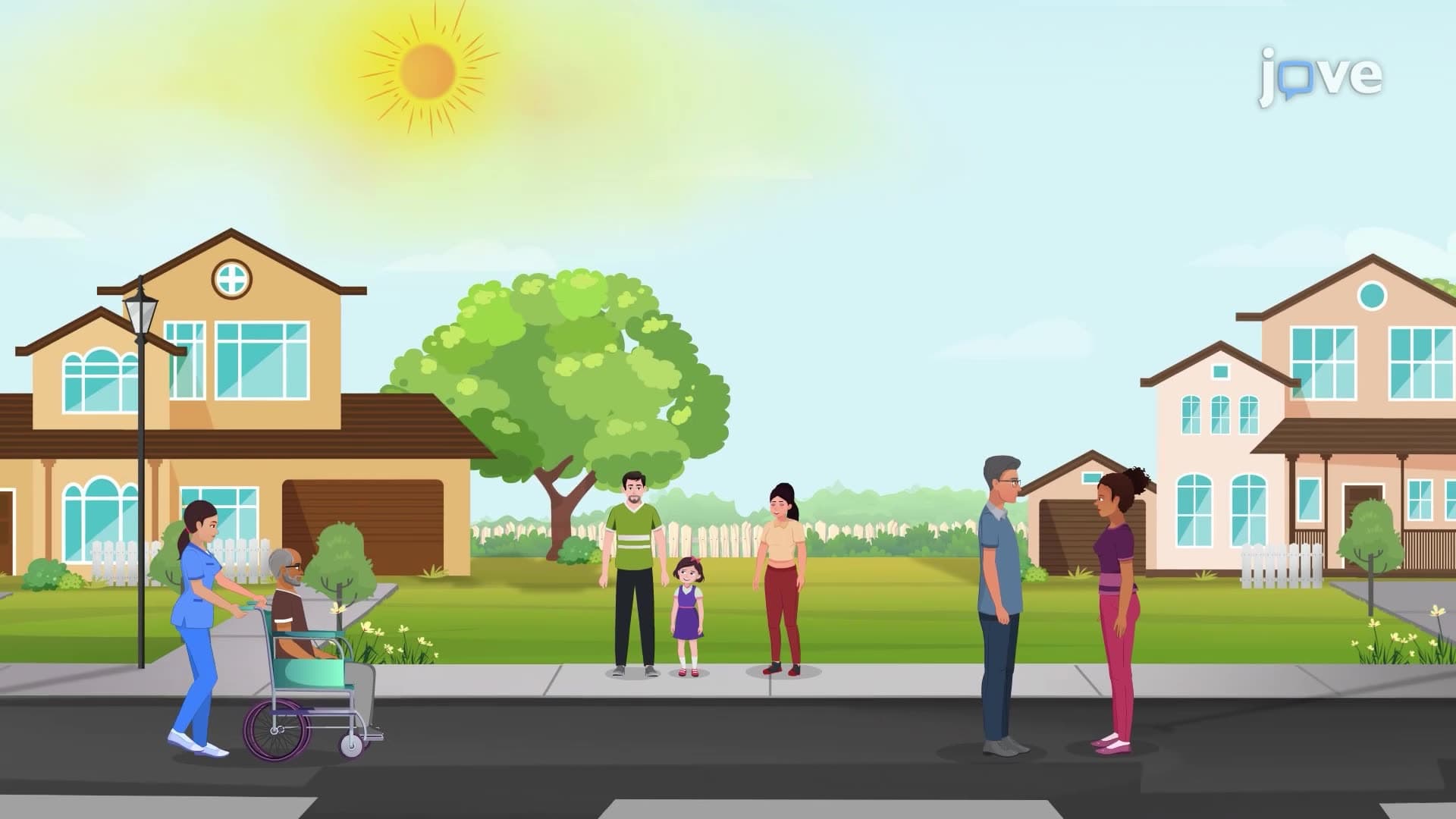
Did you know that over 735,000 Americans receive care in specialized daycare centers daily? Specialized care centers and settings serve targeted populations in convenient community locations, from mental health crisis hotlines to school-based health clinics like those found in Chicago Public Schools. These facilities include daycare centers for children and seniors, mental health centers, rural health clinics, rehabilitation facilities, and homeless shelters. Understanding Specialized Care Centers And Settings I Explained is crucial for healthcare professionals who must navigate diverse care environments and patient populations. Watch the full video on JoVE Coach to master this concept with expert-led visuals and step-by-step explanations.
- Understand the fundamental concepts of Specialized Care Centers And Settings I Explained and their role in community-based healthcare delivery
- Identify the different types of specialized care facilities including daycare centers, mental health centers, rural health clinics, school-based clinics, and rehabilitation centers
- Analyze how specialized care settings serve specific populations such as children, elderly adults, individuals with mental health needs, and vulnerable communities
- Compare the nursing roles and responsibilities across different specialized care environments, from medication administration to crisis intervention
- Evaluate the importance of location accessibility and community integration in specialized care center effectiveness
- Apply knowledge of referral systems and community resources when working in specialized care settings
- Recognize the essential skills needed for nurses working in specialized environments, including communication, counseling, and cultural competency
- Explore how specialized care centers complement traditional hospital-based care and contribute to comprehensive healthcare systems
Understanding Specialized Care Centers And Settings
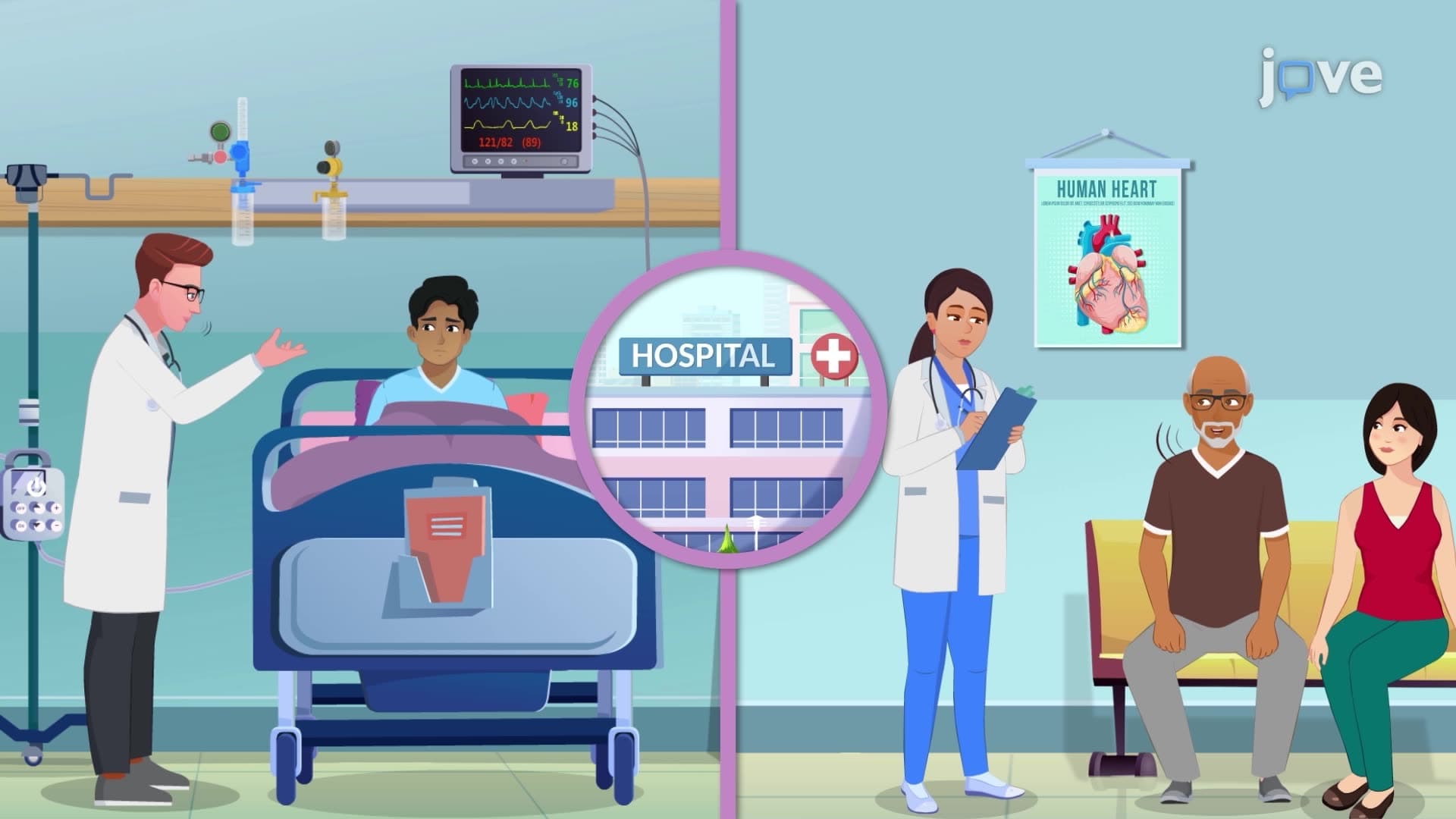
Specialized care centers and settings represent a cornerstone of community-based healthcare, designed to meet the unique needs of specific populations while remaining accessible within local communities. Unlike general hospitals that serve broad patient populations, these facilities focus their resources, expertise, and programming on particular demographic groups or health conditions. This targeted approach allows for more personalized care delivery and often proves more cost-effective than traditional hospital-based services.
Types and Functions of Specialized Care Facilities
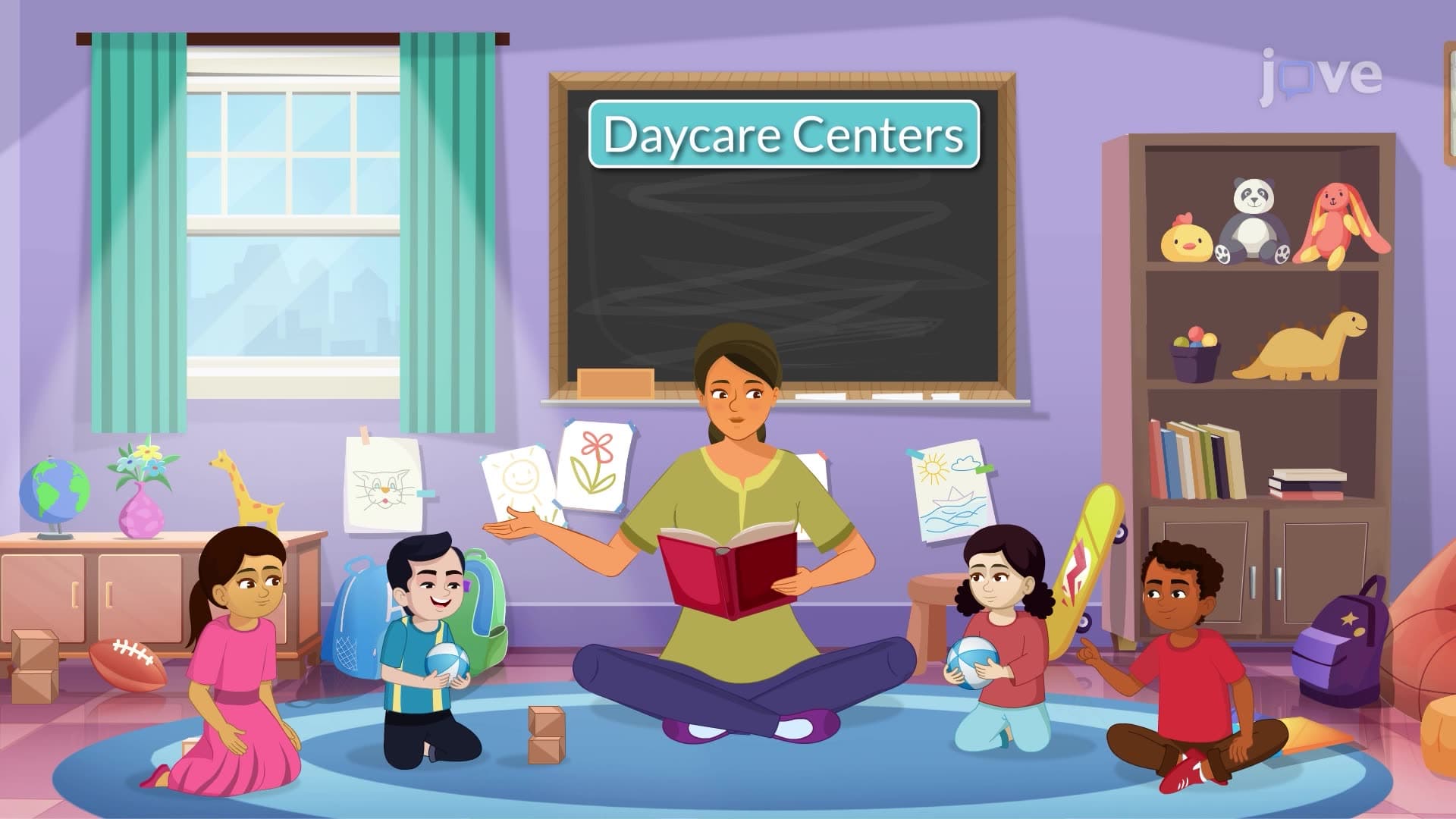
Daycare centers serve dual populations with distinct needs. Pediatric daycare centers provide comprehensive care for infants and children, often incorporating health screening, medication administration, and developmental assessments into daily activities. For example, KinderCare Learning Centers across the United States employ registered nurses to manage children's health needs during parents' working hours. Elder daycare centers, such as those operated by Brookdale Senior Living, offer socialization opportunities, medication management, and health monitoring for senior citizens, enabling family caregivers to maintain employment while ensuring their loved ones receive appropriate supervision.
Mental health centers operate as standalone facilities or integrated components within larger healthcare systems. The Community Mental Health Centers Act established these facilities to provide accessible mental health services, including individual and group counseling, crisis intervention, and substance abuse treatment. Centers like NAMI (National Alliance on Mental Illness) facilities offer 24-hour crisis hotlines, walk-in services, and specialized programs for trauma survivors, individuals with addiction, and those experiencing suicidal ideation.
Nursing Roles and Professional Requirements
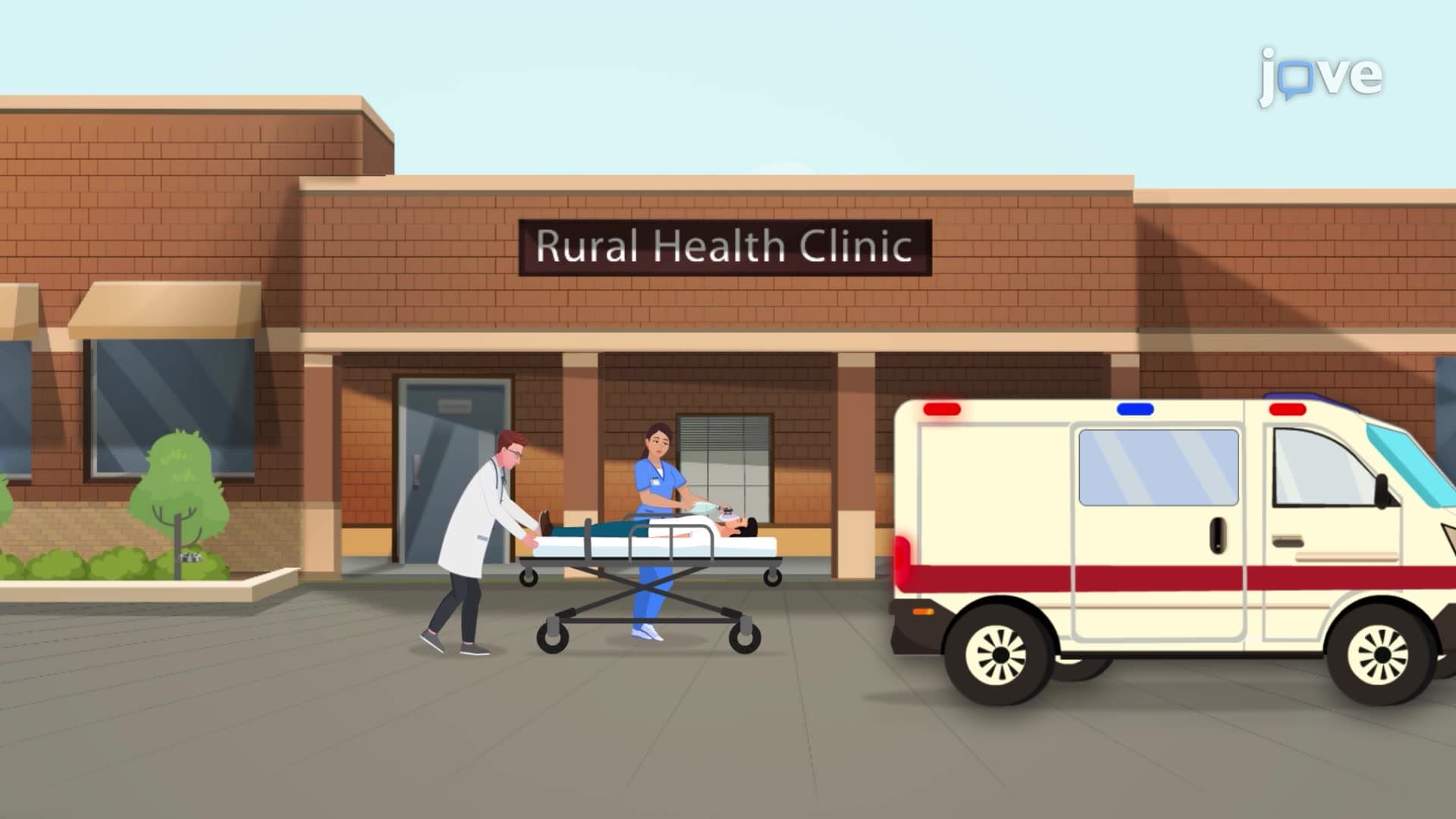
Nurses working in specialized care centers and settings must demonstrate advanced communication skills, cultural competency, and comprehensive knowledge of community resources. In school-based health centers, nurses conduct health screenings, manage chronic conditions like asthma and diabetes, and provide health education to students and families. Rural health centers require nurses to function with greater autonomy, often serving as primary care coordinators for underserved populations.
Academic and Professional Relevance
Understanding these concepts proves essential for students preparing for healthcare careers and standardized examinations. The NCLEX-RN examination frequently includes questions about community health nursing and specialized care settings. Pre-med students taking the MCAT encounter related topics in their behavioral sciences sections, while nursing students must demonstrate competency in community health nursing for program completion. AP Psychology students studying healthcare systems benefit from understanding how specialized settings address mental health needs within communities.
Frequently Asked Questions
Specialized care centers and settings are healthcare facilities designed to serve specific populations or address particular health needs within community locations. These include daycare centers for children and seniors, mental health centers, rural health clinics, school-based health services, homeless shelters with medical components, and rehabilitation facilities. They provide targeted care that's more accessible and often more cost-effective than traditional hospital services.
The NCLEX-RN frequently tests knowledge of community health nursing, including roles in daycare centers, mental health facilities, and rural clinics. Questions may focus on medication administration in non-hospital settings, crisis intervention techniques, or appropriate referral procedures. Students should understand nursing scope of practice variations across different specialized settings and population-specific care considerations.
The MCAT's Psychological, Social, and Biological Foundations section includes healthcare delivery systems and community health concepts. Students may see passages about mental health center effectiveness, rural healthcare access, or daycare center health screening programs. Understanding these settings demonstrates knowledge of healthcare accessibility and population health management approaches.
Federally Qualified Health Centers (FQHCs) like Planned Parenthood serve reproductive health needs, while organizations like Meals on Wheels America combine nutrition services with health monitoring for seniors. School-based health centers operate in over 2,500 US schools, providing on-site medical care. Crisis Text Line represents a specialized mental health resource serving over 4 million conversations annually across all 50 states.
No advanced medical knowledge is required to grasp these concepts. High school health science courses provide sufficient foundation, while introductory college-level health or psychology courses offer adequate preparation. The key is understanding how different populations have unique healthcare needs and how specialized settings address those needs more effectively than general healthcare facilities.
Create comparison charts highlighting each setting type, target population, nursing roles, and required skills. Practice NCLEX-style questions focusing on community health nursing scenarios. Use mnemonics to remember nursing responsibilities: TEACH (Treatment, Education, Assessment, Counseling, Health screening) applies across most specialized settings. Review state nursing practice acts to understand scope variations.
These settings link directly to community health nursing, healthcare policy, and population health management. Study healthcare financing mechanisms like Medicaid and Medicare, which often fund these services. Explore social determinants of health, as specialized centers often address healthcare disparities. Understanding these connections provides comprehensive preparation for advanced nursing courses and healthcare administration studies.
Related Micro-courses