Loading subject page…


37,756 views

Video Summary: What Is Hospitals Ii
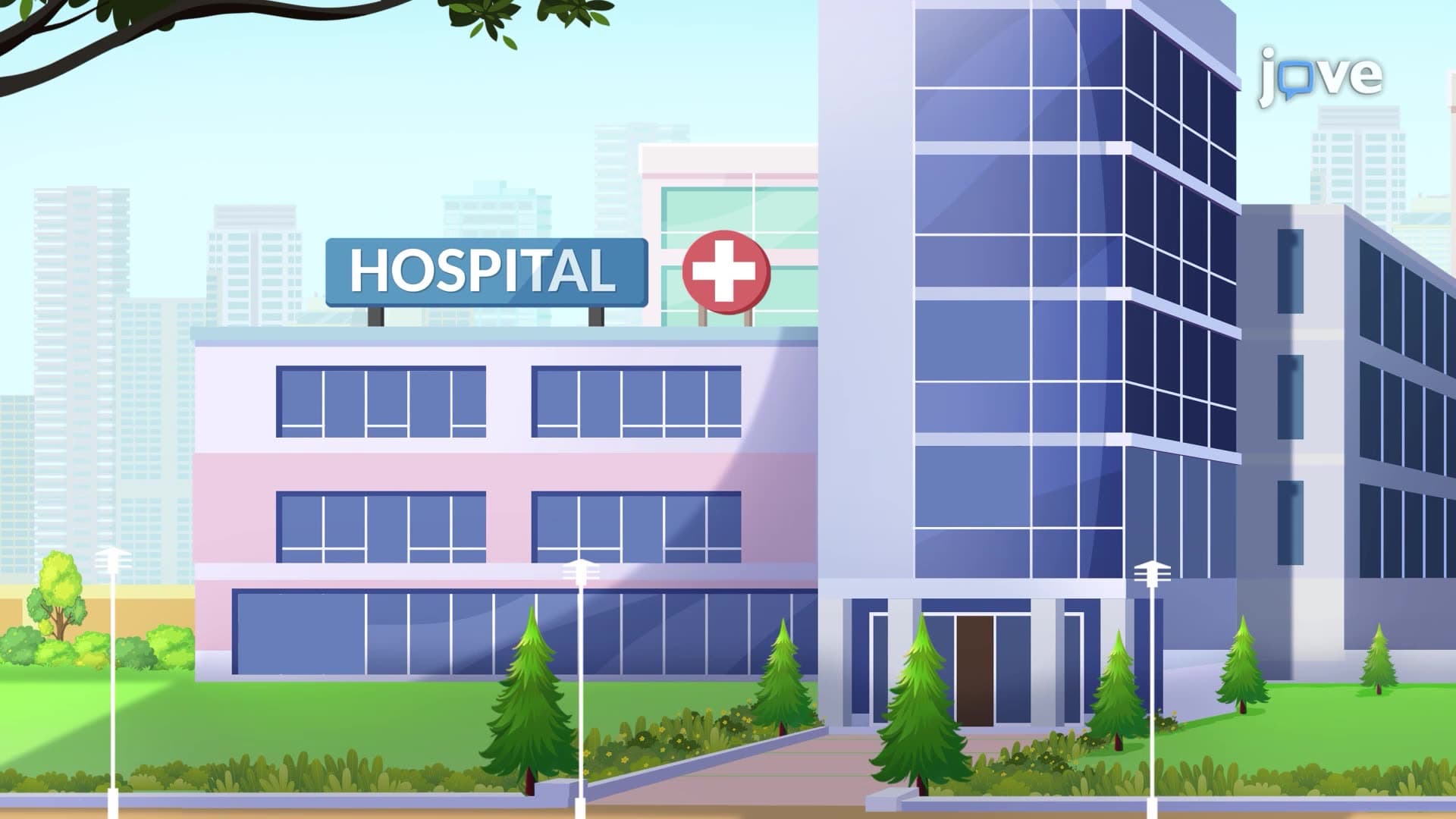
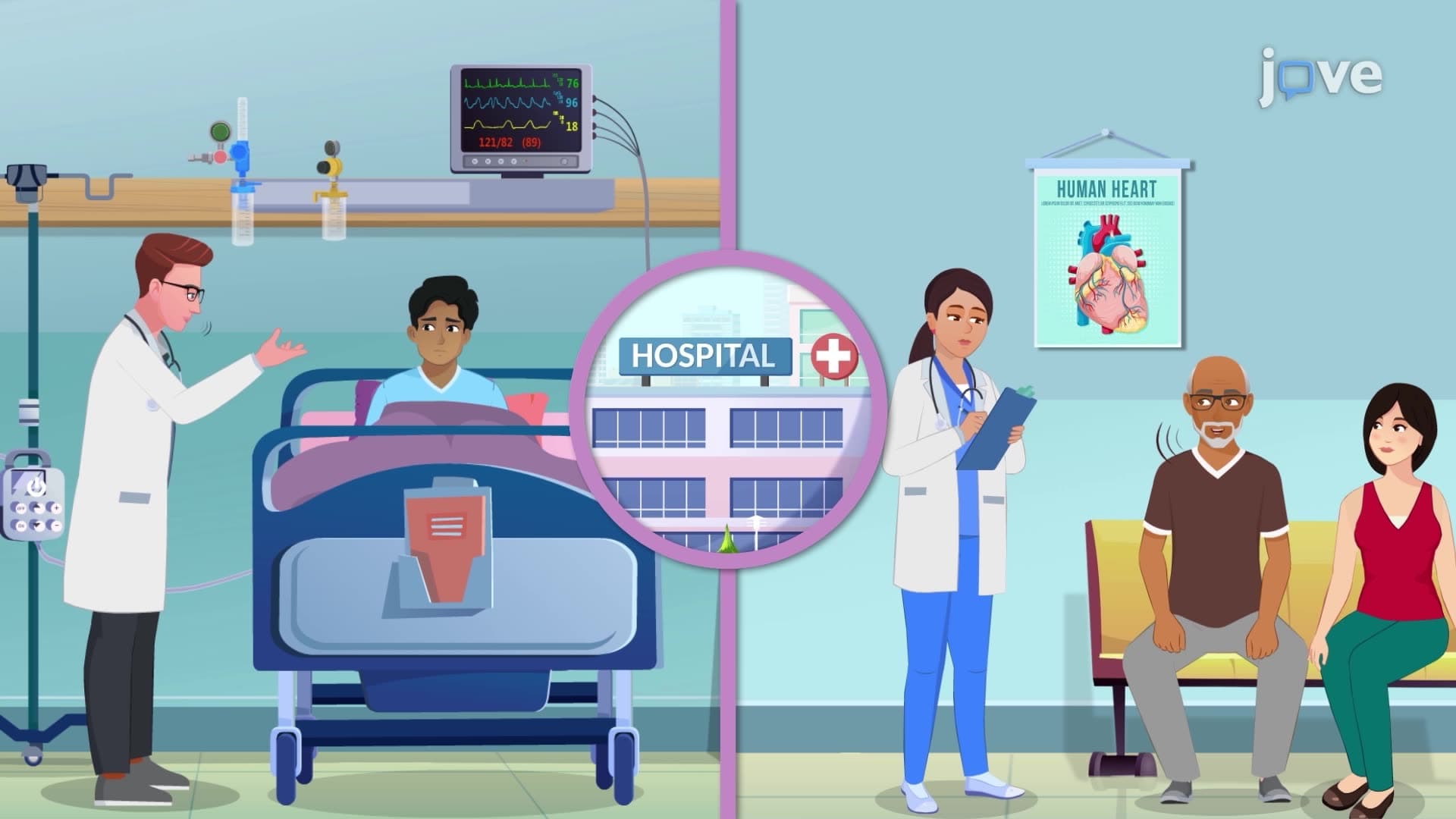
Every day, over 36 million Americans receive care in hospitals, but understanding Hospitals II requires grasping how these complex healthcare institutions balance two distinct service models. Hospitals II explores the intricate relationship between inpatient services-where patients stay overnight for intensive care, surgeries, or extended treatment-and outpatient services for same-day procedures and diagnostics. Consider how Johns Hopkins Hospital manages both emergency surgeries requiring weeks of recovery and routine blood tests completed in hours. The nursing workforce serves as the backbone, transitioning seamlessly between direct patient care and specialized administrative roles. Watch the full video on JoVE Coach to master this concept with expert-led visuals and step-by-step explanations.
Hospitals II represents the comprehensive study of modern hospital operations, building upon basic healthcare concepts to examine how these institutions deliver complex medical services. This advanced framework goes beyond simple definitions to explore the intricate systems that make hospitals function as cornerstones of American healthcare.
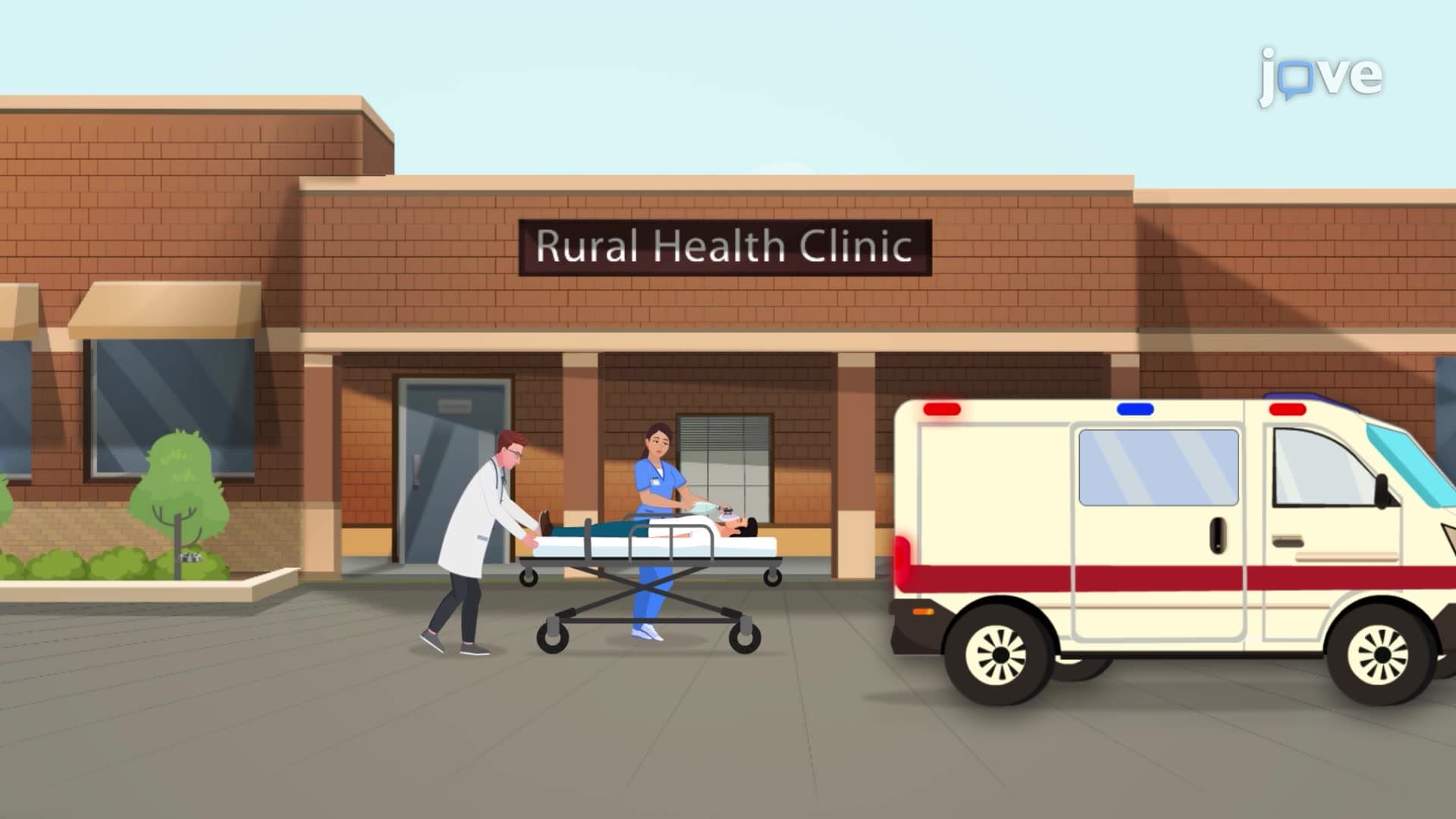
Inpatient services form the backbone of hospital operations, providing 24/7 care for patients requiring extended medical attention. These services encompass intensive care units (ICUs) where critically ill patients receive constant monitoring-think of the cardiac ICU at Cleveland Clinic, where heart attack patients receive specialized care for days or weeks. Hospital wards serve patients with less critical conditions, such as pneumonia patients at Mayo Clinic who need several days of antibiotic treatment and respiratory support.
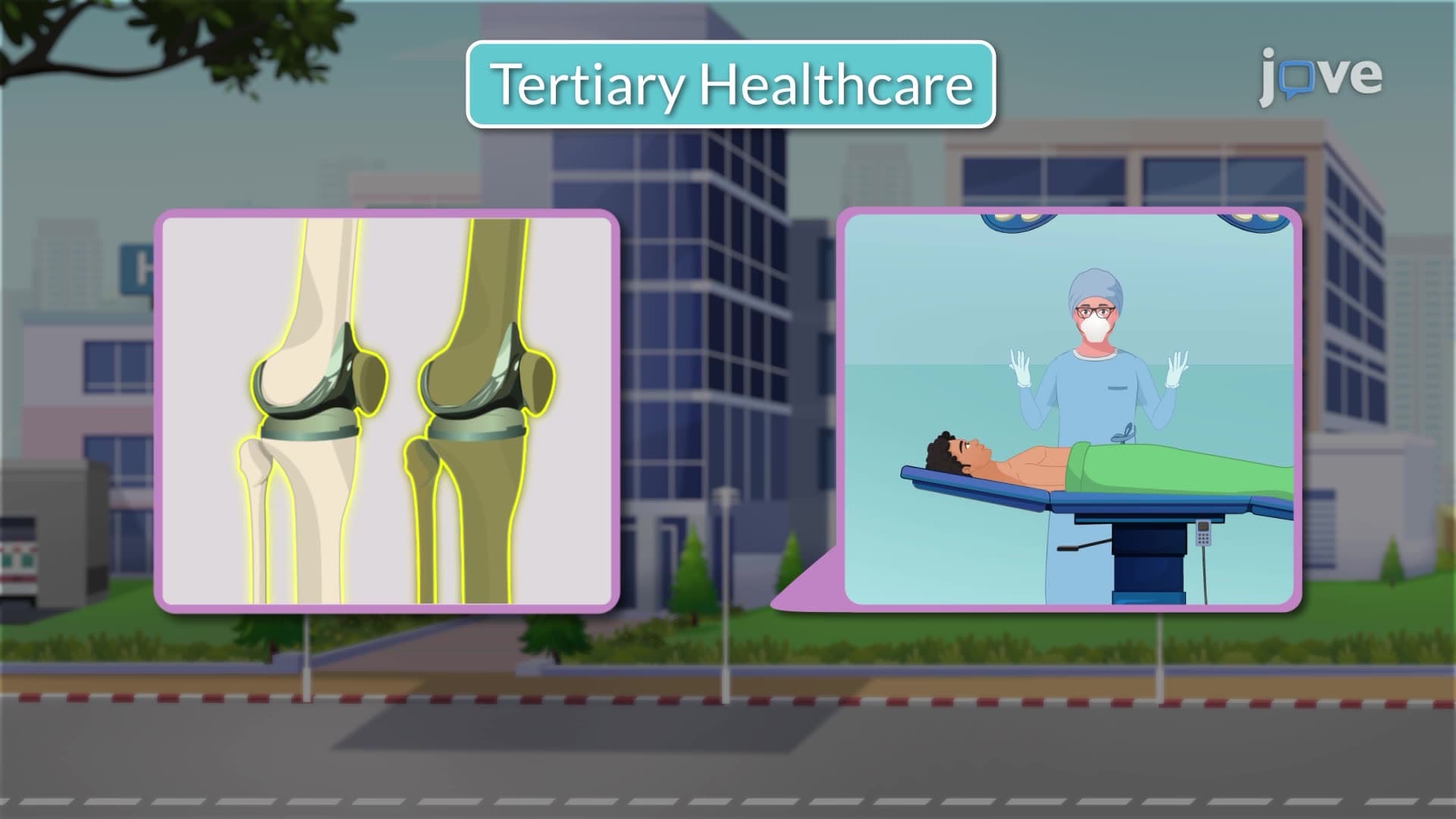
Surgical services represent another crucial inpatient component. Complex procedures like organ transplants at UCSF Medical Center require patients to remain hospitalized for weeks during recovery. This hospitals ii concept emphasizes how inpatient care integrates multiple medical specialties, from anesthesiology during surgery to physical therapy during rehabilitation.
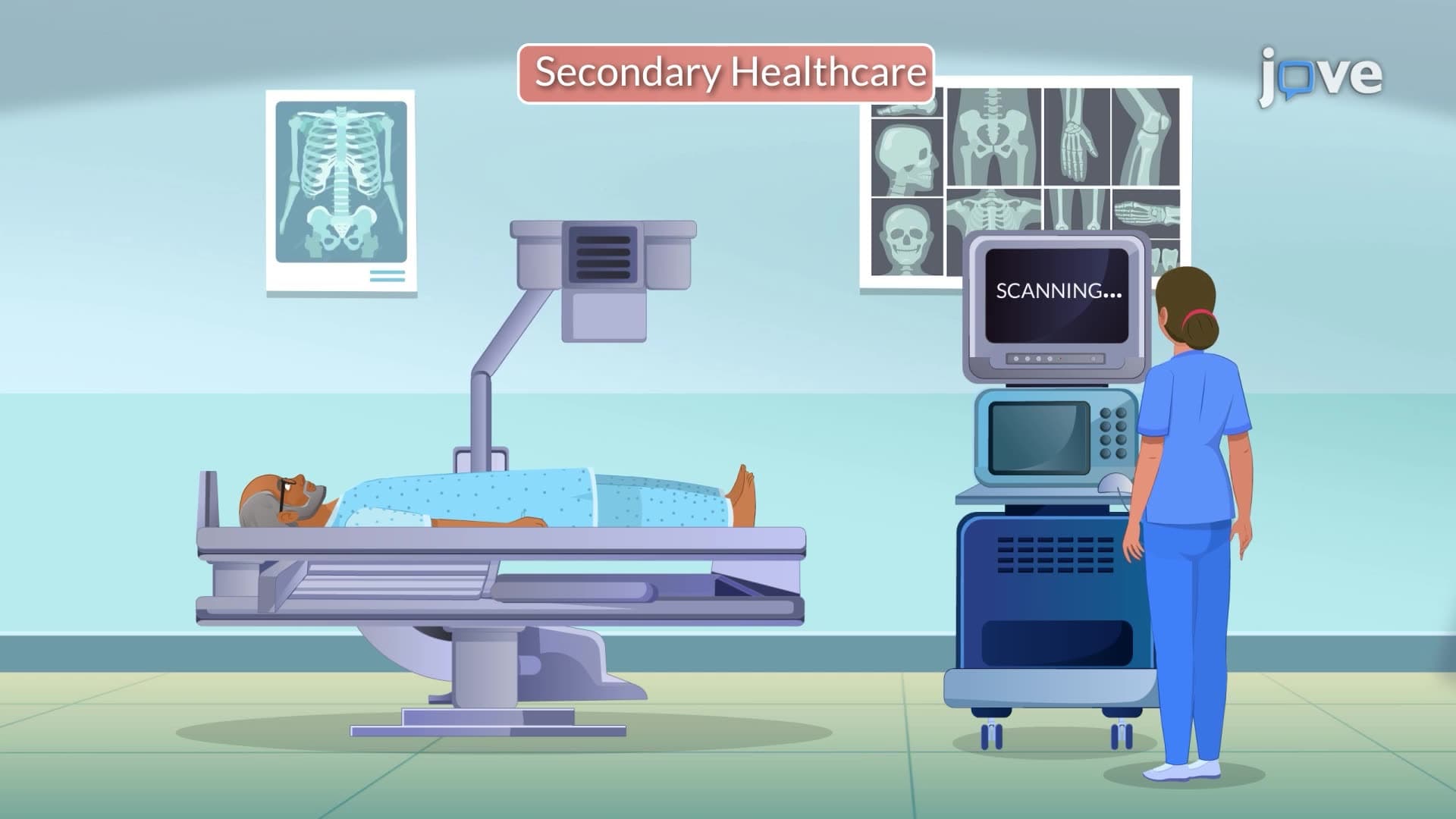
The hospitals ii definition must include outpatient services, which have revolutionized healthcare accessibility. These services allow patients to receive sophisticated medical care without overnight stays. Diagnostic imaging at institutions like Massachusetts General Hospital enables same-day MRI scans and CT studies. Minor surgical procedures, such as arthroscopic knee surgery or cataract removal, can be completed in outpatient surgical centers within hospital systems.
Outpatient services also include preventive care and health education programs. For example, diabetes education classes at Kaiser Permanente hospitals help patients manage chronic conditions while maintaining their daily routines.
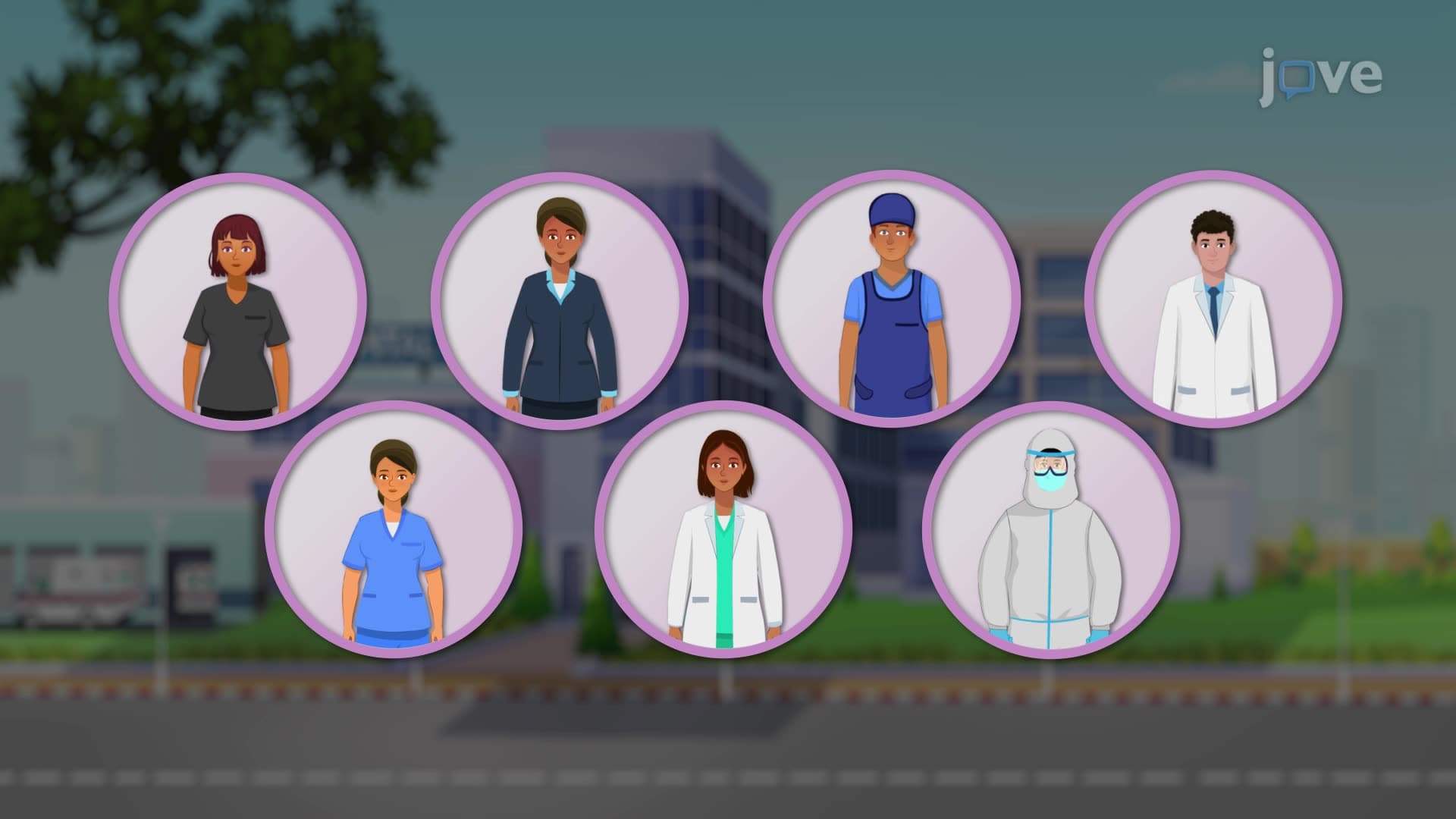
Understanding hospitals ii requires recognizing nursing as a diverse profession extending far beyond bedside care. Staff nurses provide direct patient care, but the role encompasses nurse managers overseeing entire hospital units, clinical nurse specialists developing treatment protocols, and nurse practitioners delivering primary care.
This career diversity appears frequently on nursing entrance exams like the NCLEX-RN and HESI A2, where students must demonstrate understanding of various nursing roles. For pre-med students taking the MCAT, comprehending healthcare delivery systems including nursing functions proves essential for passages about healthcare policy and medical ethics.
The hospitals ii study guide applications extend to Advanced Placement courses in biology and psychology, where students analyze healthcare systems as complex social institutions affecting community health outcomes.
Related Micro-courses