Loading subject page…


37,756 views

Video Summary: What Is Preventive Healthcare Services
Did you know that preventive healthcare services could help you avoid up to 80% of heart disease cases? Preventive healthcare services focus on stopping illness before it starts rather than treating disease after symptoms appear. For example, the Centers for Disease Control and Prevention recommends annual flu vaccinations for all Americans over six months old to prevent seasonal influenza outbreaks. What is preventive healthcare services becomes clearer when you understand it encompasses everything from routine blood pressure checks to cancer screenings. Watch the full video on JoVE Coach to master this concept with expert-led visuals and step-by-step explanations.
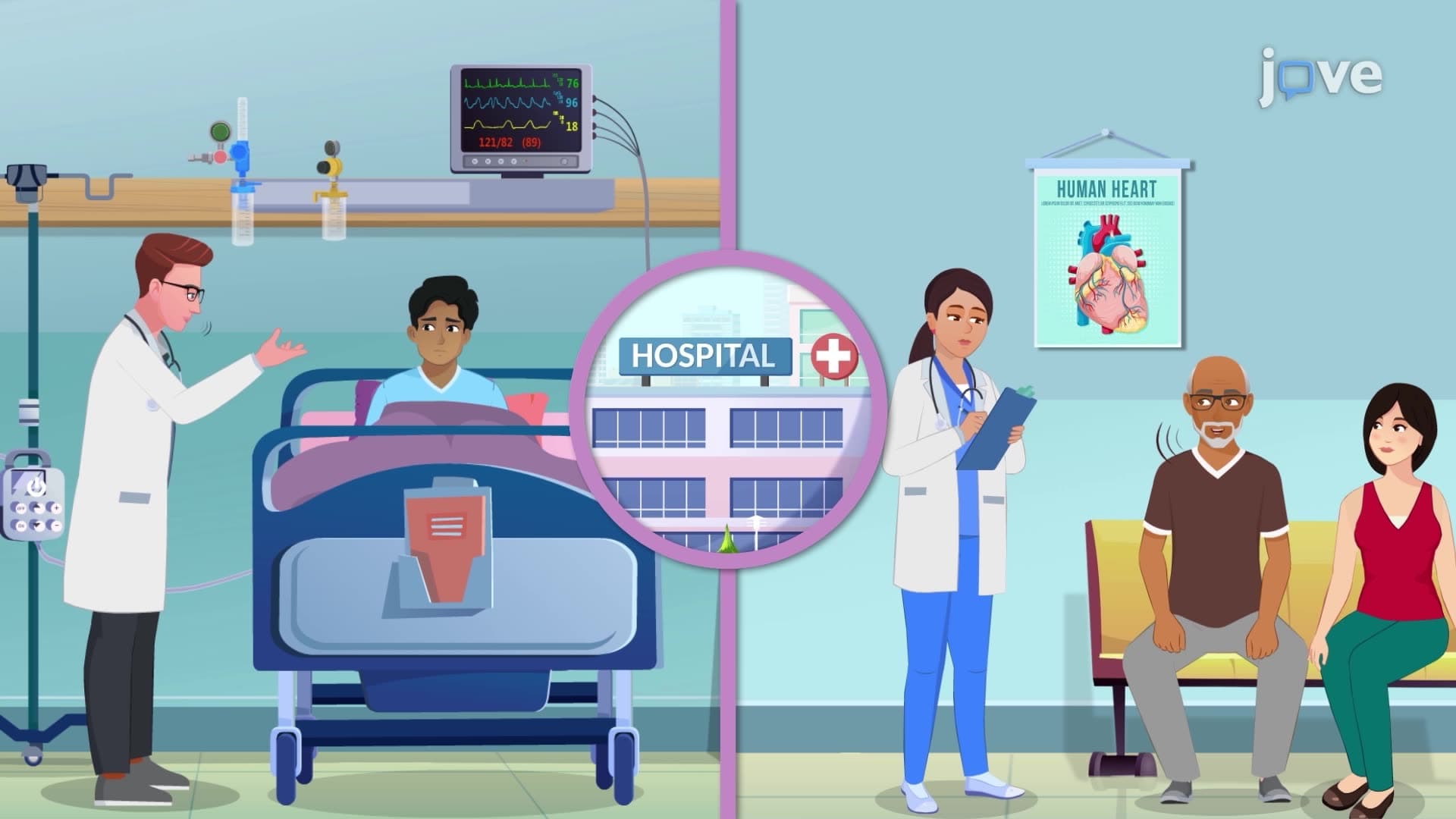
Preventive healthcare services represent a fundamental shift from reactive medicine to proactive health management. Unlike traditional healthcare that responds to illness, preventive services actively work to maintain health and catch problems early when they're most treatable. The American healthcare system increasingly emphasizes prevention as costs for chronic disease treatment continue to rise-chronic diseases account for 90% of the nation's $4.1 trillion annual healthcare expenditures.
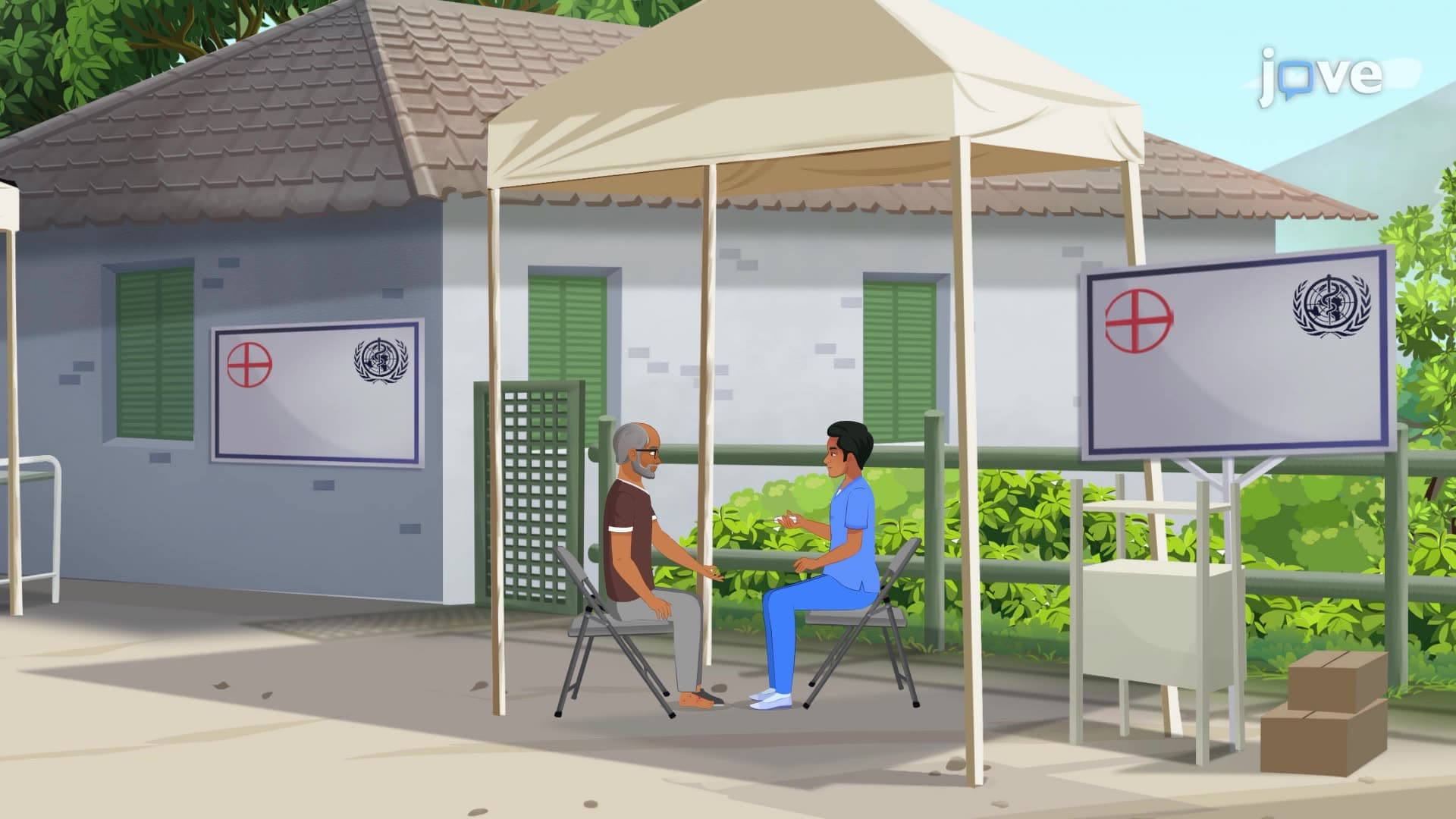
Healthcare professionals classify preventive interventions into four distinct levels. Primordial prevention targets the underlying social and environmental factors that create health risks before they even develop. For instance, community programs that create safe walking paths help prevent obesity before weight gain occurs. Primary prevention reduces specific risk factors in healthy individuals-like HPV vaccination programs in American high schools that prevent cervical cancer decades later.
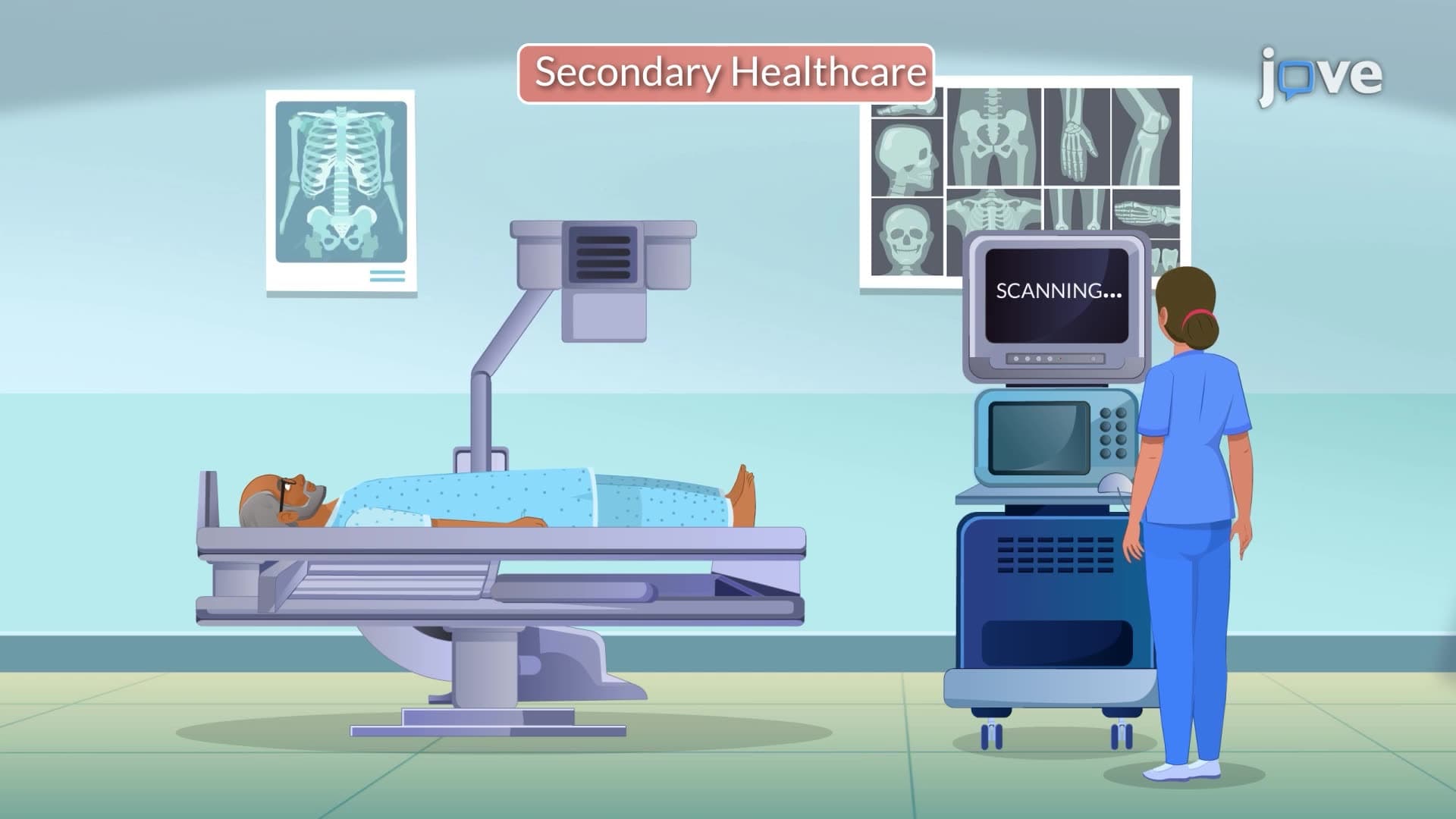
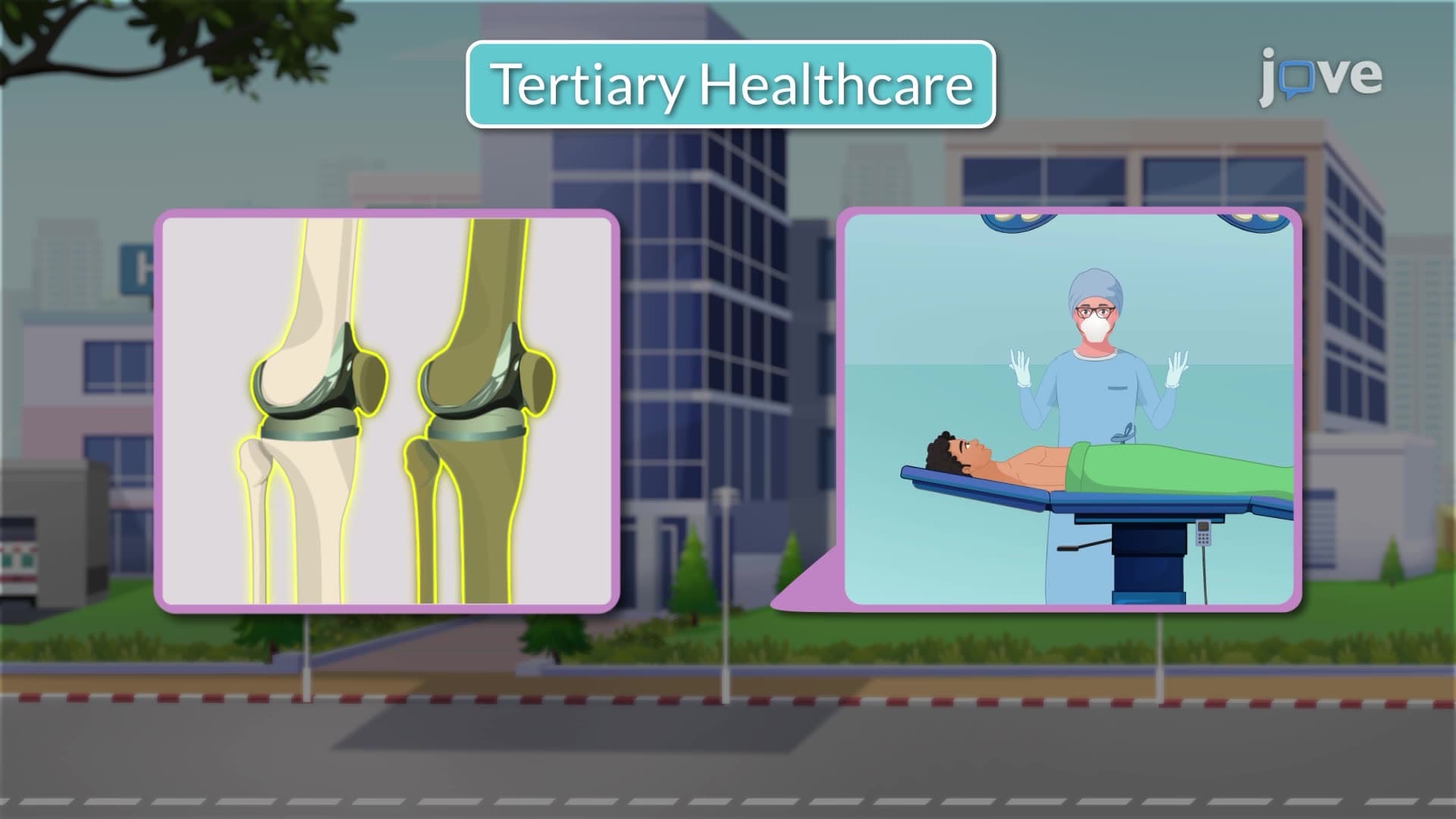
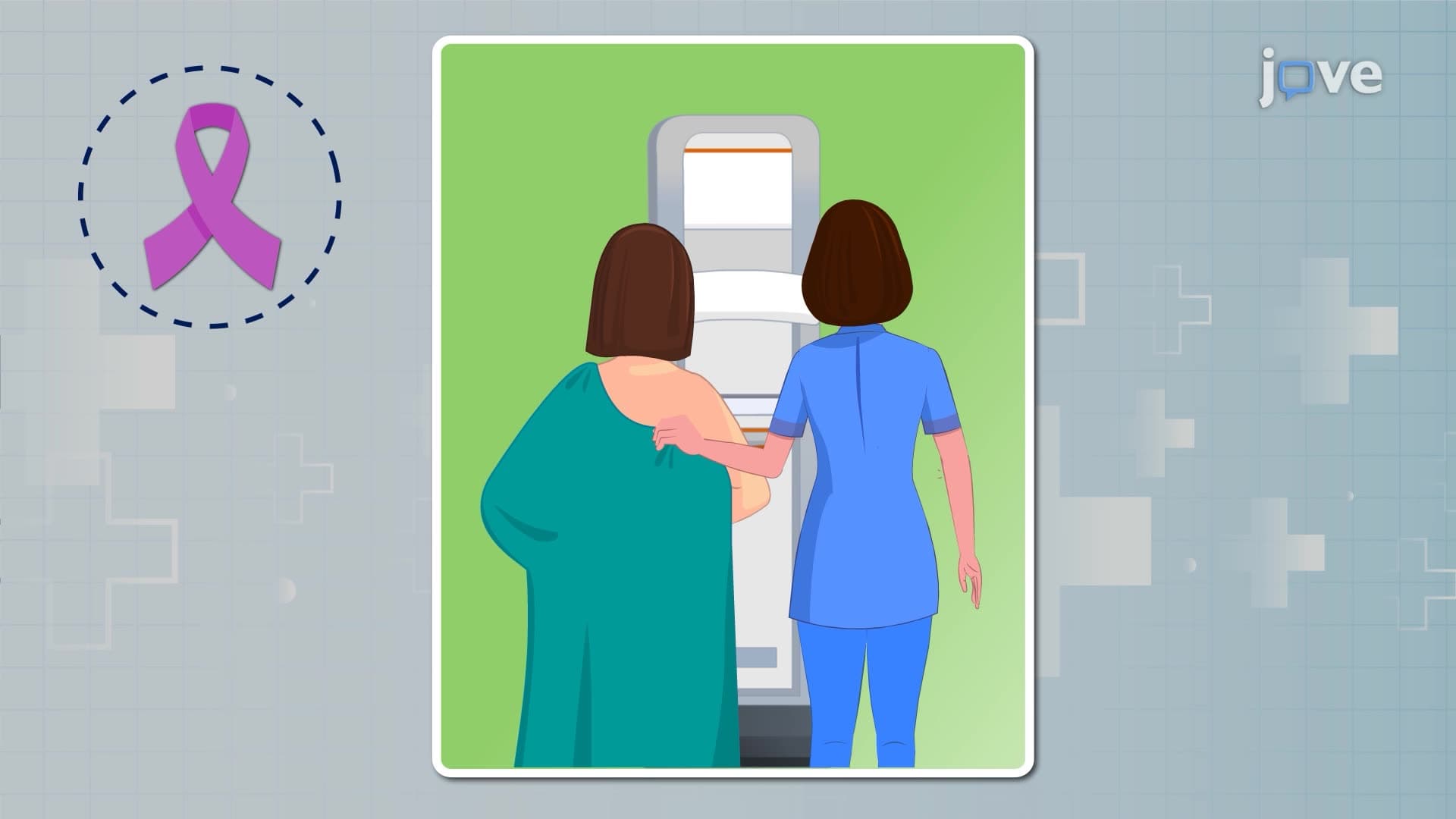
Secondary prevention focuses on early detection through screening programs. The U.S. Preventive Services Task Force recommends mammograms every two years for women aged 50-74, catching breast cancer before symptoms appear when five-year survival rates exceed 90%. Tertiary prevention manages existing conditions to prevent complications-diabetes education programs help patients avoid kidney disease, blindness, and amputations.
Core preventive services span the entire lifespan. Pediatric care includes developmental screenings, immunization schedules following CDC guidelines, and vision/hearing tests that identify learning barriers early. Adult preventive care emphasizes cardiovascular screening (blood pressure, cholesterol), diabetes prevention through glucose testing, and cancer screening protocols. The Affordable Care Act mandates that insurance plans cover these essential preventive services without copayments, making them accessible to millions of Americans.
Students preparing for healthcare careers encounter preventive medicine concepts across multiple examinations. The MCAT includes questions about population health and disease prevention strategies. Nursing students face NCLEX questions about health promotion and disease prevention interventions. Pre-med students studying for the USMLE must understand how preventive services integrate with clinical practice and healthcare economics. Understanding these concepts proves essential for AP Biology students exploring human health topics and college students in public health, healthcare administration, or pre-professional programs.
Related Micro-courses