- Nursing
- Introduction to Health
Micro-courses:14

Introduction to Health
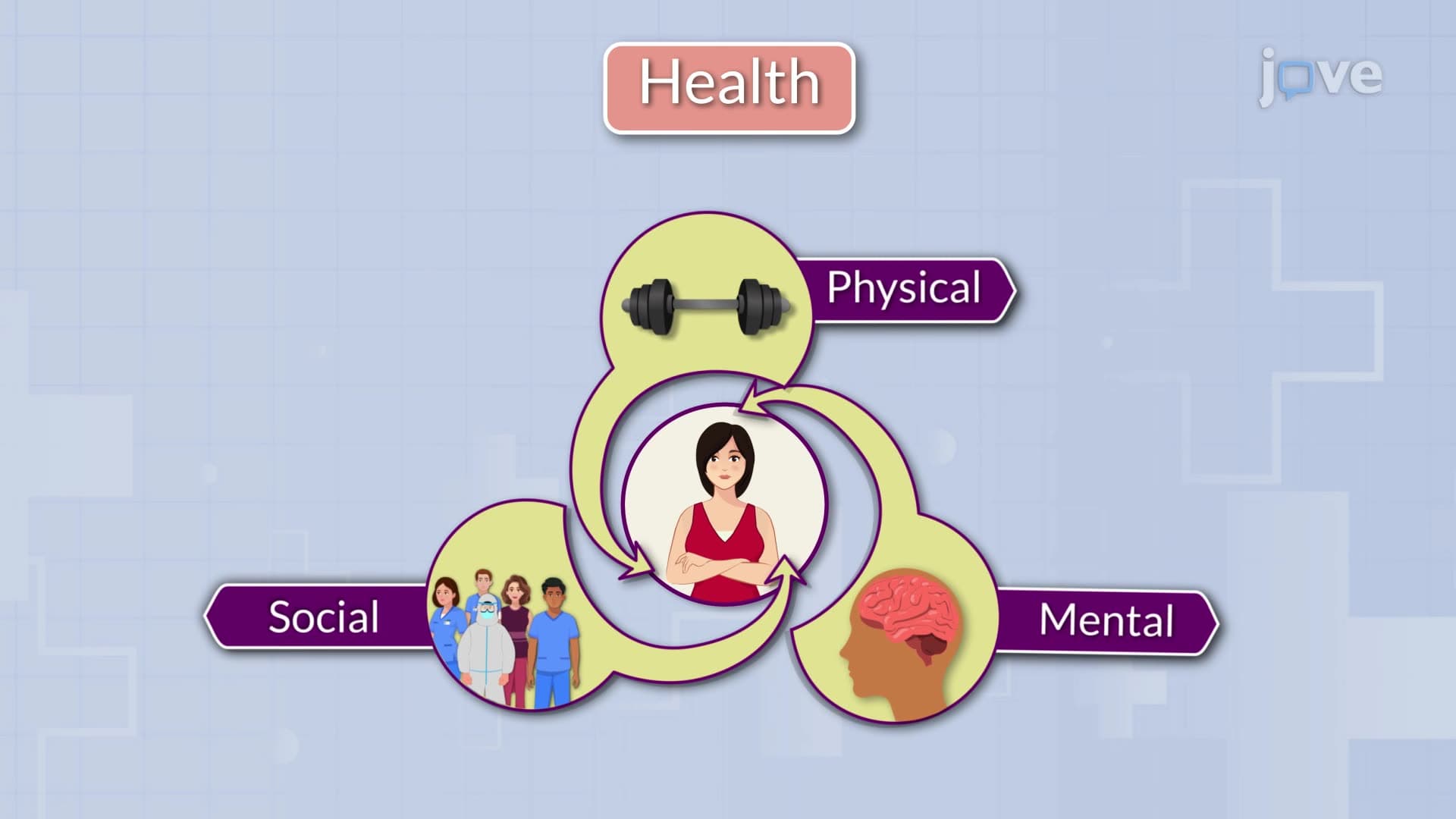
1. Concepts of Health and Illness
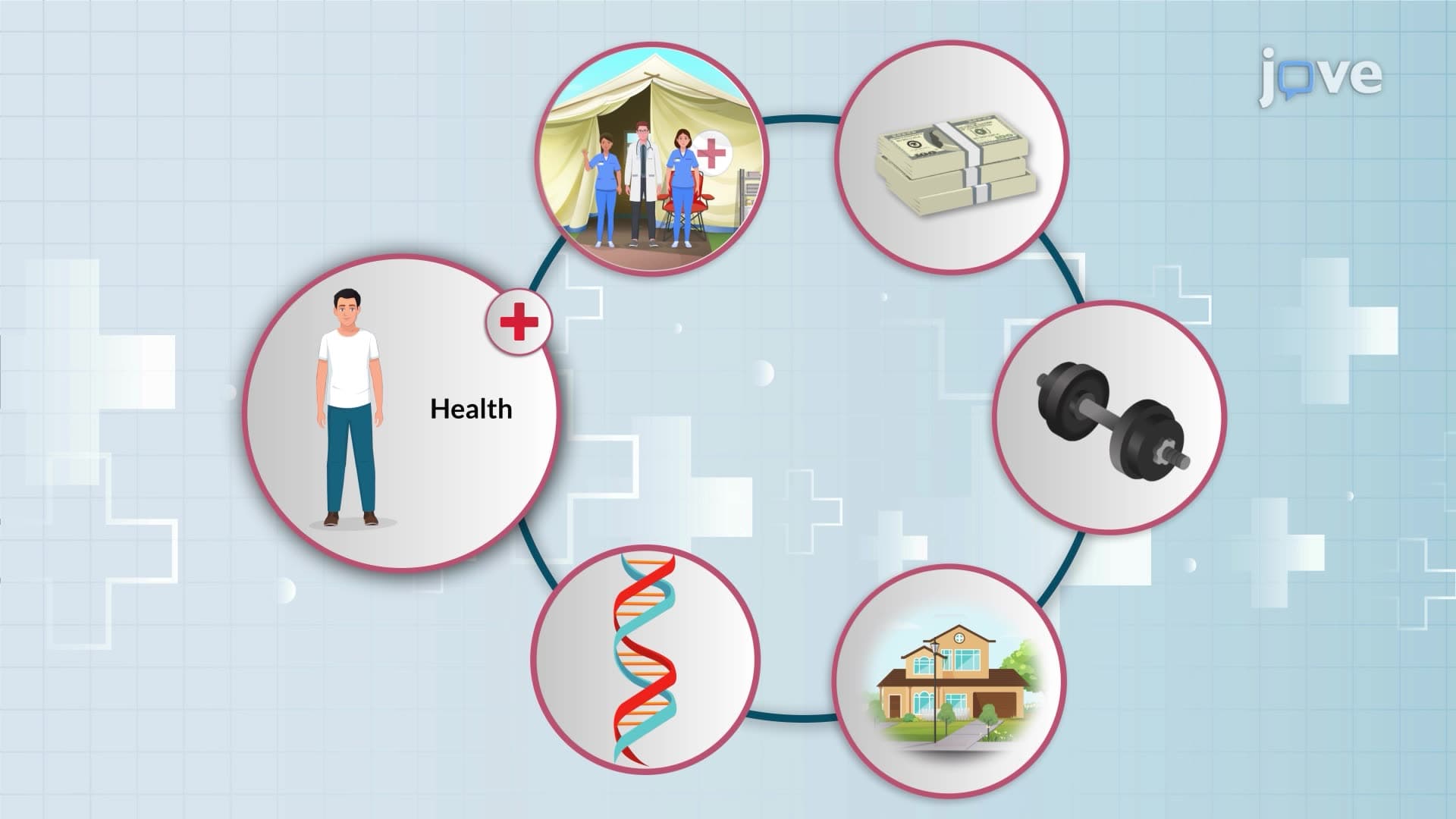
2. Dimensions of Health and Illness
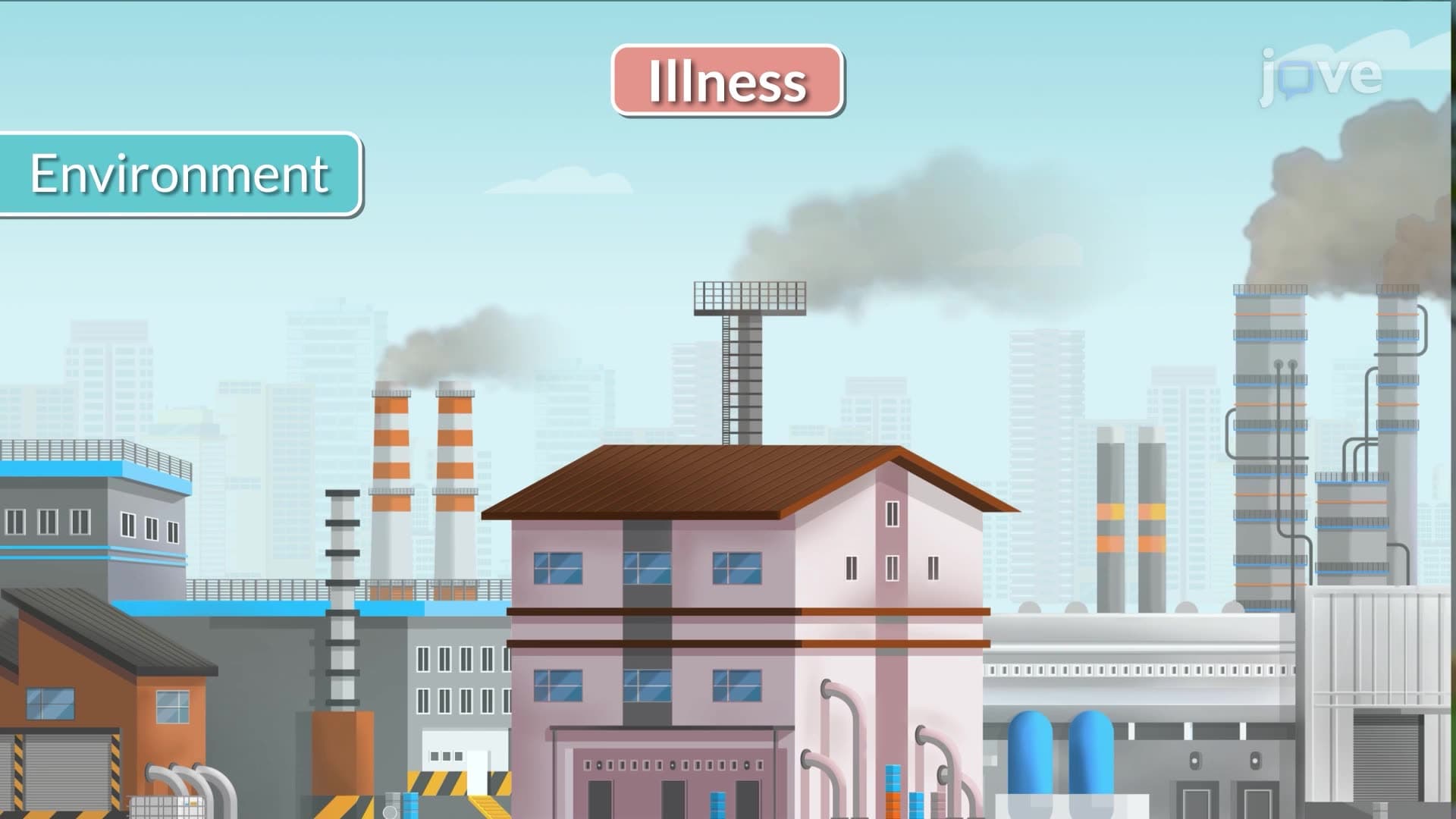
3. Factors Affecting Illness
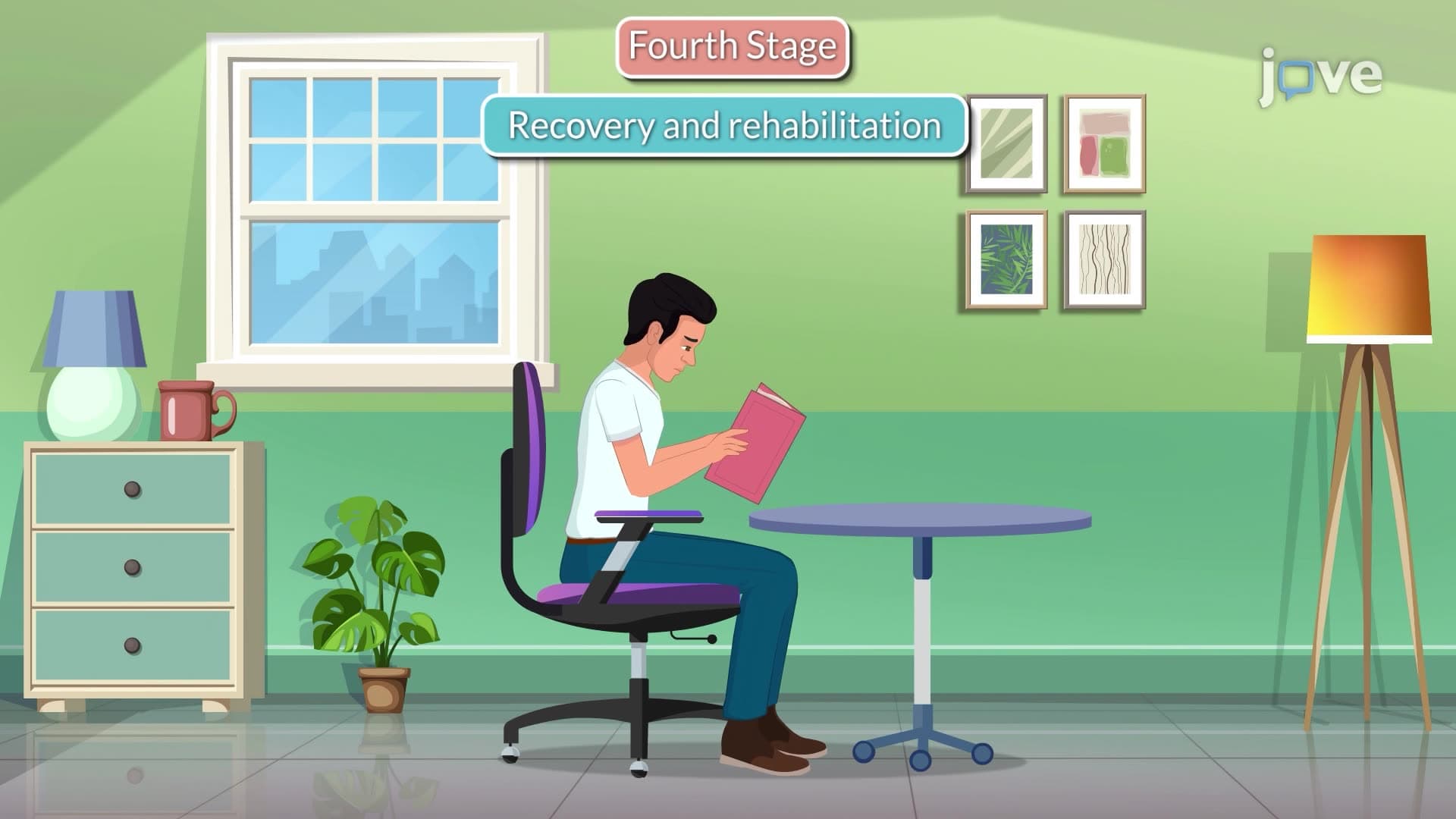
4. Classification of Illness
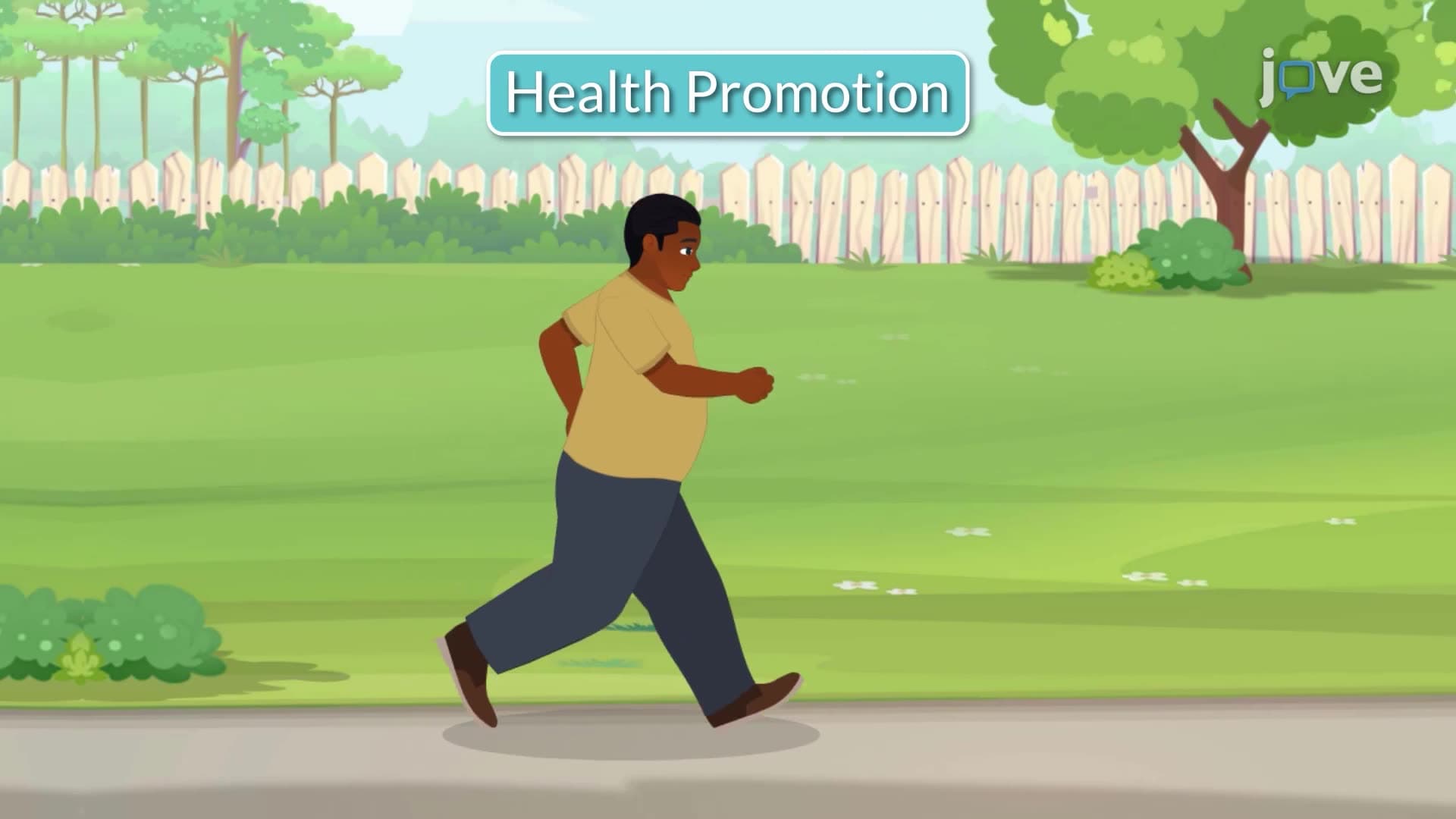
5. Levels of Health Promotion and Illness Prevention
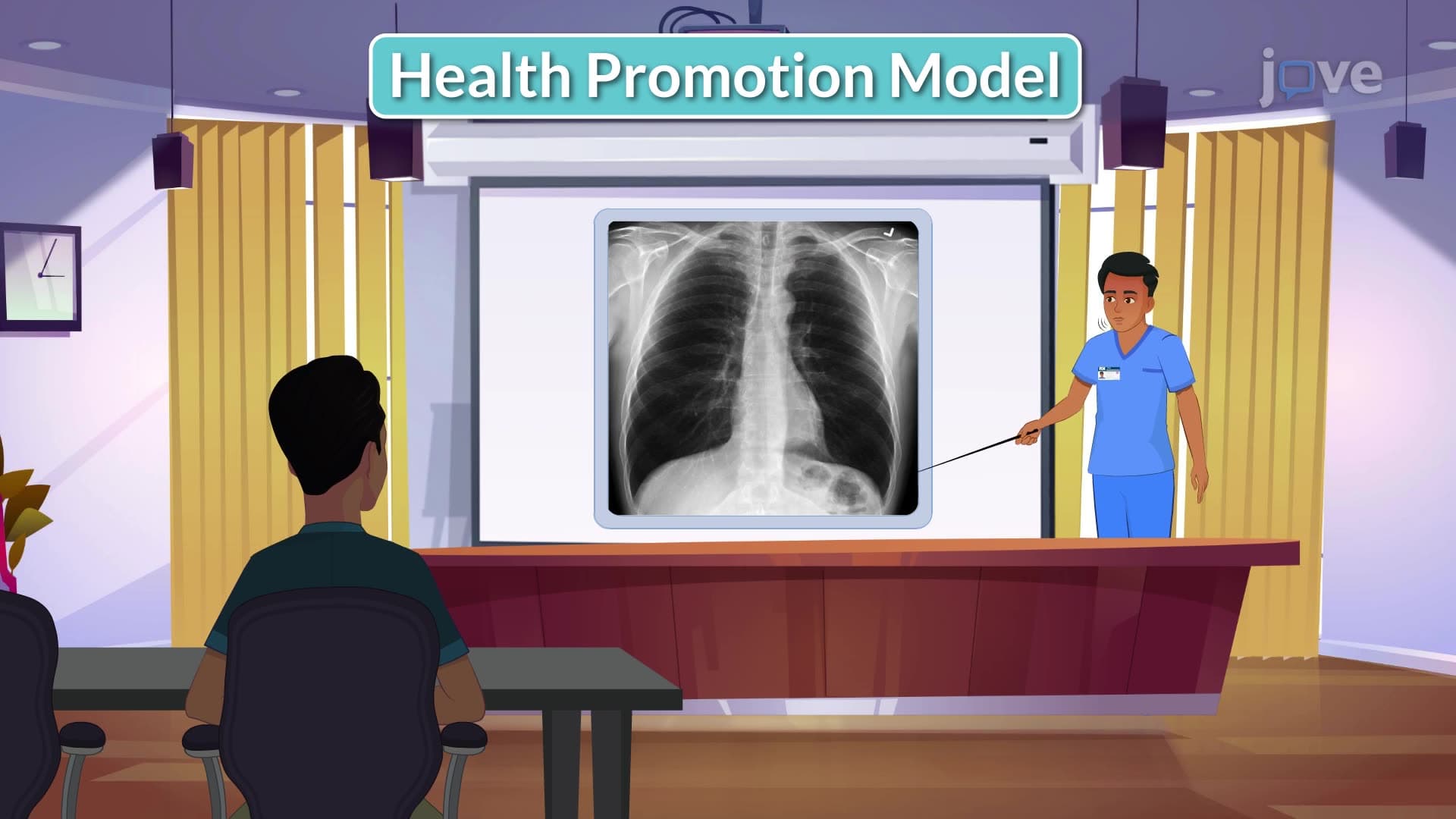
6. Models of Health Promotion and Illness Prevention I
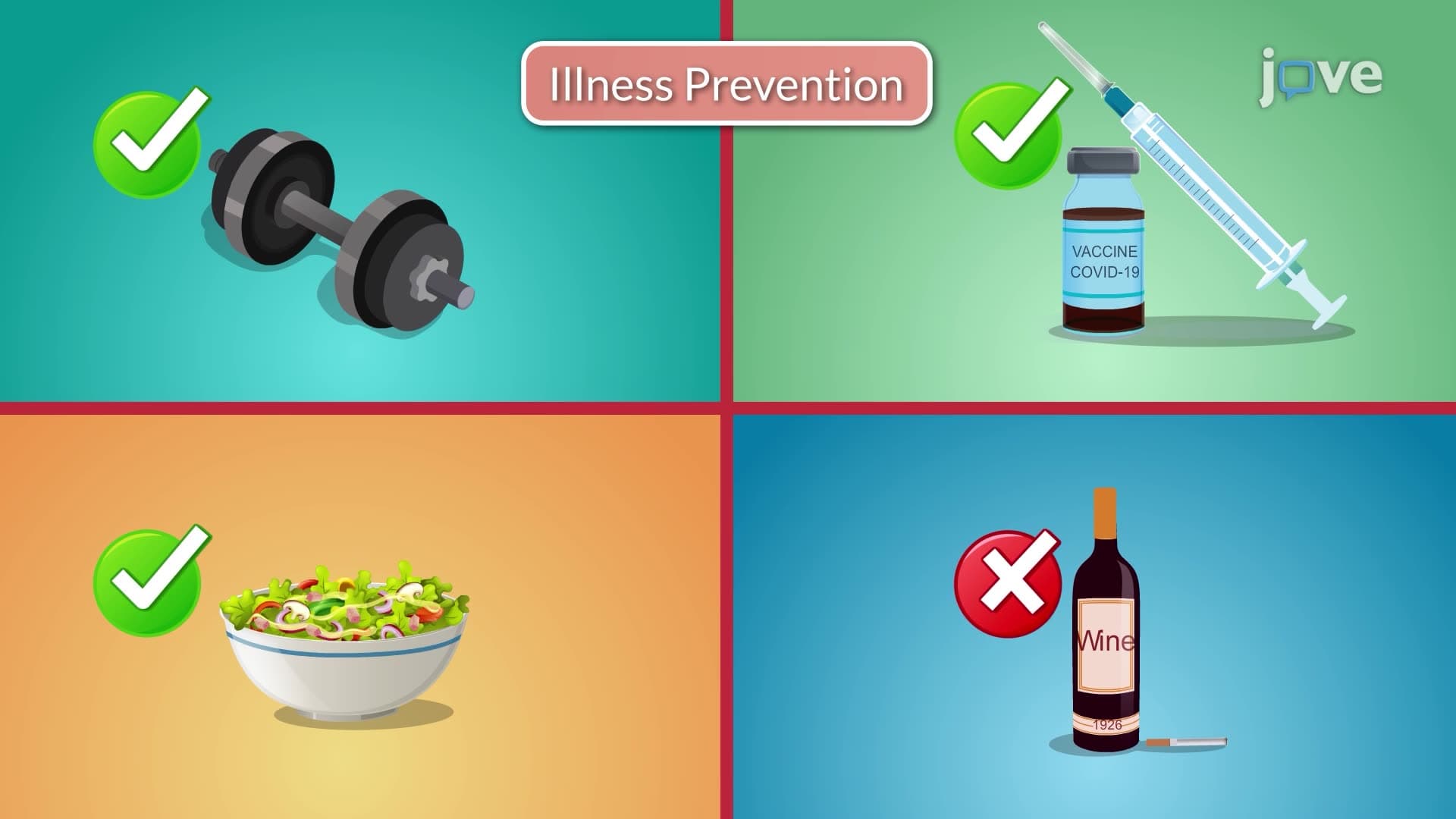
7. Models of Health Promotion and Illness Prevention II
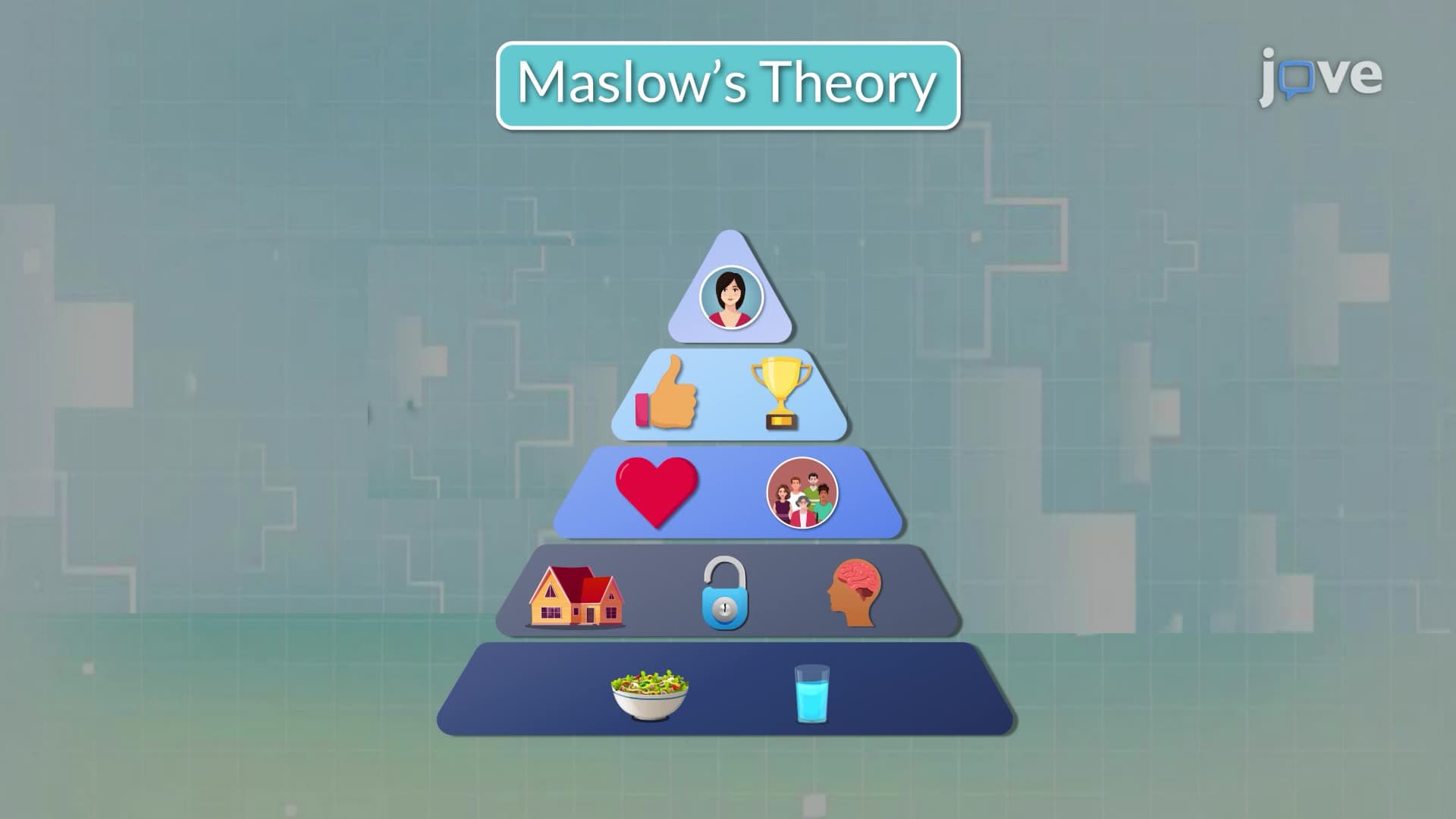
8. Maslow's Theory of Basic Human Needs
An introduction to health encompasses the fundamental understanding of health as a multidimensional state of physical, mental, and social well-being that extends beyond the mere absence of disease. This comprehensive course explores health and wellness fundamentals through evidence-based models including the Health Belief Model and Health-Illness Continuum, examining how various determinants influence health outcomes in US populations and healthcare systems.
- Understand the multidimensional nature of health and wellness as interconnected states of well-being
- Learn to distinguish between acute and chronic illness patterns and their behavioral manifestations
- Identify key health determinants including genetic, environmental, and socioeconomic factors
- Explore the three levels of illness prevention: primary, secondary, and tertiary approaches
- Analyze major health promotion models and their applications in healthcare settings
- Apply Maslow's hierarchy of needs to understand human health motivations and behaviors
- Understand the agent-host-environment model for disease prevention and health maintenance
1. Health and Wellness Definitions: Health represents a dynamic balance of physical, mental, and social well-being, while wellness involves actively pursuing lifestyle choices that promote optimal health. The Health-Illness Continuum model demonstrates how individuals move along a spectrum from high-level wellness through neutral health to illness and premature death. For example, a college student managing stress through exercise and proper nutrition moves toward wellness, while neglecting self-care shifts them toward illness on the continuum.
2. Health Determinants and Dimensions: Multiple factors influence health status through interconnected human dimensions. Physical dimensions include genetics, age, and developmental stage, while emotional dimensions affect how mental states influence bodily functions. Environmental factors like housing quality and air pollution significantly impact health outcomes, as seen in urban areas with higher asthma rates. Socioeconomic status determines access to healthcare, healthy foods, and safe living conditions, creating health disparities across different US communities.
3. Illness Classification and Behavior: Illnesses are categorized as acute (sudden onset, short duration like bronchitis or bone fractures) or chronic (gradual development, long-term conditions like diabetes or hypertension). Illness behavior follows four stages: symptom recognition and self-care attempts, seeking medical help and assuming the sick role, accepting dependency and following treatment, and finally recovery with return to independence. Understanding these patterns helps healthcare providers support patients through their illness journey.
4. Health Promotion Models: The Health Belief Model predicts health behaviors based on perceived susceptibility, seriousness, and benefits of action. For instance, college students may get flu vaccinations if they perceive high risk of infection, understand serious consequences of illness during exams, and believe vaccination prevents disease. The Health Promotion Model emphasizes individual characteristics, behavior-specific knowledge, and positive outcomes. These models guide public health campaigns like anti-smoking initiatives and vaccination programs across US communities.
5. Prevention Levels and Strategies: Primary prevention eliminates disease before onset through vaccination programs, health education, and lifestyle modifications. Secondary prevention involves early detection through screening programs like mammograms for breast cancer or colonoscopies for colorectal cancer. Tertiary prevention minimizes disability and promotes rehabilitation after disease occurs, such as cardiac rehabilitation programs post-heart attack. US healthcare systems implement all three levels through programs like the CDC's preventive services guidelines and Healthy People 2030 initiatives.
6. Agent-Host-Environment Model: This epidemiological model explains disease causation through interaction between disease agents (bacteria, viruses, toxins), susceptible hosts (individuals with risk factors), and environmental conditions that facilitate transmission. For example, COVID-19 spread required the SARS-CoV-2 virus (agent), susceptible individuals without immunity (host), and close contact environments (environment). Understanding this model helps design effective public health interventions and personal protection strategies.
7. Maslow's Hierarchy in Health Context: Human needs progress from basic physiological requirements (food, water, shelter) through safety and security, social belonging, self-esteem, to self-actualization. In healthcare settings, patients must have basic needs met before addressing higher-level health goals. For example, homeless individuals require housing stability before effectively managing chronic diseases like diabetes. Healthcare providers use this framework to prioritize interventions and understand patient motivation for health behavior changes.
Frequently Asked Questions
Health is your overall state of physical, mental, and social well-being at any given time, while wellness involves actively making choices and taking actions to maintain or improve your health. For example, someone might be healthy (no current illness) but not practicing wellness (poor diet, no exercise), or someone with a chronic condition like diabetes can still achieve wellness through proper management and healthy lifestyle choices.
NCLEX questions frequently test understanding of health promotion models to evaluate nursing interventions. You'll encounter scenarios asking which factor most influences a patient's likelihood to follow treatment (Health Belief Model) or questions about prioritizing patient needs using Maslow's hierarchy. For example, a question might ask whether to address a patient's pain medication needs (physiological) before their anxiety about family relationships (social needs).
MCAT psychology and sociology sections emphasize socioeconomic determinants, environmental factors, and health disparities. Expect questions about how income level affects access to healthcare, how neighborhood characteristics influence health outcomes, and the relationship between education level and health behaviors. Understanding concepts like health equity and social determinants helps answer passages about population health differences.
This model explains how diseases spread in communities. During flu season, the influenza virus (agent) spreads among people with low immunity or underlying conditions (susceptible hosts) in crowded environments like schools or nursing homes (environment). Public health measures target all three components: vaccines reduce host susceptibility, hygiene practices limit agent transmission, and ventilation improvements modify environmental factors.
Recognizing illness behavior stages helps healthcare providers deliver appropriate care and support. In stage one, patients try self-care and may delay seeking help. Stage two involves accepting the sick role and medical authority. Stage three requires patient compliance with treatment while dependent on others. Stage four focuses on rehabilitation and independence. Knowing these stages helps predict patient needs and plan interventions accordingly.
Health concepts can be abstract and interconnected, making them difficult to compartmentalize for memorization. Students often struggle with the multifactorial nature of health determinants and how they interact. The key is understanding that health results from complex relationships between biological, psychological, social, and environmental factors rather than single cause-and-effect relationships.
Create comparison charts showing each model's components, applications, and examples. Practice applying models to case scenarios - for instance, use the Health Belief Model to predict why someone might not get vaccinated, or apply Maslow's hierarchy to prioritize patient care needs. Focus on understanding concepts rather than memorizing definitions, as exam questions typically require application to clinical or community situations.
This microcourse includes 8 concept videos that walk you through the building blocks of Nursing. Each video is short, about 1 minute, so you can cover a full topic during a coffee break or between classes. The full sequence starts with Concepts of Health and Illness and ends with Maslow's Theory of Basic Human Needs.
The playlist moves from big-picture ideas to the precise vocabulary used in Nursing. Early videos introduce Concepts of Health and Illness, Dimensions of Health and Illness, and Factors Affecting Illness. The middle of the series focuses on Levels of Health Promotion and Illness Prevention, Models of Health Promotion and Illness Prevention I, and Models of Health Promotion and Illness Prevention II. The final stretch covers Maslow's Theory of Basic Human Needs.
The natural next step is Healthcare Delivery Systems. From there, you can move to Communication, Infection Prevention and Control, and The Nursing Process I. Once you finish those, the full Nursing curriculum of 14 microcourses on JoVE Coach opens up, taking you from foundational concepts to advanced systems.
Related Subjects
 Anatomy and Physiology 31 micro-courses›
 Medical-Surgical Nursing 28 micro-courses›