- Nursing
- The Nursing Process Ii
Micro-courses:14

The Nursing Process II
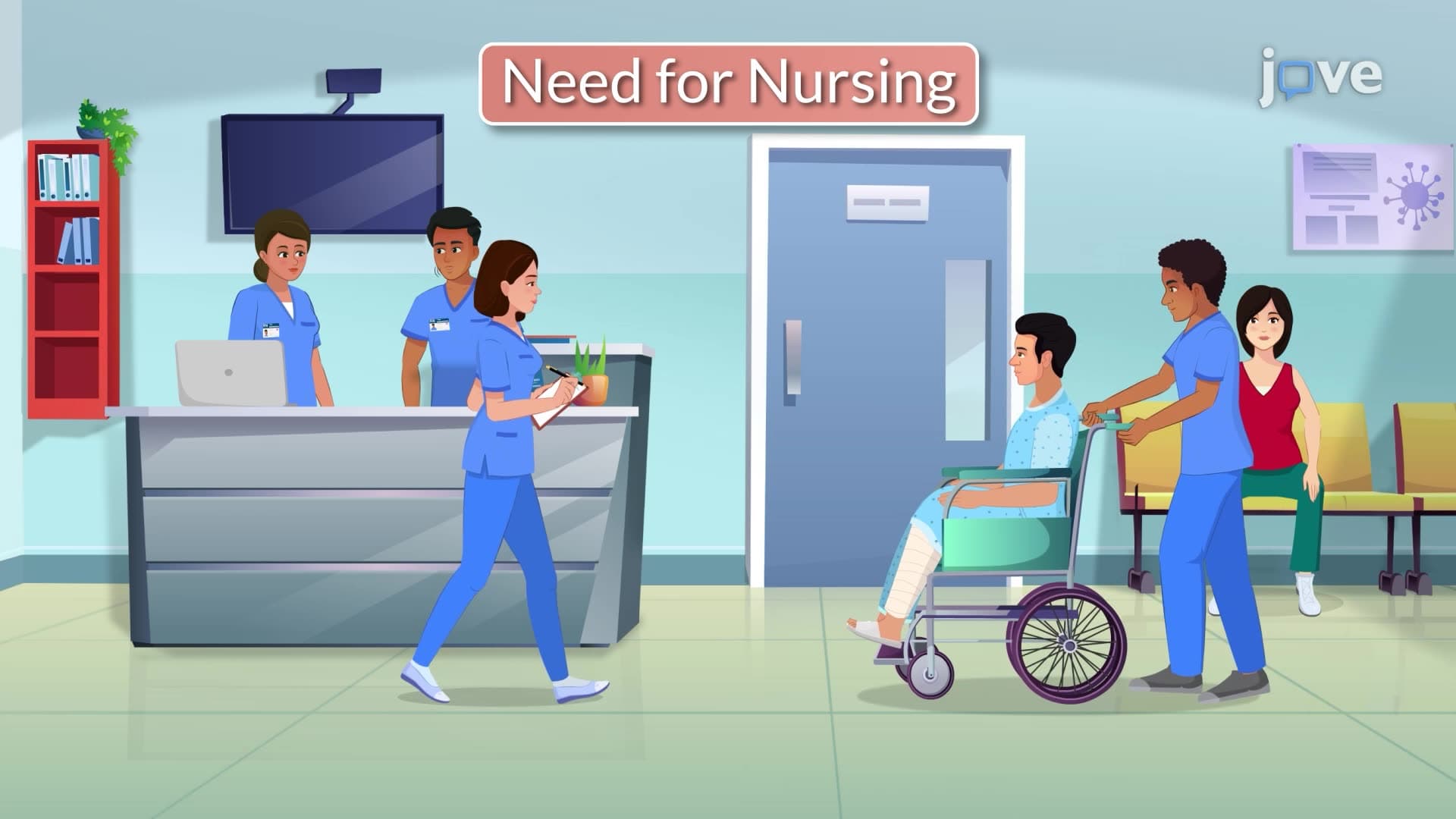
1. Nursing Assessment
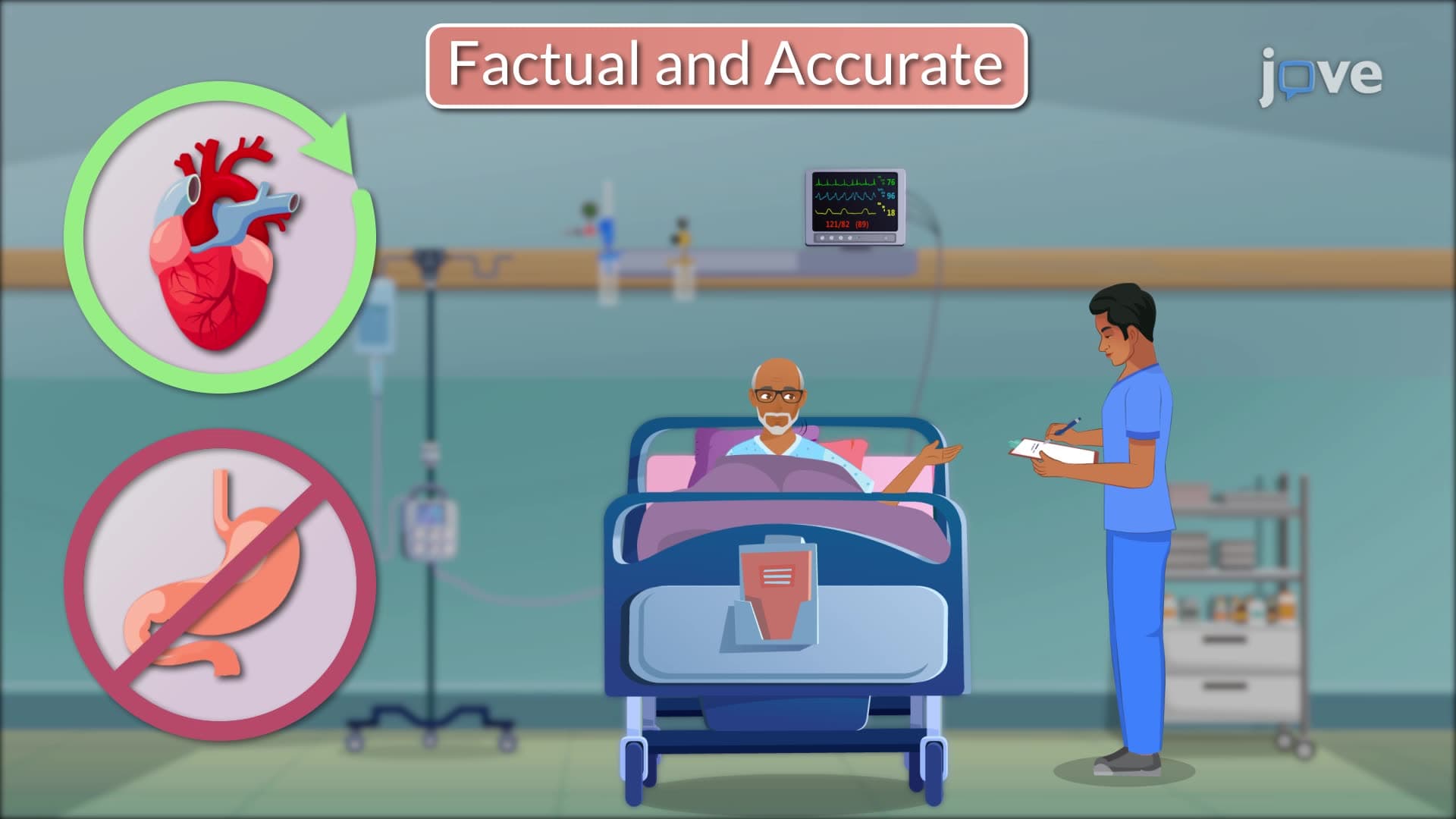
2. Data Collection I

3. Data Collection II
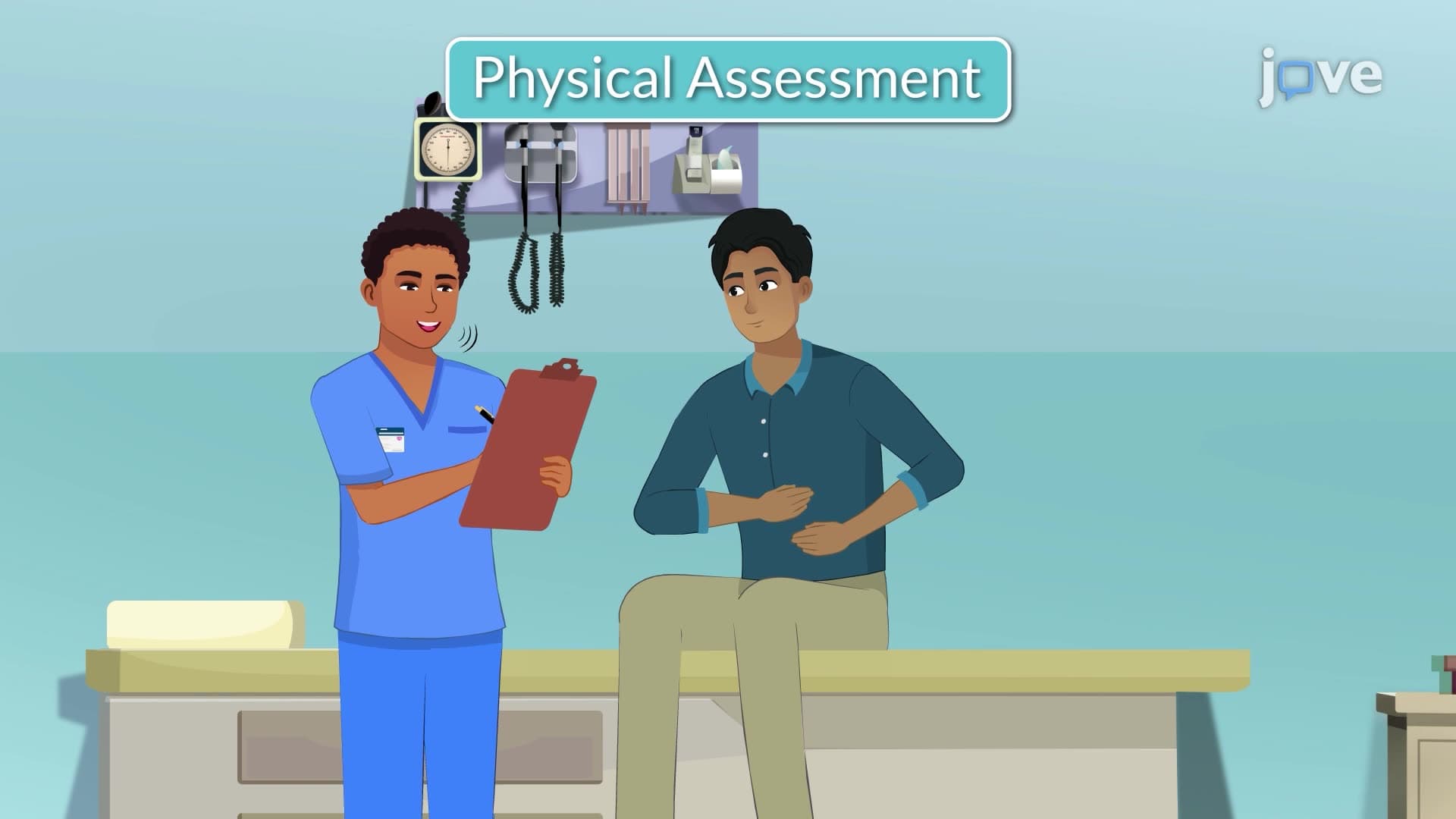
4. Data Collection III
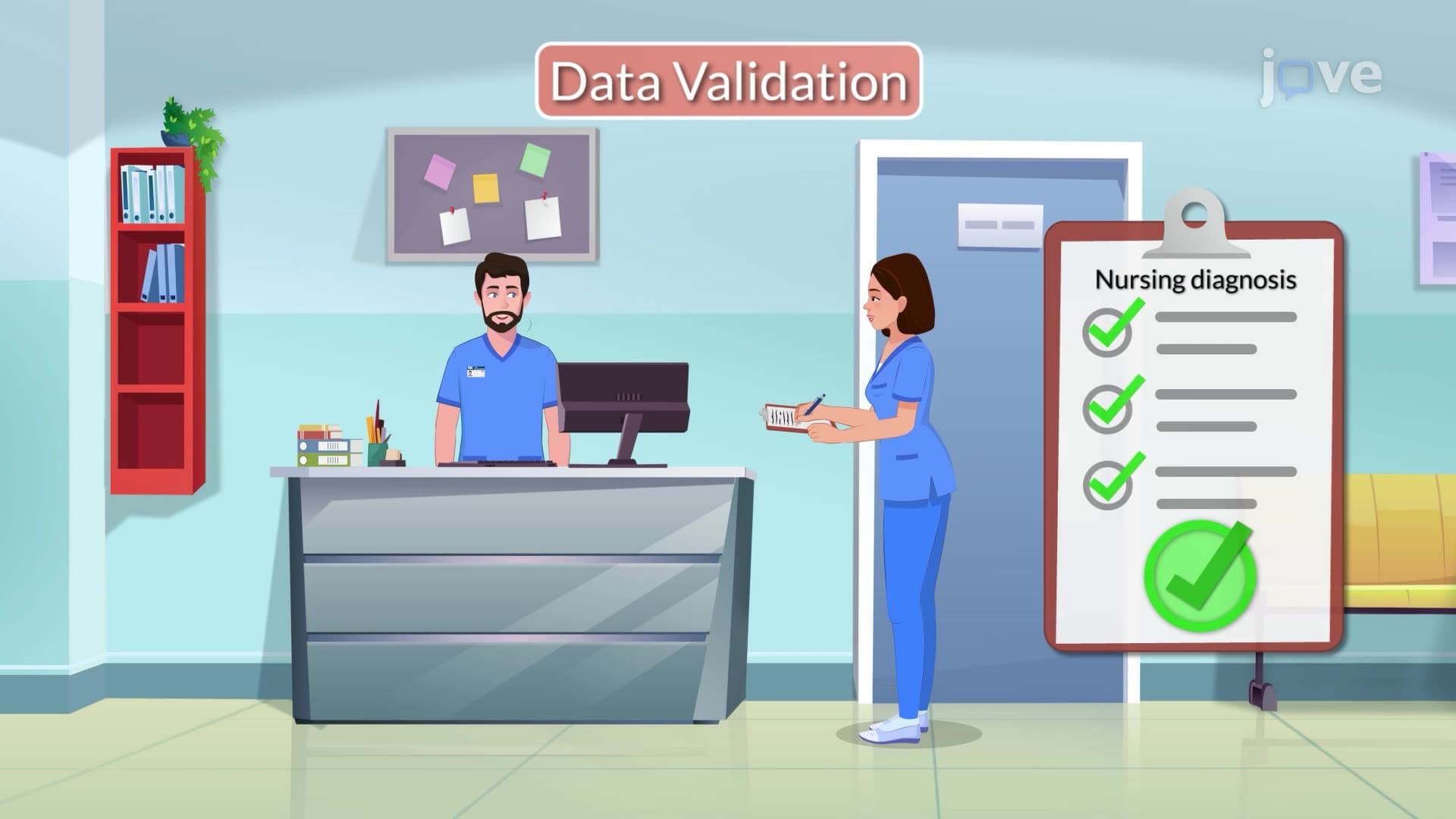
5. Data Validation
6. Data Reporting and Recording
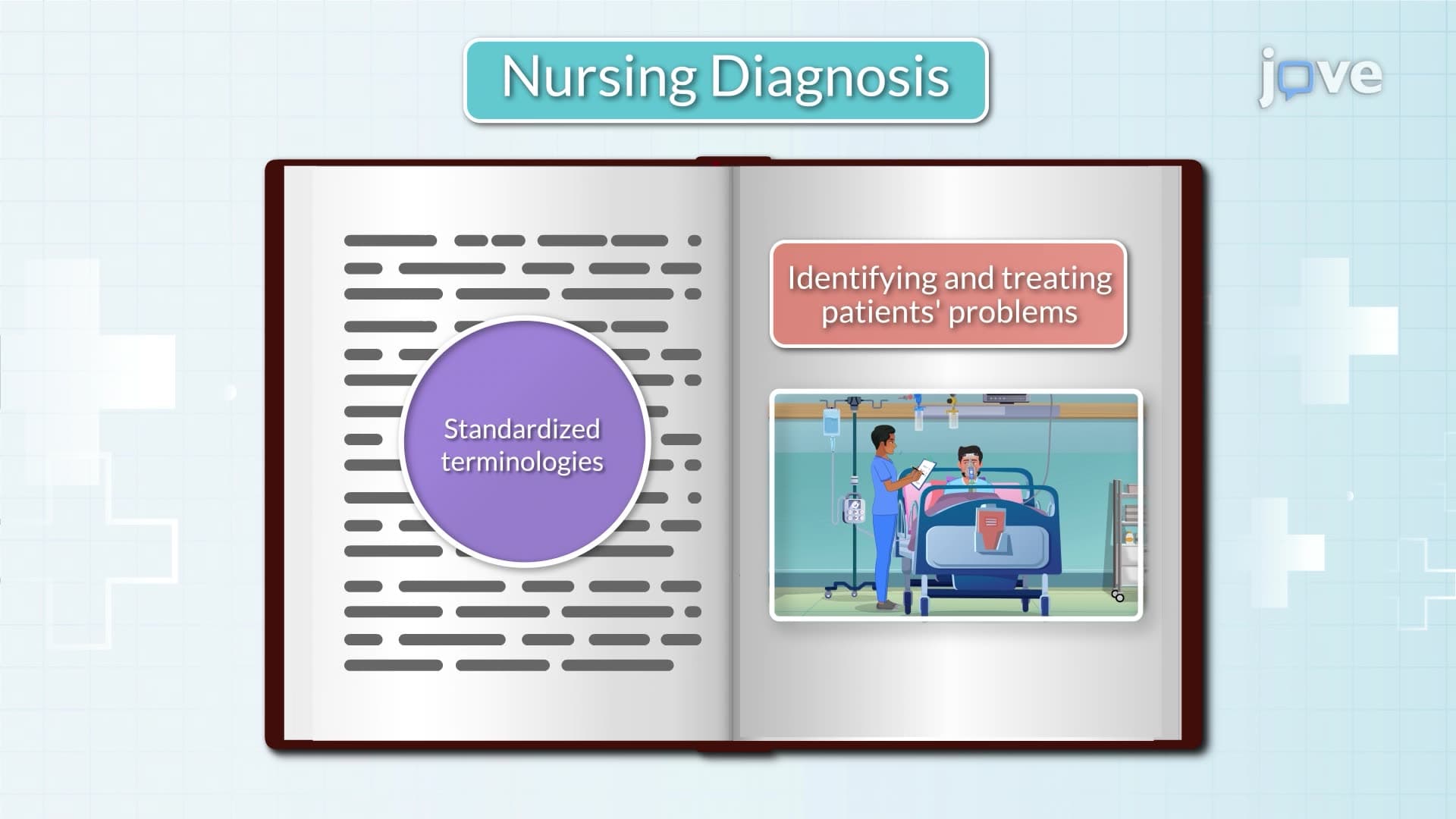
7. Nursing Diagnosis
8. Formulating and Validating Nursing Diagnosis I
9. Formulating and Validating Nursing Diagnosis II
10. Documentation of Nursing Diagnosis
The nursing process II encompasses critical phases of patient care including comprehensive assessment techniques, data validation methods, and nursing diagnosis formulation. Students master systematic data collection through nursing histories, physical examinations, and standardized documentation practices used in US healthcare facilities. This JoVE Coach content prepares nursing students for clinical practice and NCLEX examination success.
- Understand the four types of nursing assessments and their clinical applications
- Learn systematic data collection methods including subjective and objective data gathering
- Identify proper interview techniques for obtaining comprehensive nursing histories
- Explore physical assessment procedures using the IAPP methodology
- Analyze data validation processes to ensure accurate clinical interpretations
- Apply standardized nursing diagnosis formulation using PES format
- Understand documentation requirements for nursing diagnoses in healthcare settings
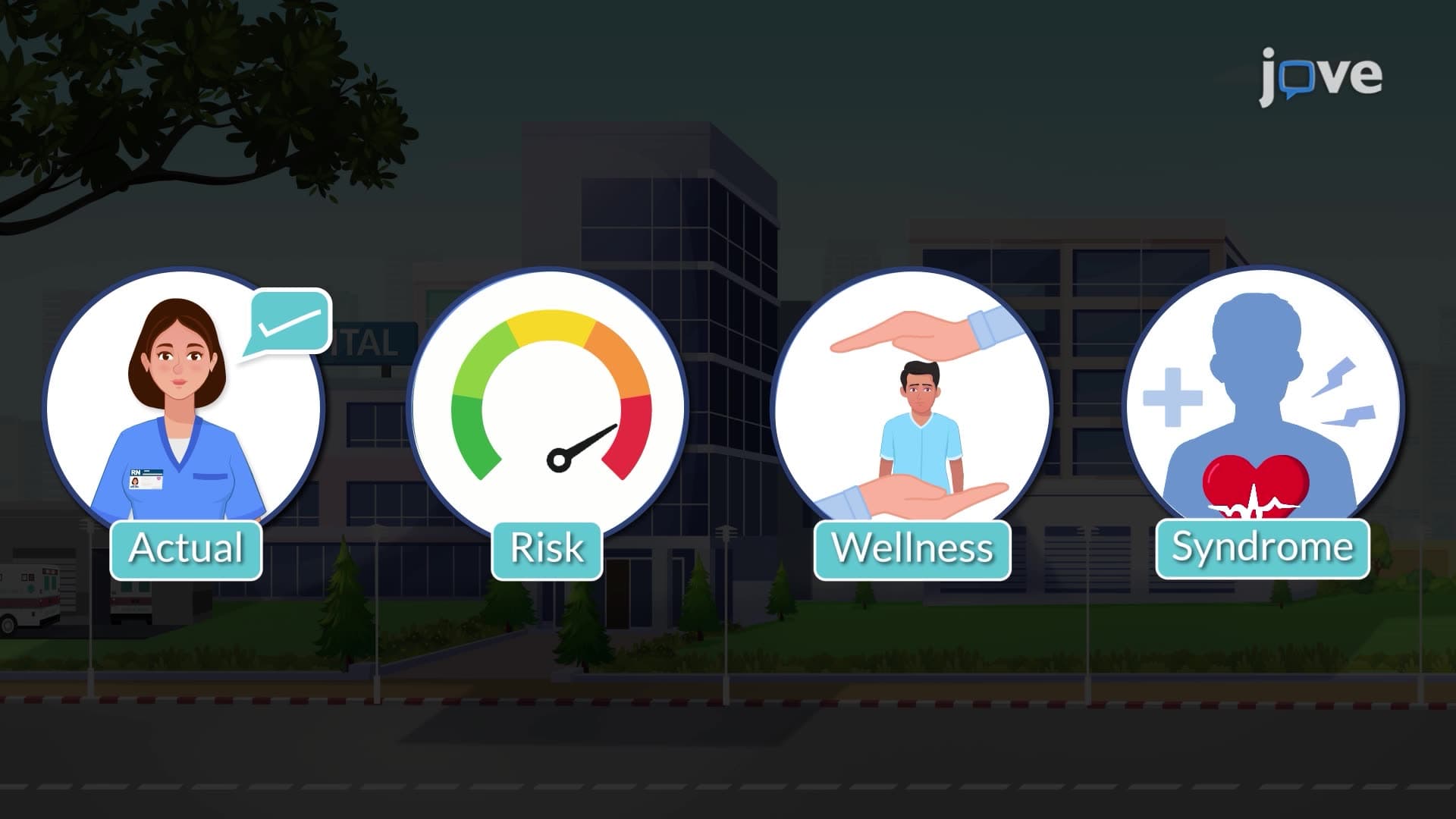
- Learn to categorize nursing diagnoses as actual, risk, wellness, or syndrome types
1. Types of Nursing Assessment and Prioritization Factors Nursing assessments include initial evaluations performed upon hospital admission, focused assessments targeting specific patient problems like chest pain evaluation, emergency assessments for life-threatening situations in trauma centers, and time-lapsed reassessments for ongoing care monitoring. Assessment prioritization considers health orientation factors including lifestyle risks, developmental stage requirements such as pediatric milestone evaluations, cultural considerations encompassing religious and socioeconomic backgrounds, and nursing care needs. These factors guide assessment selection in clinical settings like Johns Hopkins Hospital emergency departments or pediatric units at Children's Hospital of Philadelphia.
2. Data Collection Methods and Sources Systematic data collection involves gathering subjective information through patient interviews and objective data through clinical observations and measurements. Primary sources include alert, conscious patients without communication barriers, while secondary sources encompass family members and caregivers providing supplemental information. Additional sources include electronic health records from Epic or Cerner systems, medical literature databases like PubMed, and interdisciplinary team documentation. Data collection must remain purposeful, factual, accurate, relevant, and complete to support clinical decision-making in US healthcare facilities like Mayo Clinic or Cleveland Clinic.
3. Nursing History Interview Process The structured interview follows four distinct phases beginning with preparatory activities including patient identification, record review, and private location selection. The introductory phase establishes therapeutic relationships while ensuring confidentiality compliance with HIPAA regulations. During the working phase, nurses employ open-ended questioning techniques to gather biographical, health history, family, environmental, psychosocial, and spiritual information. Patient variables such as anxiety levels, pain experiences, language barriers, or previous negative healthcare encounters can influence interview outcomes. The termination phase concludes data collection and summarizes key findings for documentation purposes.
4. Physical Assessment Using IAPP Methodology Physical examination employs systematic IAPP procedures: inspection through visual examination of body systems, auscultation using stethoscopes for organ sound assessment, percussion involving tapping techniques to evaluate tissue density, and palpation applying gentle pressure to assess organ characteristics. This methodology ensures comprehensive evaluation of anatomical structures and functions while identifying potential abnormalities. Verbal consent precedes all physical assessment procedures, and examinations follow body system approaches commonly taught in nursing programs at institutions like Duke University School of Nursing or University of Pennsylvania Nursing School.
5. Data Validation and Clinical Reasoning Data validation involves systematic verification of collected information through cue identification, inference formation, and validation confirmation. Clinical cues represent sensory information such as calf swelling in bedridden patients, while inferences involve literature-based interpretations like deep vein thrombosis symptoms. Validation requires additional testing or evaluation to confirm or reject initial inferences. For example, positive urine glucose results in pregnant patients may require glucose tolerance testing to distinguish between gestational diabetes and false-positive strip test results. This process prevents clinical errors and supports evidence-based nursing practice.
6. Documentation Standards and Communication Accurate recording involves permanent documentation of patient health information in traceable, secure formats including electronic health records or written documentation. Reporting encompasses oral or written data exchange among healthcare team members during shift changes or interdisciplinary rounds. Critical components include precise timing documentation, factual data recording, and appropriate terminology usage such as "sutures" rather than "stitches." Subjective data appears in quotations, while objective findings use specific clinical language. Nurses must alert healthcare teams when assessment data significantly deviates from patient baselines, indicating potential complications.
7. Nursing Diagnosis Formulation and Standardized Terminology Nursing diagnosis identifies health problems preventable or treatable through nursing interventions, following evidence-based practice standards established by NANDA International. The PES format includes problem statements emphasizing health issues, etiology documenting probable causes, and signs/symptoms providing defining characteristics. For example, "Hyperthermia related to urinary tract infection as evidenced by body temperature of 39°C." Diagnoses utilize legally acceptable, non-judgmental language while focusing on patient problems rather than needs. The 13 taxonomy domains provide standardized terminology for consistent communication across US healthcare systems.
8. Categories of Nursing Diagnoses and Clinical Applications Nursing diagnoses encompass four primary categories: actual diagnoses identifying current health problems like "impaired swallowing," risk diagnoses recognizing vulnerability such as "risk for falls," wellness diagnoses promoting health enhancement like "readiness to enhance parenting," and syndrome diagnoses grouping related problems such as "Relocation Stress Syndrome." Verification involves comparing formulated diagnoses with patient health histories through evidence-based knowledge and clinical experience. Documentation includes handwritten care plans or electronic health system entries with proper signatures, dates, and times. Computer-based clinical decision support systems enhance diagnosis accuracy and data organization in modern healthcare facilities.
Frequently Asked Questions
Subjective data represents the patient's verbal descriptions of their health experience, such as reporting "crushing chest pain" or rating pain as "8 out of 10." Objective data includes measurable observations made by the nurse, such as vital signs (blood pressure 140/90 mmHg), physical findings (swollen ankles), or laboratory results (hemoglobin 8.5 g/dL). Both types are essential for comprehensive patient assessment and accurate nursing diagnosis formulation.
Focus on understanding the PES format (Problem, Etiology, Signs/Symptoms) and practice identifying appropriate NANDA diagnoses for various patient scenarios. Study the differences between actual, risk, wellness, and syndrome diagnoses. Review prioritization principles and practice connecting assessment data to appropriate nursing interventions. Use NCLEX review books with nursing diagnosis practice questions and understand how diagnoses guide care planning and evaluation.
Common errors include focusing on medical diagnoses rather than nursing problems, using judgmental language, making diagnoses based on incomplete data, and confusing patient needs with actual problems. Students often struggle with proper PES format structure and may write diagnoses that cannot be addressed through nursing interventions. Practice using standardized NANDA terminology and ensure diagnoses are legally appropriate and patient-centered.
Emergency departments require rapid, focused assessments targeting life-threatening conditions using systematic approaches like primary and secondary surveys. Long-term care facilities emphasize comprehensive initial assessments followed by regular time-lapsed reassessments to monitor chronic conditions and functional status. Regardless of setting, the systematic approach remains consistent, but prioritization and timing adapt to patient acuity and facility requirements.
Data validation prevents clinical errors by ensuring accurate interpretation of assessment findings. Students should practice distinguishing between cues (what they observe) and inferences (what they think it means), then seek additional data to confirm or reject their conclusions. Develop critical thinking by questioning initial assumptions, consulting evidence-based resources, and collaborating with experienced nurses to verify findings before making clinical decisions.
Students must understand HIPAA confidentiality requirements, proper timing of documentation, accurate terminology usage, and the importance of factual, non-judgmental language. Learn to document subjective data in quotations and objective findings with specific measurements. Understand electronic health record systems commonly used in clinical facilities and practice proper signature requirements with date and time stamps for all entries.
Create concept maps connecting assessment findings to potential nursing diagnoses, practice with case study scenarios, and use systematic approaches like reviewing body systems methodically. Study NANDA diagnosis definitions, related factors, and defining characteristics. Work through practice problems that require analyzing assessment data to formulate appropriate diagnoses, and join study groups to discuss clinical reasoning processes with peers.
This microcourse includes 10 concept videos that walk you through the building blocks of Nursing. Each video is short, about 1 minute, so you can cover a full topic during a coffee break or between classes. The full sequence starts with Nursing Assessment and ends with Documentation of Nursing Diagnosis.
The playlist moves from big-picture ideas to the precise vocabulary used in Nursing. Early videos introduce Nursing Assessment, Data Collection I, and Data Collection II. The middle of the series focuses on Data Validation, Data Reporting and Recording, and Nursing Diagnosis. The final stretch covers Formulating and Validating Nursing Diagnosis I, Formulating and Validating Nursing Diagnosis II, and Documentation of Nursing Diagnosis.
The natural next step is The Nursing Process III. From there, you can move to Documentation and Reporting, Ethical and Legal Aspects in Nursing, and Vital Signs: Temperature. Once you finish those, the full Nursing curriculum of 14 microcourses on JoVE Coach opens up, taking you from foundational concepts to advanced systems.
Related Subjects
 Anatomy and Physiology 31 micro-courses›
 Medical-Surgical Nursing 28 micro-courses›