Loading…
Loading video…

51,600 views
Did you know that a single misidentified nursing diagnosis can delay patient recovery by days? Formulating validating nursing diagnosis requires mastering three critical components that determine patient care quality. For instance, when a nurse at Johns Hopkins Hospital correctly identifies "impaired swallowing" with supporting evidence and probable causes, they create a roadmap for targeted interventions. The Formulating And Validating Nursing Diagnosis II Tutorial breaks down this systematic process into manageable steps. Watch the full video on JoVE Coach to master this concept with expert-led visuals and step-by-step explanations.
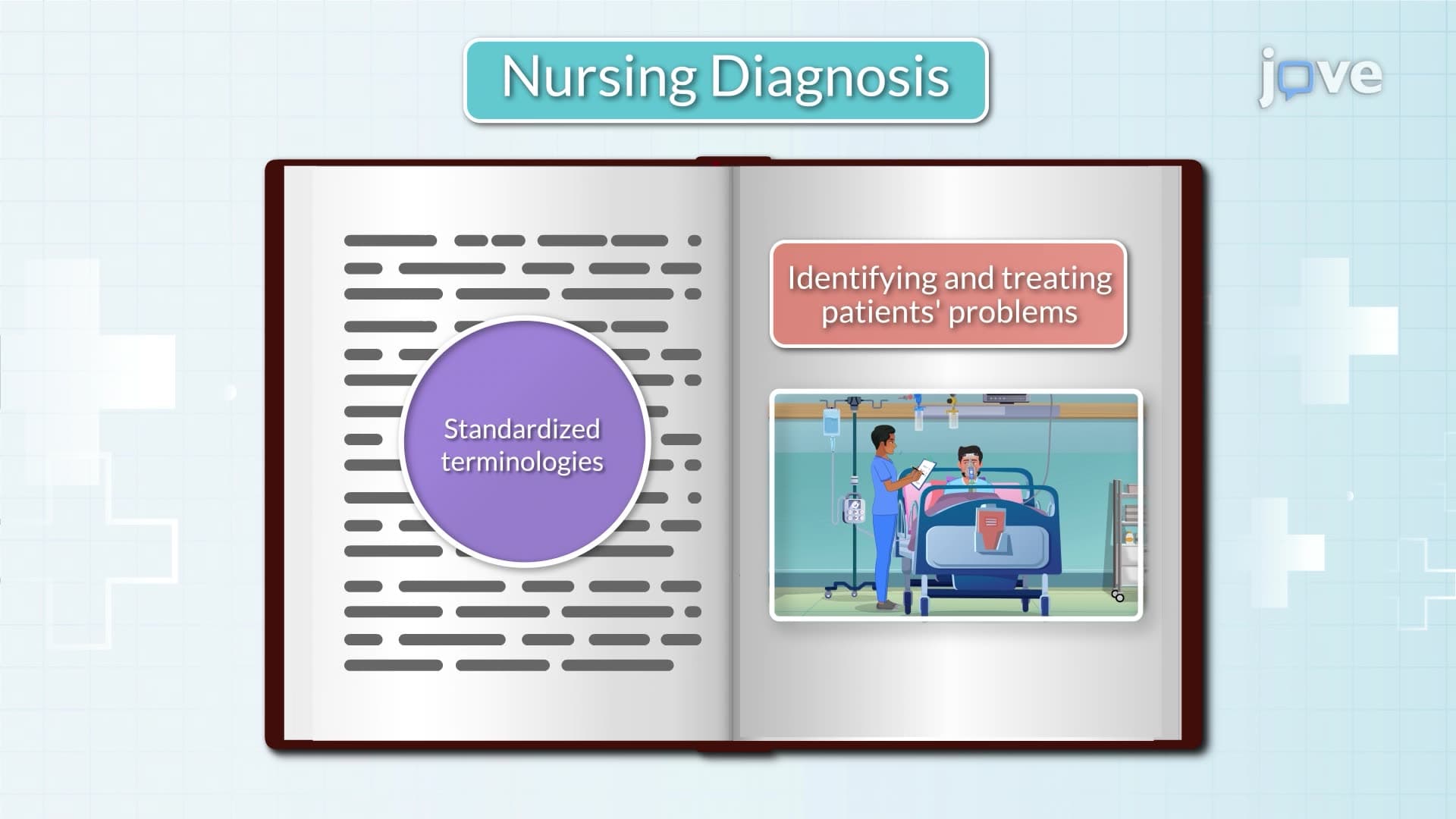
The systematic approach to nursing diagnosis represents one of nursing's most critical clinical skills. Unlike medical diagnoses that identify diseases, nursing diagnoses focus on human responses to health conditions. This distinction shapes how nurses at facilities like Mayo Clinic and Cleveland Clinic approach patient care planning.
Every complete nursing diagnosis contains three interconnected elements. The problem statement serves as the foundation, clearly articulating the patient's current health status using standardized NANDA-International terminology. For example, "impaired physical mobility" immediately communicates the primary concern to all healthcare team members.
The etiology component documents probable causes, creating the "related to" connection that guides intervention selection. A diagnosis might read "impaired physical mobility related to decreased muscle strength." This causal relationship helps nurses target root causes rather than just symptoms.
Defining characteristics provide the evidence base through observable signs and objective symptoms. These measurable indicators, such as "patient demonstrates limited range of motion in left shoulder" or "requires assistance with transfers," validate the diagnosis and establish baselines for progress monitoring.
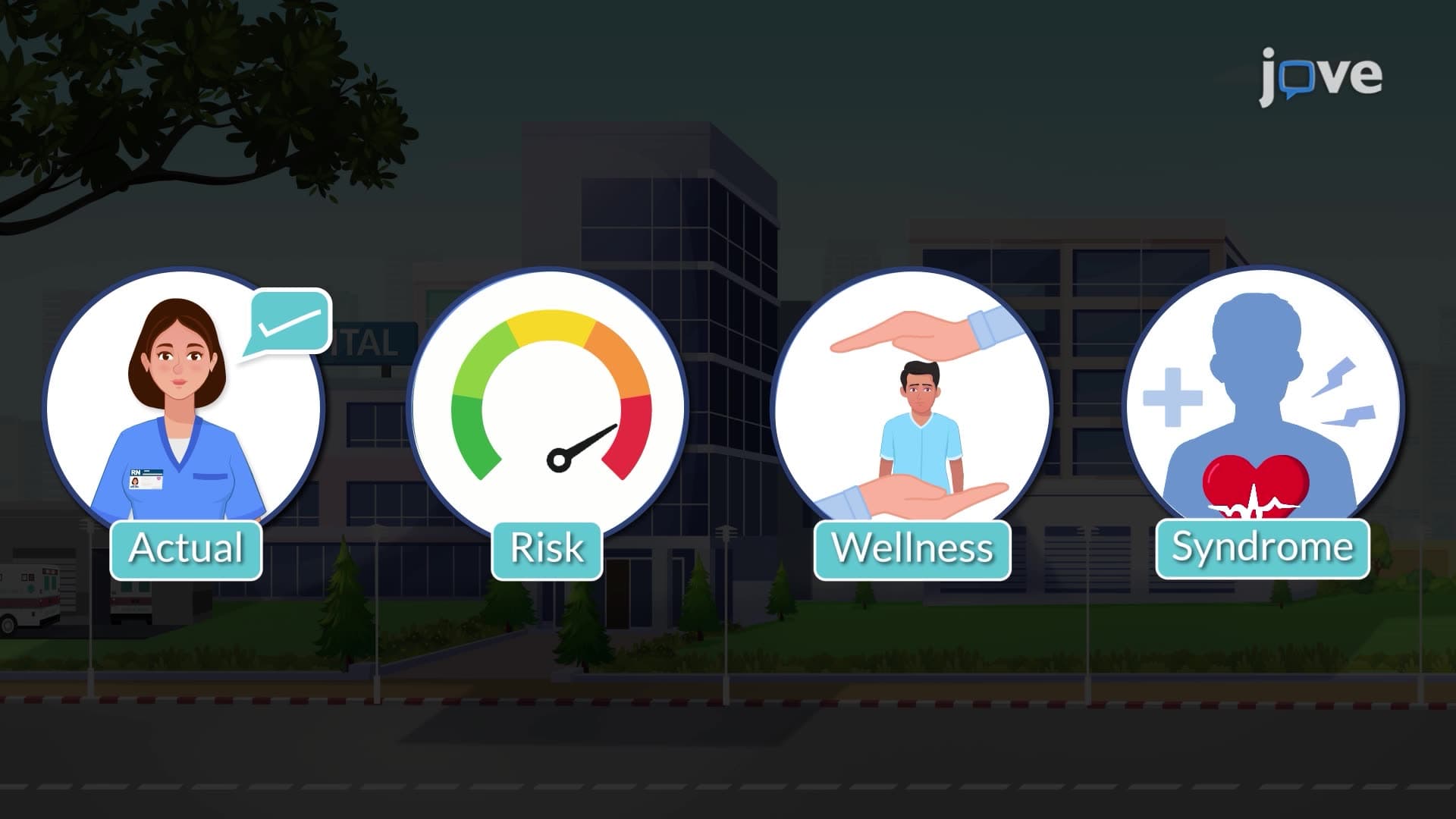
Actual diagnoses address current, existing problems identified during initial patient assessment. When emergency department nurses at Emory University Hospital document "acute pain," they're addressing an immediate, present condition requiring intervention.
Risk diagnoses anticipate potential problems based on patient vulnerability factors. "Risk for falls related to medication side effects" allows preventive interventions before problems occur. These proactive diagnoses have significantly reduced hospital incident rates across major US healthcare systems.
Wellness diagnoses represent a paradigm shift toward health promotion. "Readiness for enhanced nutrition" acknowledges patients' motivation to improve health behaviors, supporting positive outcomes even in challenging circumstances.
Syndrome diagnoses group multiple related problems under one comprehensive label. "Relocation stress syndrome" encompasses anxiety, disorientation, and behavioral changes that commonly occur when elderly patients move to long-term care facilities.
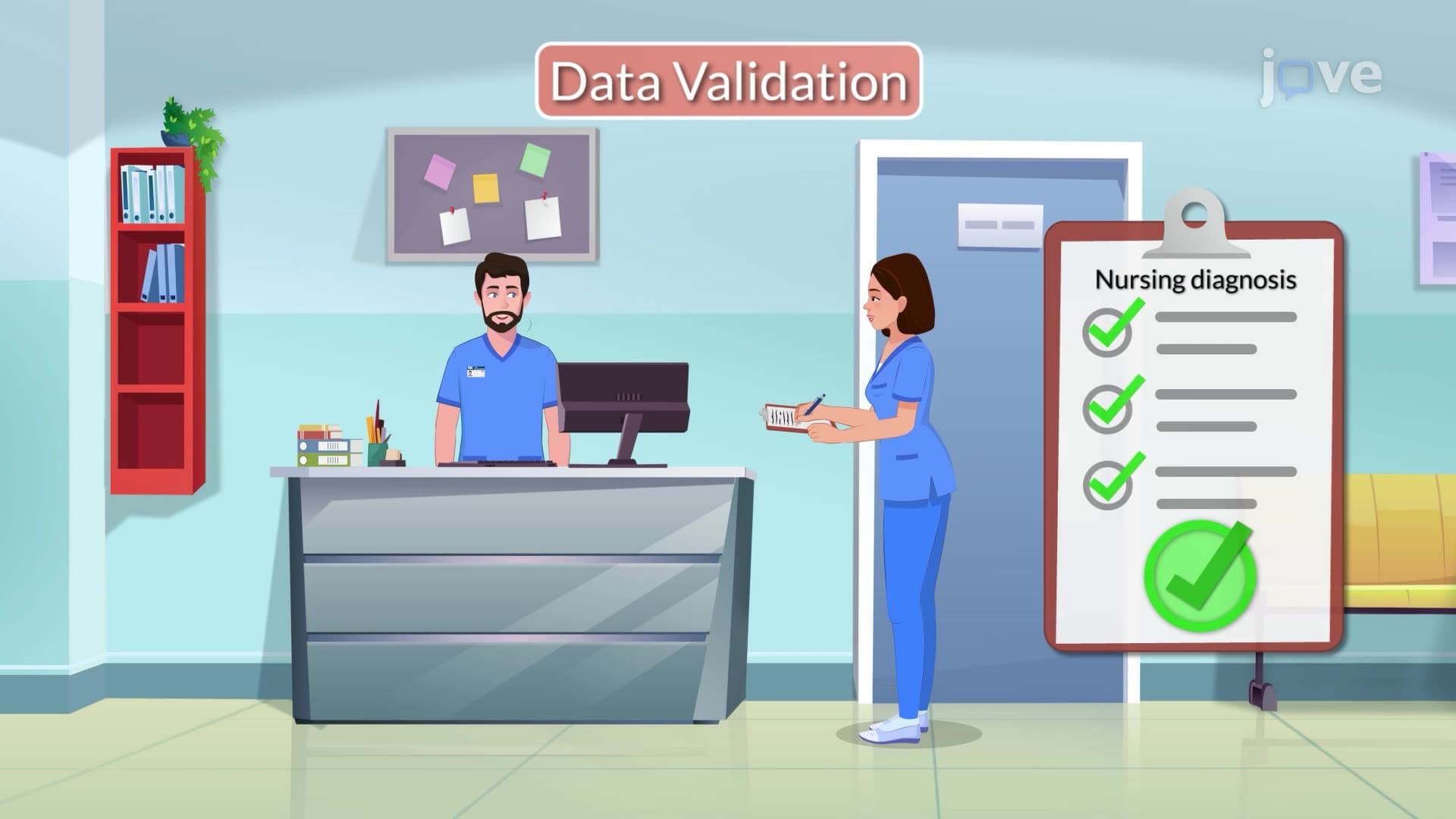
Successful diagnosis validation combines multiple knowledge sources. Nurses integrate patient health histories, current literature, and clinical experience to ensure accuracy. This triangulation approach, emphasized in NCLEX preparation courses, reduces diagnostic errors and improves patient outcomes across diverse healthcare settings.
Frequently Asked Questions
Formulating and validating nursing diagnosis is the systematic process of identifying patient problems, their causes, and supporting evidence to guide nursing interventions. This critical thinking skill ensures personalized care plans that address root causes rather than just symptoms. It forms the foundation for all nursing interventions and directly impacts patient outcomes in every healthcare setting.
The NCLEX-RN extensively tests nursing diagnosis formulation through scenario-based questions requiring analysis of patient data. You'll identify priority diagnoses, select appropriate interventions, and evaluate outcomes based on proper diagnostic reasoning. Practice questions often present complex patient scenarios where you must distinguish between actual, risk, and wellness diagnoses using critical thinking skills.
Create concept maps linking patient symptoms to appropriate diagnoses, then practice writing complete three-part statements daily. Use NANDA-I taxonomy flashcards and work through case studies that mirror your nursing program's exam format. Focus on understanding the "related to" connections between problems and causes, as this relationship drives intervention selection on most nursing school assessments.
At leading healthcare institutions, nurses use electronic health records to document standardized nursing diagnoses that trigger evidence-based care protocols. For example, selecting "risk for pressure injury" automatically generates prevention interventions and monitoring schedules. This systematic approach ensures consistent, quality care while supporting insurance reimbursement and regulatory compliance requirements.
Nursing diagnosis formulation builds naturally on basic anatomy, physiology, and critical thinking skills taught in prerequisite courses. Most students successfully master this concept through practice and repetition, starting with simple actual diagnoses before progressing to complex syndrome diagnoses. The structured three-part format actually makes clinical thinking more organized and systematic.
Focus primarily on actual and risk diagnoses, as these appear most frequently on nursing entrance exams. Master common examples like "ineffective airway clearance," "risk for infection," and "acute pain" with their typical etiologies and defining characteristics. Understanding wellness diagnoses demonstrates advanced thinking but represents a smaller percentage of standardized test questions.
Nurse practitioners and clinical nurse specialists use advanced diagnostic reasoning to develop comprehensive care plans for complex patient populations. This foundational skill supports independent practice, collaborative healthcare relationships, and evidence-based decision making throughout your nursing career. Strong diagnostic skills distinguish excellent nurses in competitive graduate nursing programs and specialty certifications.
Progress to nursing care plan development, intervention selection, and outcome evaluation to complete the nursing process cycle. Explore priority-setting frameworks like Maslow's hierarchy and ABC (airway, breathing, circulation) principles that guide diagnosis selection in clinical emergencies. Advanced students benefit from studying nursing theory applications and quality improvement methodologies that enhance diagnostic accuracy.
Related Micro-courses



Related Subjects
 Anatomy and Physiology 31 micro-courses›
 Medical-Surgical Nursing 28 micro-courses›