Loading subject page…

- Nursing
- The Nursing Process Ii
- Documentation of Nursing Diagnosis
Micro-course: The Nursing Process II
51,601 views
Learn key concepts and earn your certificate.

Documentation of Nursing Diagnosis

00:00
01:10
Video Summary: What Is Documentation of Nursing Diagnosis
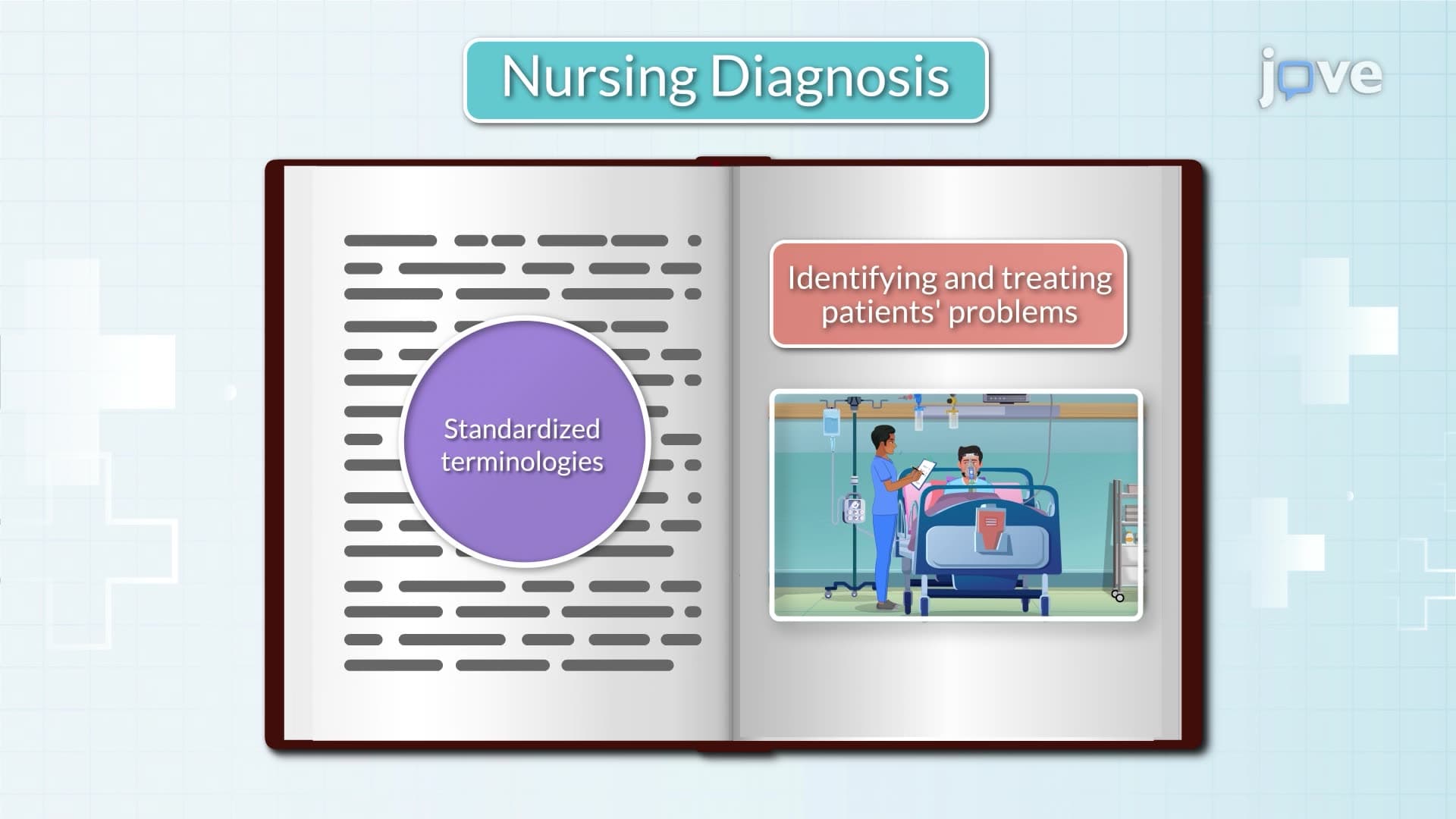
Every day, nurses at hospitals like Johns Hopkins make critical decisions that can save lives, but what happens when crucial patient information gets lost in translation? Documentation of nursing diagnosis serves as the backbone of quality patient care, ensuring that every healthcare provider understands a patient's specific needs and treatment plan. This systematic approach to recording patient assessments follows standardized terminologies and includes three essential components: problem statements, etiology, and defining characteristics. What is documentation of nursing diagnosis becomes clear when we see how it transforms scattered observations into actionable care plans that follow patients from admission to discharge. Watch the full video on JoVE Coach to master this concept with expert-led visuals and step-by-step explanations.
- Understand what is documentation of nursing diagnosis and its role in the nursing process as a standardized method for recording patient care decisions
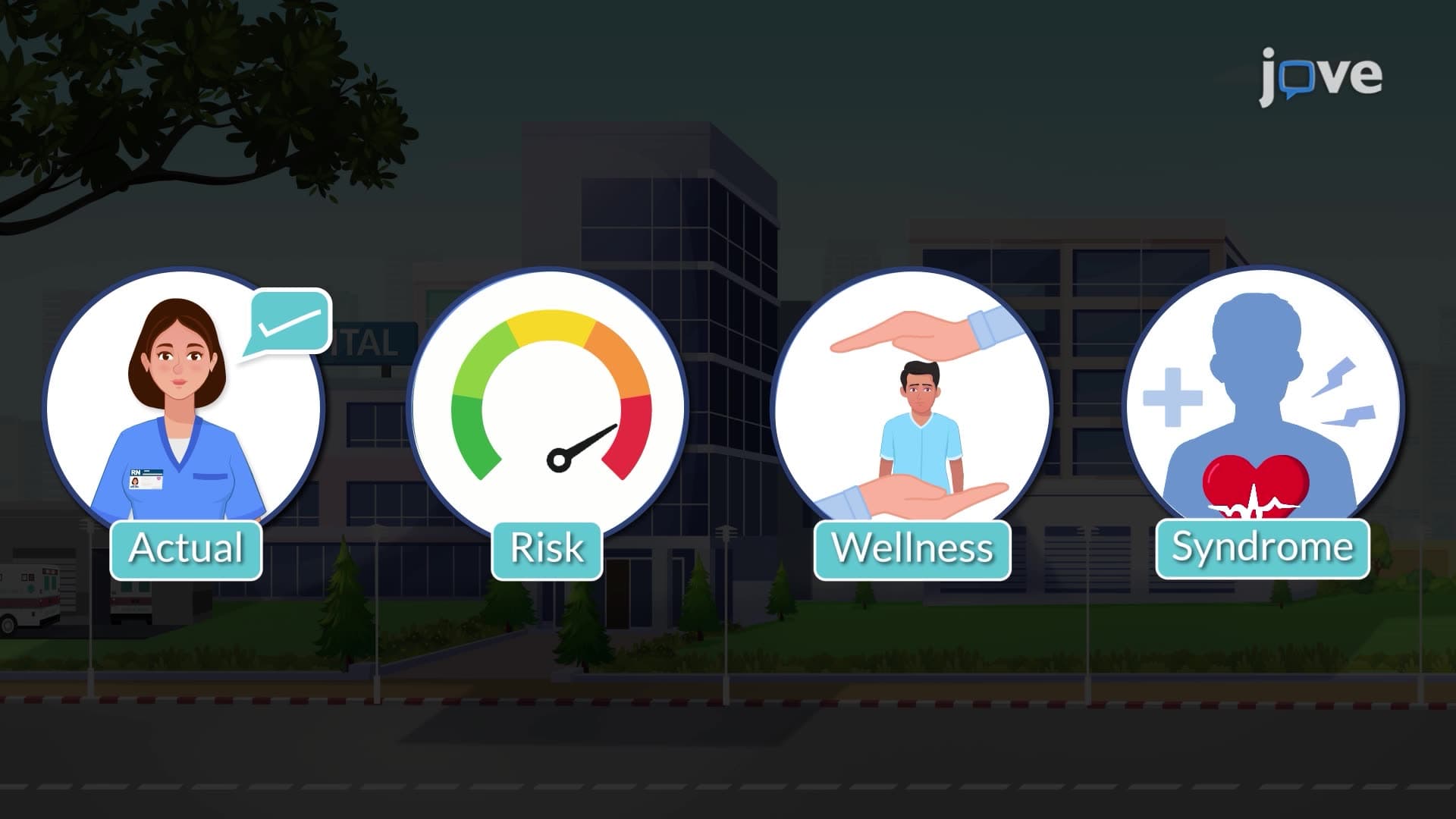
- Identify the three essential components required for proper nursing diagnosis documentation: problem statement, etiology, and defining characteristics
- Analyze how standardized terminologies like NANDA-I improve communication between healthcare providers across different shifts and departments
- Compare traditional handwritten documentation methods with modern electronic health record systems used in US hospitals
- Evaluate common documentation errors that can lead to misdiagnosis, including premature conclusions and incomplete data collection
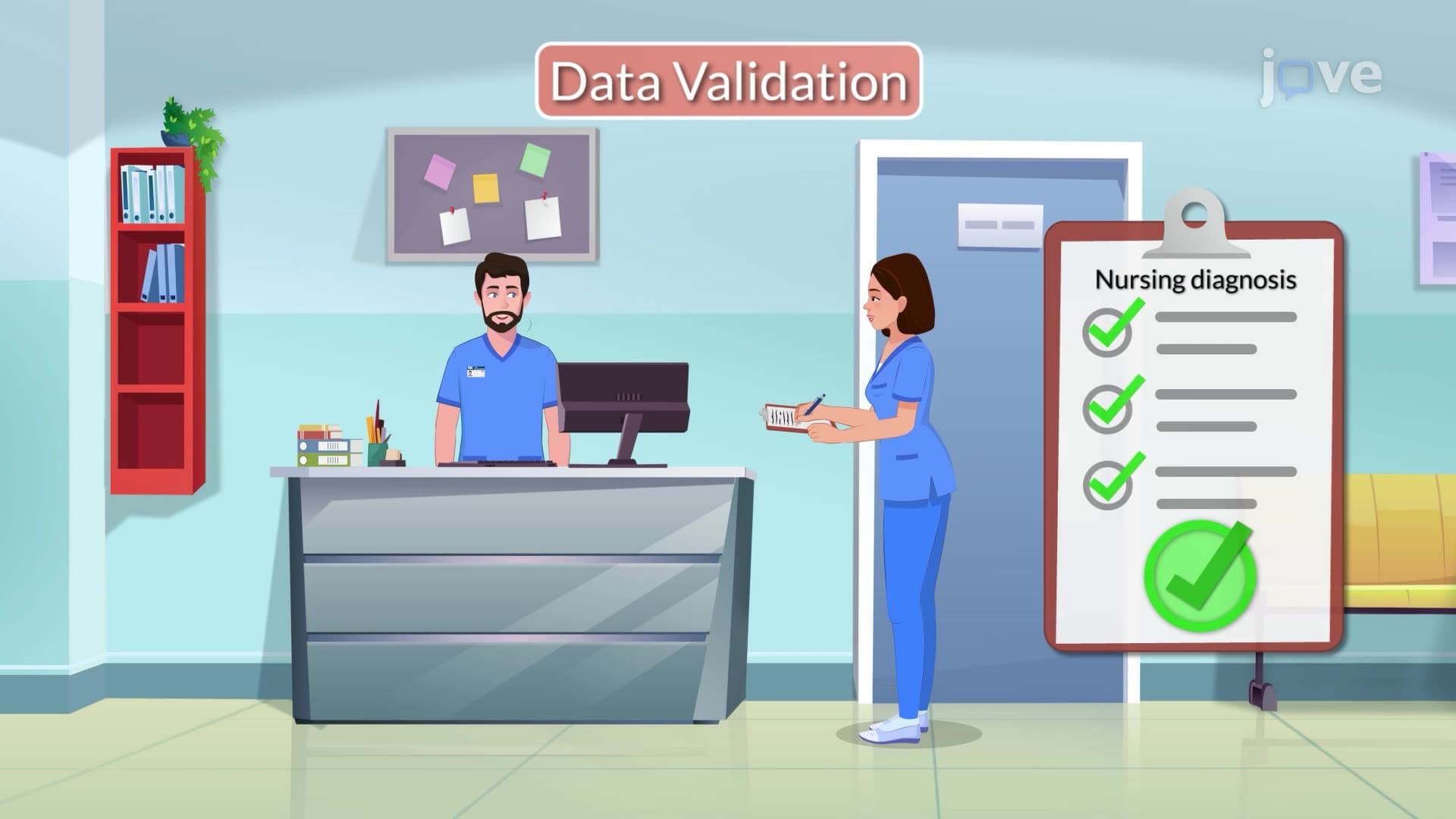
- Apply proper documentation techniques including required signatures, dates, and timestamps for legal compliance
- Recognize how computer-based clinical decision support systems enhance diagnosis selection and data organization
- Explore the relationship between primary and secondary nursing diagnoses in comprehensive patient care planning
Understanding Documentation of Nursing Diagnosis Fundamentals
Documentation of nursing diagnosis represents a critical communication tool that transforms nursing assessments into standardized, actionable care plans. Unlike medical diagnoses that focus on diseases, nursing diagnoses identify human responses to health conditions that nurses can independently treat. This documentation process follows evidence-based frameworks established by organizations like the North American Nursing Diagnosis Association International (NANDA-I), ensuring consistency across all US healthcare settings from community hospitals to major medical centers like Mayo Clinic.
Three Essential Components of Nursing Diagnosis Documentation
The documentation nursing diagnosis structure requires three interconnected elements. The problem statement identifies the specific nursing concern using standardized terminology-for example, "Impaired Mobility" rather than vague descriptions like "patient can't walk well." The etiology component explains the underlying cause or contributing factors, such as "related to surgical pain and decreased muscle strength." Finally, defining characteristics provide the observable evidence supporting the diagnosis, including specific patient behaviors, symptoms, or assessment findings that validate the nursing judgment.
Documentation Methods and Technology Integration
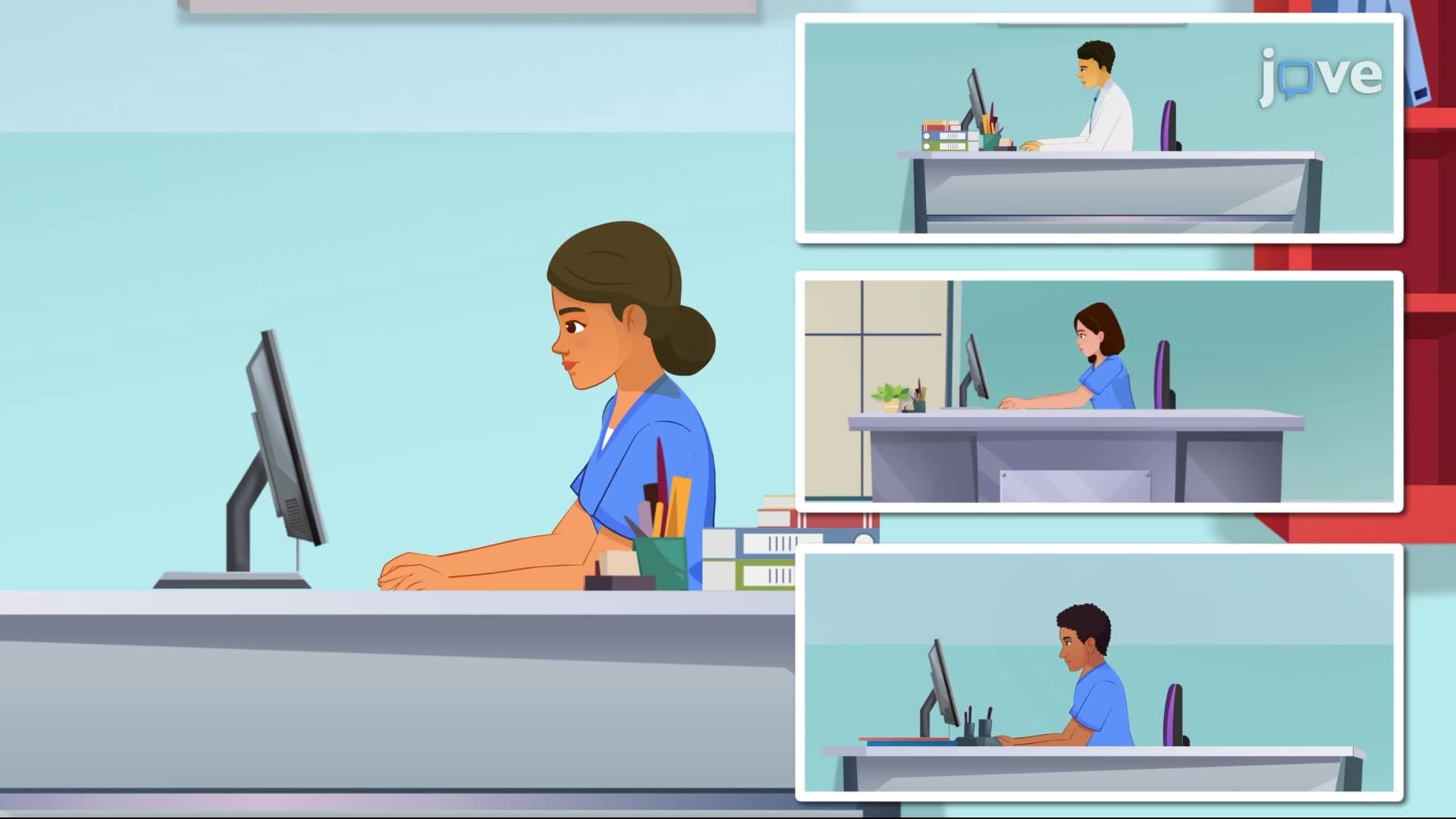
Modern documentation of nursing diagnosis occurs through two primary methods in US healthcare facilities. Traditional handwritten care plans remain common in smaller facilities and during clinical rotations for nursing students, requiring clear handwriting, proper signatures, and accurate timestamps for legal compliance. However, most major healthcare systems now utilize Electronic Health Records (EHRs) like Epic or Cerner, which offer built-in clinical decision support tools that suggest appropriate diagnoses based on assessment data and help prevent documentation errors through standardized dropdown menus and required fields.
Common Documentation Challenges and Solutions
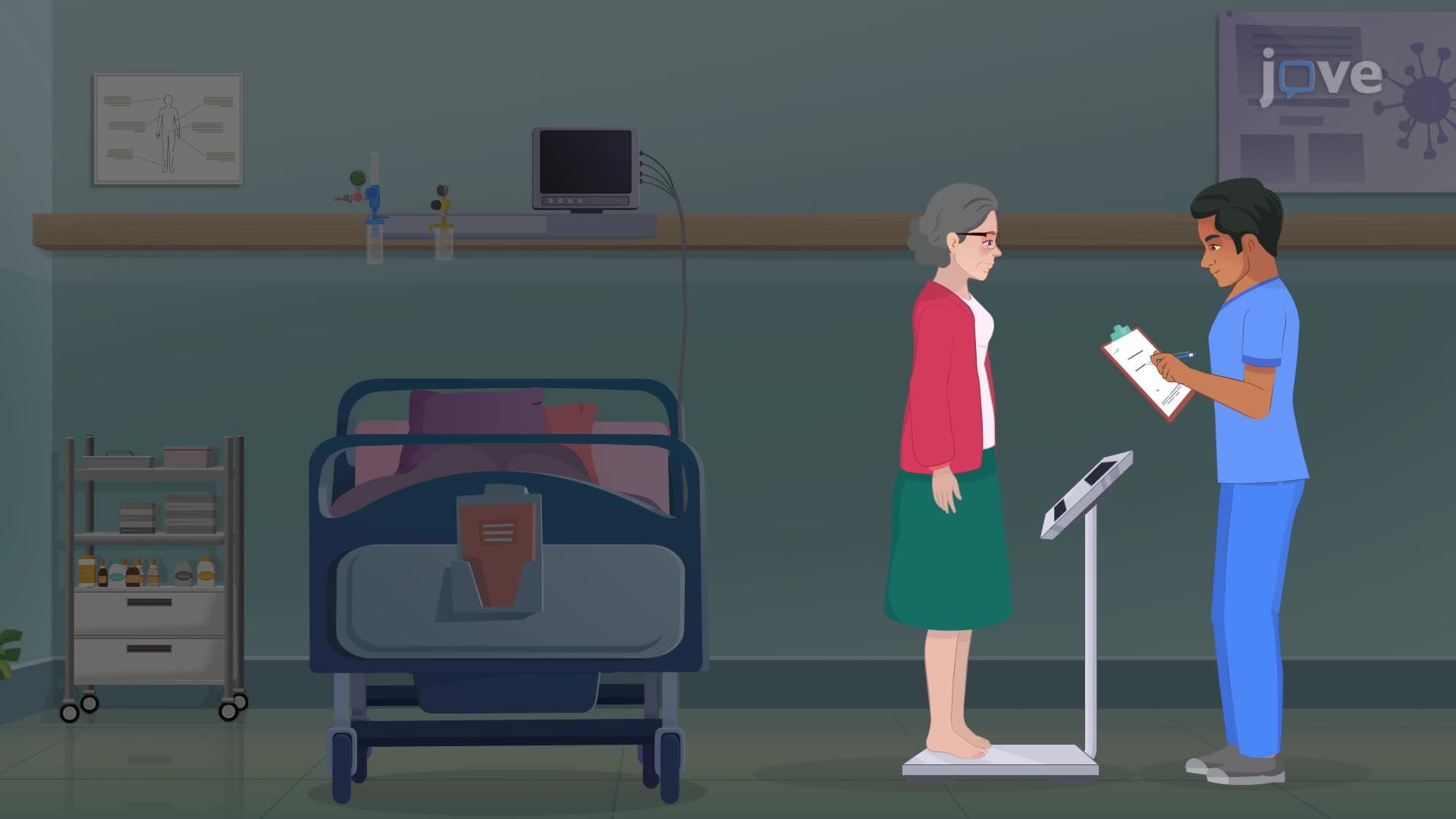
Documentation nursing diagnosis faces several persistent challenges that nursing students encounter during NCLEX preparation and clinical practice. Premature diagnosis formation-rushing to conclusions before collecting complete assessment data-represents the most frequent error. Similarly, failing to identify unique patient needs or omitting relevant diagnoses can compromise care quality. Successful documentation requires systematic data collection, critical thinking skills emphasized in nursing school curricula, and understanding that nursing diagnoses evolve as patient conditions change throughout their healthcare journey.
Frequently Asked Questions
Documentation of nursing diagnosis is the systematic recording of nursing assessments that identify patient problems nurses can independently address. It ensures continuity of care, legal protection, and clear communication between healthcare team members. This documentation serves as the foundation for developing individualized care plans and measuring patient outcomes.
Nursing diagnosis documentation focuses on human responses to health conditions that nurses can treat independently, while medical diagnoses identify diseases requiring physician intervention. Nursing diagnoses address issues like pain management, mobility limitations, or knowledge deficits. Both types work together to provide comprehensive patient care in US healthcare systems.
The NCLEX-RN frequently tests proper documentation format including problem statements, etiology, and defining characteristics. Students must demonstrate understanding of NANDA-I terminology, legal documentation requirements, and appropriate diagnosis prioritization. Practice questions often present patient scenarios requiring accurate diagnosis selection and documentation.
Students should memorize common NANDA-I diagnoses, practice the three-part format, and understand legal requirements like signatures and timestamps. Review your nursing fundamentals textbook, use concept mapping to connect assessment data to diagnoses, and observe experienced nurses during clinical experiences at local hospitals.
At a typical US medical center, a post-operative patient might receive this documentation: "Acute Pain related to surgical incision as evidenced by patient rating pain 8/10, grimacing, and requesting pain medication every 2 hours. Signed: J. Smith, RN. Date: 03/15/2024, 14:30." This follows proper three-part format with legal requirements.
No advanced medical background is required-nursing diagnosis documentation builds on basic anatomy, physiology, and nursing fundamentals typically taught in high school health classes or introductory college courses. Focus on developing critical thinking skills and understanding human responses to illness rather than complex medical terminology.
Create flashcards for common NANDA-I diagnoses, practice writing three-part statements daily, and use case studies from your textbook. Form study groups to review documentation examples and quiz each other on proper format. Many nursing students find success using online NCLEX prep resources that include documentation practice questions.
Progress to studying nursing care plan development, priority setting among multiple diagnoses, and quality improvement measures. Explore specialized areas like pediatric or psychiatric nursing diagnoses, and learn about emerging technologies in electronic documentation systems used in modern US healthcare facilities.
Related Micro-courses

7 Concepts
25 Concepts
19 Concepts