Loading video…


 10 Concepts
 51.6K views

Video Summary: What Is Nursing Assessment
Did you know that the first 24 hours of a patient's hospital stay can determine their entire treatment outcome? Nursing assessment forms the critical foundation of patient care, involving systematic data collection to identify health problems and guide treatment decisions. For instance, when a patient arrives at Johns Hopkins Hospital with chest pain, nurses conduct comprehensive assessments to distinguish between a heart attack and anxiety. What is nursing assessment becomes clear through its four distinct types and prioritization factors that ensure optimal patient outcomes. Watch the full video on JoVE Coach to master this concept with expert-led visuals and step-by-step explanations.
Nursing assessment represents the cornerstone of professional nursing practice, serving as the systematic process through which healthcare professionals gather, analyze, and interpret patient data to identify health problems and develop appropriate care plans. This evidence-based approach ensures that nursing interventions address actual patient needs rather than assumptions, making it essential knowledge for students preparing for the NCLEX-RN examination and future clinical practice.
Healthcare facilities across the United States implement four distinct assessment types, each serving specific clinical purposes. Initial assessments occur within 24 hours of hospital admission, establishing baseline patient data that guides subsequent care decisions. At Massachusetts General Hospital, for example, nurses conduct comprehensive initial assessments covering medical history, current symptoms, vital signs, and psychosocial factors.
Focused assessments target specific patient problems or body systems, often triggered by changes in patient condition or new symptom development. Emergency department nurses at Cleveland Clinic frequently perform focused cardiovascular assessments when patients present with chest pain, concentrating on heart rhythm, blood pressure, and pain characteristics rather than conducting full-body evaluations.
Emergency assessments address life-threatening situations requiring immediate intervention, following standardized protocols like the Primary Assessment (ABCDE) approach taught in Advanced Cardiac Life Support (ACLS) courses. Time-lapsed assessments involve periodic patient re-evaluations, typically occurring every 8-12 hours in acute care settings to monitor treatment effectiveness and identify emerging complications.
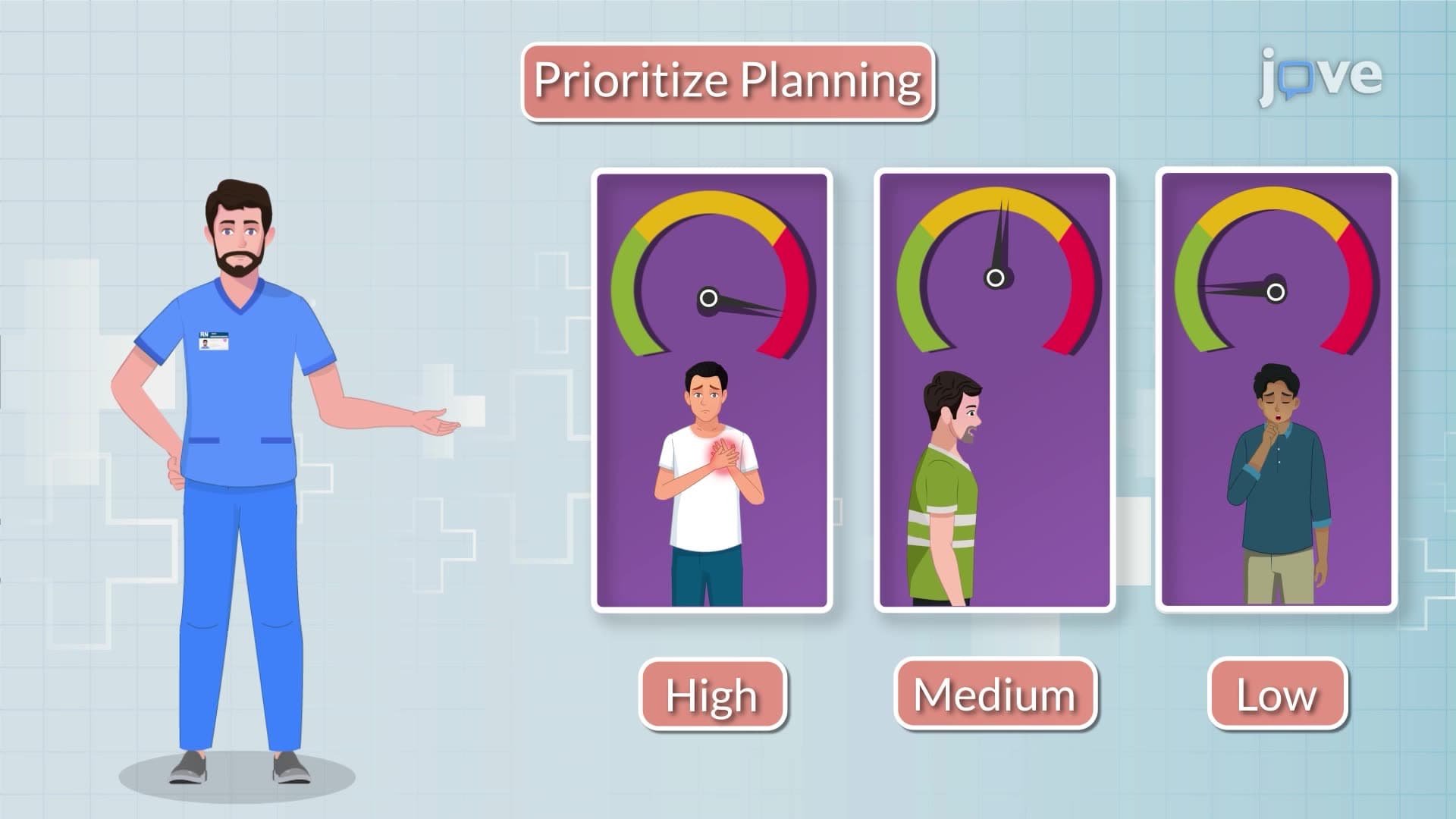
Successful nursing practice requires understanding the four critical prioritization factors that guide assessment approaches. Health orientation examines individual lifestyle characteristics, risk factors, and current health status, enabling nurses to tailor assessments to specific patient populations. For instance, assessing a diabetic patient admitted to UCLA Medical Center involves focused attention on blood glucose levels, circulation, and potential complications.
Developmental stage considerations ensure age-appropriate assessment techniques, from milestone evaluations in pediatric patients to cognitive assessments in geriatric populations. Cultural factors encompass racial, ethnic, religious, and socioeconomic influences that affect patient responses and healthcare decisions, particularly important in diverse metropolitan areas like New York City hospitals.
Related Micro-courses