Loading video…


 10 Concepts
 51.6K views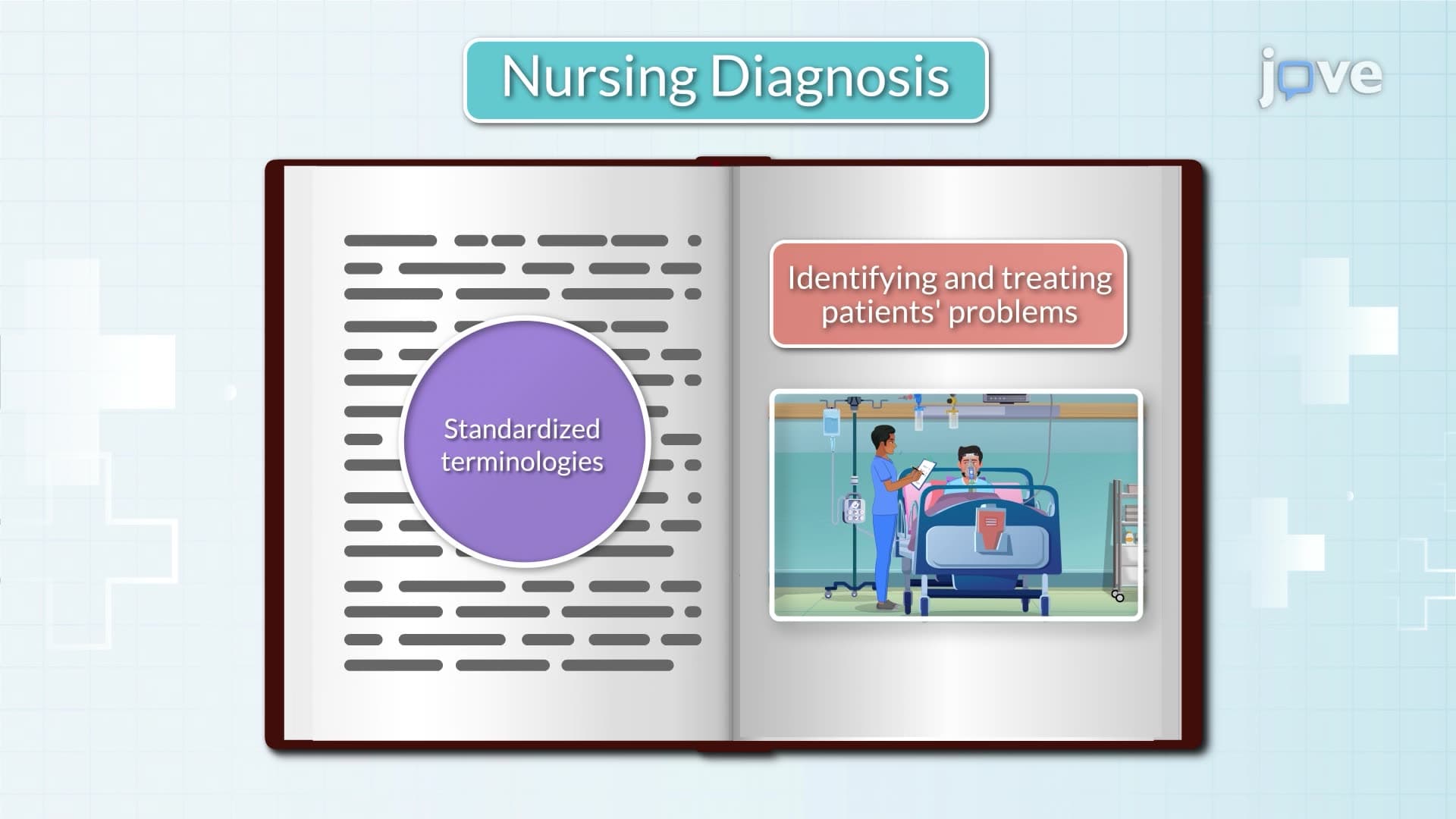

Video Summary: Formulating and Validating Nursing Diagnosis I Tutorial
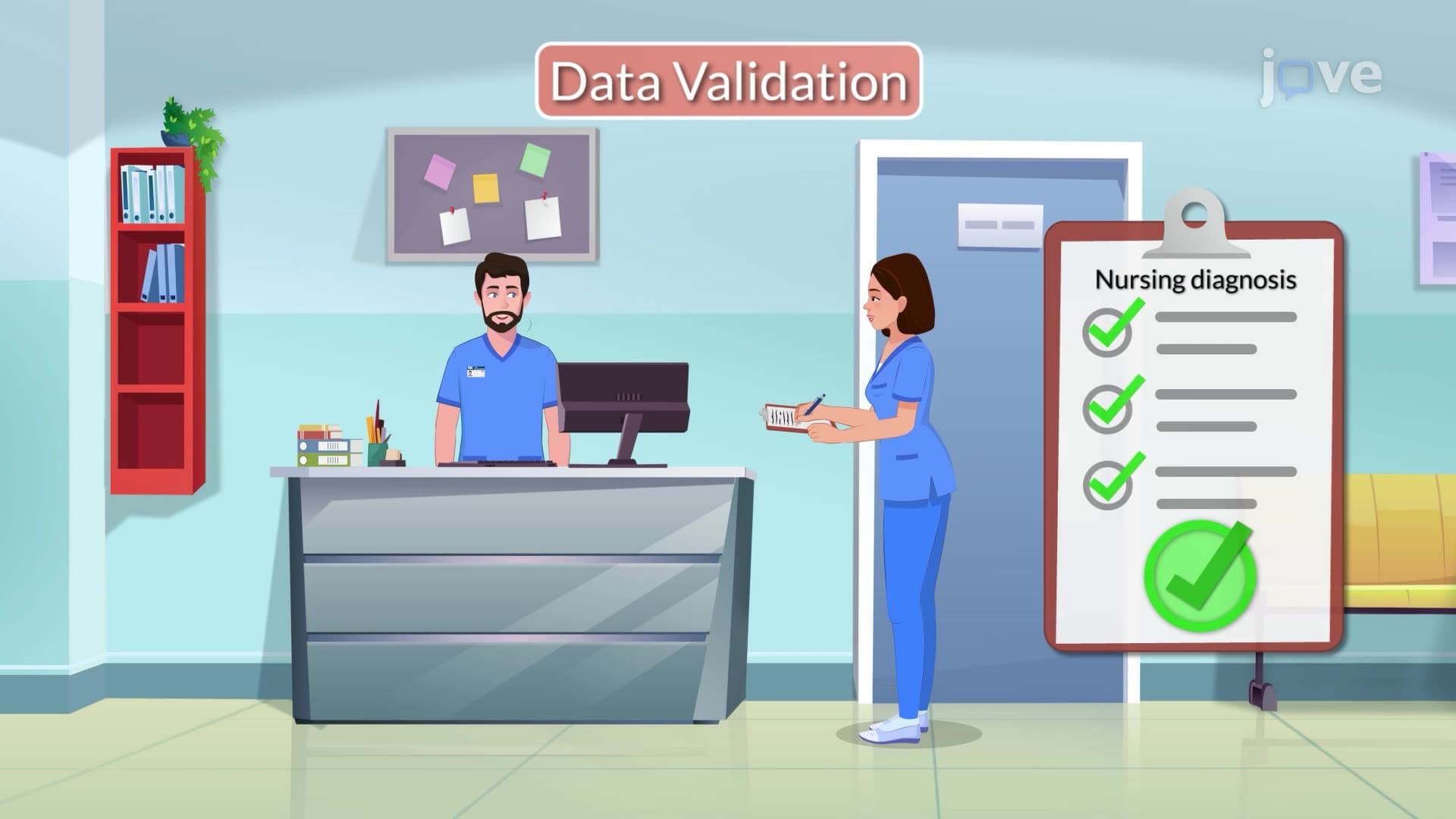
Every year, over 6 million nursing students across the United States learn to transform patient observations into precise diagnostic statements that guide life-saving care. Formulating validating nursing diagnosis requires mastering the standardized PES format-Problem, Etiology, and Symptoms-to create legally sound, non-judgmental assessments. For instance, a patient at Johns Hopkins Hospital presenting with elevated temperature would receive the diagnosis "Hyperthermia related to urinary tract infection as evidenced by body temperature of 39°C." Watch the full video on JoVE Coach to master this concept with expert-led visuals and step-by-step explanations.
The formulating validating nursing diagnosis process serves as the cornerstone of evidence-based nursing practice, transforming clinical observations into actionable care plans. Unlike medical diagnoses that identify diseases, nursing diagnoses focus on human responses to health conditions, forming the foundation for individualized patient interventions across US healthcare systems from Cleveland Clinic to Kaiser Permanente.
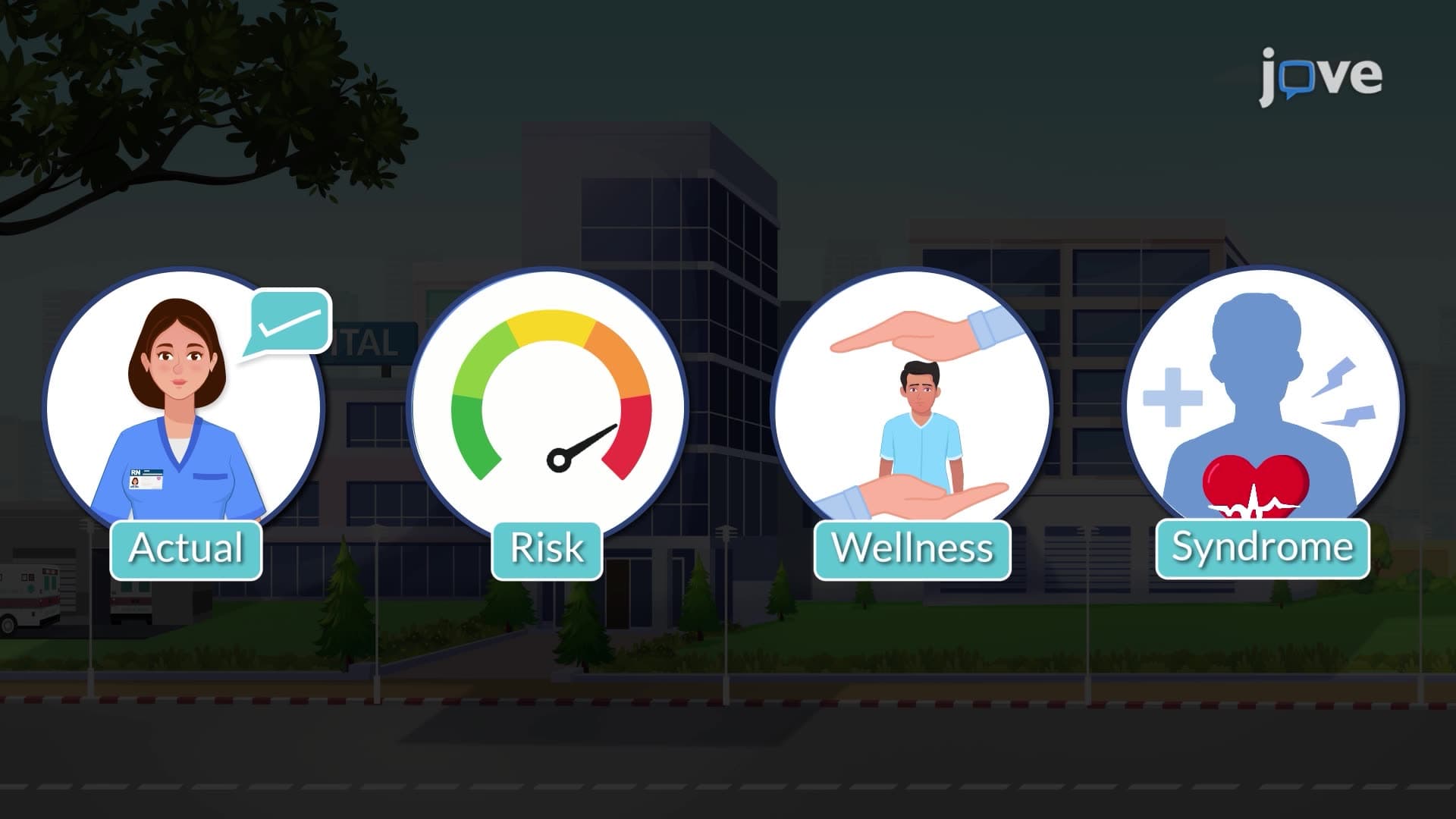
The North American Nursing Diagnosis Association International (NANDA-I) organizes health problems into 13 distinct domains, providing nurses with a standardized framework for clinical decision-making. These domains range from Health Promotion (Domain 1) to Growth/Development (Domain 13), ensuring comprehensive patient assessment. For NCLEX-RN candidates, mastering this taxonomy proves essential, as approximately 20% of exam questions directly test diagnostic reasoning skills.
The formulating and validating nursing diagnosis study guide emphasizes the critical PES format that structures every diagnostic statement. The Problem component identifies the patient's health concern, while Etiology explains the contributing factors. Symptoms provide observable evidence supporting the diagnosis. For example, "Acute Pain related to surgical incision as evidenced by patient rating pain 8/10 on numeric scale and guarding behavior" demonstrates proper PES construction used daily in hospitals like Massachusetts General.
Professional nursing demands precise, non-judgmental language that withstands legal scrutiny. Terms like "noncompliant patient" transform into "ineffective health maintenance," reflecting therapeutic rather than accusatory perspectives. This distinction becomes crucial for nursing students preparing for clinical rotations at institutions like UCLA Medical Center, where documentation standards directly impact patient safety and professional liability.
Pre-nursing students taking prerequisite courses like Anatomy & Physiology or Psychology can strengthen their diagnostic reasoning by practicing systematic observation and objective documentation. The HESI A2 and TEAS exams frequently test these foundational skills through scenario-based questions requiring students to identify appropriate nursing responses to patient presentations.
Related Micro-courses