Loading video…


 10 Concepts
 51.6K views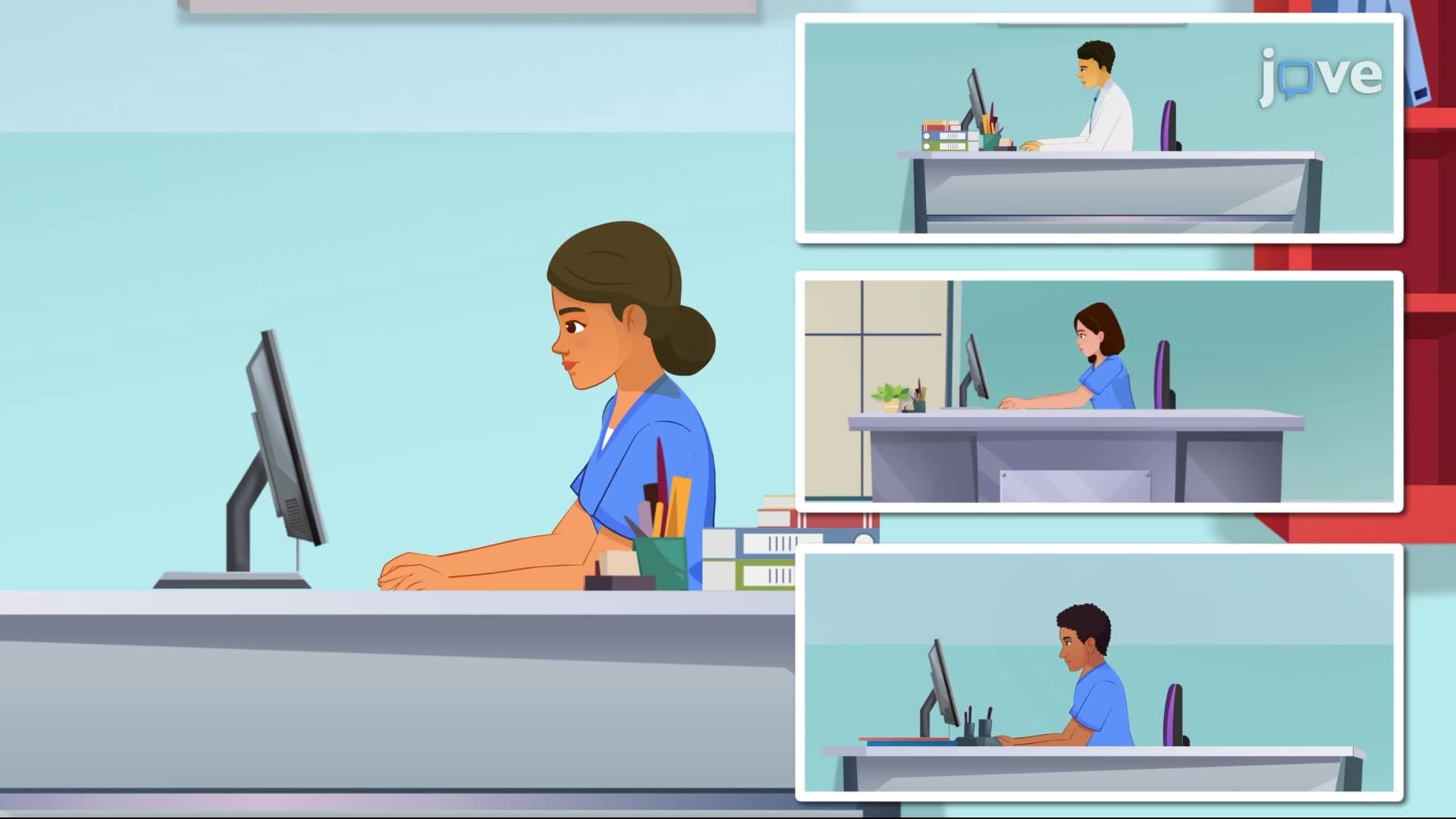

Video Summary: What Is Data Reporting and Recording
When a patient at Johns Hopkins Hospital experiences chest pain, every detail must be captured accurately-their exact words, vital signs, and treatment responses. Data reporting and recording form the backbone of healthcare documentation, ensuring patient information remains secure, traceable, and accessible to all care providers. Recording involves permanently documenting patient health data, while reporting encompasses sharing this information through oral or written communication. What is Data Reporting And Recording becomes critical when multiple specialists need coordinated patient information for life-saving decisions. Watch the full video on JoVE Coach to master this concept with expert-led visuals and step-by-step explanations.
Data reporting and recording represent two interconnected yet distinct processes that form the foundation of modern healthcare documentation. In US healthcare systems, from major medical centers like Cleveland Clinic to rural community hospitals, these processes ensure continuity of care and legal protection for both patients and providers.
Recording involves the permanent documentation of patient health information in formats that are traceable, secure, and accessible to authorized healthcare team members. This process creates an official medical record that serves multiple purposes: clinical decision-making, legal documentation, insurance processing, and research data collection. Modern US healthcare facilities primarily use Electronic Health Records (EHRs) such as Epic, Cerner, or Allscripts, which have largely replaced paper charting systems.
Successful healthcare documentation requires two critical elements: accurate timing and proper documentation techniques. Timing ensures that recorded information reflects the patient's condition at specific moments, enabling healthcare providers to track changes and treatment responses. For students preparing for healthcare careers through programs like nursing school prerequisites or pre-med tracks, understanding this temporal aspect proves essential for courses like Anatomy & Physiology and Introduction to Healthcare Systems.
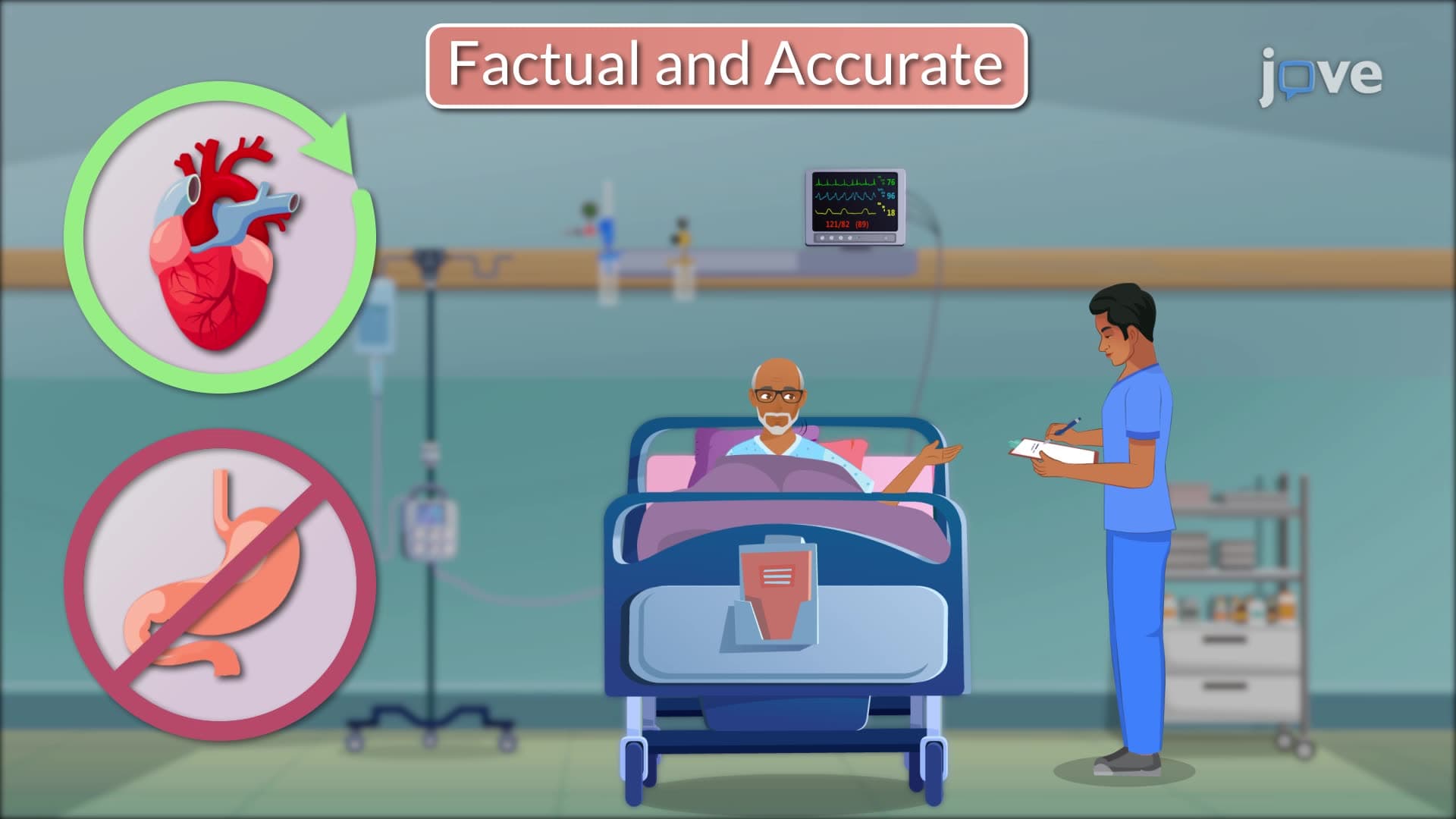
Documentation accuracy involves distinguishing between subjective and objective data. Subjective information-what patients report about their symptoms-must appear in quotation marks to preserve the patient's exact words. For example, rather than writing "patient has chest pain," proper documentation would state: "Patient reports 'squeezing, unbearable pain in my chest.'" Objective data requires specific medical terminology; healthcare professionals document "sutures" rather than "stitches" to maintain professional standards and clarity.
Reporting encompasses the exchange of healthcare data through oral or written communication between team members. In US hospitals, this includes shift change reports, physician consultations, and interdisciplinary team meetings. Students studying for exams like the NCLEX-RN or MCAT encounter these concepts in questions about communication and patient safety.
Effective reporting requires nurses and other healthcare professionals to recognize when patient assessment data significantly differs from established baselines. This responsibility extends beyond simple documentation-it involves active monitoring and prompt notification of the healthcare team when potentially serious problems emerge. For instance, if a post-operative patient's blood pressure drops 20 points below their baseline, immediate reporting to the attending physician becomes crucial.
Modern healthcare documentation must comply with federal regulations including HIPAA privacy requirements and Joint Commission standards. US healthcare students learn these concepts in courses covering Healthcare Law and Ethics, which appear on professional licensing exams. Electronic documentation systems provide audit trails, automatic timestamps, and secure access controls that traditional paper records cannot offer, making them indispensable in contemporary healthcare delivery.
Related Micro-courses