Loading…
Loading video…

51,600 views
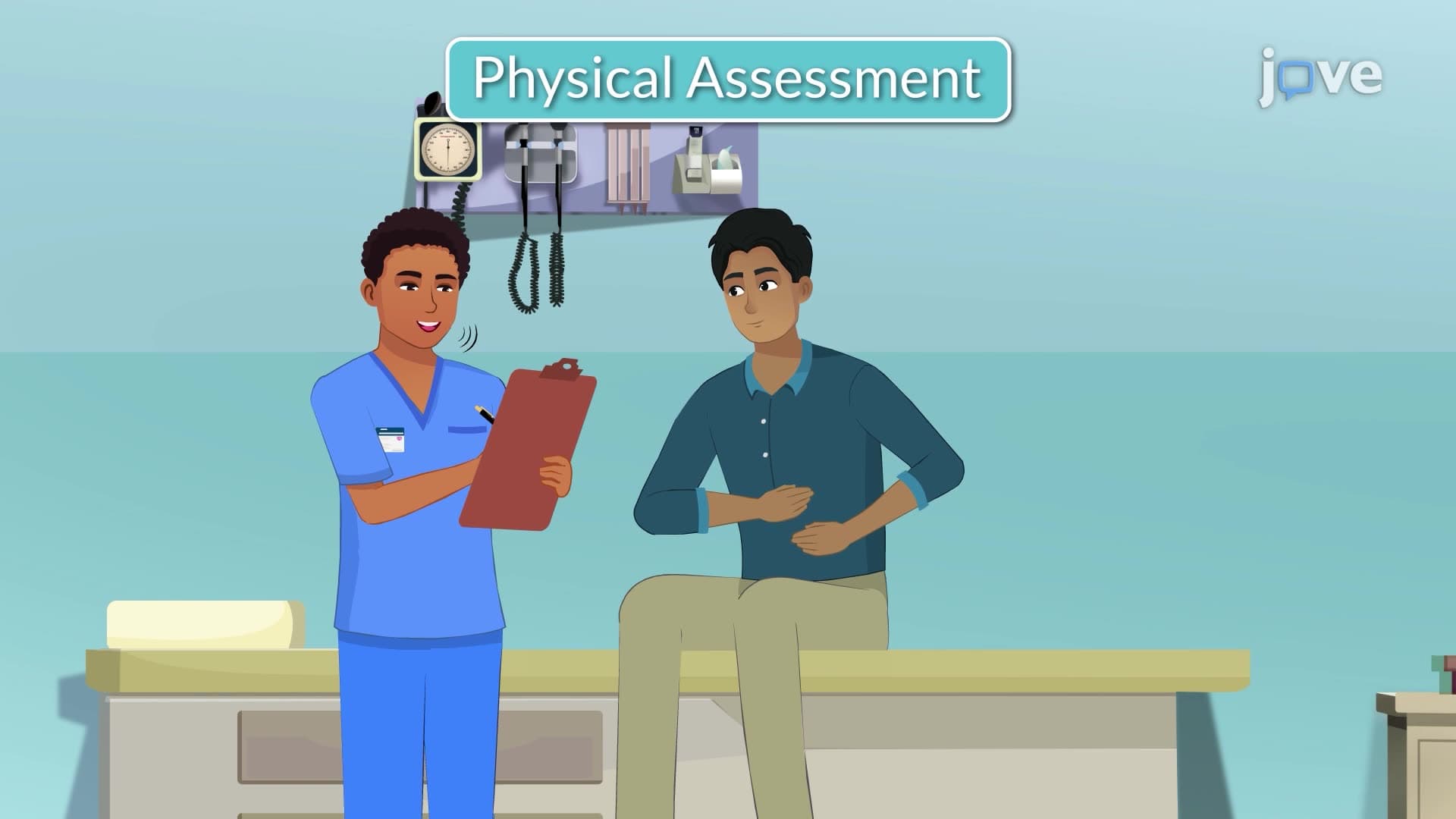
Did you know that nurses at Johns Hopkins Hospital perform over 50,000 physical assessments annually using systematic data collection techniques? Physical assessment represents a critical data collection method where healthcare professionals evaluate patient health through the IAPP procedure—inspection, auscultation, percussion, and palpation. Understanding What is Data Collection III equips students with essential clinical skills used in emergency rooms, clinics, and hospitals nationwide. Watch the full video on JoVE Coach to master this concept with expert-led visuals and step-by-step explanations.
Physical assessment forms the cornerstone of clinical data collection, representing a systematic approach to evaluating patient health through direct examination. This data collection definition encompasses the structured evaluation of body systems using standardized techniques that healthcare professionals across the United States employ daily. From emergency departments at Mayo Clinic to community health centers in rural Texas, this data collection overview guides clinical decision-making and patient care protocols.
The IAPP procedure—inspection, auscultation, percussion, and palpation—provides the systematic framework for physical assessment data collection. Inspection involves careful visual examination, where clinicians observe skin color, breathing patterns, and visible abnormalities. Auscultation utilizes stethoscopes to assess heart sounds, lung sounds, and bowel sounds, providing crucial diagnostic information. Percussion employs strategic tapping techniques to evaluate organ density and detect fluid accumulation or air pockets. Palpation applies controlled pressure to assess organ size, texture, and patient comfort levels.
Healthcare professionals in US medical facilities integrate this data collection explained approach into routine patient encounters. Emergency room physicians at Cleveland Clinic use percussion techniques to rapidly assess pneumothorax in trauma patients. Pediatric nurses employ modified palpation methods when examining infants at Children's Hospital of Philadelphia. These techniques appear frequently in NCLEX-RN examinations, where nursing students must demonstrate competency in systematic physical assessment procedures.
Students preparing for healthcare careers encounter physical assessment concepts in anatomy and physiology courses at universities nationwide. Pre-med students at UCLA practice IAPP techniques in clinical skills laboratories before MCAT preparation. Nursing students complete comprehensive physical assessment rotations, with evaluation criteria based on systematic data collection proficiency. This data collection study guide material appears in HESI A2 entrance exams and TEAS nursing school assessments, emphasizing the critical importance of mastering these foundational skills for healthcare practice.
Frequently Asked Questions
Data Collection III refers to physical assessment—a systematic method of examining patients through inspection, auscultation, percussion, and palpation. This approach enables healthcare professionals to gather objective clinical information about patient health status. It forms the foundation for clinical decision-making in hospitals, clinics, and emergency care facilities throughout the United States.
HESI A2 exams frequently test students on proper IAPP procedure sequencing and technique applications. Questions focus on identifying appropriate assessment methods for specific body systems and recognizing normal versus abnormal findings. Students must demonstrate understanding of consent procedures and systematic examination approaches for successful exam performance.
NCLEX-RN examinations include scenarios requiring systematic physical assessment skills, prioritization of examination techniques, and interpretation of assessment findings. Test questions emphasize patient safety, proper technique execution, and clinical judgment in assessment procedures. Success requires thorough understanding of IAPP methodology and its clinical applications.
Emergency physicians at institutions like Massachusetts General Hospital employ rapid systematic assessments using IAPP techniques for patient triage and diagnosis. They use percussion to detect internal bleeding, auscultation for cardiac emergencies, and palpation for abdominal pain evaluation. These methods enable quick, accurate patient assessment in high-pressure clinical environments.
No prior medical experience is required to learn physical assessment fundamentals. Basic anatomy and physiology knowledge provides a helpful foundation, but systematic study of IAPP techniques makes these concepts accessible to high school and college students. Many successful healthcare professionals begin learning these skills during undergraduate preparation without previous clinical exposure.
Effective preparation combines theoretical study with hands-on practice using simulation models or volunteer partners. Create systematic checklists for each IAPP component, practice technique sequencing, and focus on normal versus abnormal finding recognition. Use clinical scenarios to apply assessment skills and strengthen critical thinking abilities essential for healthcare practice.
Nursing, medicine, physician assistant programs, and physical therapy careers all require comprehensive physical assessment skills. Emergency medical technicians, respiratory therapists, and clinical laboratory professionals also utilize modified versions of these techniques. These foundational skills appear across healthcare disciplines and remain essential for direct patient care roles.
Related Micro-courses


Related Subjects
 Anatomy and Physiology 31 micro-courses›
 Medical-Surgical Nursing 28 micro-courses›