Loading…
Loading video…

51,600 views
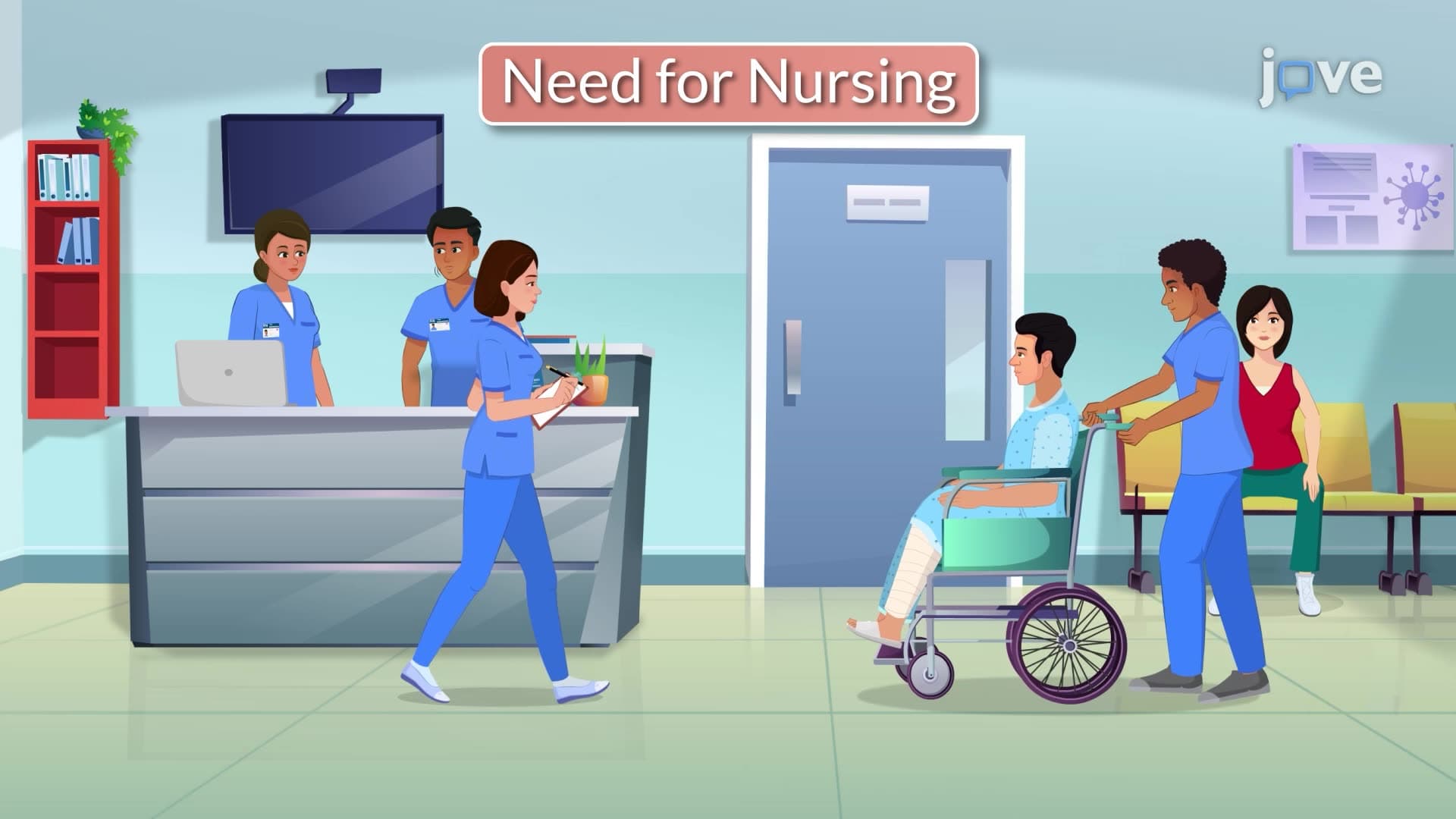
Did you know that 80% of medical errors stem from miscommunication during patient assessment? Data collection forms the foundation of every healthcare decision, from a routine check-up at Cleveland Clinic to emergency room protocols. Understanding what is data collection i means grasping how nurses systematically gather both subjective patient reports and objective clinical measurements to ensure accurate diagnoses and treatment plans. Watch the full video on JoVE Coach to master this concept with expert-led visuals and step-by-step explanations.
Data collection represents the systematic gathering of information about a patient's health status, serving as the cornerstone of evidence-based healthcare practice. This process extends far beyond simply asking "How do you feel?" and encompasses a comprehensive methodology that healthcare professionals use to build accurate clinical pictures.
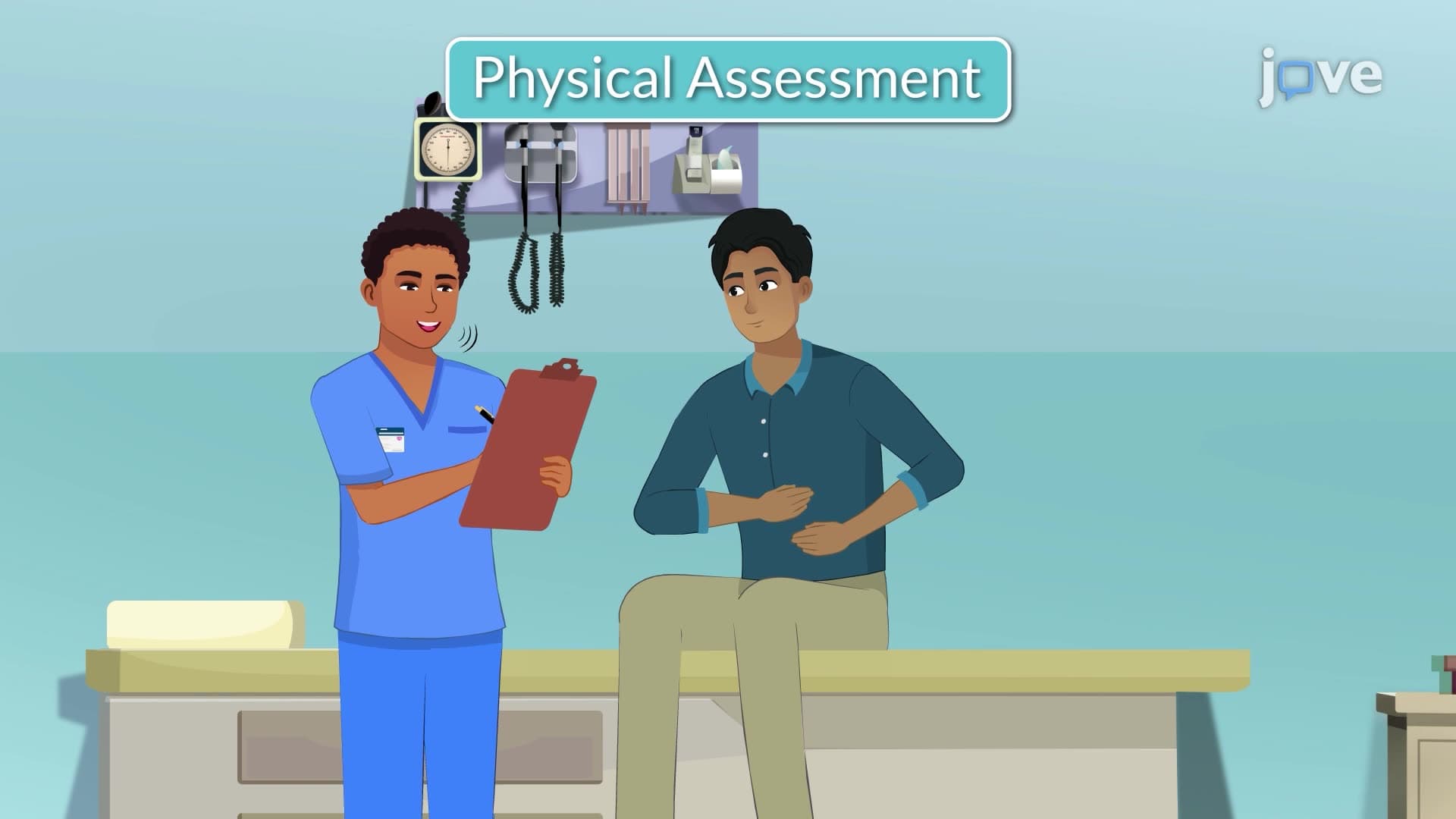
The data collection definition explained centers on two fundamental categories. Subjective data encompasses information directly provided by patients—their pain descriptions, symptom experiences, and personal health histories. For instance, when a patient at Johns Hopkins Hospital describes chest pain as "crushing" or rates it 8/10, this subjective information guides initial clinical thinking.
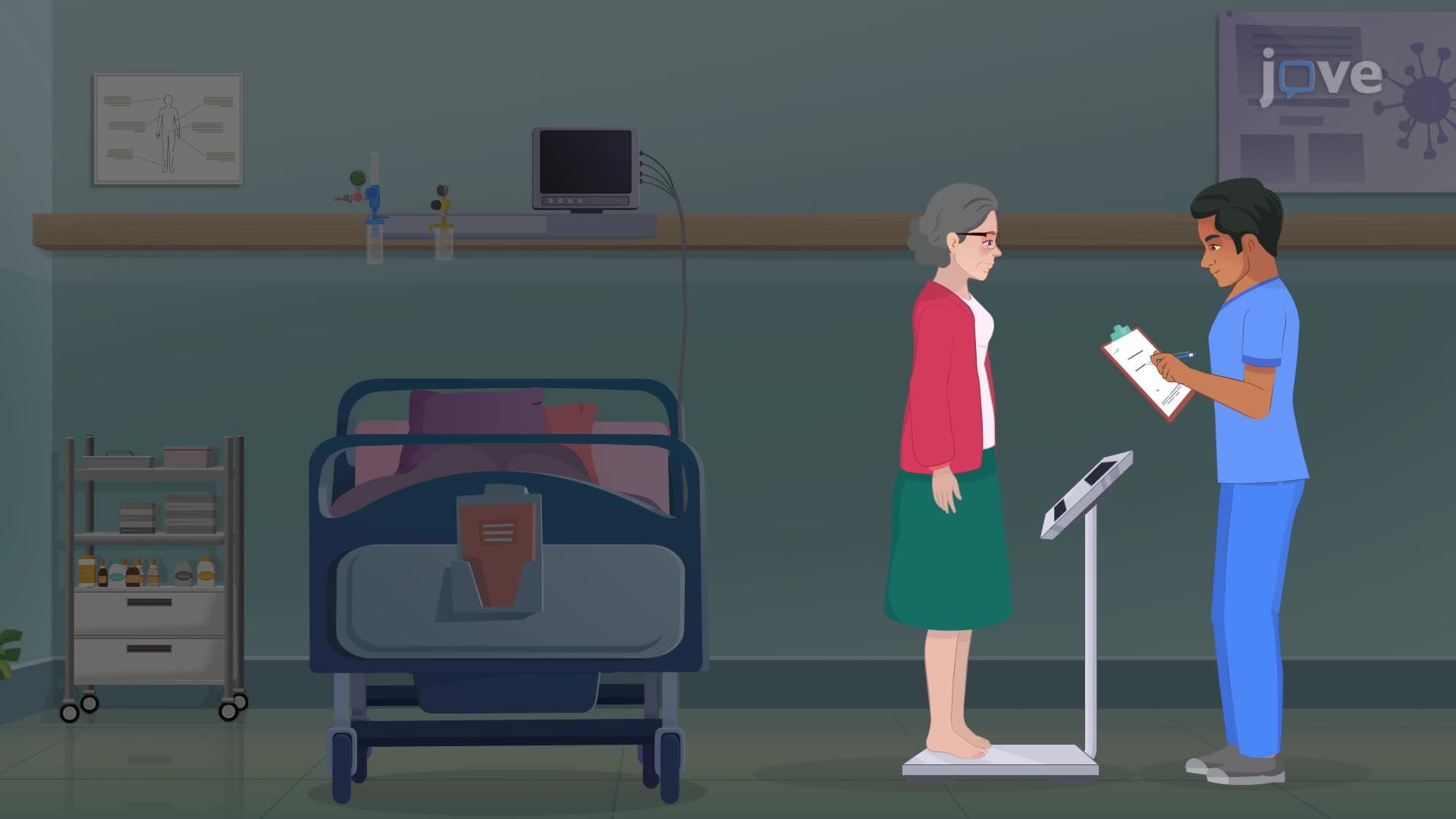
Objective data, conversely, includes measurable observations made by healthcare providers. Blood pressure readings, laboratory values, physical examination findings, and diagnostic imaging results all constitute objective data. A patient's blood pressure of 180/110 mmHg provides concrete evidence that complements their subjective report of feeling "dizzy."
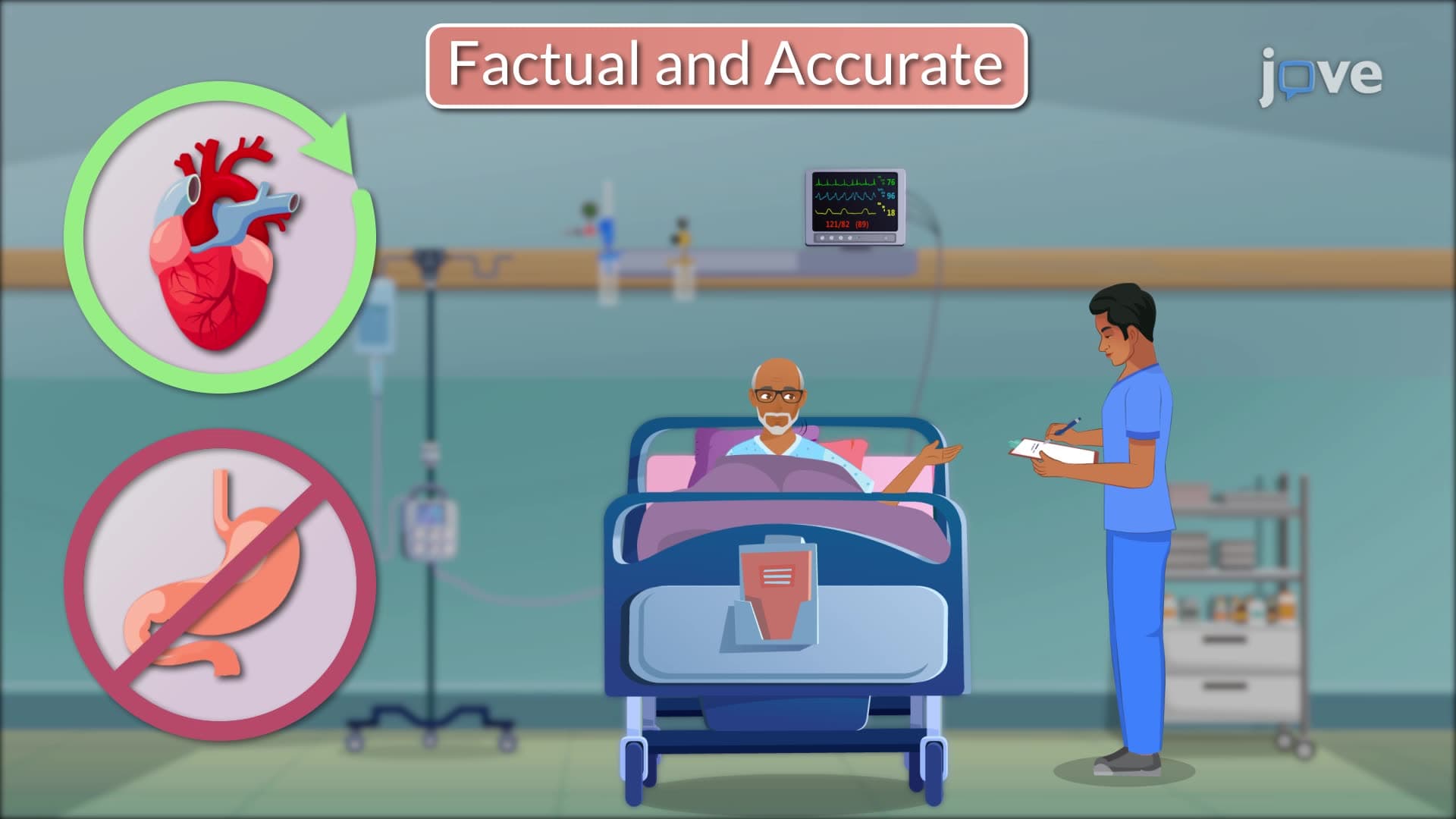
Quality data collection overview emphasizes five critical characteristics. Purposeful collection means selecting appropriate assessment methods—using a focused cardiovascular assessment for chest pain rather than a comprehensive head-to-toe examination. Factual and accurate data prevents misinterpretation that could lead to diagnostic errors, while relevance ensures collected information directly relates to the clinical question at hand.
Completeness proves equally crucial. The Institute of Medicine estimates that diagnostic errors affect 12 million Americans annually, often stemming from incomplete data collection. Healthcare providers must gather sufficient information to form accurate clinical judgments while avoiding information overload that could obscure important findings.
Data collection study guide materials emphasize three primary information sources. Primary sources include alert, oriented patients capable of providing their own health information. Secondary sources encompass family members, caregivers, and previous healthcare providers who can offer additional perspectives on patient health status.
Tertiary sources include electronic health records, previous diagnostic reports, and interdisciplinary team documentation. At Mayo Clinic, for example, nurses regularly consult multiple sources when admitting patients, cross-referencing patient reports with family input and previous medical records to ensure comprehensive assessment.
This systematic approach proves essential for nursing students preparing for NCLEX examinations, where data collection scenarios frequently appear in clinical judgment questions testing safe, effective care principles.
Frequently Asked Questions
Data collection i refers to the systematic gathering of patient health information through both subjective reports and objective measurements. It forms the foundation of clinical assessment, enabling healthcare providers to make accurate diagnoses and develop appropriate treatment plans. This process requires specific skills in communication, observation, and clinical reasoning that nursing students develop throughout their education.
NCLEX questions frequently test data collection through clinical scenarios requiring prioritization of assessment findings. Students must identify which data sources are most reliable, distinguish between subjective and objective information, and determine appropriate assessment methods for specific patient situations. Practice questions often present incomplete data scenarios, testing your ability to identify missing information needed for safe patient care.
HESI A2 and TEAS exams typically include data collection concepts within their science sections, focusing on systematic assessment approaches and the scientific method. Questions may ask students to identify appropriate data collection methods for research scenarios or distinguish between qualitative and quantitative data types. Understanding these concepts strengthens critical thinking skills essential for nursing program success.
Major medical centers use standardized data collection protocols ensuring consistent, comprehensive patient assessments. Nurses follow systematic approaches including focused assessments for specific complaints, comprehensive admission assessments, and ongoing monitoring protocols. Electronic health records integrate multiple data sources, allowing healthcare teams to access complete patient information and track changes over time for optimal care coordination.
Data collection concepts are highly learnable regardless of prior healthcare exposure. The systematic approach builds on logical thinking skills and observation abilities that students already possess. Beginning with clear definitions and progressing through practical examples helps students master these concepts. Many successful nursing students enter programs without healthcare backgrounds and excel in data collection through dedicated study and practice.
Create concept maps linking subjective and objective data types with specific examples from different body systems. Practice identifying data collection errors in case studies and explaining how incomplete information affects patient safety. Use active recall techniques by covering definitions and testing your ability to explain concepts aloud. Form study groups to practice data collection scenarios and discuss different assessment approaches for various patient situations.
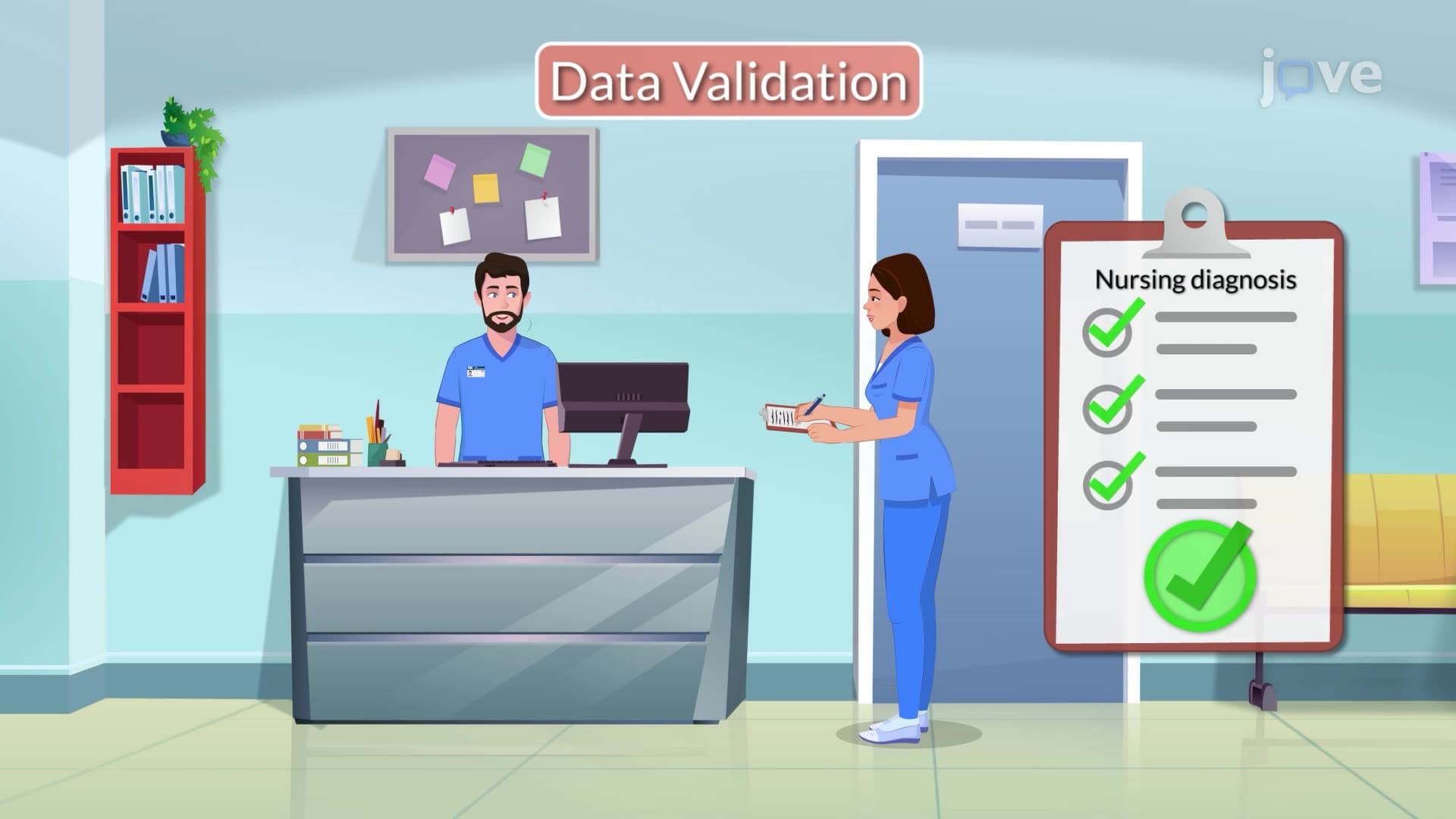
Data collection serves as the foundation for nursing diagnosis development, care plan creation, and outcome evaluation throughout the nursing process. Advanced concepts like clinical reasoning, evidence-based practice, and quality improvement all depend on effective data collection skills. Mastering these fundamentals prepares students for complex clinical situations requiring rapid, accurate assessment and decision-making in professional practice settings.
Progress to learning specific assessment techniques for different body systems, understanding normal versus abnormal findings, and developing clinical reasoning skills. Study the complete nursing process, focusing on how assessment data guides nursing diagnosis and intervention selection. Explore documentation requirements and legal considerations surrounding patient information management in various healthcare settings.
Related Micro-courses



Related Subjects
 Anatomy and Physiology 31 micro-courses›
 Medical-Surgical Nursing 28 micro-courses›