Loading subject page…


37,756 views


Video Summary: Methods of Healthcare Delivery System Guide
Did you know that Kaiser Permanente serves over 12 million Americans through a single integrated healthcare delivery model? The methods of healthcare delivery system encompass three primary approaches that revolutionize how patients receive care across the United States. These methods-managed care, case management, and primary healthcare-each address unique aspects of cost control, care coordination, and accessibility. For instance, Mayo Clinic's integrated model exemplifies how these Methods of Healthcare Delivery System Guide principles work together to optimize patient outcomes while controlling expenses. Watch the full video on JoVE Coach to master this concept with expert-led visuals and step-by-step explanations.
The Methods of Healthcare Delivery System Guide represents a comprehensive framework for organizing, financing, and providing medical services across diverse patient populations. These systems evolved from traditional fee-for-service models to address rising healthcare costs, fragmented care, and accessibility challenges that plague American healthcare. Understanding these methods is crucial for students pursuing healthcare careers and appears frequently on standardized exams like the MCAT, NCLEX-RN, and college health administration coursework.
Managed care represents the most prevalent healthcare delivery method in the United States, serving over 80% of insured Americans through Health Maintenance Organizations (HMOs), Preferred Provider Organizations (PPOs), and Point of Service (POS) plans. This system emphasizes preventive care, utilization review, and provider networks to control costs while maintaining quality standards.
Cleveland Clinic's integrated model exemplifies managed care principles by employing salaried physicians, coordinating specialty services, and using electronic health records to track patient outcomes. Students studying for the MCAT will encounter managed care concepts in behavioral sciences sections, while AP Psychology courses explore how these systems impact patient behavior and healthcare decision-making. The key distinction lies in the proactive management of patient care rather than reactive treatment of diseases.
Case management emerged as a specialized nursing practice that coordinates complex patient needs across multiple healthcare settings. Registered nurses typically serve as case managers, utilizing critical thinking skills and evidence-based protocols to ensure optimal patient outcomes. This method proves particularly effective for chronic disease management, post-acute care transitions, and high-risk patient populations.
Johns Hopkins Hospital's case management program demonstrates how nurses collaborate with physicians, social workers, and other healthcare professionals to reduce readmission rates and improve patient satisfaction scores. For students preparing for the NCLEX-RN examination, case management concepts appear in questions about care coordination, discharge planning, and quality improvement initiatives. The interdisciplinary approach requires understanding of various healthcare roles and communication strategies.
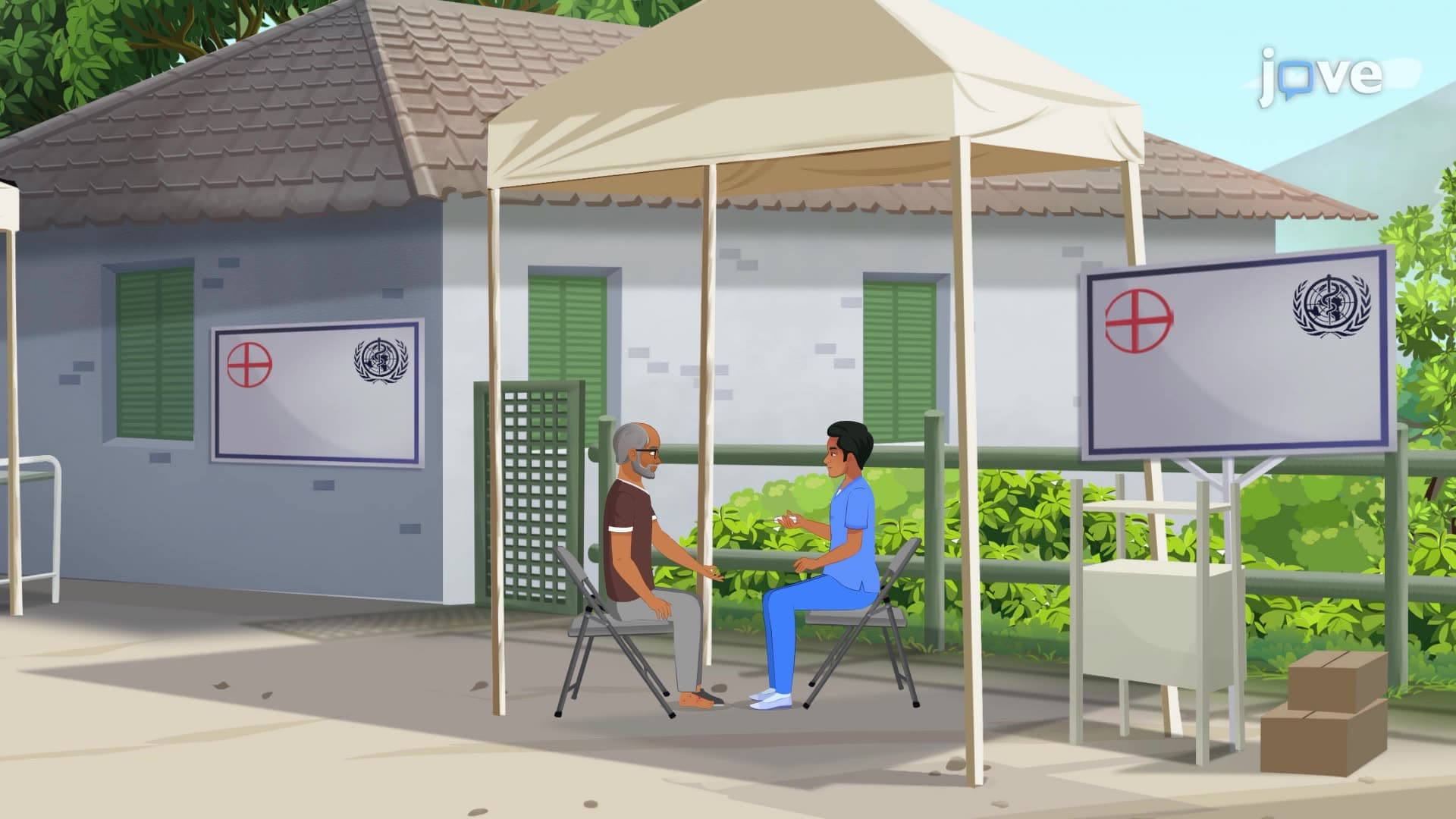
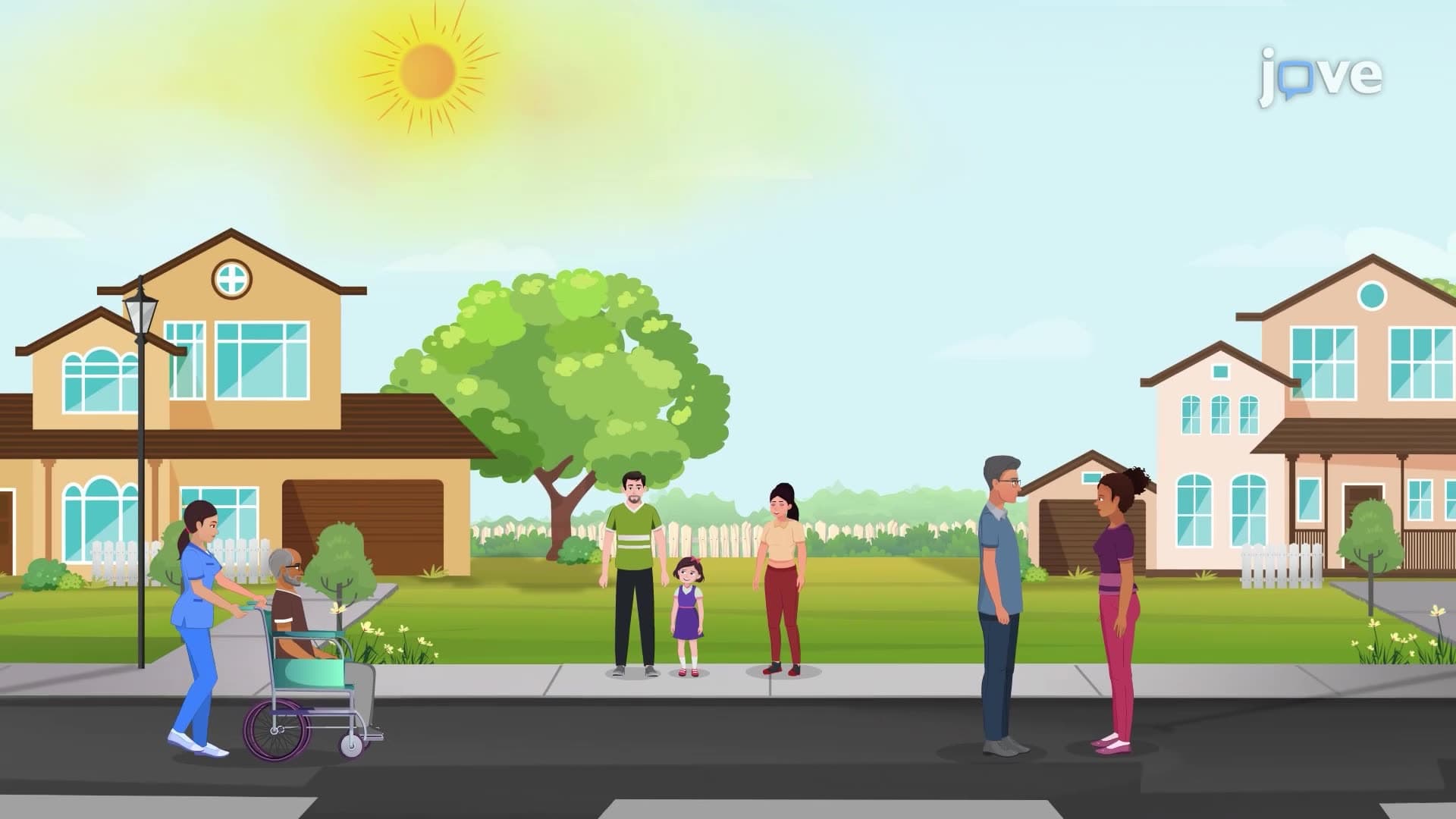
Primary healthcare emphasizes comprehensive, community-based services that address population health needs through prevention, health promotion, and basic medical care. This method aligns with the World Health Organization's definition while adapting to American healthcare infrastructure and policy frameworks. Community health centers, family practice clinics, and school-based health programs exemplify primary healthcare delivery in the United States.
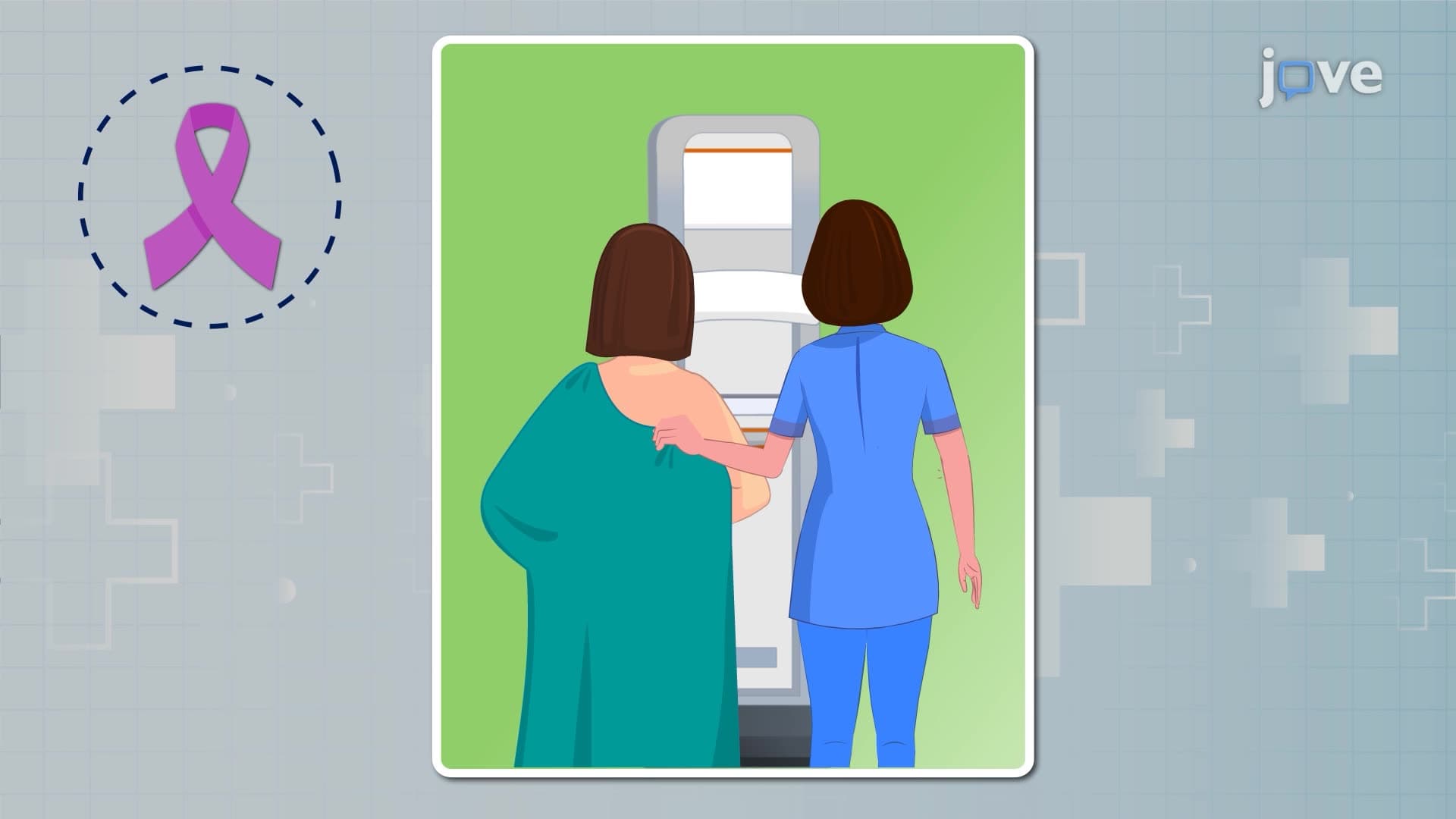
The Indian Health Service operates primary healthcare systems that serve over 2.6 million Native Americans across tribal communities, demonstrating how this method addresses health disparities and geographic barriers. Students encountering primary healthcare concepts in public health courses or HESI A2 examinations should understand the emphasis on health education, immunizations, and preventive screenings that characterize this approach.
Related Micro-courses