Loading subject page…


37,756 views

Video Summary: What Is Tertiary Healthcare System
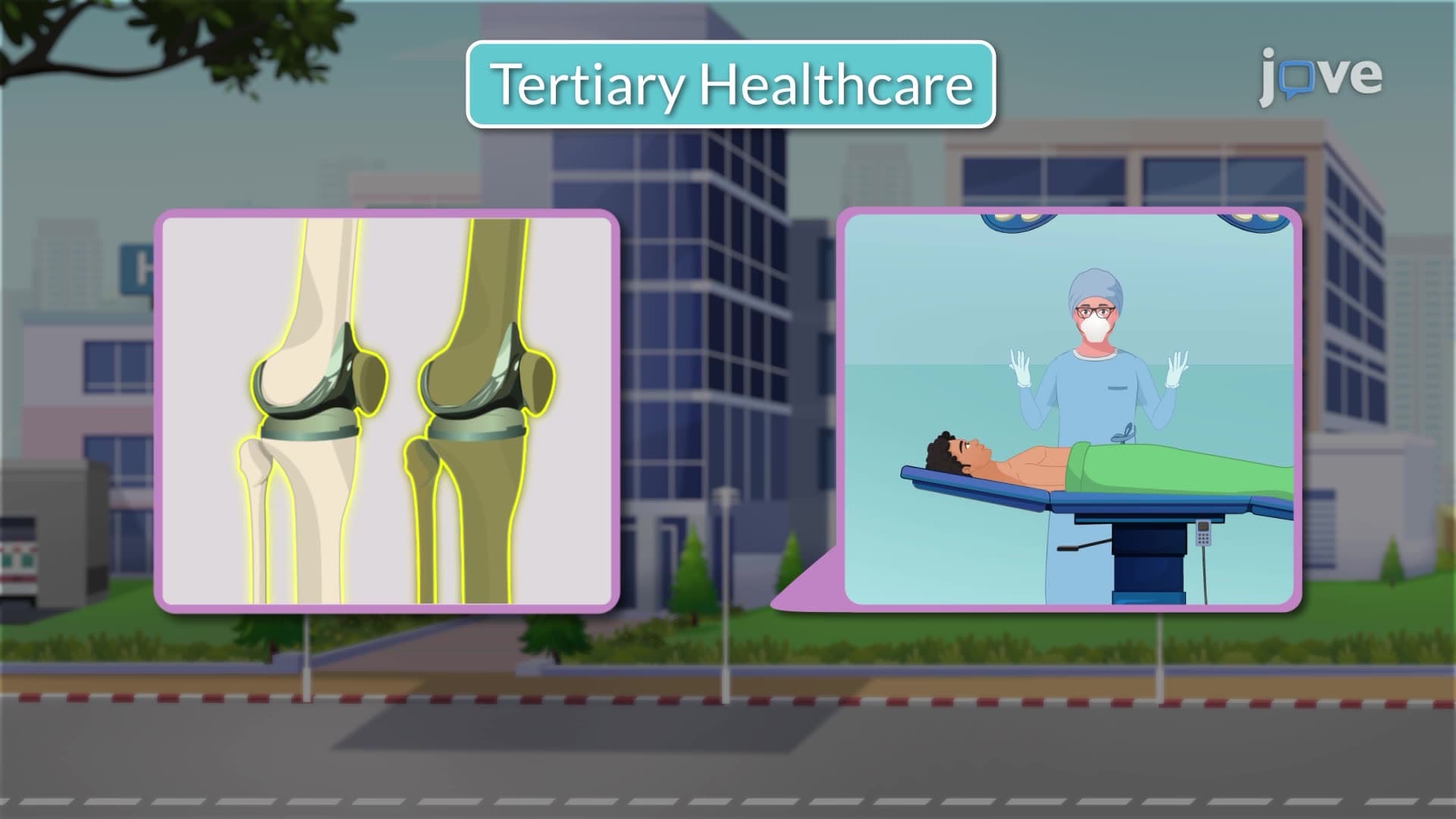
When someone needs a heart transplant or specialized cancer treatment, they enter the tertiary healthcare system, the most advanced level of medical care in America. The tertiary healthcare system represents specialized medical facilities like the Mayo Clinic or Johns Hopkins, where complex procedures such as organ transplants, advanced cancer treatments, and intricate brain surgeries take place. These sophisticated medical centers serve patients with rare conditions requiring cutting-edge technology and specialized expertise that primary care doctors and community hospitals cannot provide. Watch the full video on JoVE Coach to master this concept with expert-led visuals and step-by-step explanations.
The tertiary healthcare system represents the pinnacle of medical specialization in America's healthcare hierarchy. Unlike your family doctor who provides routine checkups or your local hospital that handles emergency care, tertiary healthcare facilities focus exclusively on complex, rare, and life-threatening conditions requiring extraordinary medical expertise. Major academic medical centers like Cleveland Clinic, Massachusetts General Hospital, and UCLA Medical Center exemplify this level of care, combining research, education, and patient treatment under one roof.
Tertiary healthcare encompasses procedures that demand years of specialized training and cutting-edge technology. Organ transplantation programs, for instance, require teams of surgeons, immunologists, and specialized nurses working together. Cancer treatment centers within tertiary systems offer advanced therapies like proton beam radiation, CAR-T cell therapy, and precision medicine approaches tailored to individual genetic profiles. Neurosurgical procedures for brain tumors, spinal cord injuries, and complex cardiac surgeries represent additional hallmarks of tertiary care that community hospitals simply cannot provide.
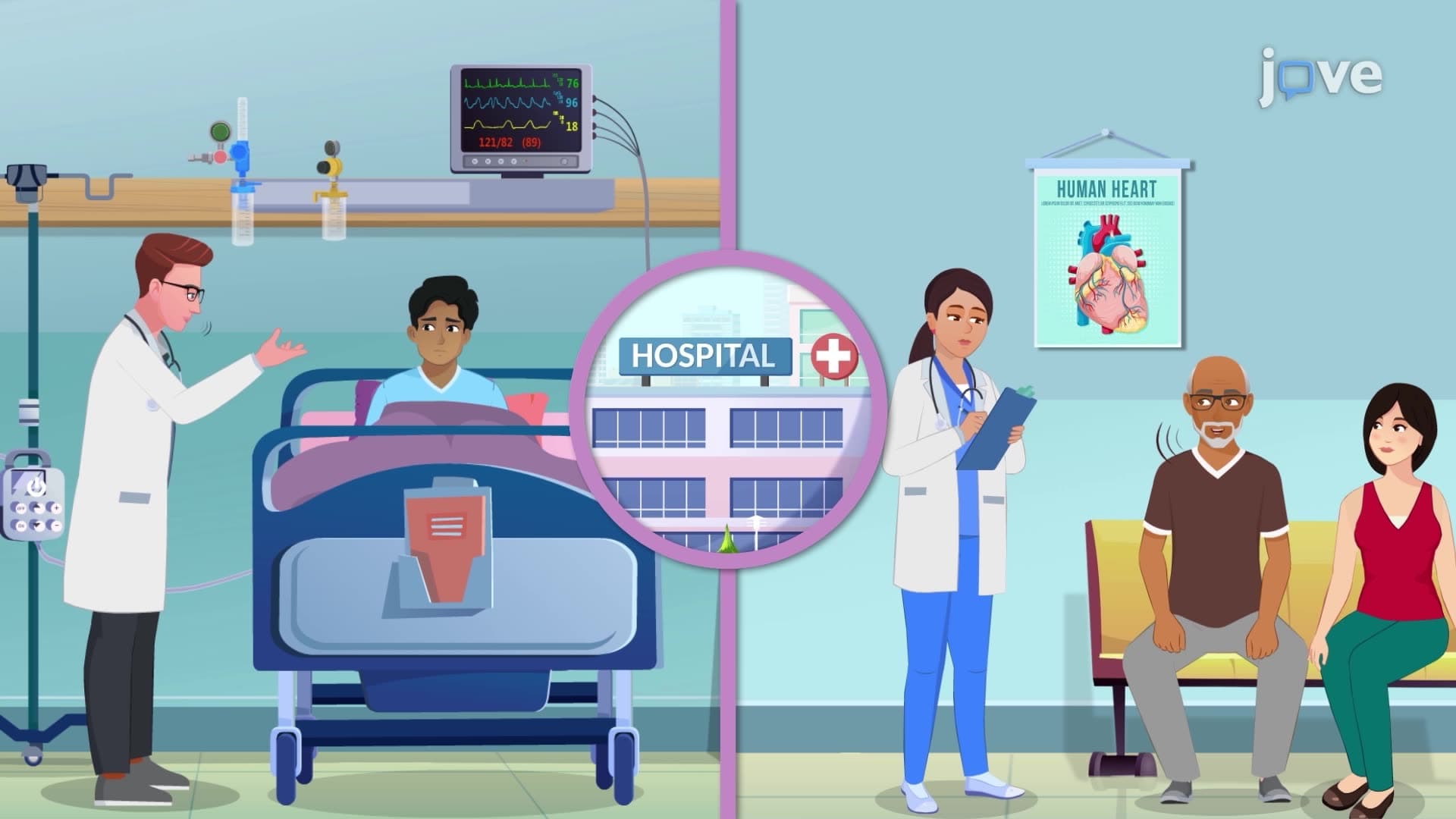
Students preparing for healthcare-related AP courses or college pre-med programs should understand the systematic progression patients follow. Primary care physicians serve as gatekeepers, identifying conditions beyond their scope and referring patients to secondary care specialists. When secondary care proves insufficient, such as when a cardiologist determines a patient needs a heart transplant rather than medication management, the patient advances to tertiary care. This referral system ensures appropriate resource allocation while managing healthcare costs.
The tertiary healthcare system faces significant accessibility barriers that students should recognize for healthcare policy discussions in social studies courses. Geographic concentration means patients often travel hundreds of miles for treatment, creating financial hardships beyond medical costs. Insurance coverage complexities, extended waiting periods, and the limited number of tertiary facilities nationwide contribute to healthcare disparities. These challenges become particularly relevant when analyzing healthcare equity issues on standardized tests like the AP Government and Politics exam or in college health economics courses.
Related Micro-courses