Loading subject page…


37,761 views

Video Summary: Traditional Level of Health Care System Explained
Did you know that a single patient's diabetes diagnosis can trigger care across all six levels of America's healthcare system? The traditional level of health care system creates a structured pathway from prevention through long-term care, as demonstrated when a patient progresses from community screening for high blood sugar to potential amputation surgery at specialized medical centers. This comprehensive framework ensures patients receive appropriate care complexity at each stage of their medical journey. Watch the full video on JoVE Coach to master this concept with expert-led visuals and step-by-step explanations.
The Traditional Level of Health Care System Explained represents a systematic approach to organizing medical care based on complexity and specialization. This six-tier structure-preventive, primary, secondary, tertiary, restorative, and continuing care-creates clear pathways for patient treatment while ensuring resources are allocated efficiently across the healthcare spectrum.
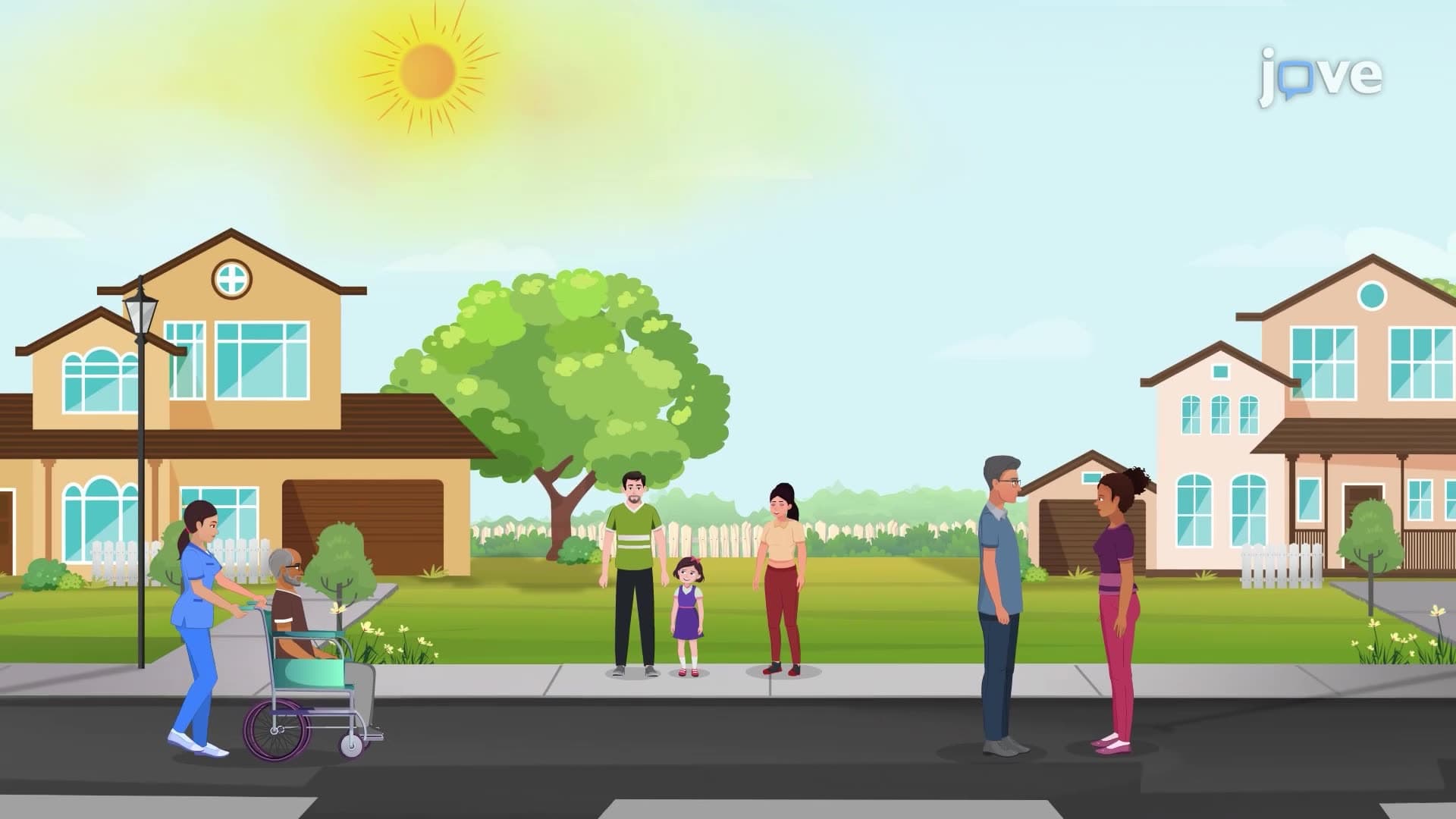
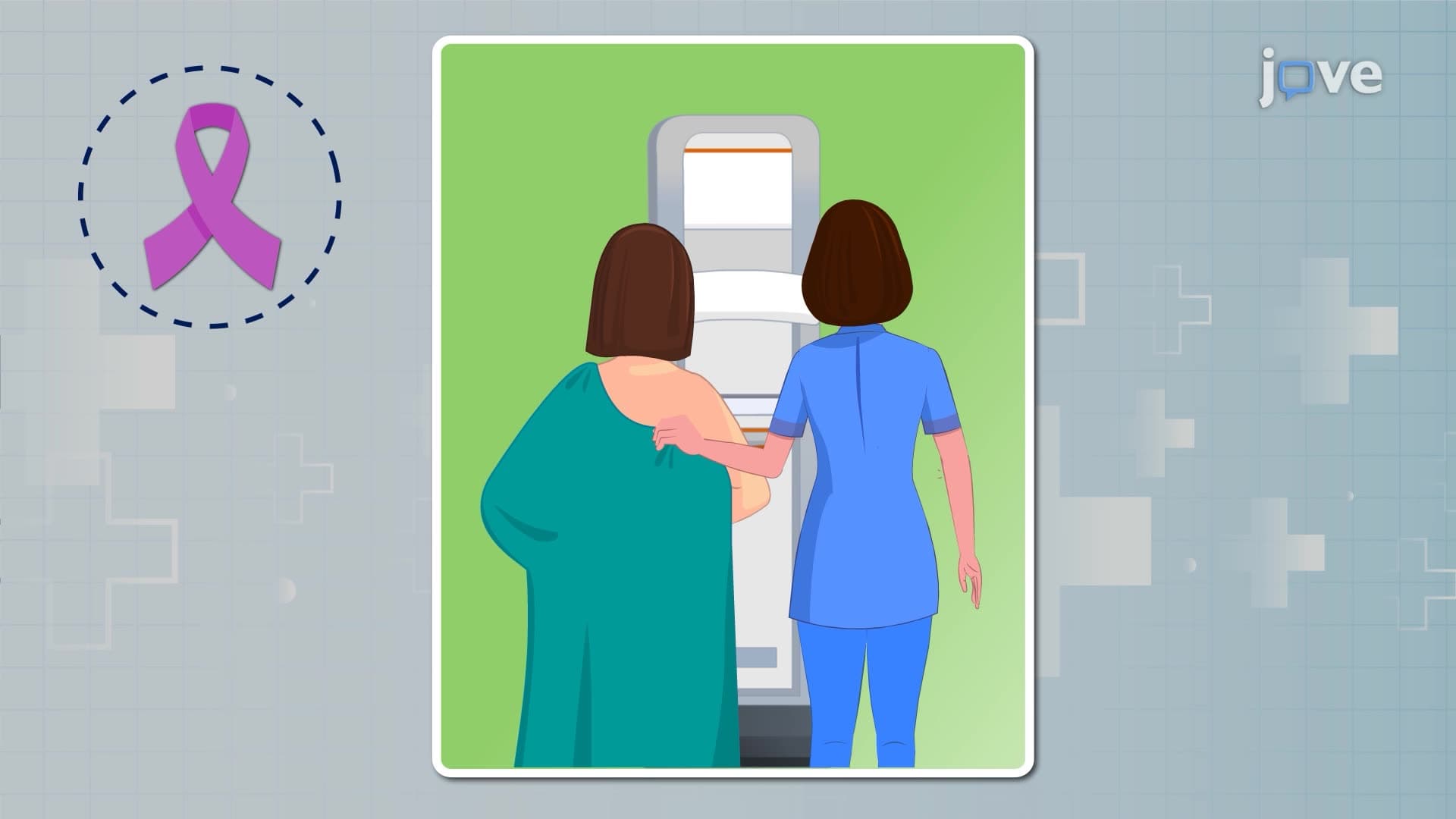
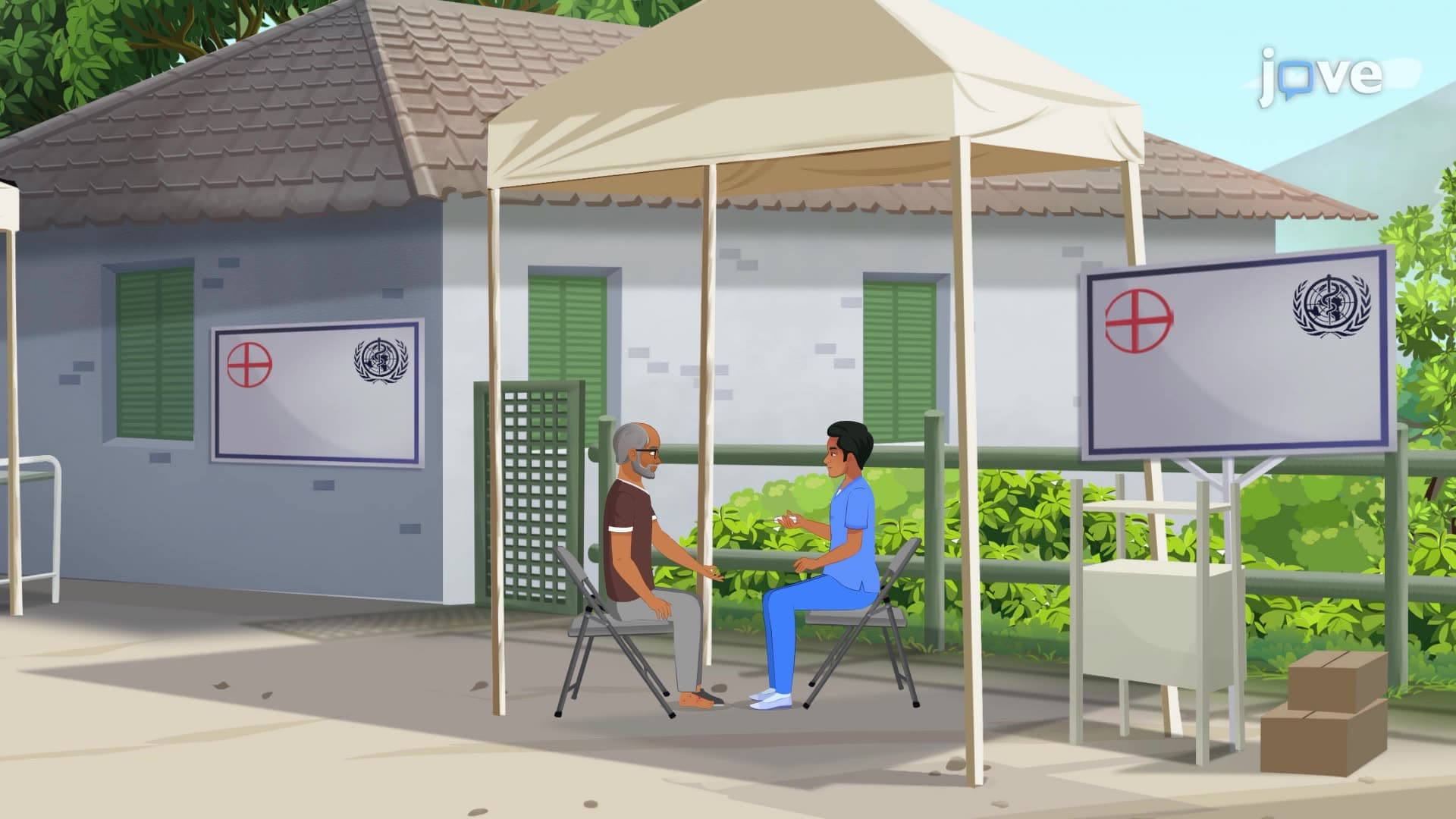
Preventive care serves as the healthcare system's first line of defense, focusing on disease prevention and early detection. Community health screenings at local health departments, workplace wellness programs, and annual check-ups at family practice clinics exemplify this level. When issues are identified, patients transition to primary care, where family physicians, internists, and nurse practitioners provide comprehensive basic medical services. For instance, a patient diagnosed with Type 2 diabetes during a community screening would receive initial management, medication prescribing, and lifestyle counseling at a primary care clinic.
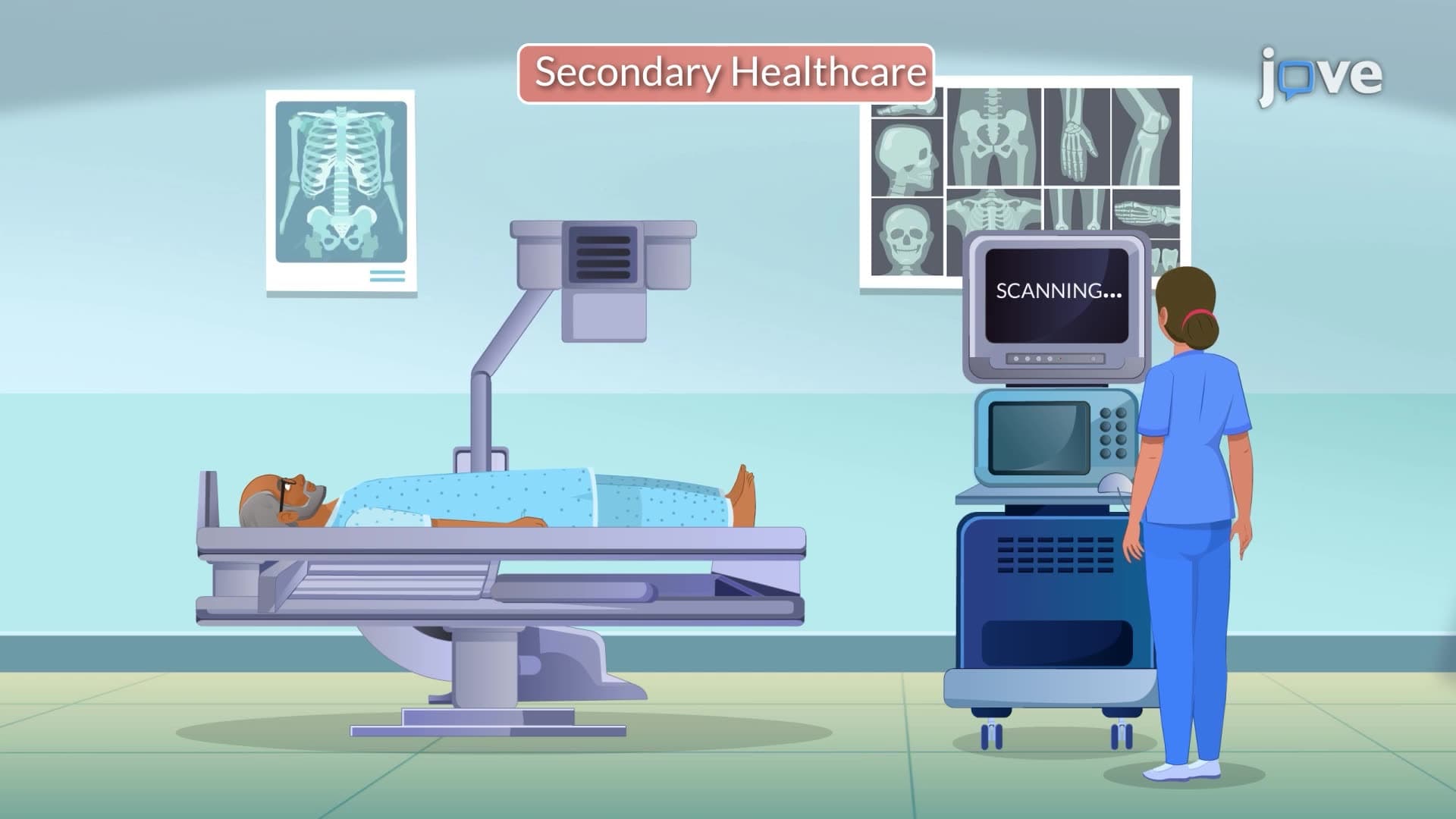
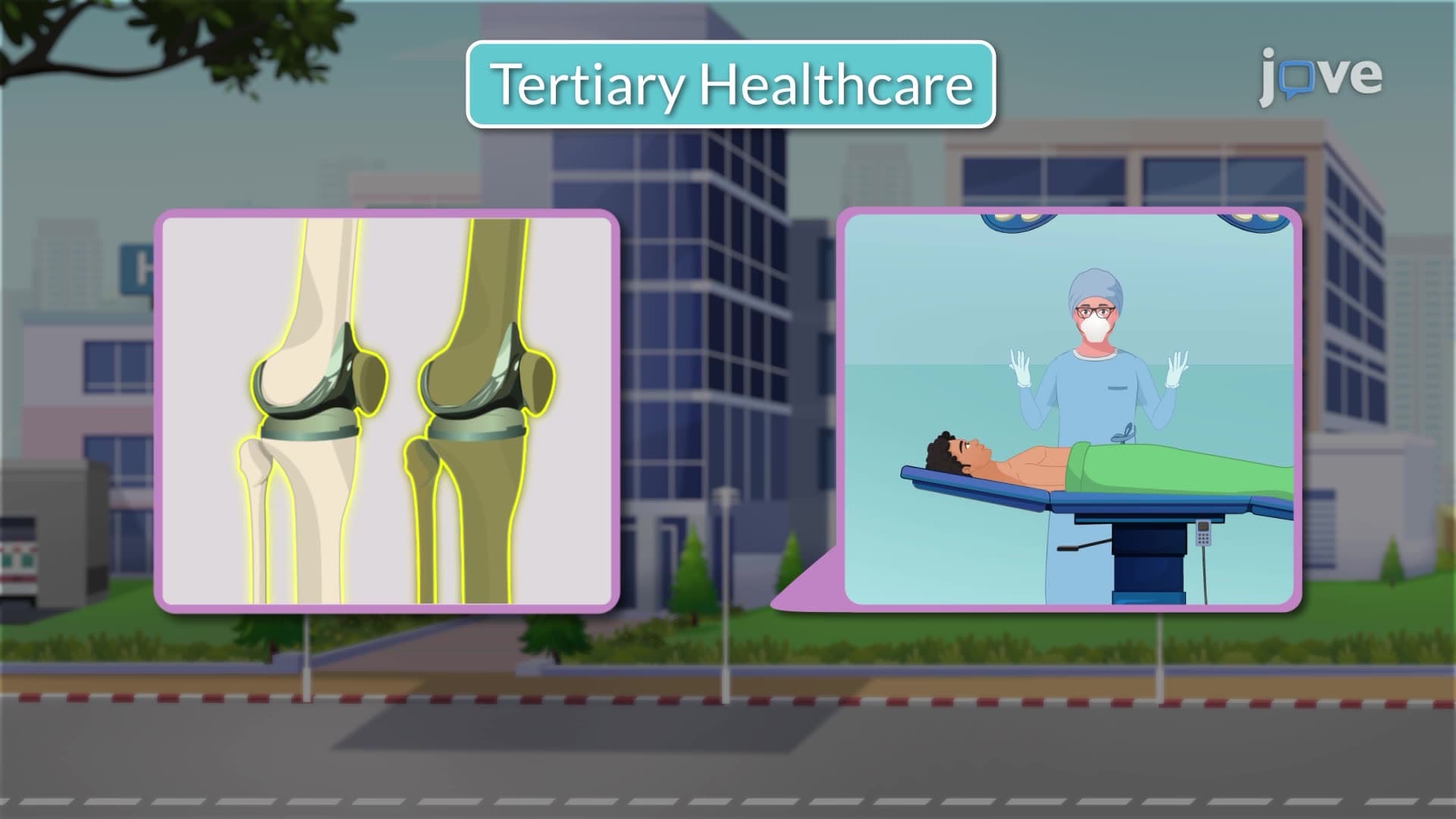
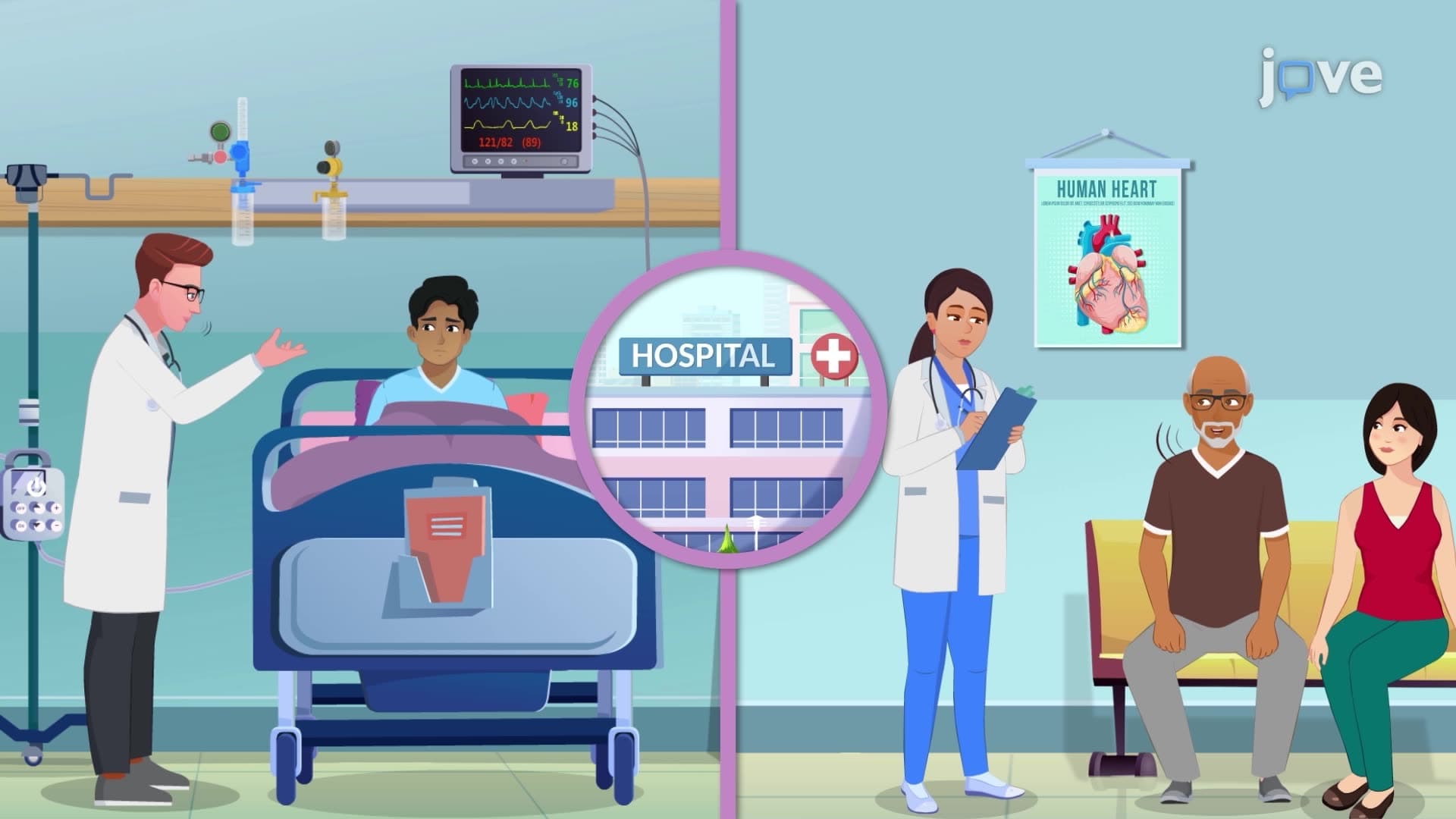
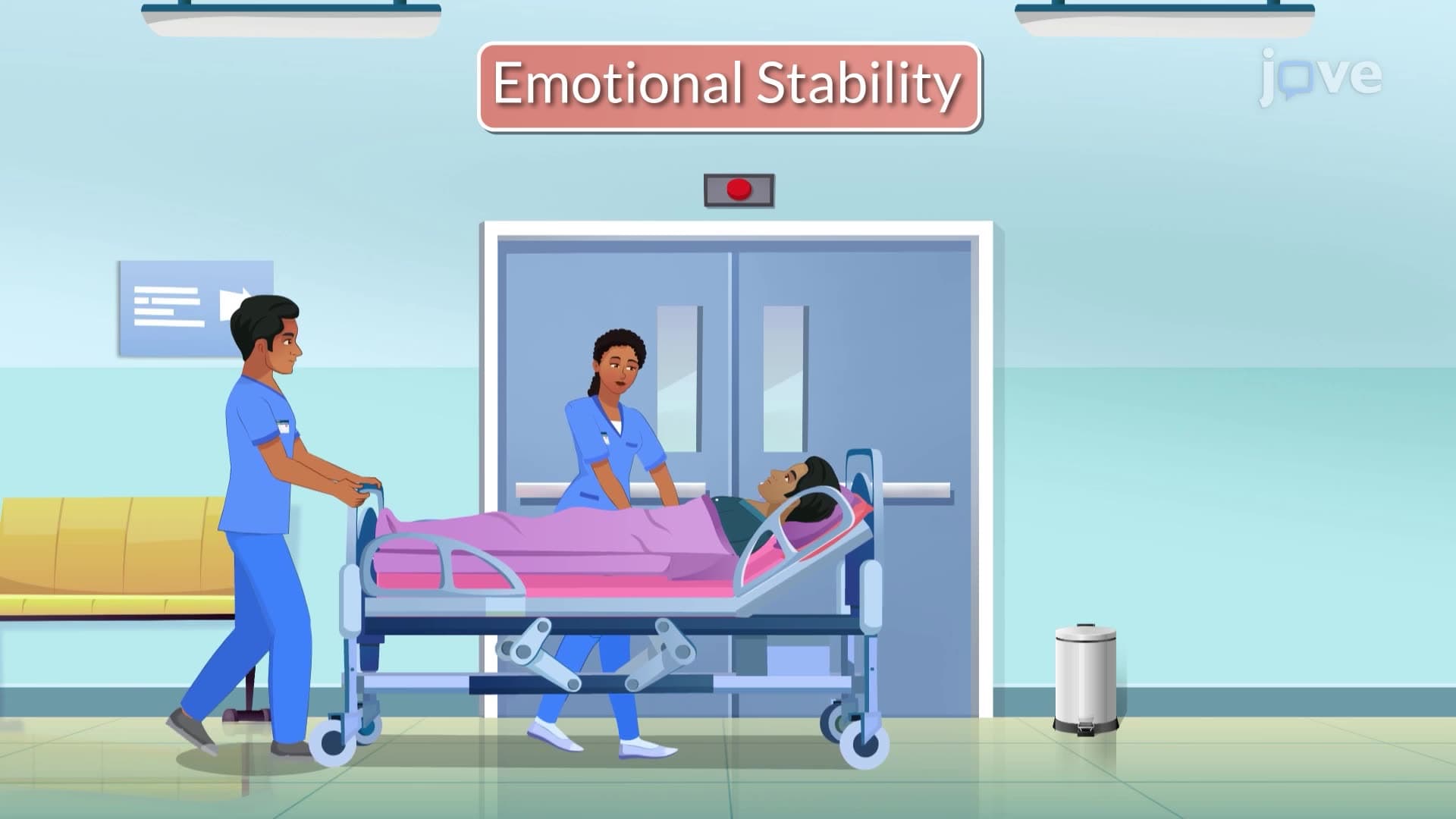
Secondary care involves specialist physicians and diagnostic services typically found in community hospitals and specialty clinics. Cardiologists, orthopedic surgeons, and radiologists operate at this level, providing targeted expertise for specific conditions. Tertiary care represents the highest level of specialized medical intervention, found in major medical centers like Mayo Clinic, Johns Hopkins, or university teaching hospitals. These facilities offer intensive care units, complex surgical procedures, and cutting-edge treatments for severe conditions requiring multidisciplinary medical teams.
The final two levels focus on rehabilitation and ongoing support. Restorative care includes physical therapy centers, rehabilitation hospitals, and skilled nursing facilities that help patients regain function after illness or surgery. Continuing care encompasses long-term services like assisted living facilities, nursing homes, and home healthcare agencies that provide ongoing support for chronic conditions or age-related care needs.
This systematic approach appears frequently in healthcare administration courses, nursing programs, and MCAT preparation materials, as understanding care coordination is essential for future healthcare professionals.
Students preparing for healthcare careers encounter this framework in anatomy and physiology courses, health sciences programs, and pre-med curricula. The NCLEX nursing exam and MCAT both test understanding of care coordination and appropriate level determination. AP Biology students studying human body systems often explore how this healthcare structure supports population health management.
Related Micro-courses