Loading subject page…


145,807 views

Video Summary: Aldehydes and Ketones to Alkanes Explained
Ever wondered how pharmaceutical companies remove oxygen atoms from complex molecules during drug synthesis? Aldehydes and ketones to alkanes transformations occur millions of times daily in US chemical plants through the Wolff-Kishner reduction process. This powerful reaction converts carbonyl compounds into simpler hydrocarbons by replacing oxygen with hydrogen atoms. Aldehydes And Ketones To Alkanes Explained demonstrates how hydrazine and strong bases work together at high temperatures to achieve complete deoxygenation. Watch the full video on JoVE Coach to master this concept with expert-led visuals and step-by-step explanations.
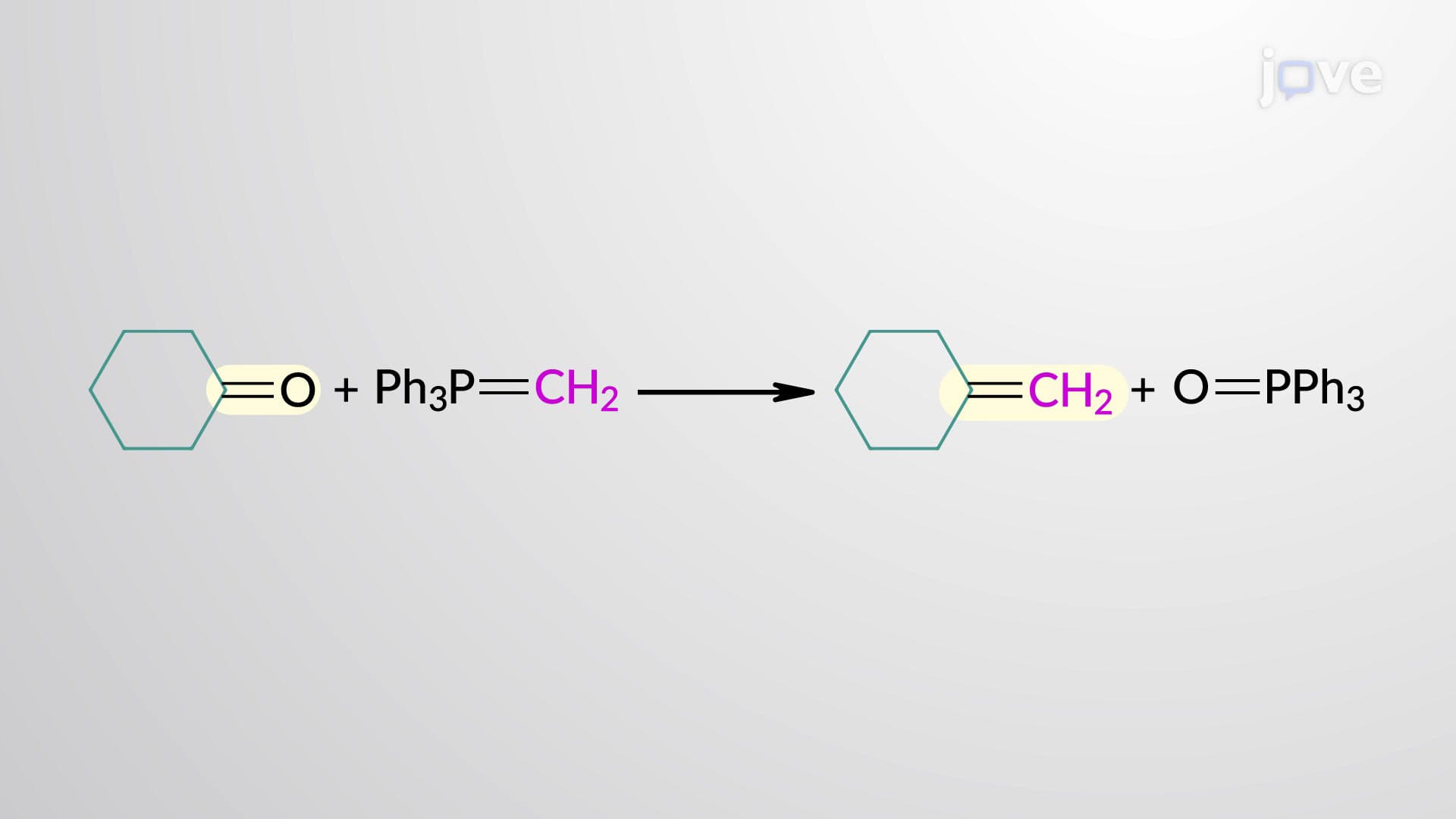
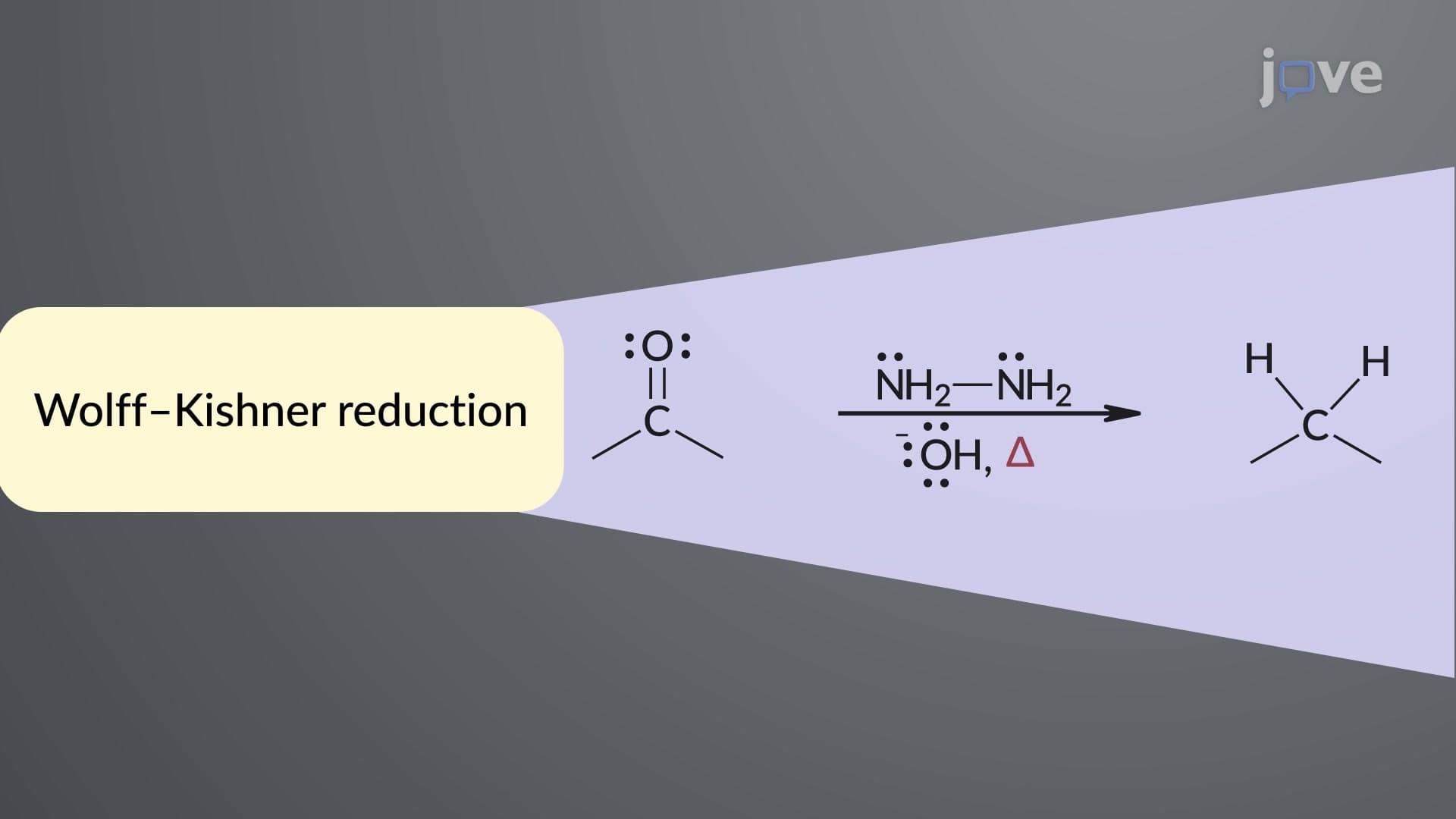
The conversion of aldehydes and ketones to alkanes represents one of organic chemistry's most fundamental reduction processes. This transformation removes the carbonyl oxygen entirely, replacing it with two hydrogen atoms to create a methylene (CH₂) group. The Wolff-Kishner reduction stands as the premier method for achieving this complete deoxygenation under basic conditions.
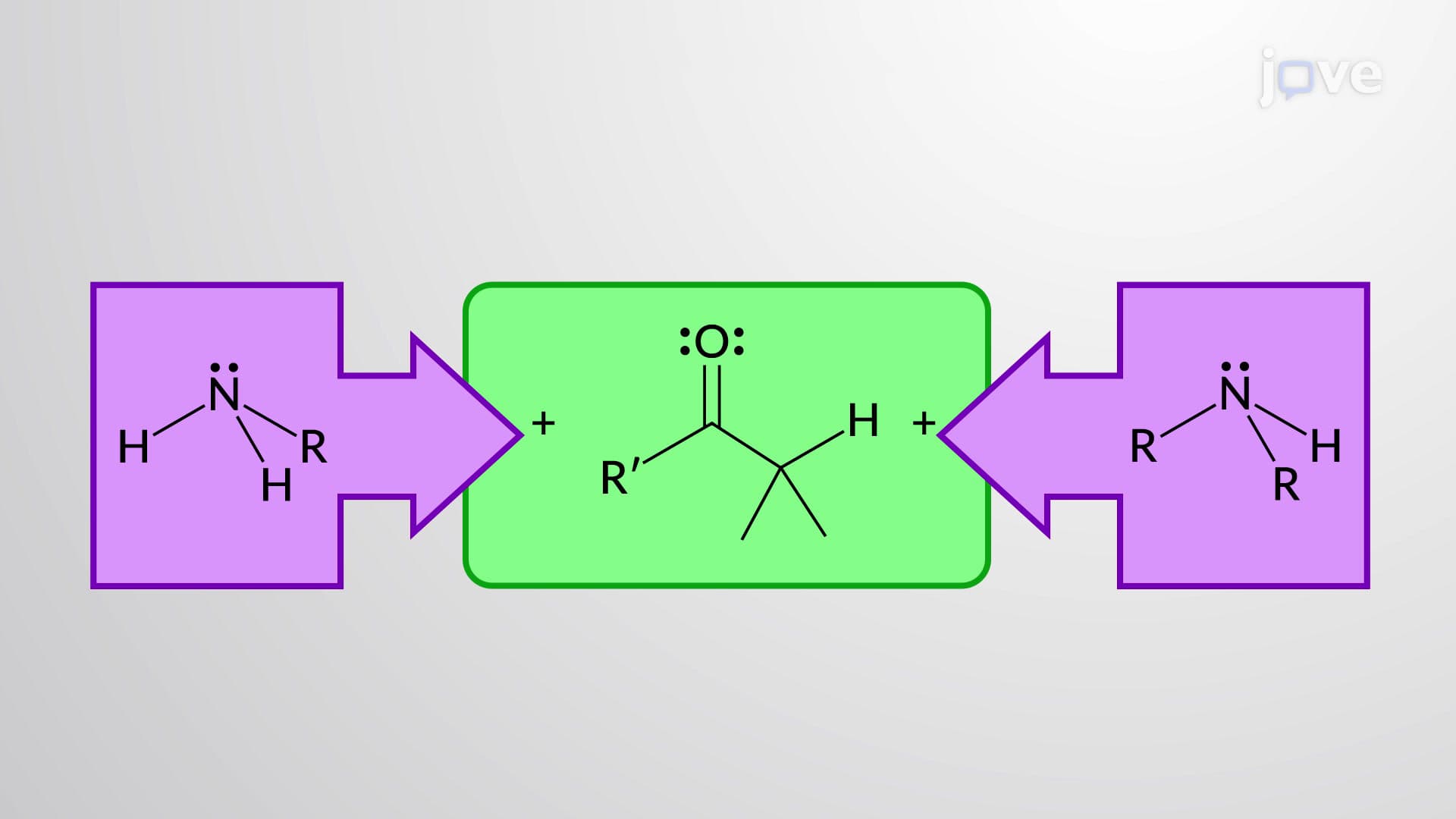
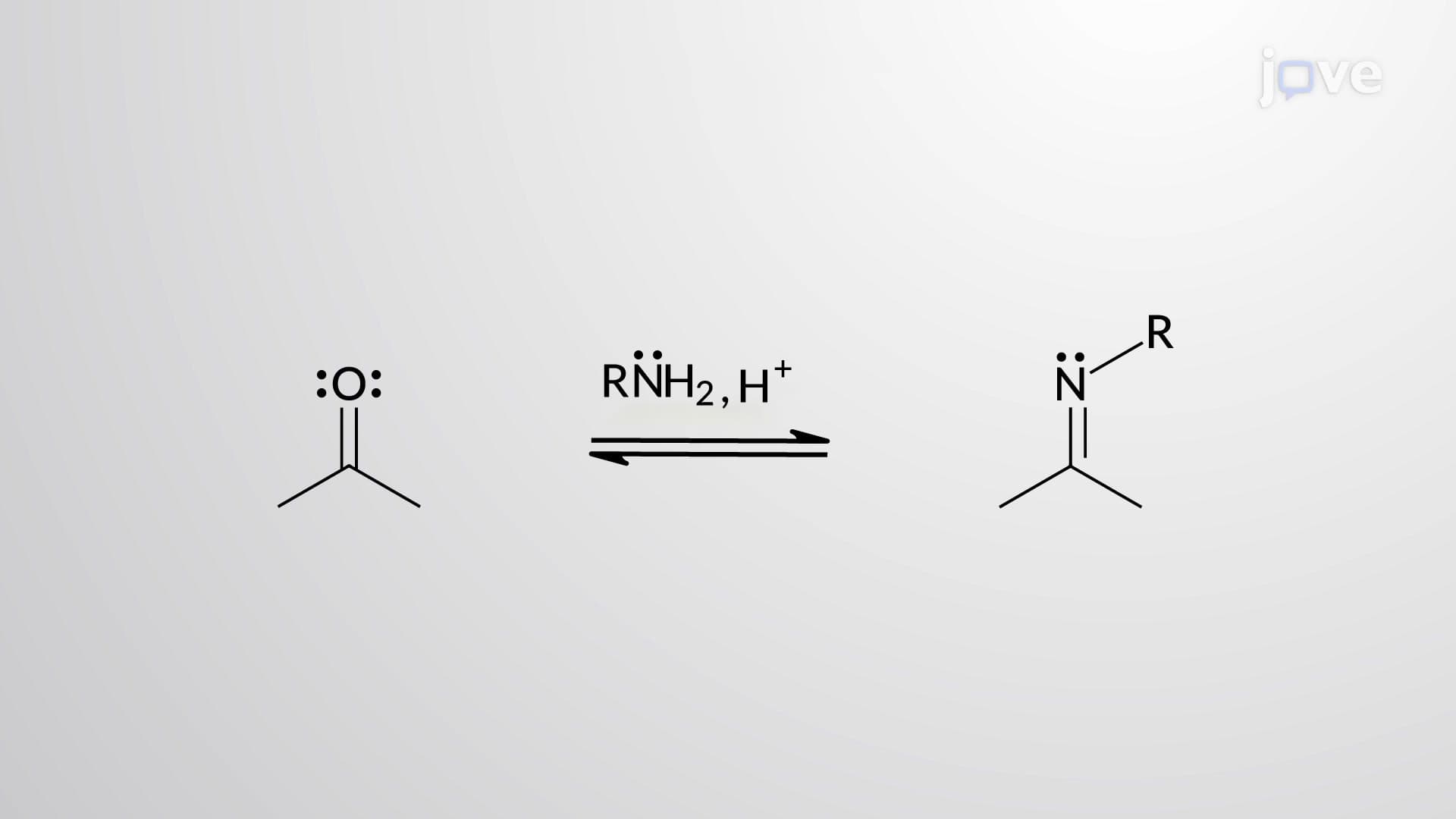
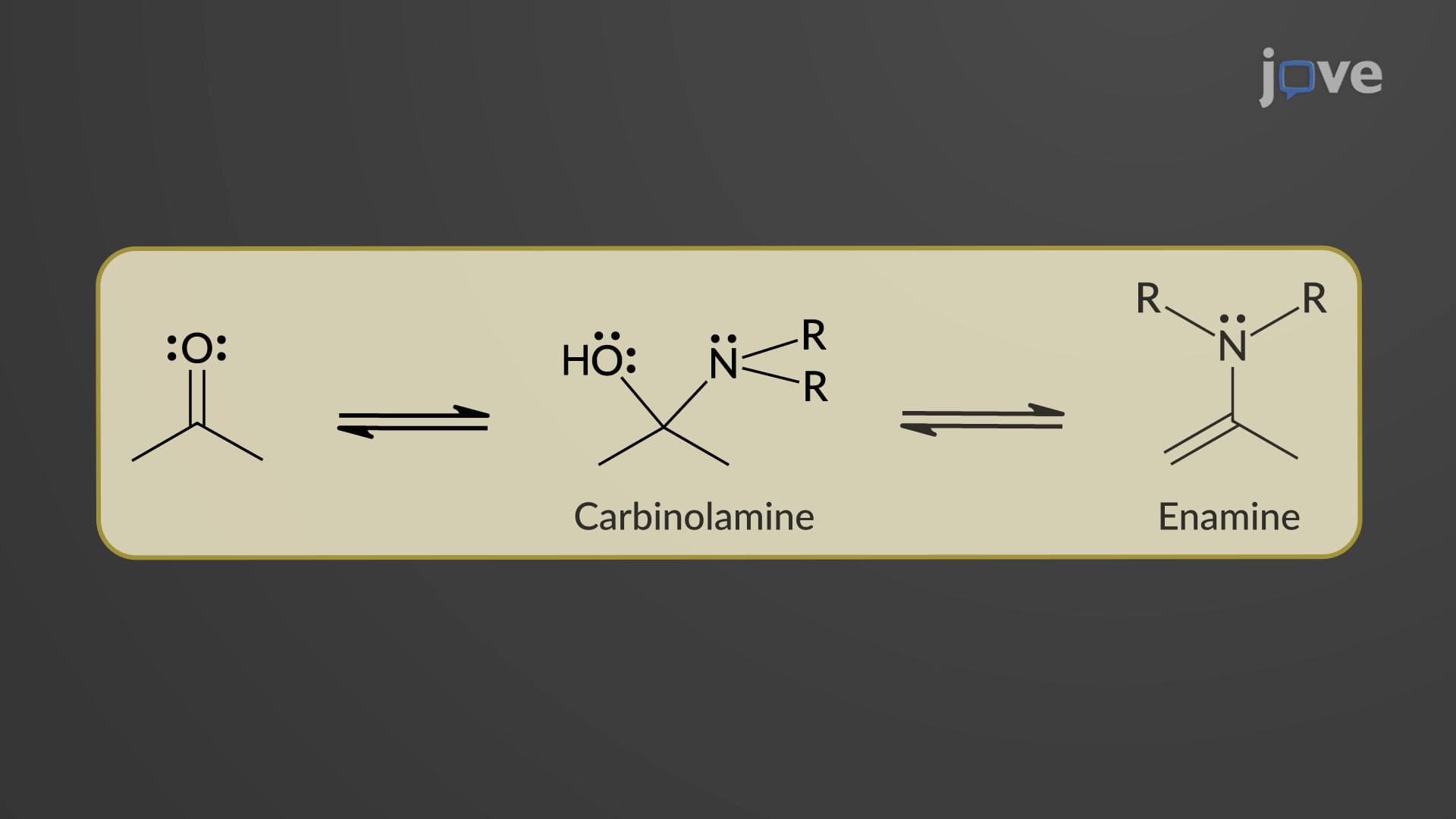
The aldehydes and ketones to alkanes process occurs through distinct mechanistic phases. Stage one involves condensation between the carbonyl compound and hydrazine (NH₂NH₂) to form a hydrazone intermediate. This nucleophilic addition-elimination sequence mirrors aldol reactions students encounter on AP Chemistry exams. Stage two requires harsh basic conditions to remove protons from nitrogen, ultimately leading to N₂ elimination and carbanion formation.
High temperatures (150-200°C) and strong bases like potassium hydroxide drive this transformation forward. Pharmaceutical companies including Pfizer and Johnson & Johnson utilize modified versions of this reaction in drug manufacturing. For instance, steroid synthesis often employs Wolff-Kishner conditions to reduce ketone functionalities while preserving sensitive ring systems. College organic chemistry courses emphasize how these harsh conditions limit substrate scope compared to milder reduction methods.
MCAT test-takers frequently encounter aldehydes and ketones to alkanes questions requiring mechanistic understanding rather than memorization. The key insight involves recognizing that nitrogen elimination drives the reaction forward thermodynamically. Students often struggle with the second deprotonation step, forgetting that high temperatures compensate for the unfavorable kinetics. Practice problems should focus on predicting which substrates survive the harsh basic conditions versus those that undergo competing reactions like base-catalyzed condensations.
Related Micro-courses