Loading video…


 25 Concepts
 145.8K views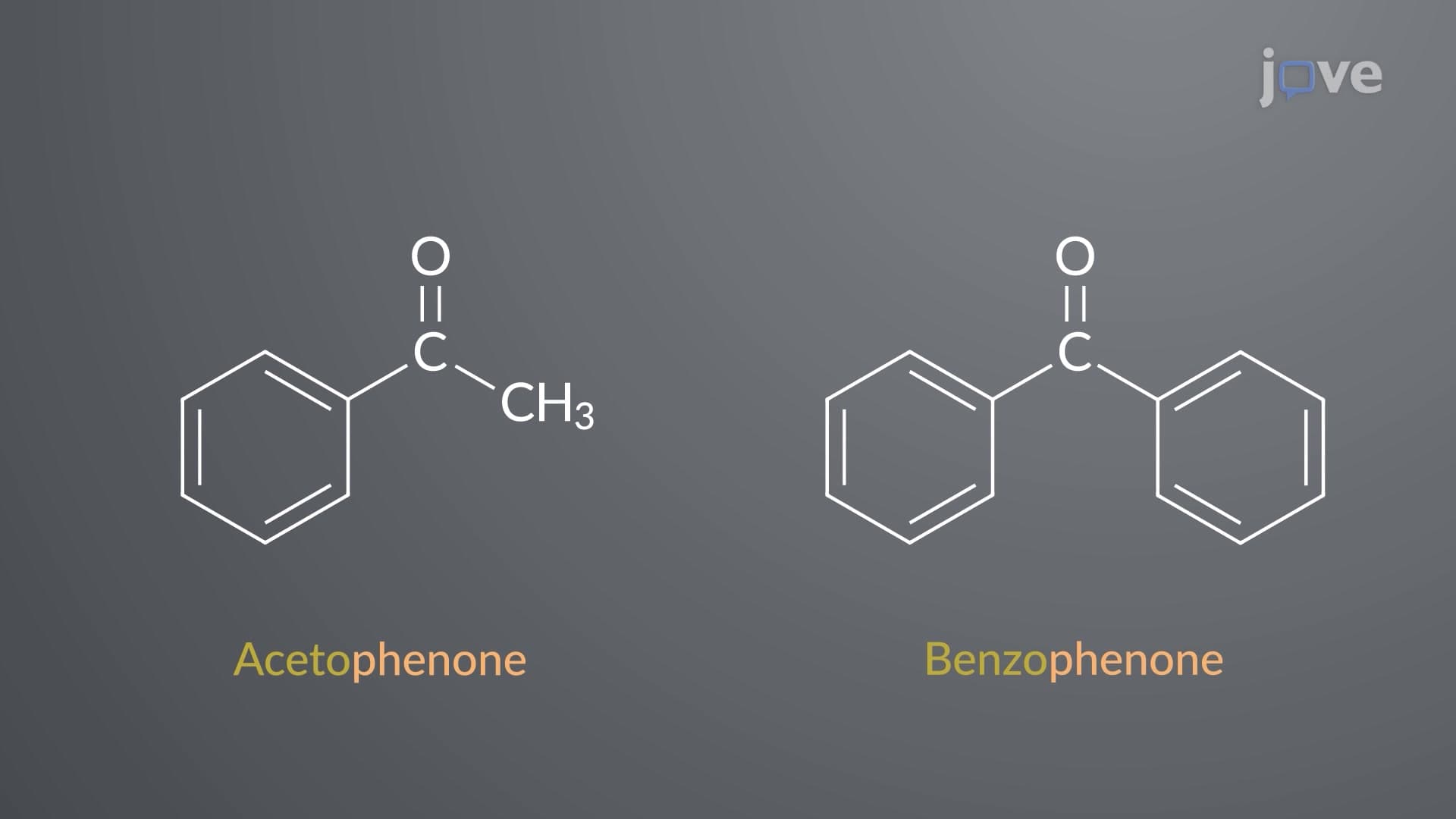

Video Summary: Common Names of Aldehydes and Ketones Explained
Ever wondered why acetone, the nail polish remover in your bathroom cabinet, gets its name? The common names aldehydes ketones follow specific naming patterns that connect to familiar compounds like acetic acid (vinegar's main component). Understanding these Common Names of Aldehydes And Ketones Explained reveals how organic chemists create systematic names by linking aldehyde and ketone structures to their carboxylic acid relatives, plus using alphabetical arrangements for ketone substituents. Watch the full video on JoVE Coach to master this concept with expert-led visuals and step-by-step explanations.
The world of organic chemistry naming can seem overwhelming, but common names of aldehydes and ketones follow logical patterns rooted in chemical history. Unlike systematic IUPAC nomenclature, these traditional names connect directly to familiar compounds, making them essential for students preparing for the AP Chemistry exam or organic chemistry courses at universities like UCLA or MIT.
Aldehyde common names derive systematically from their corresponding carboxylic acids. When acetic acid (found in vinegar) loses its carboxyl group and gains an aldehyde functional group, it becomes acetaldehyde. Similarly, benzoic acid transforms into benzaldehyde-the compound responsible for almond extract's distinctive aroma. This pattern appears consistently: formic acid yields formaldehyde (used in biological specimen preservation), and butyric acid gives butyraldehyde. Students encountering these names on the MCAT will benefit from recognizing this acid-to-aldehyde transformation pattern.
Common names of aldehydes and ketones differ significantly for ketones. Aliphatic ketones use a straightforward alphabetical system: the two groups flanking the carbonyl carbon are named alphabetically, followed by "ketone." Acetone (dimethyl ketone) represents the simplest example, while methyl ethyl ketone appears in industrial solvents. This alphabetical approach helps students systematically approach ketone identification on standardized exams.
Aromatic ketones introduce the "phenone" suffix system. When a phenyl group connects to a carbonyl, the compound becomes a phenone. Acetophenone contains a methyl group attached to the carbonyl, while benzophenone features two phenyl groups. These compounds appear frequently in organic synthesis problems on college examinations and serve as important synthetic intermediates in pharmaceutical manufacturing.
The Greek letter locant system provides positional information in common names. Starting with the carbon adjacent to the carbonyl carbon as alpha (α), positions continue with beta (β), gamma (γ), and delta (δ). This system proves particularly valuable when describing substitution patterns and helps students communicate structural information clearly in laboratory reports and exam responses.
Related Micro-courses