Loading video…


 25 Concepts
 145.8K views

Video Summary: Enamine Formation Mechanism From Aldehydes and Ketones
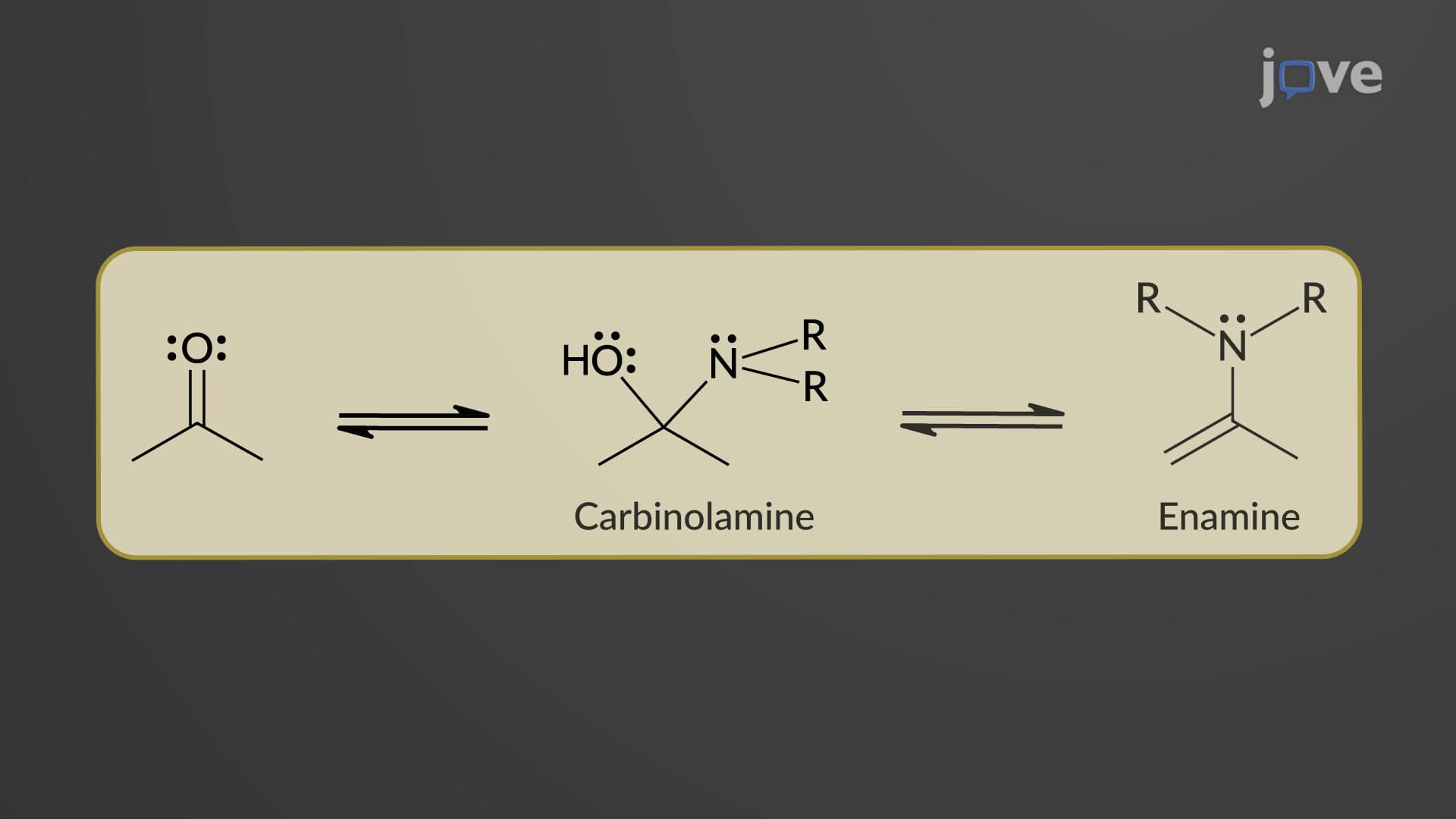
Ever wonder how pharmaceutical companies create complex drug molecules like those found in antidepressants? The enamine formation mechanism from aldehydes and ketones is a fundamental organic chemistry reaction that enables chemists to build carbon-carbon bonds essential for drug synthesis. This acid-catalyzed process involves two critical steps: carbinolamine formation followed by water elimination to produce the final enamine product. Watch the full video on JoVE Coach to master this concept with expert-led visuals and step-by-step explanations.
The enamine formation mechanism represents a cornerstone reaction in organic chemistry, particularly valuable for students preparing for the MCAT or advanced AP Chemistry exams. This reaction transforms aldehydes or ketones into enamines through a two-stage process that exemplifies fundamental organic reaction principles.
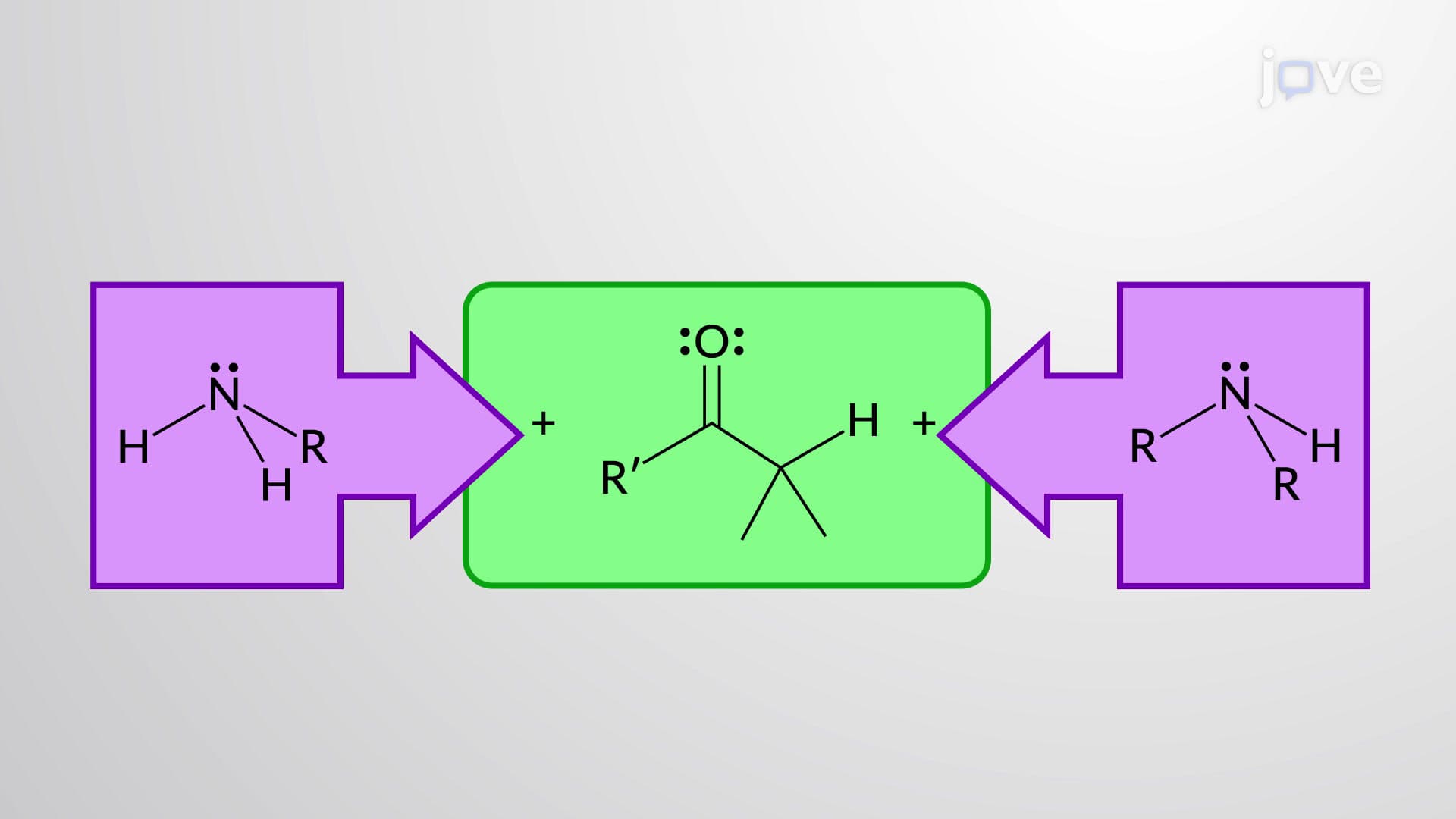
The mechanism begins when a secondary amine acts as a nucleophile, attacking the electrophilic carbon of an aldehyde or ketone. This nucleophilic addition creates a dipolar intermediate where the nitrogen bears a positive charge and oxygen carries a negative charge. Under mildly acidic conditions, the ammonium ion (NH+) facilitates proton transfer to the negatively charged oxygen, while the nitrogen simultaneously loses a proton. This carefully orchestrated proton transfer yields the carbinolamine intermediate-a crucial stepping stone that students often encounter in college organic chemistry midterm examinations.
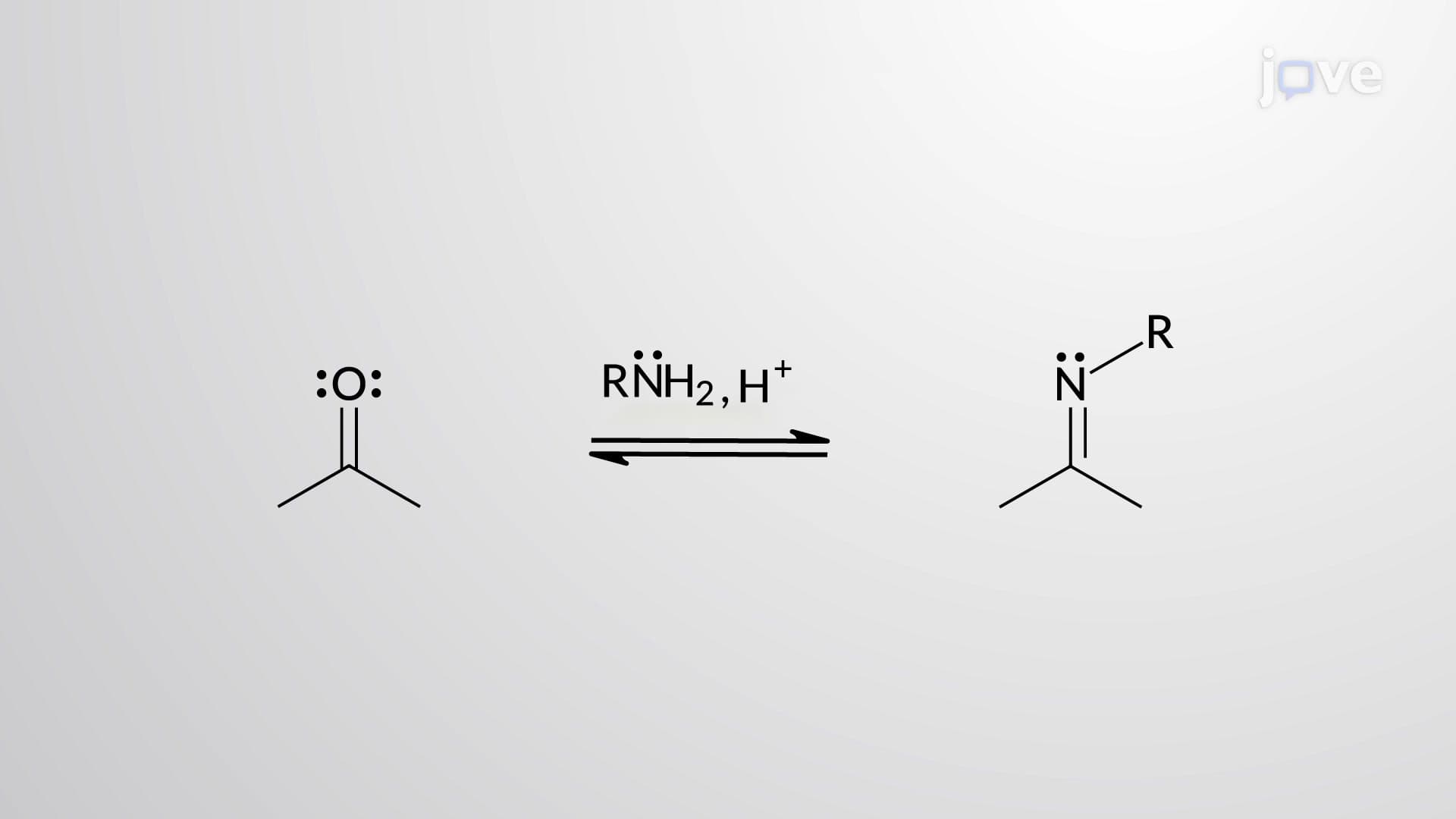
The second stage involves converting the hydroxyl group into a better leaving group. Protonation transforms the OH group into H2O, which readily departs to form an iminium ion intermediate. The final step distinguishes enamine formation from imine formation: deprotonation occurs at the alpha-carbon (adjacent to the carbonyl), creating a new C=C double bond while electrons from the original C=N bond relocate to nitrogen. This regioselectivity explains why secondary amines produce enamines while primary amines yield imines.
Enamine chemistry plays a vital role in pharmaceutical synthesis across the United States. For example, pharmaceutical companies like Pfizer and Merck utilize enamine intermediates in manufacturing antidepressants and cardiovascular medications. The reaction's reversibility allows chemists to control reaction conditions, favoring enamine formation under anhydrous conditions while promoting hydrolysis in aqueous environments. Students studying for the MCAT will find that understanding these mechanistic details enhances their ability to predict reaction outcomes and solve complex organic chemistry problems commonly featured in medical school entrance examinations.
Related Micro-courses