Loading video…


 25 Concepts
 145.8K views

Video Summary: Imine Formation Mechanism From Aldehydes and Ketones
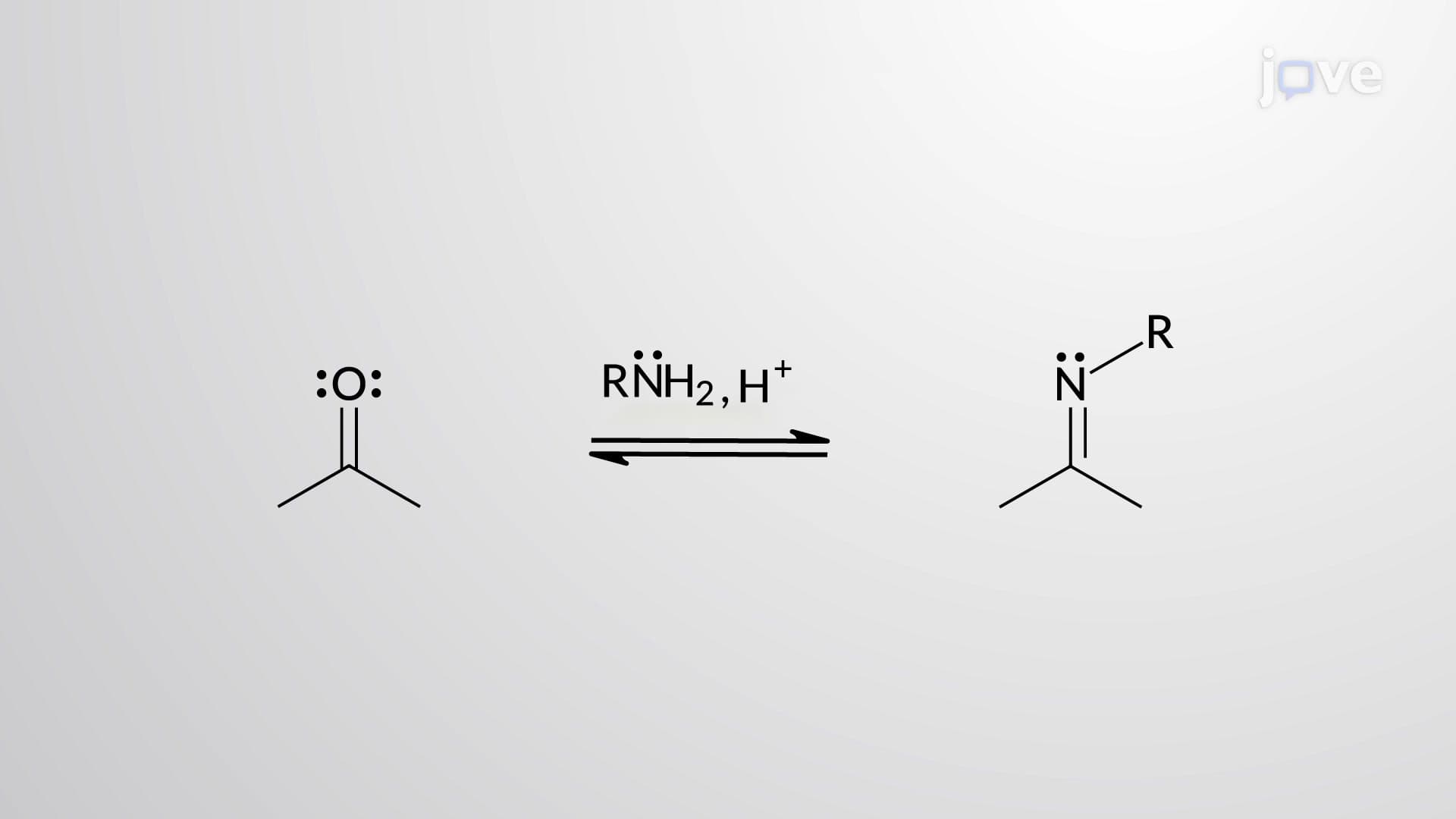
Did you know that the artificial vanilla flavoring in your morning latte involves imine chemistry? The imine formation mechanism from aldehydes and ketones is a fundamental two-step organic reaction where nitrogen compounds attack carbon-oxygen double bonds to create new C=N linkages. This acid-catalyzed process is crucial in pharmaceutical manufacturing, including the synthesis of many FDA-approved medications like certain antidepressants. Watch the full video on JoVE Coach to master this concept with expert-led visuals and step-by-step explanations.
The imine formation mechanism from aldehydes and ketones represents one of organic chemistry's most important nucleophilic addition-elimination sequences. This reaction creates carbon-nitrogen double bonds (C=N) that serve as building blocks for countless pharmaceutical compounds, including many medications manufactured by major US pharmaceutical companies like Pfizer and Merck.
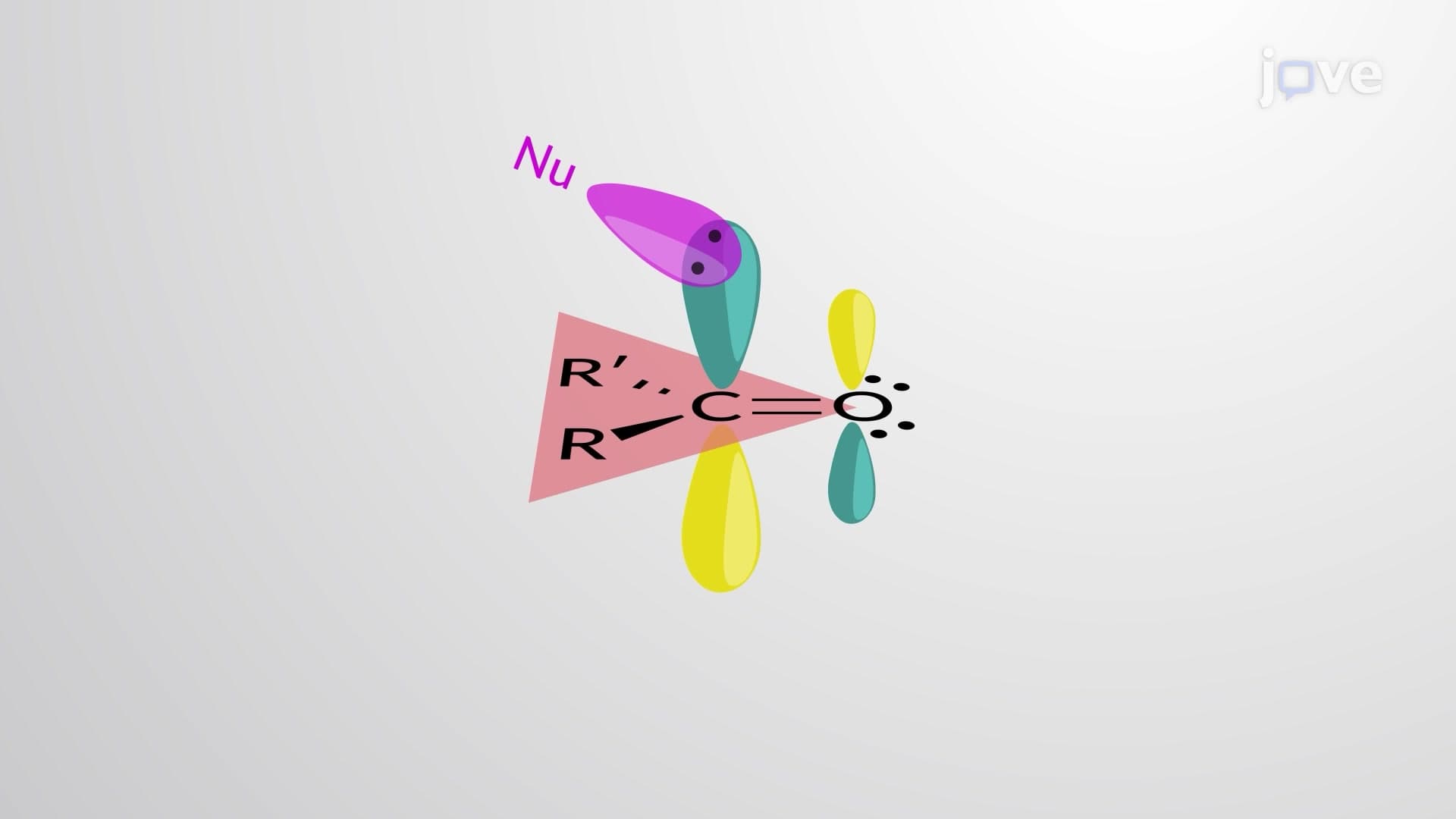
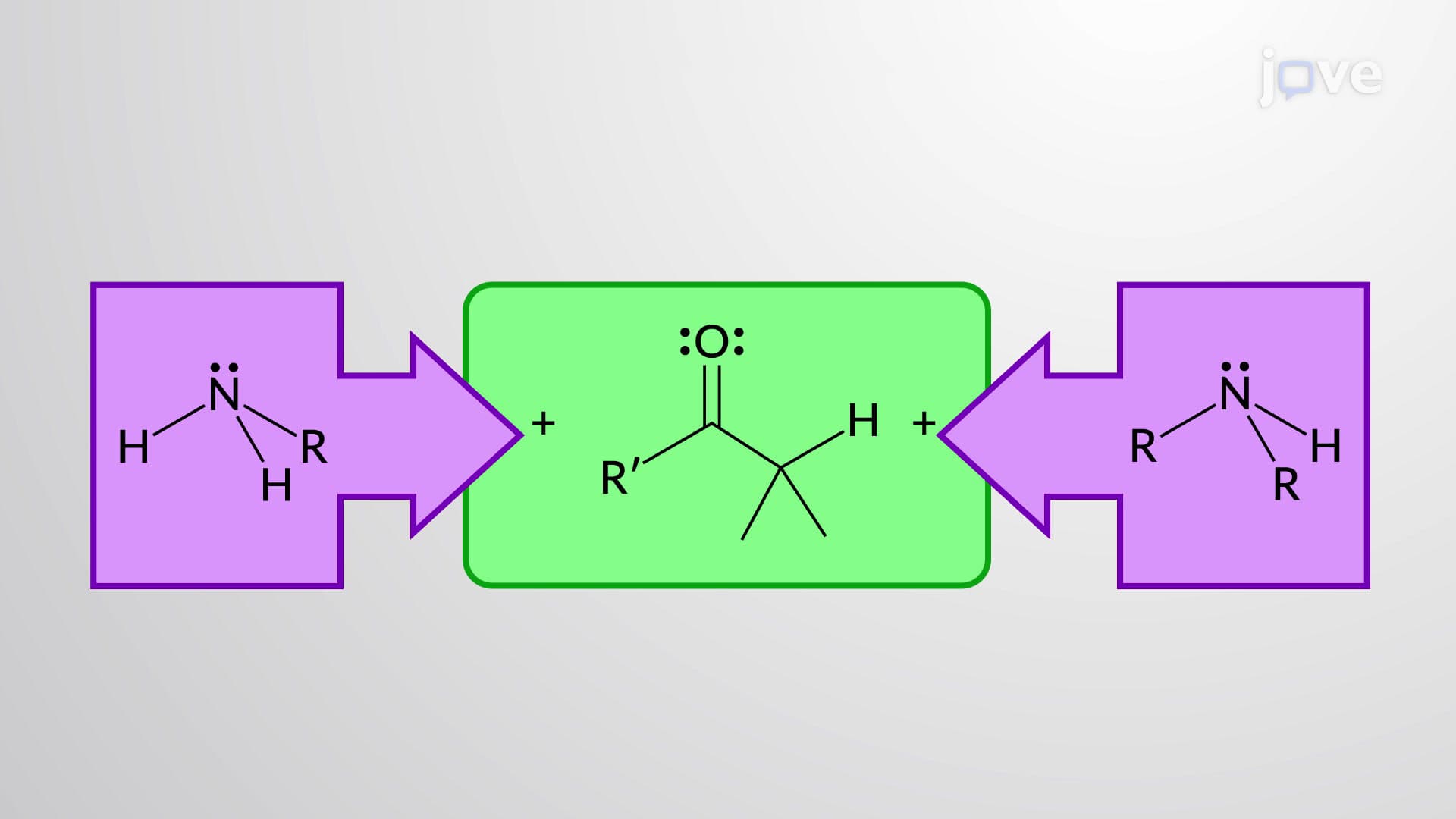
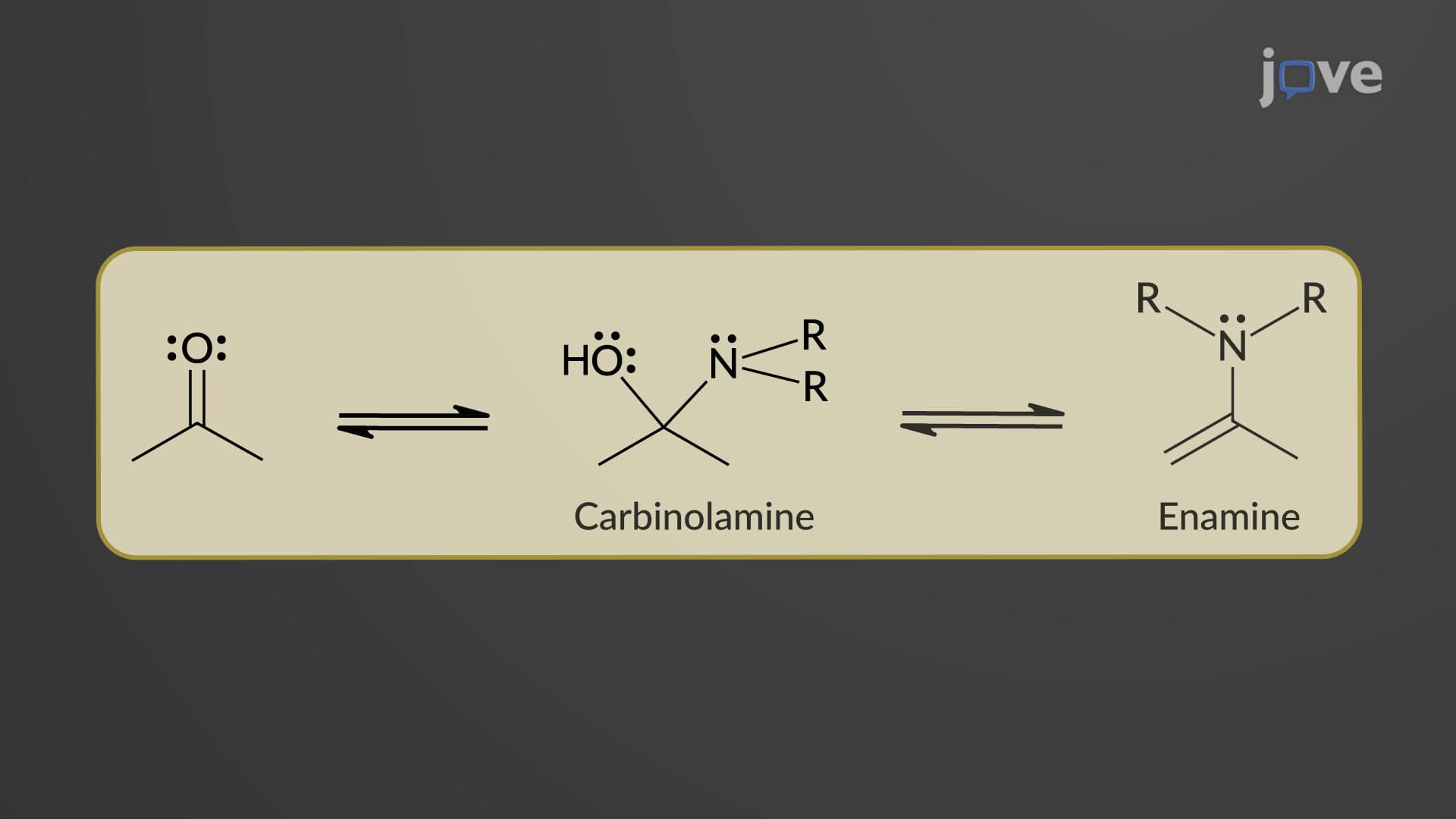
The reaction proceeds through two distinct phases, each with unique mechanistic requirements. In the initial nucleophilic addition phase, the lone pair electrons on nitrogen attack the electrophilic carbon of the carbonyl group. This creates a tetrahedral carbinolamine intermediate-a crucial species that students often struggle to visualize on AP Chemistry and college organic chemistry exams.
The acid catalyst plays a dual role here. First, it generates a small concentration of protonated amine (ammonium ion), which paradoxically helps the reaction despite reducing nucleophilicity. More importantly, the acid protonates the newly formed alkoxide oxygen, stabilizing the carbinolamine through hydrogen bonding interactions.
The second elimination phase requires careful pH control for optimal rates. Under strongly acidic conditions (pH < 2), excessive amine protonation shuts down the nucleophilic attack. Conversely, under basic conditions (pH > 8), insufficient protonation prevents the hydroxyl group from becoming a good leaving group.
This pH dependence frequently appears on MCAT passages and college organic chemistry midterms at institutions like UCLA and University of Michigan. The optimal pH of approximately 4.5 represents a kinetic compromise-sufficient acid to activate the leaving group without completely protonating the nucleophilic amine.
Pharmaceutical companies routinely employ imine formation in drug synthesis. For example, the antidepressant sertraline (Zoloft) utilizes imine chemistry in its manufacturing process. Additionally, biological systems rely on similar mechanisms for amino acid metabolism and enzyme cofactor synthesis, making this knowledge essential for pre-med students preparing for the MCAT.
Related Micro-courses