Loading subject page…


145,807 views


Video Summary: Introduction to Protecting Groups for Aldehydes and Ketones
Ever wondered how pharmaceutical companies create specific drugs without unwanted chemical reactions interfering? Protecting groups for aldehydes and ketones act like molecular shields, temporarily blocking reactive sites during complex synthesis. Just as painters tape car windows before spray-painting, chemists use acetals and thioacetals to protect carbonyl groups while other reactions occur. This strategic approach enables selective transformations in compounds with multiple functional groups, crucial for manufacturing medications like ibuprofen in US pharmaceutical facilities. Watch the full video on JoVE Coach to master this concept with expert-led visuals and step-by-step explanations.
Protecting groups represent one of the most elegant solutions in organic chemistry, addressing the fundamental challenge of selectivity in complex molecules. When chemists work with compounds containing multiple reactive functional groups, they often encounter competing reactions that can derail their synthetic goals. The concept parallels everyday protective measures-just as we cover furniture before painting a room, chemists temporarily mask reactive sites to prevent unwanted transformations.
Consider a molecule containing both an ester and a ketone functional group. During reduction reactions, the more reactive ketone carbonyl preferentially reacts, making it nearly impossible to selectively reduce only the ester. This reactivity hierarchy stems from electronic and steric factors that govern how reducing agents interact with different carbonyl groups. In pharmaceutical synthesis, this selectivity challenge can mean the difference between producing the desired therapeutic compound or generating unwanted byproducts.
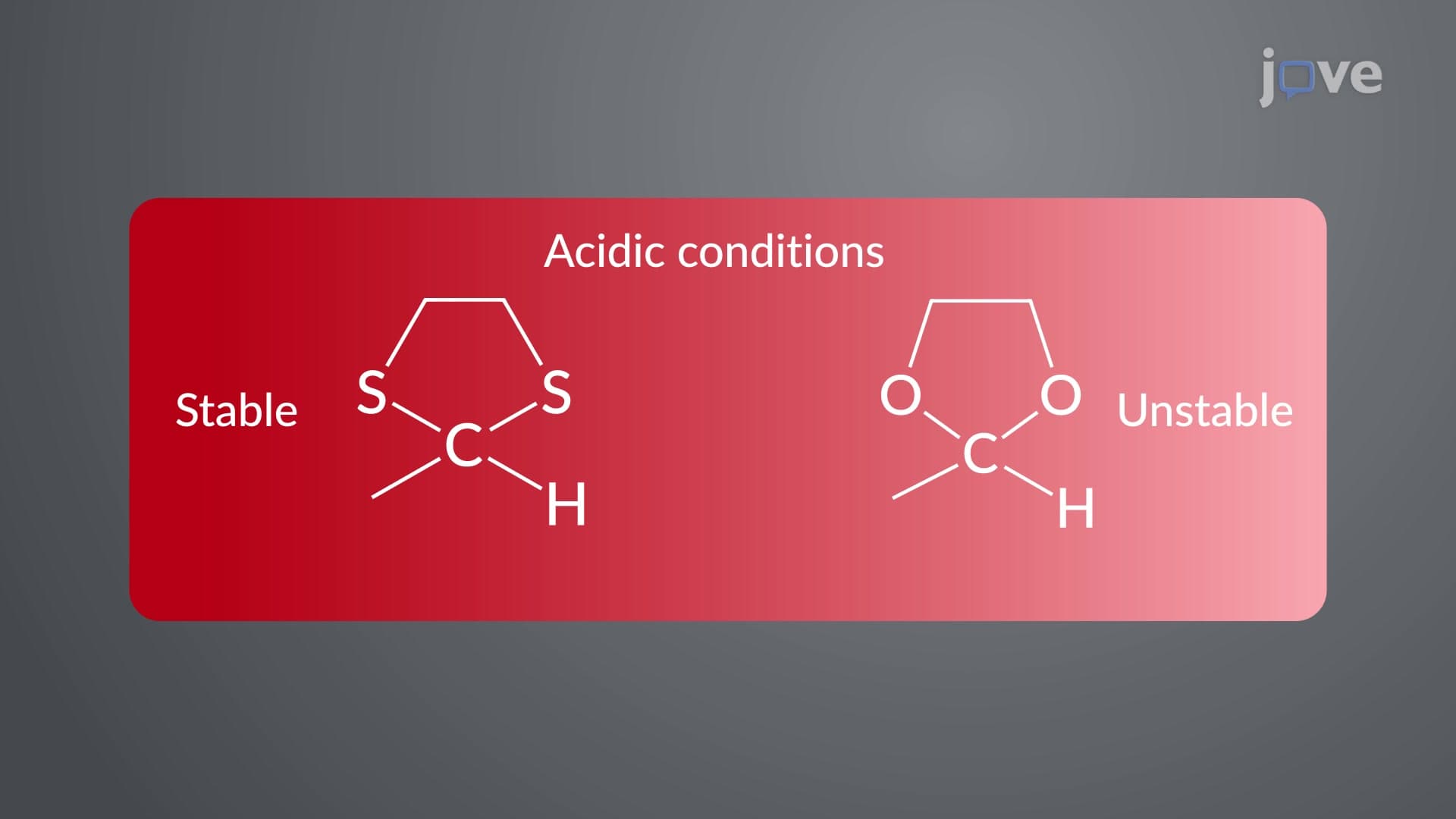
Acetals and thioacetals have emerged as the gold standard for protecting aldehydes and ketones due to their unique properties. These protecting groups form readily under mild acidic conditions and can be selectively removed without affecting other functional groups. Their stability under basic and neutral conditions makes them compatible with a wide range of synthetic transformations. US pharmaceutical companies routinely employ these protecting groups in manufacturing processes for drugs ranging from pain relievers to antibiotics.
Students preparing for the MCAT, AP Chemistry exams, or college organic chemistry courses will encounter protecting group problems that test both conceptual understanding and practical application. These questions often present multi-step synthesis challenges where students must identify which functional groups need protection, select appropriate protecting groups, and plan the correct sequence of reactions. Understanding this concept proves crucial for success in advanced chemistry coursework and professional chemical careers in industries from biotechnology to materials science.
Related Micro-courses