Loading subject page…


145,807 views

Video Summary: Nucleophilic Addition to the Carbonyl Explained
Ever wonder why the smell of vanilla extract changes when you add it to cookie dough? Nucleophilic addition carbonyl reactions explain this transformation at the molecular level. In pharmaceutical manufacturing across the US, companies like Pfizer rely on these mechanisms to synthesize life-saving medications through precise carbon-oxygen bond modifications. Nucleophilic Addition To The Carbonyl Explained reveals how electron-hungry carbon atoms attract nucleophiles, creating new chemical bonds that form everything from aspirin to artificial flavors. Watch the full video on JoVE Coach to master this concept with expert-led visuals and step-by-step explanations.
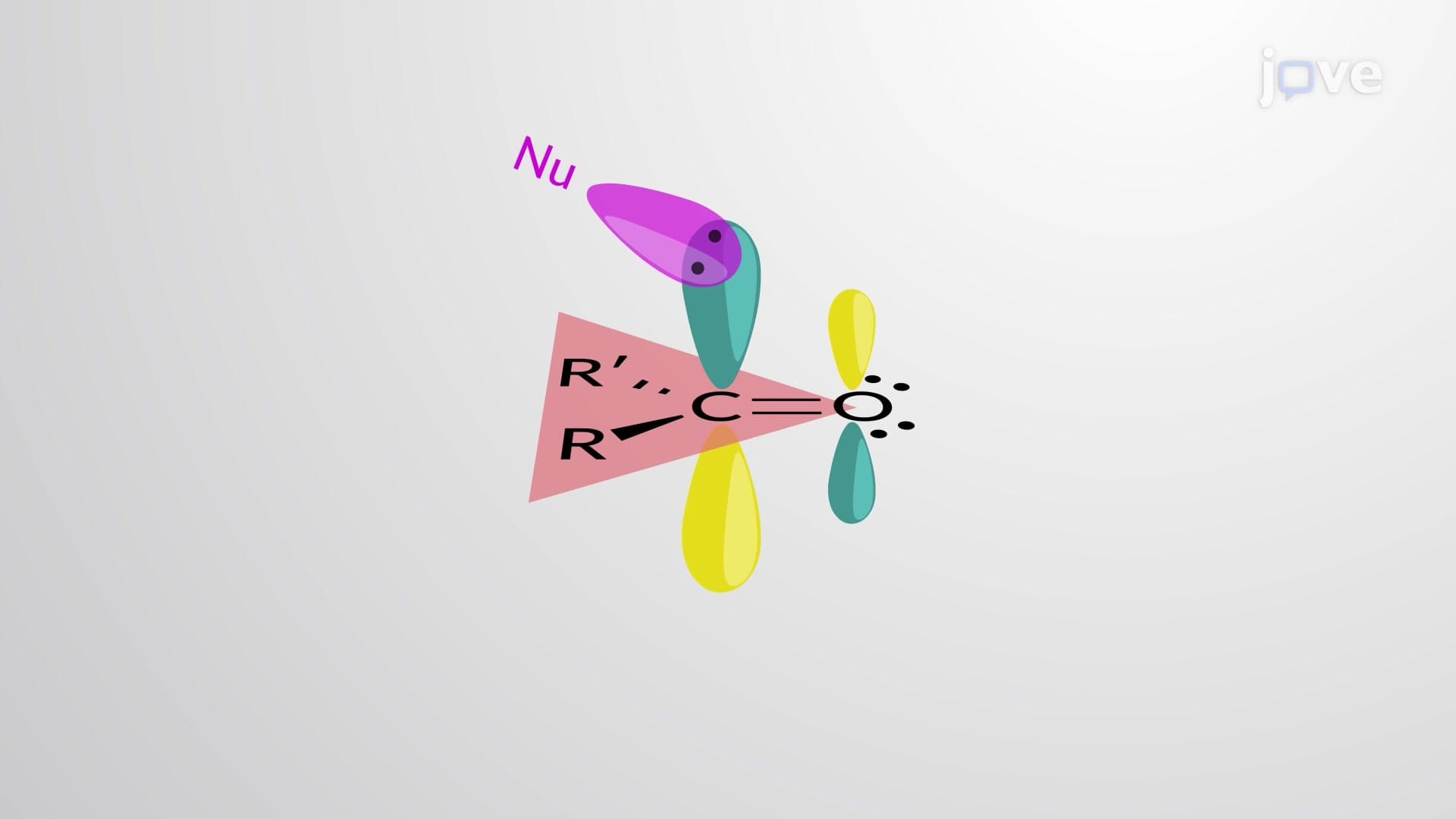
The carbonyl functional group (C=O) represents one of organic chemistry's most important reactive sites, appearing in aldehydes, ketones, carboxylic acids, and their derivatives. The electronegativity difference between carbon (2.55) and oxygen (3.44) creates a permanent dipole, making the carbon atom electron-deficient and highly susceptible to nucleophilic attack. This fundamental principle drives countless biochemical processes and industrial syntheses across the United States.
Strong nucleophiles like hydroxide (OH-), alkoxides (RO-), and Grignard reagents (RMgX) possess sufficient electron density to directly attack the electrophilic carbonyl carbon. This direct mechanism proceeds through a tetrahedral intermediate where the nucleophile forms a new C-Nu bond while simultaneously pushing electron density onto the oxygen atom, creating an alkoxide ion. Students preparing for the MCAT or AP Chemistry exams should recognize this as a concerted process where bond formation and electron redistribution occur simultaneously.
The alkoxide intermediate represents a crucial stage that appears frequently in college organic chemistry courses. This negatively charged oxygen readily accepts a proton from protic solvents or added acids, neutralizing the charge and yielding the final addition product. Major pharmaceutical companies like Johnson & Johnson utilize these mechanisms in drug synthesis, particularly for creating alcohol functional groups in complex molecular frameworks.
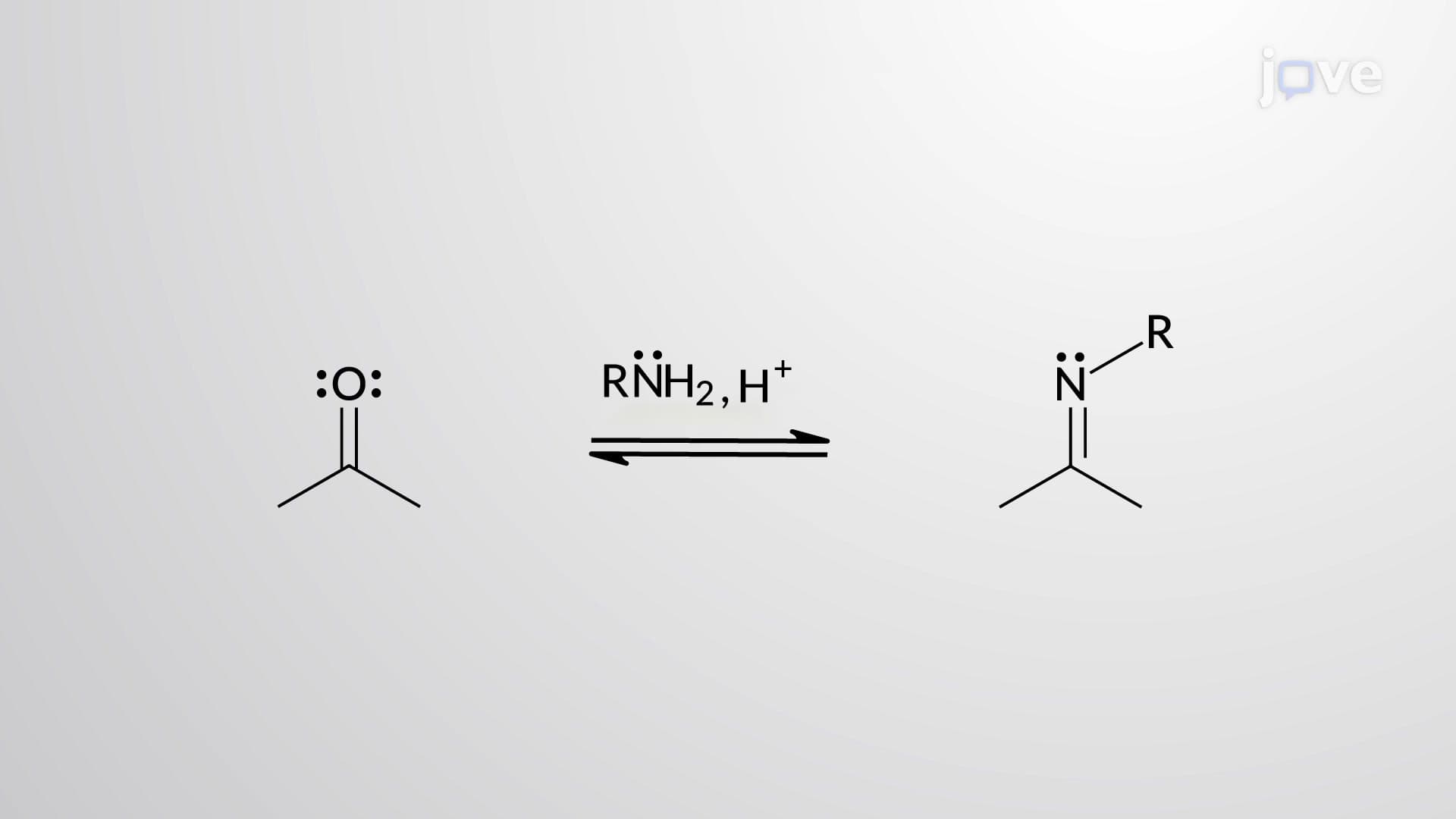
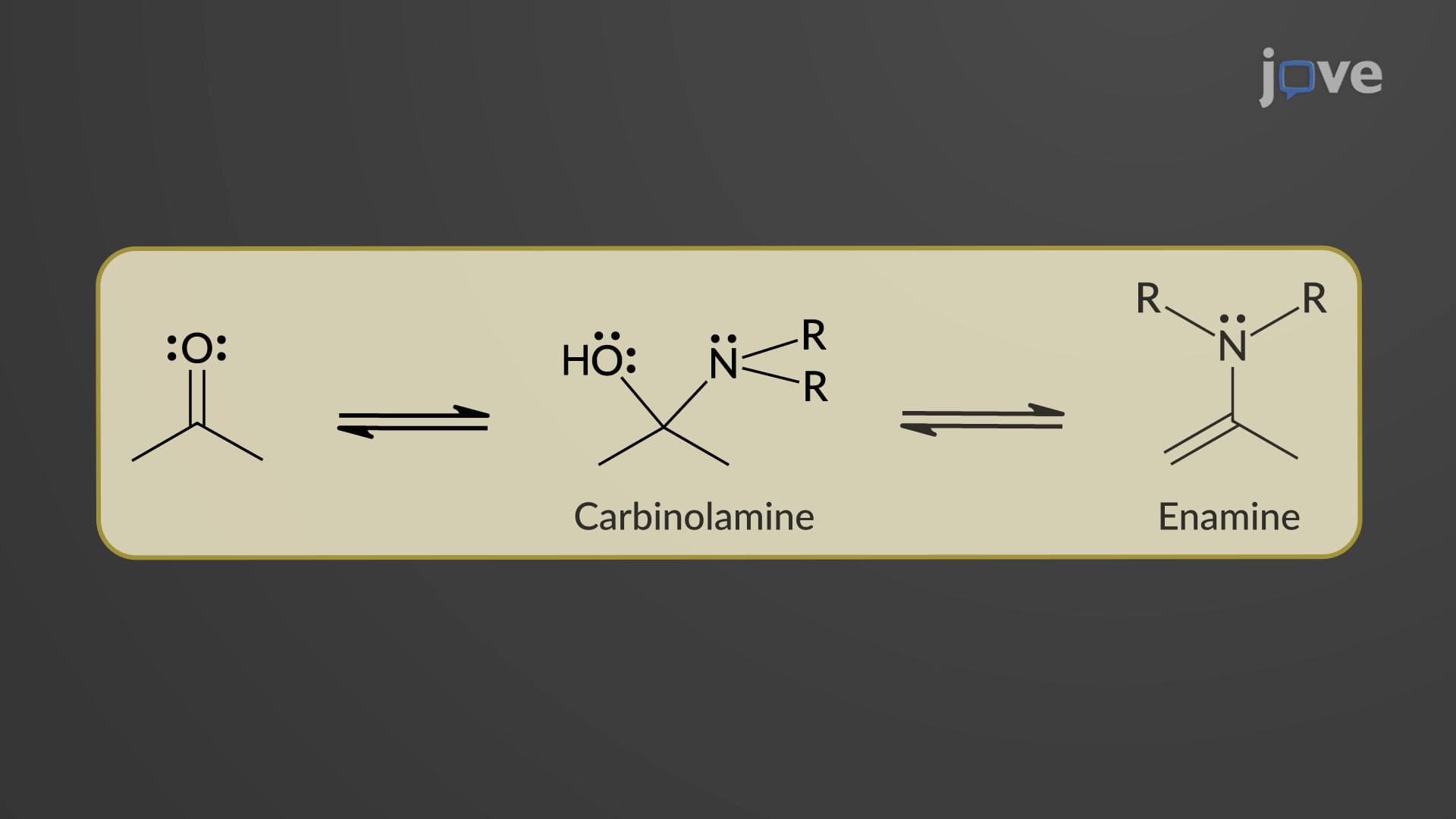
Weak nucleophiles such as water, alcohols, and amines require additional activation to overcome the energy barrier for carbonyl addition. Acid catalysis provides this activation by protonating the carbonyl oxygen, creating an oxonium ion (R2C=OH+). This protonation dramatically increases the electrophilicity of the carbon atom through resonance stabilization, where positive charge can delocalize between oxygen and carbon atoms.
The resonance-stabilized oxonium ion exhibits enhanced reactivity that enables weak nucleophiles to successfully attack the carbonyl carbon. This acid-catalyzed pathway proves essential in biological systems, where enzymatic reactions often occur under near-neutral pH conditions requiring subtle electronic activation rather than harsh basic conditions.
Students encounter nucleophilic carbonyl addition extensively in AP Chemistry, college organic chemistry sequences, and pre-health curricula. The MCAT regularly tests these concepts through passage-based questions involving drug metabolism and biochemical pathways. Understanding both strong and weak nucleophile mechanisms provides the foundation for advanced topics including acetal formation, aldol condensations, and enzymatic catalysis that appear in upper-level coursework and professional examinations.
Related Micro-courses