Loading subject page…


145,807 views


Video Summary: Oxidations of Aldehydes and Ketones Explained
Ever wonder why vanilla extract goes bad faster than acetone nail polish remover? The answer lies in oxidations aldehydes ketones chemistry. Aldehydes like vanillin oxidize easily in air, while ketones like acetone resist oxidation. This fundamental difference explains why pharmaceutical companies must carefully store aldehyde-containing drugs under nitrogen gas to prevent degradation. Understanding Oxidations of Aldehydes And Ketones Explained is crucial for organic chemistry success and real-world applications. Watch the full video on JoVE Coach to master this concept with expert-led visuals and step-by-step explanations.
The oxidation behavior of carbonyl compounds represents one of organic chemistry's most fundamental concepts. Aldehydes and ketones, while structurally similar, exhibit dramatically different oxidation patterns that have profound implications for both laboratory synthesis and industrial applications.
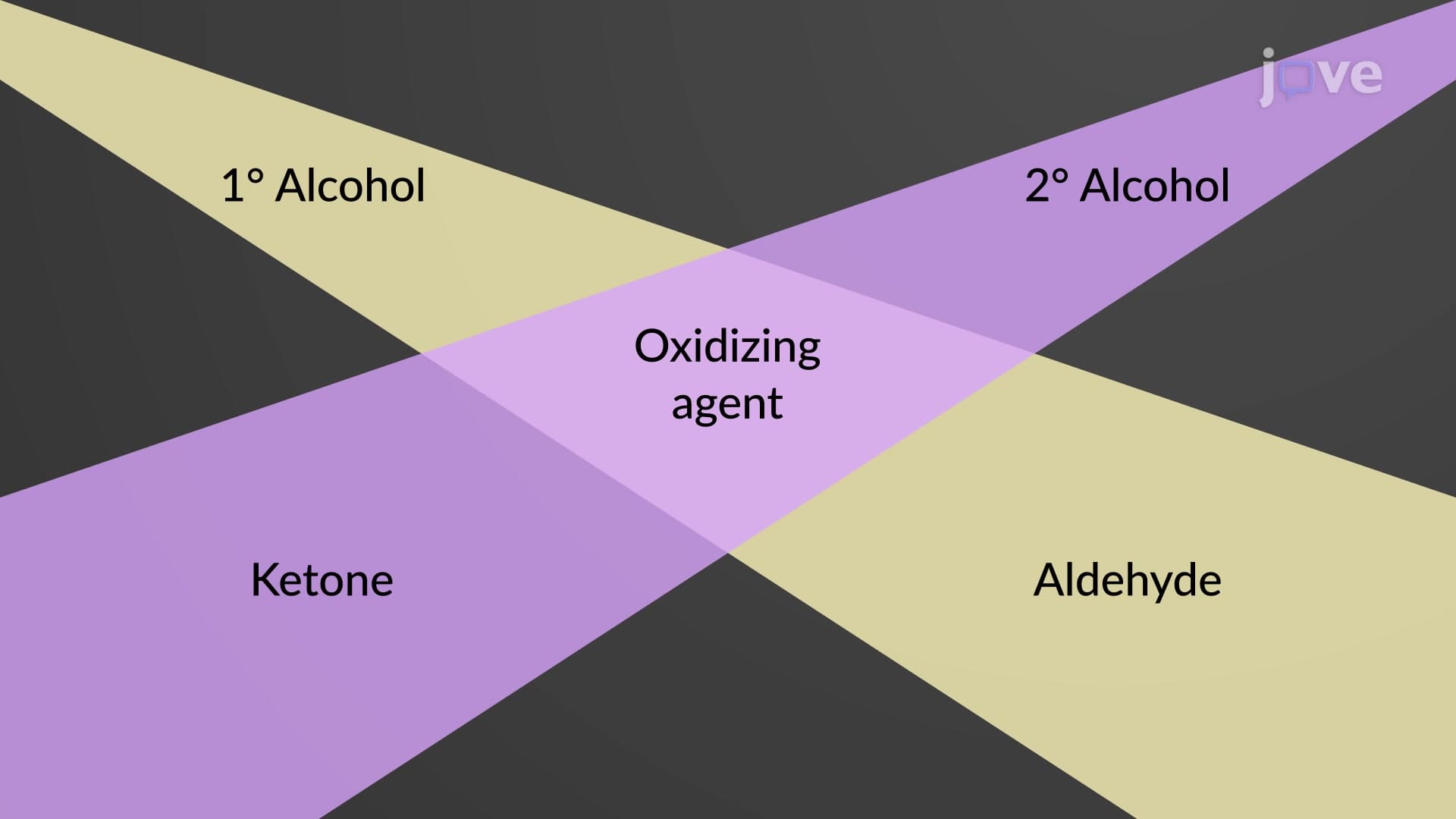
Aldehydes possess a unique structural feature-an easily abstractable hydrogen atom attached to the carbonyl carbon. This hydrogen makes aldehydes particularly susceptible to oxidation, even by mild oxidizing agents. Under standard conditions, aldehydes readily convert to carboxylic acids through various oxidation pathways.
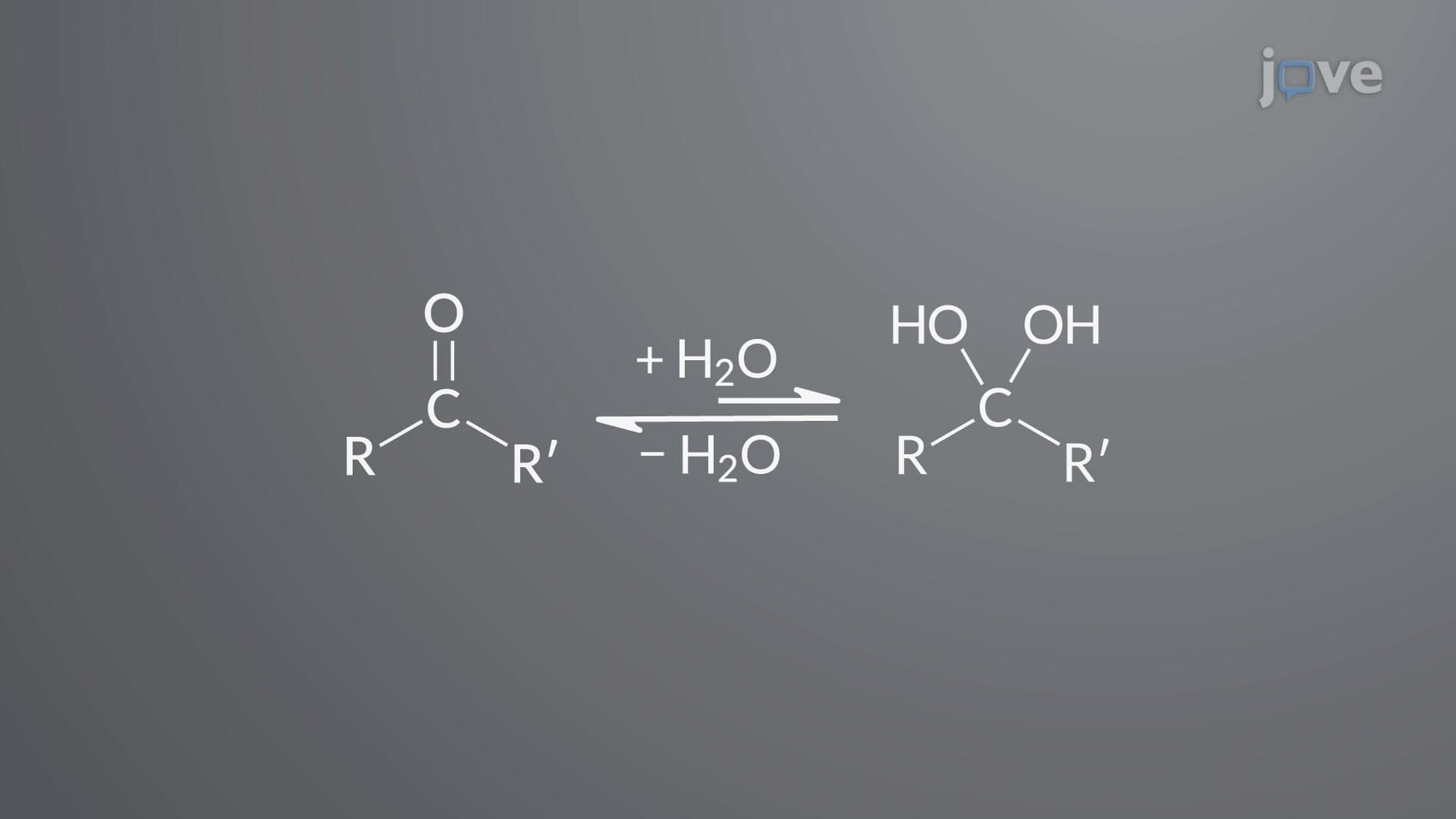
The mechanism often involves hydrate formation, particularly when using chromic acid (H2CrO4) as the oxidizing agent. The aldehyde first forms a hydrate intermediate, which then undergoes oxidation to yield the corresponding carboxylic acid. This process is so favorable that aldehydes spontaneously oxidize in atmospheric oxygen through autoxidation, explaining why stored aldehyde samples often contain acid contaminants-a critical consideration for pharmaceutical storage and quality control.
Ketones demonstrate significantly greater oxidation resistance due to the absence of the abstractable hydrogen found in aldehydes. Strong oxidizing agents and elevated temperatures are typically required for ketone oxidation. The industrial conversion of cyclohexanone to adipic acid using nitric acid exemplifies this principle, proceeding through the enol form and serving as a key step in nylon-6,6 polymer synthesis.
This oxidation resistance makes ketones valuable as solvents and synthetic intermediates where stability is paramount. Companies like DuPont rely on these properties when manufacturing polymers for automotive and textile applications.
The Tollens reagent, containing diaminosilver(I) ions, serves as a powerful analytical tool for distinguishing aldehydes from ketones. This mild oxidizing agent selectively oxidizes aldehydes while leaving ketones unchanged, producing the characteristic silver mirror that gives the test its diagnostic value. This selectivity proves invaluable in functional group analysis and is frequently tested on AP Chemistry exams and college organic chemistry midterms.
Related Micro-courses