Loading subject page…


145,807 views


Video Summary: Structures of Aldehydes and Ketones Explained
Ever wondered why vanilla extract smells so distinct from acetone nail polish remover? The structures aldehydes ketones are responsible for these recognizable aromas found in everyday American products. Aldehydes feature a carbonyl group bonded to one hydrogen and one side group, while ketones connect the carbonyl to two side groups. These structural differences in aldehydes and ketones explained create unique chemical properties and applications, from food flavoring in Coca-Cola's vanilla formula to industrial solvents. Watch the full video on JoVE Coach to master this concept with expert-led visuals and step-by-step explanations.
The structures aldehydes ketones represent two fundamental classes of organic compounds that share a common feature: the carbonyl group (C=O). This functional group defines their chemical behavior and distinguishes them from other organic molecules. The structural arrangement around the carbonyl carbon determines whether a compound is classified as an aldehyde or ketone, affecting everything from boiling points to biological activity.
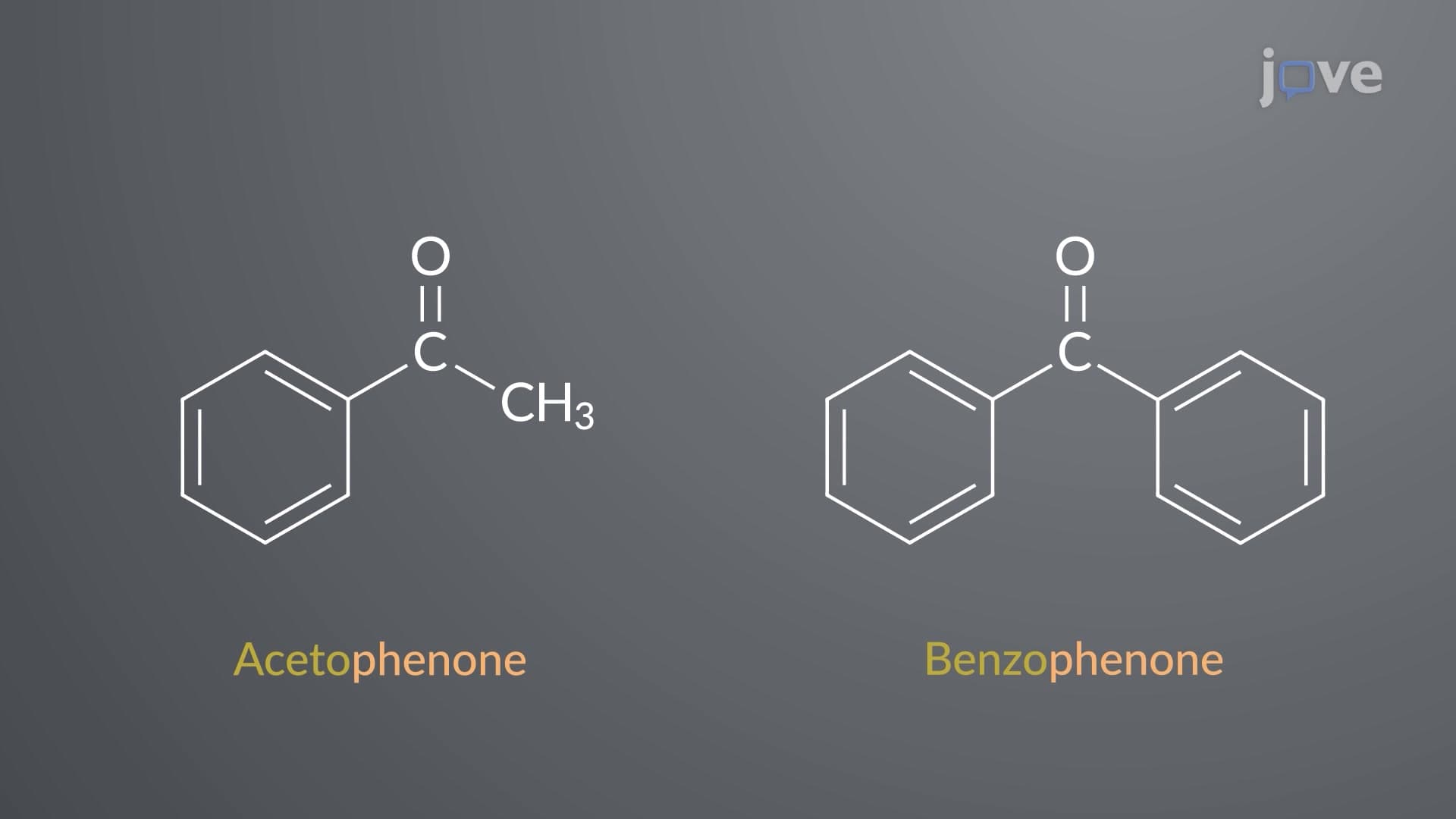
Aldehydes contain a carbonyl group bonded to at least one hydrogen atom and one alkyl or aryl group (R-CHO). Common examples include formaldehyde used in laboratory preservation and benzaldehyde found in almond extract. Ketones feature a carbonyl group bonded to two carbon-containing groups (R-CO-R'), such as acetone in nail polish remover or cortisone in medical treatments.
This structural distinction impacts their chemical properties significantly. Aldehydes typically have lower boiling points than corresponding ketones because the hydrogen atom attached to the carbonyl creates less steric hindrance, allowing closer molecular packing and different intermolecular interactions.
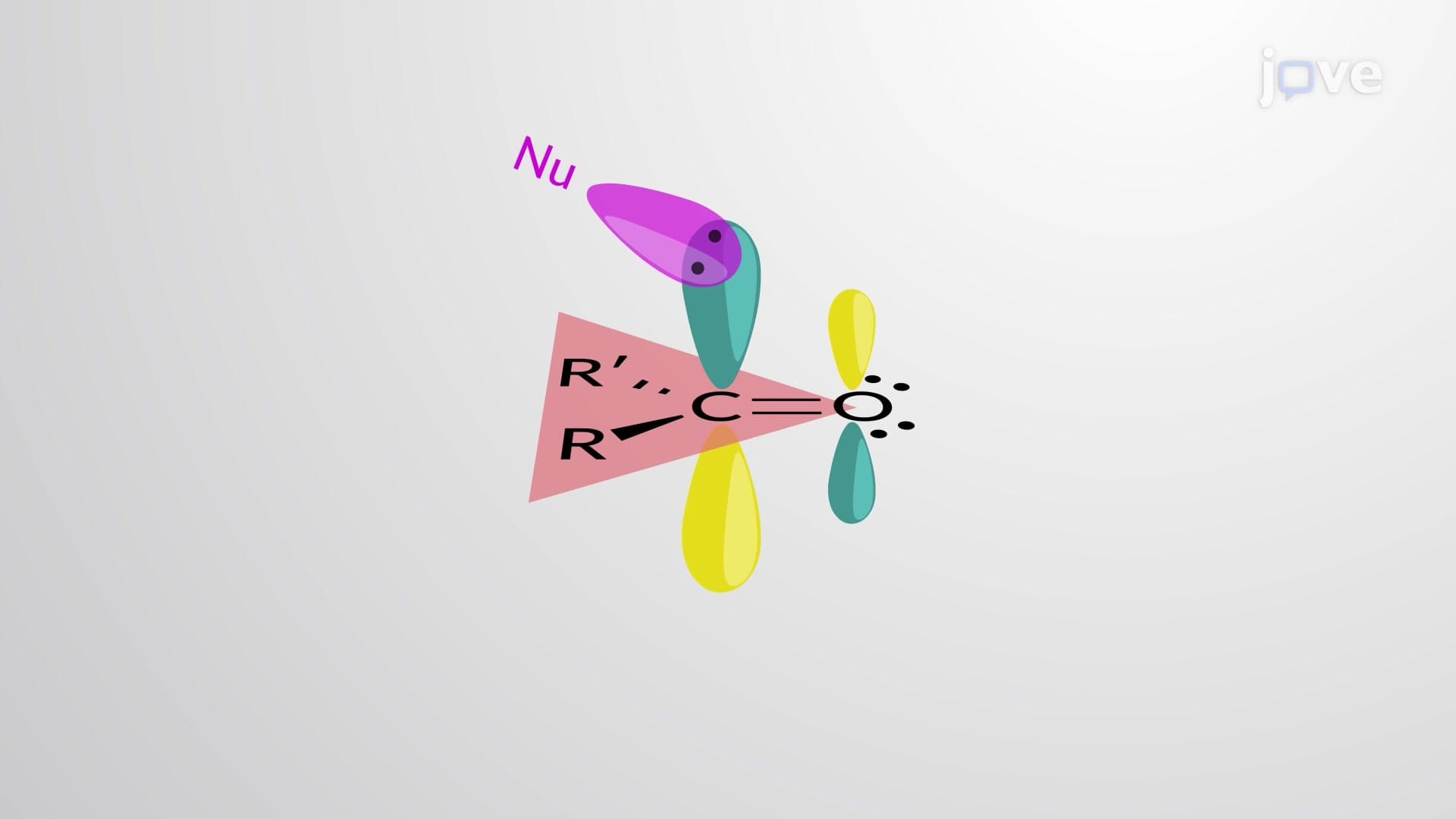
The carbonyl carbon undergoes sp2 hybridization, creating a planar structure with approximately 120-degree bond angles. This geometry results from the carbon atom using three sp2 hybrid orbitals to form sigma bonds, while the unhybridized p orbital overlaps with oxygen's 2p orbital to create the pi bond. Understanding this three-dimensional arrangement helps predict how these molecules interact with biological systems and other chemicals.
The significant electronegativity difference between carbon and oxygen (2.5 vs 3.5) creates a highly polarized C=O bond. The oxygen atom carries a partial negative charge (δ-) while the carbon bears a partial positive charge (δ+). This polarization makes the carbonyl carbon electrophilic (electron-seeking) and the oxygen nucleophilic (nucleus-seeking), explaining their reactivity patterns in organic synthesis and biochemical processes.
Resonance structures further illustrate this charge separation, showing how electron density shifts between the carbon-oxygen bond. This electronic behavior is crucial for understanding reactions covered in AP Chemistry, college organic chemistry courses, and MCAT preparation, particularly nucleophilic addition reactions that form the basis of many biological processes and synthetic transformations.
Related Micro-courses