Loading video…

 18 Concepts
 1.3K views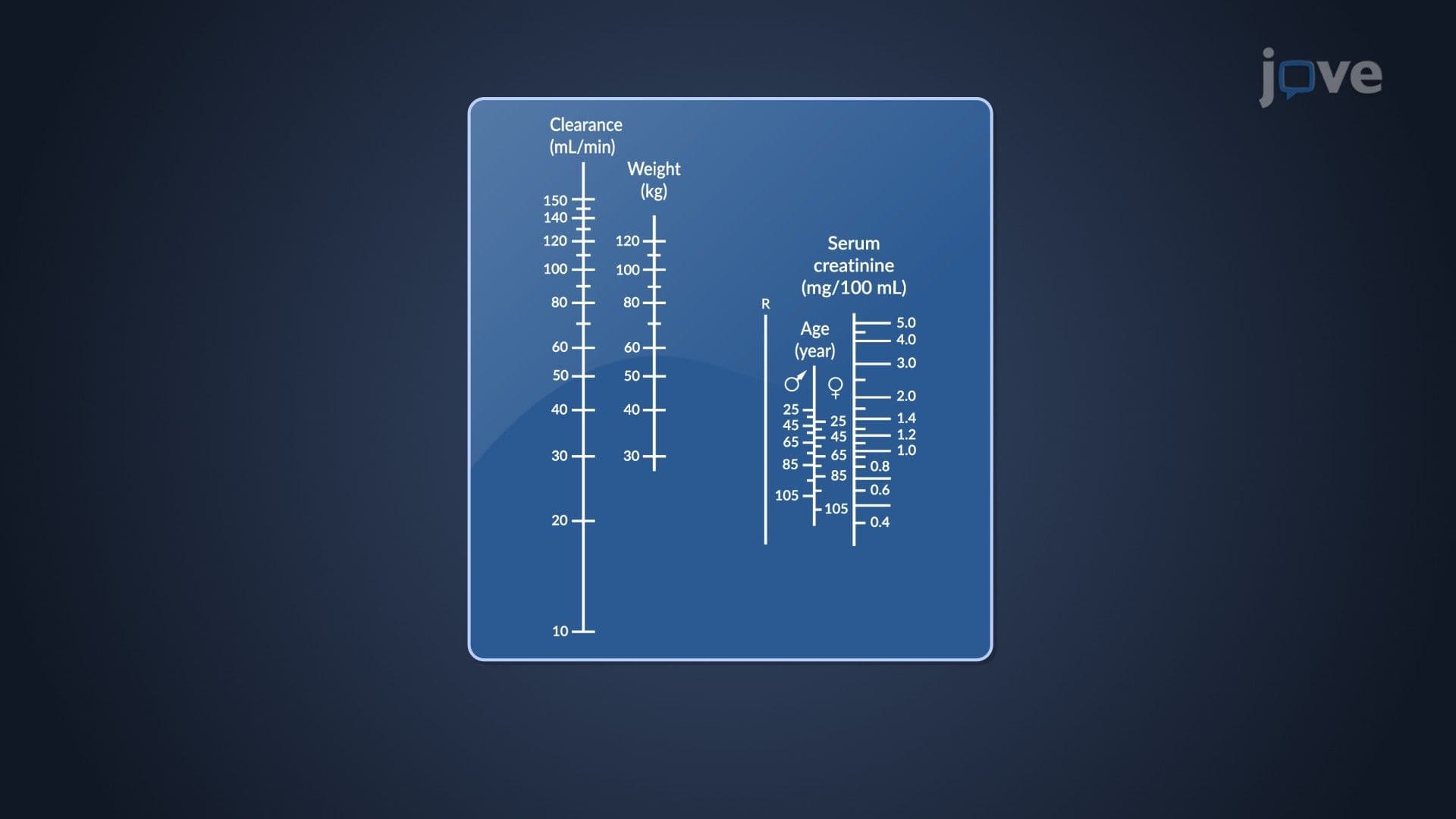

Video Summary: Dosage Regimen Designs Nomograms and Tabulations Explained
Did you know that a single calculation error in drug dosing can mean the difference between life and death in ICU patients? Dosage regimen designs nomograms are visual tools that help healthcare professionals quickly determine safe, effective medication doses based on patient-specific factors like kidney function and body weight. For example, when prescribing tobramycin at Johns Hopkins Hospital, clinicians use nomograms to adjust antibiotic doses for patients with varying creatinine clearance levels. These systematic approaches to Dosage Regimen Designs Nomograms And Tabulations Explained form the foundation of precision medicine in modern healthcare. Watch the full video on JoVE Coach to master this concept with expert-led visuals and step-by-step explanations.
Dosage regimen design represents one of the most critical applications of clinical pharmacokinetics in modern healthcare. At its core, this field combines mathematical modeling with patient-specific physiological data to optimize therapeutic outcomes while minimizing adverse effects. The integration of nomograms and tabulations transforms complex pharmacokinetic equations into practical, user-friendly tools that busy clinicians can implement at the bedside.
The development of effective dosage nomograms begins with extensive population pharmacokinetic studies conducted across diverse patient populations. Researchers at institutions like the University of California San Francisco and Mayo Clinic collect plasma concentration-time data from hundreds or thousands of patients receiving specific medications. These datasets undergo rigorous analysis using compartmental models-mathematical representations that describe how drugs move through different body compartments (plasma, tissue, organs).
For students preparing for the MCAT or advanced pharmacology courses, understanding that these models generate equations like Cp(t) = (Dose/Vd) × e^(-kt) is crucial. However, nomograms eliminate the need for clinicians to perform these calculations manually by pre-computing results across clinically relevant parameter ranges.
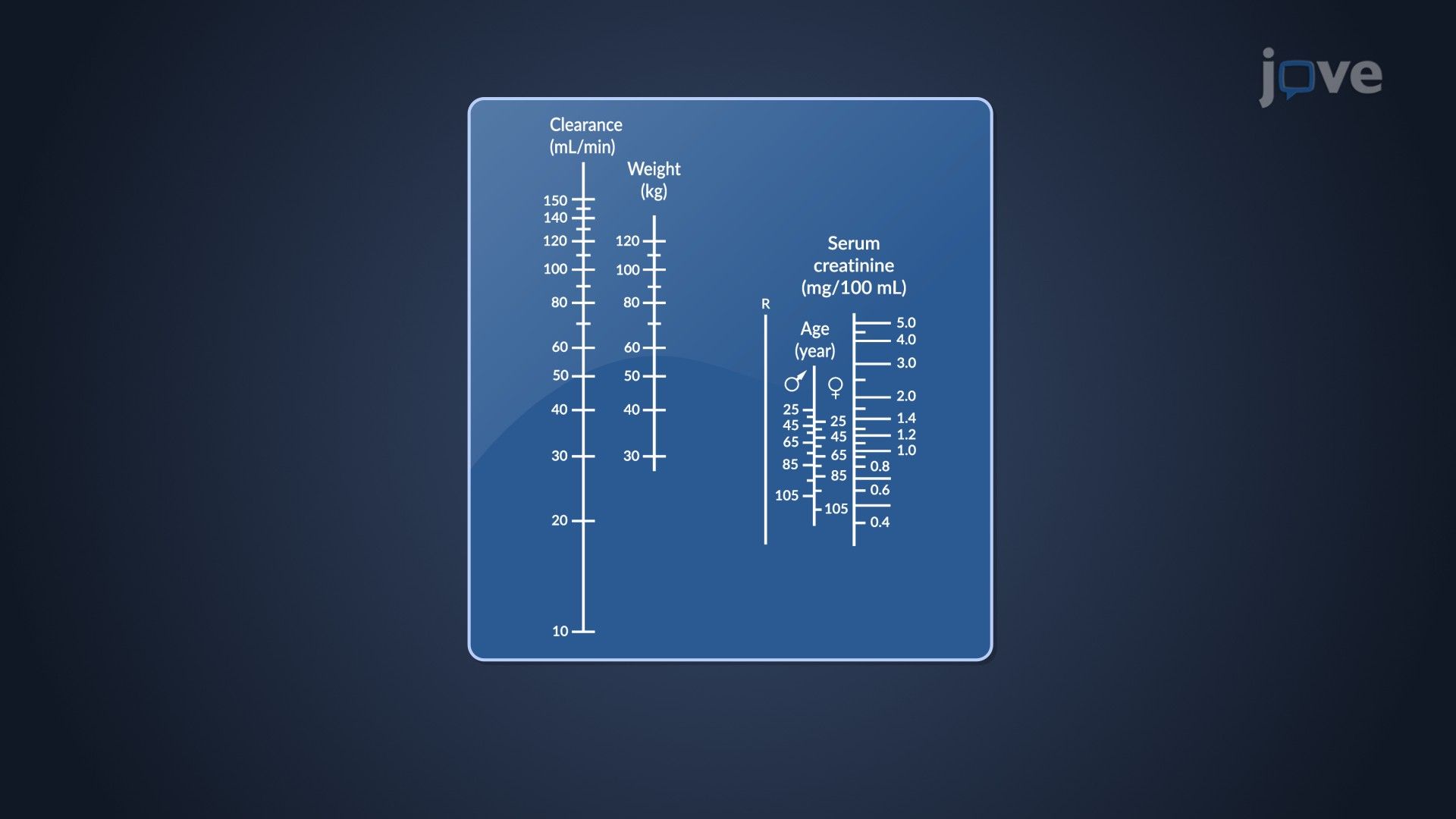
Modern dosage nomograms frequently incorporate serum creatinine levels as a primary adjustment factor, particularly for medications eliminated through renal clearance. The Cockcroft-Gault equation, widely used in US hospitals, estimates creatinine clearance: CrCl = [(140-age) × weight] / (72 × serum creatinine). This calculation, multiplied by 0.85 for females, provides the foundation for dose adjustments in medications like aminoglycosides, vancomycin, and digoxin.
Consider tobramycin dosing at Massachusetts General Hospital: standard nomograms recommend initial doses of 5-7 mg/kg/day for patients with normal renal function. However, when creatinine clearance drops to 50 mL/min, the nomogram automatically adjusts both dose and interval, perhaps recommending 3.5 mg/kg every 12 hours instead of the standard 8-hour interval.
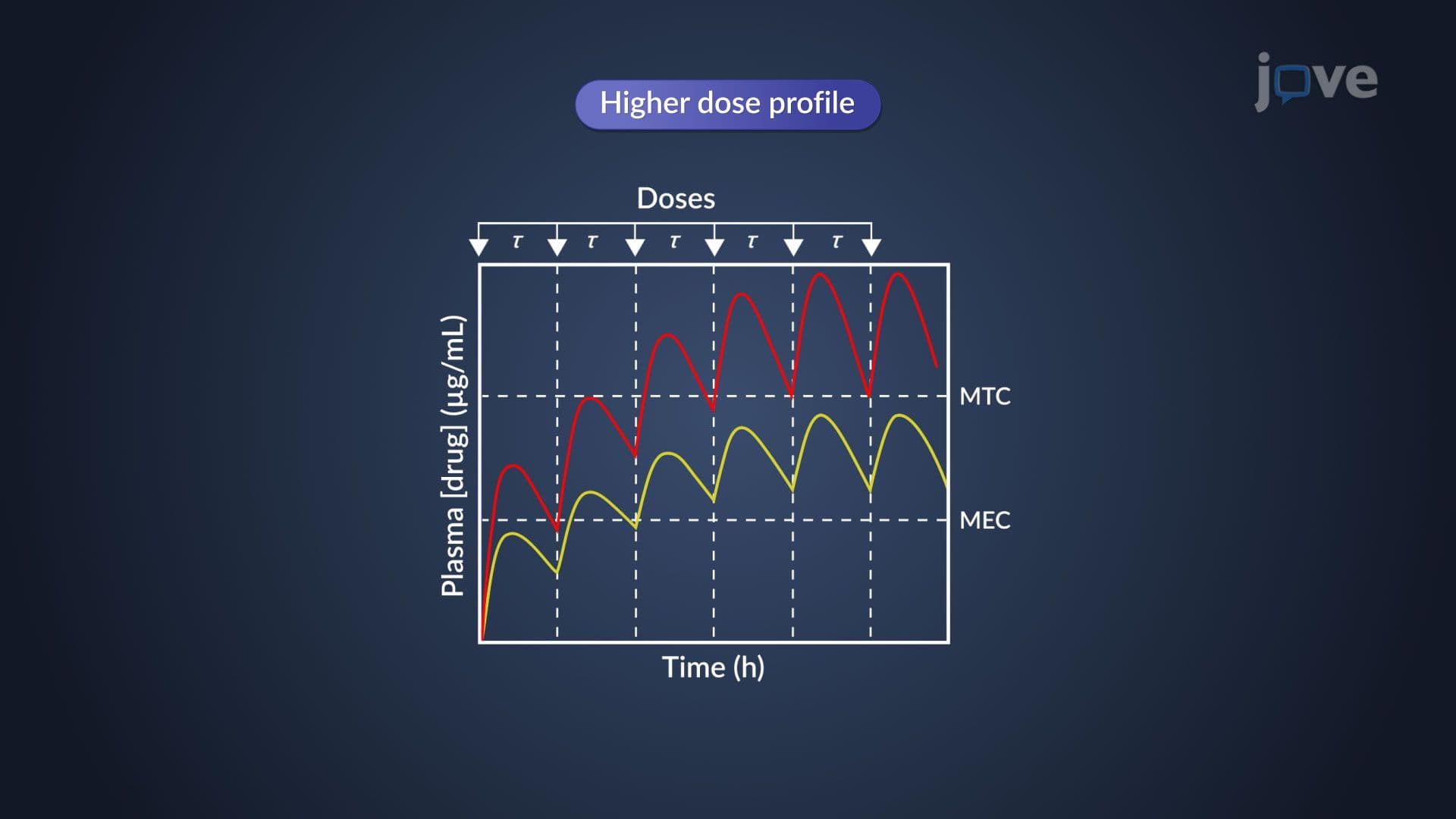
Certain medications require particularly careful nomographic design due to their narrow therapeutic windows-the small difference between effective and toxic concentrations. The FDA maintains specific guidelines for drugs like warfarin, lithium, and aminoglycosides, mandating therapeutic drug monitoring protocols that work in conjunction with dosing nomograms.
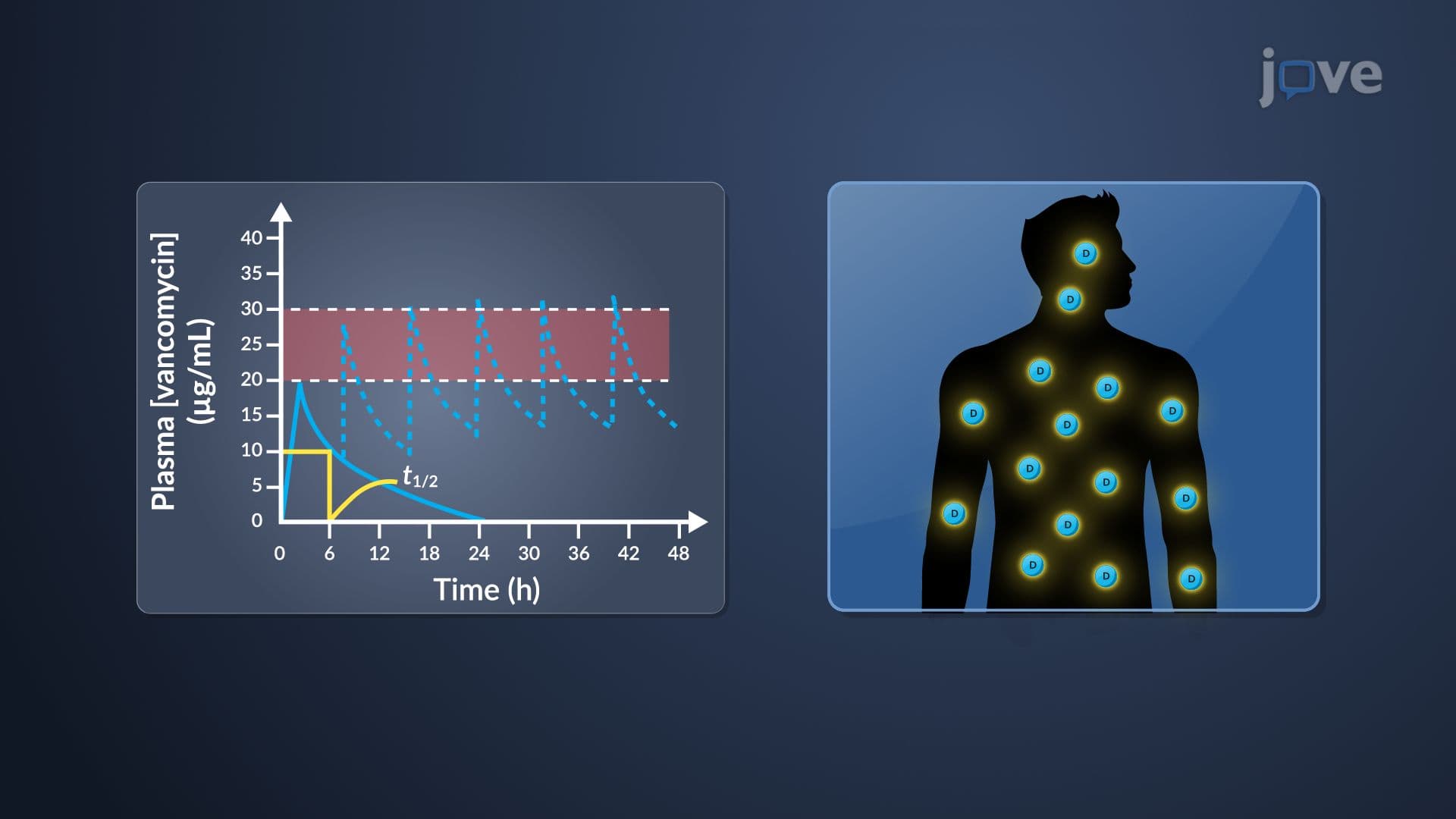
For college students studying for the NCLEX or pharmacy school entrance exams, recognizing that peak and trough level monitoring serves as a feedback mechanism for nomogram validation is essential. These measured concentrations allow clinicians to verify that nomogram-predicted doses achieve target therapeutic ranges in individual patients.
Related Micro-courses