12 Concepts
10 Concepts
29 Concepts
14 Concepts
15 Concepts
25 Concepts
30 Concepts
12 Concepts
17 Concepts
9 Concepts
7 Concepts
18 Concepts
26 Concepts
9 Concepts
16 Concepts
17 Concepts
17 Concepts
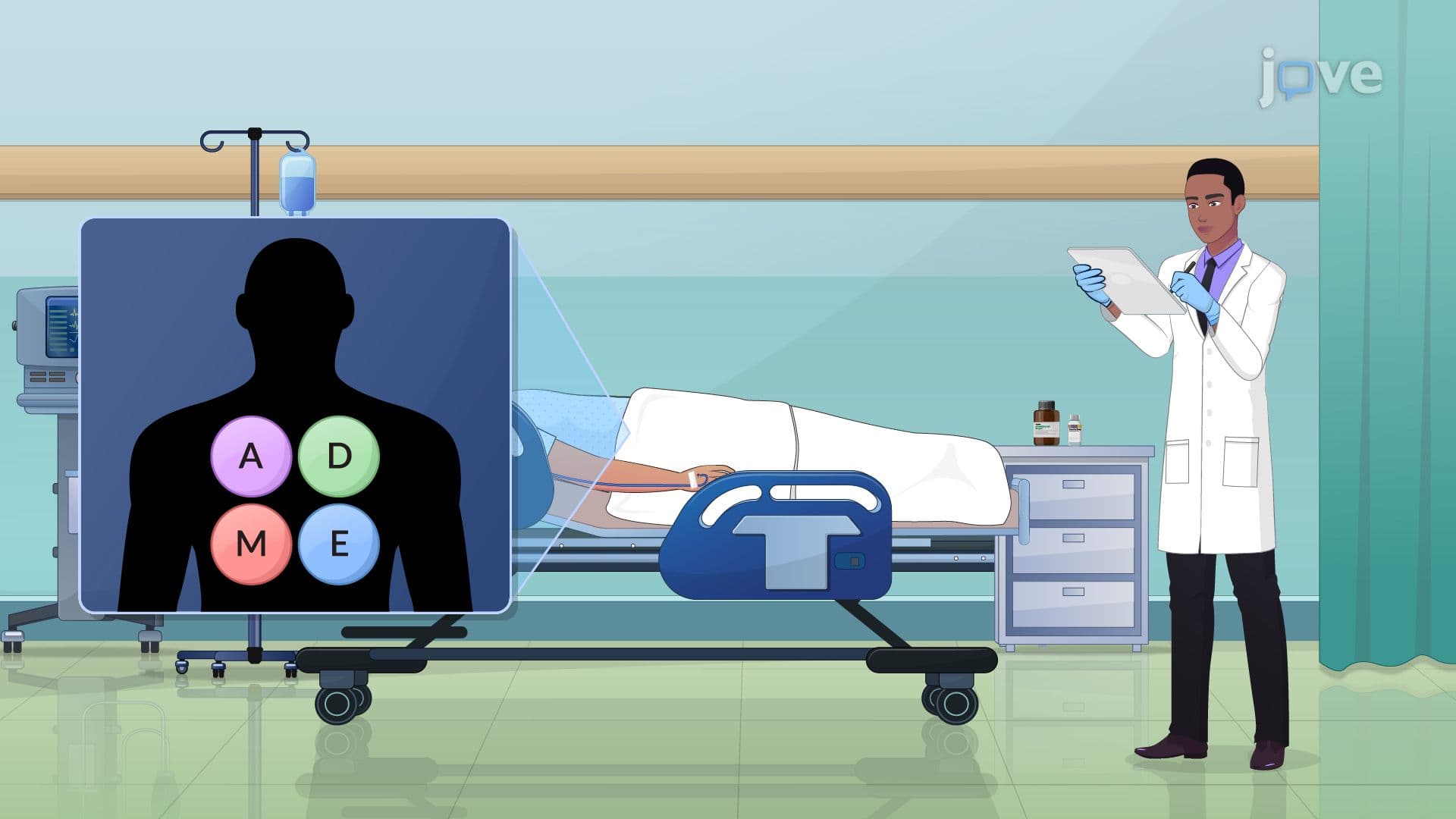
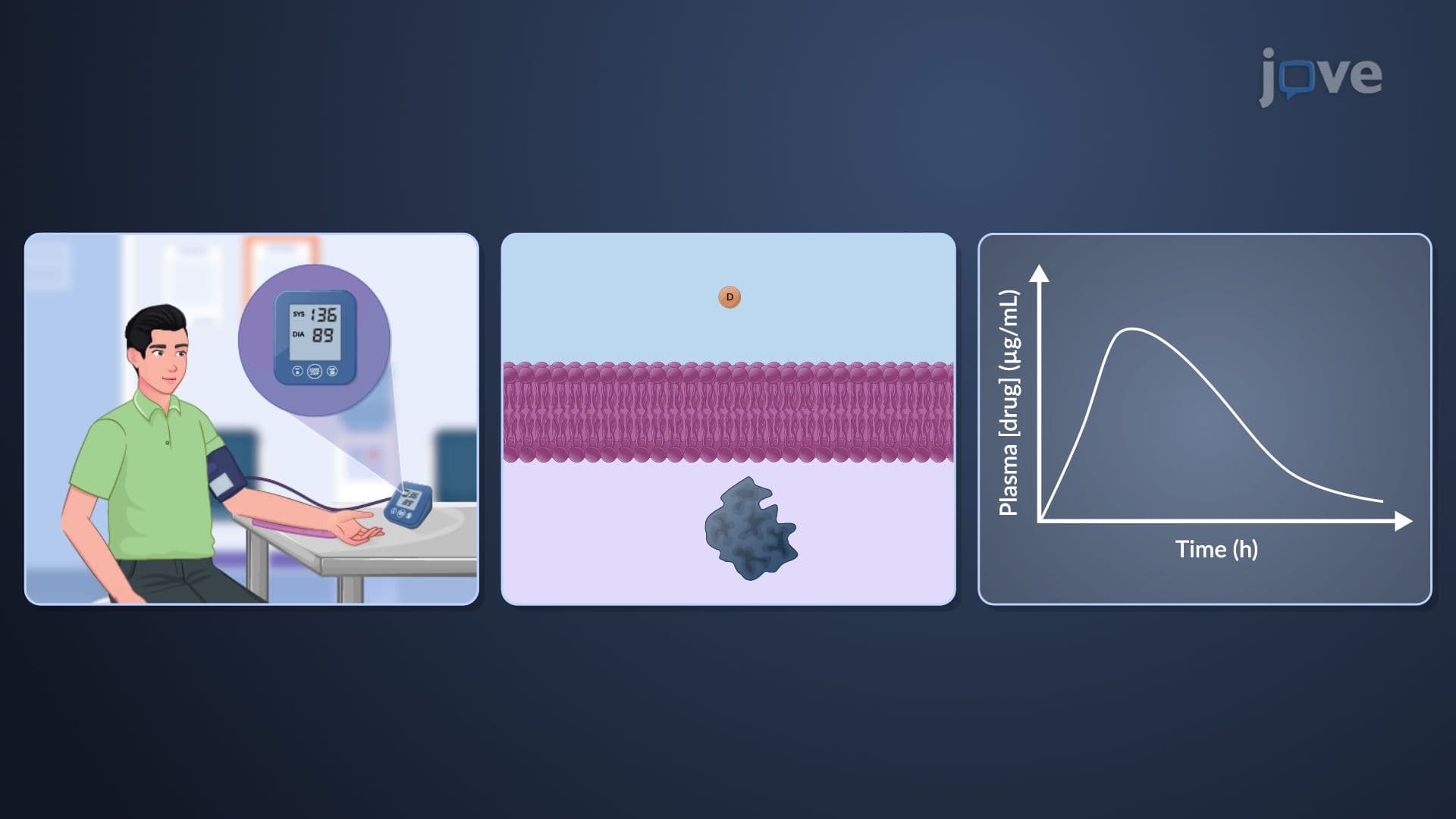
Clinical pharmacokinetics I forms the foundation of therapeutic drug optimization, focusing on dosage regimen design, multiple dosing principles, and therapeutic drug monitoring. This comprehensive course explores how medications behave in the human body through absorption, distribution, metabolism, and elimination processes. Students examine individualized dosing strategies, drug accumulation patterns, and critical drug interactions that affect treatment outcomes in US healthcare settings. JoVE Coach provides essential knowledge for understanding how clinicians optimize medication therapy for maximum efficacy and minimal toxicity.
1. Dosage Regimen Design Principles: Understanding empirical, individualized, and population-averaged approaches to medication dosing. Students explore how clinicians select appropriate dosing strategies based on drug safety profiles, therapeutic indices, and patient populations. Real-world applications include designing antibiotic regimens for hospital patients and adjusting cardiovascular medications like digoxin for elderly patients. The course covers FDA-approved dosing guidelines and how pharmaceutical companies develop standardized dosing recommendations for US markets.
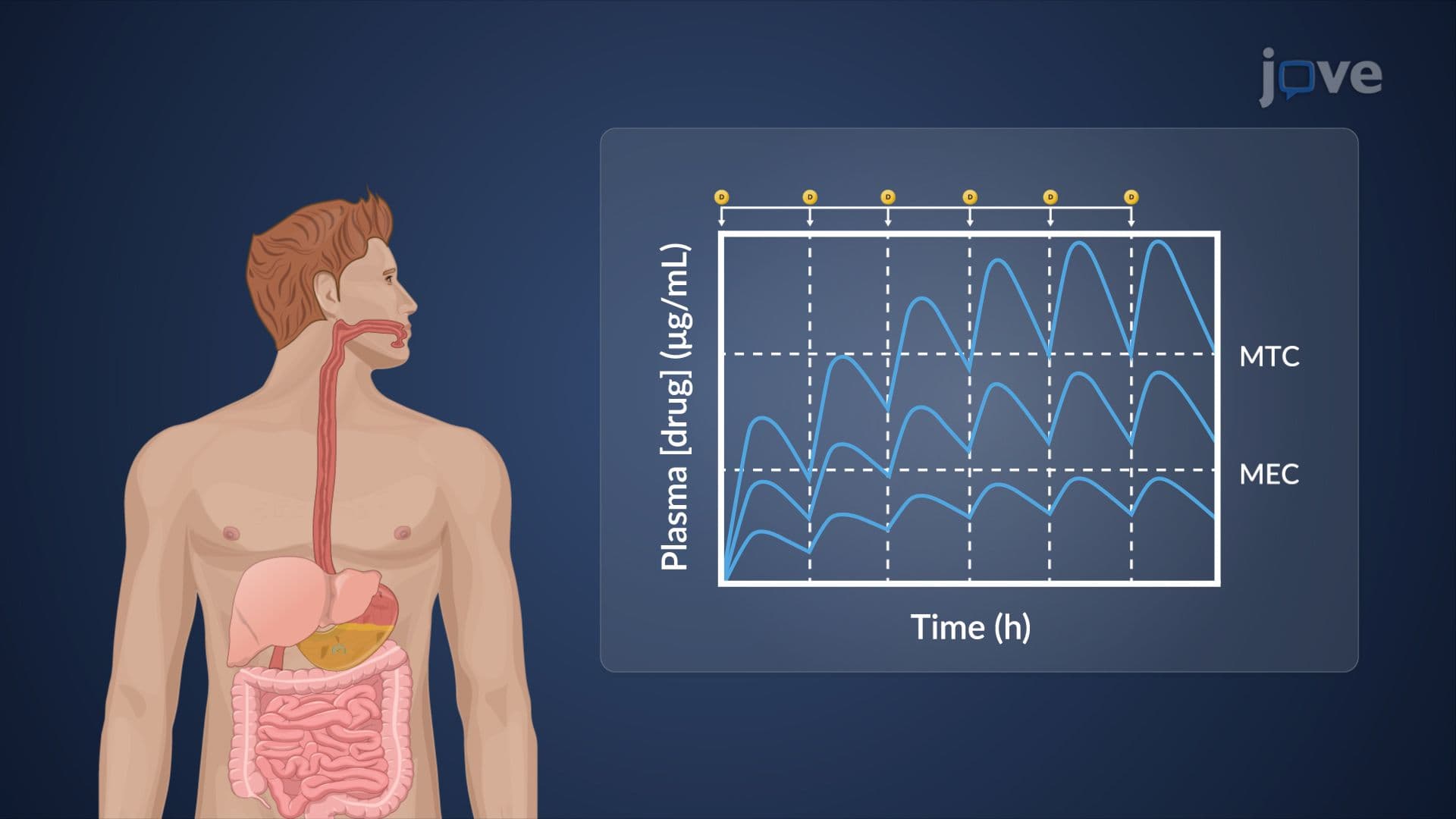
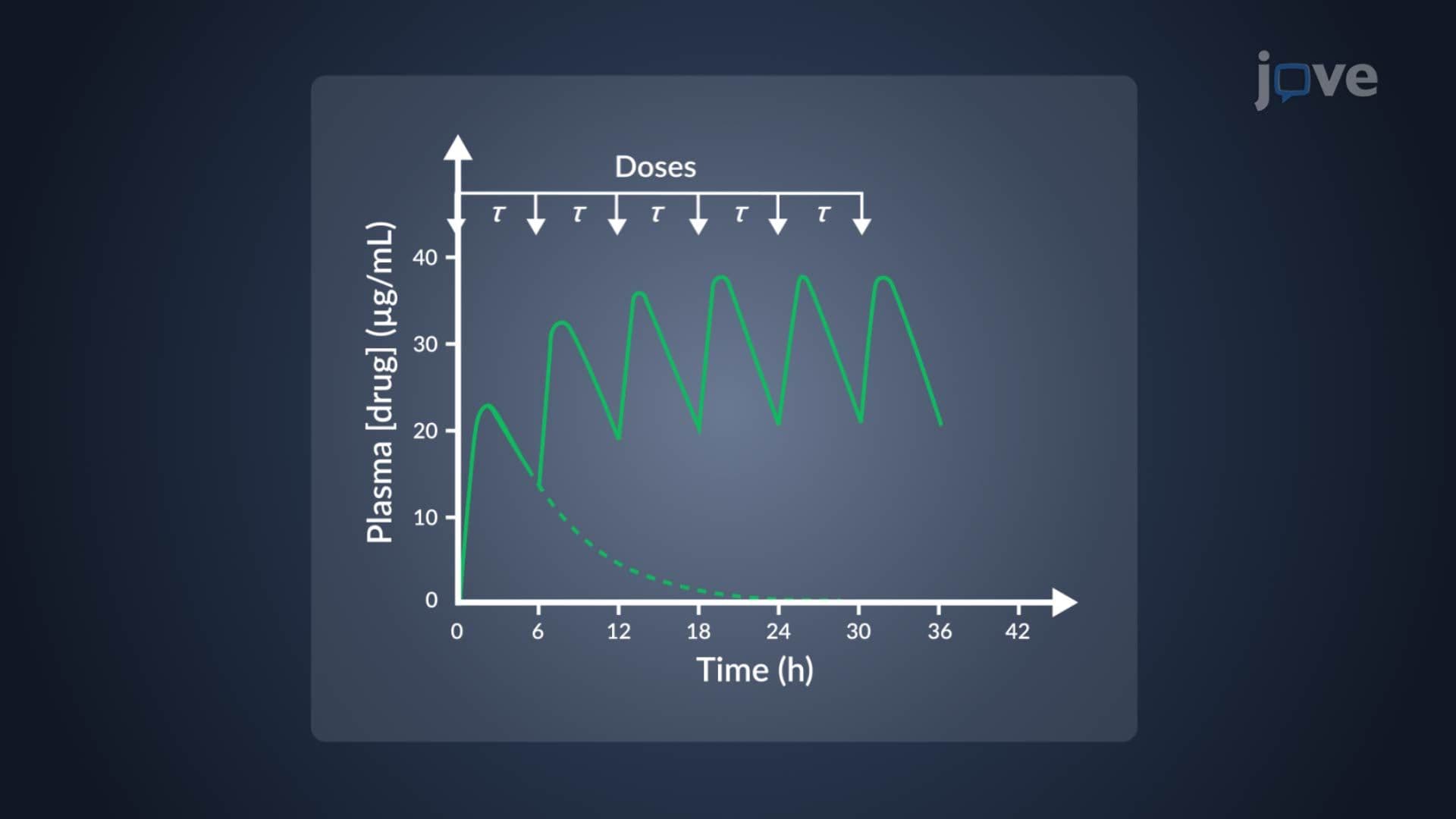
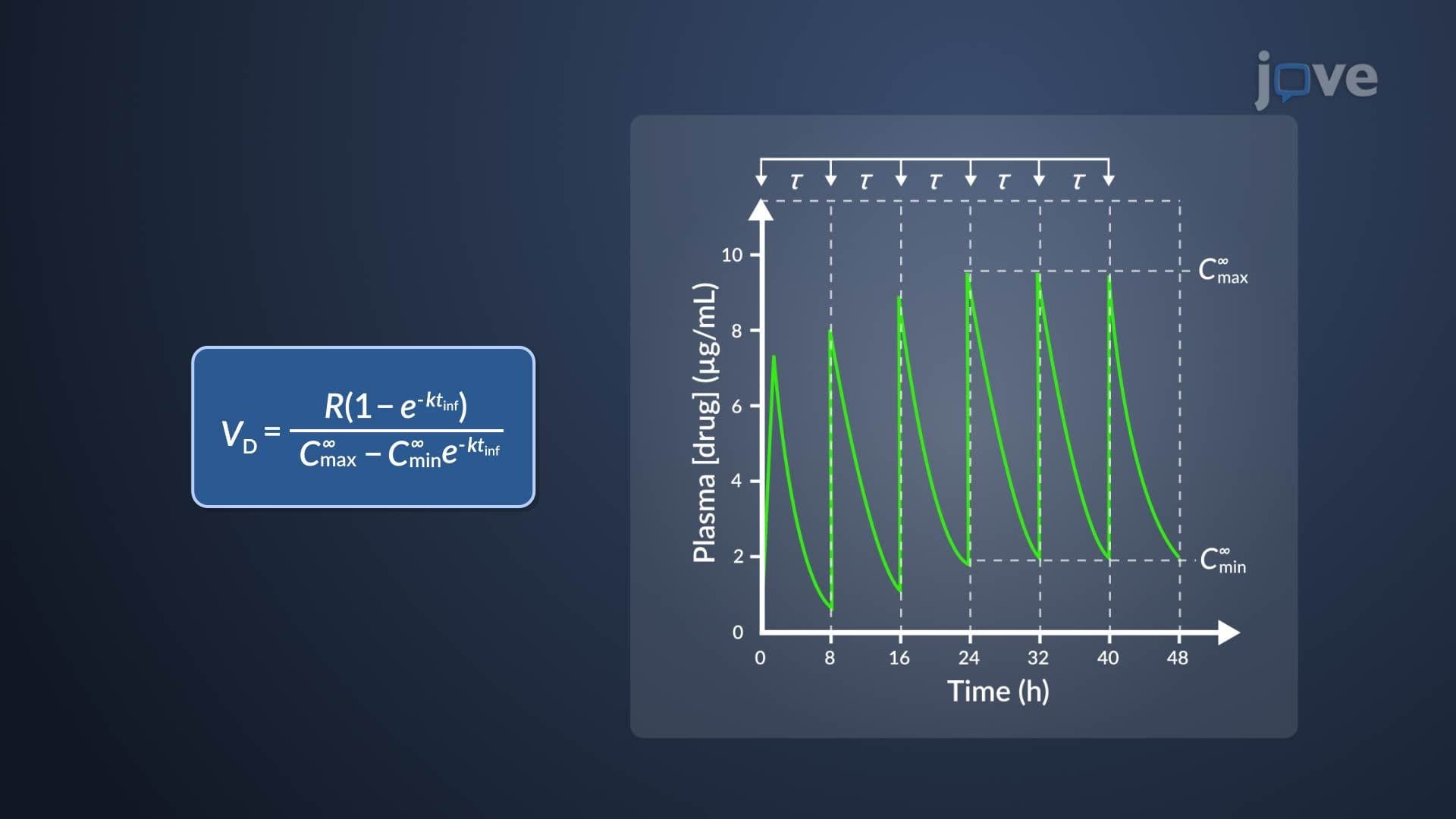
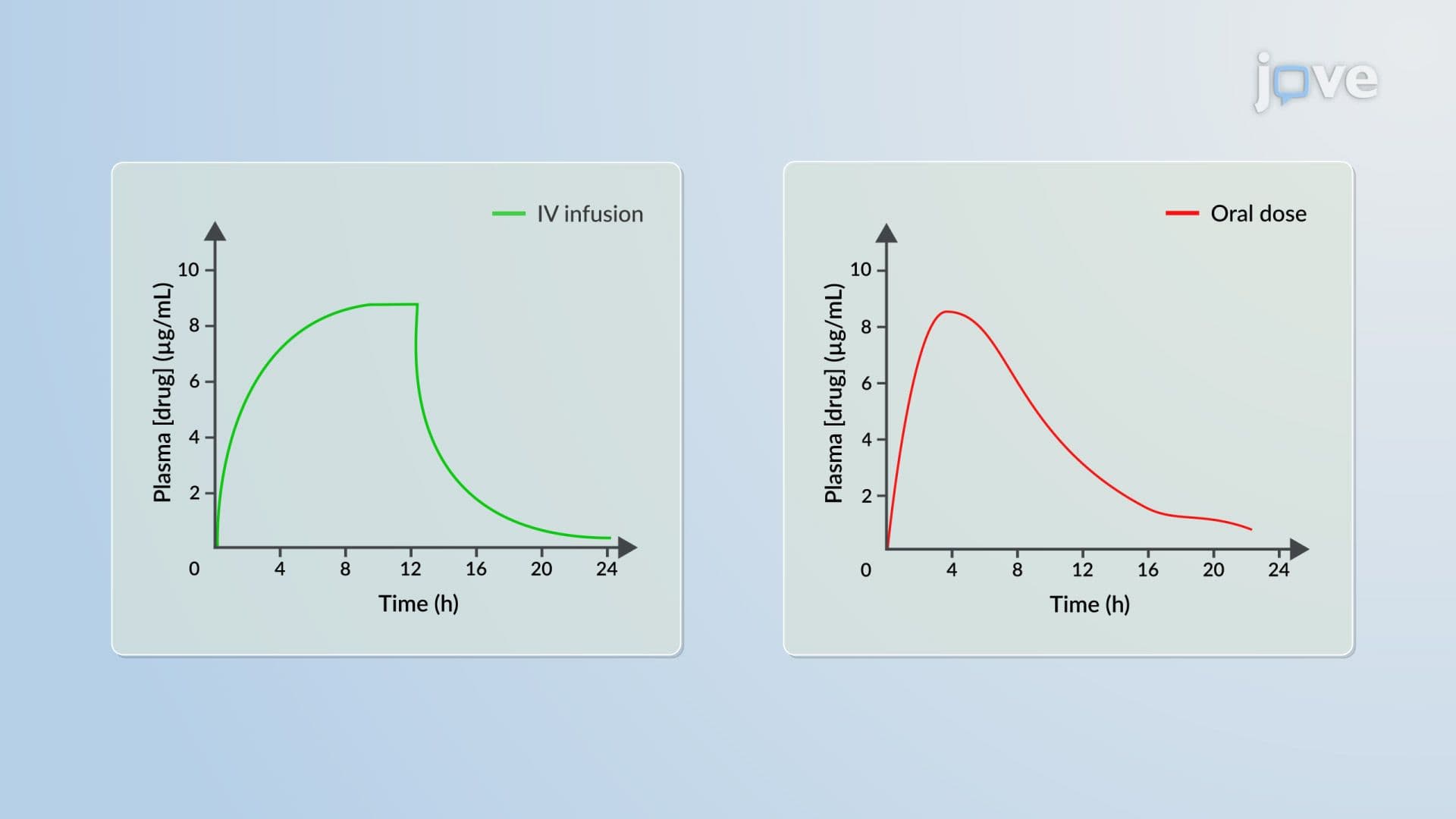
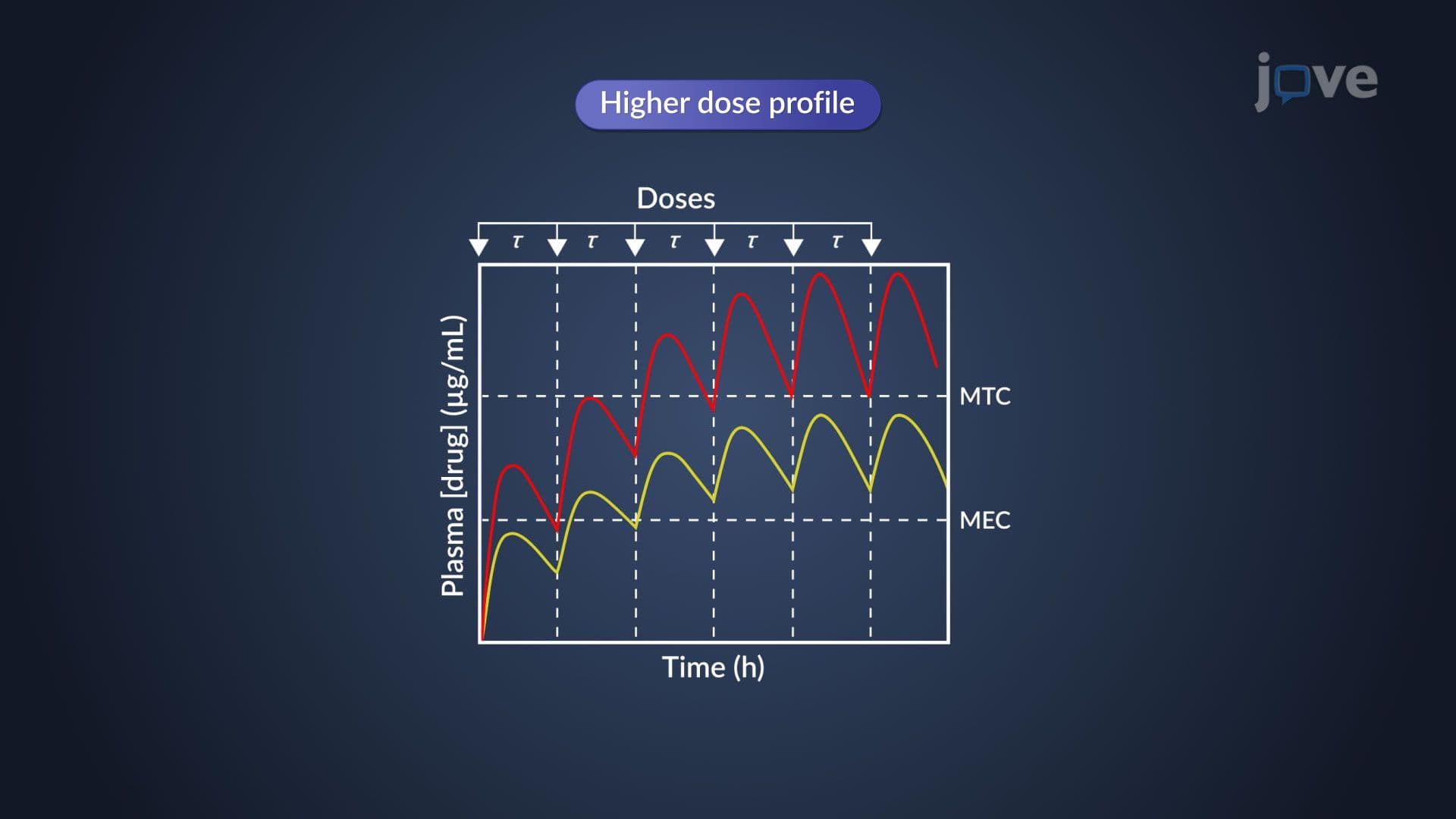
2. Multiple Dosing Pharmacokinetics: Comprehensive analysis of drug accumulation patterns during repeated administration, including peak and trough concentration calculations. Students learn to predict steady-state concentrations and understand how clearance affects average drug levels. Clinical examples include monitoring theophylline levels in asthma patients and adjusting insulin dosing schedules for diabetic patients. The material covers both oral and intravenous administration routes commonly used in US hospitals and outpatient settings.
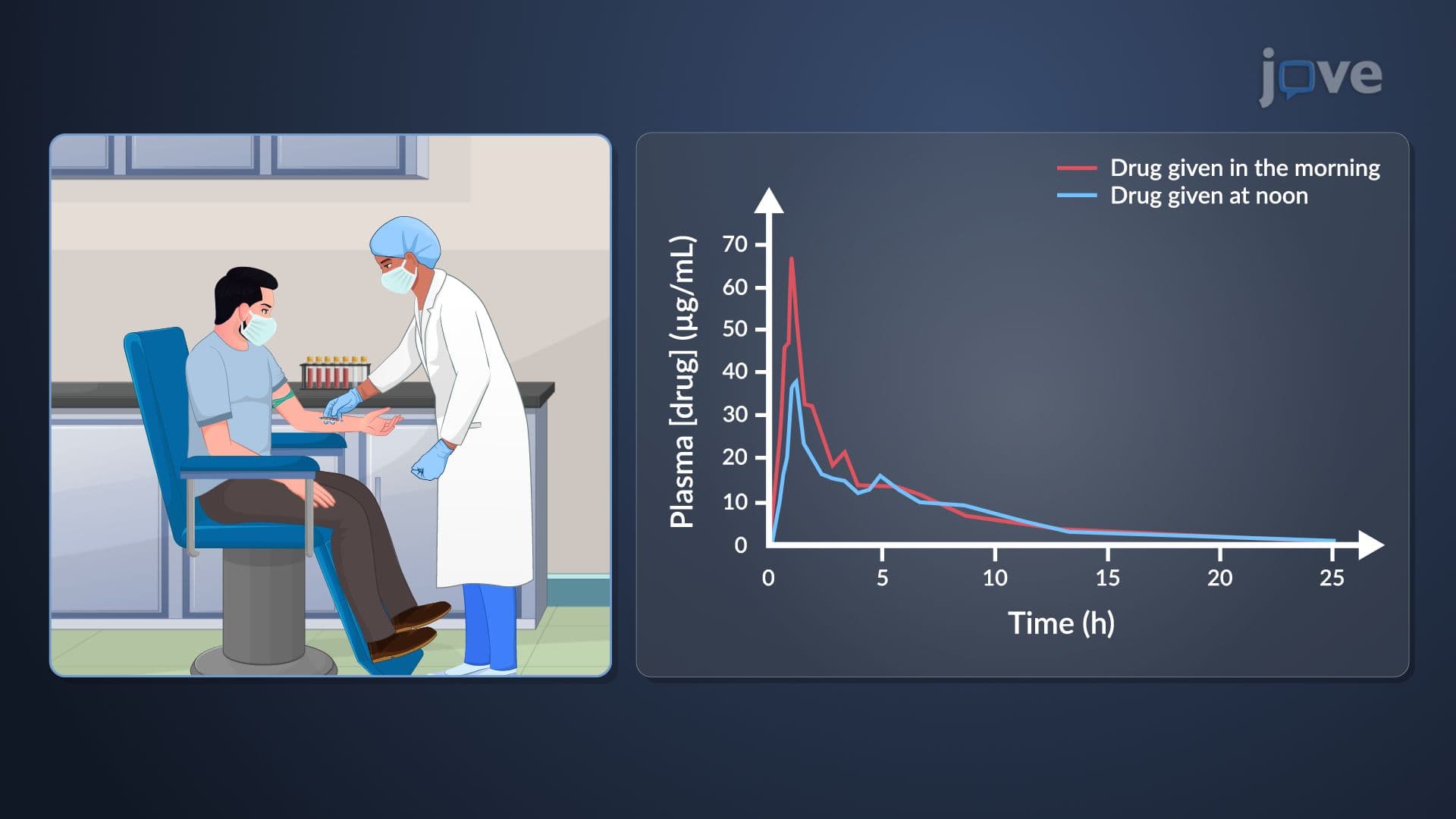
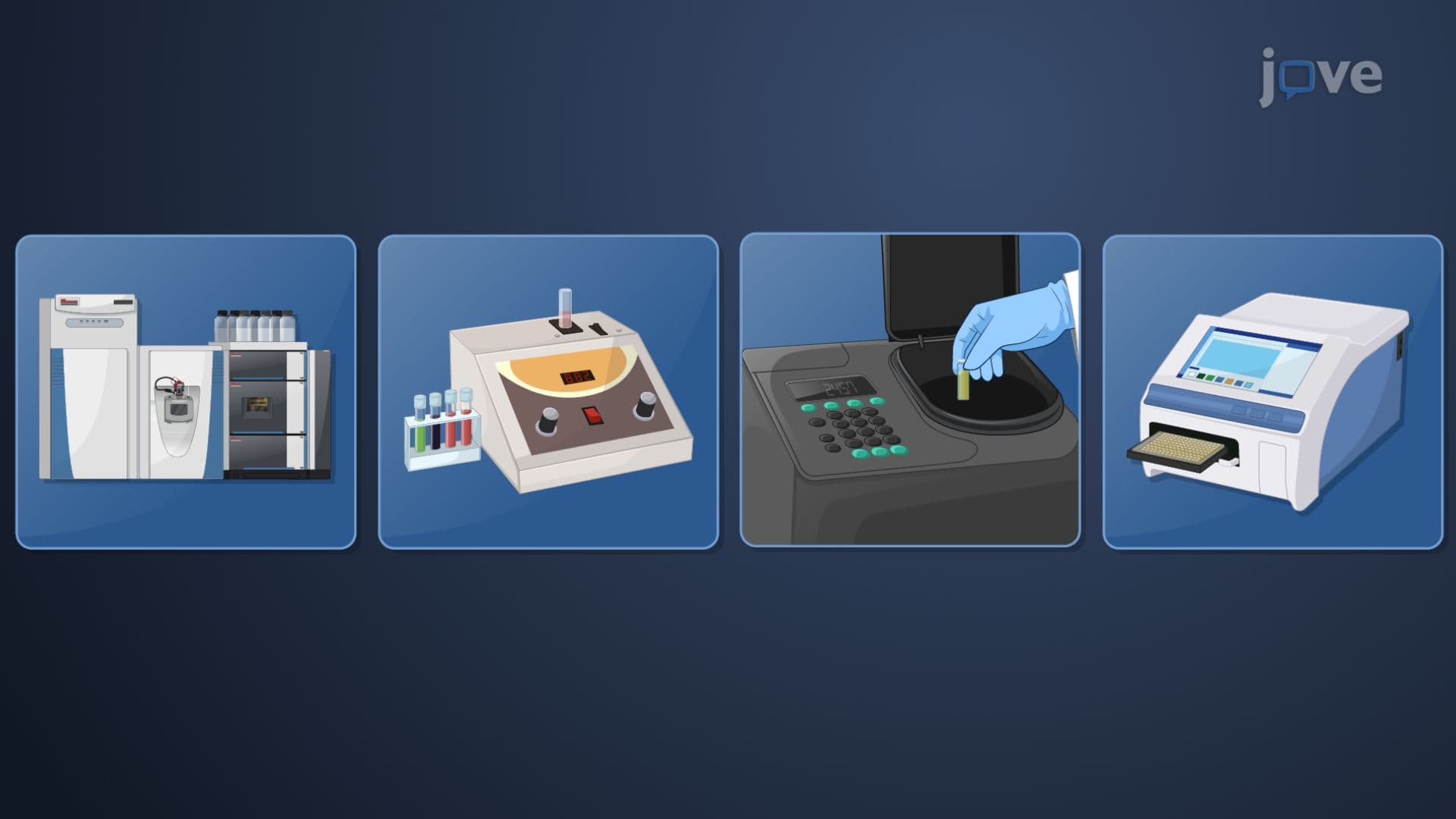
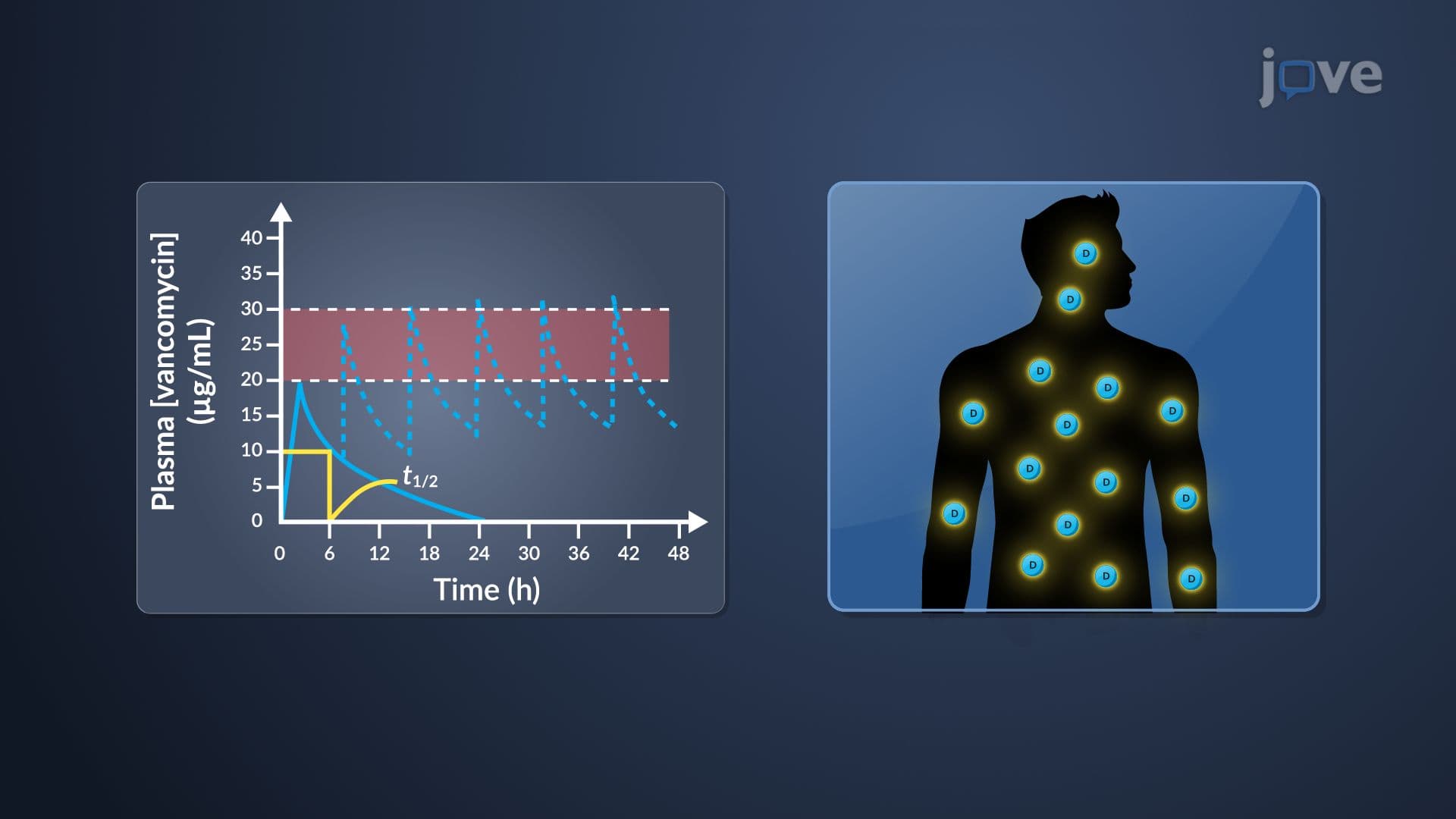
3. Therapeutic Drug Monitoring (TDM): Essential techniques for measuring and interpreting drug concentrations to optimize patient therapy. Students explore analytical methods including LC-MS and immunoassays used in US clinical laboratories. Practical applications include monitoring warfarin therapy to prevent bleeding complications, adjusting phenytoin doses in epileptic patients, and managing gentamicin levels to prevent kidney damage. The course emphasizes patient safety protocols and quality control measures required by US regulatory agencies.
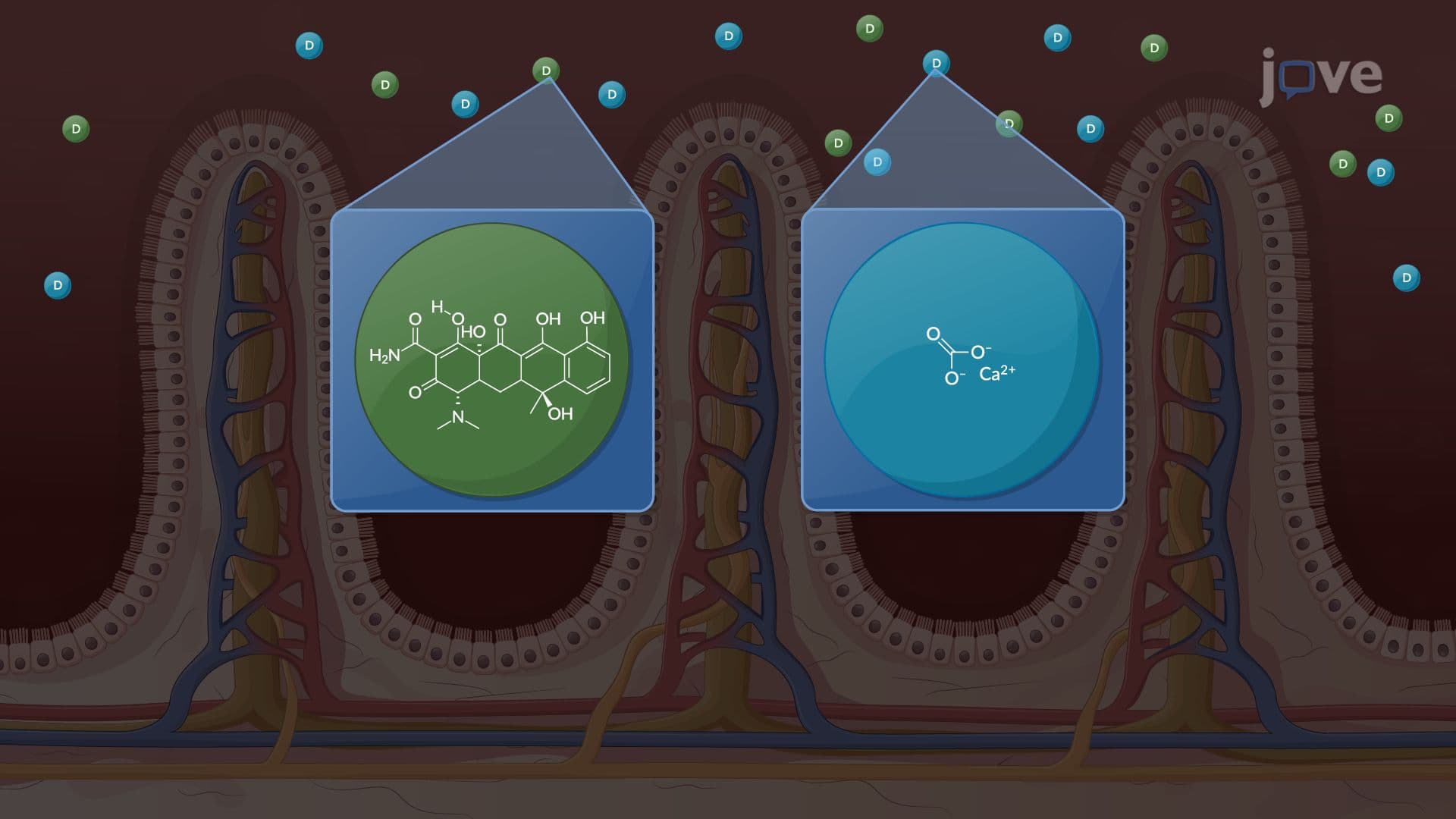
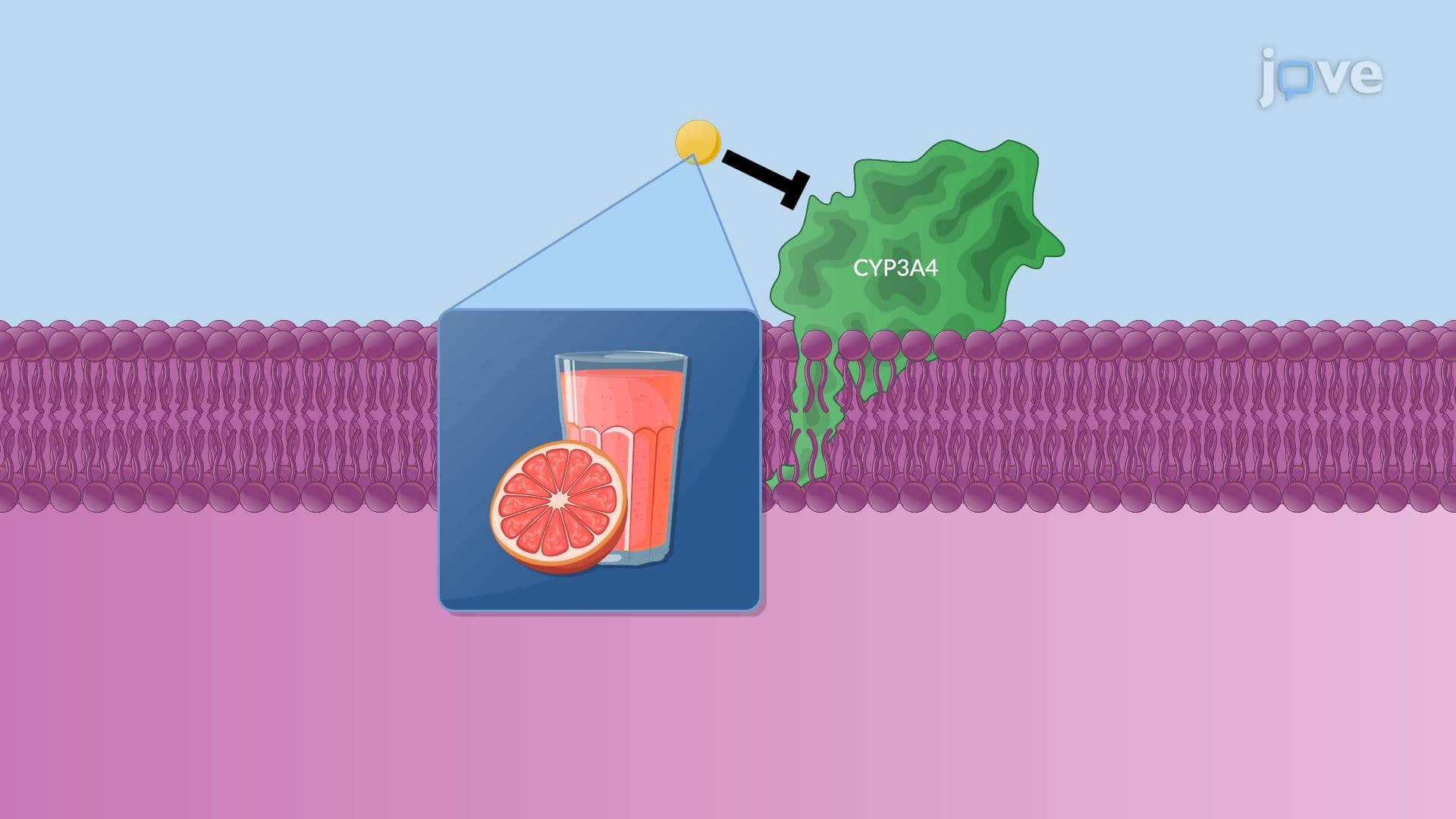
4. Drug Interaction Mechanisms: Detailed examination of pharmacokinetic interactions affecting drug absorption, metabolism, and elimination. Students analyze cytochrome P450 enzyme systems and their role in drug-drug interactions commonly encountered in US clinical practice. Real-world scenarios include managing interactions between warfarin and antibiotics, understanding how grapefruit juice affects statin medications, and adjusting medication regimens in HIV patients receiving complex antiretroviral therapy combinations.
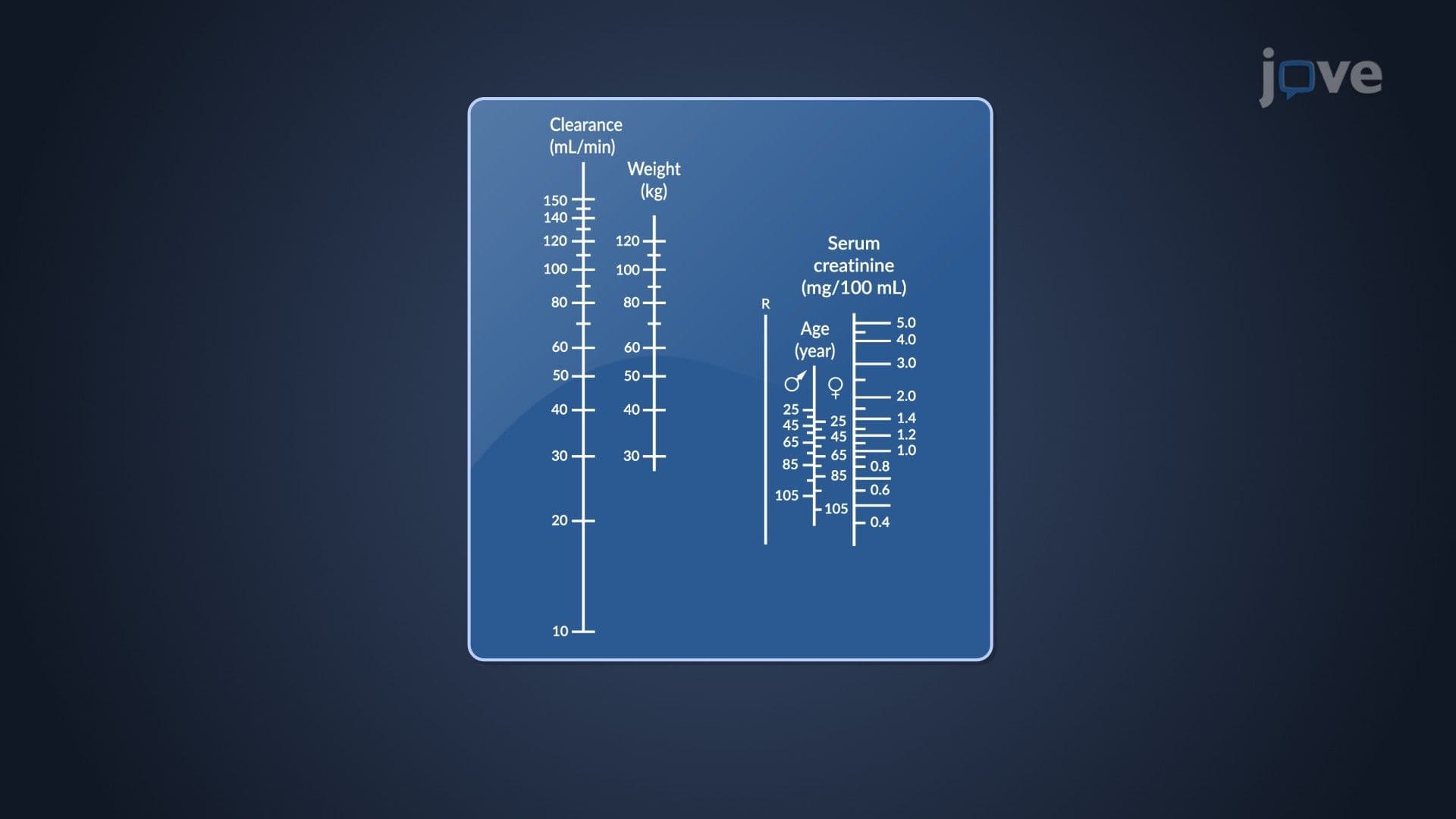
5. Individualized Dosing Strategies: Advanced approaches to personalizing medication therapy based on patient genetics, age, weight, and disease states. Students learn to calculate dose adjustments for patients with kidney or liver disease and understand how genetic variations affect drug metabolism. Clinical applications include dosing considerations for pediatric and geriatric populations in US healthcare systems, adjusting medications for patients with chronic kidney disease, and implementing precision medicine approaches in oncology treatment protocols.