Pharmacokinetics: drug biotransformation is the critical process by which the body converts lipophilic drugs into hydrophilic metabolites for elimination. This comprehensive JoVE Coach course covers Phase I functionalization and Phase II conjugation reactions, examining how enzymes transform medications like aspirin, codeine, and acetaminophen in liver cells to prevent toxic accumulation while maintaining therapeutic effects.
Understand the fundamental principles of drug biotransformation and its role in pharmacokinetics
Learn the mechanisms of Phase I oxidative, reductive, and hydrolytic reactions
Identify specific enzyme systems that metabolize common medications like phenytoin and diazepam
Explore Phase II conjugation pathways including glucuronidation and sulfation
Analyze how drug structure influences metabolic pathways and enzyme interactions
Apply knowledge of biotransformation factors to predict drug behavior in patients
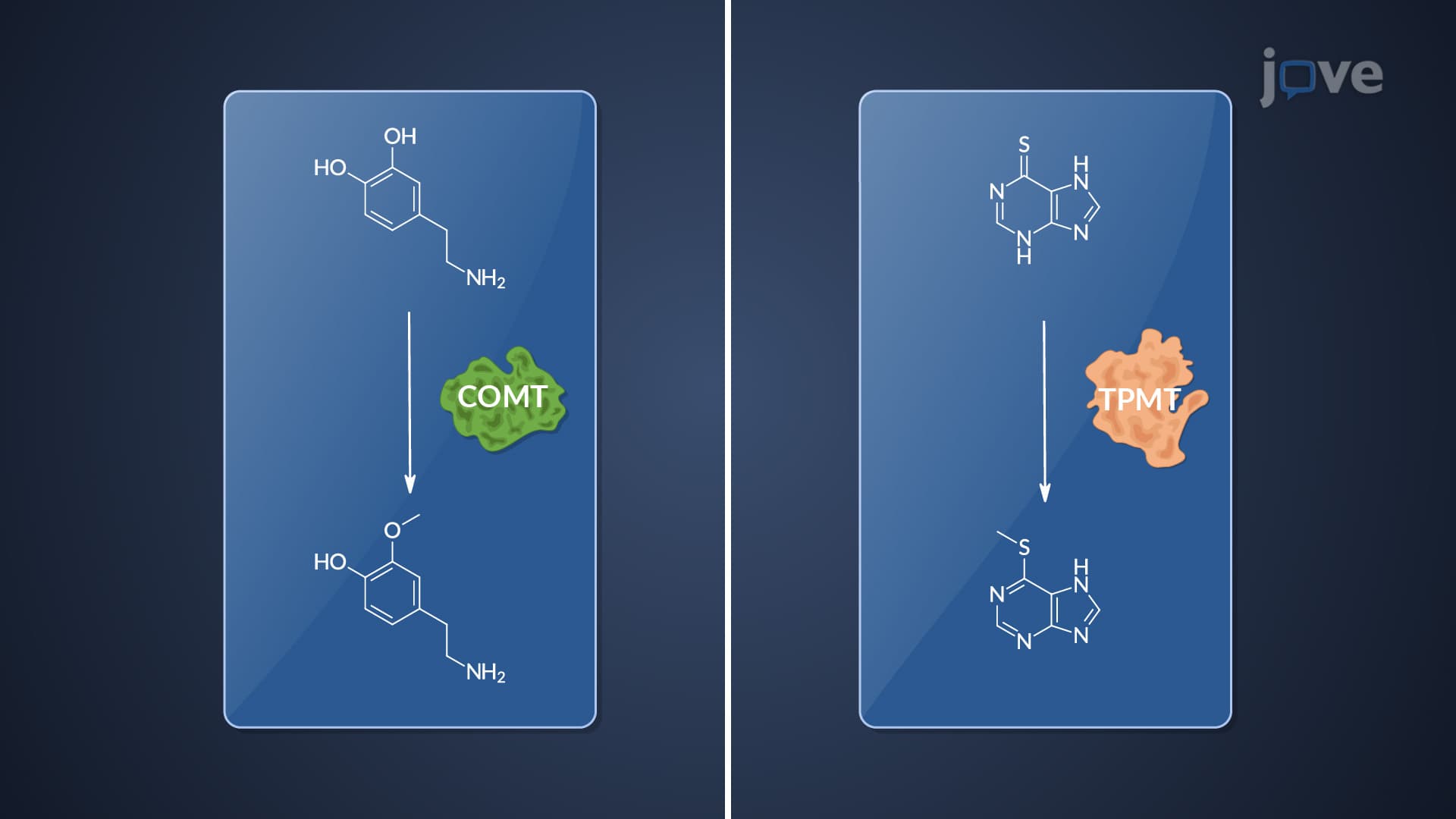
Understand genetic polymorphisms affecting drug metabolism like acetylation variations
Examine how disease states and environmental factors alter drug biotransformation rates
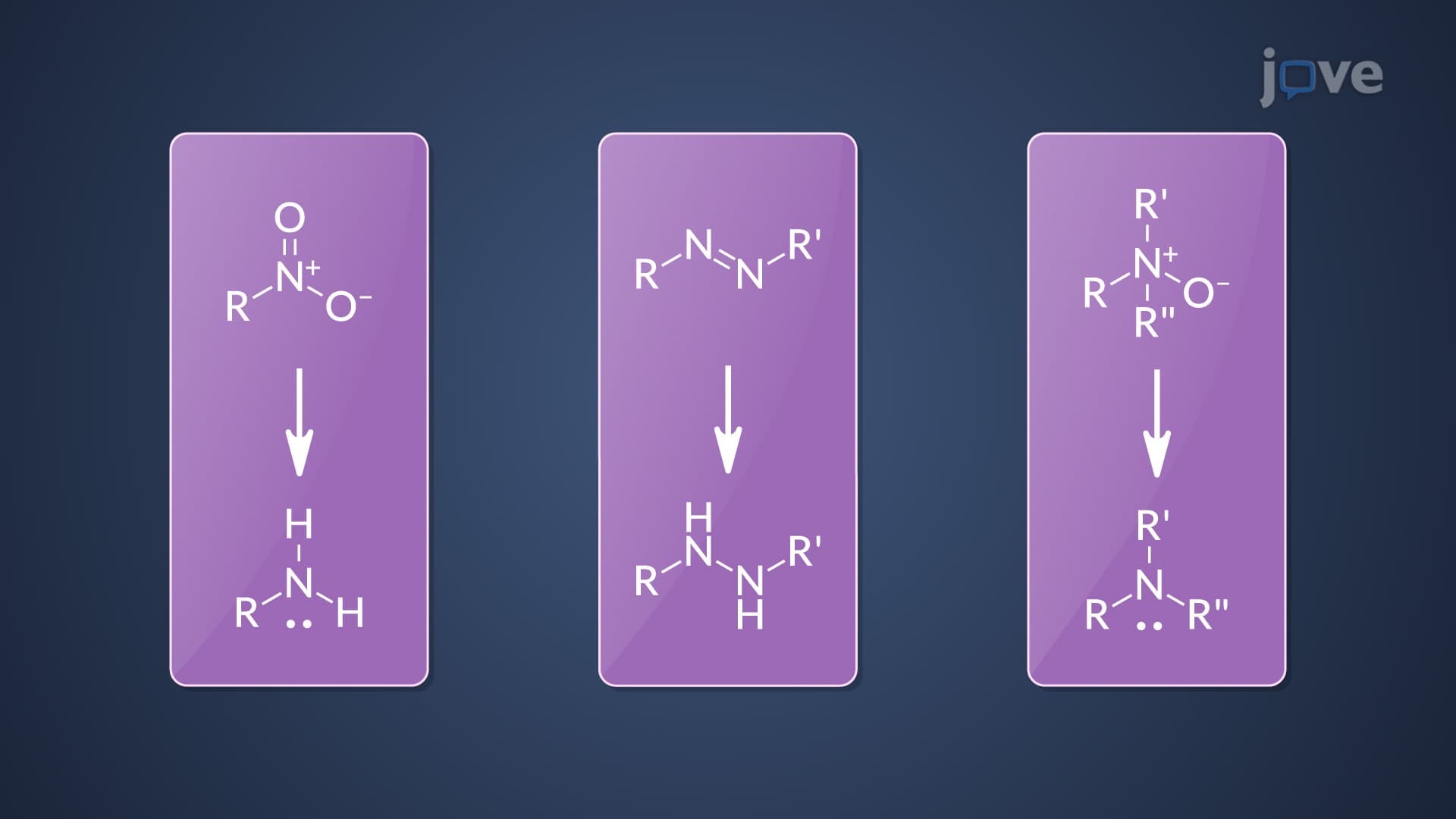
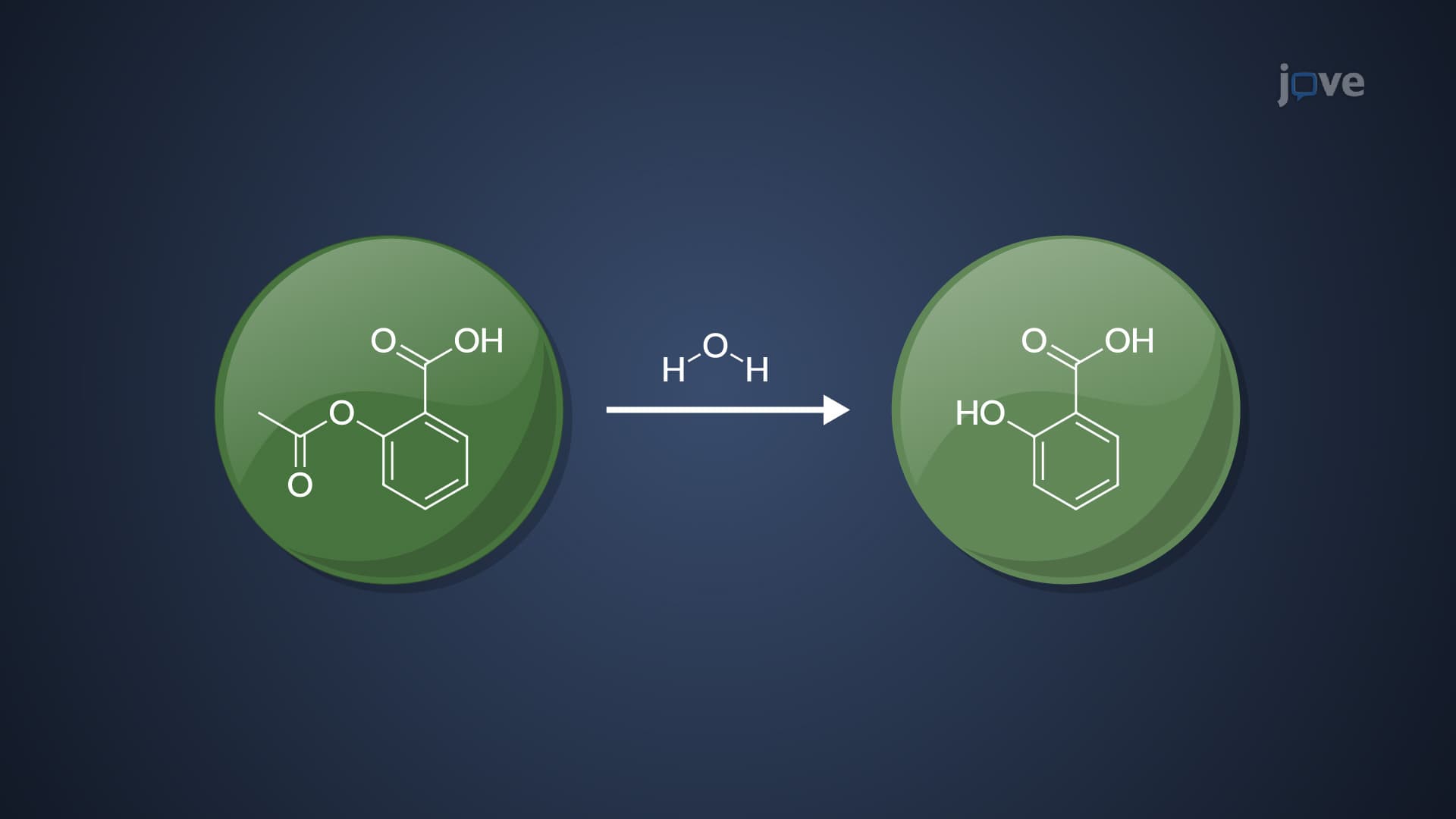
1. Phase I Biotransformation Mechanisms: Phase I reactions represent catabolic processes that introduce or expose polar functional groups in drug molecules. These functionalization reactions include oxidative processes catalyzed by cytochrome P450 enzymes, reductive reactions that add electrons to carbonyl groups, and hydrolytic reactions that cleave ester and amide bonds. For example, aspirin undergoes hydrolysis to form salicylic acid, while codeine experiences O-dealkylation to produce morphine. These reactions typically occur in liver microsomes and serve as the first step in preparing lipophilic drugs for elimination or further conjugation.
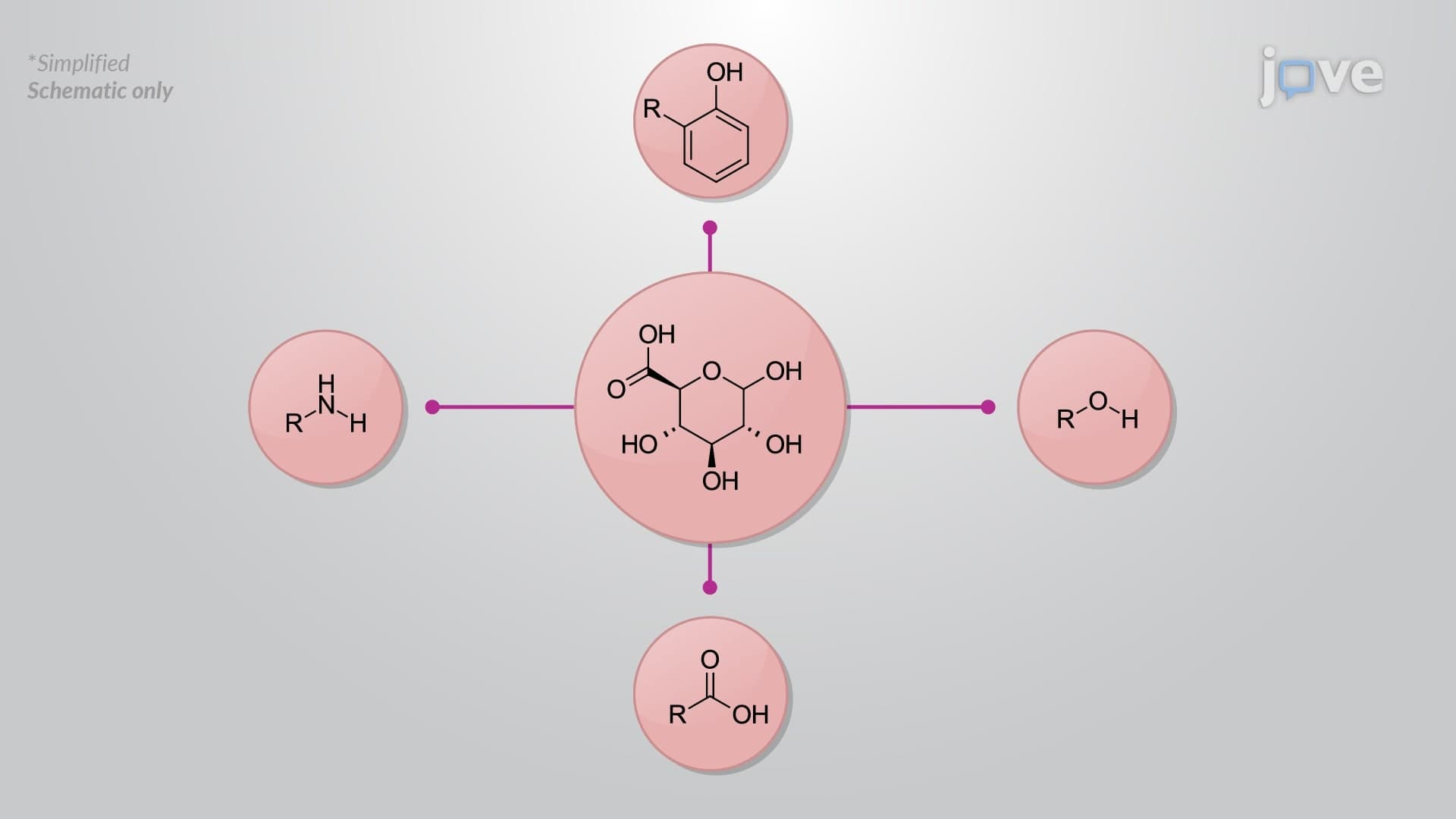
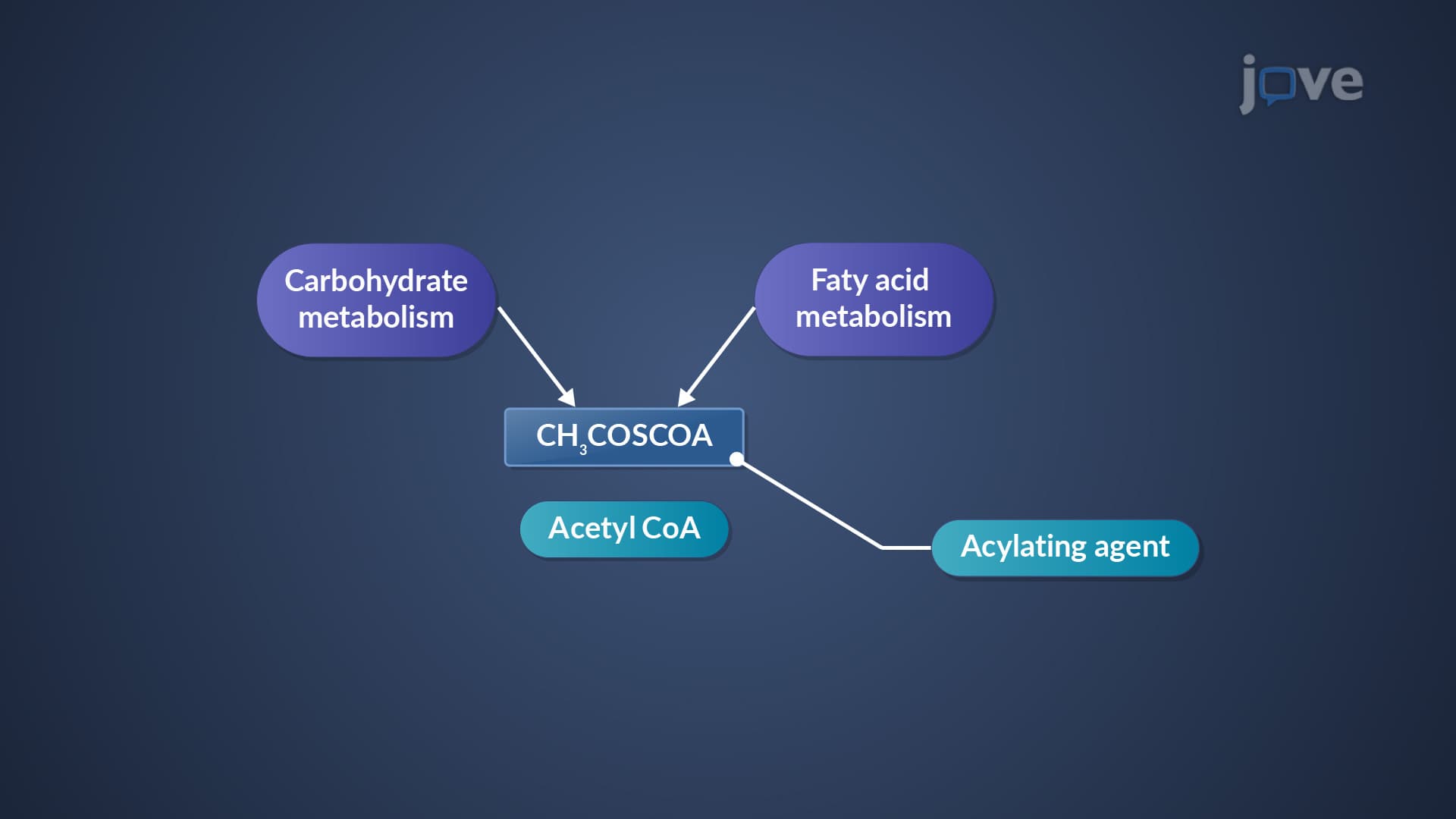
2. Phase II Conjugation Reactions: Phase II biotransformation involves anabolic conjugation reactions where polar endogenous molecules attach to drugs or Phase I metabolites. Major pathways include glucuronidation using UDP-glucuronic acid, sulfation with 3'-phosphoadenosine-5'-phosphosulfate (PAPS), and glutathione conjugation for detoxification. Acetaminophen exemplifies multiple conjugation pathways, forming both glucuronide and sulfate conjugates for elimination. These reactions are capacity-limited and can become saturated at high drug doses, potentially leading to toxicity when alternative metabolic pathways predominate.
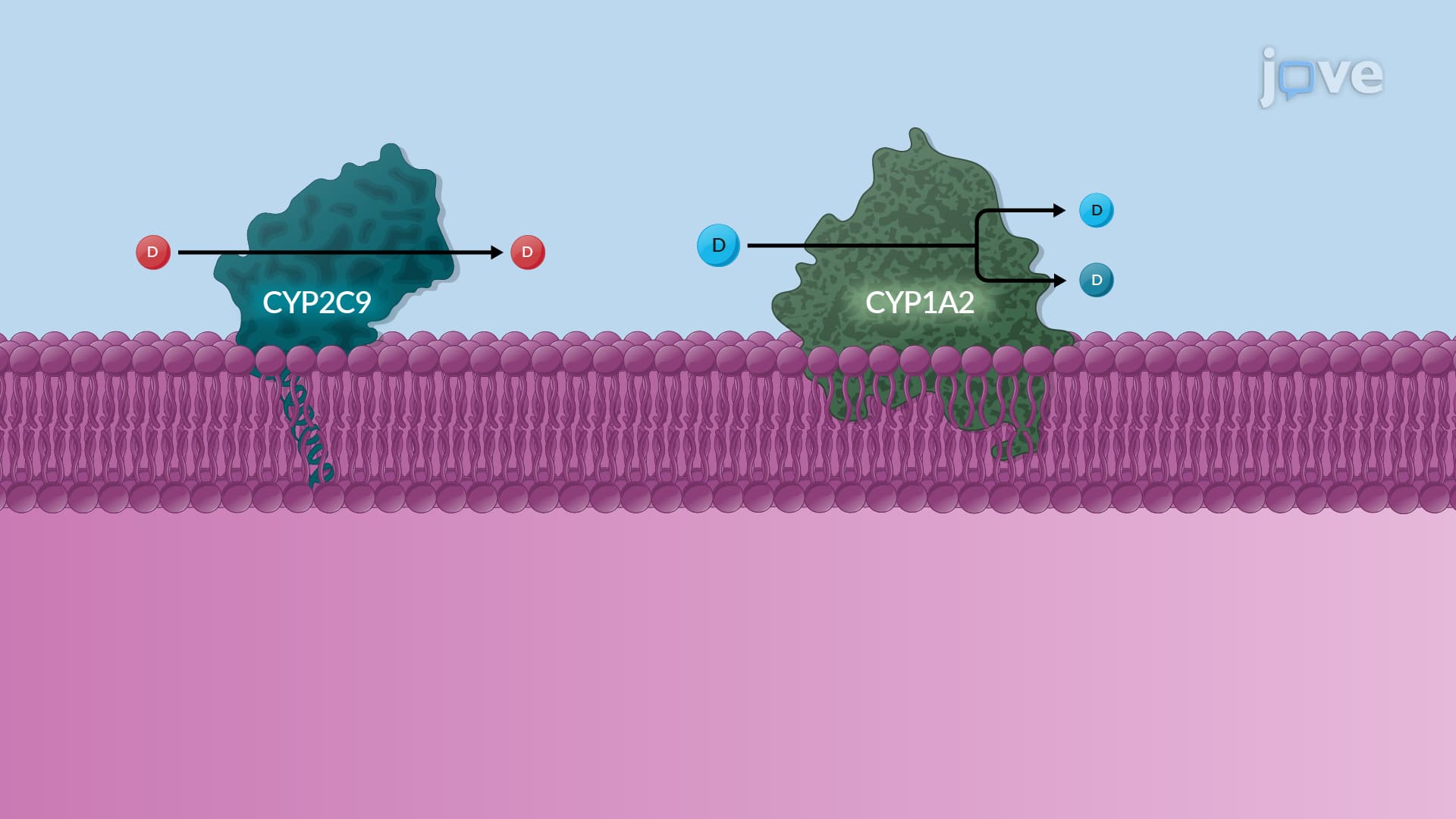
3. Enzyme Systems and Drug Metabolism: Drug-metabolizing enzymes exhibit significant diversity in their substrate specificity and catalytic mechanisms. Cytochrome P450 mixed-function oxidases require molecular oxygen and NADPH to catalyze oxidative reactions, while transferases like UDP-glucuronosyltransferases facilitate conjugation reactions. Enzyme induction by drugs like phenobarbital can accelerate metabolism, while inhibition by compounds like cimetidine can slow drug clearance. Understanding these enzyme systems helps predict drug-drug interactions and individual variations in drug response, particularly important for medications with narrow therapeutic windows.
4. Factors Affecting Drug Biotransformation: Multiple biological and chemical factors influence drug metabolism rates and pathways. Physicochemical properties including molecular size, lipophilicity, and pKa determine enzyme-substrate interactions. Biological factors encompass genetic polymorphisms (such as acetylation phenotypes), age-related changes in enzyme activity, sex differences in metabolism, and disease states affecting liver function. Environmental factors like smoking and dietary components can induce or inhibit metabolizing enzymes. These variations explain why the same drug dose may produce different effects in different patients, necessitating personalized dosing strategies.
Frequently Asked Questions
Phase I reactions are catabolic processes that introduce or expose polar functional groups through oxidation, reduction, or hydrolysis, while Phase II reactions are anabolic conjugation processes that attach polar endogenous molecules to drugs or metabolites. Phase I reactions like the oxidation of codeine to morphine typically precede Phase II conjugations like glucuronidation.
Cytochrome P450 enzymes are mixed-function oxidases that catalyze most Phase I oxidative reactions using molecular oxygen and NADPH. For the MCAT, understand that these enzymes can be induced (increasing metabolism) or inhibited (decreasing metabolism), affecting drug concentrations and potential toxicity. Know examples like phenobarbital induction and cimetidine inhibition.
Focus on enzyme induction and inhibition mechanisms, genetic polymorphisms affecting drug metabolism (especially acetylation), first-pass metabolism effects, and how liver disease impacts drug clearance. Understanding why prodrugs like codeine require biotransformation for activation is also crucial for clinical pharmacology questions.
Genetic polymorphisms create fast and slow metabolizer phenotypes, particularly for acetylation and cytochrome P450 enzymes. Age, sex, diet, smoking, concurrent medications, and liver disease all influence enzyme activity. For example, some individuals lack functional acetylation enzymes, leading to slower metabolism of drugs like isoniazid and increased risk of toxicity.
Understanding biotransformation explains why some medications require dose adjustments in elderly patients, why certain drug combinations are dangerous, and why generic drugs must demonstrate bioequivalence. It also explains phenomena like tolerance development and why some patients experience unexpected side effects from standard doses.
The complexity arises from multiple enzyme systems, numerous reaction types, and individual patient variations. Students often struggle with enzyme nomenclature, distinguishing between induction and inhibition effects, and predicting metabolic pathways. Focus on major enzyme families, common drug examples, and clinical implications rather than memorizing every reaction mechanism.
Create concept maps linking enzyme types to specific reactions and drug examples. Use active recall by practicing drug metabolism pathway predictions. Connect biotransformation concepts to clinical scenarios you might encounter on exams. Focus on understanding principles rather than memorizing isolated facts, and regularly review how genetic and environmental factors influence metabolism.
This microcourse includes 15 concept videos that walk you through the building blocks of Pharmacokinetics and Pharmacodynamics. Each video is short, about 1 minute, so you can cover a full topic during a coffee break or between classes. The full sequence starts with Drug Biotransformation: Overview and ends with Factors Affecting Drug Biotransformation: Biological.