Loading subject page…


12 Concepts
10 Concepts
29 Concepts
14 Concepts
15 Concepts
25 Concepts
30 Concepts
12 Concepts
17 Concepts
9 Concepts
7 Concepts
18 Concepts
26 Concepts
9 Concepts
16 Concepts
17 Concepts
17 Concepts
 17 Concepts
 5.4K Views
 Popular topics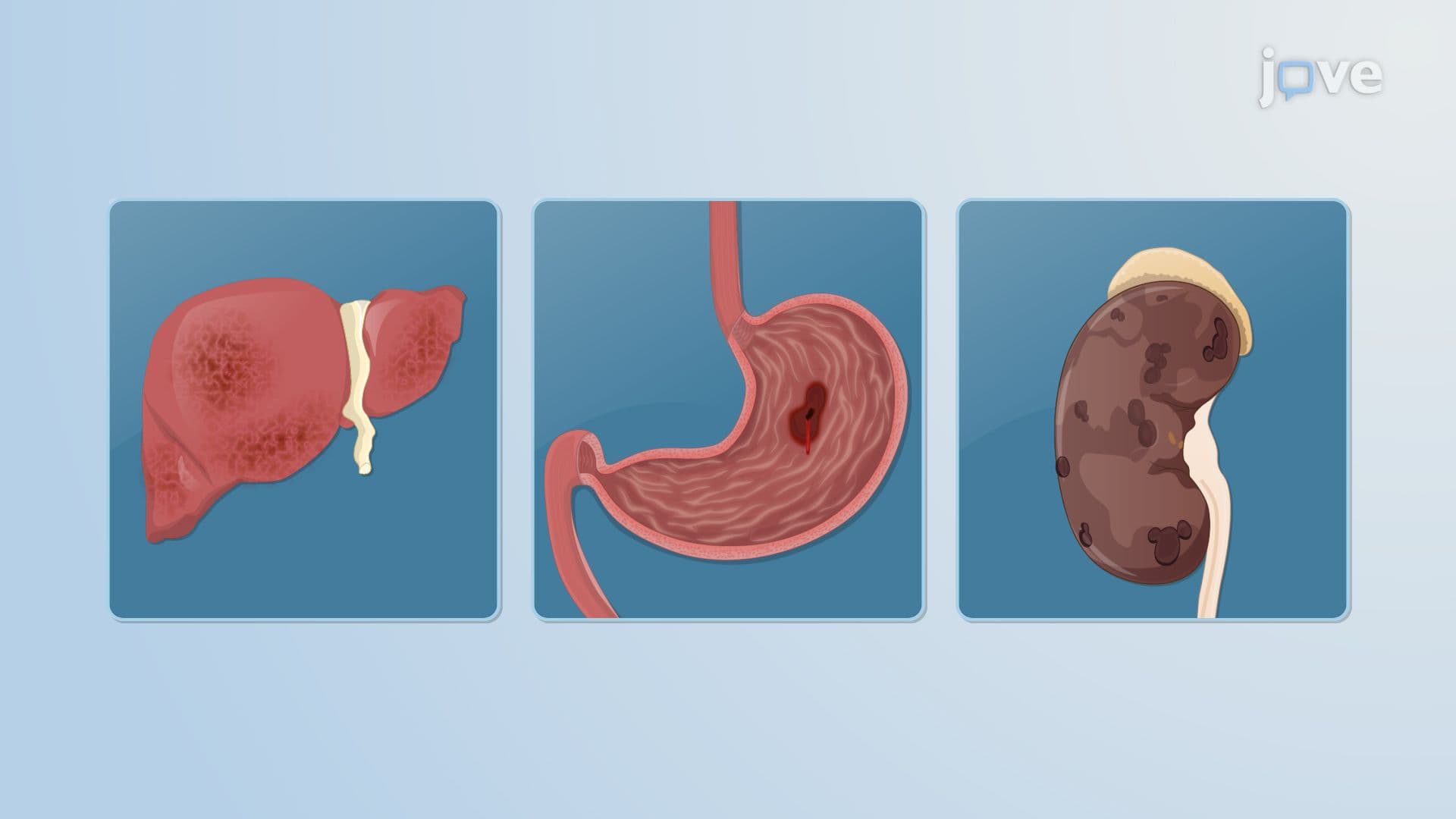

Drug Toxicology Fundamentals equips managers in health, pharmaceutical, and safety-driven industries with the foundational knowledge to make informed decisions about drug-related risks in their operational environments. Through JoVE Coach, professionals gain clarity on how substances affect the body, how adverse reactions develop, and how organizations can minimize preventable harm, turning complex science into leadership-ready awareness.
1. Drug Toxicity and Adverse Drug Reactions: Overview and Risk Factors
Understanding the distinction between drug toxicity and adverse drug reactions (ADRs) is foundational for any manager overseeing pharmaceutical operations or clinical teams. Toxicity refers to harm caused by excessive drug exposure, while ADRs occur even within therapeutic windows. Risk escalates significantly based on age, gender, comorbidities, genetic variation, and polypharmacy. A manager coordinating care protocols for a diverse workforce population must understand why a standardized dose may pose elevated risk for specific subgroups, and ensure monitoring systems reflect that variability rather than applying a one-size-fits-all threshold.
2. Dose-Dependent Reactions and Pharmacological Toxicity
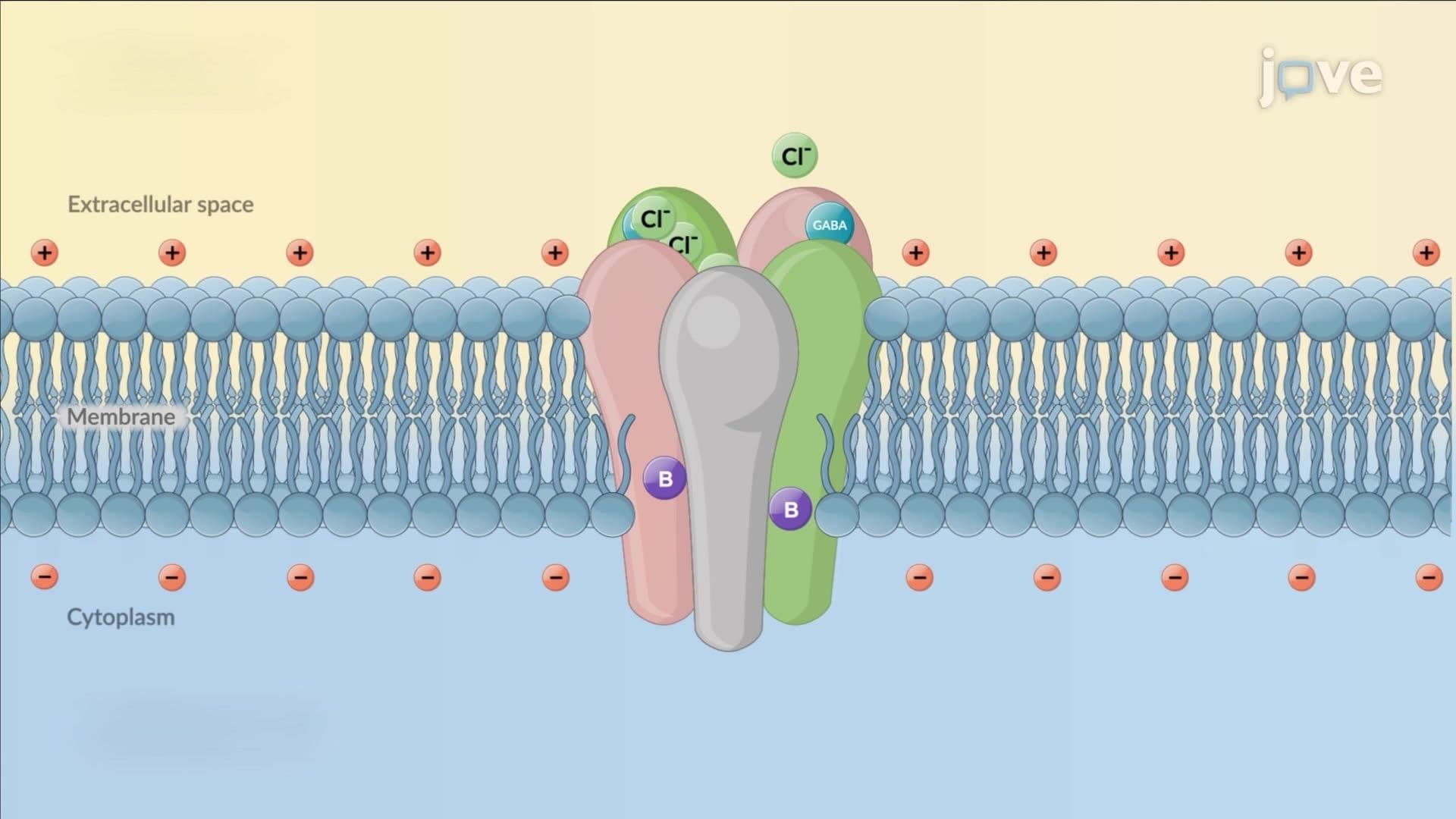
Dose-response relationships underpin nearly every pharmaceutical safety decision a manager will encounter. The principle is straightforward: as drug concentration increases, so does the risk of toxic effects, but the curve is rarely linear. A team lead overseeing medication administration in a clinical setting needs to understand that some drugs, like barbiturates, follow a progressive CNS depression pathway from sedation to coma, while others may trigger toxicity even at prescribed doses through mechanisms like phototoxicity. Recognizing where a patient or protocol sits on that curve enables faster, more defensible escalation decisions.
3. Allergic and Hypersensitivity Reactions: Types I Through IV
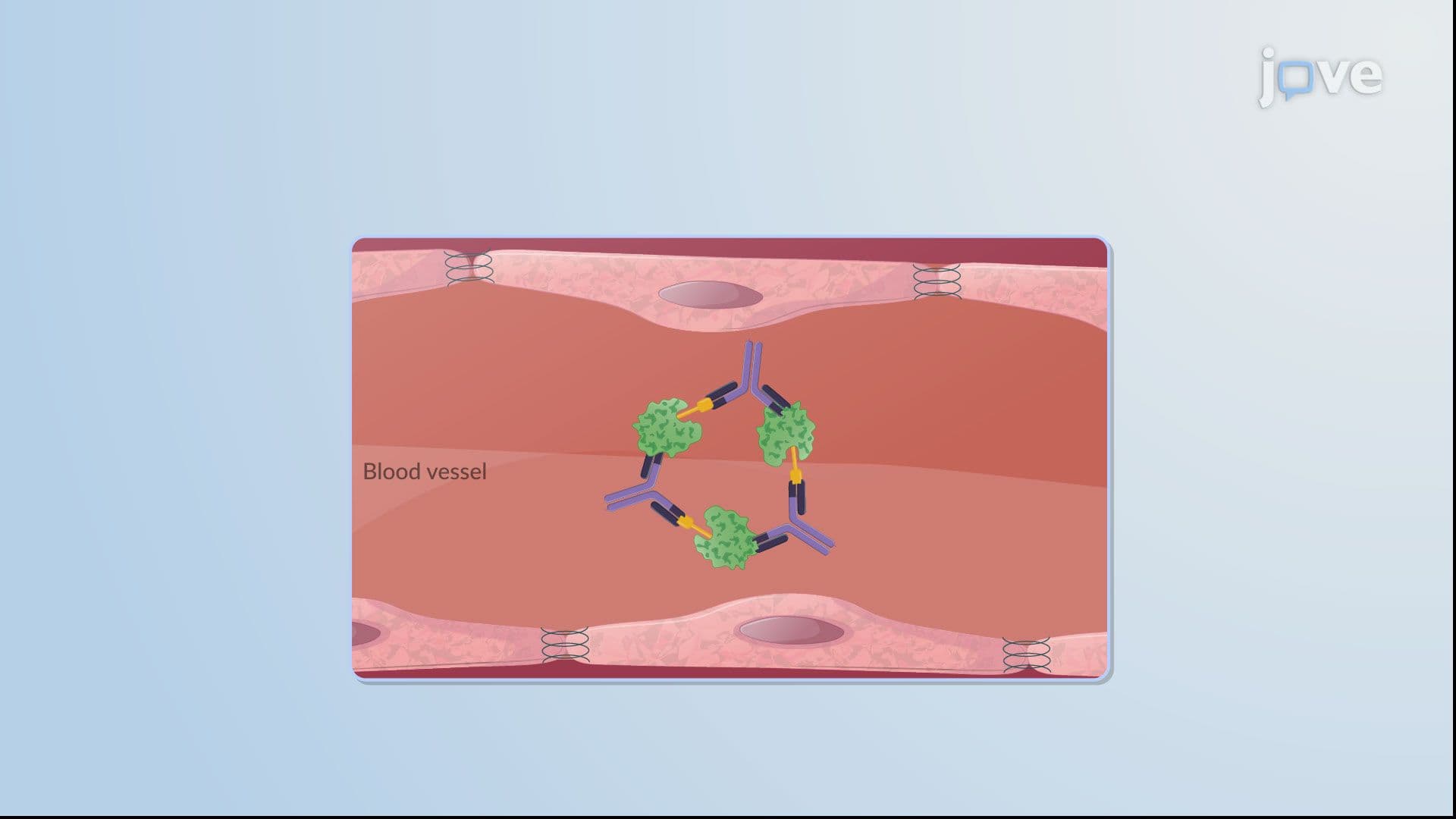
Drug allergies are immune-mediated and represent a distinct category of risk from dose-dependent toxicity. Managers responsible for patient safety protocols or formulary oversight need a working model of how different hypersensitivity types manifest. Type I reactions like anaphylaxis are immediate and life-threatening. Types II and III involve antibody-mediated cell destruction or circulating immune complexes causing systemic inflammation. Type IV reactions are delayed, cell-mediated, and often misattributed to other causes. A clinical operations manager reviewing incident reports will be better positioned to identify patterns and close protocol gaps with this framework in hand.
4. Anaphylaxis: Recognition and Immediate Response
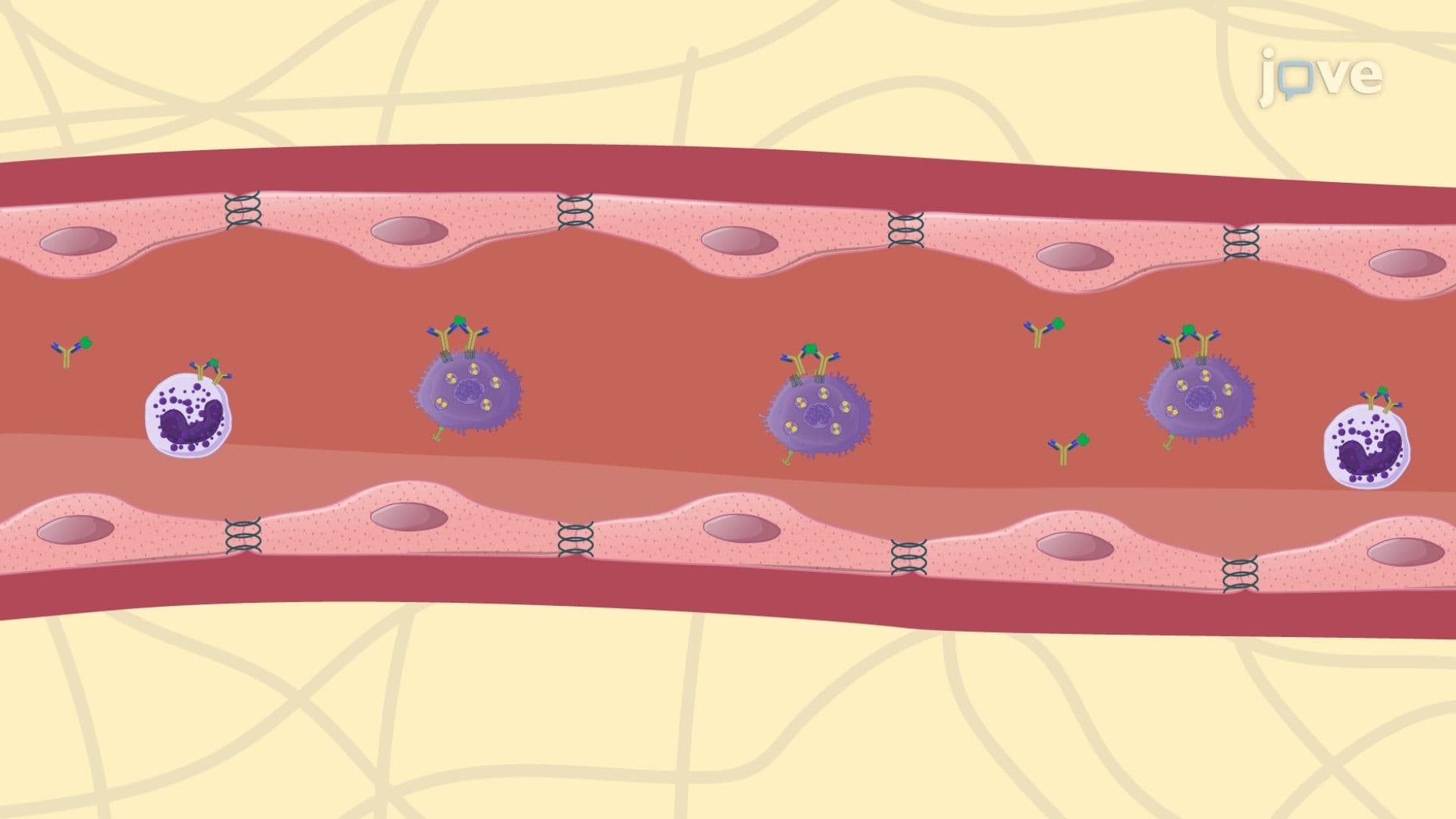
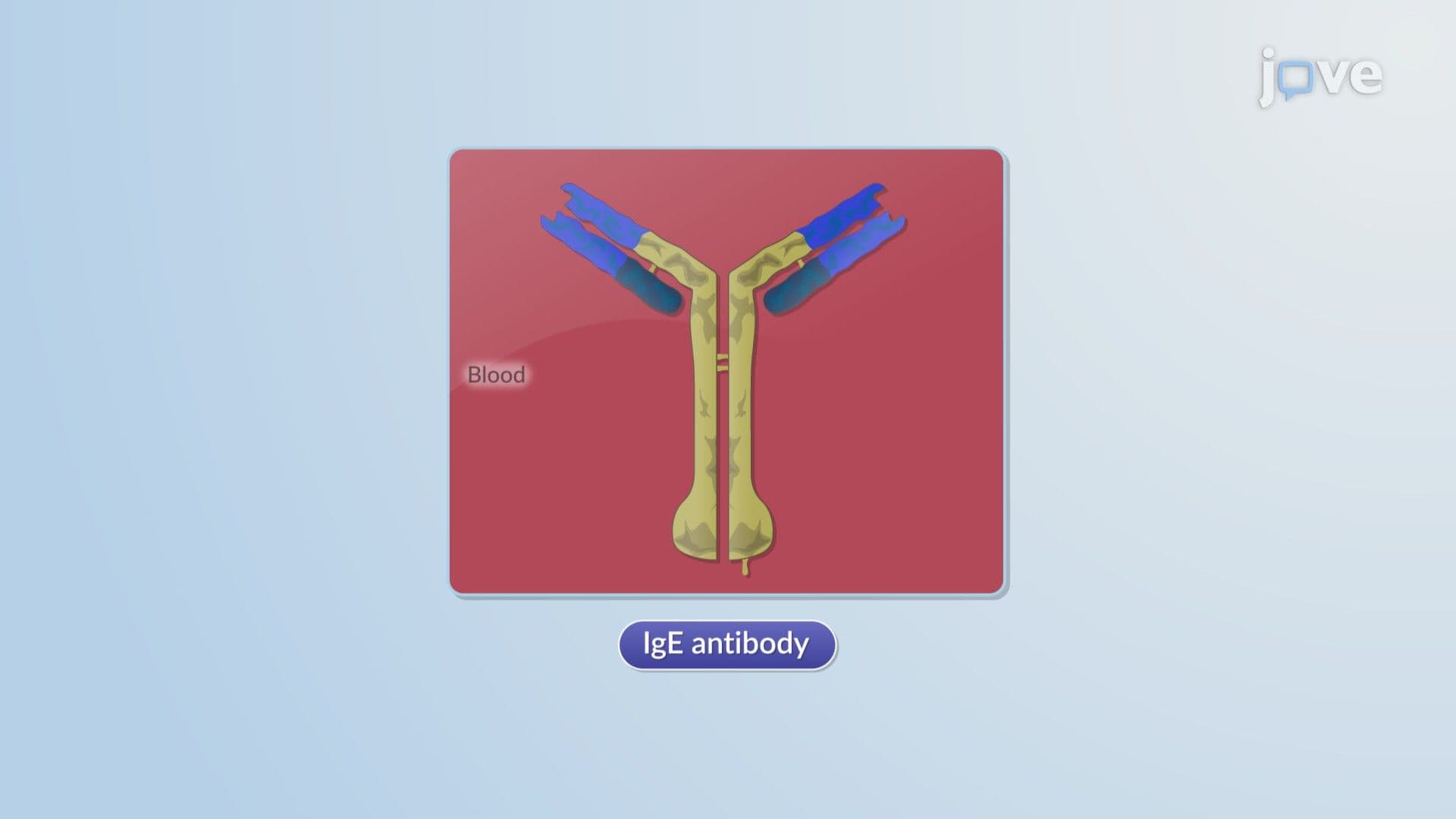
Anaphylaxis is the most operationally urgent allergic reaction a healthcare or pharmaceutical workplace manager will encounter. Triggered by IgE-mediated allergen exposure, it produces rapid degranulation of mast cells and basophils, releasing histamine and other mediators that cause vasodilation, bronchoconstriction, and edema. For a shift supervisor managing a clinical team, recognizing that drugs including penicillin, monoclonal antibodies, and local anesthetics can trigger anaphylaxis, and that diagnostic confirmation is largely clinical, directly informs how emergency response protocols should be structured, trained, and rehearsed with staff.
5. Cytolytic, Immune-Complex, and Delayed Hypersensitivity Reactions
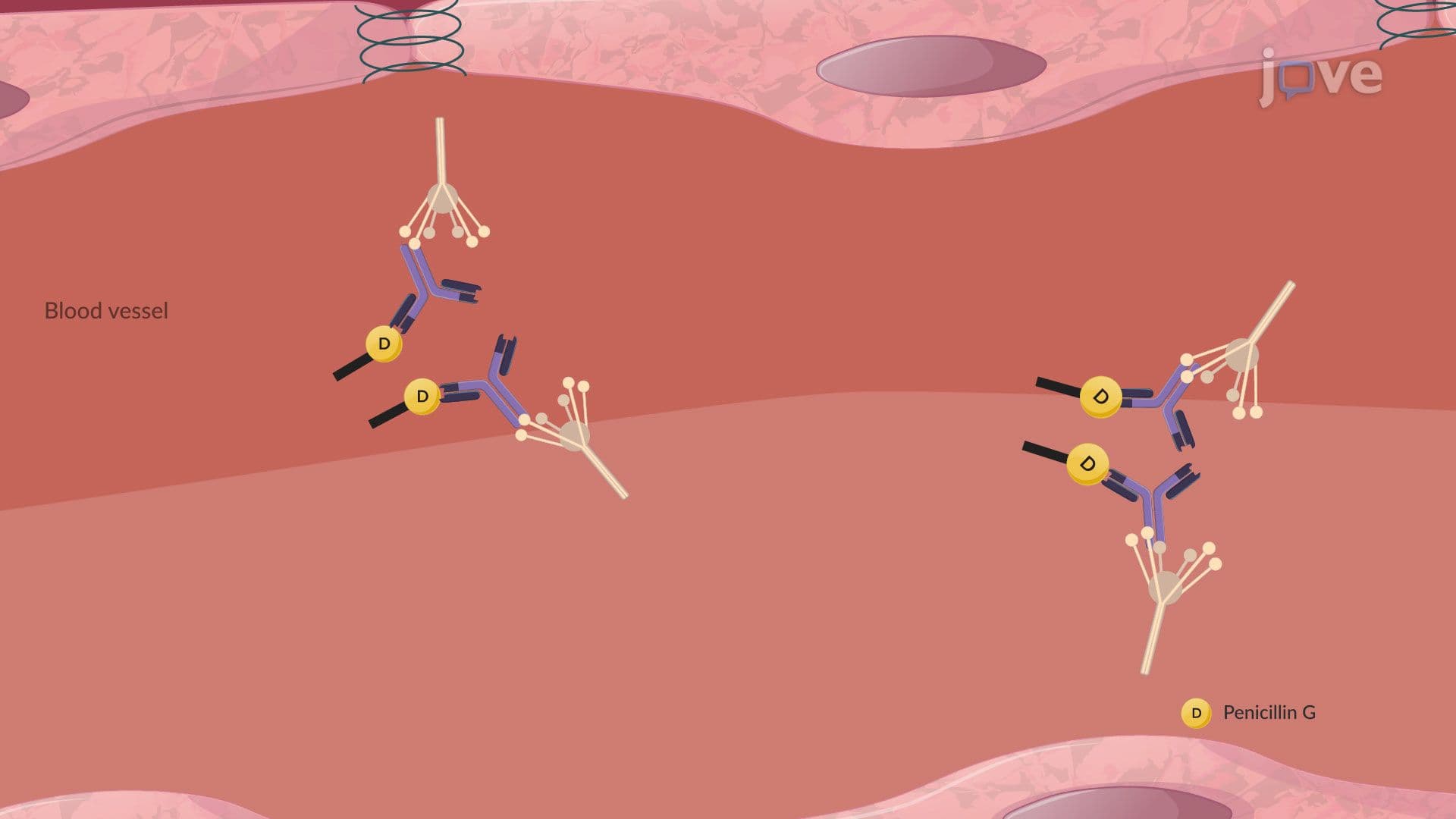
Beyond anaphylaxis, three additional hypersensitivity mechanisms create distinct clinical patterns that managers should be able to distinguish at a systems level. Cytolytic reactions destroy blood cells via complement activation, penicillin-induced hemolytic anemia being a well-documented example. Immune-complex reactions cause serum sickness characterized by fever, rash, and joint pain. Delayed hypersensitivity, driven by sensitized T-cells, can manifest as contact dermatitis days after exposure. A compliance manager reviewing adverse event data needs this framework to correctly categorize incidents, escalate appropriately, and inform staff training on reaction timelines.
6. Idiosyncratic Reactions and Drug-Drug Interactions
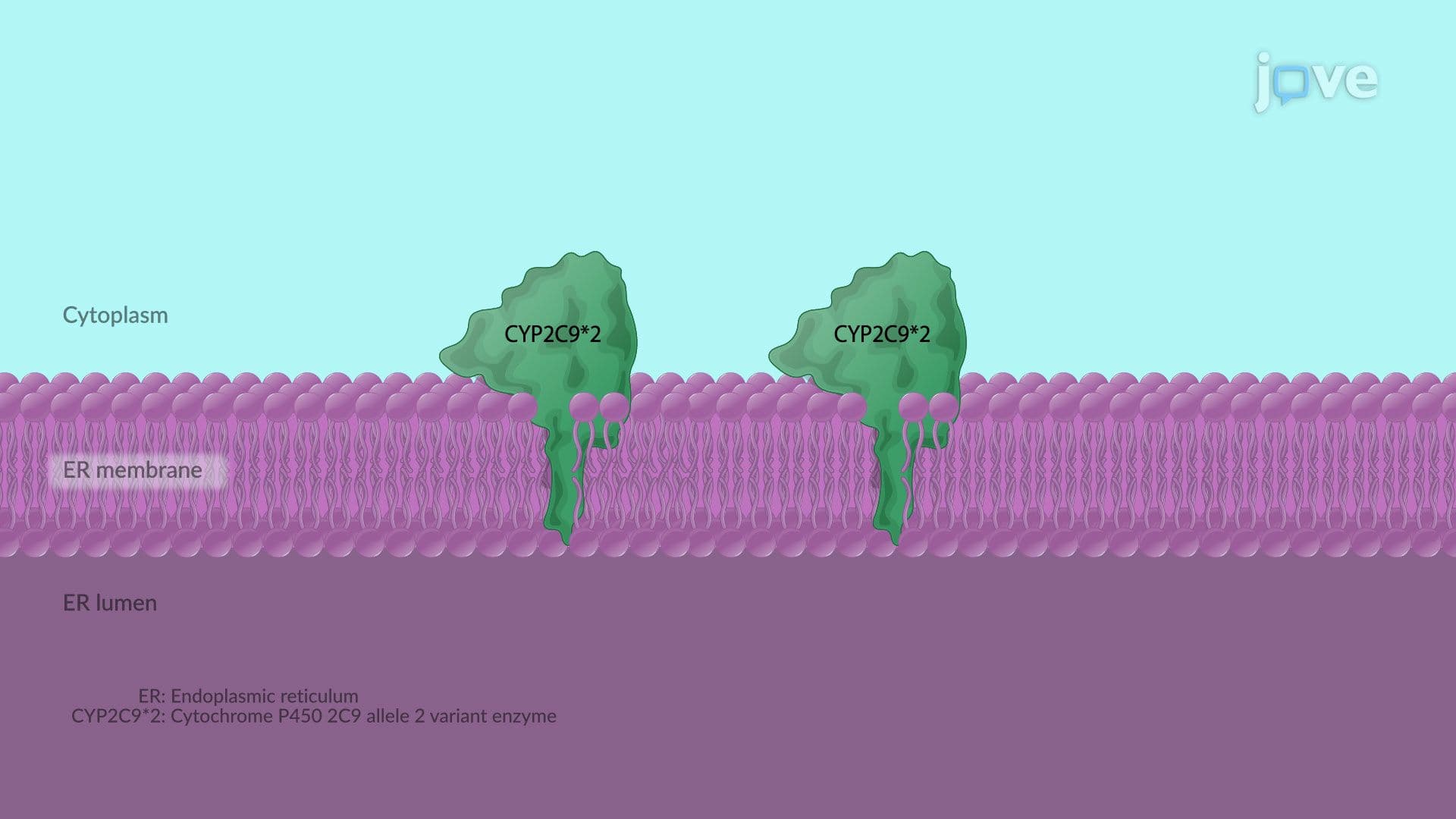
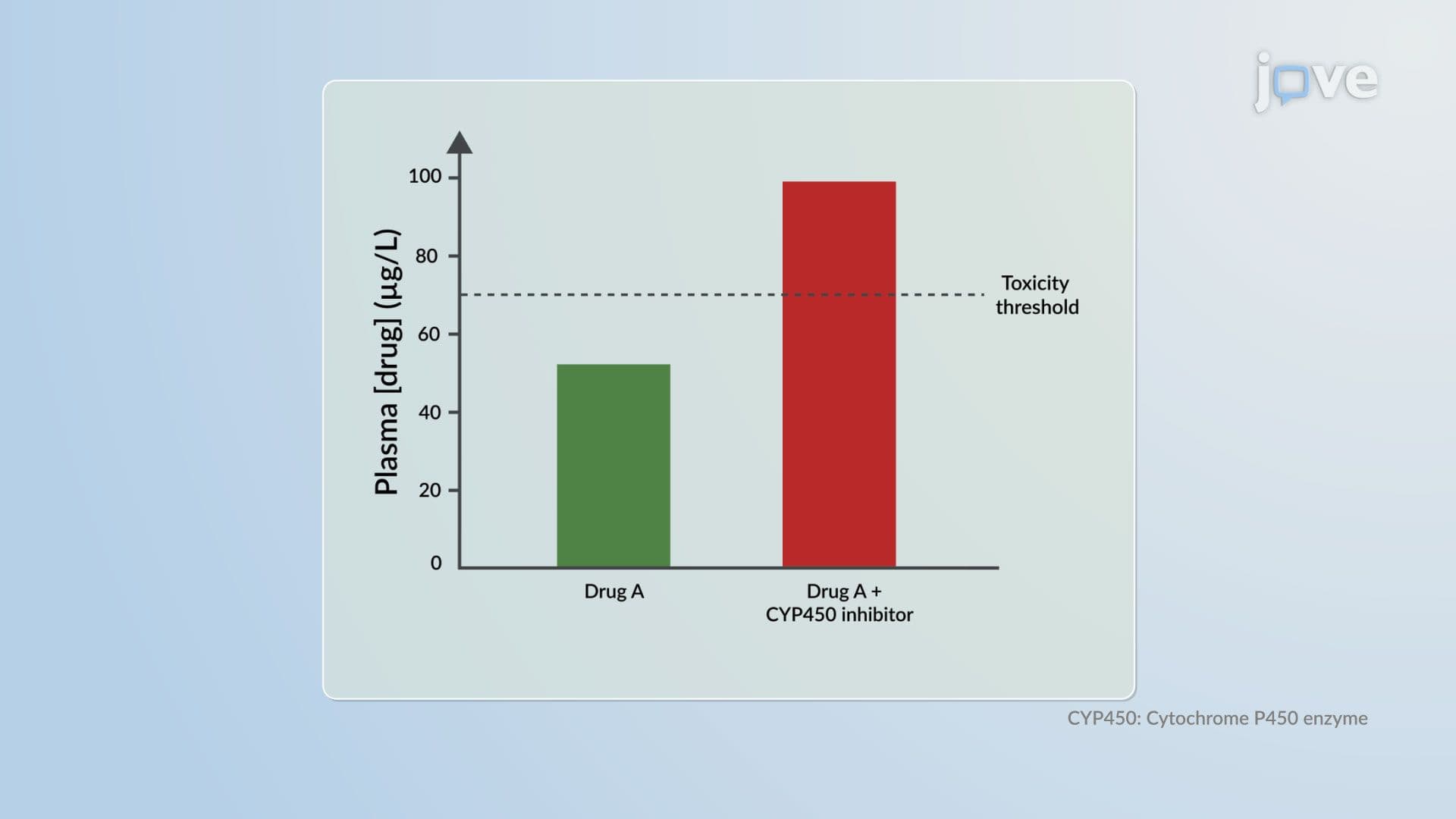
Idiosyncratic reactions are unpredictable, dose-independent, and genetically influenced, making them among the most challenging safety events for any manager to anticipate or prevent. Pharmacogenetic variations in enzymes like CYP2D6 and CYP3A4 can dramatically alter how individuals metabolize the same drug. Compounding this risk is polypharmacy: drug combinations can alter absorption, saturate plasma proteins, or inhibit hepatic metabolism, converting a safe therapeutic dose into a toxic one. For a pharmacy operations manager or clinical team lead, this reinforces why medication reconciliation and allergy checking systems are not administrative formalities, they are front-line safety infrastructure.
7. Bioactivation, Tissue Toxicity, and Dose-Response Curve Models
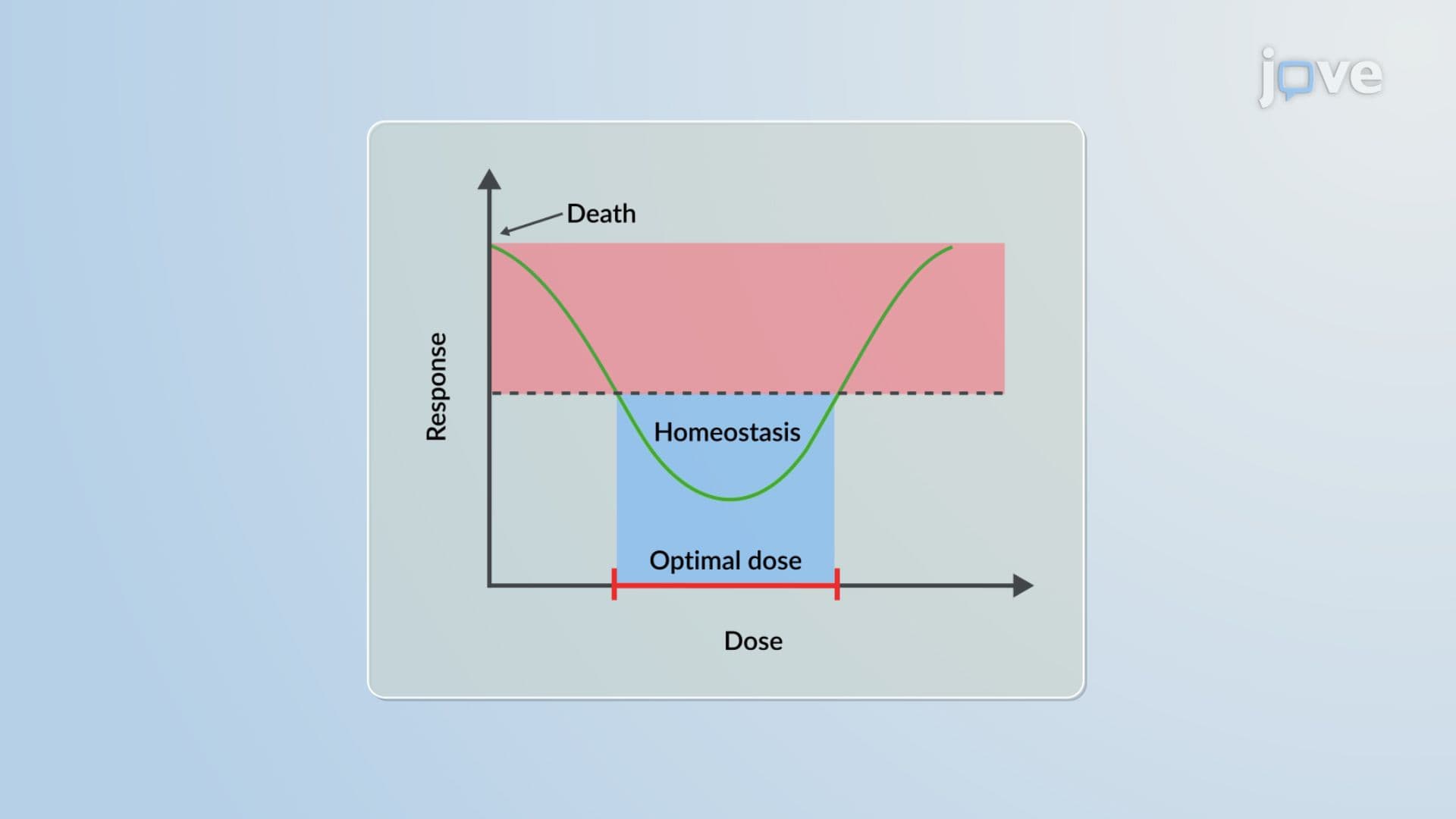
Some drugs are chemically inert until metabolized, a process called bioactivation, which generates reactive metabolites capable of damaging the liver, kidneys, and DNA. Understanding this mechanism helps managers contextualize why hepatotoxicity and nephrotoxicity are common endpoints in toxicity monitoring. Equally important is the shape of dose-response curves: conventional sigmoidal curves inform therapeutic index calculations, while nonmonotonic curves, U-shaped, hockey stick, or inverted U, explain why certain substances behave unpredictably at high doses. A manager reviewing trial data or safety reports who understands these curve models can ask sharper questions and push for more rigorous dose selection rationale.
8. Toxicokinetics: Overview and Animal Toxicity Testing
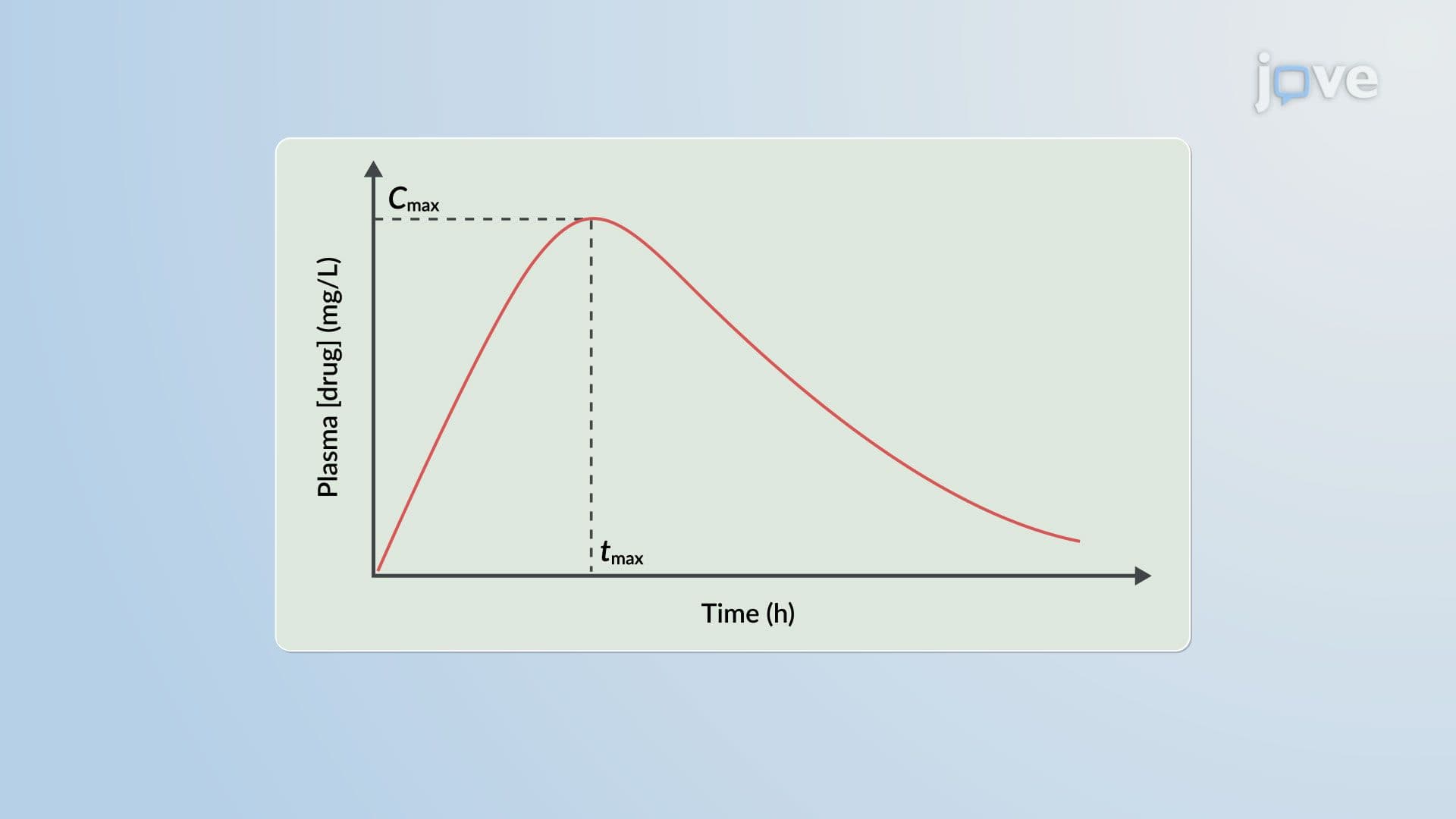
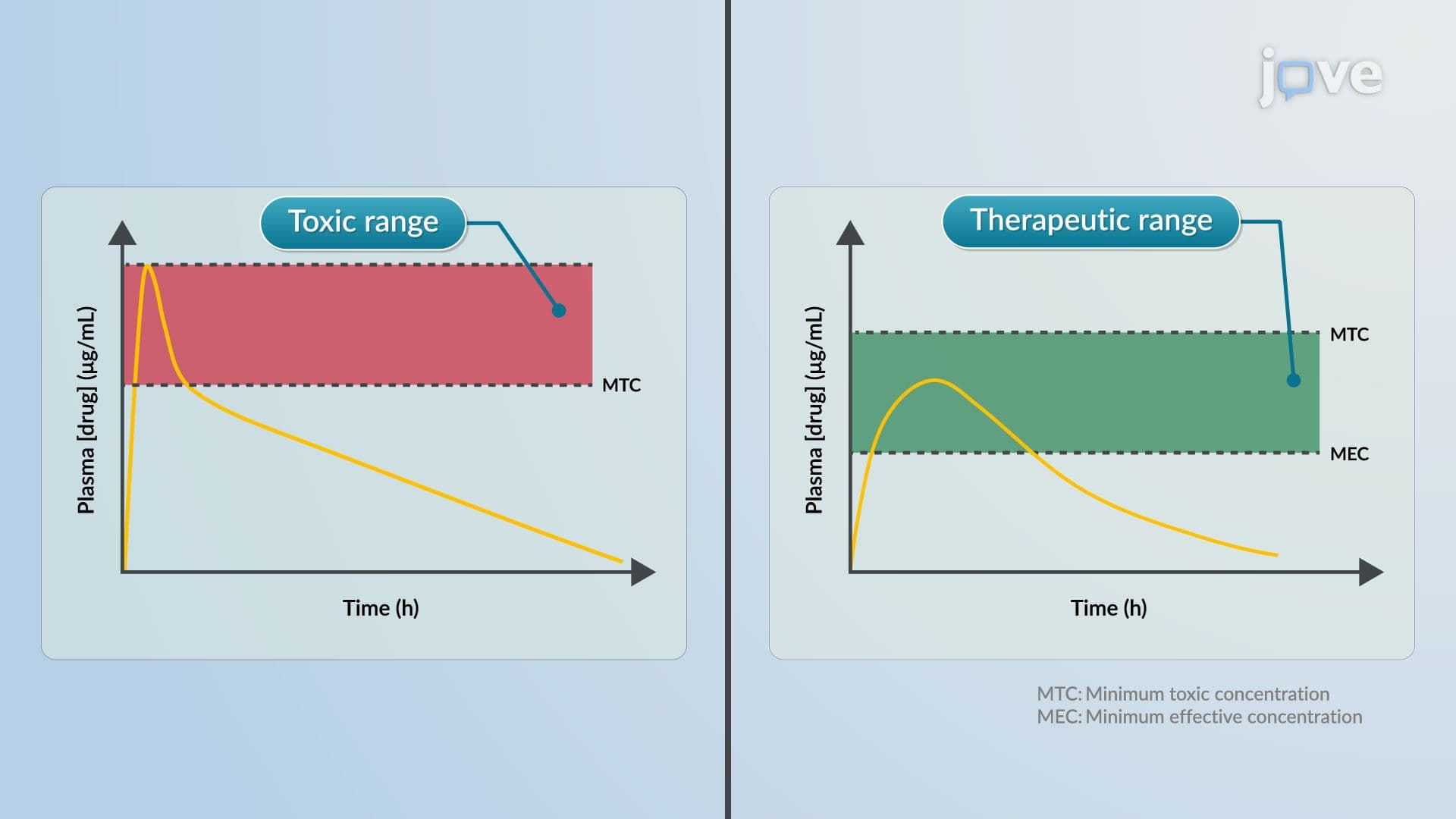
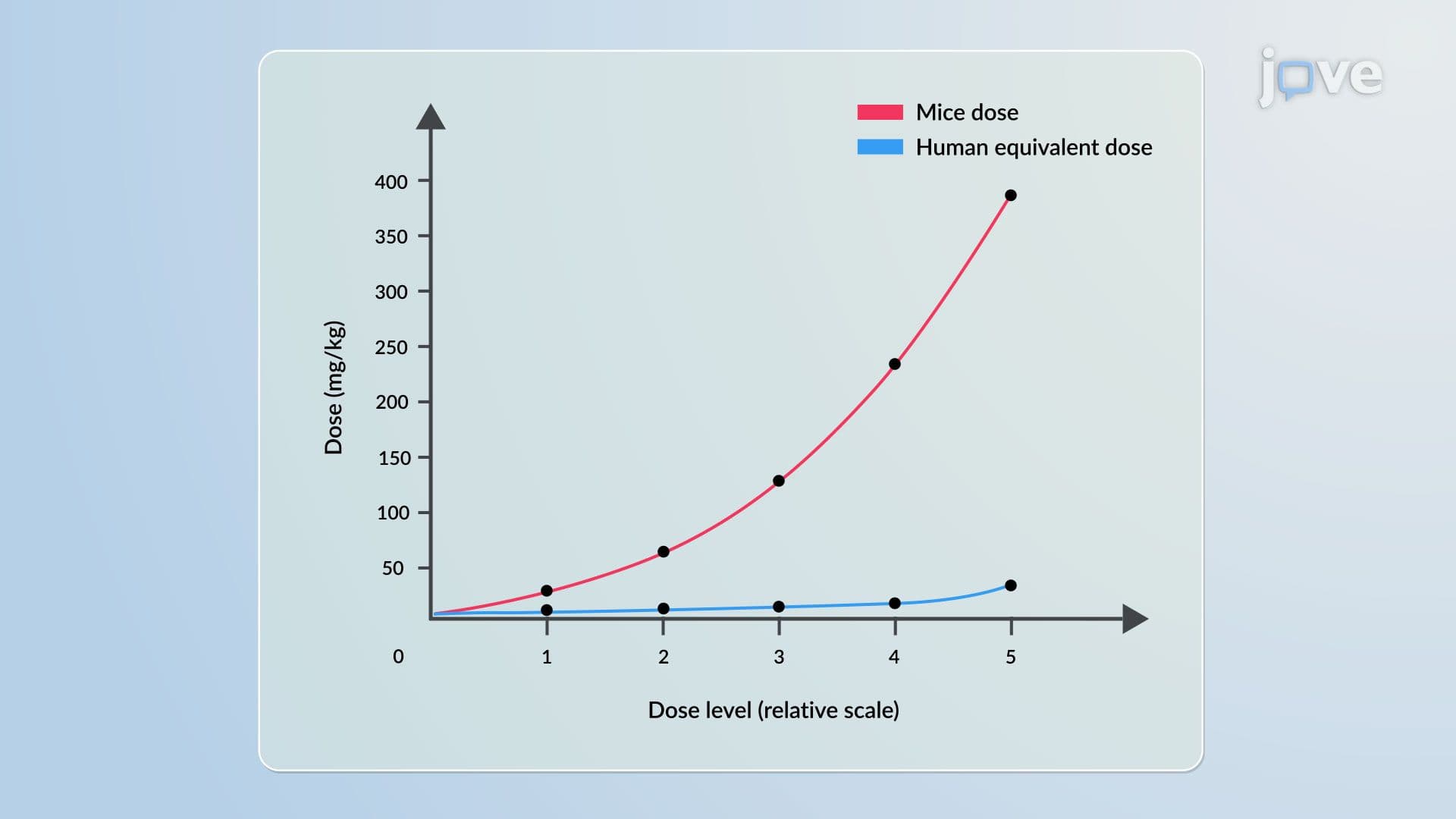
Toxicokinetics examines how drugs behave in the body at toxic dose levels, including how absorption, metabolism, and excretion change when therapeutic thresholds are exceeded. Unlike standard pharmacokinetics, toxicokinetics anticipates nonlinear behavior caused by saturated enzymes and protein binding. Animal toxicity testing, including LD50 estimation and chronic exposure studies, generates the safety data that informs first-in-human trials. For a manager in drug development or regulatory affairs overseeing preclinical teams, understanding what these studies are designed to reveal, and their limitations in predicting human outcomes, is essential for credible cross-functional leadership.
9. Toxidromes: Clinical Features and Pattern Recognition
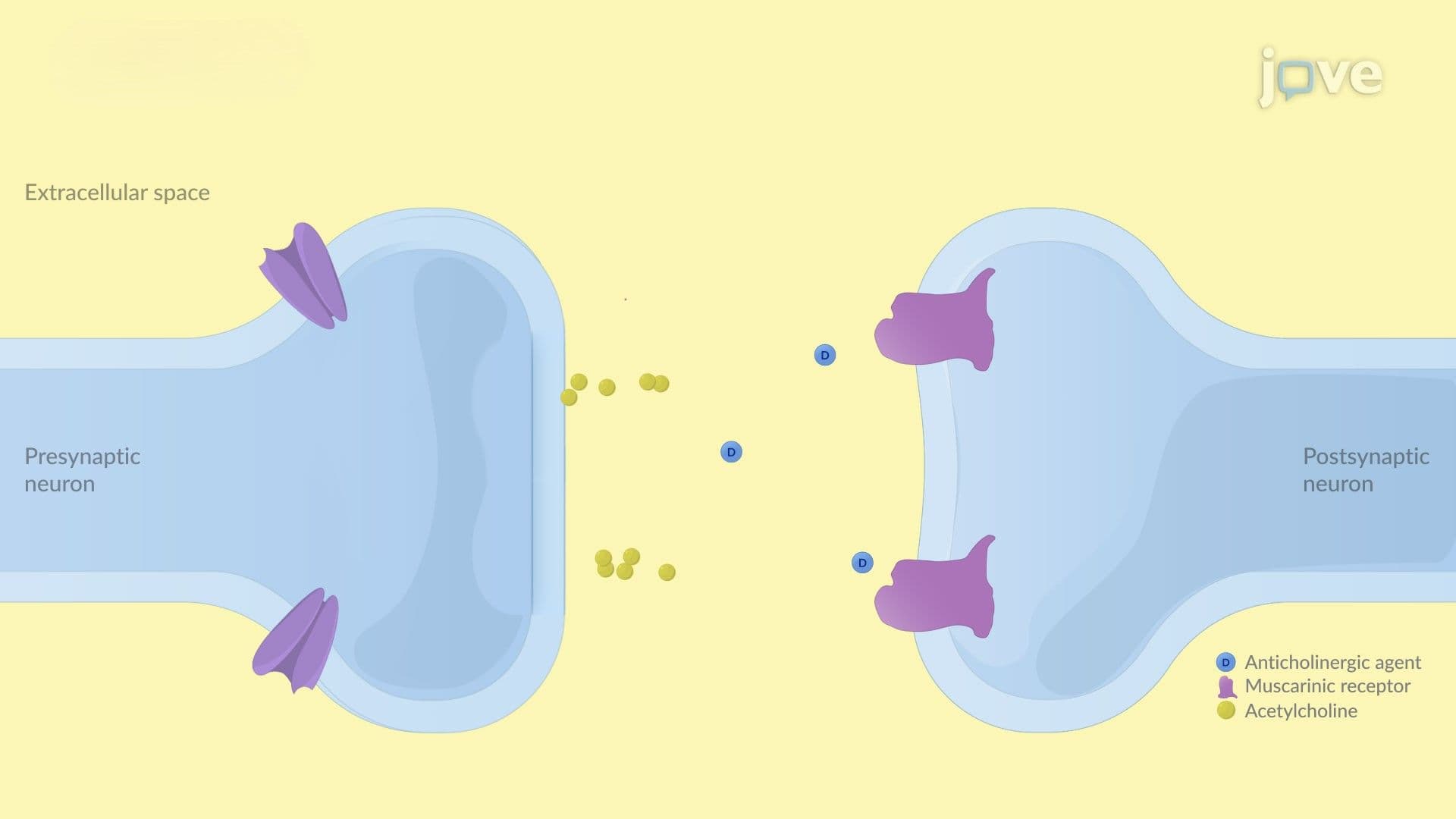
Toxidromes are recognizable symptom clusters that signal specific categories of drug or chemical overdose. For a manager leading a clinical response team, the ability to associate symptom patterns with underlying mechanisms accelerates triage and treatment decisions. Anticholinergic toxidrome presents with dry flushed skin and delirium; cholinergic toxidrome with excessive secretions and muscle twitching; opioid overdose with miosis and respiratory depression; sympathomimetic toxidrome with hypertension and agitation. Building team fluency in toxidrome recognition is a direct investment in response speed and diagnostic accuracy, particularly in high-volume or high-acuity settings.
10. Pharmaceutical Poisoning: Scenarios, Prevention, and Treatment Strategies
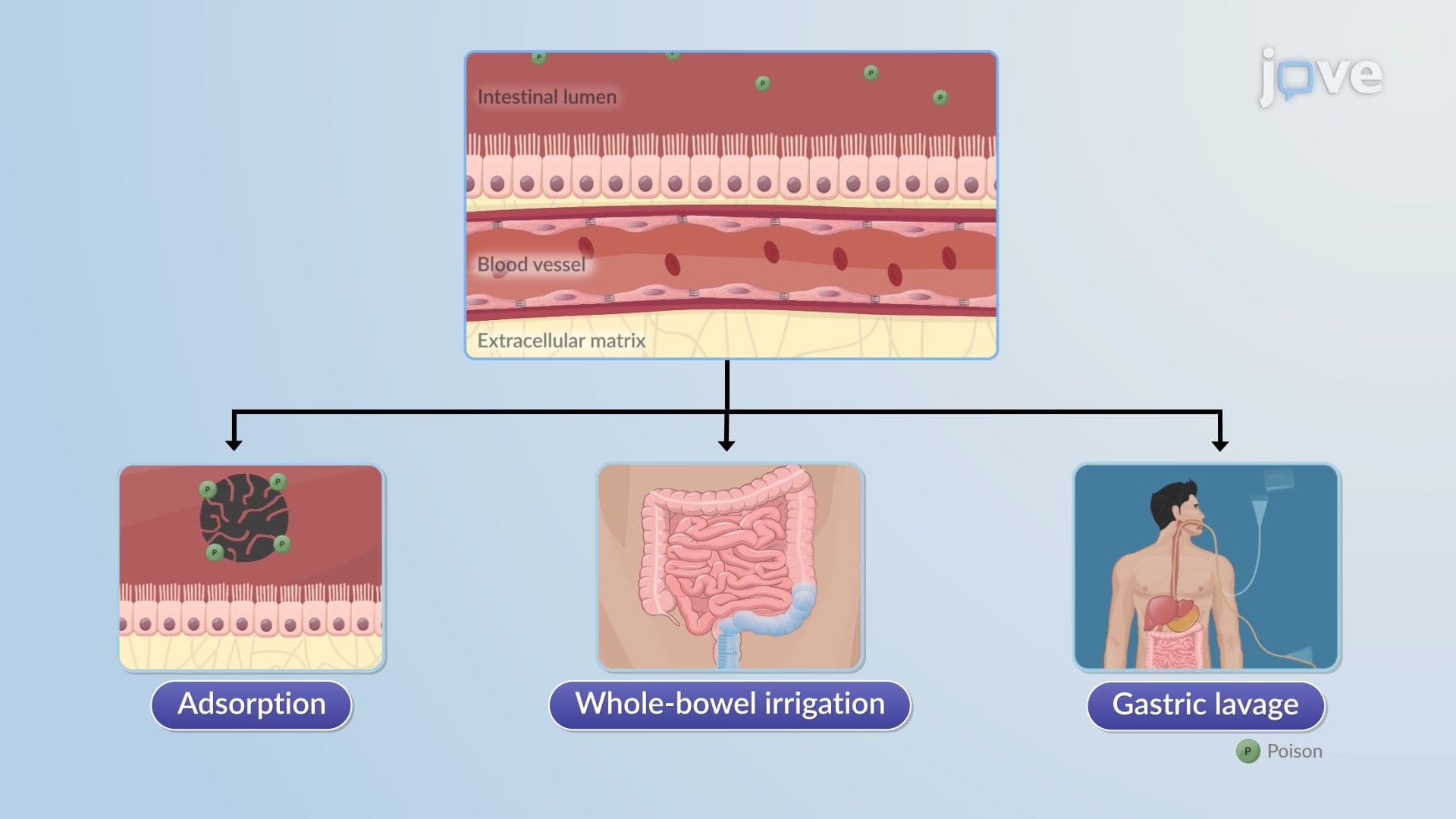
Pharmaceutical poisoning can arise from therapeutic errors, unintentional exposure, or intentional misuse, each requiring a different prevention and response posture. Managers responsible for medication safety must understand both upstream risk reduction (barcode verification, computerized allergy checks, dose management systems) and downstream treatment protocols. GI decontamination via activated charcoal, whole-bowel irrigation, or gastric lavage addresses absorption. For absorbed poisons, urine alkalinization, antidotal therapy, such as N-acetyl-L-cysteine for acetaminophen overdose, and hemodialysis are the primary elimination tools. A safety operations manager who understands this treatment hierarchy can better evaluate incident response quality and strengthen team preparedness.