Clinical pharmacokinetics II explores advanced dosing strategies across diverse patient populations including pediatric, geriatric, and obese patients. This comprehensive course examines how age, body composition, and organ dysfunction affect drug absorption, distribution, metabolism, and elimination. Students learn to calculate dose adjustments for renal and hepatic impairment while understanding extracorporeal drug removal methods. JoVE Coach provides essential preparation for pharmacy and medical students tackling complex pharmacokinetic applications in real US clinical settings.
Understand physiological changes affecting drug pharmacokinetics in pediatric, geriatric, and obese patients
Learn dose calculation methods for different patient populations using body weight, surface area, and age-based formulas
Identify how renal impairment affects drug clearance and apply dose adjustment strategies using creatinine clearance
Explore hepatic disease effects on drug metabolism and determine appropriate dosing modifications
Analyze pharmacokinetic differences in special populations and their clinical implications
Apply advanced dosing principles for patients requiring hemodialysis, peritoneal dialysis, or continuous renal replacement therapy
Understand population pharmacokinetics and sources of pharmacokinetic variability in clinical practice
Evaluate drug removal mechanisms during extracorporeal therapies and adjust dosing accordingly
1. Pediatric Pharmacokinetics and Dosing Strategies
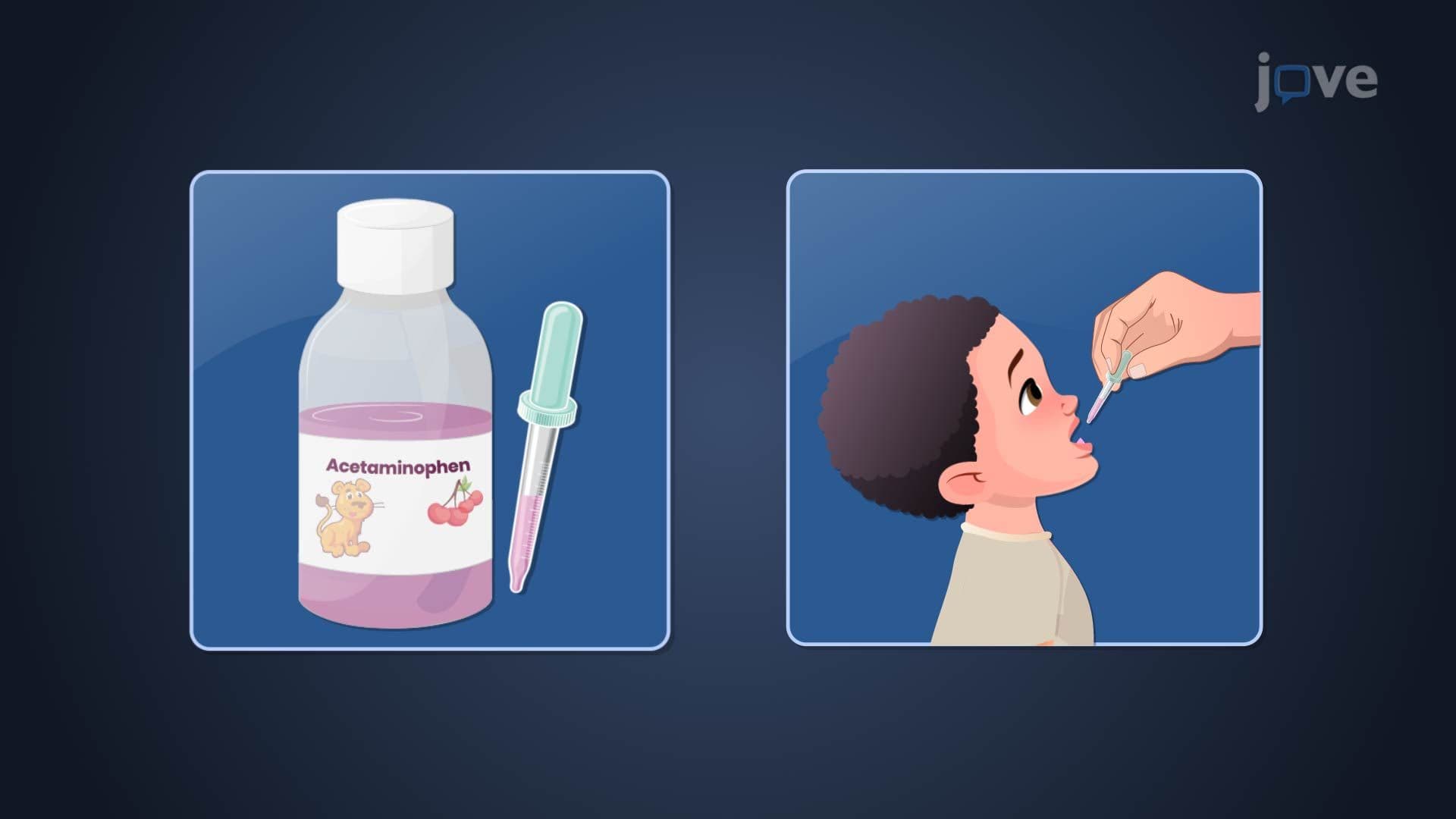
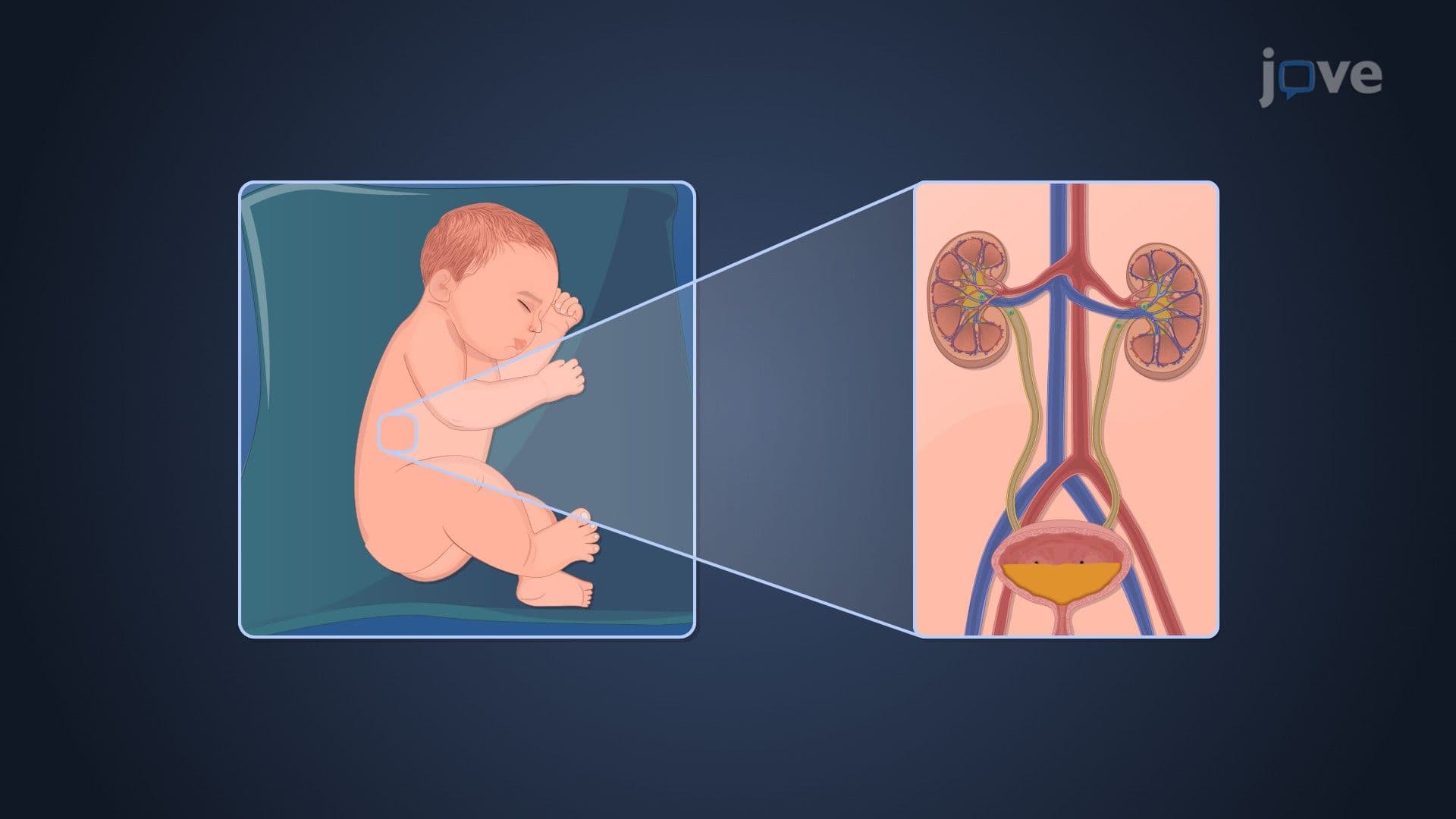
Pediatric patients exhibit unique pharmacokinetic profiles requiring specialized dosing approaches. Neonates have higher total body water content (80% vs 60% in adults) and immature organ systems affecting drug disposition. For example, gentamicin dosing in newborns requires 24-48 hour intervals compared to 8-12 hours in adults due to reduced renal function. Children aged 3-10 years often demonstrate enhanced hepatic metabolism, requiring higher per-kilogram doses of drugs like carbamazepine. Body surface area calculations using the Mosteller formula provide more accurate dosing than weight-based methods for many medications in pediatric populations.
2. Geriatric Pharmacokinetics and Age-Related Changes
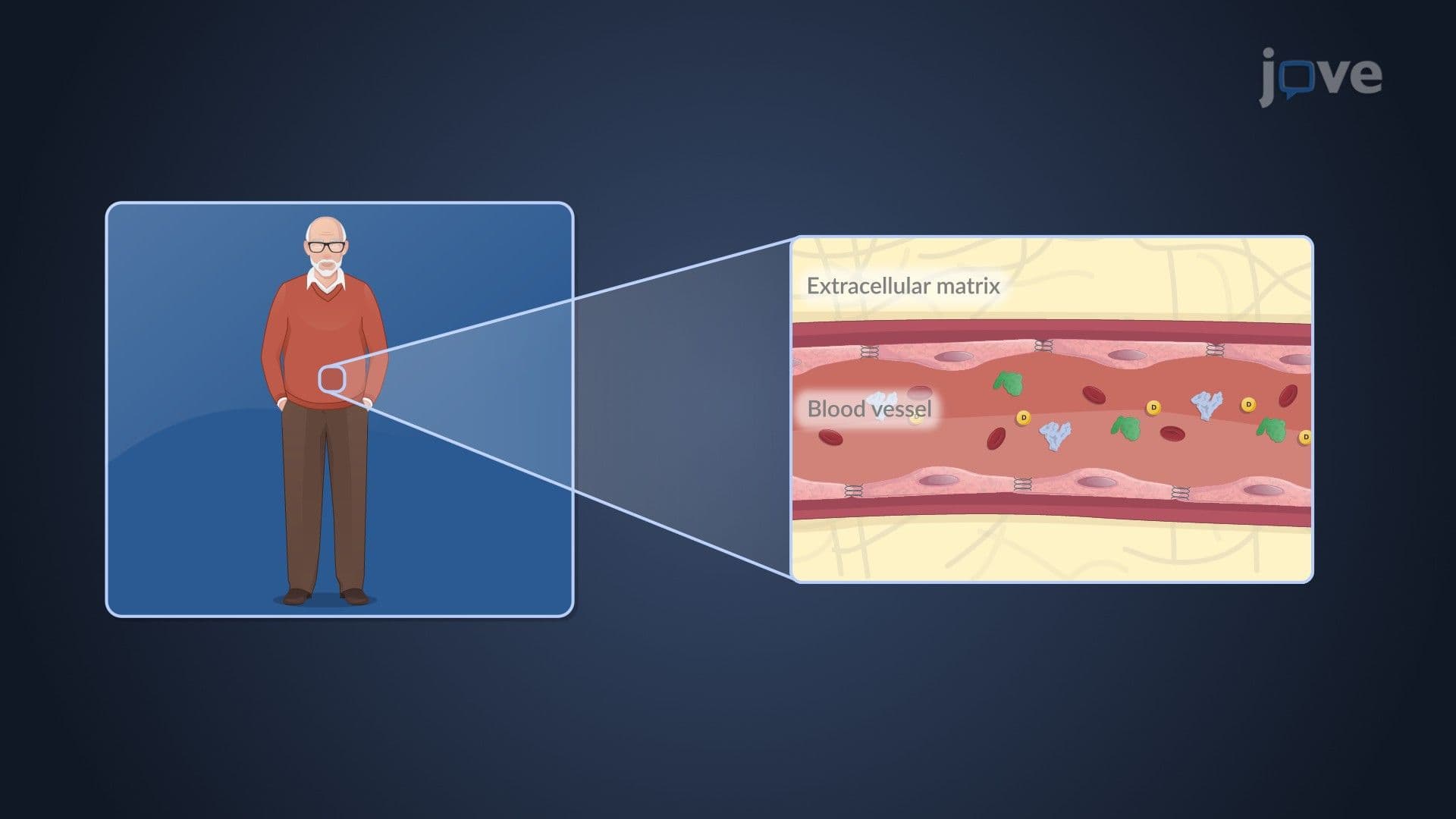
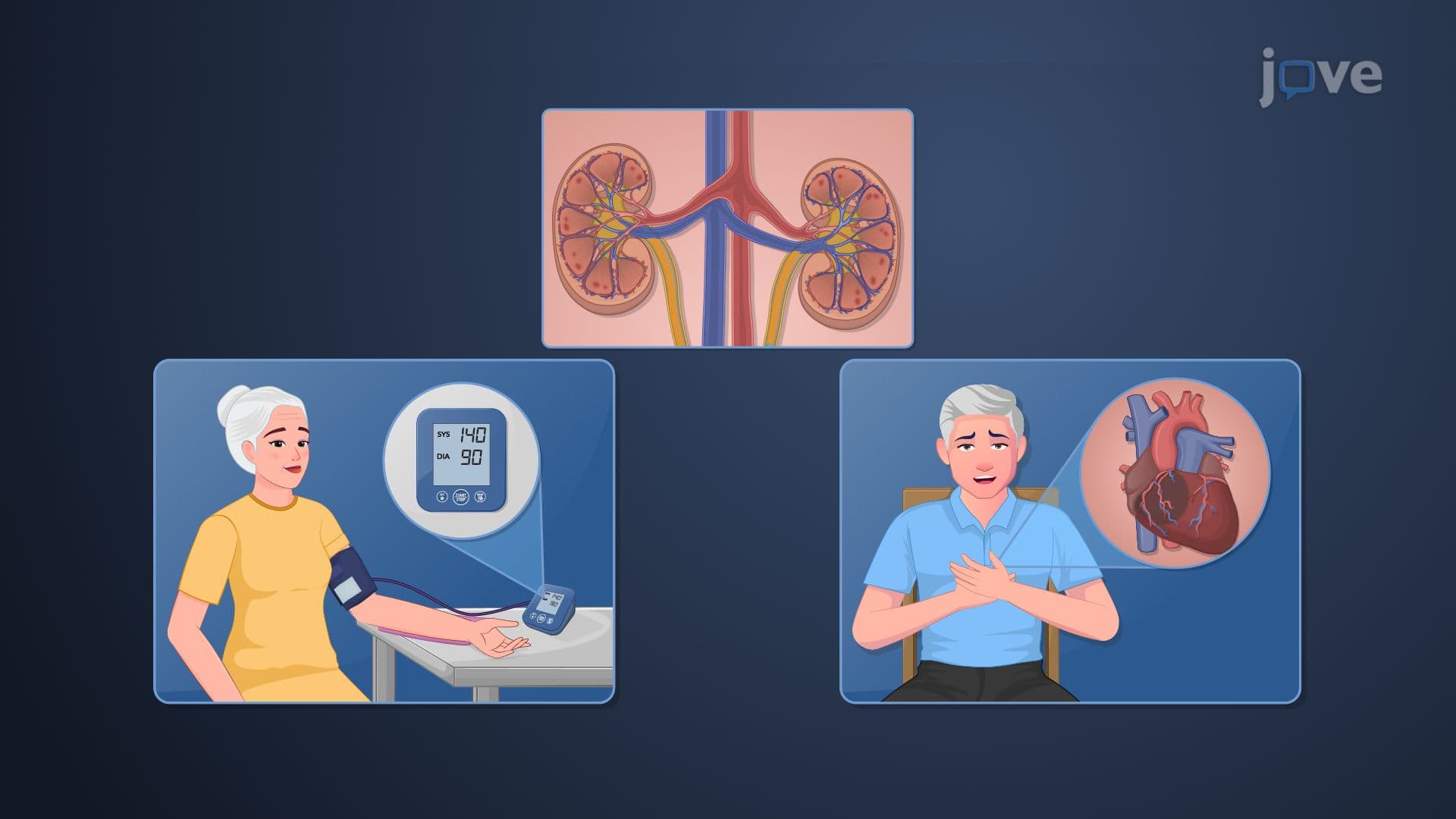
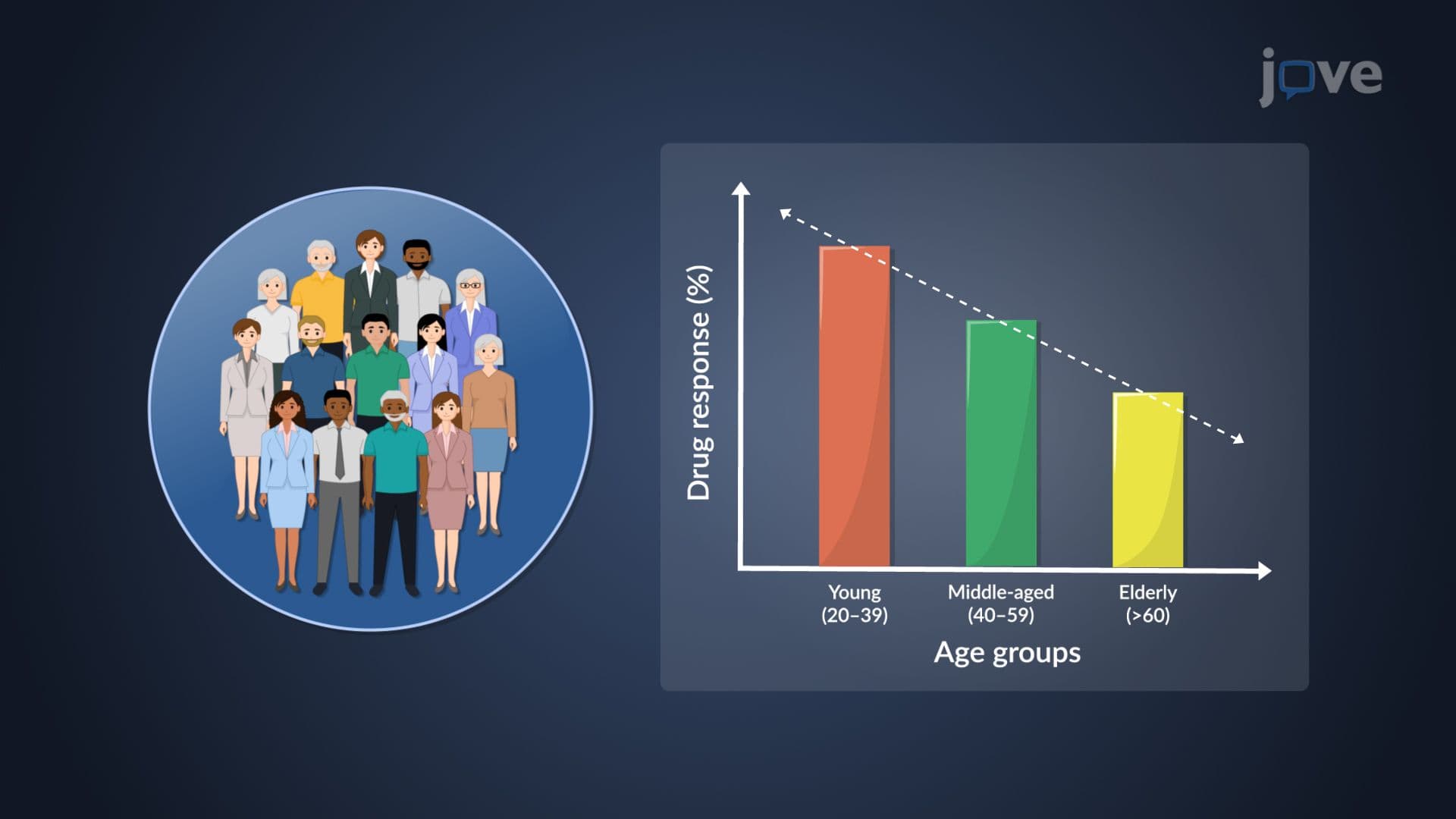
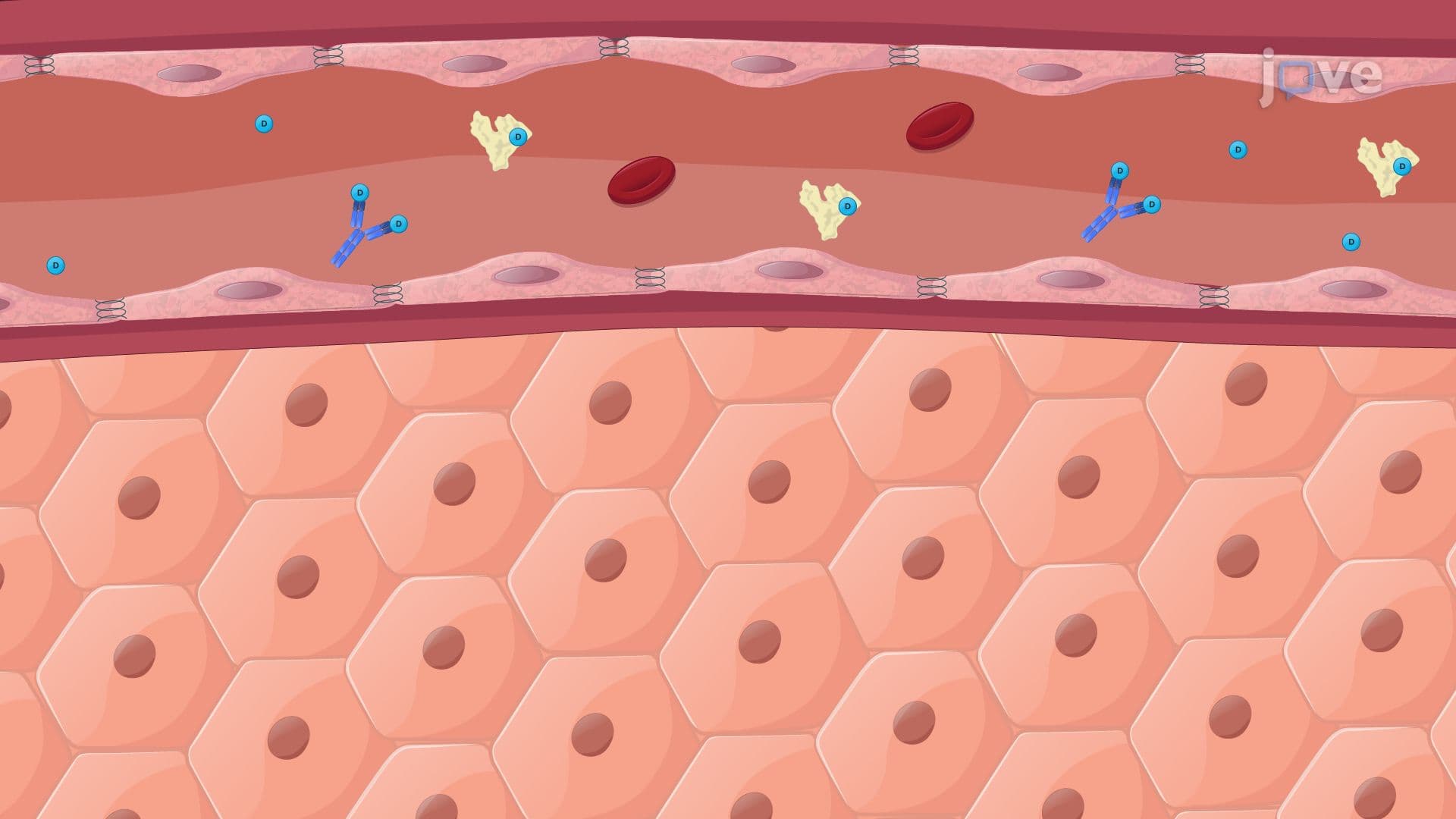
Aging significantly impacts all aspects of pharmacokinetics, necessitating careful dose modifications in patients over 65 years. Reduced albumin levels increase free drug concentrations for highly protein-bound medications like warfarin, requiring lower doses to prevent toxicity. Decreased lean body mass and total body water reduce distribution volumes for hydrophilic drugs such as digoxin, while increased body fat enhances distribution of lipophilic drugs like benzodiazepines. The Cockcroft-Gault equation estimates creatinine clearance in elderly patients: CrCl = [(140-age) × weight] / (72 × serum creatinine), with results multiplied by 0.85 for females.
3. Obesity Effects on Drug Pharmacokinetics
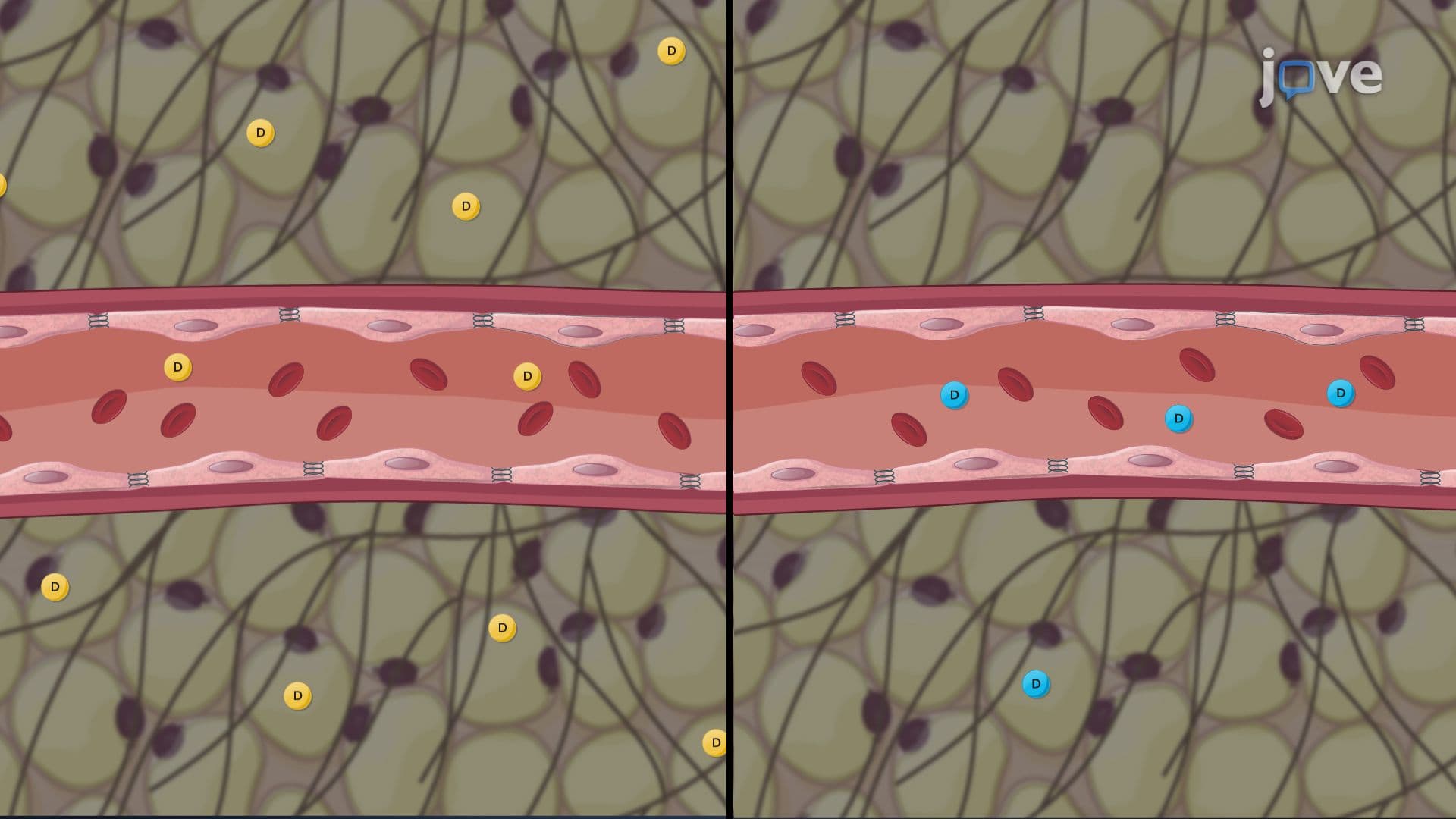
Obesity, defined as BMI ≥30 kg/m² or weight exceeding ideal body weight by 20%, significantly alters drug distribution and clearance. Hydrophilic drugs like gentamicin should be dosed using ideal body weight to prevent overdosing, while lipophilic drugs such as propofol require total body weight dosing due to extensive adipose tissue distribution. Obese patients often exhibit increased hepatic blood flow and enhanced renal clearance for certain medications. Bariatric surgery patients may show altered drug absorption, with metformin bioavailability increasing by 50% post-gastric bypass surgery compared to non-surgical patients.
4. Renal Impairment and Dose Adjustment Methods
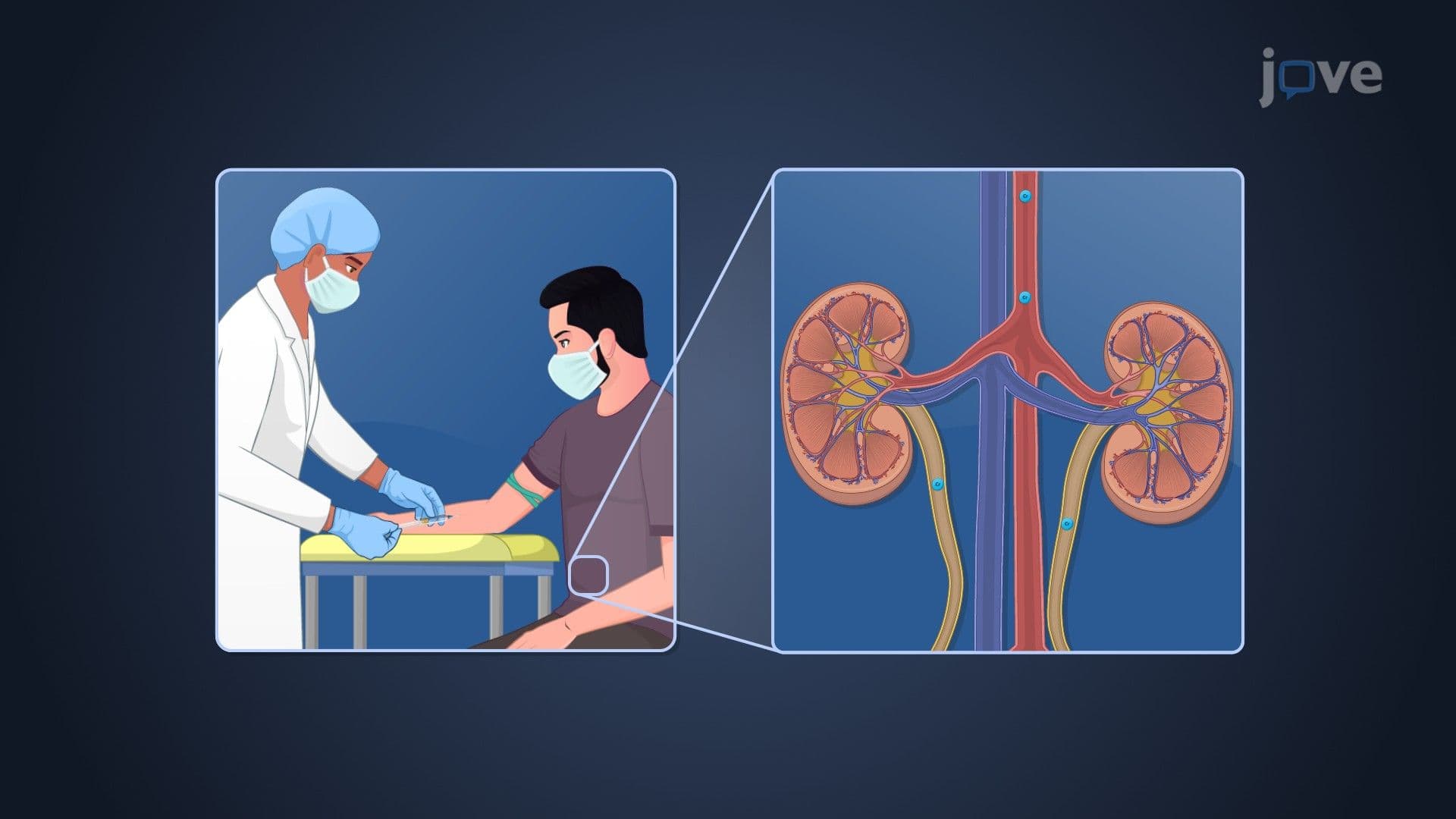
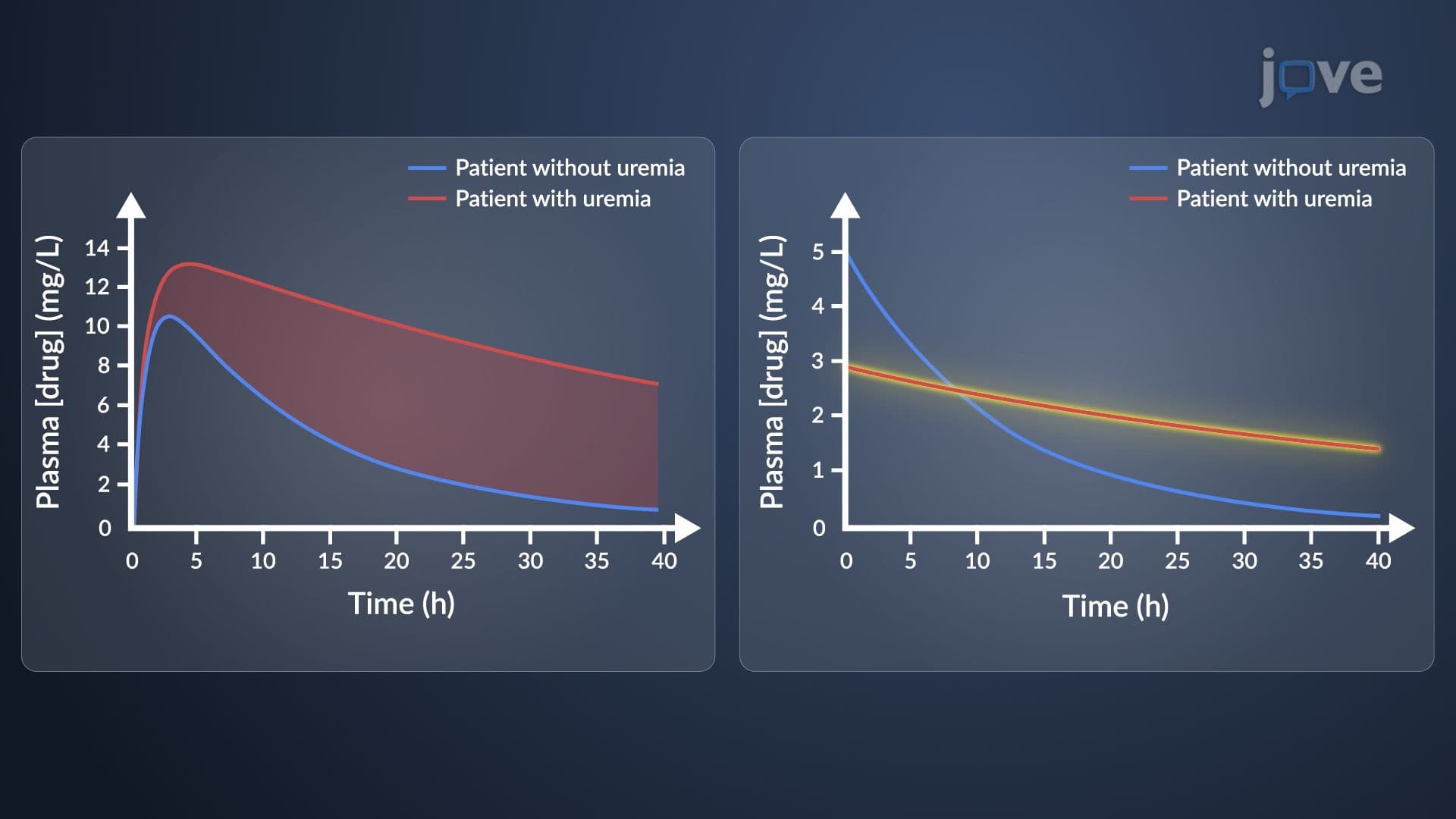
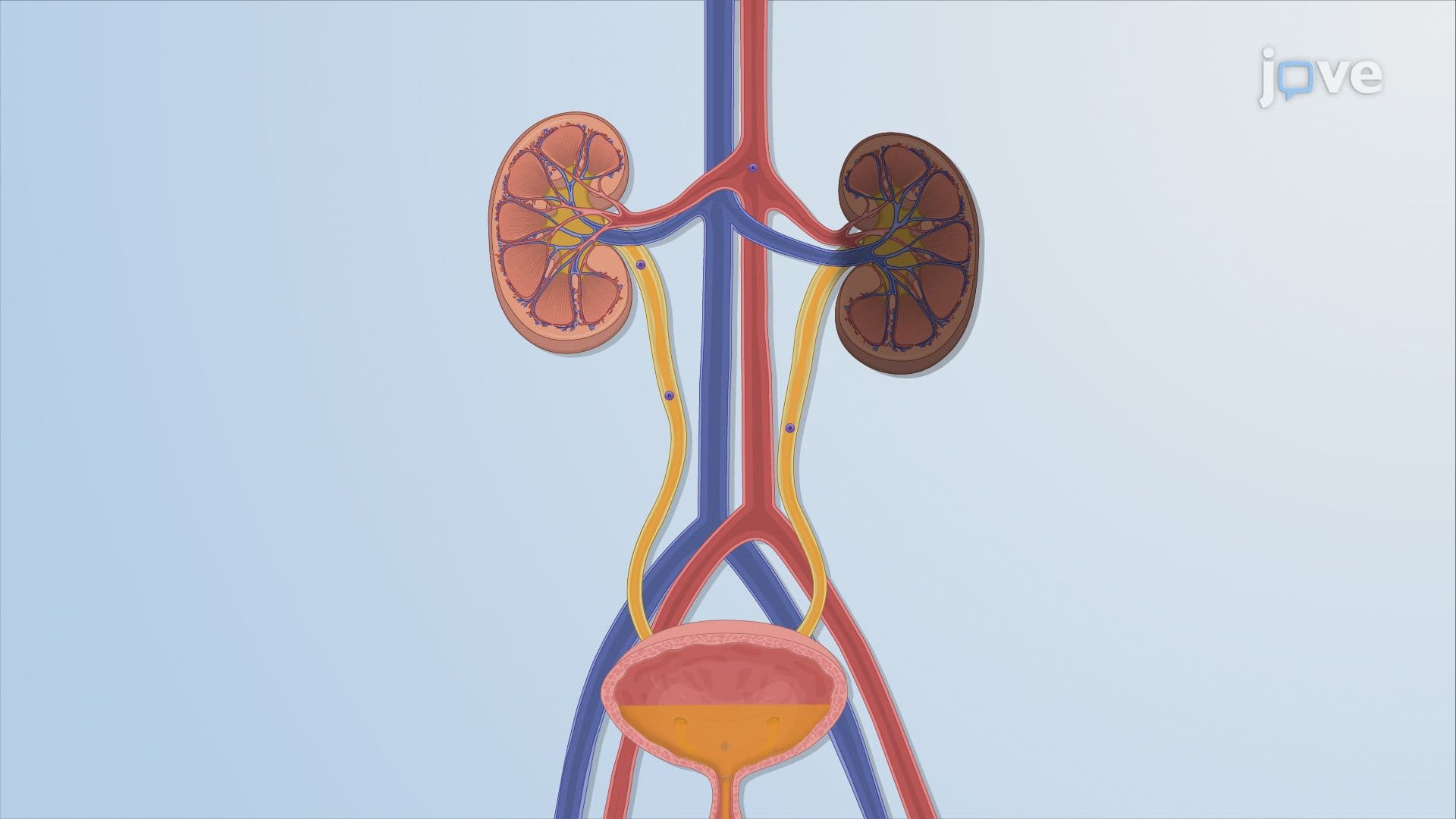
Kidney dysfunction requires systematic dose adjustments to prevent drug accumulation and toxicity. Creatinine clearance estimation using the Cockcroft-Gault equation or eGFR calculation with CKD-EPI equations guides dosing decisions. For drugs primarily eliminated by kidneys, the dose adjustment factor equals patient CrCl divided by normal CrCl (120 mL/min). Aminoglycoside antibiotics exemplify renally eliminated drugs requiring significant dose reductions or interval extensions in renal impairment. The fraction excreted unchanged (fe) determines the magnitude of dose adjustment needed, with drugs having fe >0.7 requiring substantial modifications.
5. Hepatic Impairment and Drug Metabolism Changes
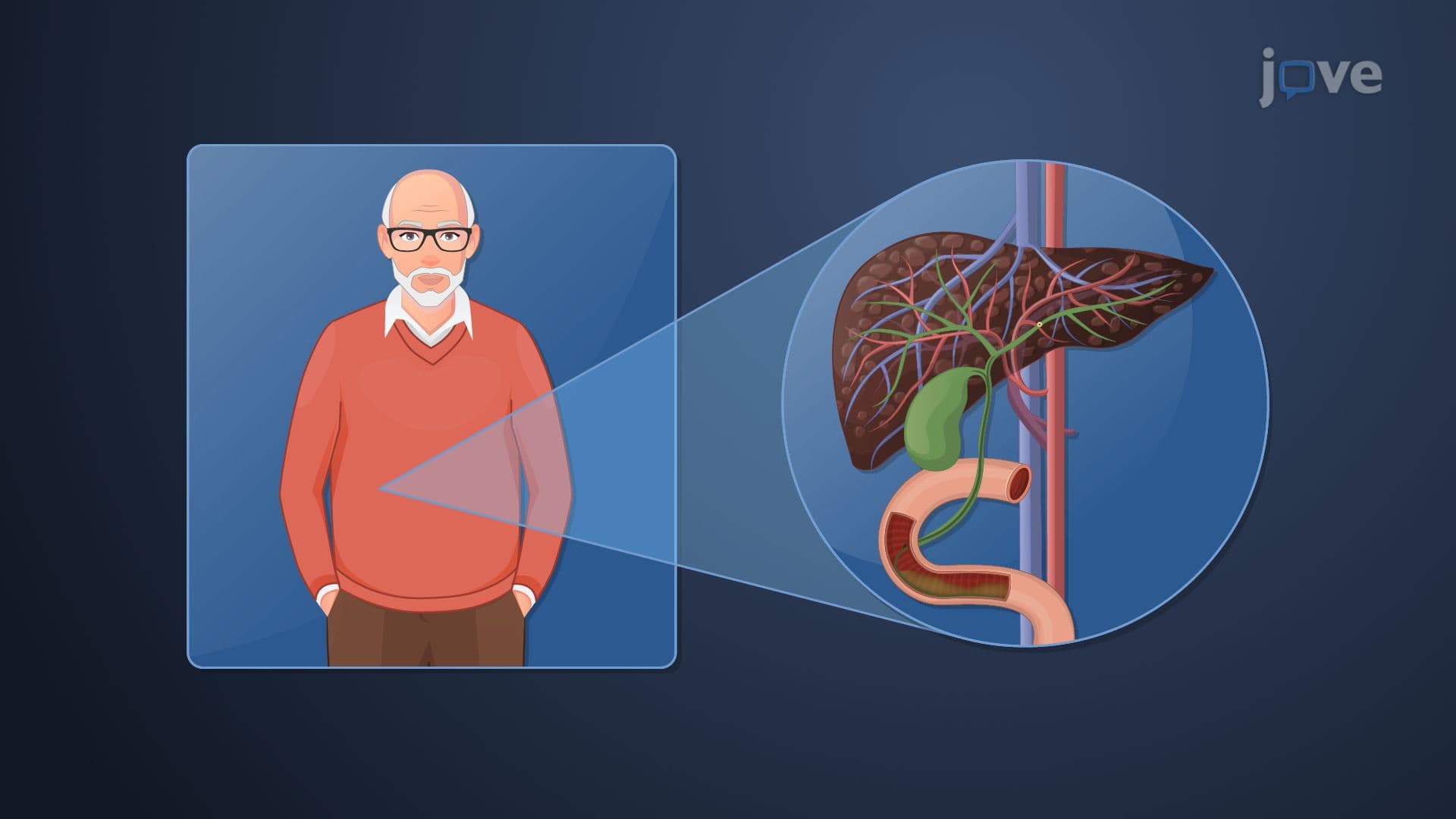
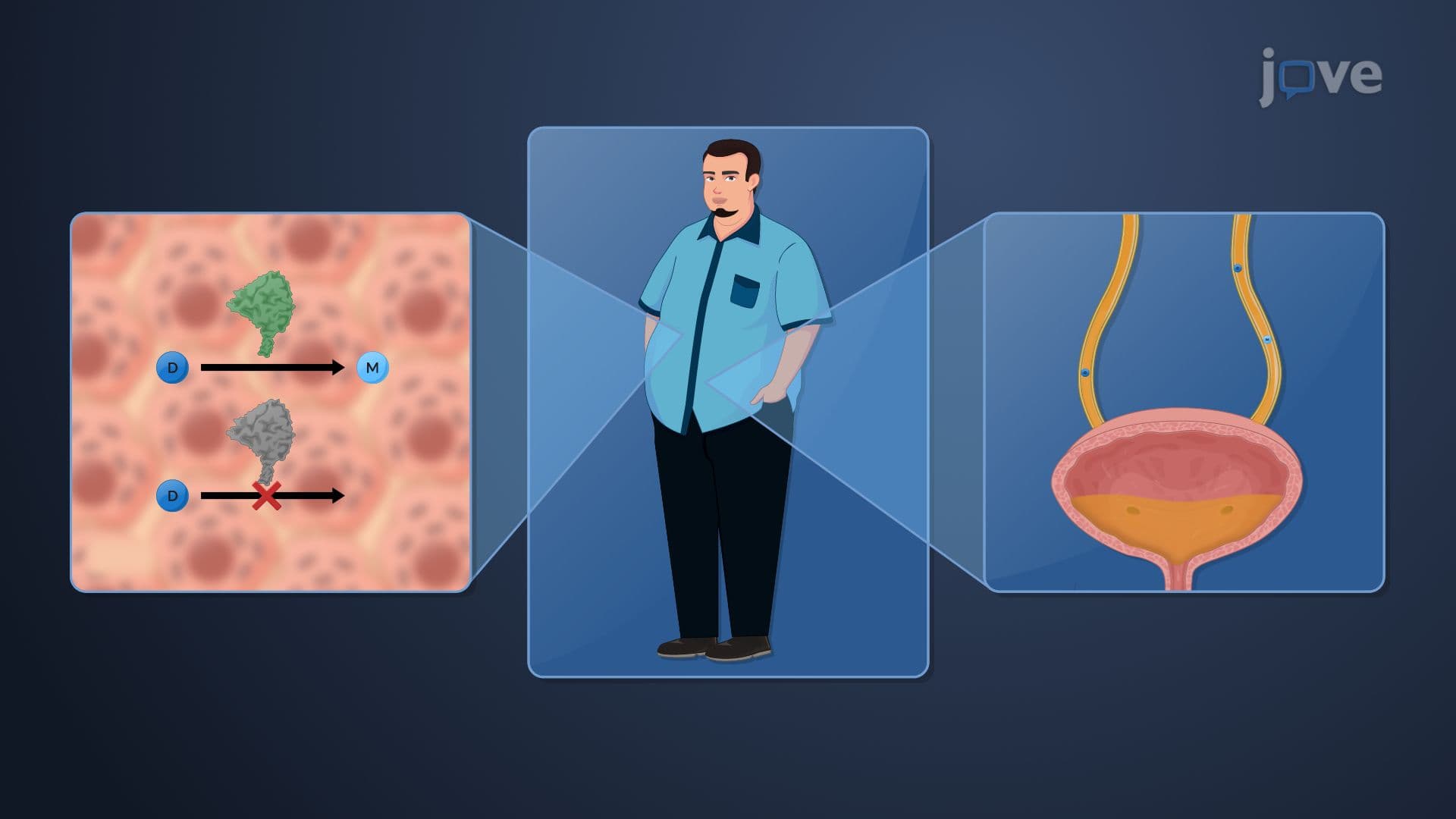
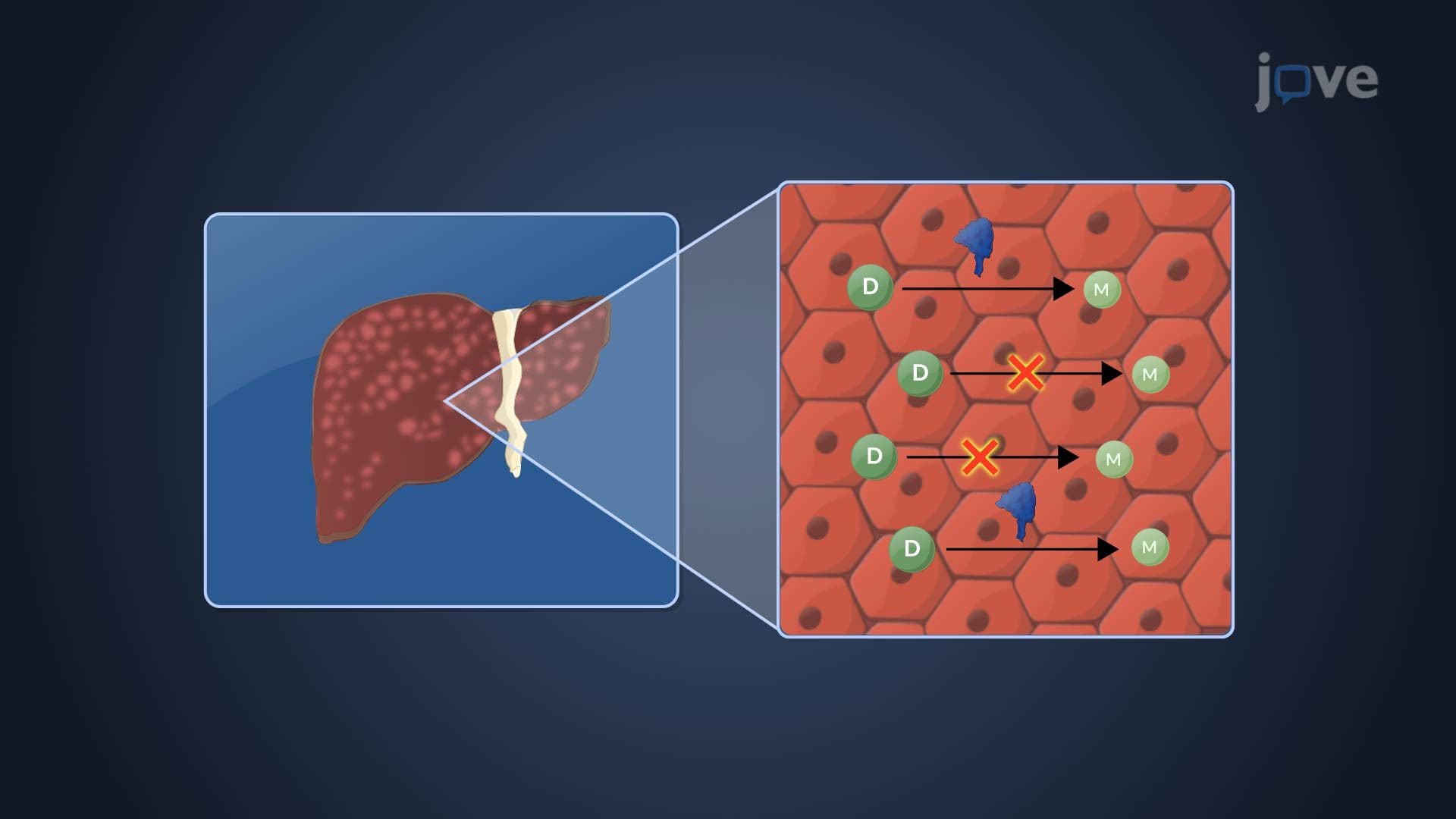
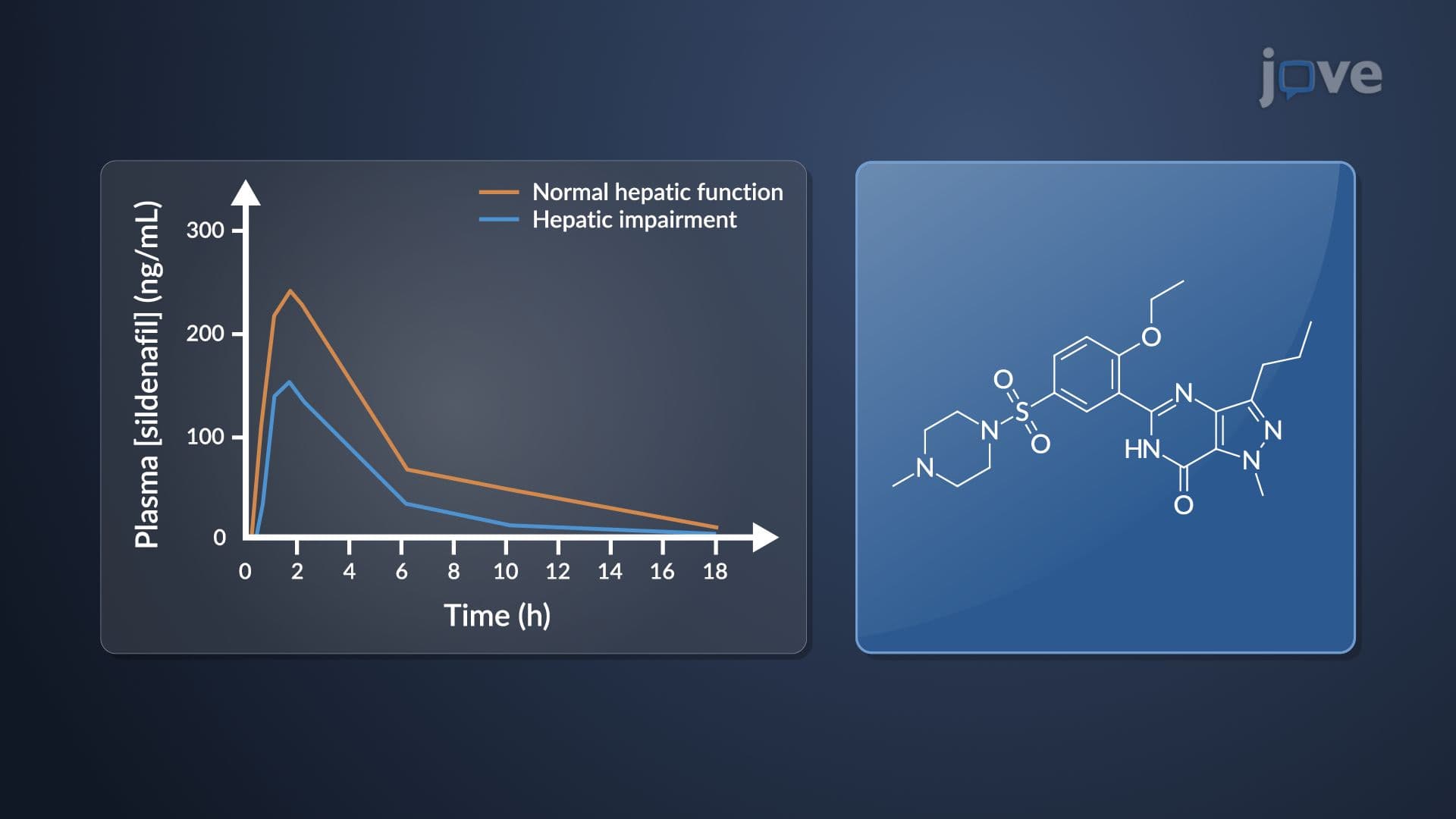
Liver disease affects drug metabolism through reduced hepatic blood flow, decreased enzyme activity, and altered protein synthesis. Child-Pugh classification (Classes A, B, C) helps assess hepatic function severity, though it doesn't directly correlate with cytochrome P450 enzyme activity. High-extraction drugs like propranolol are more affected by hepatic blood flow changes, while low-extraction drugs such as phenytoin are influenced by intrinsic clearance alterations. Drug metabolites may be more or less active than parent compounds, requiring monitoring of both species in hepatic impairment patients.
6. Extracorporeal Drug Removal and Dialysis
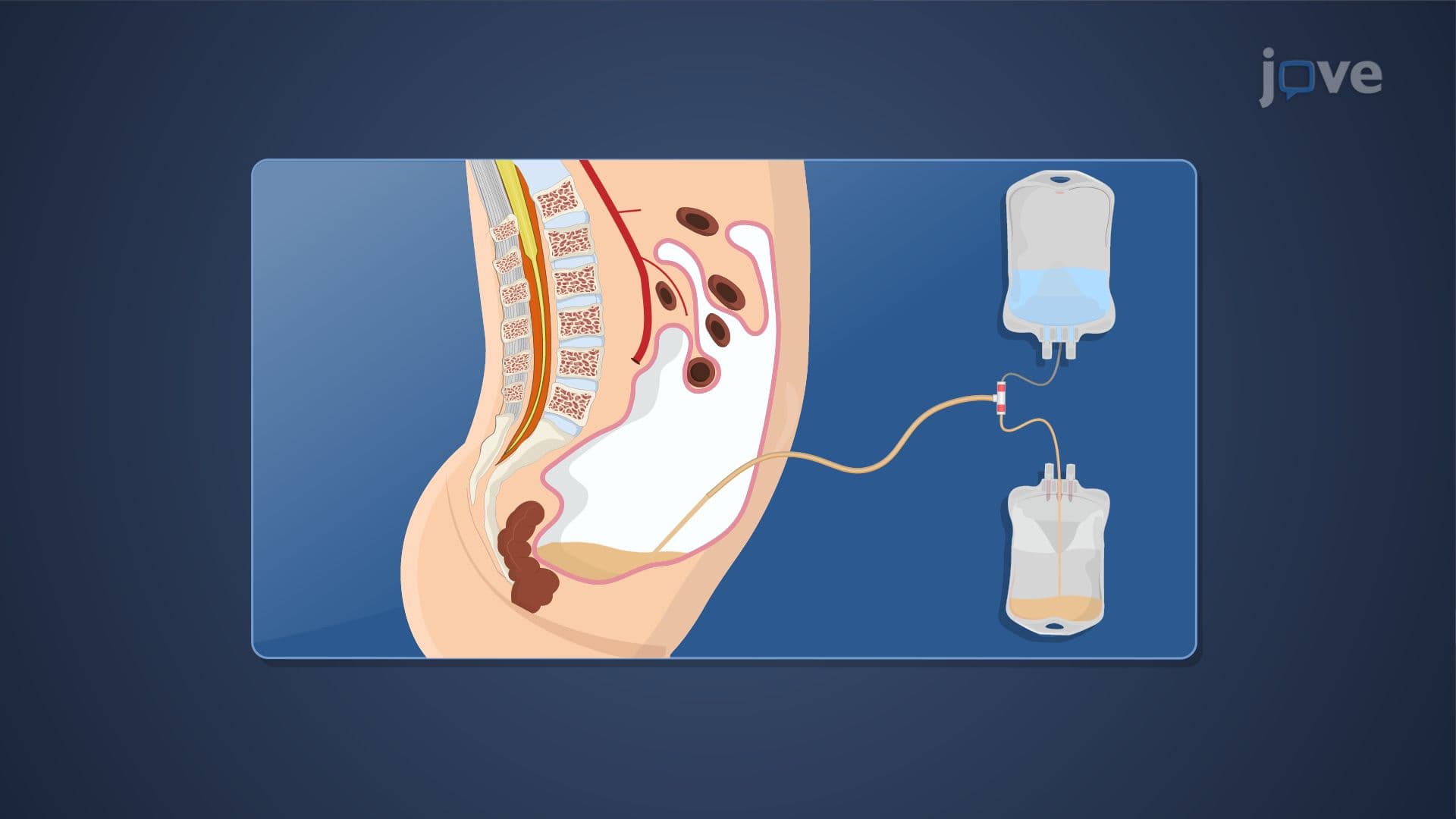
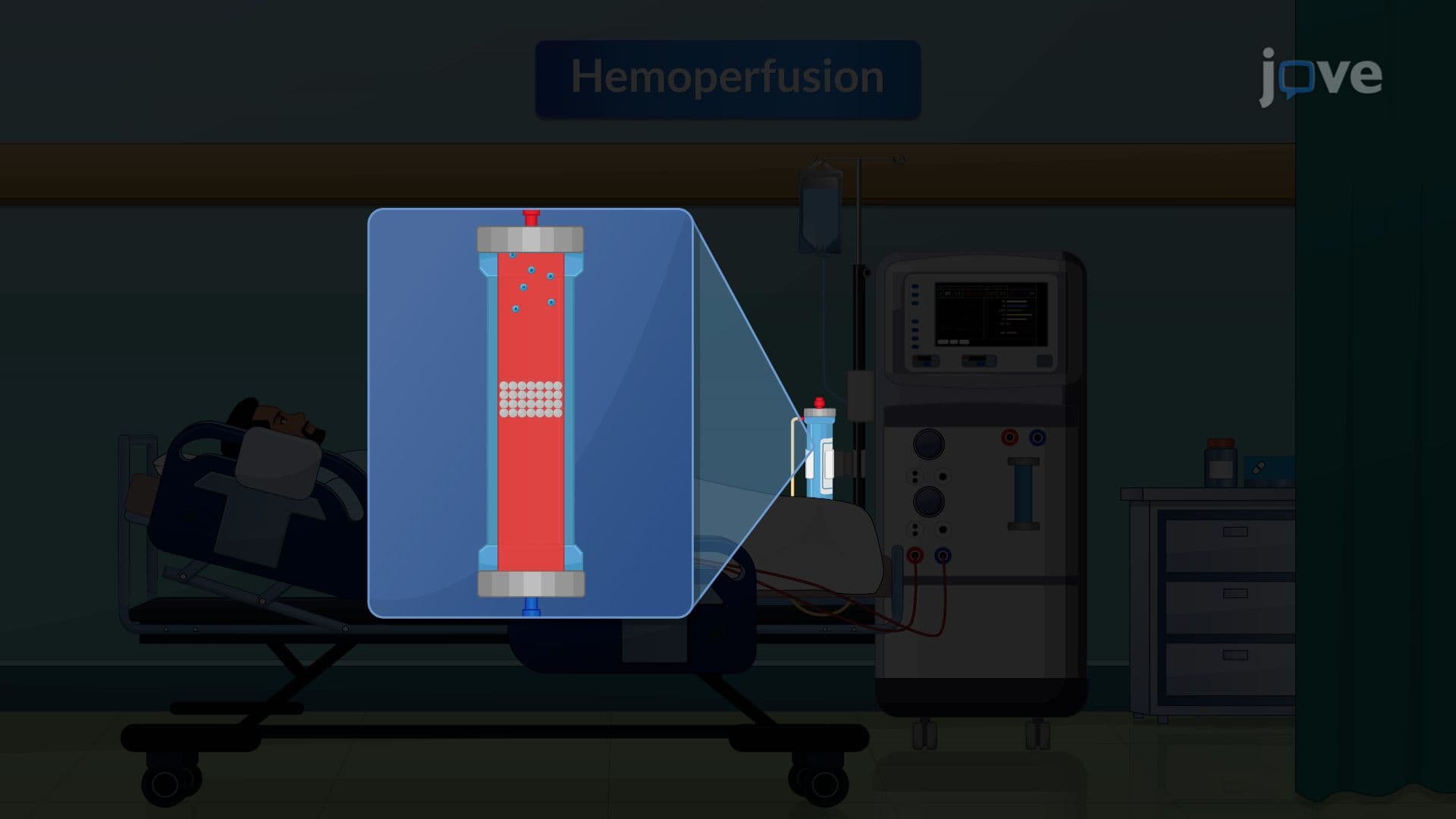
Hemodialysis, peritoneal dialysis, and continuous renal replacement therapy (CRRT) remove drugs through diffusion and filtration mechanisms. Drug removal depends on molecular weight, protein binding, and distribution volume. Water-soluble, low molecular weight drugs with minimal protein binding are effectively removed by dialysis. For example, lithium requires post-dialysis dosing due to significant removal, while highly protein-bound drugs like warfarin are poorly dialyzed. CRRT provides continuous drug removal with sieving coefficients (S) indicating clearance efficiency - when S=1, complete drug passage occurs through the membrane.
Frequently Asked Questions
Use body surface area (BSA) calculations for most accurate dosing. The Mosteller formula calculates BSA = √[(height in cm × weight in kg)/3600]. Pediatric dose = Adult dose × (Pediatric BSA/1.73 m²). For weight-based dosing, typical pediatric doses range from 10-30 mg/kg compared to fixed adult doses. Always verify age-appropriate maximums and consider organ maturity factors.
Cockcroft-Gault estimates creatinine clearance and requires patient weight, making it preferred for drug dosing. MDRD and CKD-EPI equations estimate glomerular filtration rate (eGFR) normalized to 1.73 m² body surface area. For clinical pharmacokinetics applications, Cockcroft-Gault remains the standard for dose adjustment calculations despite its limitations in obesity and elderly populations.
This course directly supports USMLE Step 1 pharmacology questions on dose calculations, renal/hepatic impairment dosing, and population pharmacokinetics. Step 2 CK applications include clinical scenarios with dose adjustments in special populations. NAPLEX preparation benefits from practical dose calculation methods and clinical decision-making scenarios presented throughout the course content.
Consider three factors: extent of hepatic metabolism (high vs. low extraction), protein binding status, and metabolite activity. Drugs with >70% hepatic elimination typically require dose reduction. Check if active metabolites exist - reduced formation may decrease therapeutic effect. Use Child-Pugh scores as general guides, but specific pharmacokinetic studies provide better dosing guidance when available.
Dosing complexity increases because different drug classes require different weight descriptors. Polar drugs use ideal body weight, nonpolar drugs use total body weight, and some use adjusted body weight calculations. Misapplying dosing weights can result in underdosing (reduced efficacy) or overdosing (increased toxicity). Standard protocols help prevent these medication errors in clinical practice.
Multiple confounding factors complicate research including polypharmacy, comorbidities, and individual variation in aging processes. Cross-sectional studies may not accurately reflect longitudinal changes within individuals. Additionally, elderly patients are often excluded from clinical trials, limiting available data for evidence-based dosing recommendations in this vulnerable population.
Master the basic formulas first: Cockcroft-Gault for creatinine clearance, dose adjustment factors, and population-specific equations. Practice with clinical scenarios combining multiple factors (age, weight, renal function). Create decision trees for different drug classes and patient populations. Focus on high-yield drugs commonly tested: digoxin, aminoglycosides, warfarin, and renally eliminated antibiotics.
Clinical pharmacy specialists work in hospitals providing dosing consultations for complex patients. Pharmaceutical industry roles include clinical pharmacology, drug development, and regulatory affairs positions. Academic careers combine research and teaching in pharmacy or medical schools. Government positions at FDA involve drug approval and safety monitoring requiring advanced pharmacokinetic knowledge and population modeling expertise.