Pharmacokinetics: drug absorption explores how medications move from their administration site into the bloodstream and reach target tissues. This comprehensive study examines drug transport mechanisms, dissolution processes, and factors affecting bioavailability across various delivery routes. JoVE Coach provides essential foundation knowledge for understanding pharmaceutical sciences and therapeutic effectiveness.
Understand the four phases of drug therapy: pharmaceutic, pharmacokinetic, pharmacodynamic, and therapeutic
Identify major drug delivery routes including enteral, parenteral, and topical administration methods
Analyze cellular membrane structure and drug transport mechanisms across biological barriers
Explore passive diffusion, active transport, and carrier-mediated drug movement processes
Learn factors influencing drug absorption including anatomical, physiological, and pharmaceutical parameters
Apply dissolution theories and understand particle size effects on drug bioavailability
Examine presystemic elimination and first-pass metabolism impact on drug effectiveness
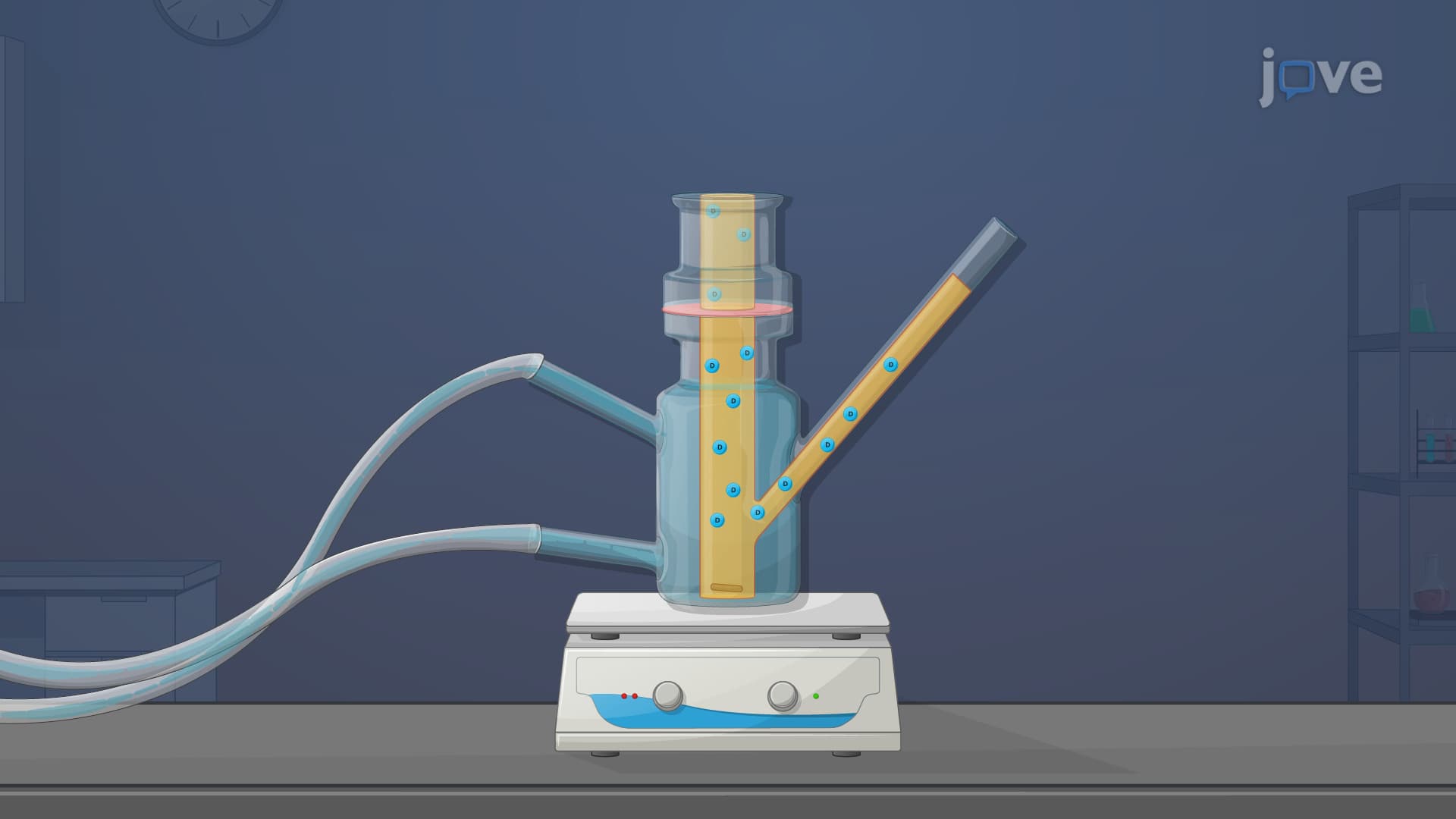
Evaluate methods for studying drug absorption through in vitro and in situ techniques
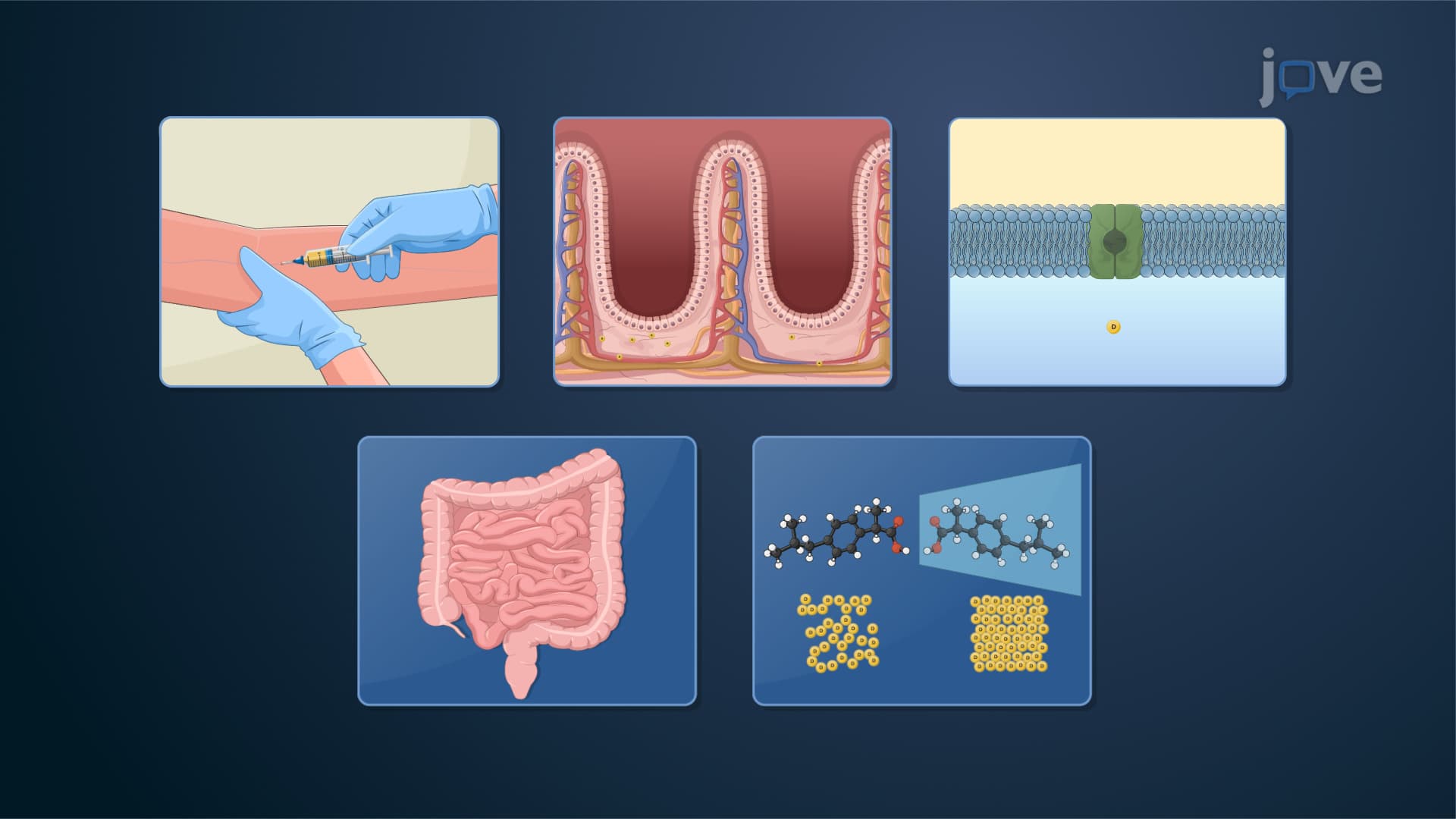
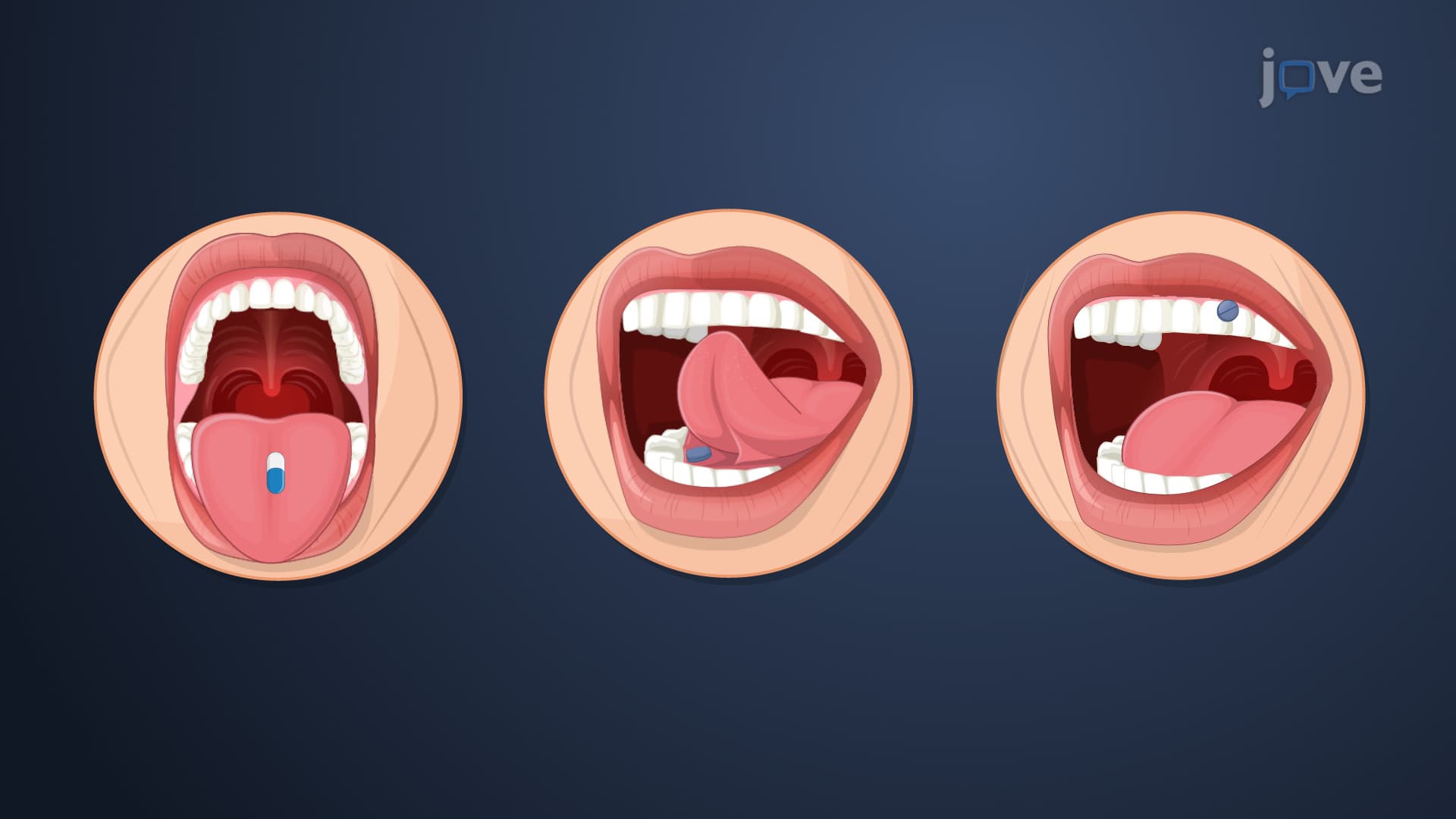
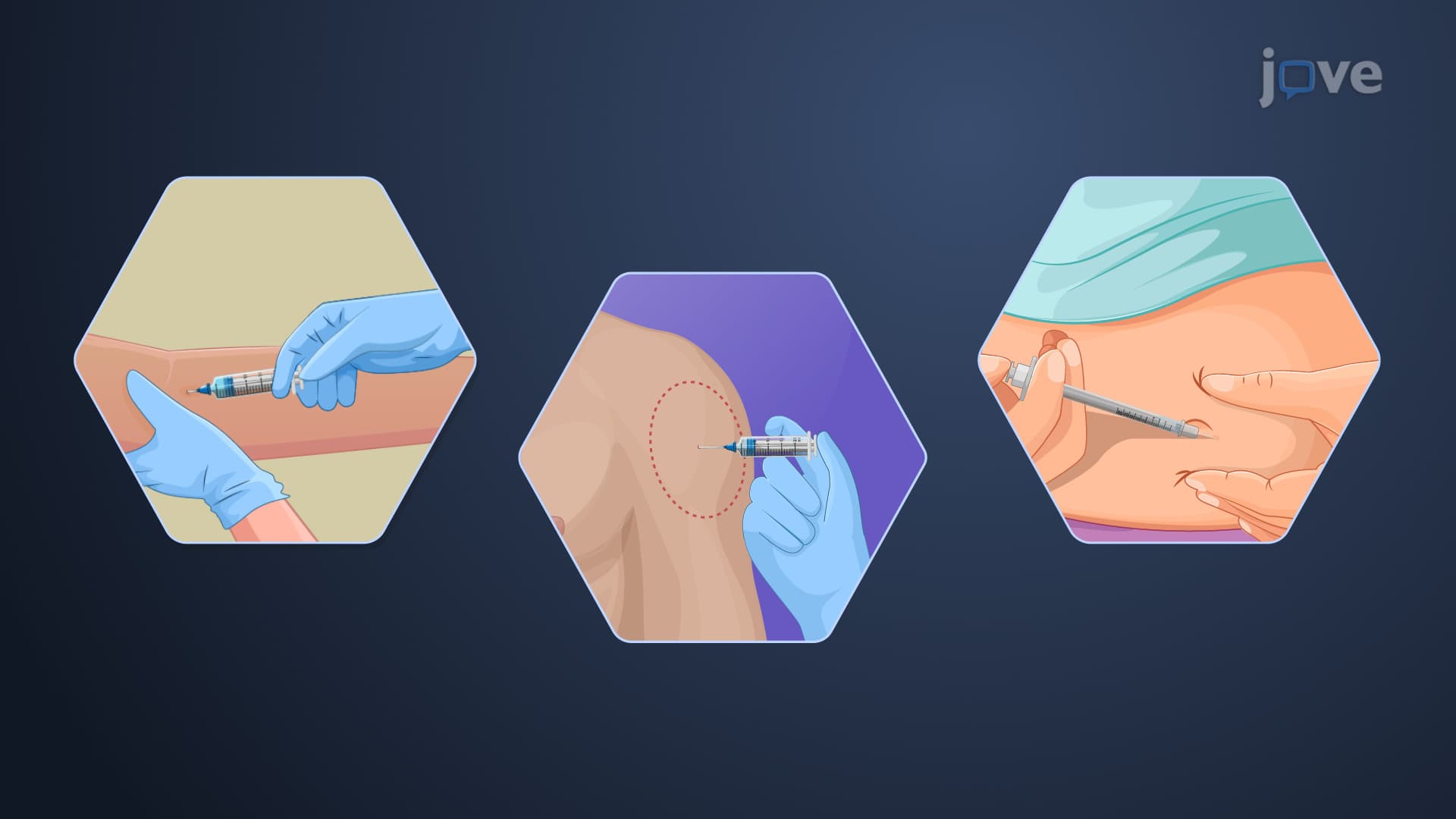
1. Drug Administration Routes and Bioavailability: Oral medications like aspirin tablets must dissolve in gastrointestinal fluids before absorption, while intravenous drugs like morphine enter circulation directly with 100% bioavailability. Sublingual nitroglycerin bypasses liver metabolism for rapid angina relief, demonstrating how route selection impacts therapeutic outcomes. Understanding bioavailability differences helps explain why oral morphine requires higher doses than intravenous administration to achieve equivalent pain relief.
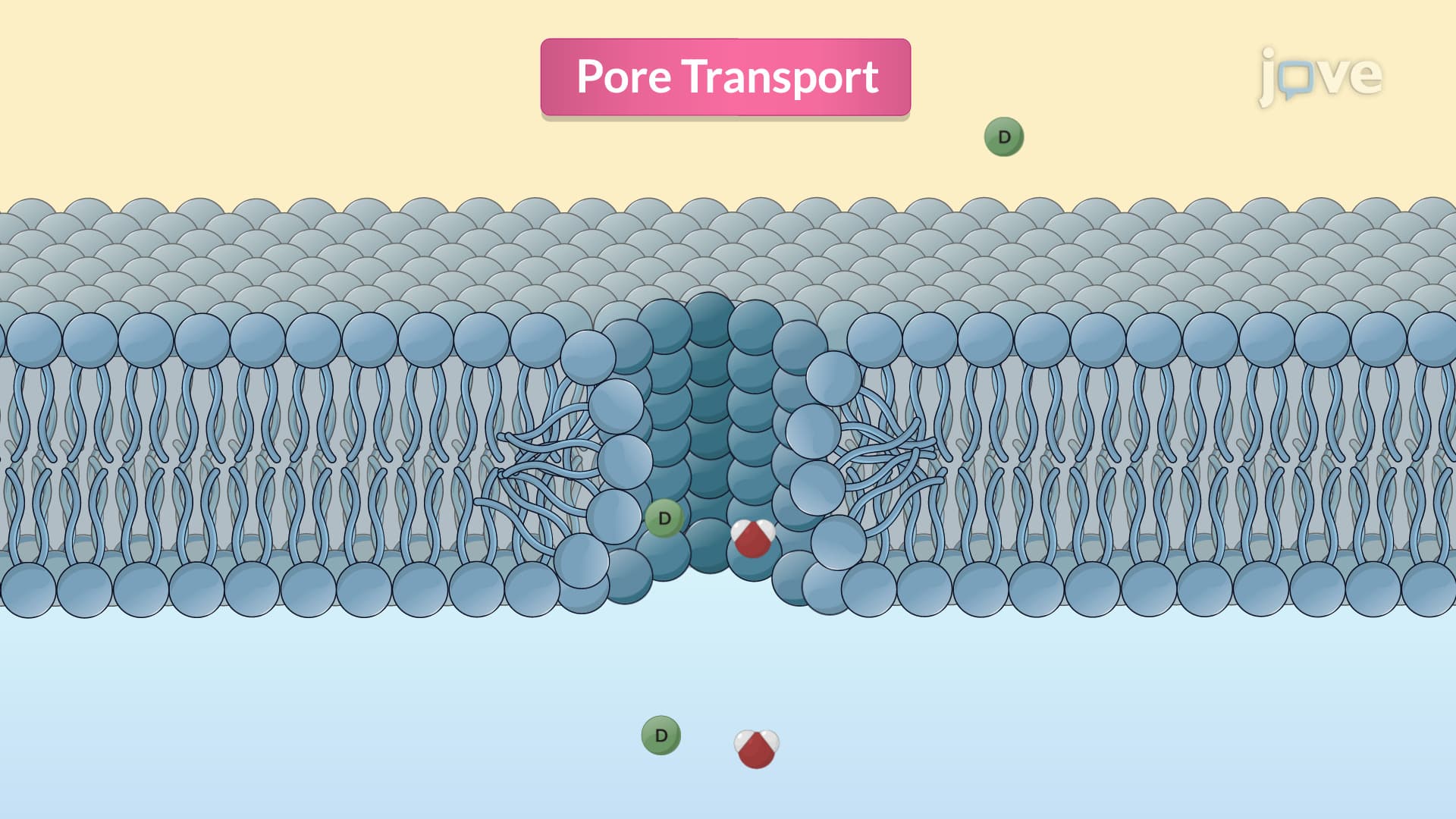
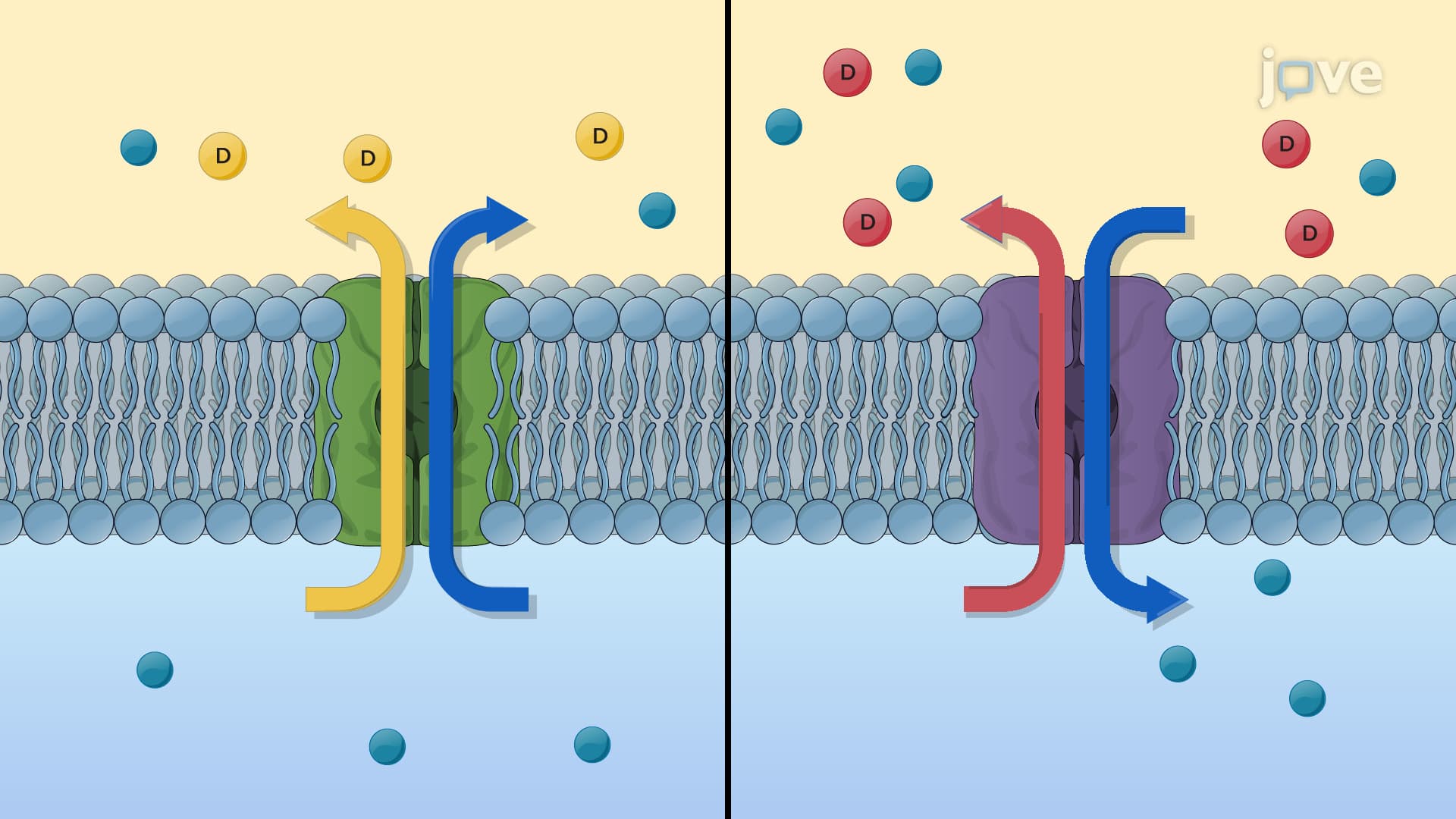
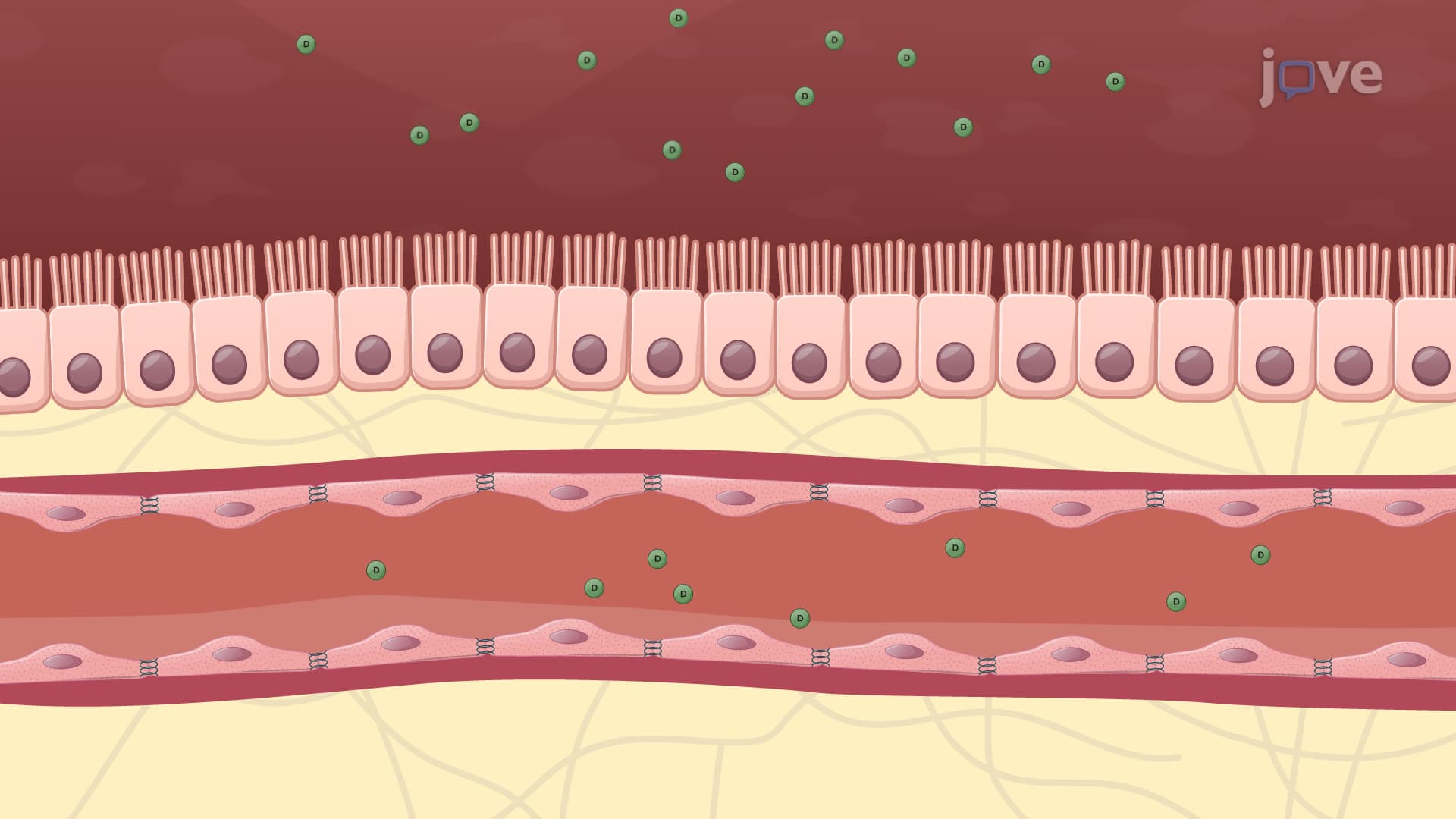
2. Cellular Membrane Transport Mechanisms: Drug molecules cross cell membranes through passive diffusion, active transport, or carrier-mediated processes. Lipophilic drugs like propranolol easily diffuse through membrane lipid bilayers, while hydrophilic drugs like furosemide require specific transporters. The blood-brain barrier's tight junctions limit drug penetration, explaining why only certain antibiotics like linezolid effectively treat brain infections while others remain ineffective despite adequate blood levels.
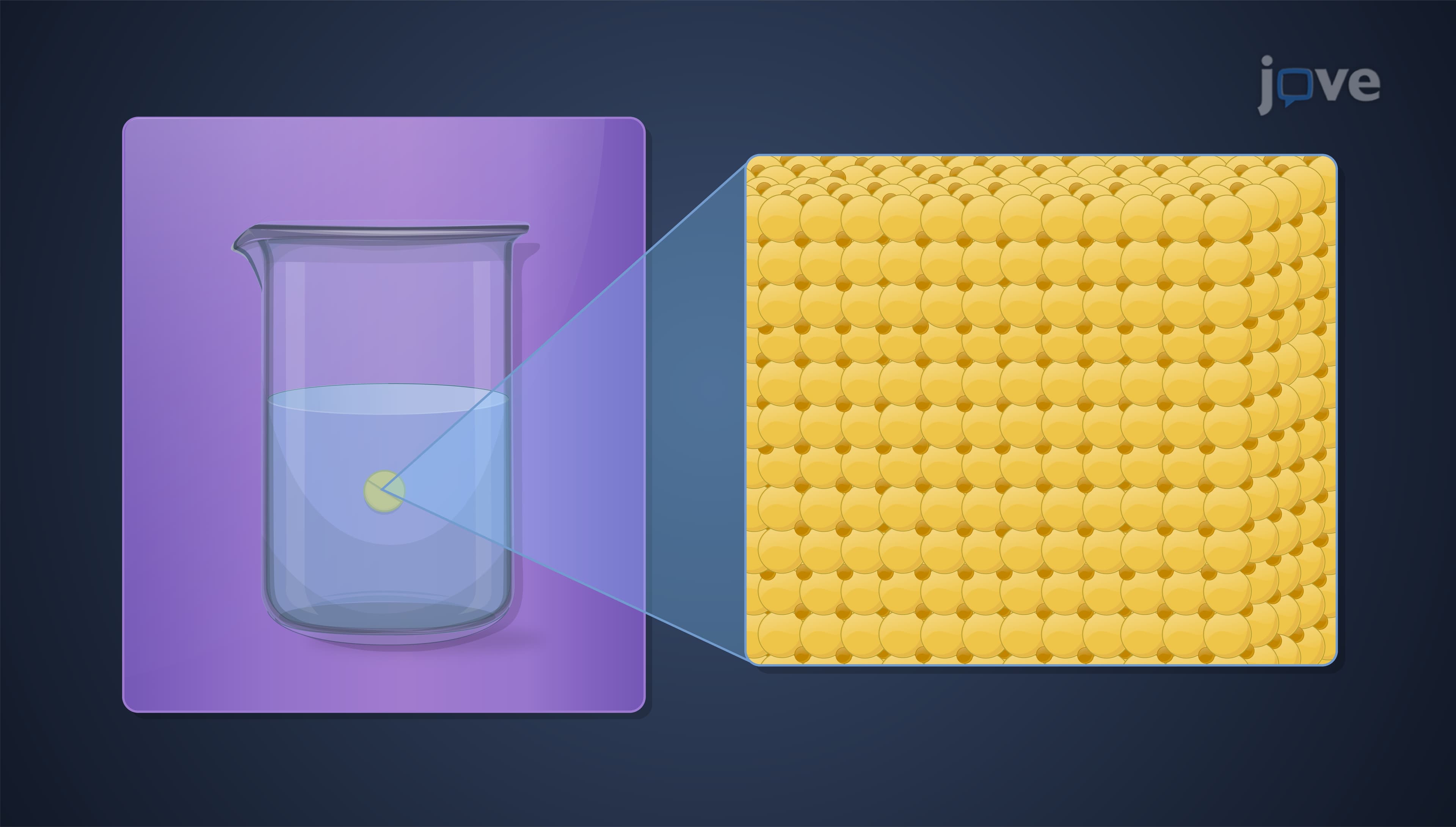
3. Dissolution and Drug Release: Solid dosage forms must disintegrate and dissolve before absorption occurs. Poorly soluble drugs like griseofulvin benefit from micronization to increase surface area and dissolution rates. Extended-release formulations like metformin XR use special coatings to control drug release over 12-24 hours, reducing dosing frequency while maintaining therapeutic levels throughout the day.
4. First-Pass Metabolism and Presystemic Elimination: Oral drugs absorbed from the intestine pass through the liver before reaching systemic circulation, where hepatic enzymes may metabolize significant amounts. Drugs with high first-pass metabolism like nitroglycerin lose 90% of their dose during liver passage, necessitating alternative routes or higher oral doses. This explains why sublingual nitroglycerin provides effective angina treatment while oral formulations prove inadequate.
5. Factors Affecting Drug Absorption: Gastrointestinal pH variations influence weak acid and base absorption, with aspirin (weak acid) favoring stomach absorption while quinidine (weak base) absorbs better in alkaline intestinal conditions. Food interactions can enhance or impair absorption - fatty meals increase griseofulvin absorption but delay acetaminophen absorption. Disease states like celiac disease reduce intestinal surface area, significantly impairing drug absorption for multiple medications.
6. Pharmaceutical Formulation Impact: Excipients and manufacturing processes significantly influence drug dissolution and absorption. Enteric-coated omeprazole protects acid-sensitive drugs from stomach degradation, while immediate-release formulations provide rapid onset. Surfactants in formulations improve wetting of hydrophobic drugs, while disintegrants promote tablet breakup. Understanding these relationships explains bioequivalence requirements for generic medications and therapeutic failures with poorly formulated products.
Frequently Asked Questions
Intravenous administration provides 100% bioavailability with immediate effect, while oral drugs face dissolution, absorption, and first-pass metabolism challenges that reduce bioavailability. Sublingual and buccal routes bypass liver metabolism, providing faster onset than oral but slower than intravenous. Intramuscular and subcutaneous routes offer intermediate absorption rates depending on blood flow and drug formulation.
MCAT biological and biochemical foundations sections test passive and active transport mechanisms, membrane structure, pH effects on weak acids and bases, and enzyme kinetics related to drug metabolism. Students should understand concentration gradients, facilitated diffusion, and ATP-dependent transport processes. Practice problems often involve calculating drug concentrations or predicting absorption based on molecular properties.
NCLEX-RN examinations focus on practical applications like recognizing factors that affect drug absorption, understanding why certain medications require specific administration routes, and identifying patient conditions that alter drug effectiveness. Questions may ask about food-drug interactions, timing of medication administration, or recognizing signs of altered absorption in disease states like malabsorption syndromes.
Food can delay gastric emptying, bind to drugs reducing absorption, or alter gastric pH affecting drug stability. Medications like tetracycline bind to calcium in dairy products, while fatty foods enhance absorption of fat-soluble drugs like griseofulvin. Understanding these interactions helps optimize therapeutic outcomes and minimize adverse effects in clinical practice.
Students often struggle with understanding the relationship between drug physicochemical properties and absorption mechanisms, particularly how molecular size, lipophilicity, and ionization state determine transport pathways. The concept of first-pass metabolism and its impact on bioavailability requires understanding liver physiology and drug metabolism pathways, making it conceptually demanding for introductory students.
Focus on understanding underlying principles rather than memorizing isolated facts. Create concept maps linking drug properties to absorption mechanisms and clinical outcomes. Practice with real drug examples, comparing different formulations of the same medication. Use visual aids to understand membrane transport processes and dissolution mechanisms. Work through calculation problems involving bioavailability and drug concentrations.
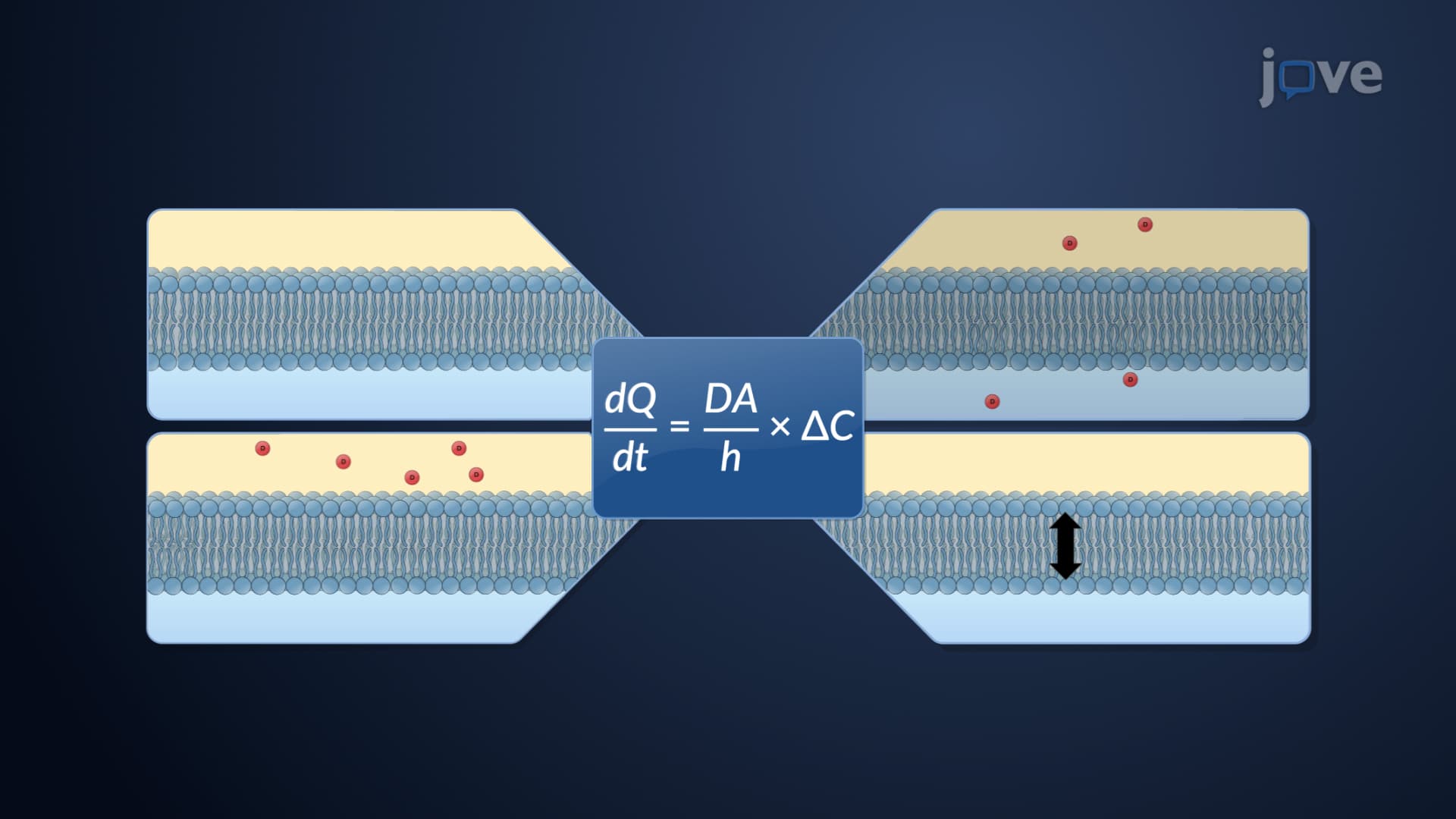
The Noyes-Whitney equation guides formulation scientists in optimizing drug release by manipulating surface area, dissolution medium, and concentration gradients. Understanding dissolution models helps predict in vivo performance from in vitro testing, supporting bioequivalence studies for generic drug approval. These principles directly influence tablet design, coating selection, and manufacturing processes in pharmaceutical industry applications.
This microcourse includes 29 concept videos that walk you through the building blocks of Pharmacokinetics and Pharmacodynamics. Each video is short, about 1 minute, so you can cover a full topic during a coffee break or between classes. The full sequence starts with Drug Administration and Therapy Phases: Overview and ends with Non-Oral Extravascular Drug Absorption Routes.