Loading concepts…


12 Concepts
10 Concepts
29 Concepts
14 Concepts
15 Concepts
25 Concepts
30 Concepts
12 Concepts
17 Concepts
9 Concepts
7 Concepts
18 Concepts
26 Concepts
9 Concepts
16 Concepts
17 Concepts
17 Concepts
 7 Concepts
 352 Views
 Popular topics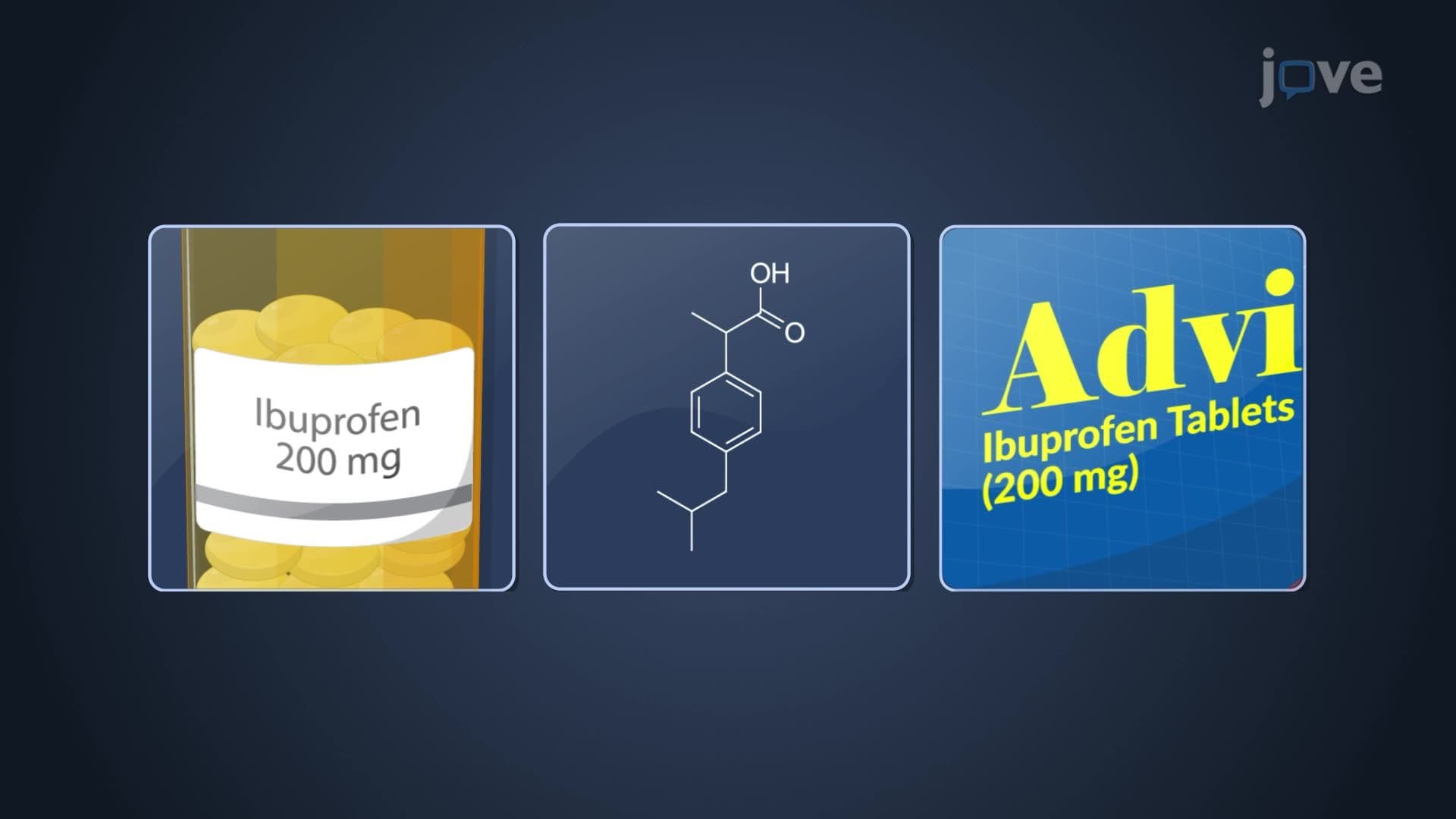
The biopharmaceutical aspects of active pharmaceutical ingredients (APIs) are critical for understanding drug performance and therapeutic equivalence. This JoVE Coach micro-course examines how API physicochemical properties, including solubility, polymorphism, particle size, and stability, influence drug bioavailability and therapeutic outcomes in US pharmaceutical development and generic drug approval processes.
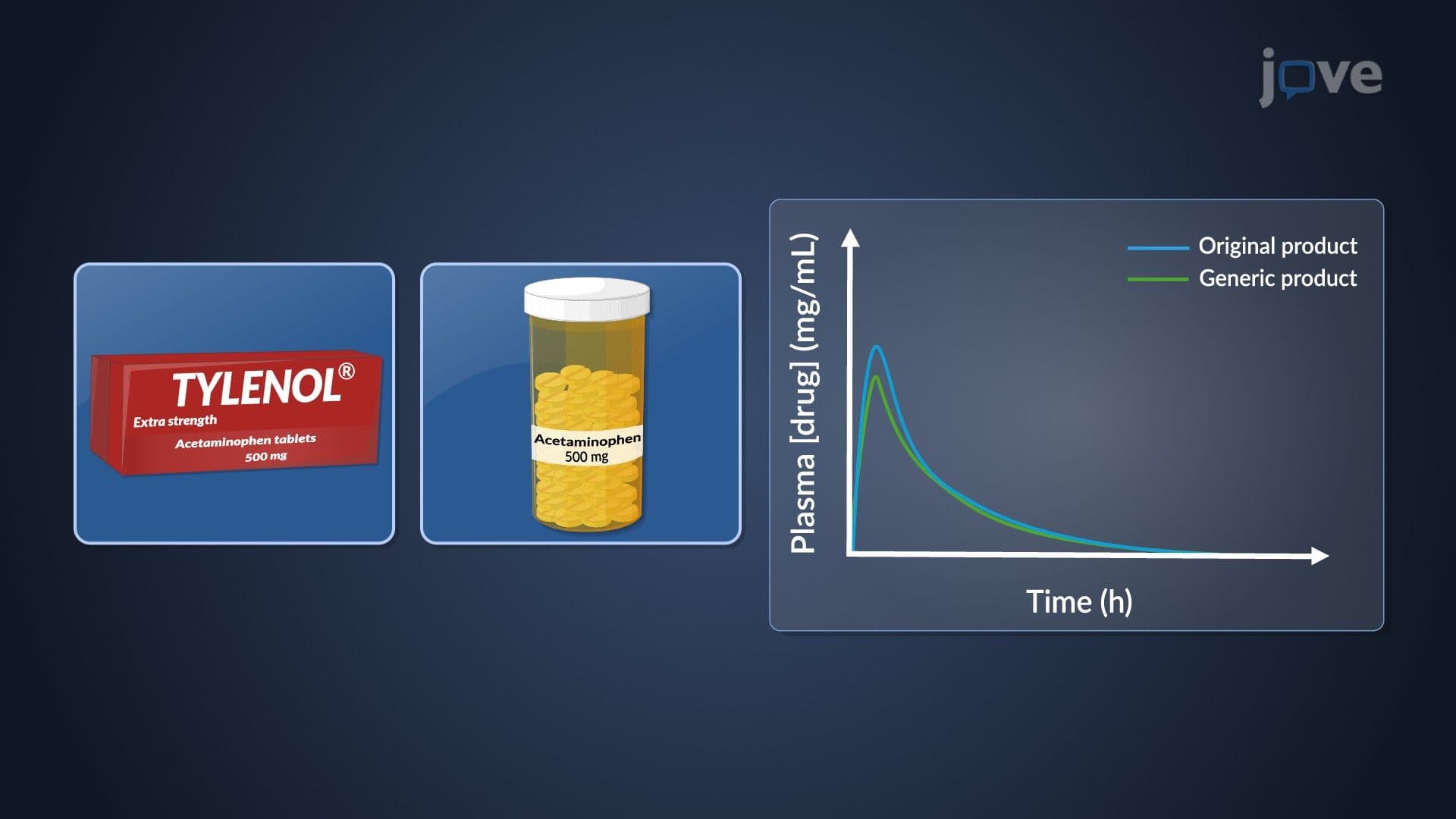
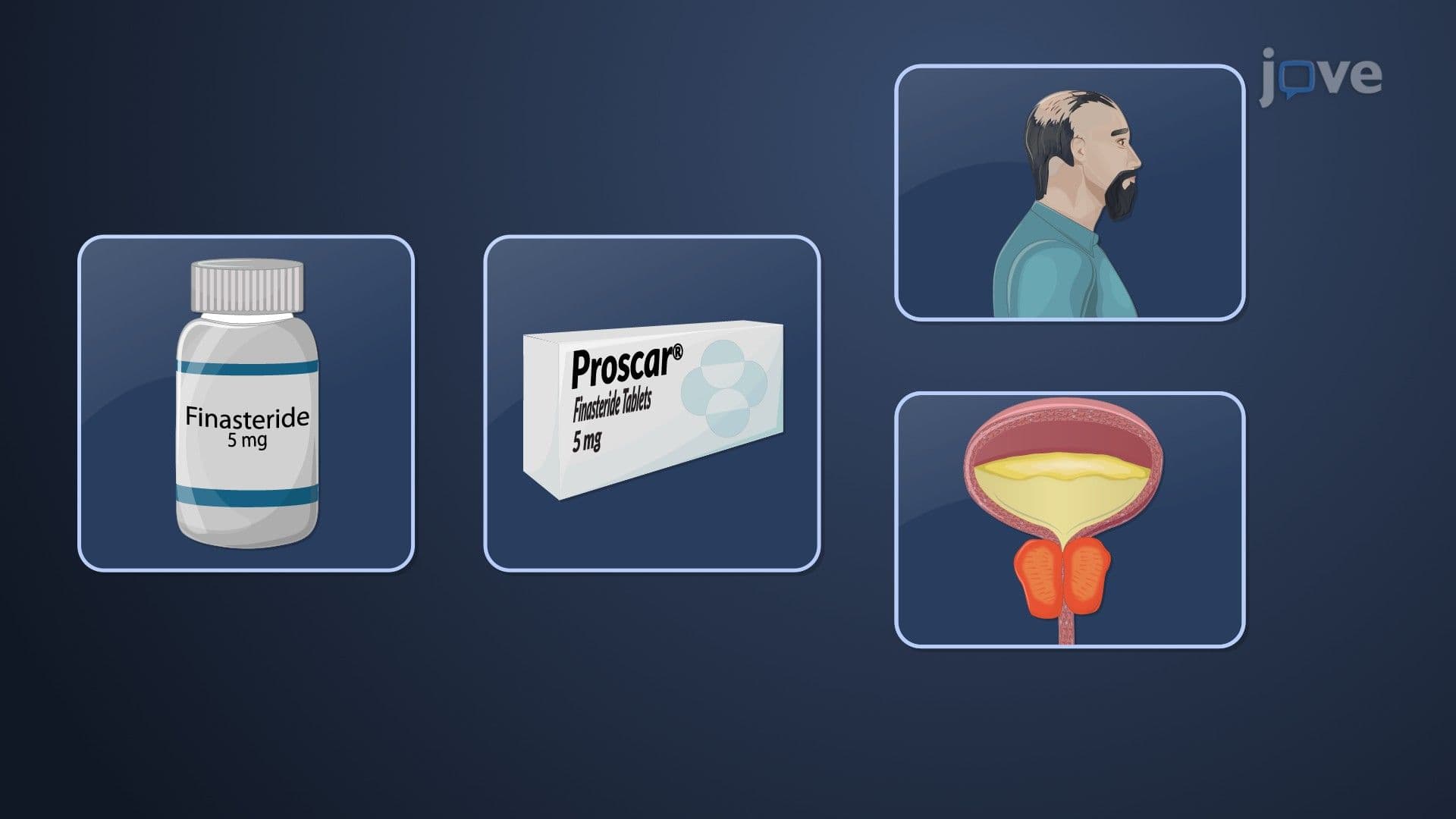
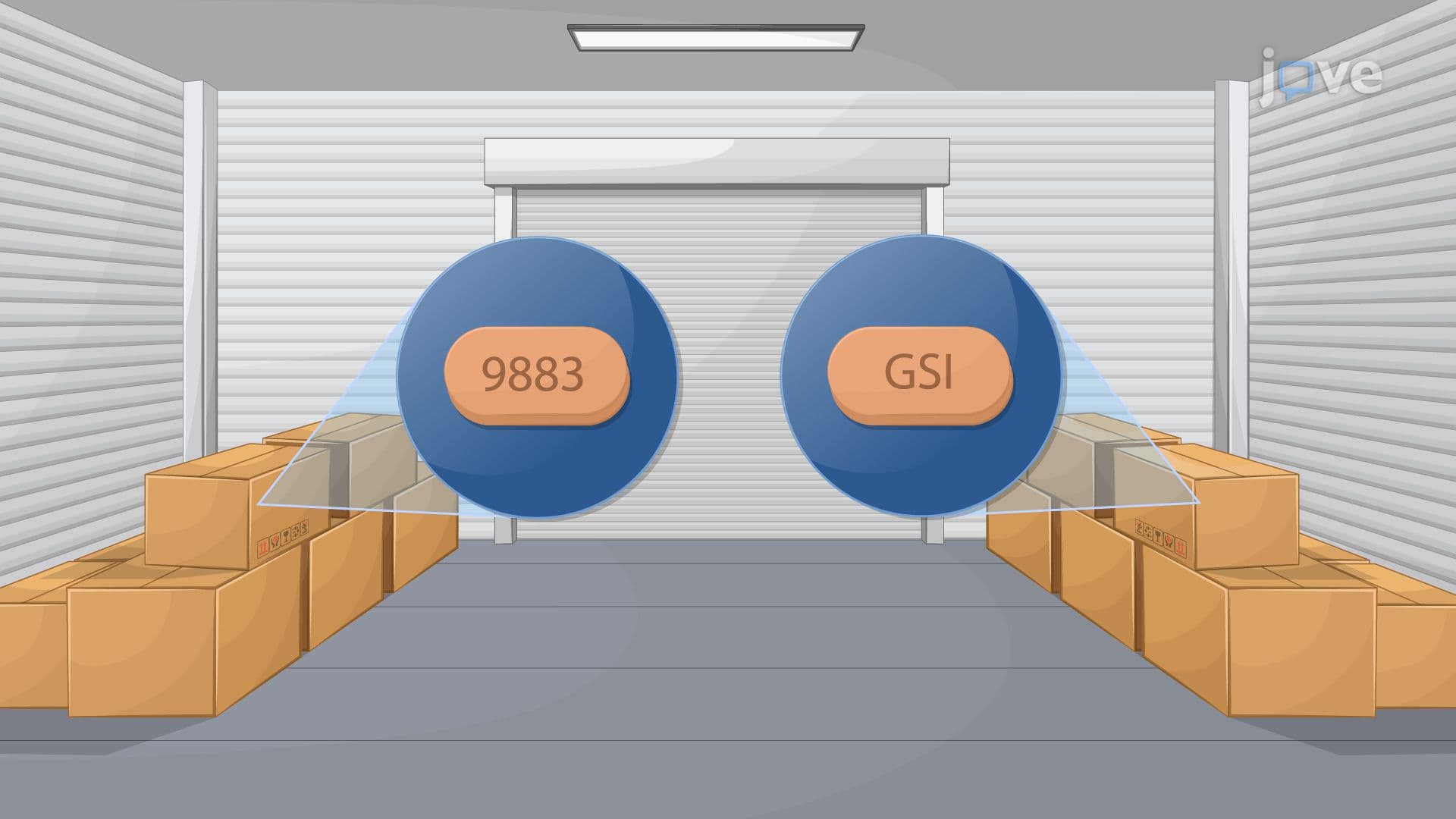
1. Pharmaceutical Equivalence and FDA Standards Pharmaceutical equivalence requires generic drugs to contain identical amounts of active pharmaceutical ingredients with matching dosage forms, adhering to compendial standards for potency, content uniformity, disintegration, and dissolution. The FDA permits variations in excipients, packaging, and physical attributes while maintaining strict API content requirements. Different salt forms or prodrugs are not considered pharmaceutically equivalent, requiring separate evaluation pathways for approval.
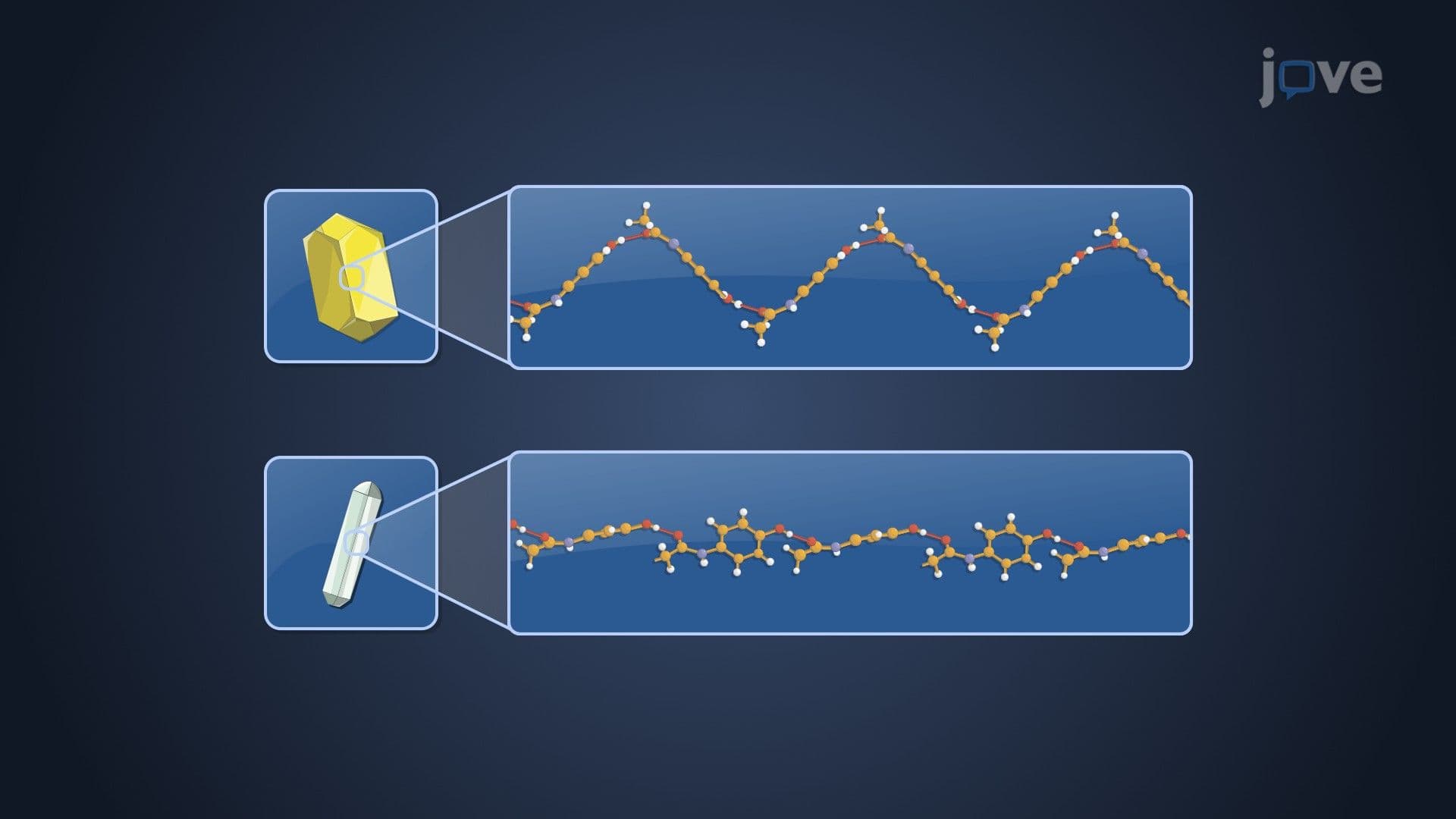
2. API Physicochemical Properties and Drug Performance The biopharmaceutical properties of active pharmaceutical ingredients directly influence therapeutic outcomes through solubility, permeability, and stability characteristics. Crystal form polymorphism affects dissolution rates and bioavailability, particularly for poorly water-soluble drugs. Physicochemical characterization includes evaluating stereochemistry, purity levels, and drug substance properties that determine pharmaceutical equivalence and therapeutic performance.
3. Stability-Related Therapeutic Nonequivalence Stability variations between branded and generic formulations can lead to therapeutic nonequivalence despite chemical similarity. The cefuroxime case demonstrates how rapid hydrolysis in generic IV products resulted in reduced efficacy and increased post-surgical infections. Manufacturing process differences and formulation variables contribute to stability challenges, requiring comprehensive evaluation beyond standard bioequivalence testing for intravenous medications.
4. Impact of Excipients and Impurities on Drug Safety Excipients serve critical functions as binders, solubilizers, and preservatives, but variations can affect drug performance and patient safety. Contamination events, such as over-sulfated chondroitin sulfate in heparin products, demonstrate how structurally similar impurities can cause severe adverse reactions. Quality control limitations may not detect all contaminants, making rigorous impurity profiling essential for generic drug development.
5. Polymorphic Form and Particle Size Effects Crystal form polymorphism significantly impacts bioavailability through altered dissolution characteristics and solubility profiles. Generic manufacturers often utilize different polymorphic forms to circumvent patent restrictions, requiring careful formulation design to maintain therapeutic equivalence. Particle size variations affect wettability, compaction properties, and dissolution rates, with particular significance for low-dose tablet formulations where content uniformity becomes challenging.
6. Bioequivalence Across Multiple Drug Indications Therapeutic equivalence demonstrated in one patient population may not extrapolate to other indications due to physiological differences affecting drug absorption and metabolism. Cancer patients with altered gastrointestinal pH may show different bioavailability patterns compared to healthy volunteers. Clinical studies for each specific indication provide the most conclusive evidence of therapeutic equivalence across diverse patient populations.
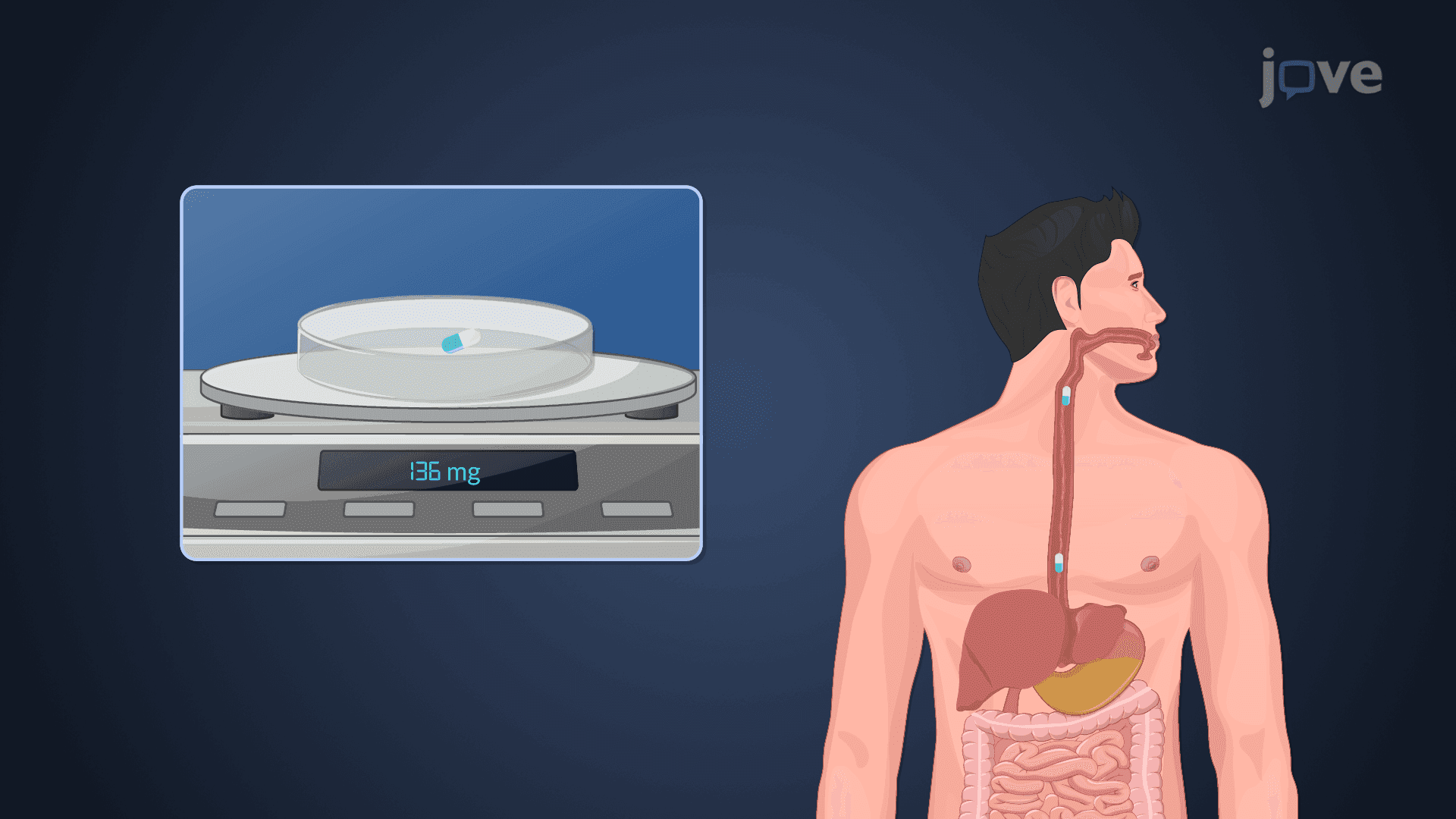
7. Physical Attributes and Patient Compliance Factors Tablet and capsule physical characteristics significantly influence patient acceptance, medication adherence, and clinical outcomes. Size and shape variations affect esophageal transit time, with larger dosage forms potentially causing esophagitis or ulceration. Oval tablets demonstrate superior swallowability compared to round tablets of equal weight, while surface area and disintegration properties influence transit time and patient compliance rates.