Loading subject page…


12 Concepts
10 Concepts
29 Concepts
14 Concepts
15 Concepts
25 Concepts
30 Concepts
12 Concepts
17 Concepts
9 Concepts
7 Concepts
18 Concepts
26 Concepts
9 Concepts
16 Concepts
17 Concepts
17 Concepts
 12 Concepts
 4K Views
 Popular topics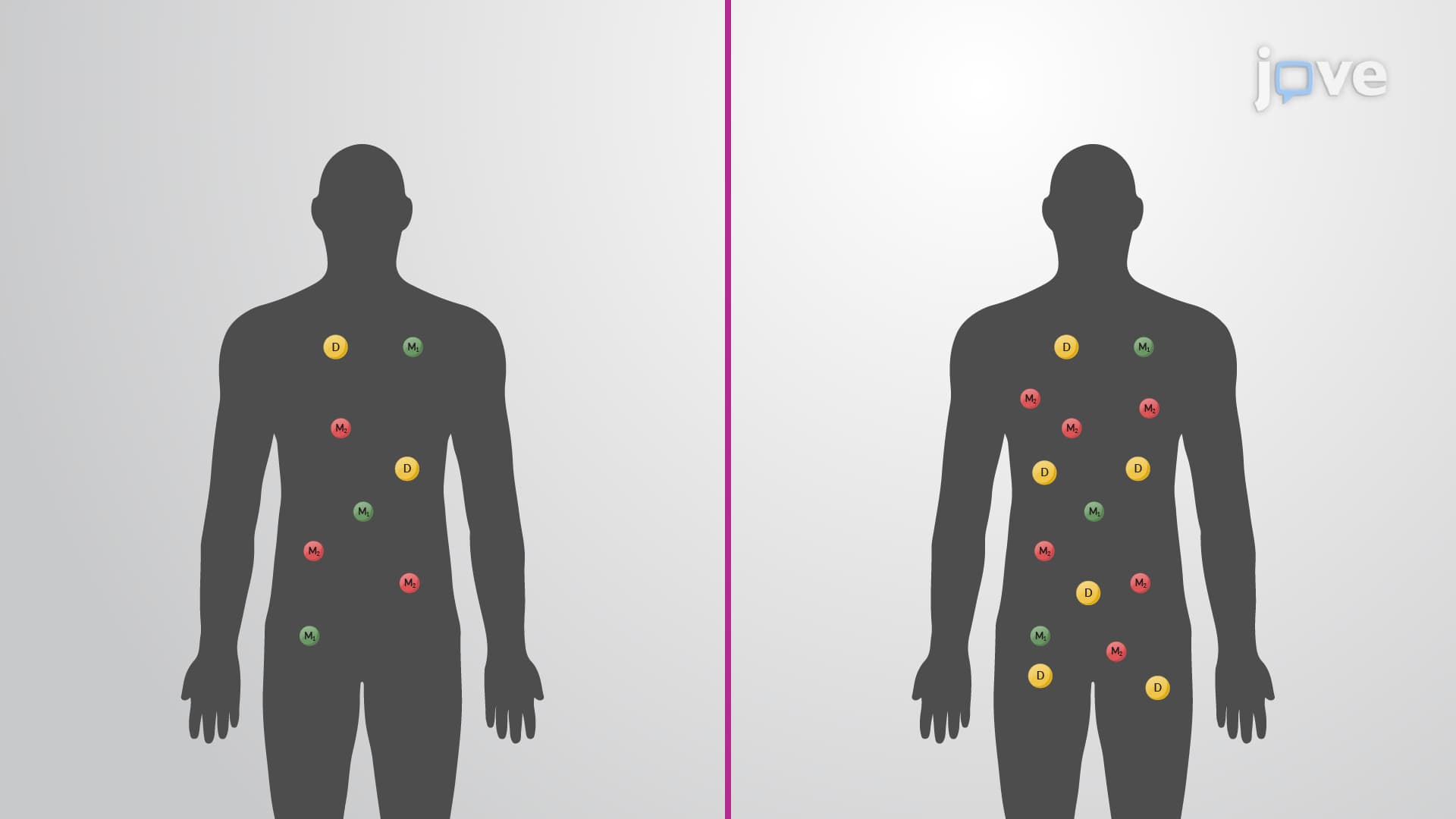


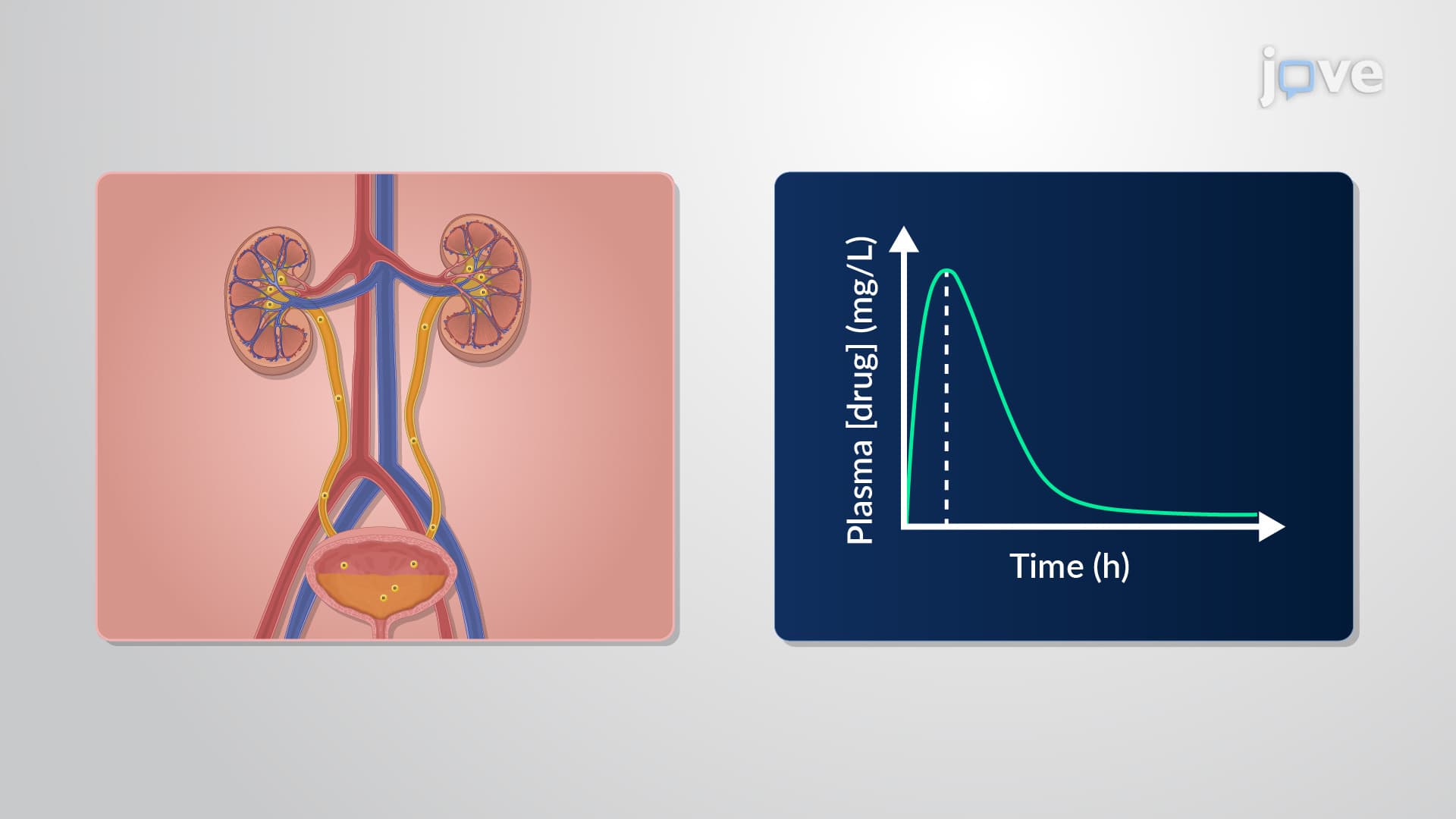
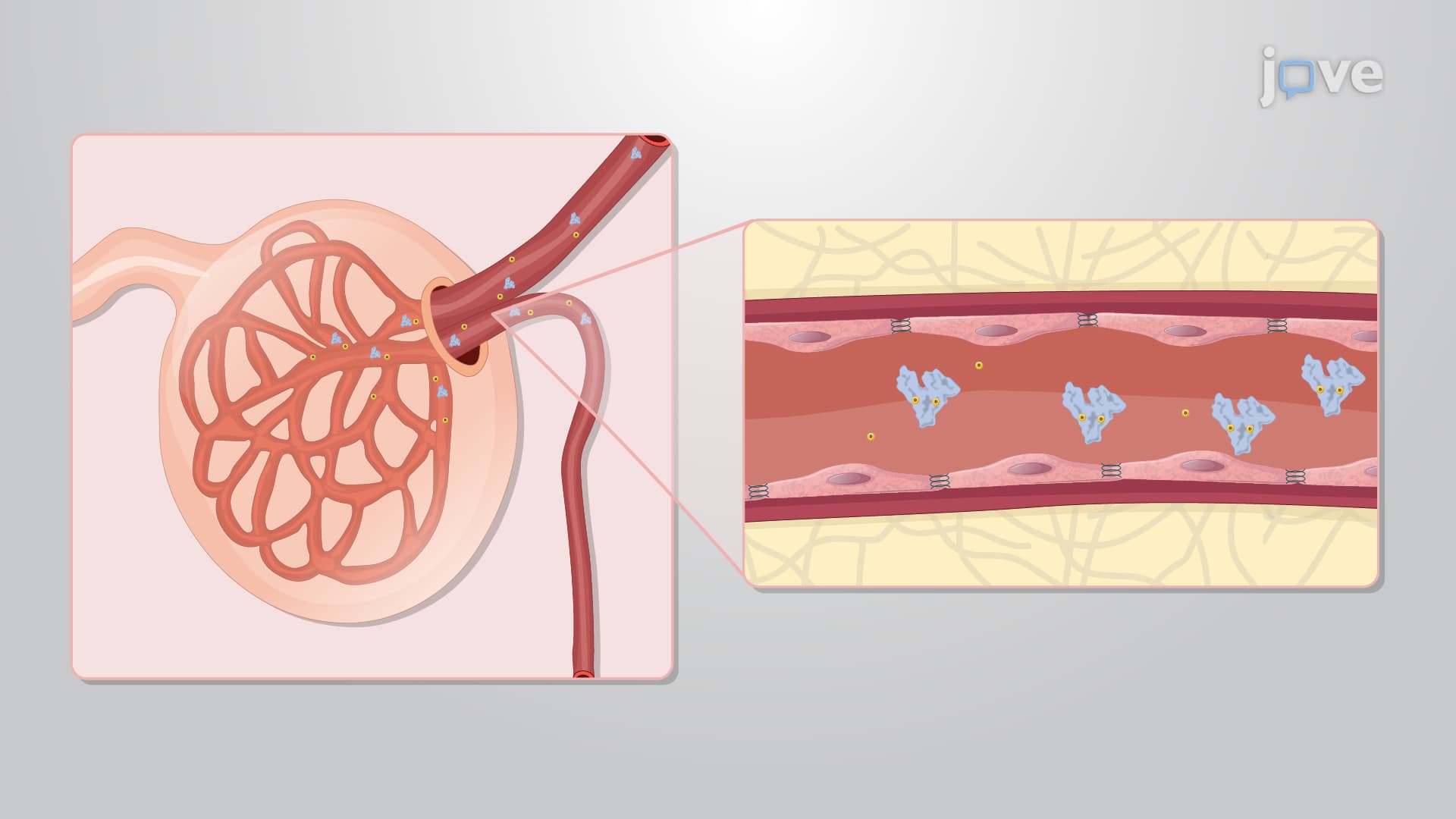

Nonlinear pharmacokinetics describes how certain medications deviate from predictable, dose-proportional behavior when administered at higher concentrations. Unlike linear kinetics, these drugs exhibit saturable elimination processes governed by Michaelis-Menten kinetics, where enzymes, transporters, or protein binding sites become overwhelmed. Understanding this concept is crucial for safe medication dosing in clinical practice. JoVE Coach provides comprehensive coverage of these complex pharmacokinetic principles.
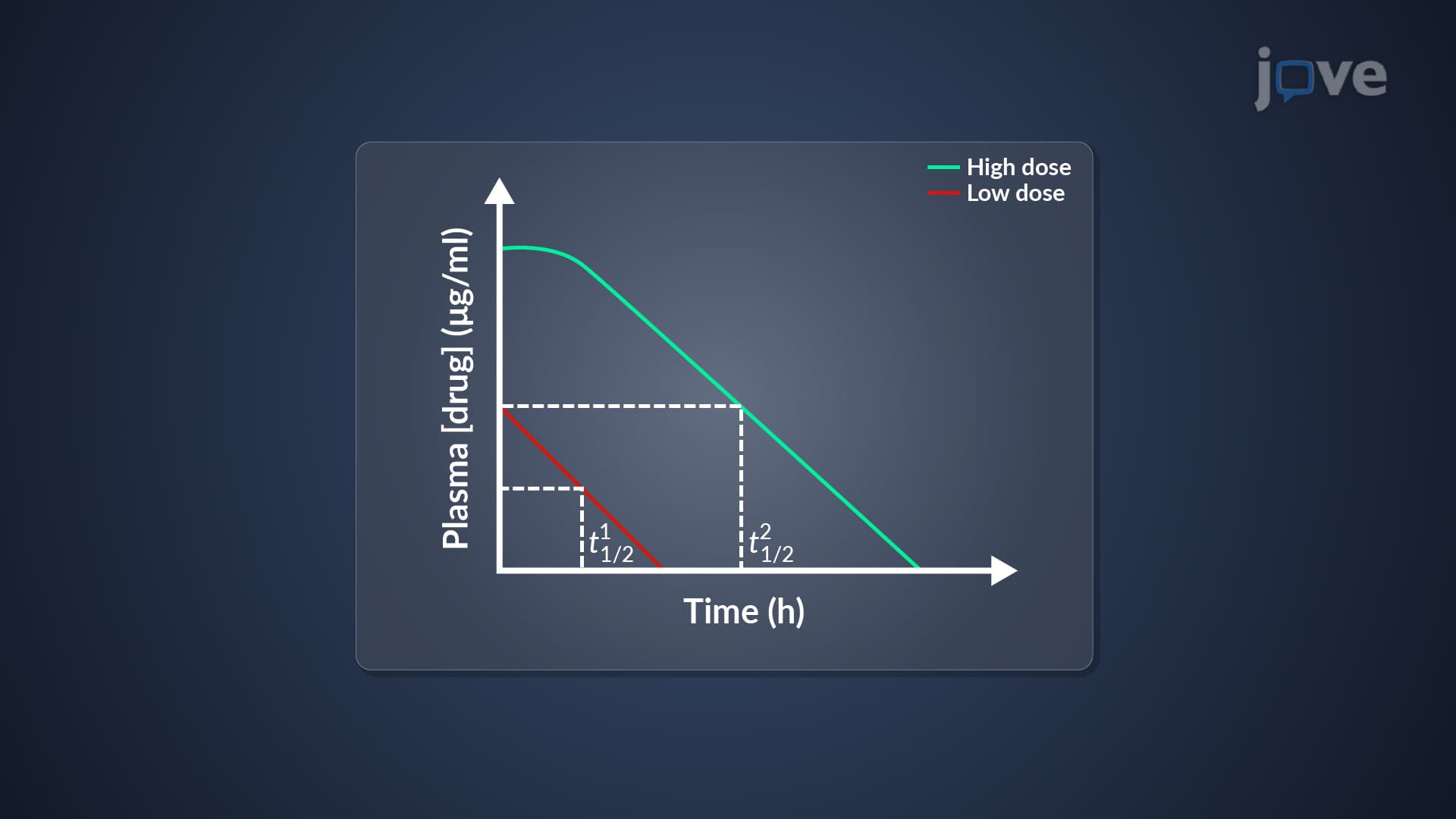
1. Fundamentals of Nonlinear Pharmacokinetics and Saturable Elimination Nonlinear pharmacokinetics occurs when drug elimination processes become saturated at higher doses, deviating from first-order kinetics. Unlike linear systems where doubling the dose doubles the plasma concentration, nonlinear systems show disproportionate increases in drug levels. Classic examples include phenytoin and salicylates, where small dose increases can lead to dramatic rises in plasma concentrations. This saturable elimination results from overwhelmed enzyme systems, particularly hepatic mixed-function oxidases, creating potential for toxicity at therapeutic doses used in US clinical practice.
2. Michaelis-Menten Kinetics and Mathematical Modeling The Michaelis-Menten equation governs capacity-limited drug elimination, featuring two critical parameters: Vmax (maximum elimination rate) and KM (Michaelis constant representing drug concentration at half-maximum elimination rate). When plasma concentrations exceed KM, elimination approaches zero-order kinetics with constant elimination rates. US clinical examples include phenytoin dosing, where therapeutic drug monitoring becomes essential due to the narrow therapeutic index. Understanding these parameters helps predict drug behavior and optimize dosing regimens for medications following nonlinear elimination patterns.
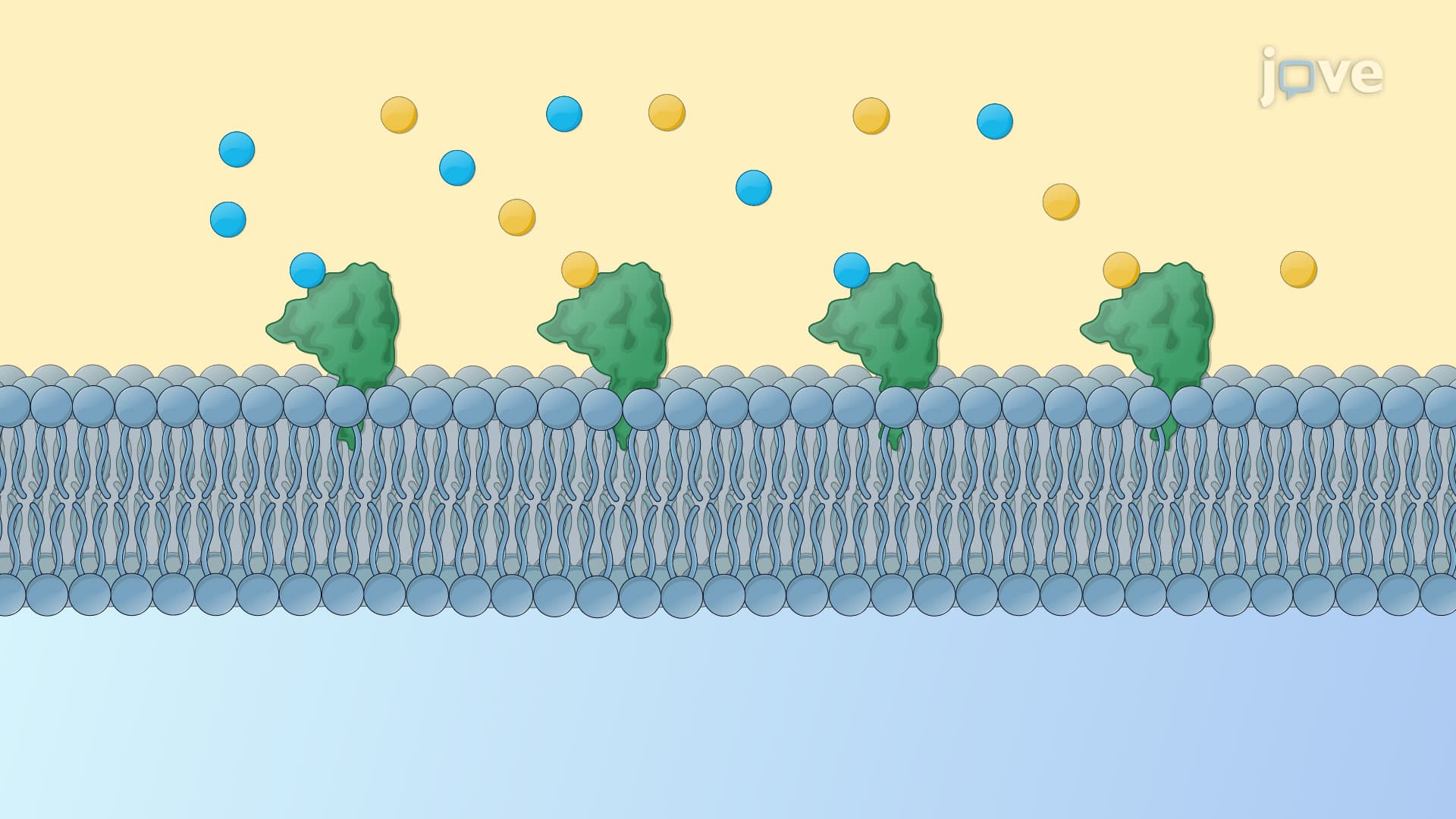
3. Factors Contributing to Nonlinear Drug Behavior Multiple mechanisms cause pharmacokinetics with nonlinear drug behavior, including saturable absorption, distribution, metabolism, and excretion processes. Absorption nonlinearity occurs with drugs like propranolol, where high doses saturate presystemic metabolism, increasing bioavailability. Distribution nonlinearity results from saturated protein binding, as seen with phenylbutazone at high concentrations. Metabolic saturation affects drugs like carbamazepine through enzyme induction, while renal excretion saturation impacts glucose and water-soluble vitamin elimination. Pathological changes, such as aminoglycoside-induced nephrotoxicity, further complicate nonlinear kinetics in US hospital settings.
4. Clinical Determination of Michaelis-Menten Parameters Healthcare providers determine KM and Vmax values through various graphical methods essential for therapeutic drug monitoring. The direct linear plot method involves administering two different doses until steady-state concentrations are achieved, then plotting to determine parameters. The Lineweaver-Burk plot provides alternative parameter estimation through reciprocal transformations. US clinical applications include phenytoin dosing adjustments, where patients with lower KM values experience greater plasma concentration changes during dose modifications. These methods are crucial for individualizing therapy in clinical pharmacy practice across American hospitals.
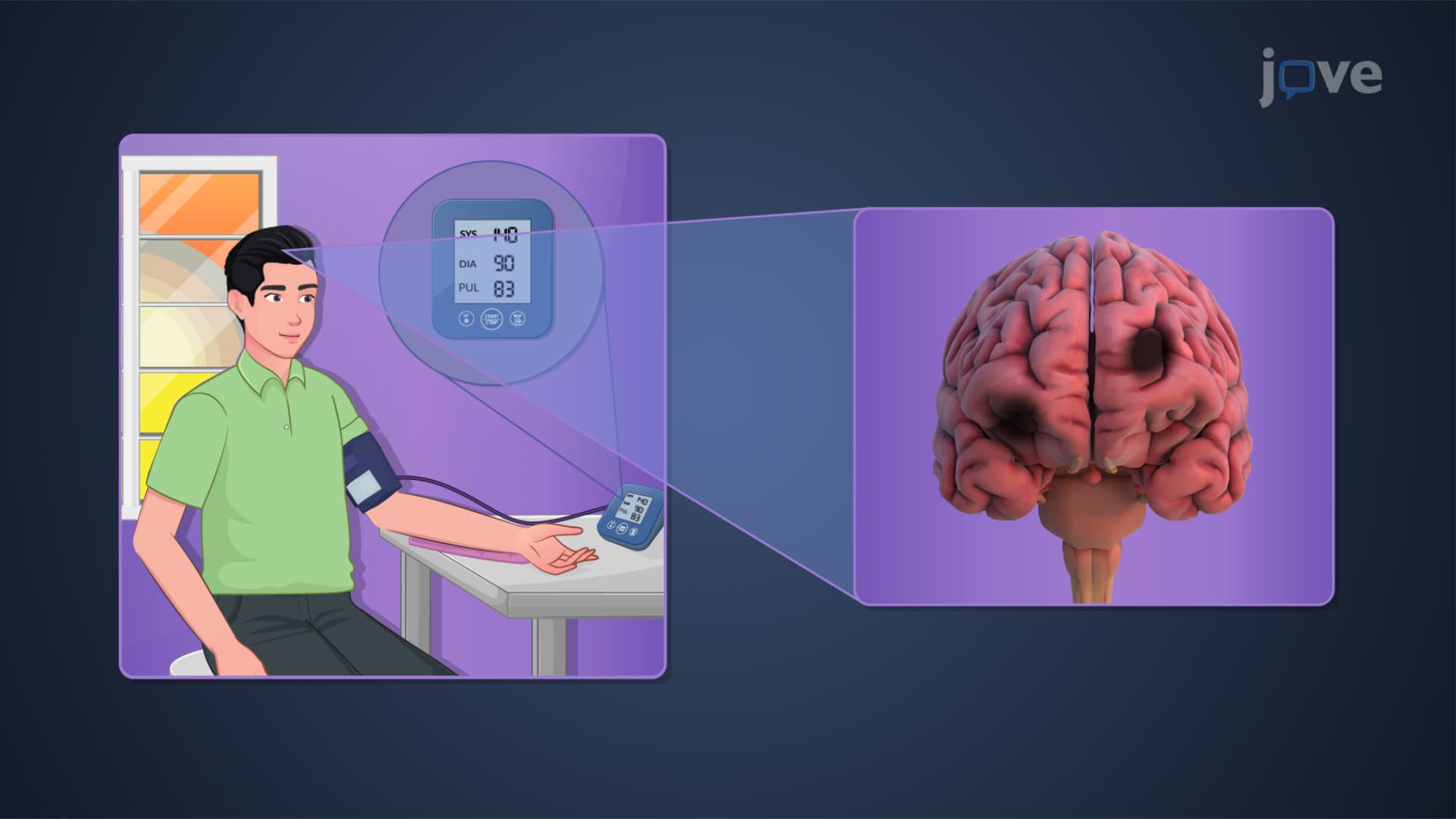
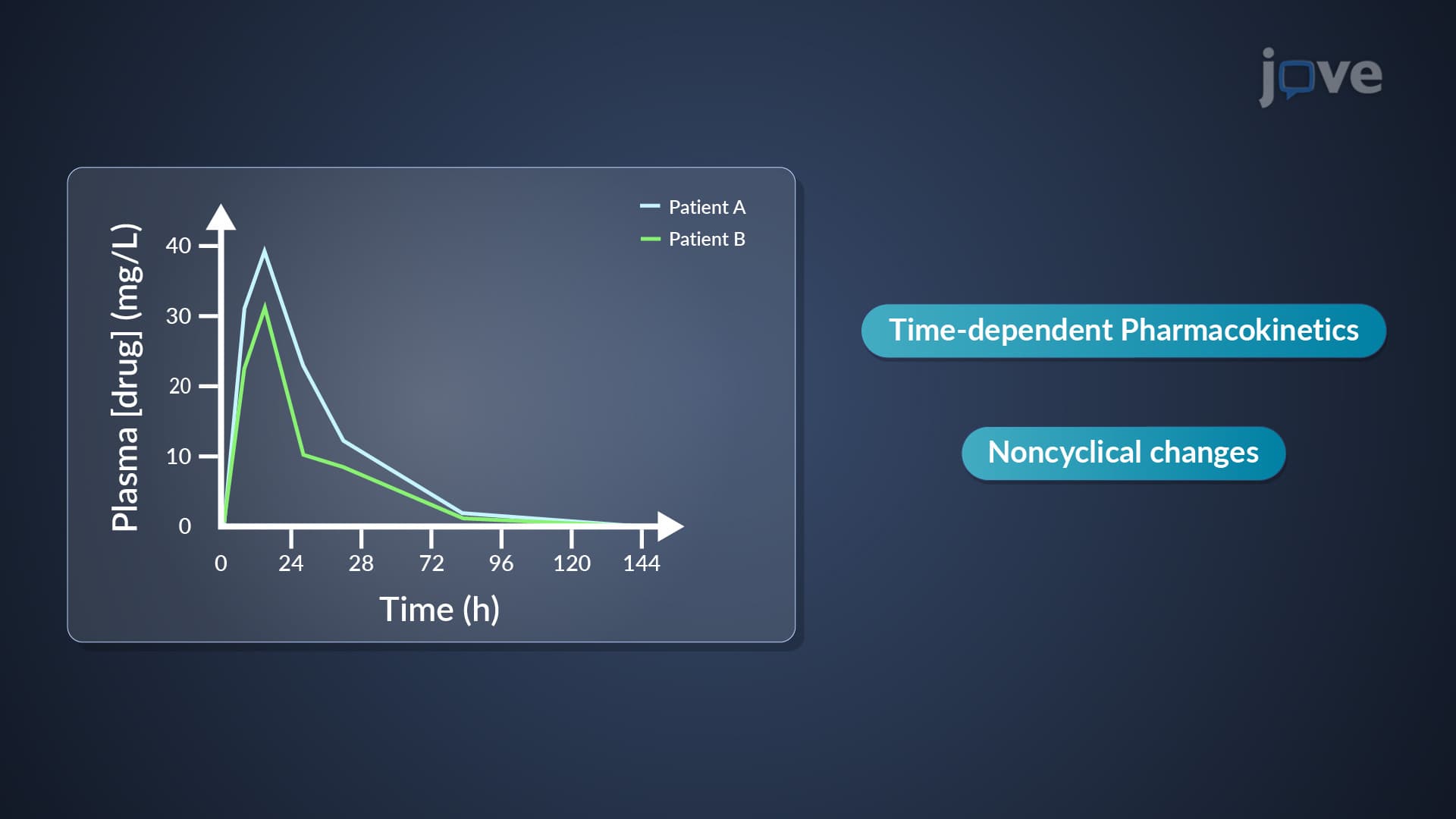
5. Chronopharmacokinetics and Time-Dependent Drug Effects Circadian rhythms significantly influence drug absorption, distribution, and elimination through physiological fluctuations affecting therapeutic outcomes. Blood pressure medications demonstrate this principle, where hypertensive patients classified as "dippers" (nighttime BP decrease) receive morning doses, while "non-dippers" require evening administration. Time-dependent pharmacokinetics also encompasses autoinduction and autoinhibition processes, where repeated dosing alters enzyme activity. Anticancer drugs like fluorouracil show time-dependent toxicity patterns, with morning administration proving least toxic in research studies. Understanding these temporal variations optimizes therapeutic efficacy in US clinical practice.
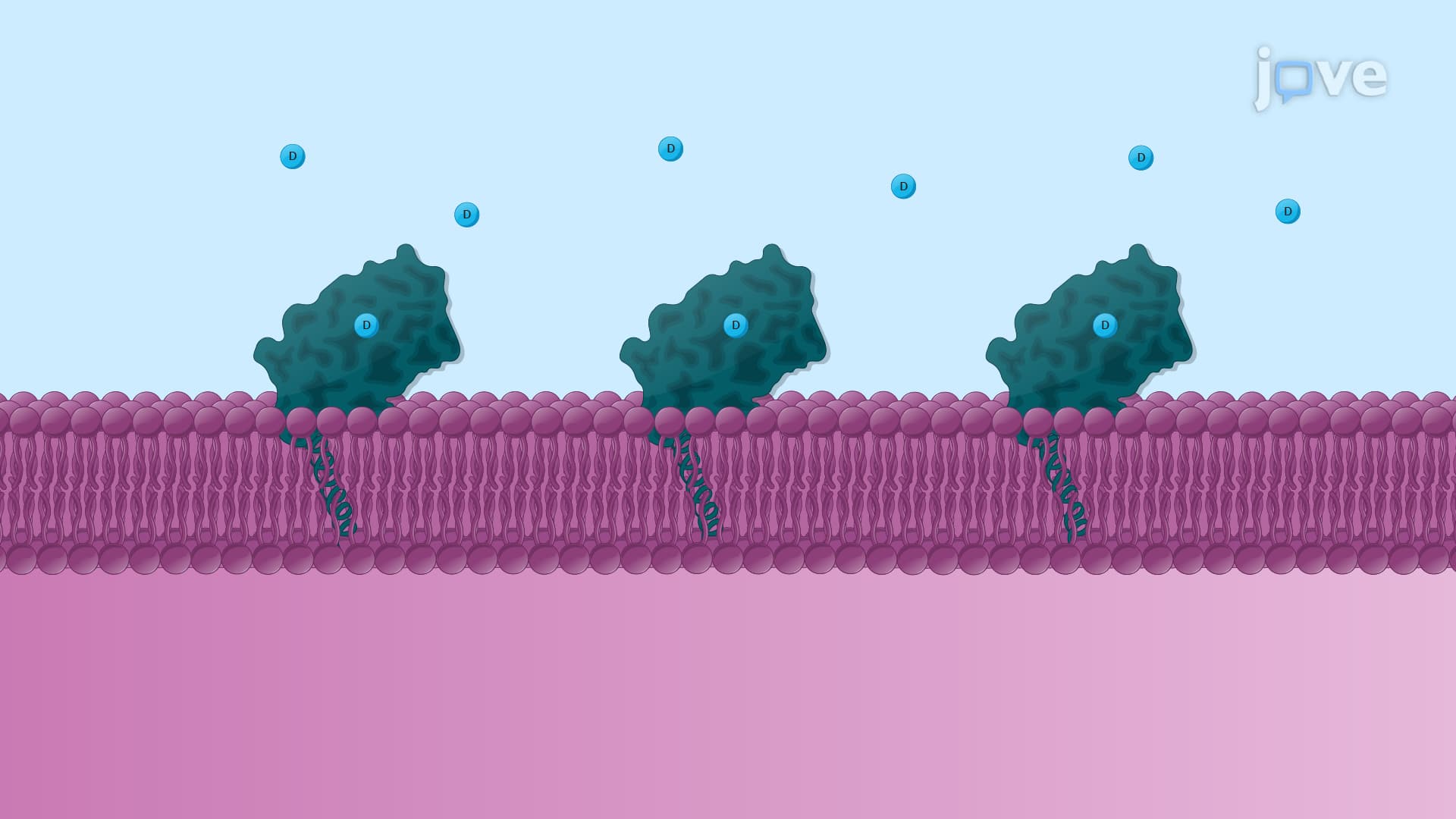
6. Drug Transporters and Nonlinear Pharmacokinetic Interactions Cellular transporters critically influence concentration-dependent clearance through facilitated influx and efflux mechanisms affecting local drug concentrations. Hepatic drug transporters interact with metabolizing enzymes to determine pharmacokinetic linearity, while intestinal ABC transporters influence bioavailability and absorption patterns. Renal organic anion and cation transporters alter systemic drug elimination, creating potential for nonlinear behavior. Breast cancer resistance proteins affect cancer therapy dosing strategies. Genetic polymorphisms in transporter expression contribute to individual variations in drug toxicity and efficacy, making personalized medicine approaches increasingly important in US healthcare systems for optimizing therapeutic outcomes.