Loading video…


 12 Concepts
 4K views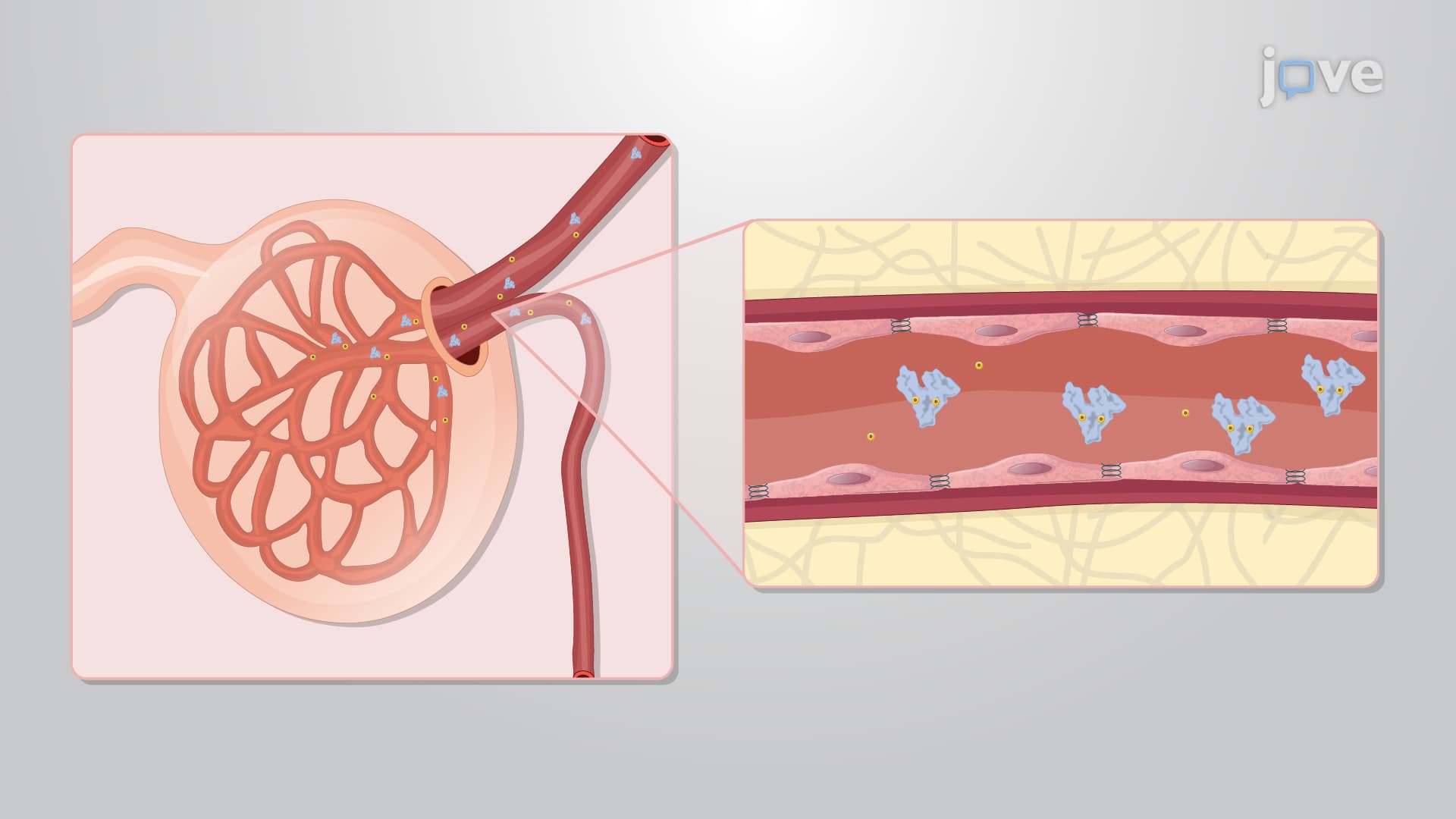

Video Summary: Nonlinear Pharmacokinetics Bioavailability and Protein Explained
Did you know that some medications like valproic acid (used for epilepsy) don't follow predictable dose-response patterns? Nonlinear pharmacokinetics bioavailability protein interactions create complex drug behaviors where doubling the dose doesn't simply double the effect. This fascinating phenomenon occurs when drug absorption, distribution, or elimination pathways become saturated at higher concentrations. Understanding Nonlinear Pharmacokinetics Bioavailability And Protein Explained is crucial for safe medication dosing in clinical practice. Watch the full video on JoVE Coach to master this concept with expert-led visuals and step-by-step explanations.
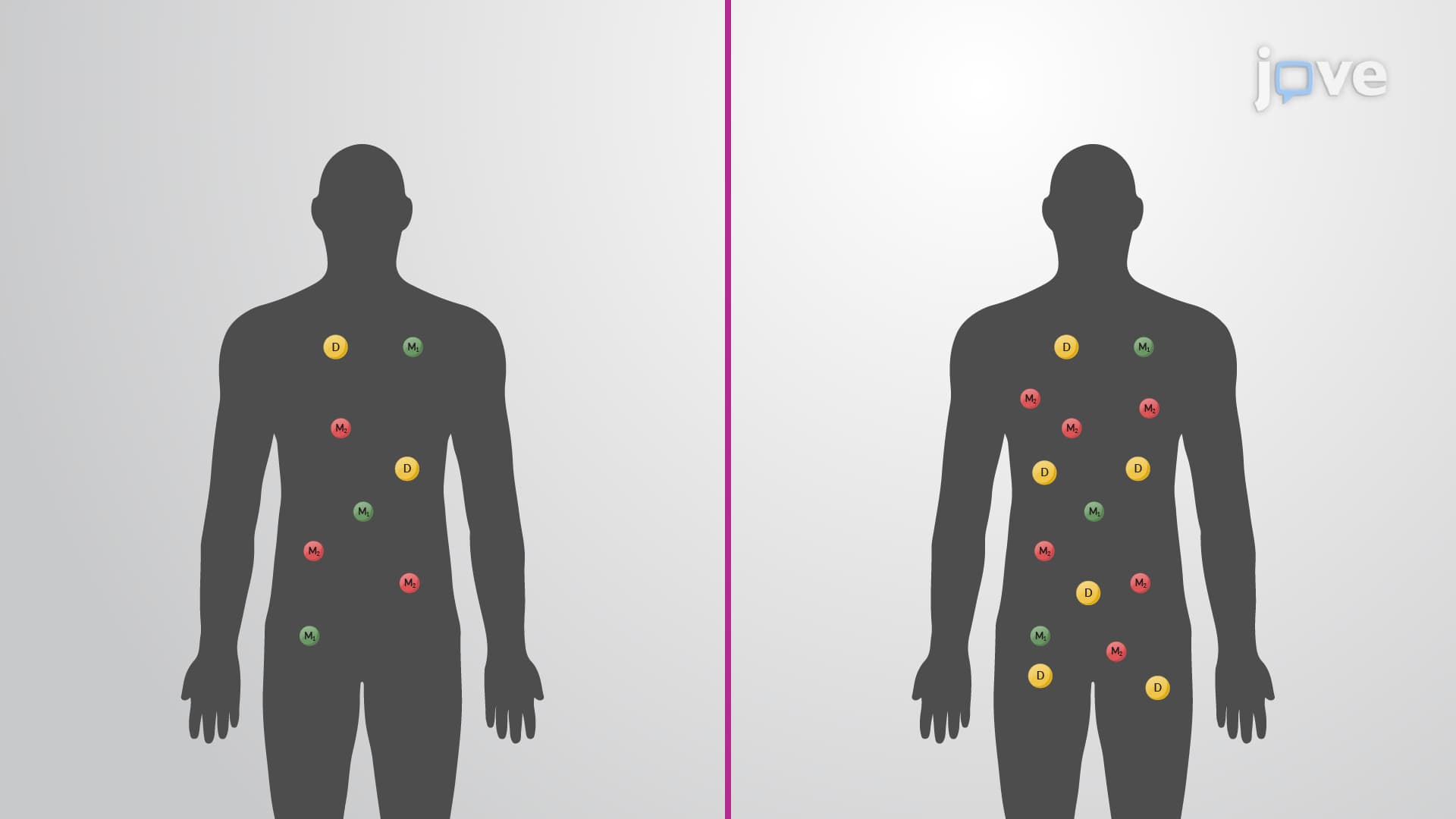
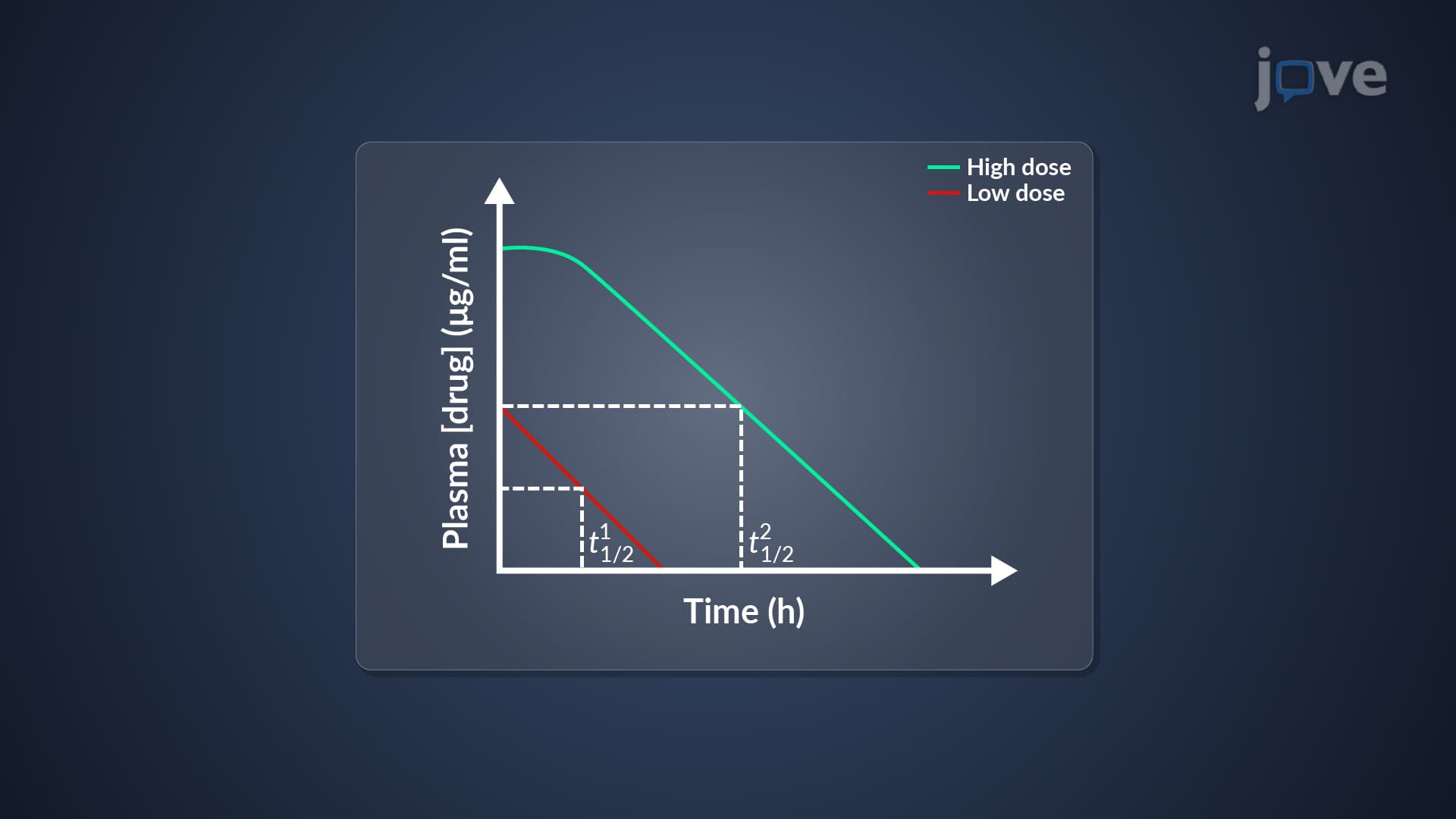
Unlike linear pharmacokinetics where drug concentration changes proportionally with dose, nonlinear pharmacokinetics bioavailability protein systems create unpredictable drug behaviors. This complexity arises when the body's processing mechanisms become overwhelmed or saturated at higher drug concentrations.
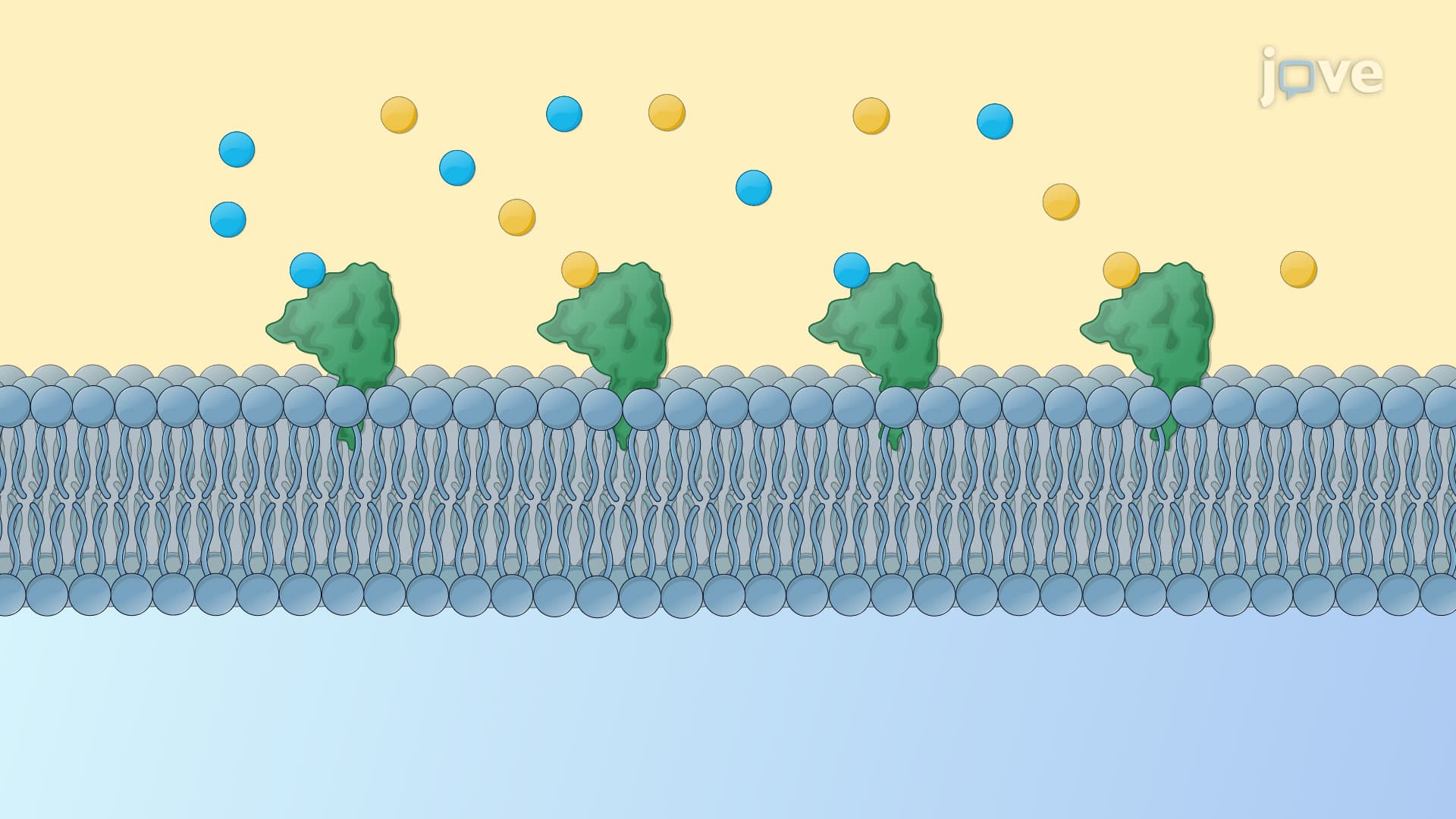
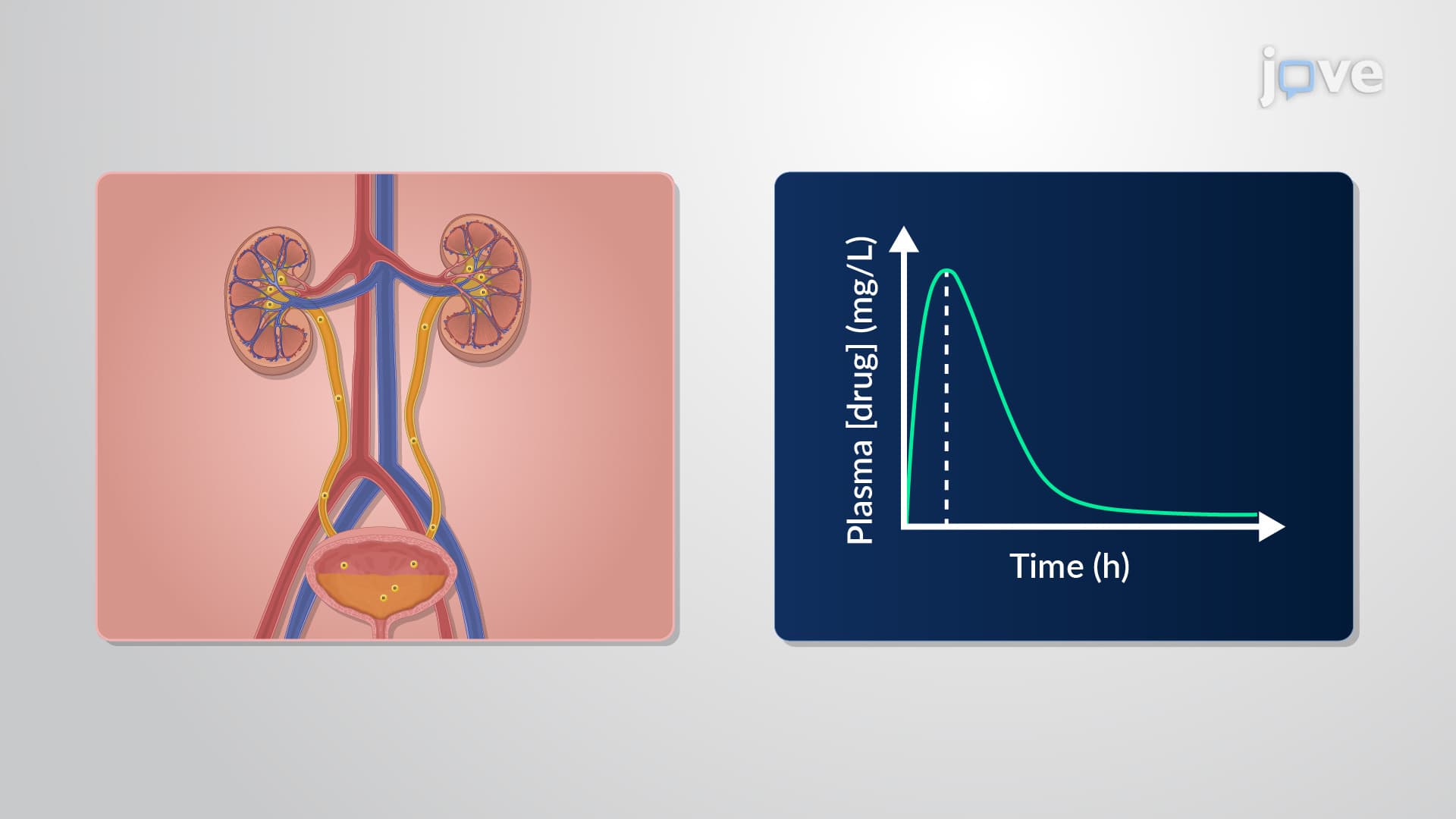
The human body has limited capacity for processing drugs through specific pathways. When drug concentrations exceed these limits, saturation occurs. In the gastrointestinal tract, absorption transporters can become saturated, leading to decreased bioavailability at higher doses. Similarly, hepatic enzymes responsible for drug metabolism may reach maximum capacity, causing disproportionate increases in drug levels. This phenomenon is particularly important for medications like phenytoin, where small dose increases can lead to dramatic concentration changes.
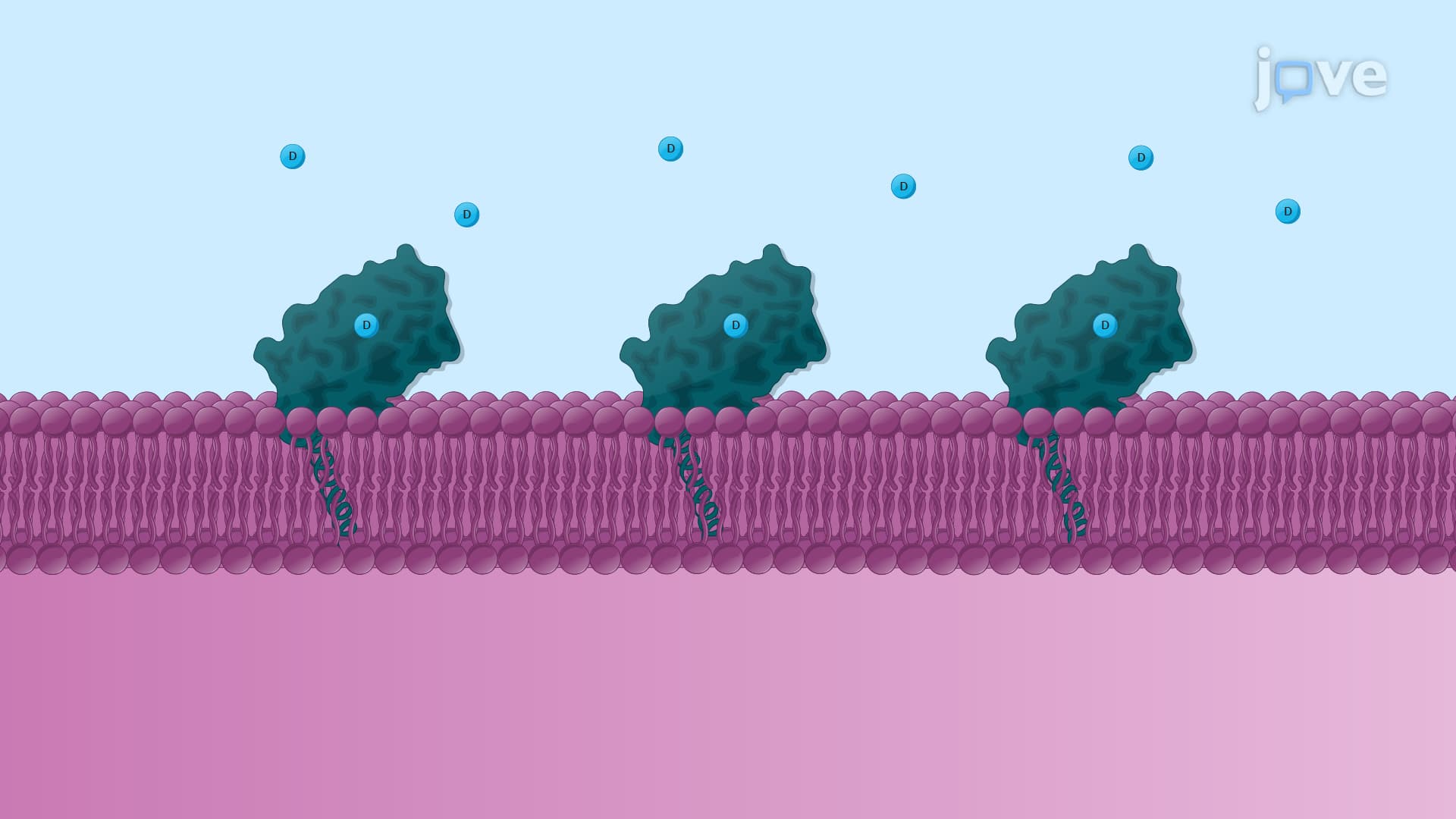
Drug-protein binding significantly influences pharmacokinetics by creating a reservoir of bound drug that cannot cross cell membranes or undergo elimination. Highly protein-bound drugs like warfarin demonstrate this principle clearly. The bound fraction acts as a buffer, slowly releasing free drug as unbound medication is eliminated. This creates longer elimination half-lives and can lead to nonlinear kinetics when protein binding sites become saturated.
The free drug concentration (Cf) determines pharmacological activity, not the total drug concentration. Healthcare providers must understand this distinction when interpreting laboratory values and adjusting dosages. For students preparing for the MCAT or pharmacy school entrance exams, mastering the relationship between bound and free drug concentrations is essential. The equation Cf = Ctotal × fu (where fu represents the unbound fraction) becomes critical for clinical decision-making.
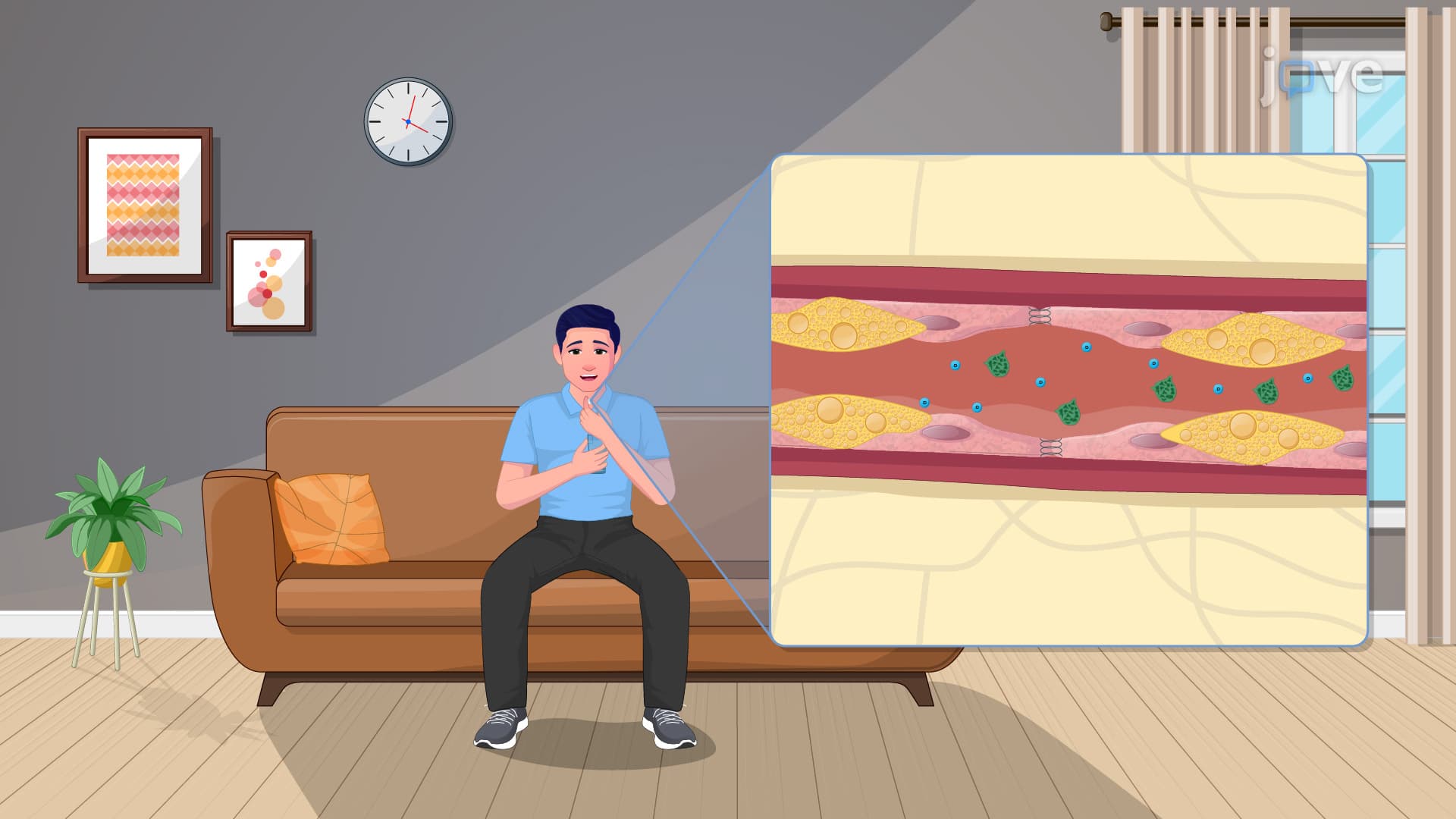
Valproic acid exemplifies these principles in practice. At therapeutic doses, its protein binding becomes saturated, leading to disproportionate increases in free drug concentration. This nonlinear behavior requires careful monitoring and dose adjustments, making it a favorite topic for USMLE Step 1 questions and pharmacy board examinations.
Related Micro-courses