Loading video…


 12 Concepts
 4K views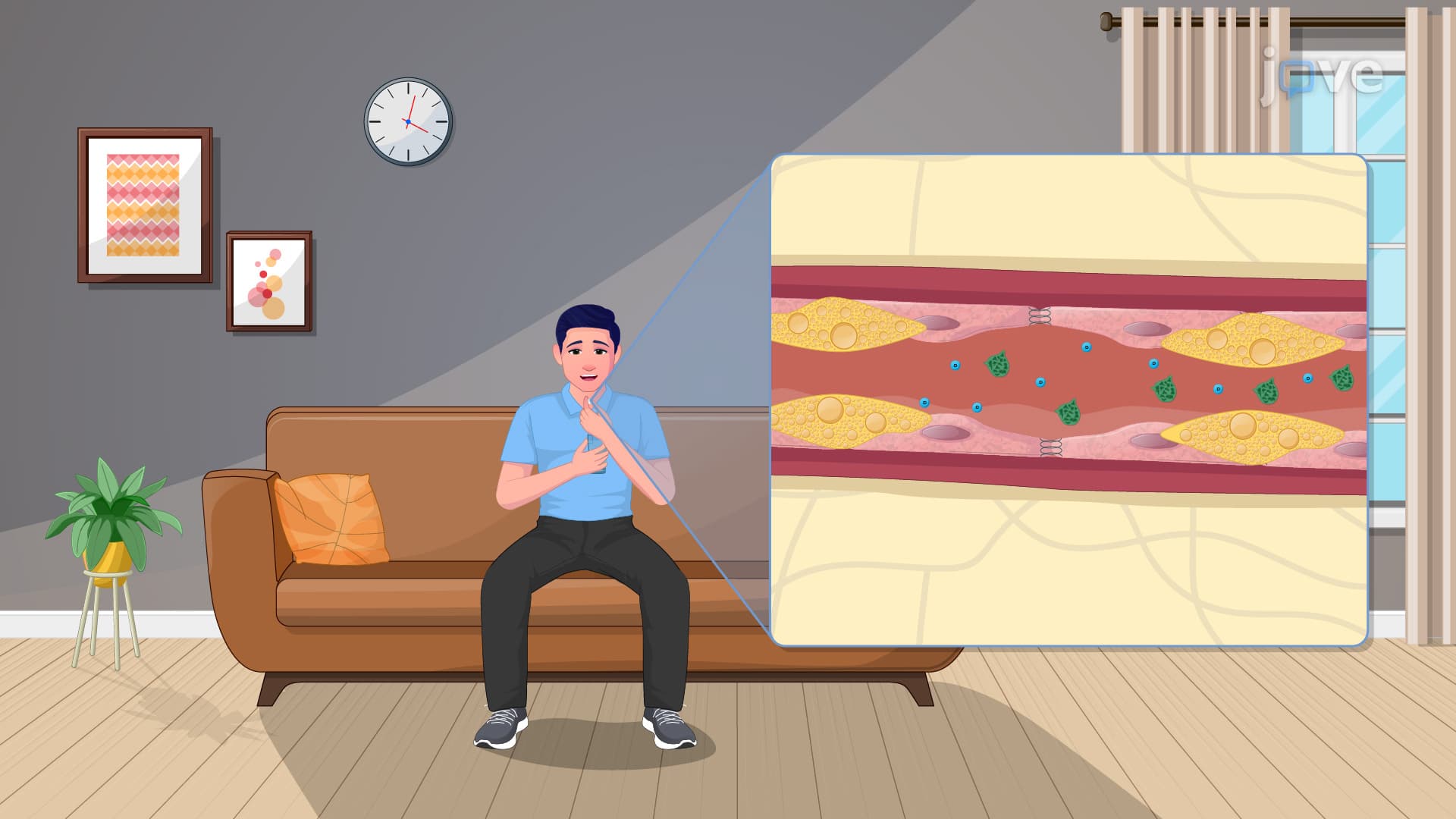

Video Summary: Drug Distribution as One Compartment Explained
Did you know that when you take acetaminophen (Tylenol), your body treats it as if all your organs and tissues act like a single, well-mixed container? Drug distribution as one compartment explained reveals how medications spread uniformly throughout your body, creating predictable concentration patterns. This simplified model helps pharmacists at CVS or Walgreens calculate proper dosing for patients across the United States. Watch the full video on JoVE Coach to master this concept with expert-led visuals and step-by-step explanations.
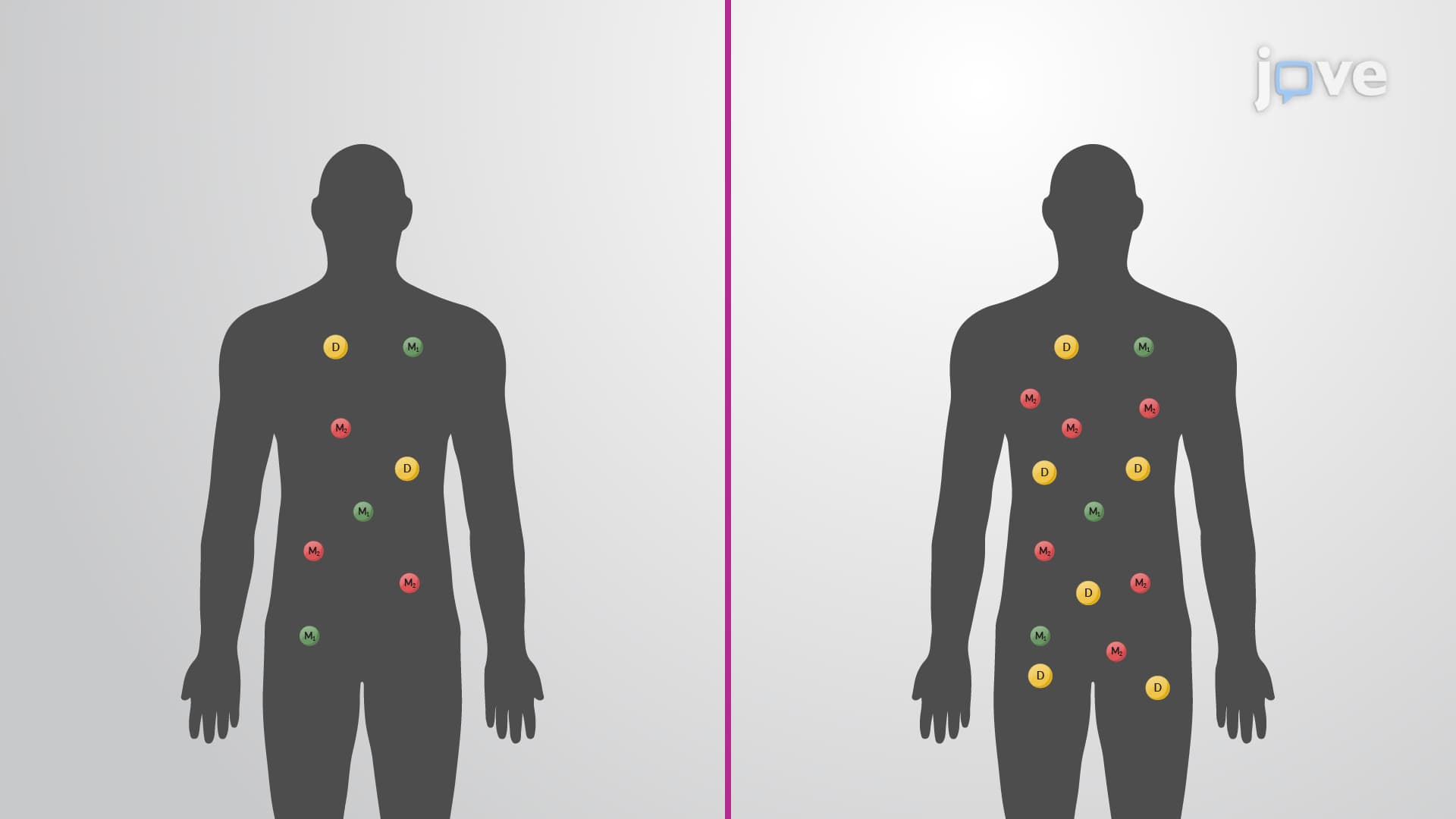
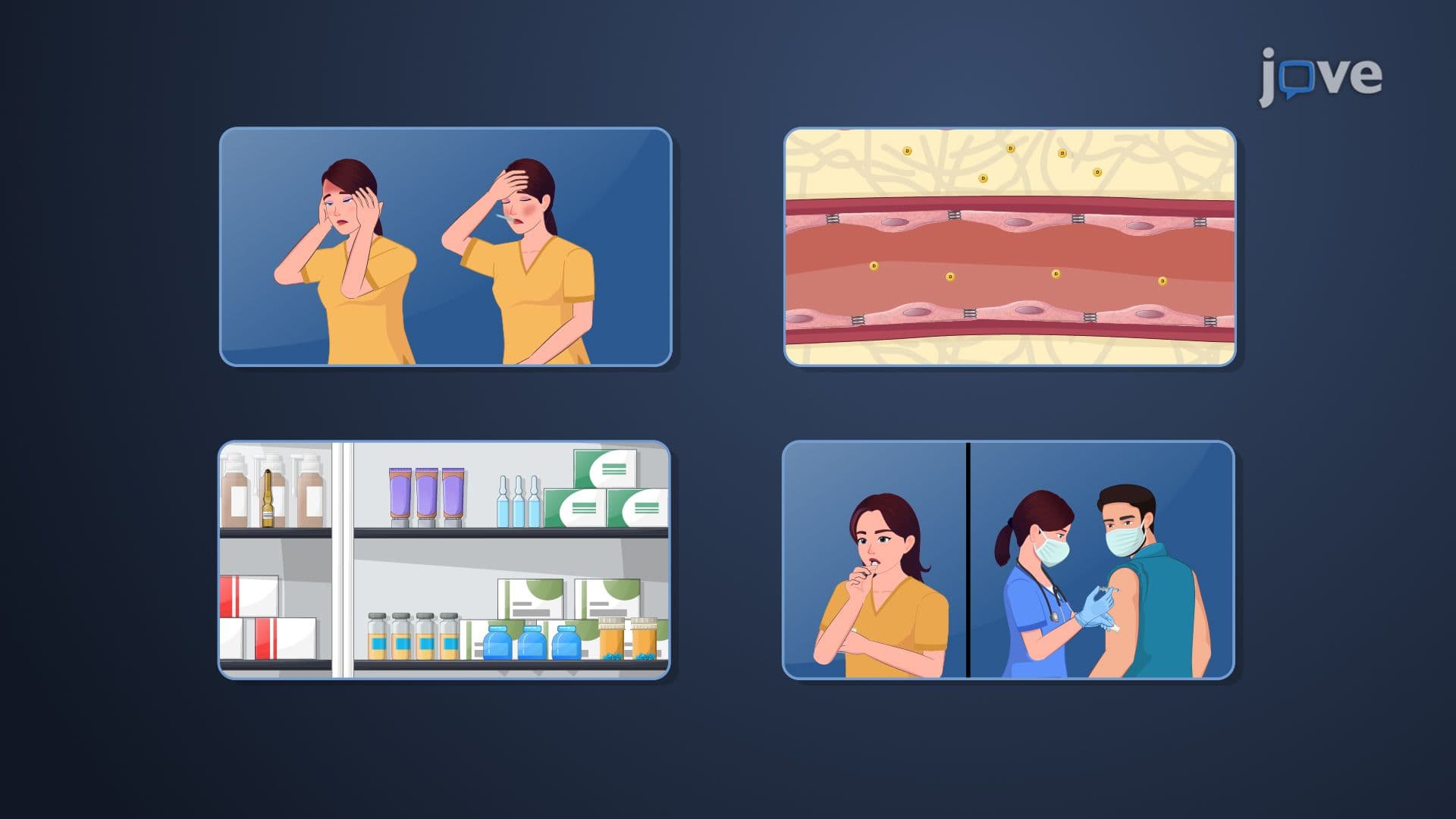
Drug distribution as one compartment explained represents the foundational model in pharmacokinetics where the entire body behaves as a single, homogeneous unit. Imagine your body as a bathtub filled with water-when you add food coloring, it quickly mixes throughout the entire volume. Similarly, in one-compartment pharmacokinetics, drugs administered intravenously or orally rapidly distribute and achieve uniform concentrations across all tissues and organs.
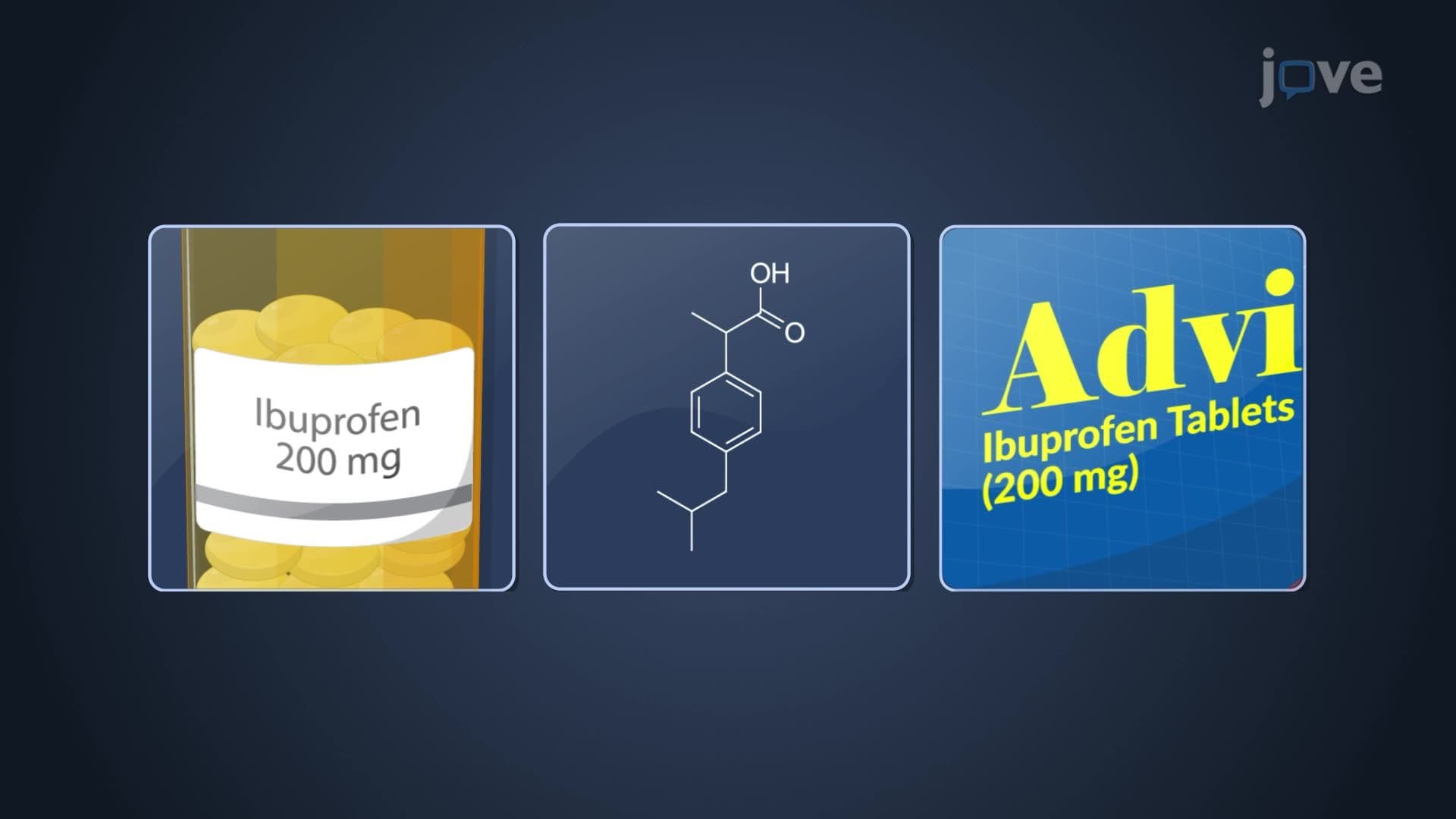
This model assumes instantaneous equilibration between blood plasma and tissues, meaning drug concentrations in your heart, liver, kidneys, and brain all mirror plasma concentrations proportionally. While this seems oversimplified, it accurately describes many common medications used in US hospitals and pharmacies, including antibiotics like amoxicillin and pain relievers like ibuprofen.
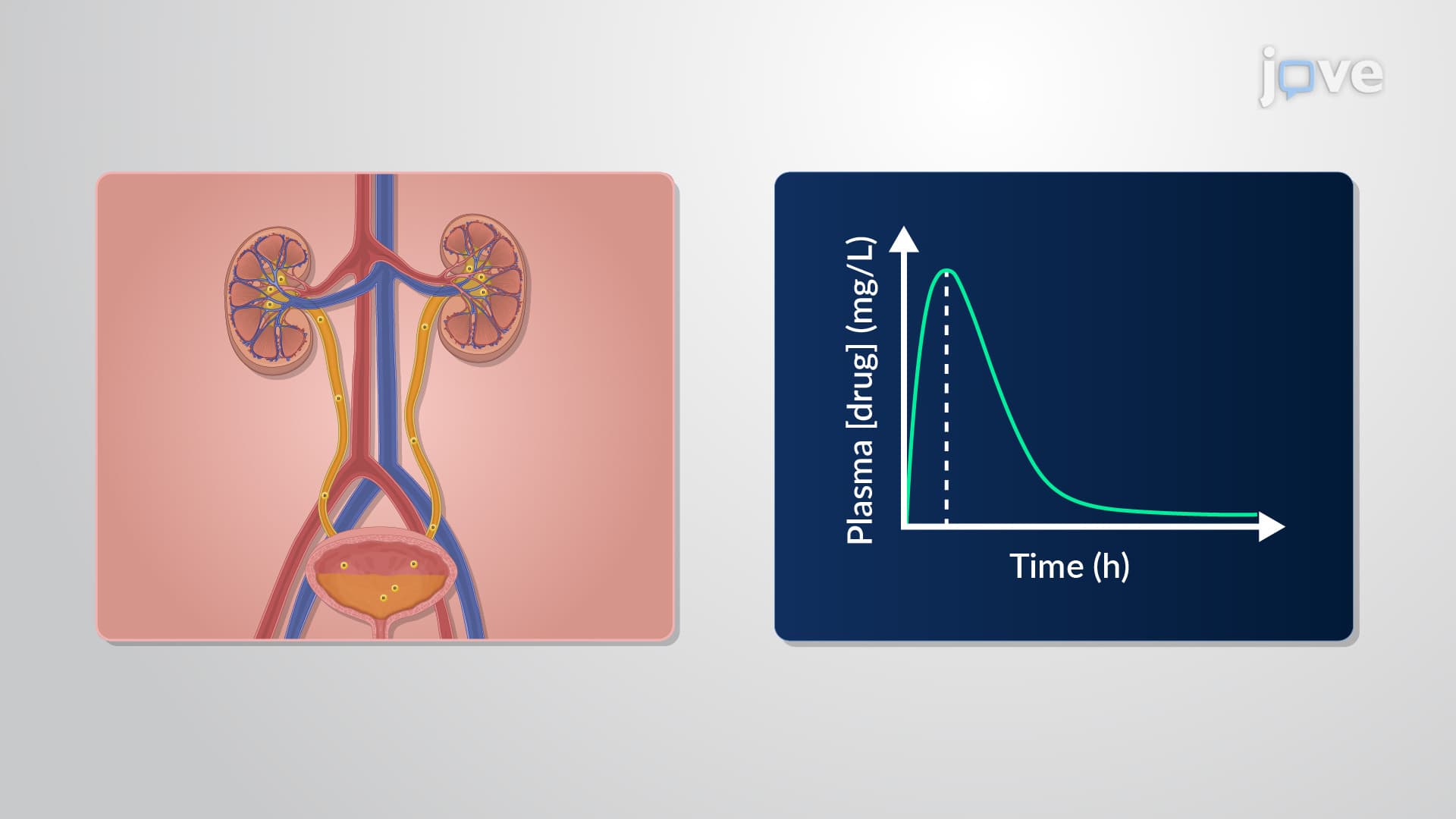
The beauty of one-compartment modeling lies in its mathematical elegance. Most drugs follow first-order kinetics, where elimination rate directly correlates with drug concentration. If you have 100mg of aspirin in your system, your liver might eliminate 10mg per hour. When concentration drops to 50mg, elimination slows to 5mg per hour-maintaining that constant percentage.
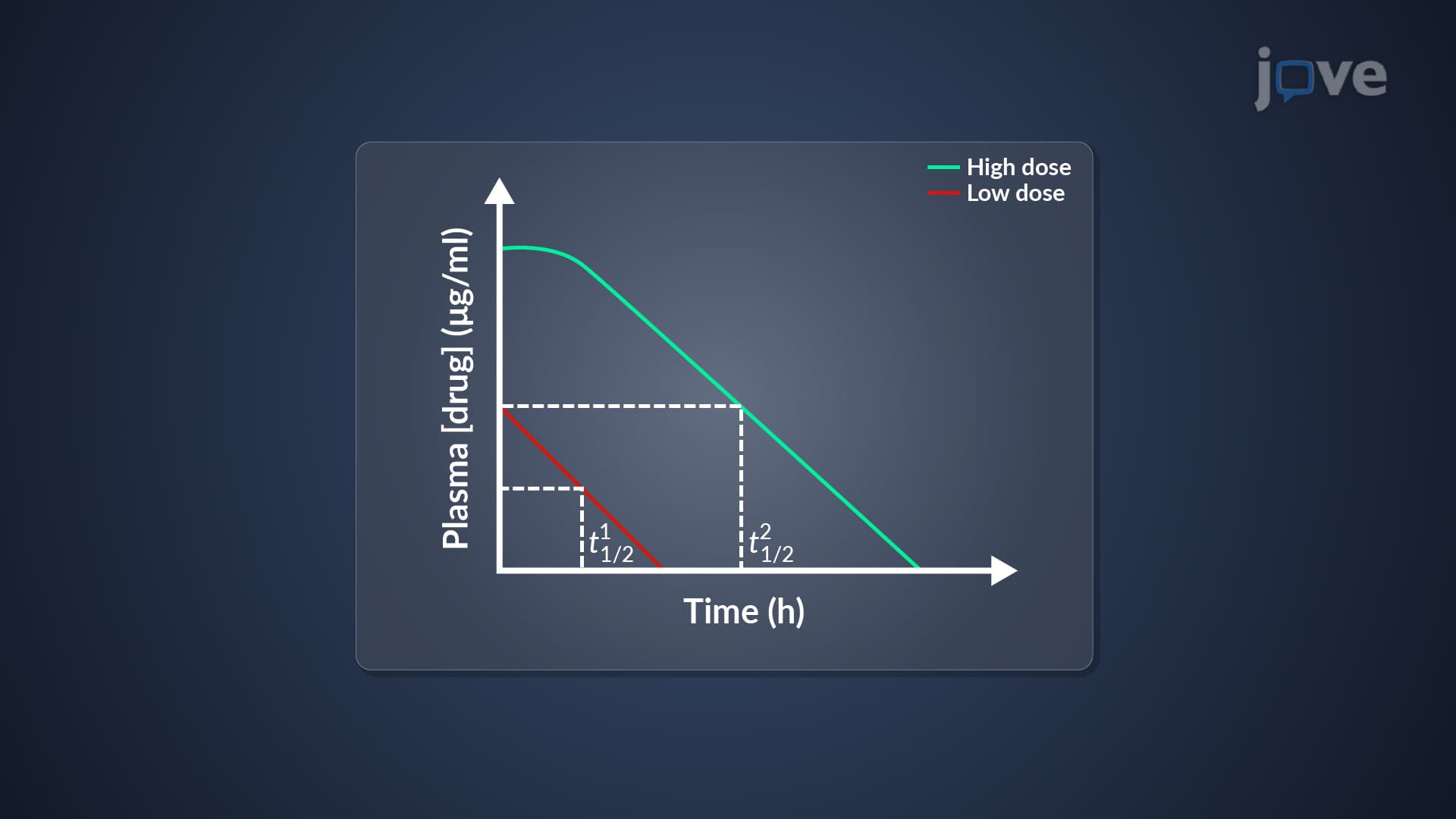
However, real-world pharmacology often involves nonlinear elimination. Consider niacin (vitamin B3), commonly prescribed for hyperlipidemia at US cardiology clinics. At therapeutic doses, niacin's metabolic pathways become saturated, following Michaelis-Menten kinetics instead of simple first-order elimination. This saturation explains why doubling niacin dosage doesn't necessarily double plasma concentrations-a critical concept for MCAT and pharmacy school examinations.
US healthcare providers regularly encounter drugs exhibiting mixed elimination patterns. Niacin metabolism demonstrates this complexity through parallel pathways: glycine conjugation forming nicotinuric acid, and NAD synthesis producing multiple downstream metabolites. When patients receive extended-release niacin tablets (common brands include Niaspan), higher doses saturate these enzymatic pathways, creating nonlinear dose-response relationships.
This phenomenon directly impacts clinical decision-making in US hospitals. Emergency medicine physicians must understand that alcohol elimination follows zero-order kinetics at high concentrations, while many psychiatric medications follow first-order elimination. These principles appear frequently on USMLE examinations and nursing boards like NCLEX-RN.
The combined elimination equation incorporates both linear (k) and saturable (Michaelis-Menten) components, where k represents the sum of all first-order elimination processes. This mathematical framework helps US clinical pharmacologists predict drug behavior, optimize dosing regimens, and minimize adverse effects. Understanding these principles proves essential for pre-health students preparing for professional programs and healthcare practitioners managing complex medication regimens.
Related Micro-courses