Loading subject page…


12 Concepts
10 Concepts
29 Concepts
14 Concepts
15 Concepts
25 Concepts
30 Concepts
12 Concepts
17 Concepts
9 Concepts
7 Concepts
18 Concepts
26 Concepts
9 Concepts
16 Concepts
17 Concepts
17 Concepts
 25 Concepts
 13.6K Views
 Popular topics


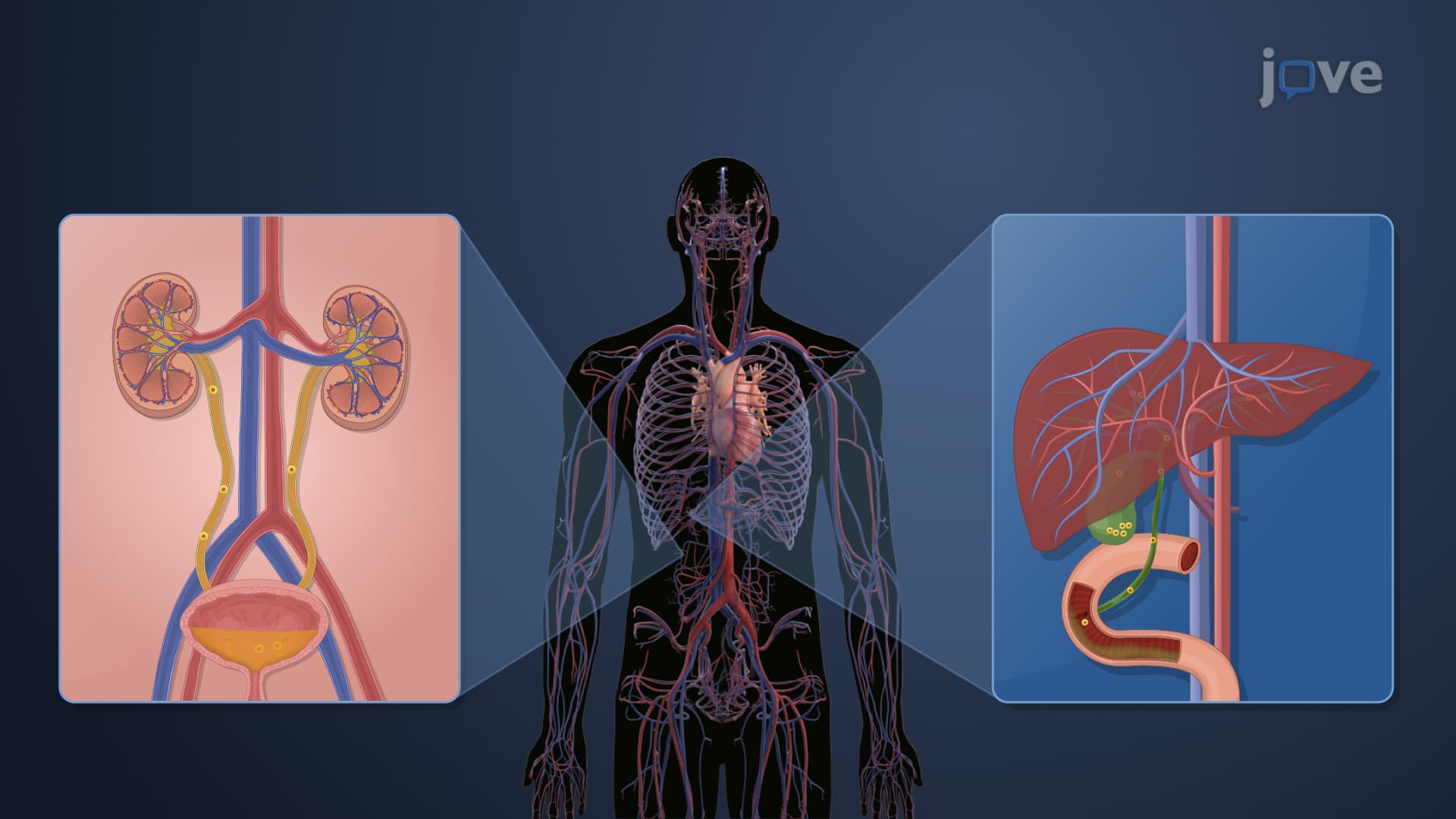
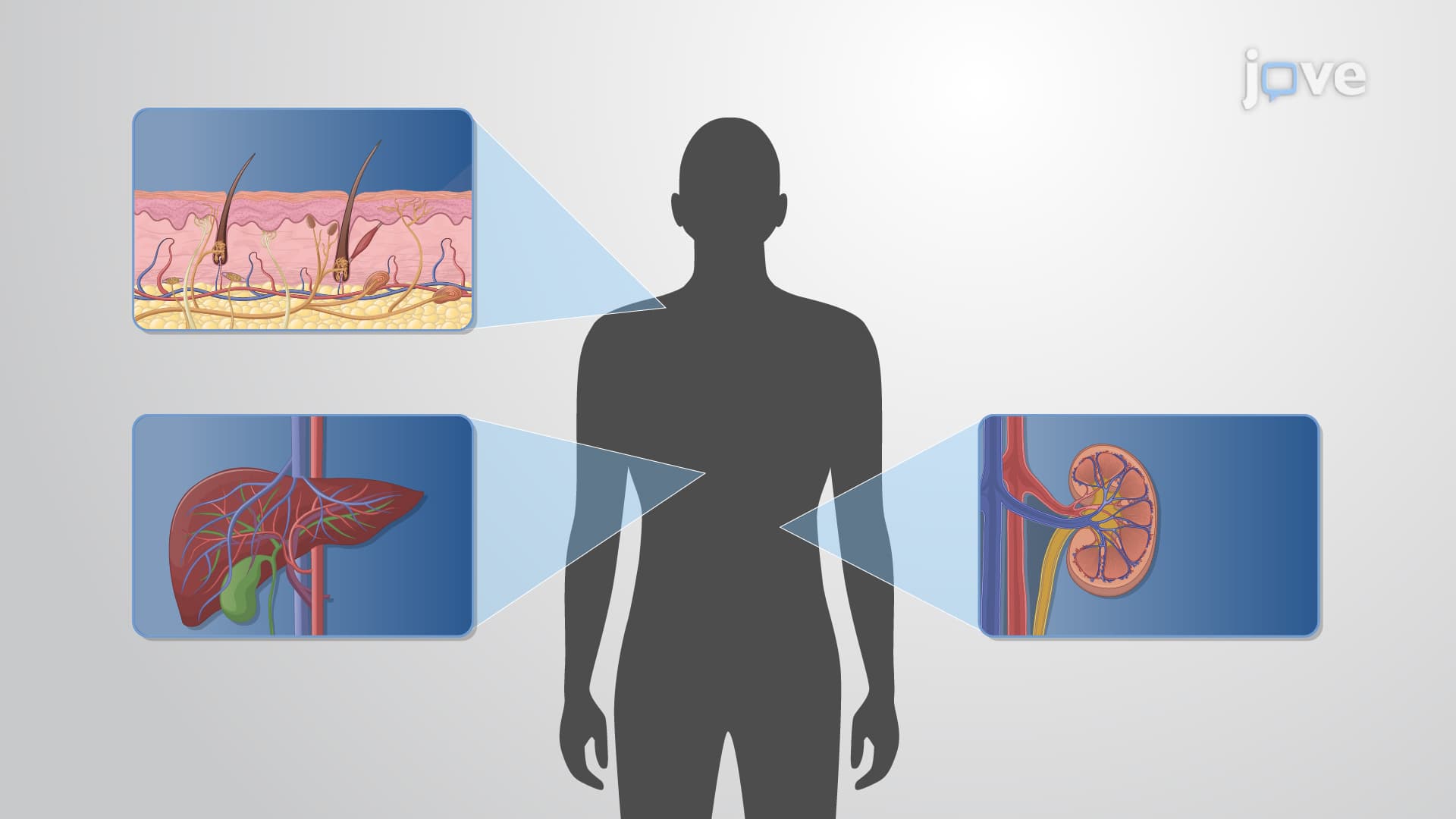
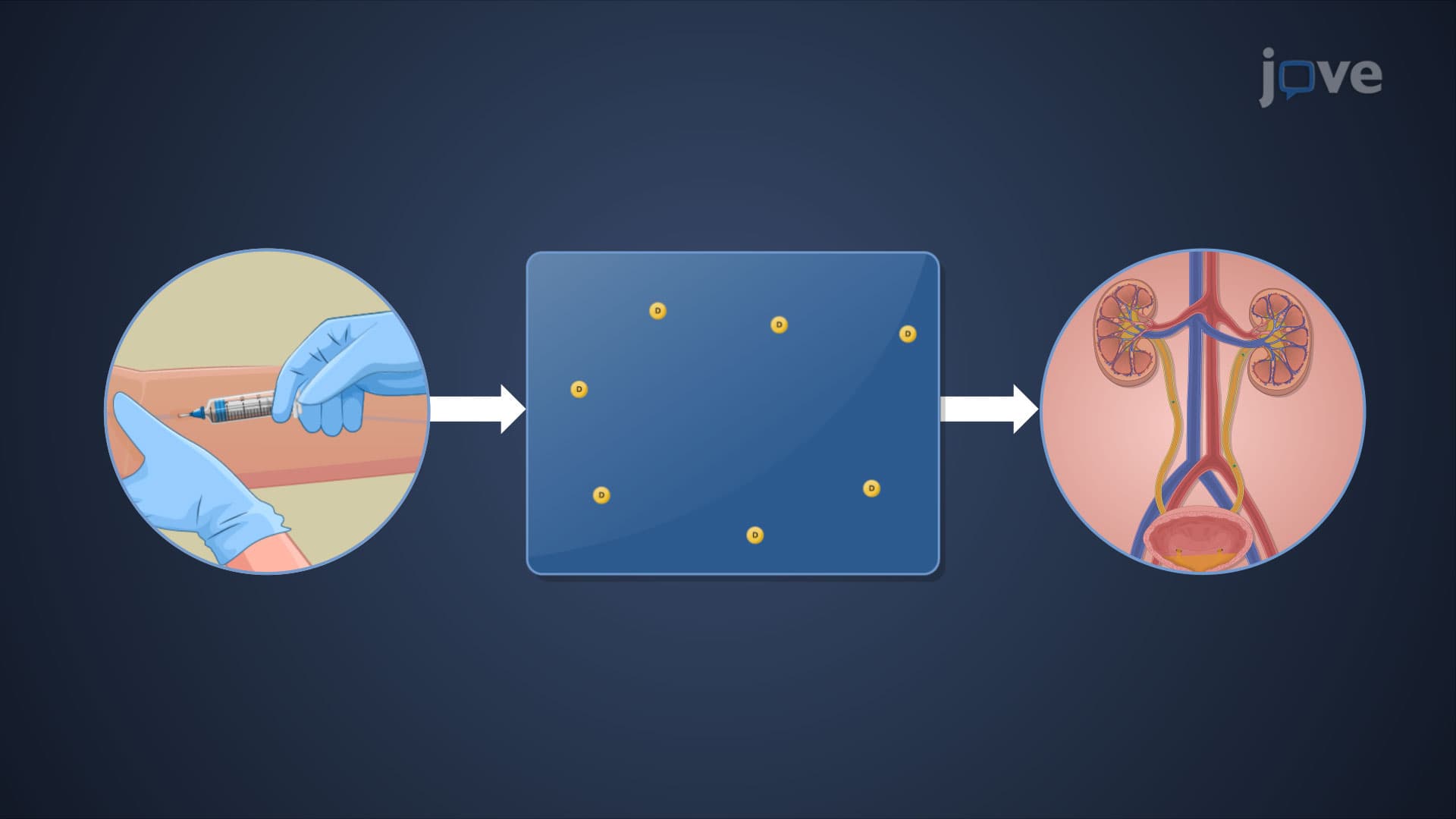
Pharmacokinetics: drug excretion and clearance encompasses the fundamental processes by which medications are eliminated from the body through renal, hepatic, and alternative routes. This comprehensive course examines mechanisms of drug elimination and clearance, including glomerular filtration, tubular secretion, and reabsorption processes essential for clinical practice in US healthcare settings. Master these concepts with JoVE Coach's evidence-based approach to pharmacokinetic principles.
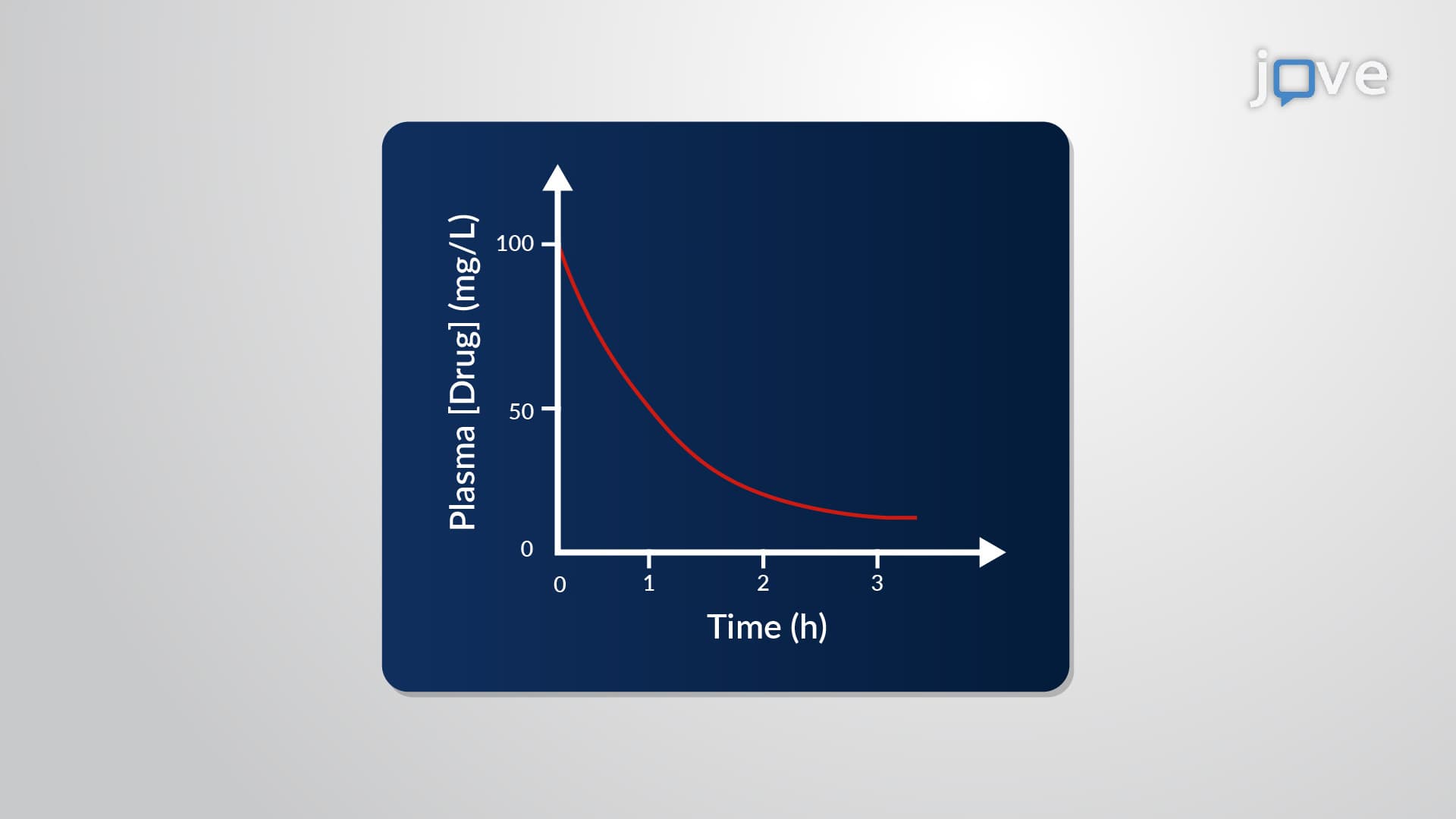
1. Drug Elimination Pathways and Kinetics Drug elimination occurs primarily through excretion of unchanged drug and metabolism to polar metabolites. First-order kinetics eliminates a constant fraction per unit time, creating exponential concentration-time curves seen with most medications like digoxin and warfarin. Zero-order kinetics, observed with high-dose phenytoin and aspirin, eliminates fixed amounts at constant rates regardless of concentration. This saturation phenomenon occurs when therapeutic doses exceed enzyme metabolizing capacity, requiring careful monitoring in US clinical settings to prevent toxicity.
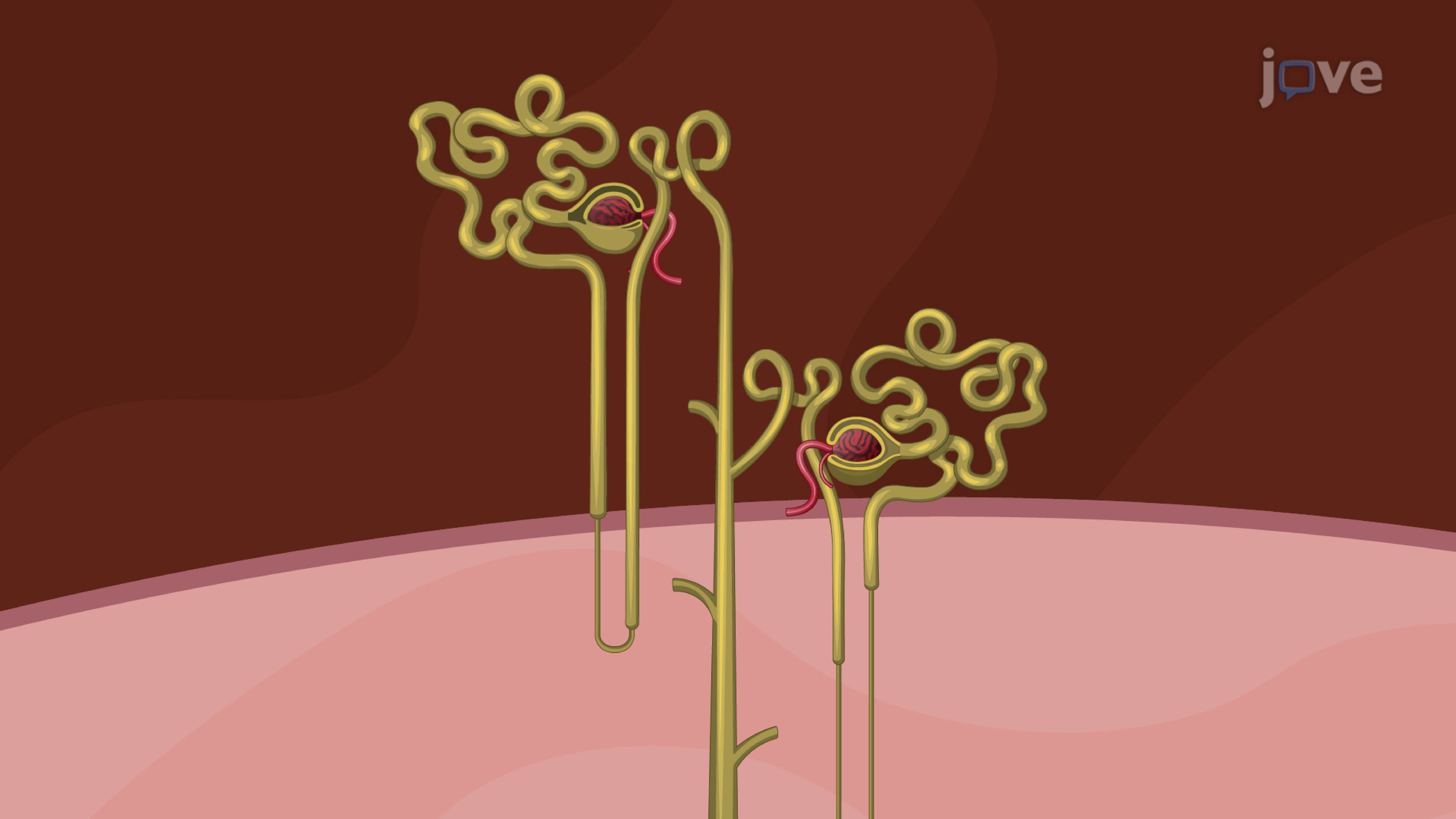
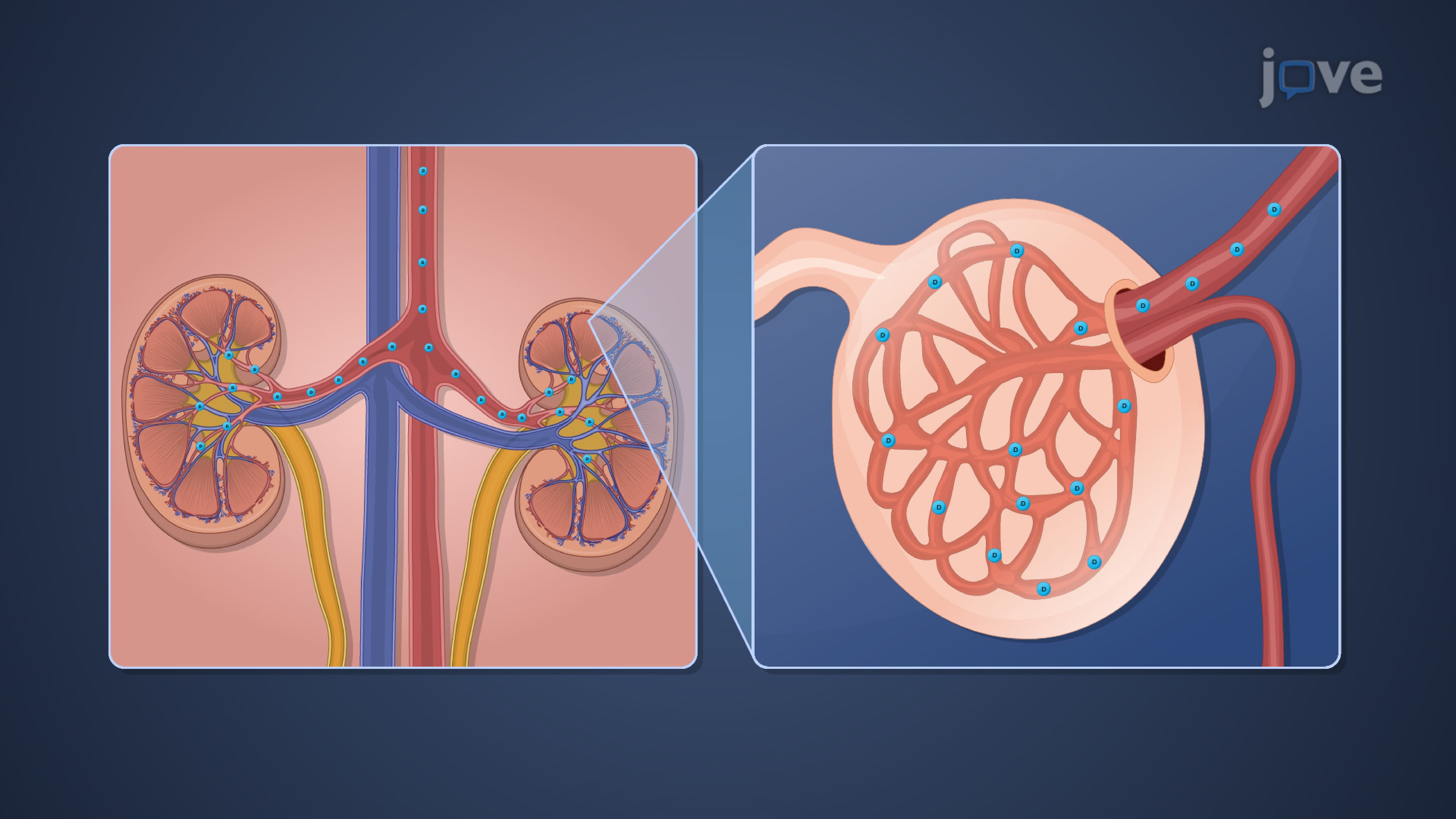
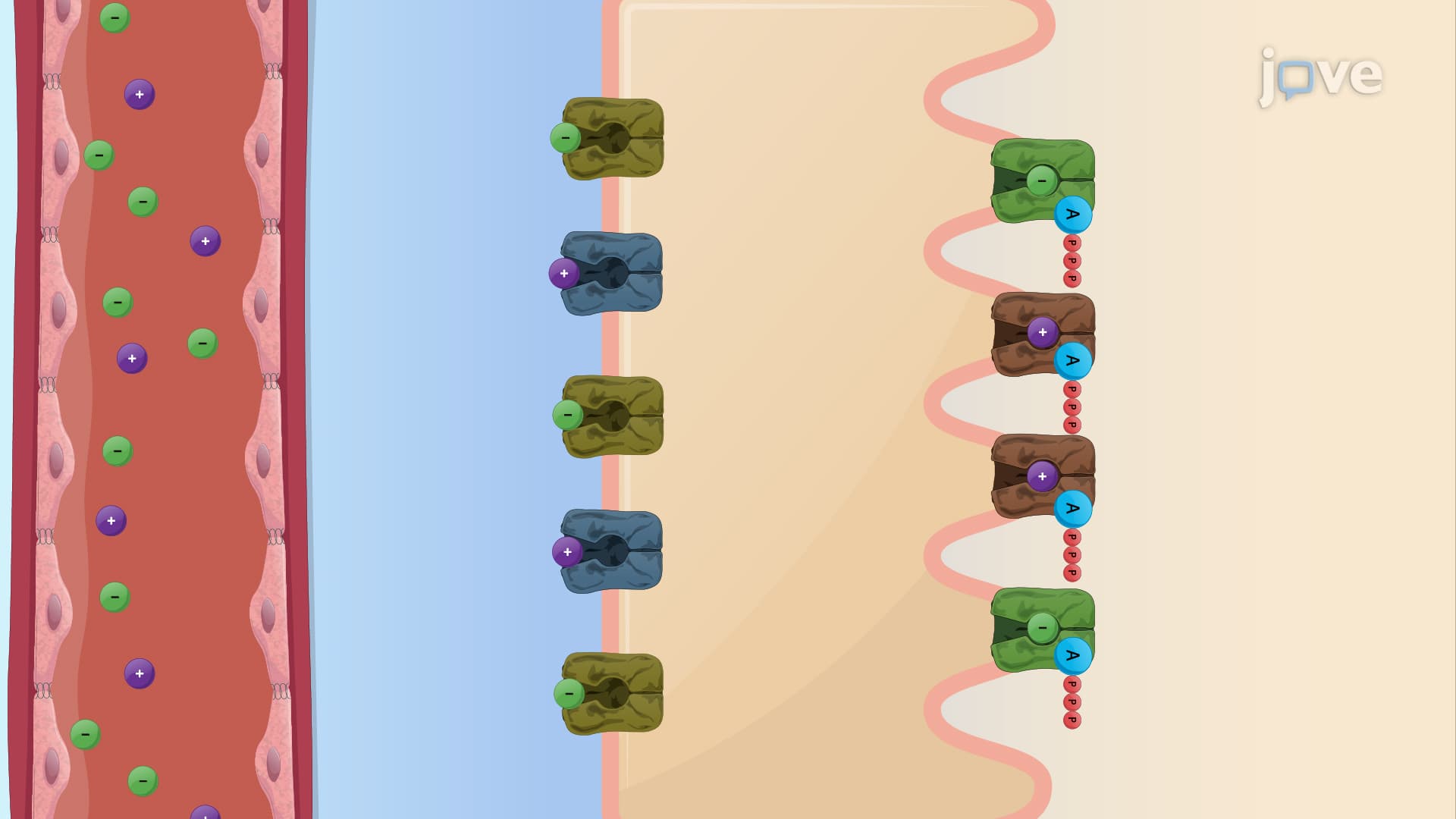
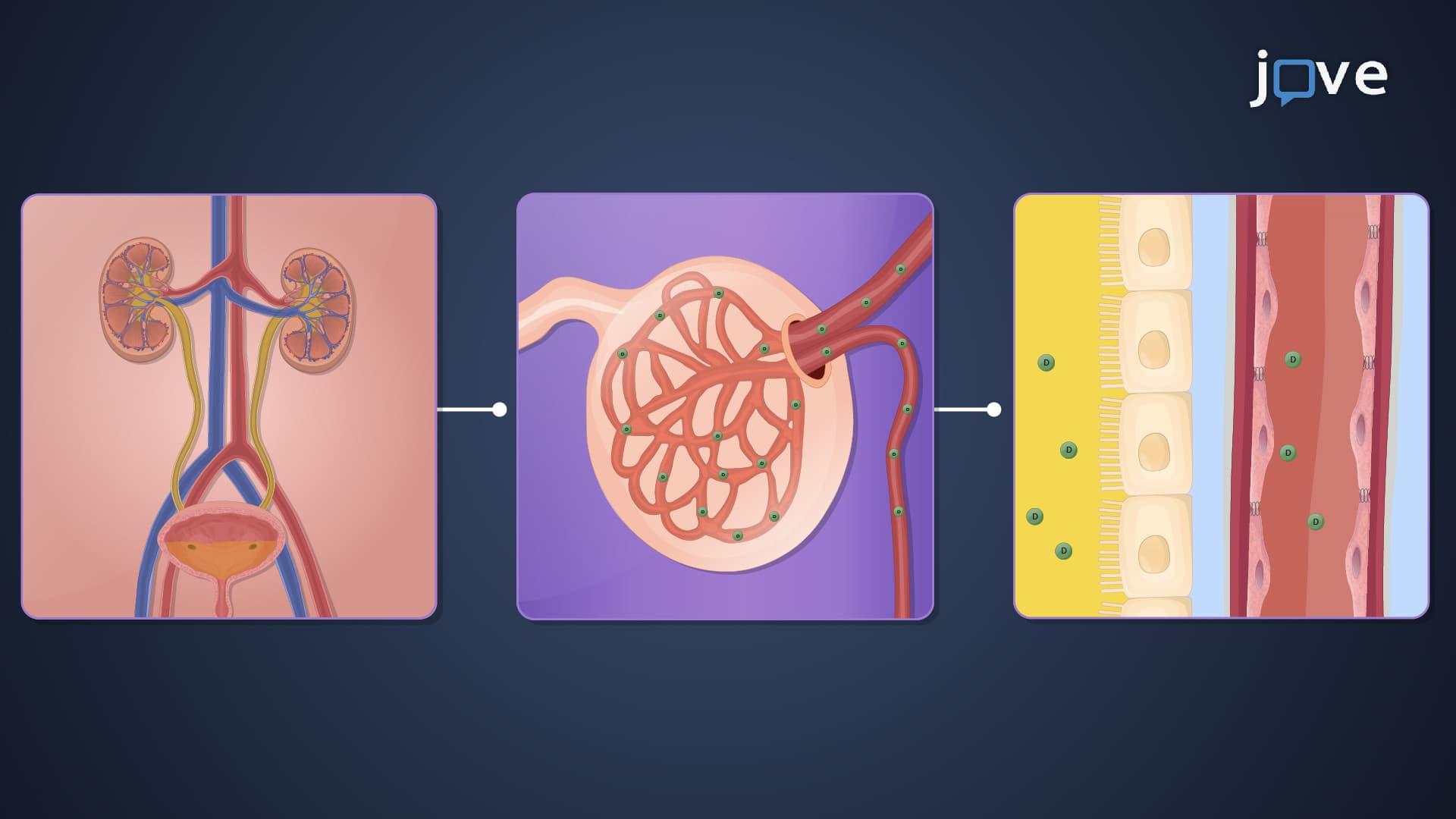
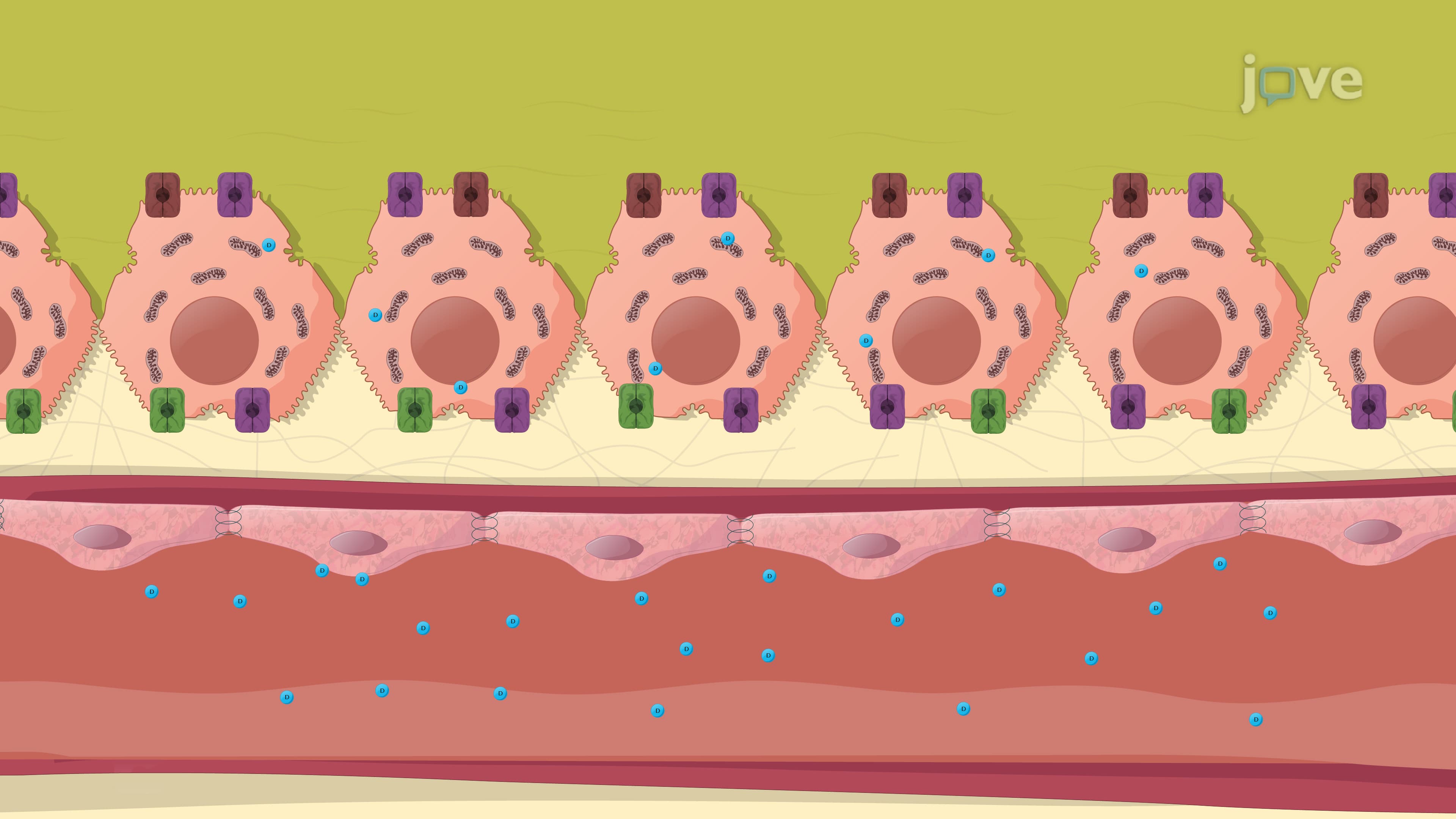
2. Renal Drug Excretion Mechanisms The kidneys eliminate small, hydrophilic, non-protein-bound drugs through three primary mechanisms within nephron structures. Glomerular filtration removes drugs under 20 kDa through porous endothelium driven by pressure differences between afferent and efferent arterioles. Active tubular secretion uses transporters like OAT, OCT, MRP4, and P-glycoprotein to move unfiltered drugs into tubular lumen. Passive tubular reabsorption allows nonionized drugs to diffuse back into bloodstream at distal convoluted tubules, influenced by urine pH and drug pKa relationships.
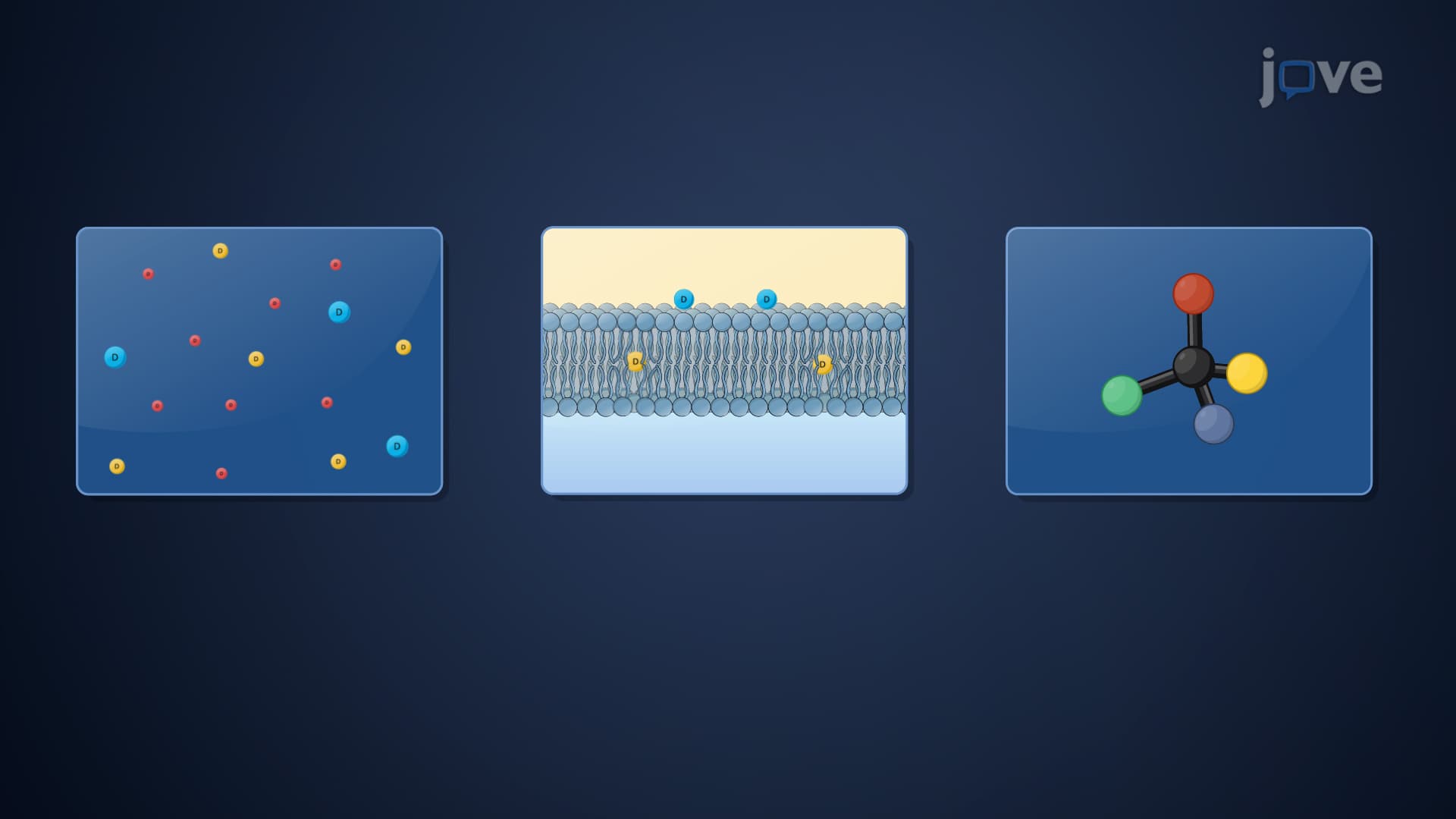
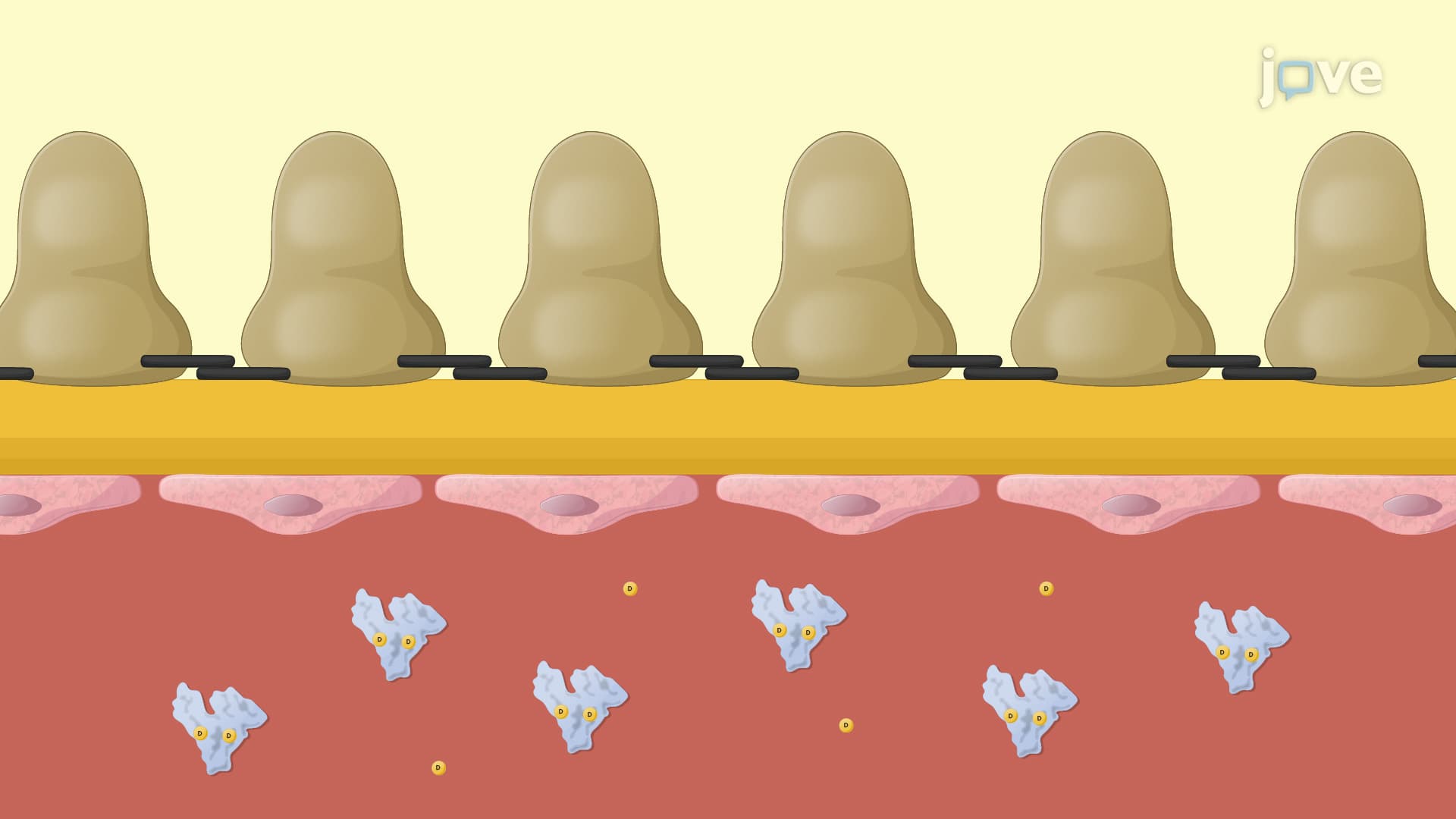
3. Factors Influencing Renal Clearance Multiple physicochemical and physiological factors determine renal drug clearance rates in clinical practice. Molecular size affects filtration, with drugs under 300 Da readily excreted while those over 500 Da show limited urinary elimination. Lipophilicity promotes passive reabsorption, reducing urinary excretion rates. Protein binding limits glomerular filtration since only unbound drug passes through. Urine pH alterations can enhance elimination of weak acids in alkaline conditions or weak bases in acidic urine, utilized therapeutically in US emergency departments for drug overdose management.
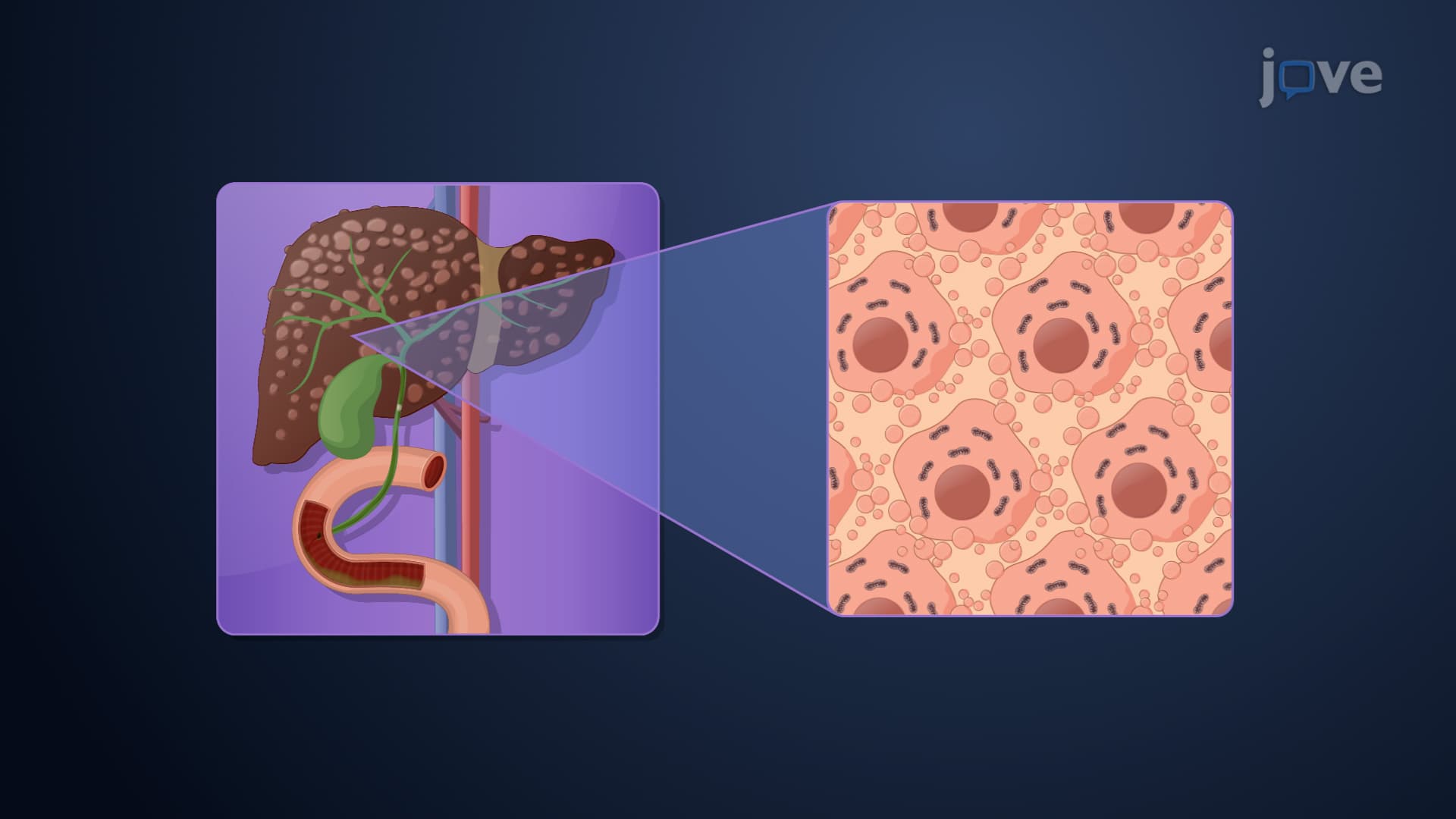
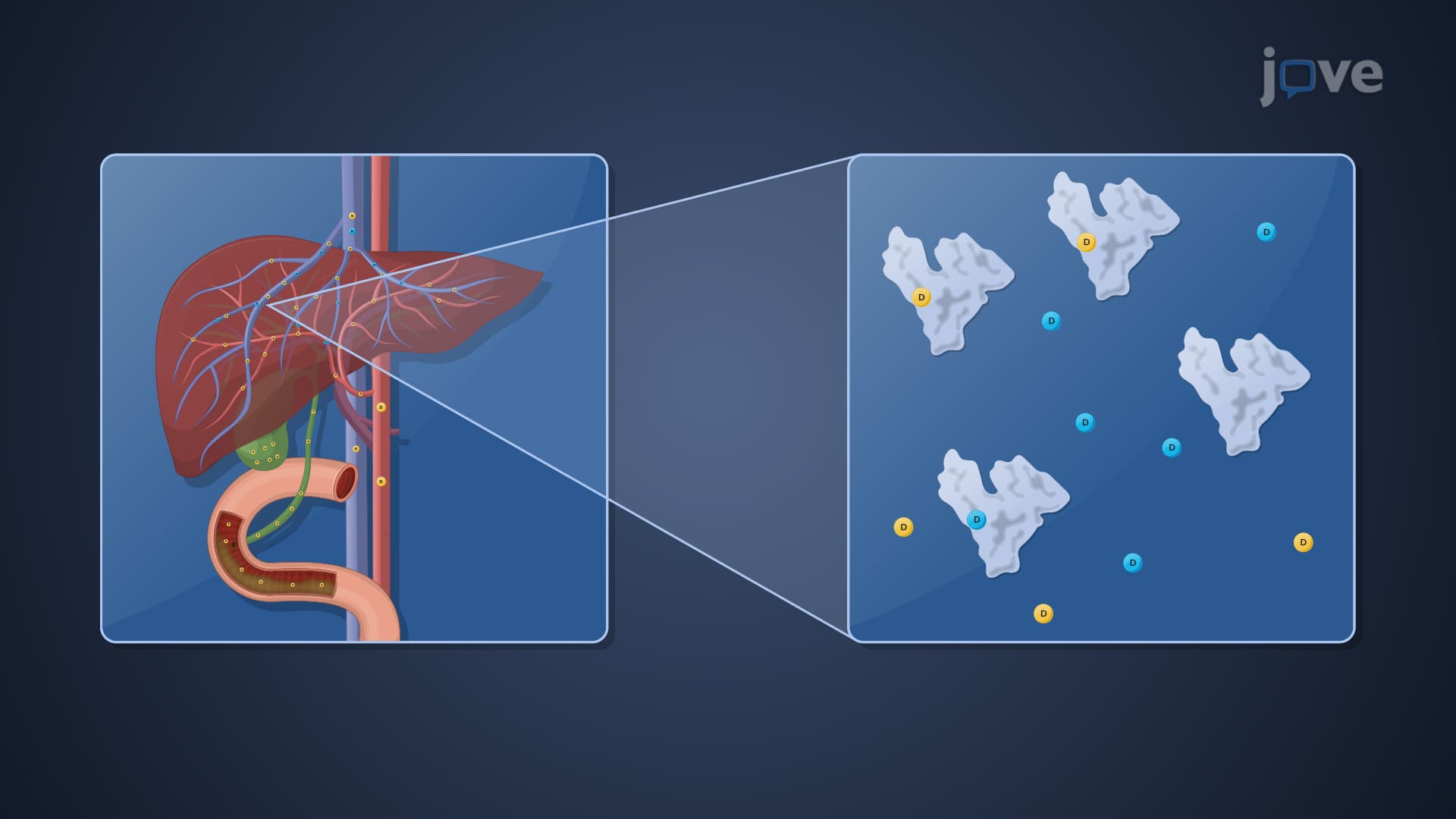
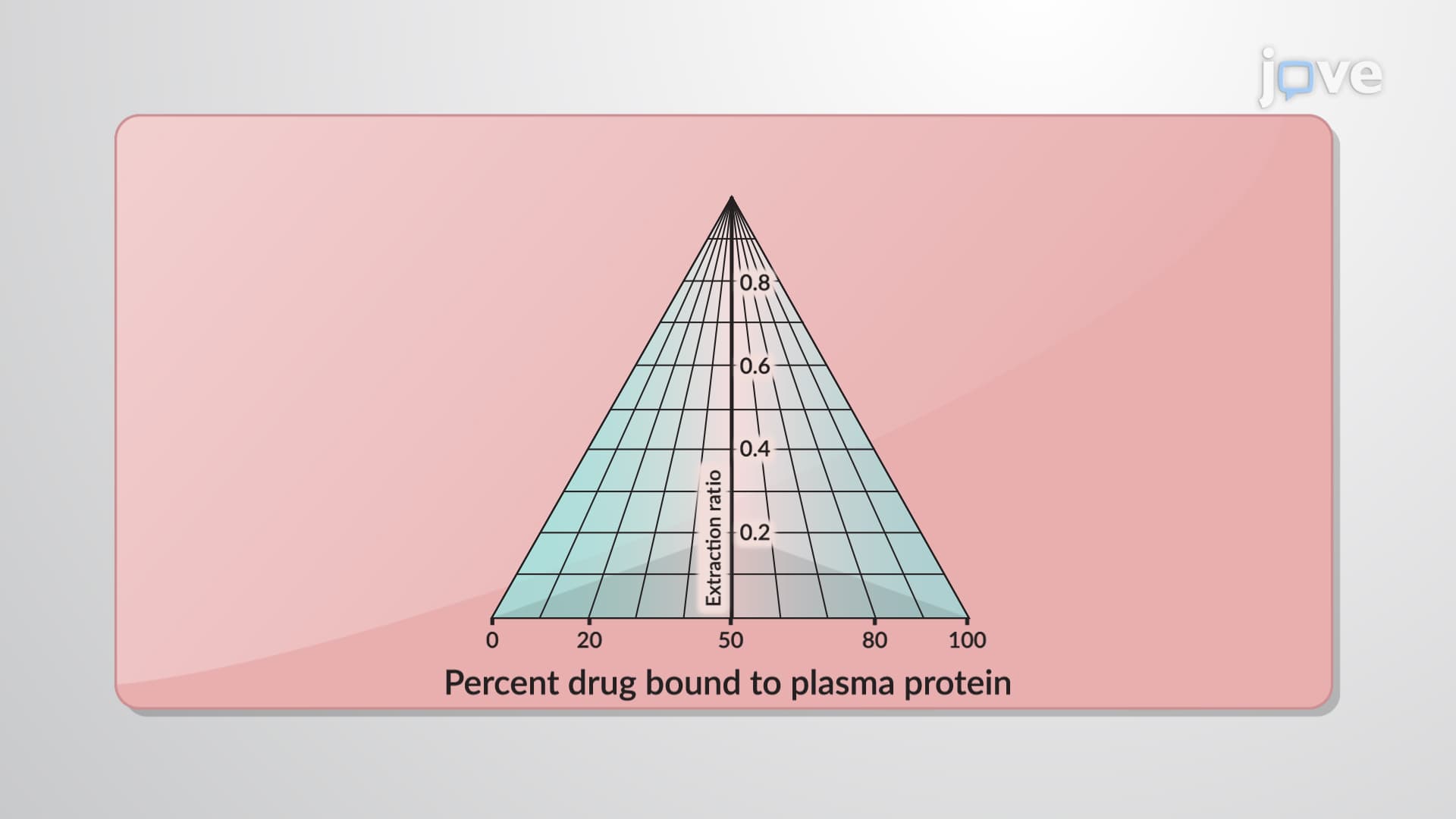
4. Hepatic Drug Clearance and Bile Excretion Hepatic clearance represents blood volume cleared by liver per unit time, following restrictive or nonrestrictive patterns based on protein binding characteristics. Drugs exceeding 500 Daltons undergo biliary excretion through hepatocyte membrane transporters, forming glucuronide conjugates that enhance polar characteristics. Enterohepatic cycling prolongs drug activity as bile-excreted medications reabsorb from duodenum, exemplified by leflunomide requiring cholestyramine intervention. Hepatic blood flow, intrinsic clearance, and extraction ratios determine whether drugs follow flow-limited or capacity-limited elimination patterns.
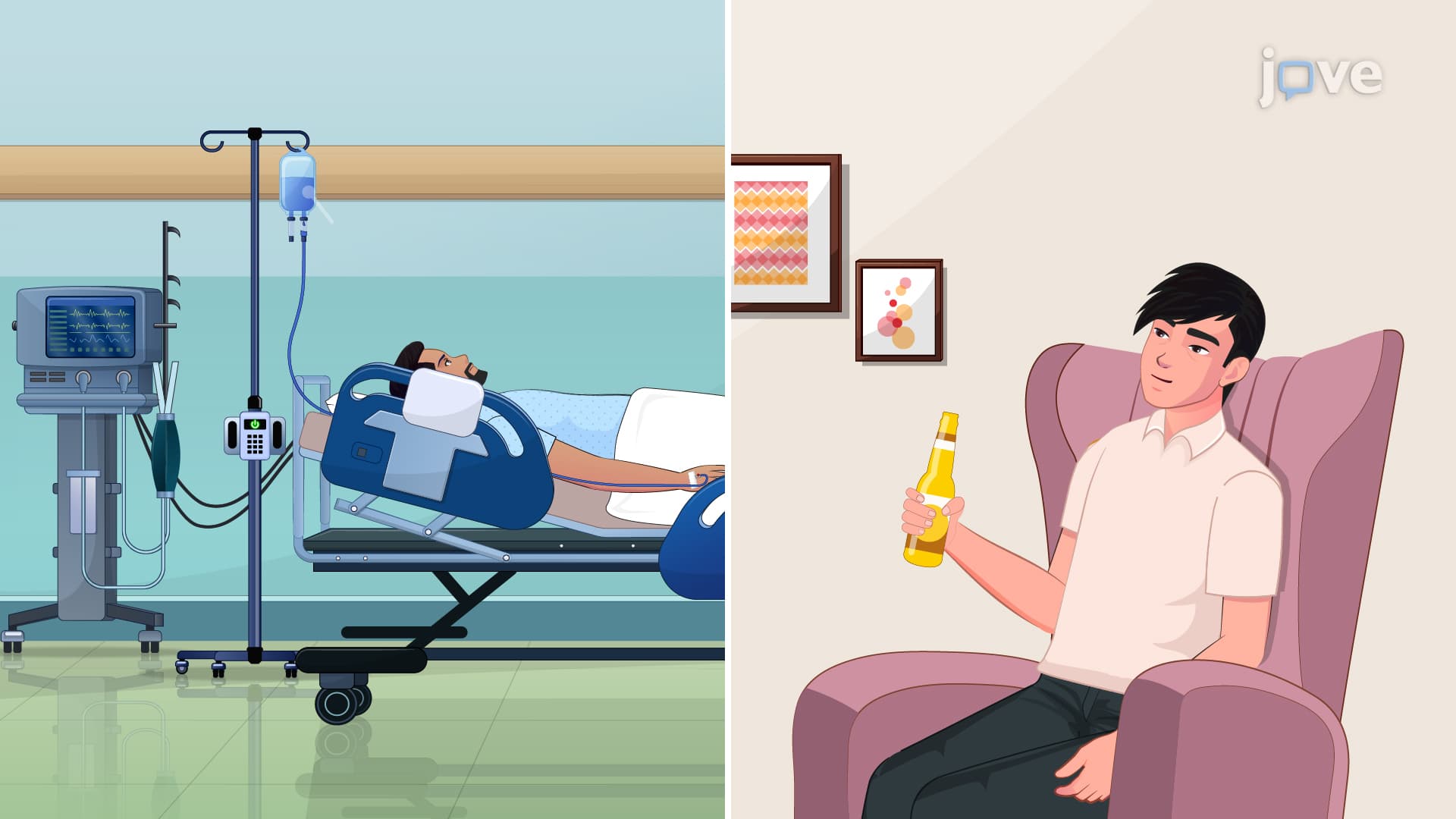
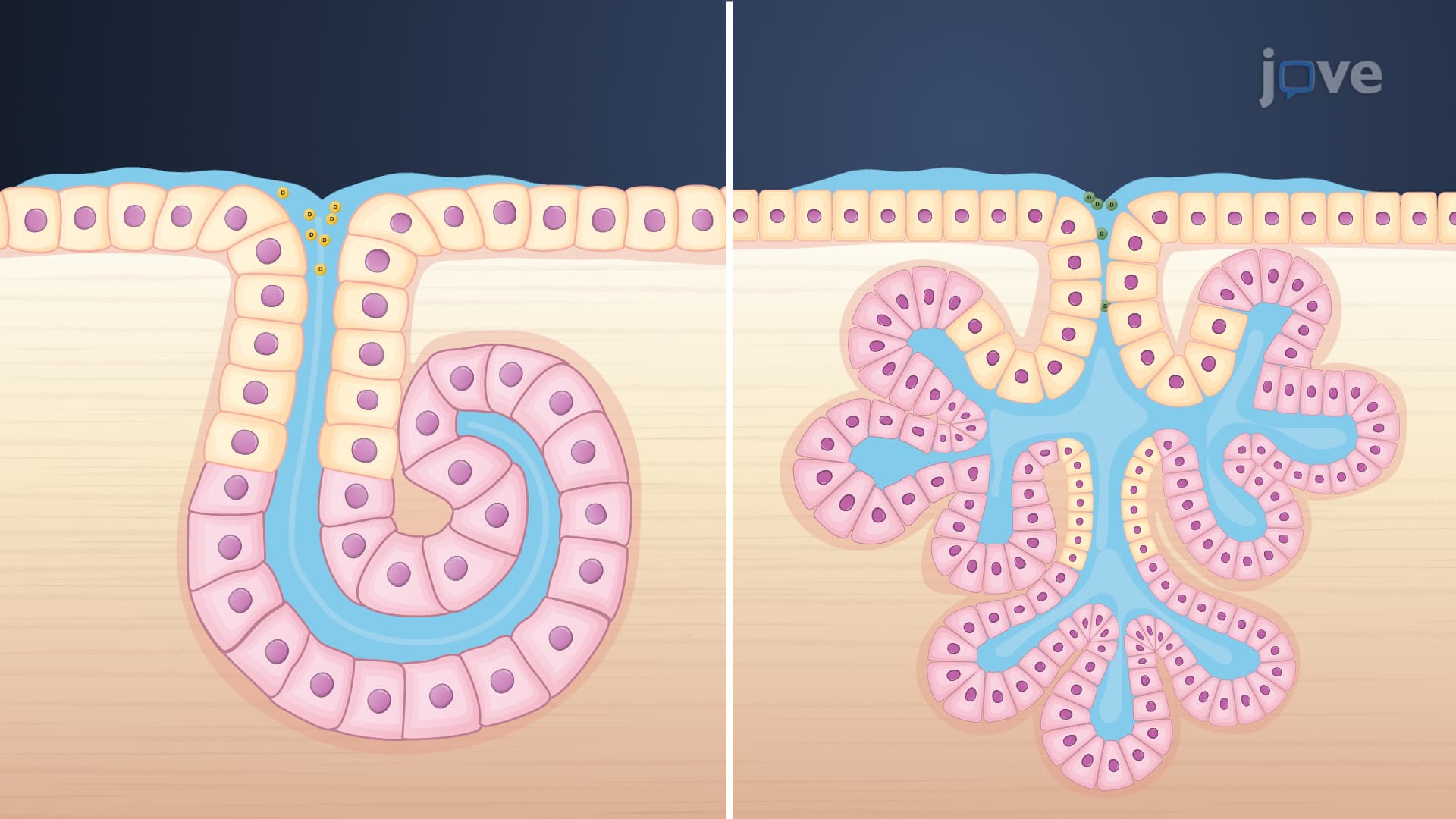
5. Alternative Excretion Routes and Clinical Significance Beyond renal and hepatic pathways, drugs utilize pulmonary, mammary, and glandular excretion routes with distinct clinical implications. Volatile anesthetics like nitrous oxide undergo rapid pulmonary elimination based on blood solubility and respiratory parameters. Breast milk excretion of basic drugs poses infant safety concerns, particularly with ethanol and medications. Salivary drug concentrations mirror unbound plasma levels, providing non-invasive monitoring alternatives when blood sampling proves challenging in US clinical settings, especially valuable for therapeutic drug monitoring programs.
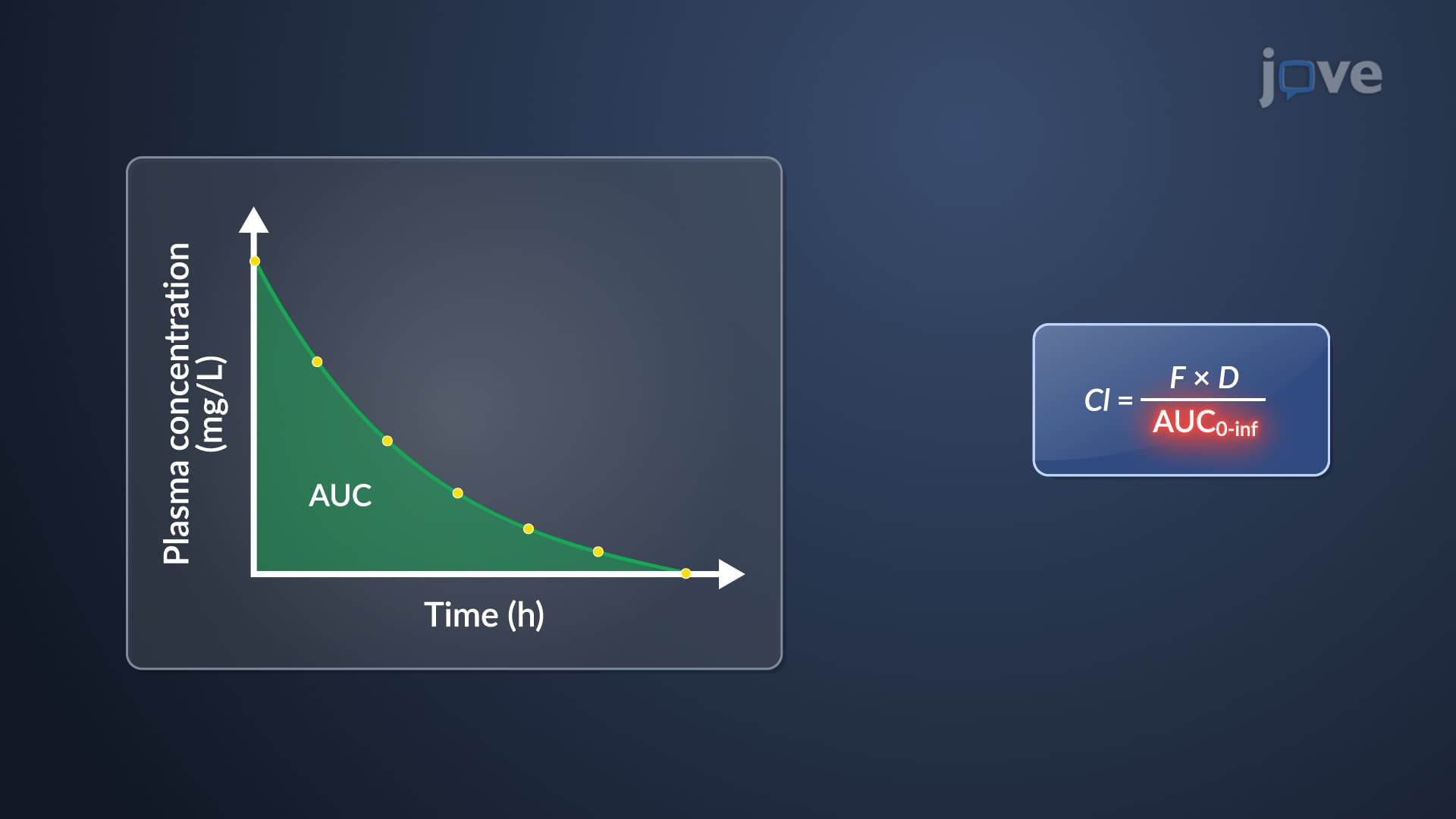
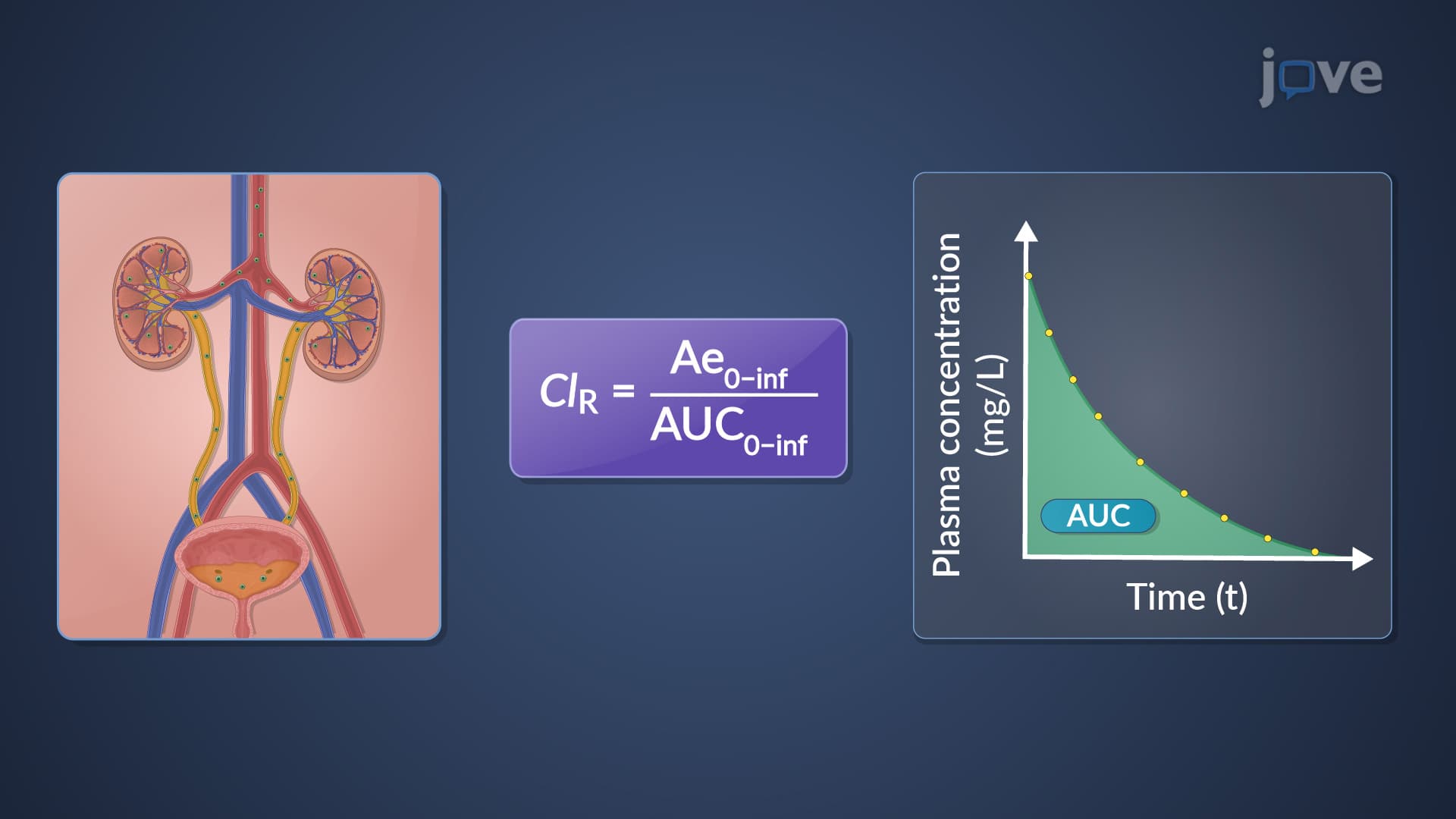
6. Clearance Models and Calculations Pharmacokinetic clearance models include physiological approaches using organ blood flow and extraction ratios, compartmental methods for one- and two-compartment systems, and noncompartmental analysis using area-under-curve data. Total body clearance equals the sum of renal, hepatic, and other organ clearances. Renal clearance calculations compare drug elimination to markers like inulin (filtration only) or para-aminohippuric acid (secretion). These models guide dosing regimen design and predict drug interactions in US hospital formulary management and clinical pharmacy practice.
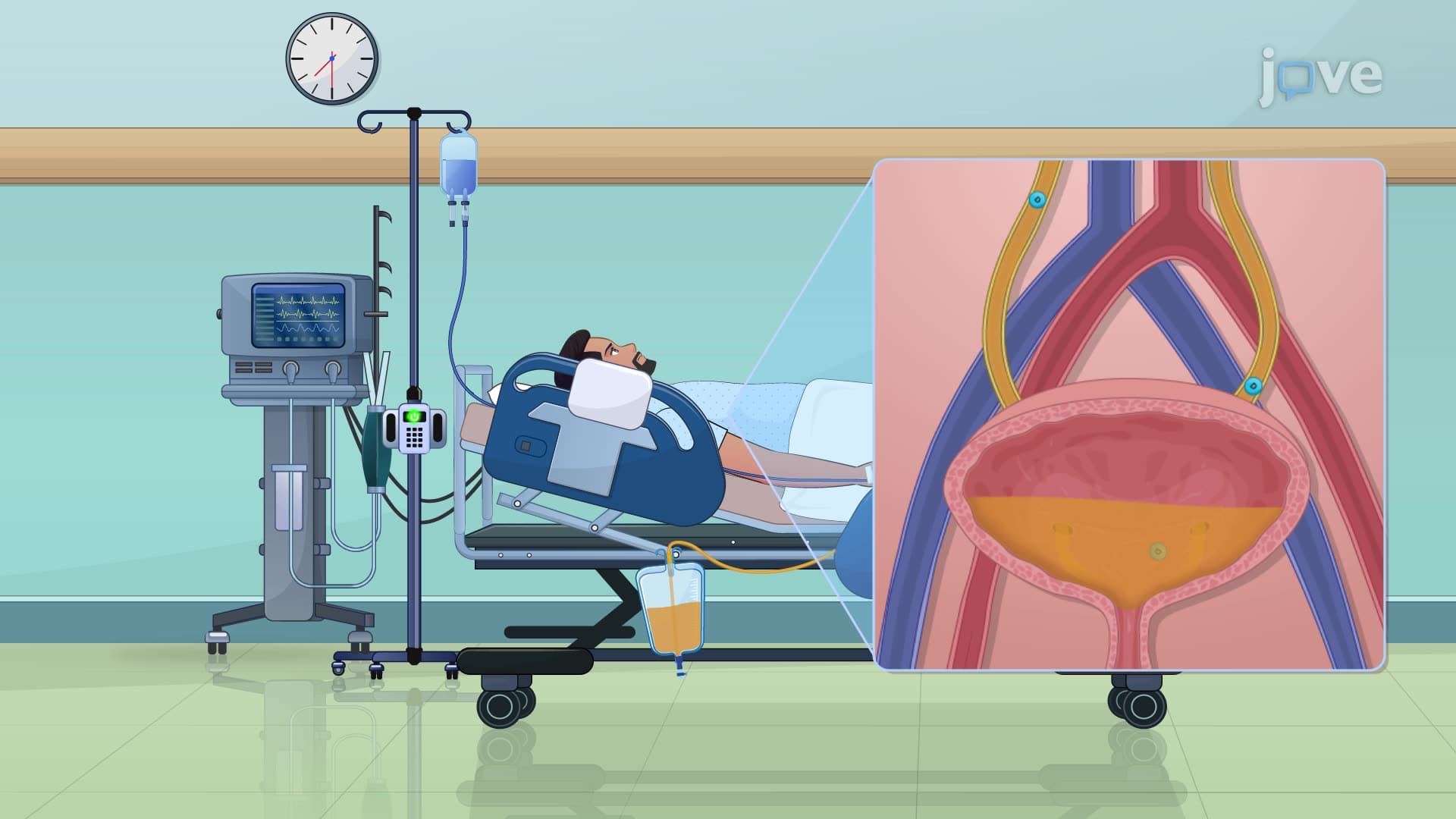
7. Dose Adjustments in Renal Impairment Renal dysfunction significantly alters drug pharmacokinetics, requiring systematic dose modifications based on creatinine clearance assessments. Normal creatinine clearance ranges 120-130 mL/min, with values below 15 mL/min indicating severe failure requiring substantial dose reductions. The fraction of drug excreted unchanged (fu) and remaining renal function determine adjustment magnitude. Drugs with low therapeutic indices like digoxin, lithium, and aminoglycosides require careful monitoring and dose modification protocols established in US clinical practice guidelines and hospital pharmacy protocols.