12 Concepts
10 Concepts
29 Concepts
14 Concepts
15 Concepts
25 Concepts
30 Concepts
12 Concepts
17 Concepts
9 Concepts
7 Concepts
18 Concepts
26 Concepts
9 Concepts
16 Concepts
17 Concepts
17 Concepts
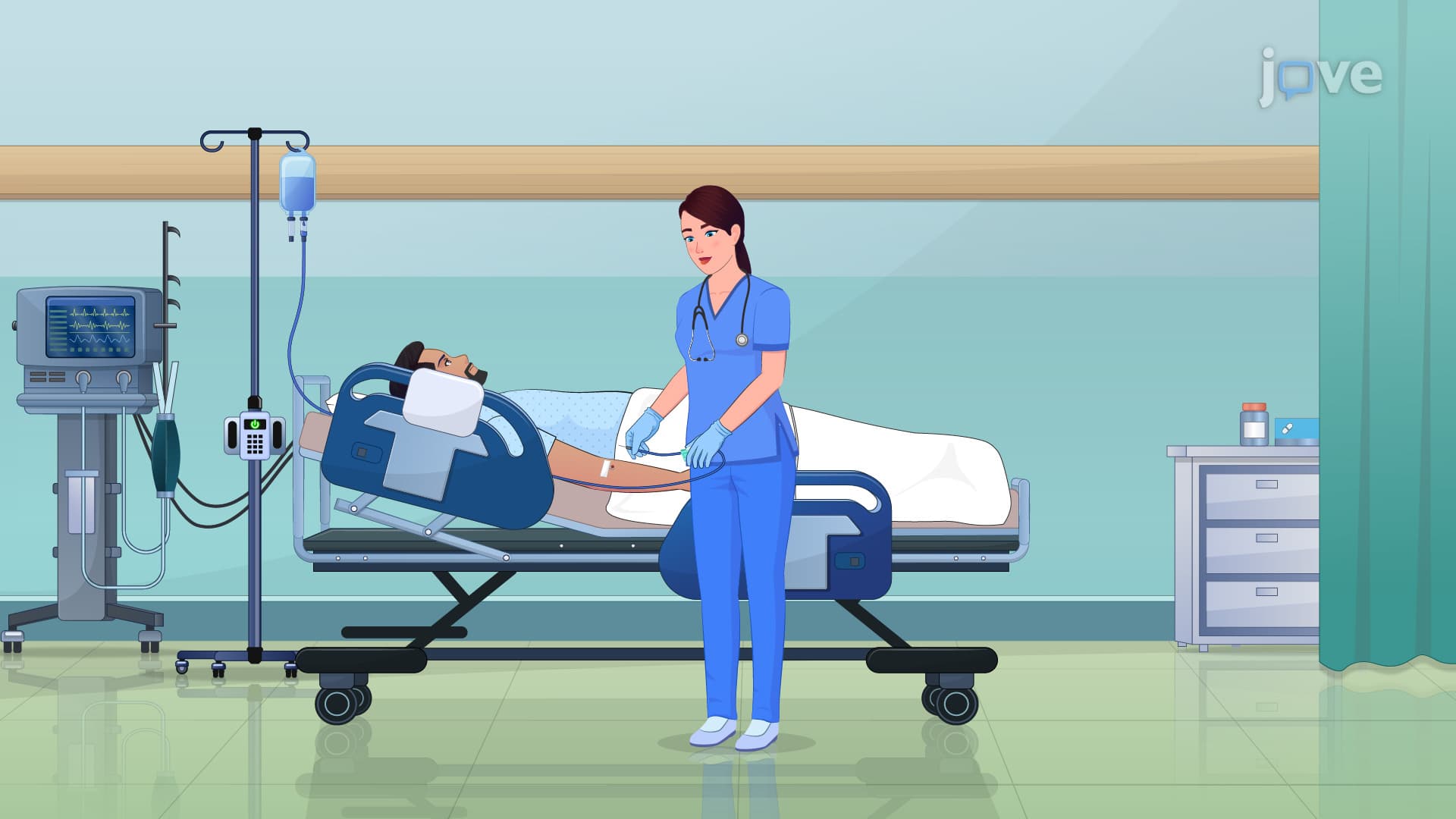
Pharmacokinetic models are mathematical frameworks that describe how drugs move through the human body over time. These essential tools help healthcare professionals predict drug concentrations, optimize dosing regimens, and minimize toxicity risks. From simple one-compartment models used for rapidly distributing drugs like theophylline to complex physiological models, this comprehensive course through JoVE Coach explores both model-dependent and model-independent approaches critical for safe, effective drug therapy in clinical practice.
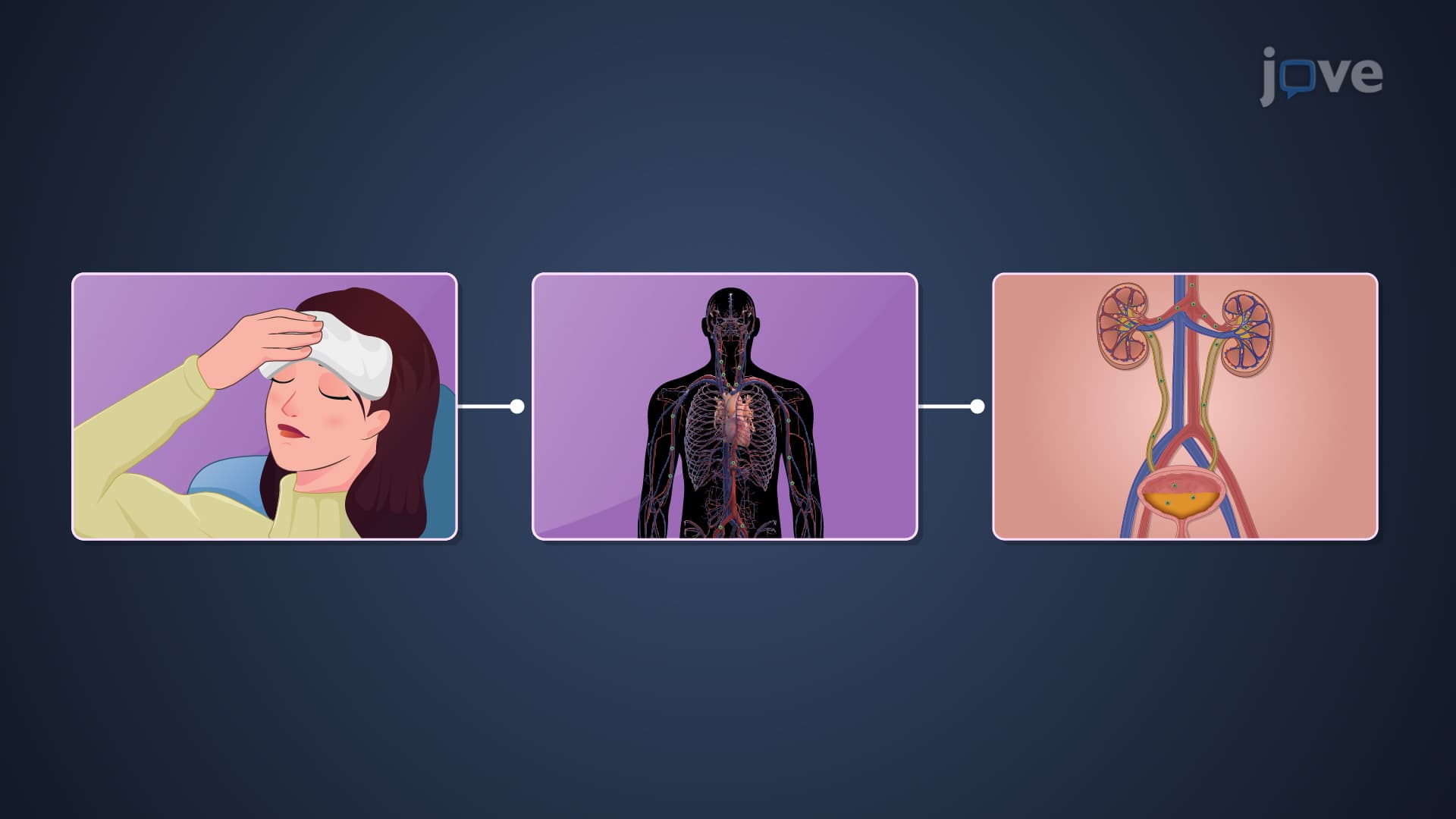
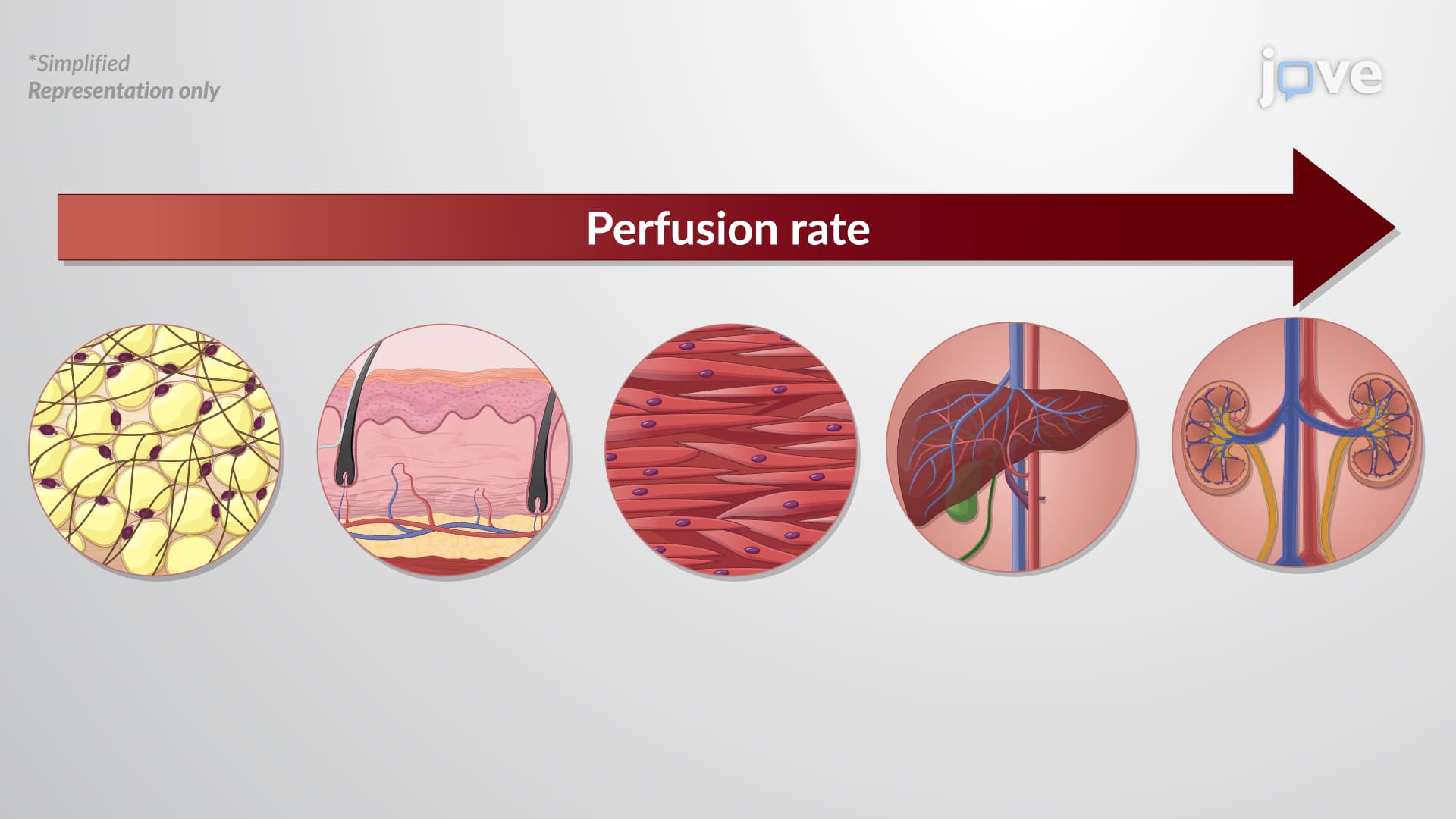
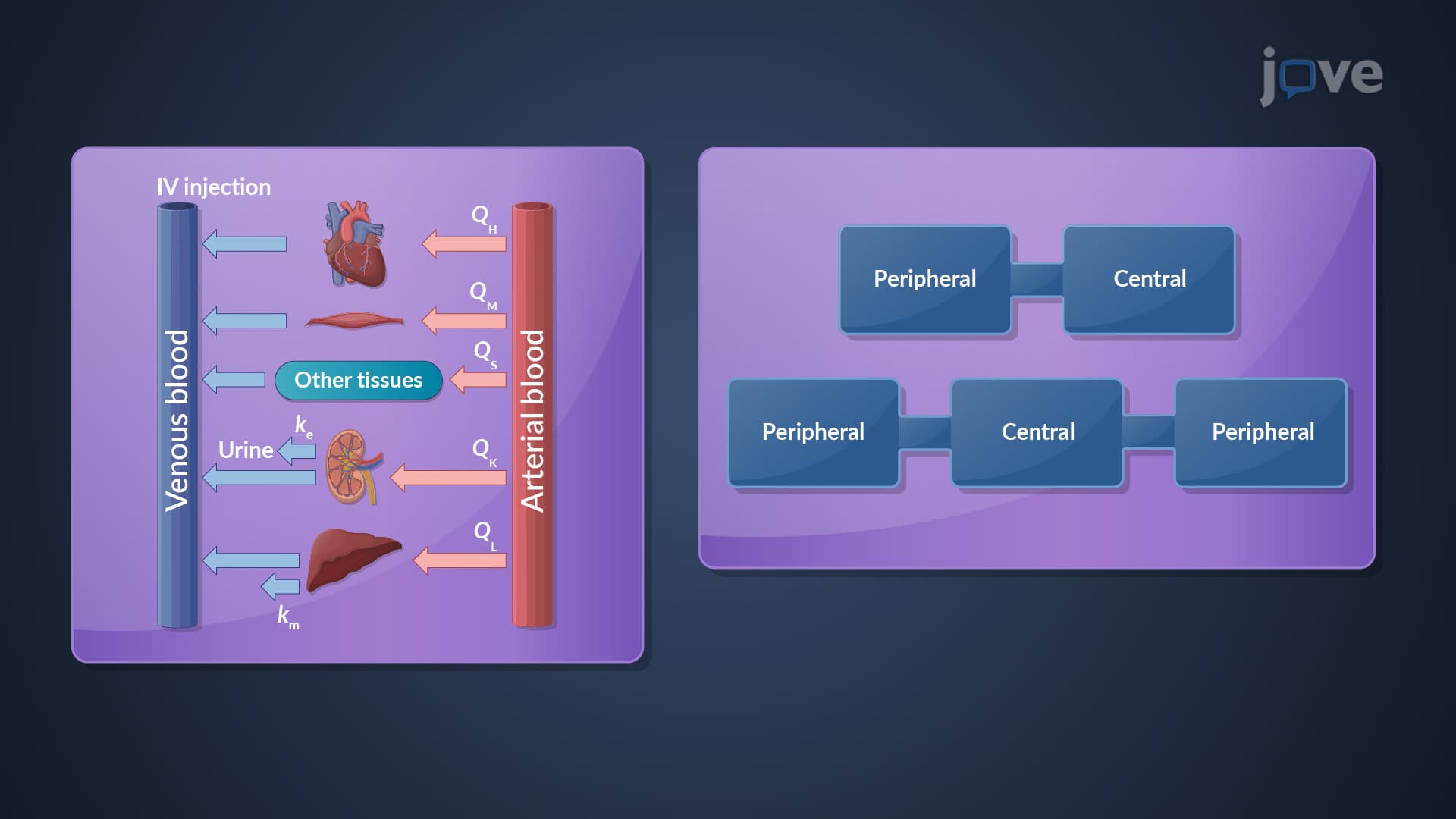
1. Compartment Model Fundamentals and Clinical Applications Compartment models represent the body as interconnected compartments with similar drug distribution characteristics. The central compartment includes highly perfused organs like the liver and kidneys, while peripheral compartments represent less perfused tissues such as muscle and adipose tissue. These models enable prediction of drug concentrations in different body regions, helping clinicians optimize dosing for medications like digoxin in heart failure patients. Understanding compartment modeling is essential for safe drug administration, particularly for drugs with narrow therapeutic windows where precise dosing prevents toxicity while ensuring efficacy.
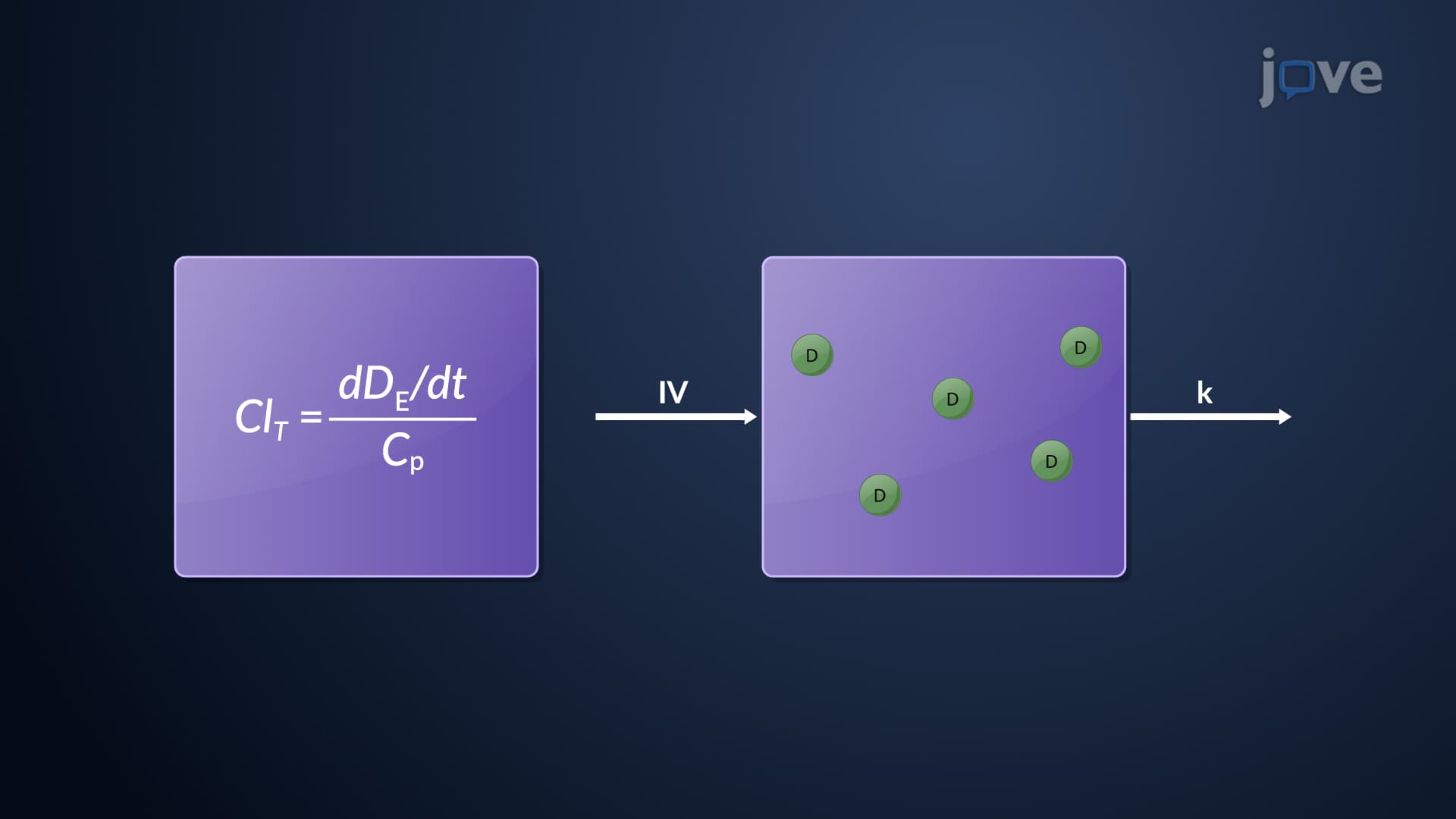
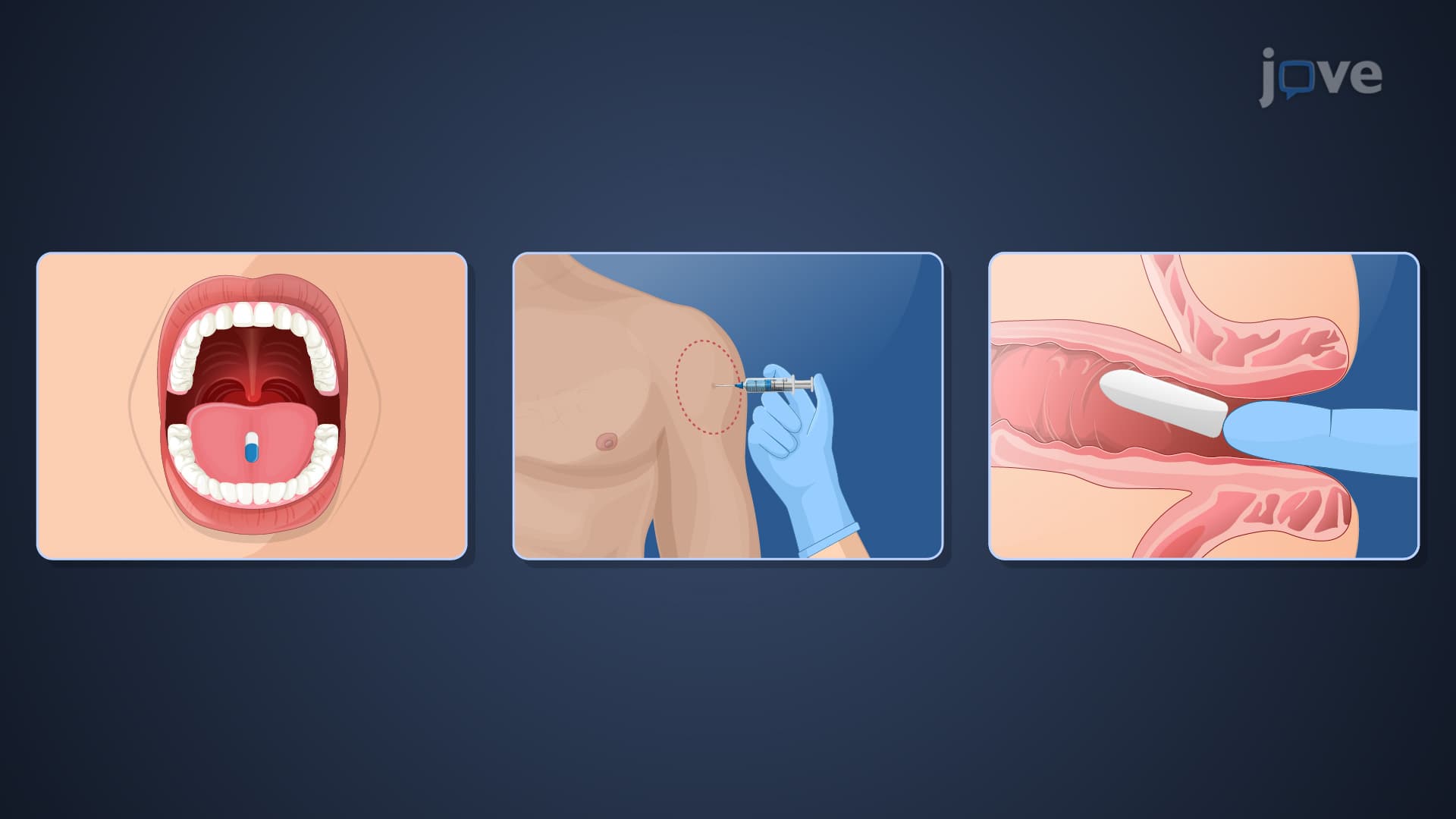
2. One-Compartment Model Analysis for Intravenous and Oral Administration The one-compartment open model assumes rapid drug equilibration throughout the body, making it ideal for analyzing quickly distributing drugs. For intravenous bolus administration, drug concentration follows first-order elimination kinetics, allowing calculation of elimination rate constant, half-life, and volume of distribution from plasma concentration-time profiles. This model applies to many antibiotics and cardiovascular medications used in US hospitals. The model also addresses oral administration with zero-order (constant rate) and first-order (proportional to remaining drug) absorption patterns, critical for understanding how medications like sustained-release formulations behave in patients.
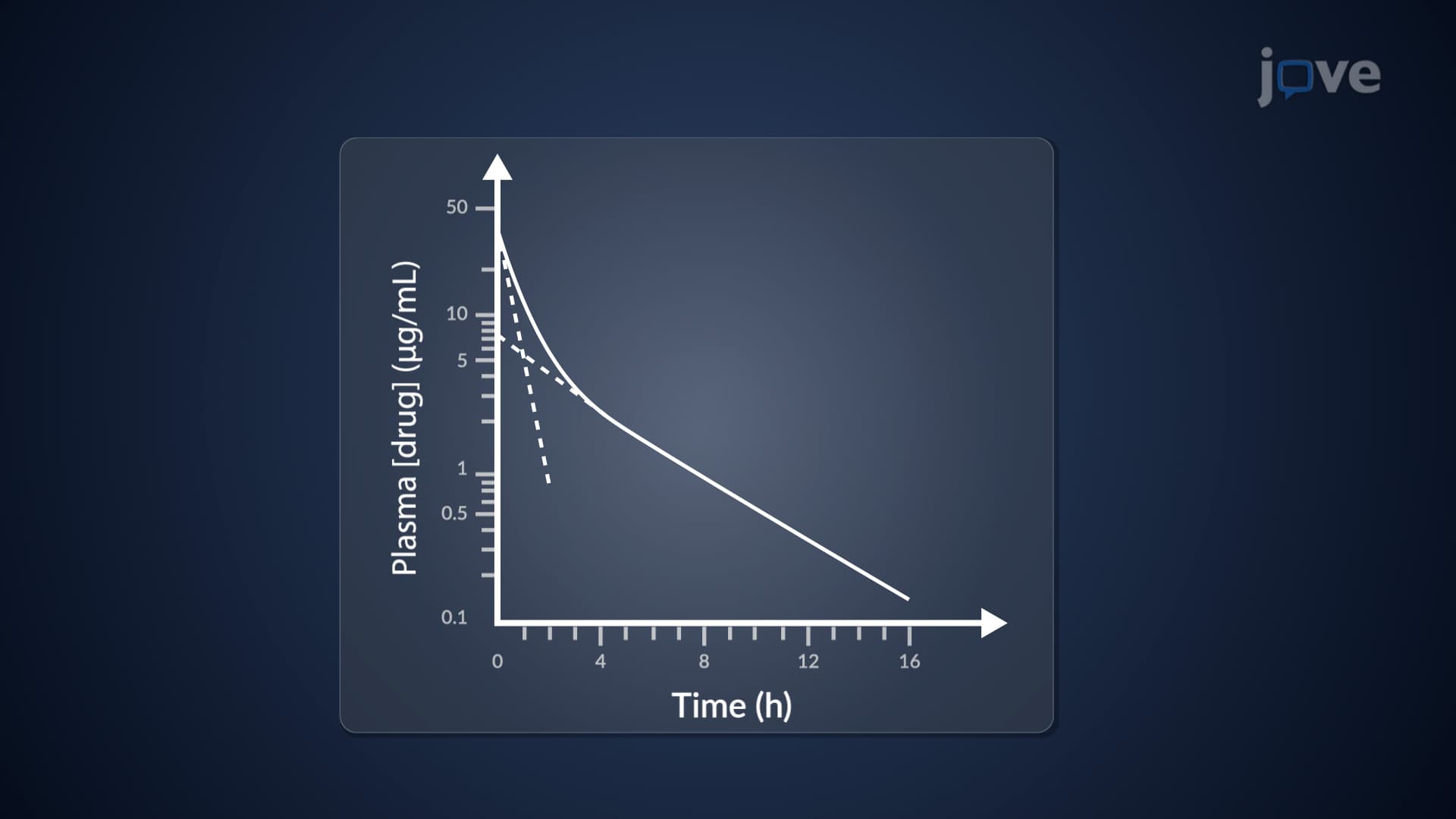
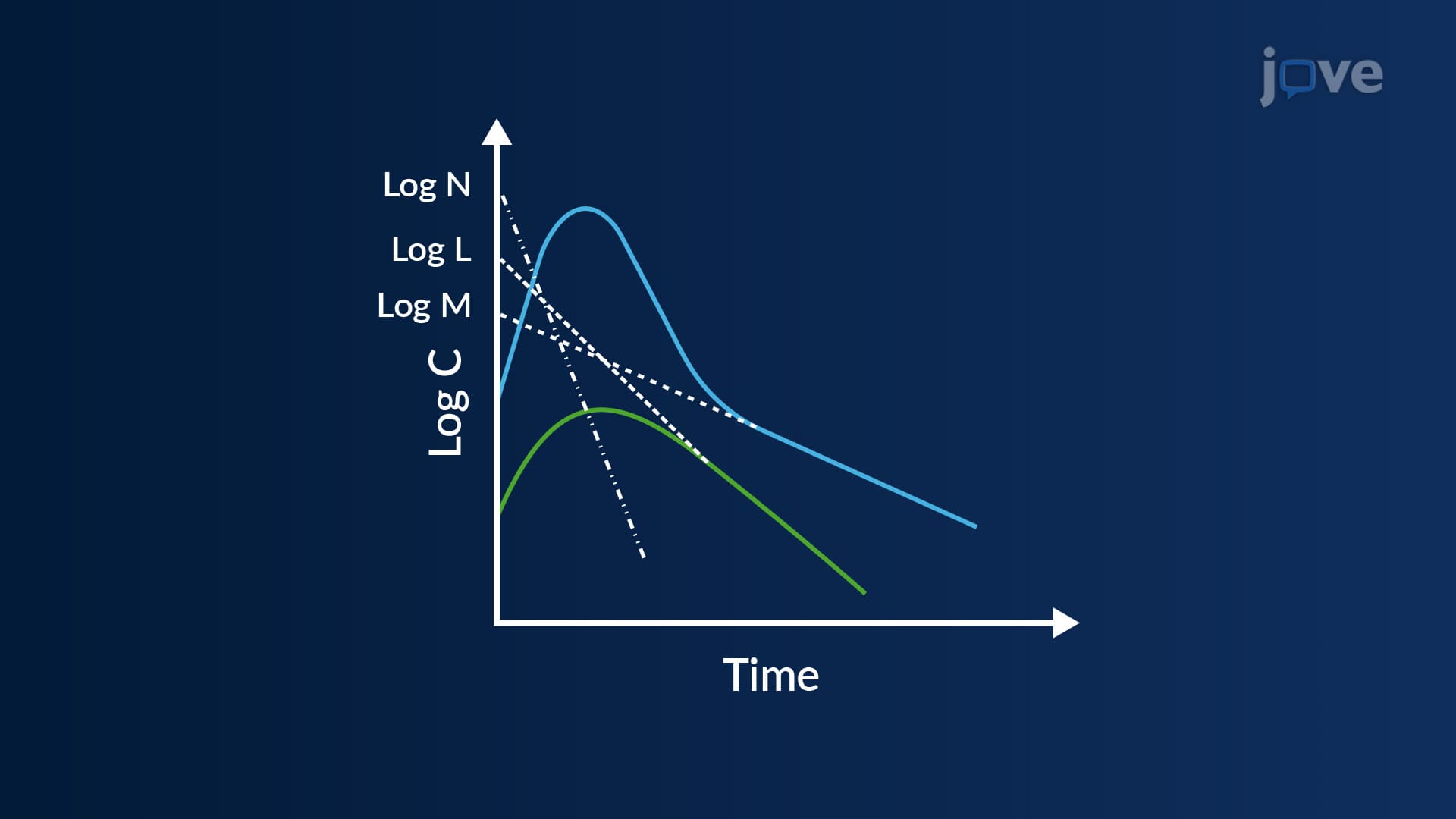
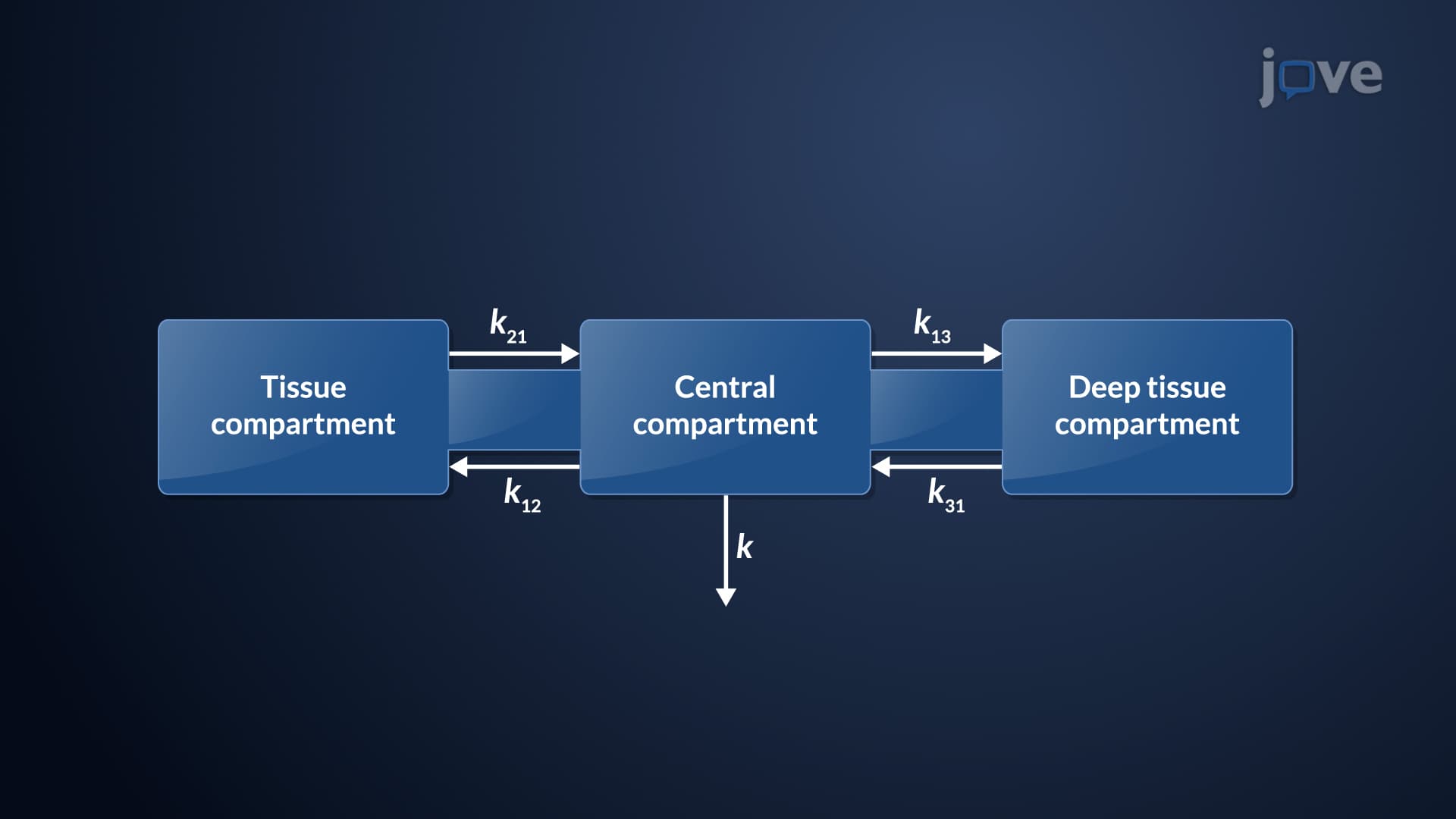
3. Multicompartment Models and Advanced Distribution Patterns Two-compartment and three-compartment models provide more accurate descriptions of drug behavior for medications that don't distribute instantaneously. The two-compartment model includes distribution and elimination phases, essential for drugs like propranolol where initial rapid distribution to highly perfused organs is followed by slower equilibration with peripheral tissues. Three-compartment models add a deep tissue compartment for drugs that bind extensively to bone or fat tissue. These models help optimize dosing regimens for complex medications used in intensive care units and predict drug accumulation in specific tissues during chronic therapy.
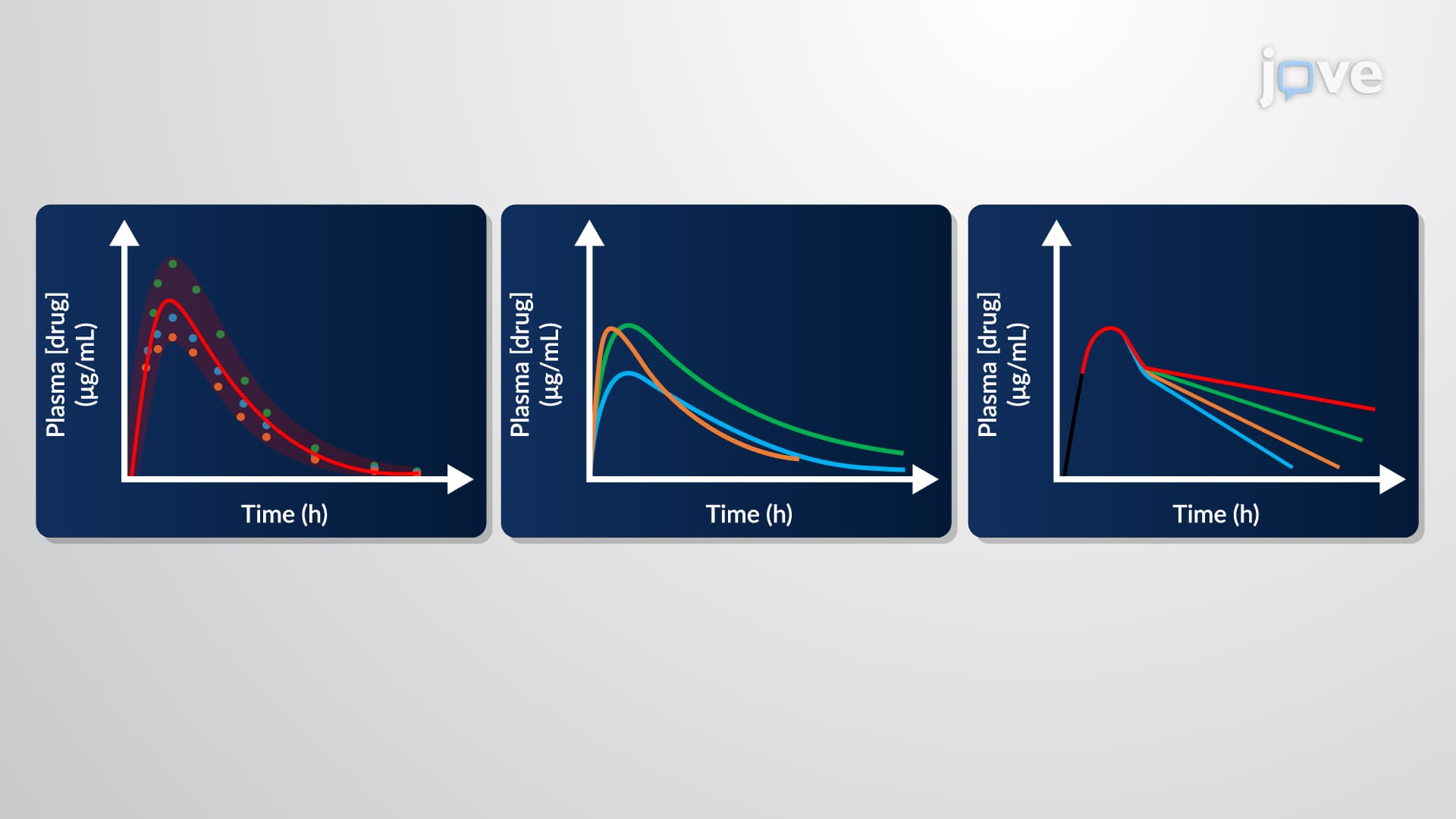
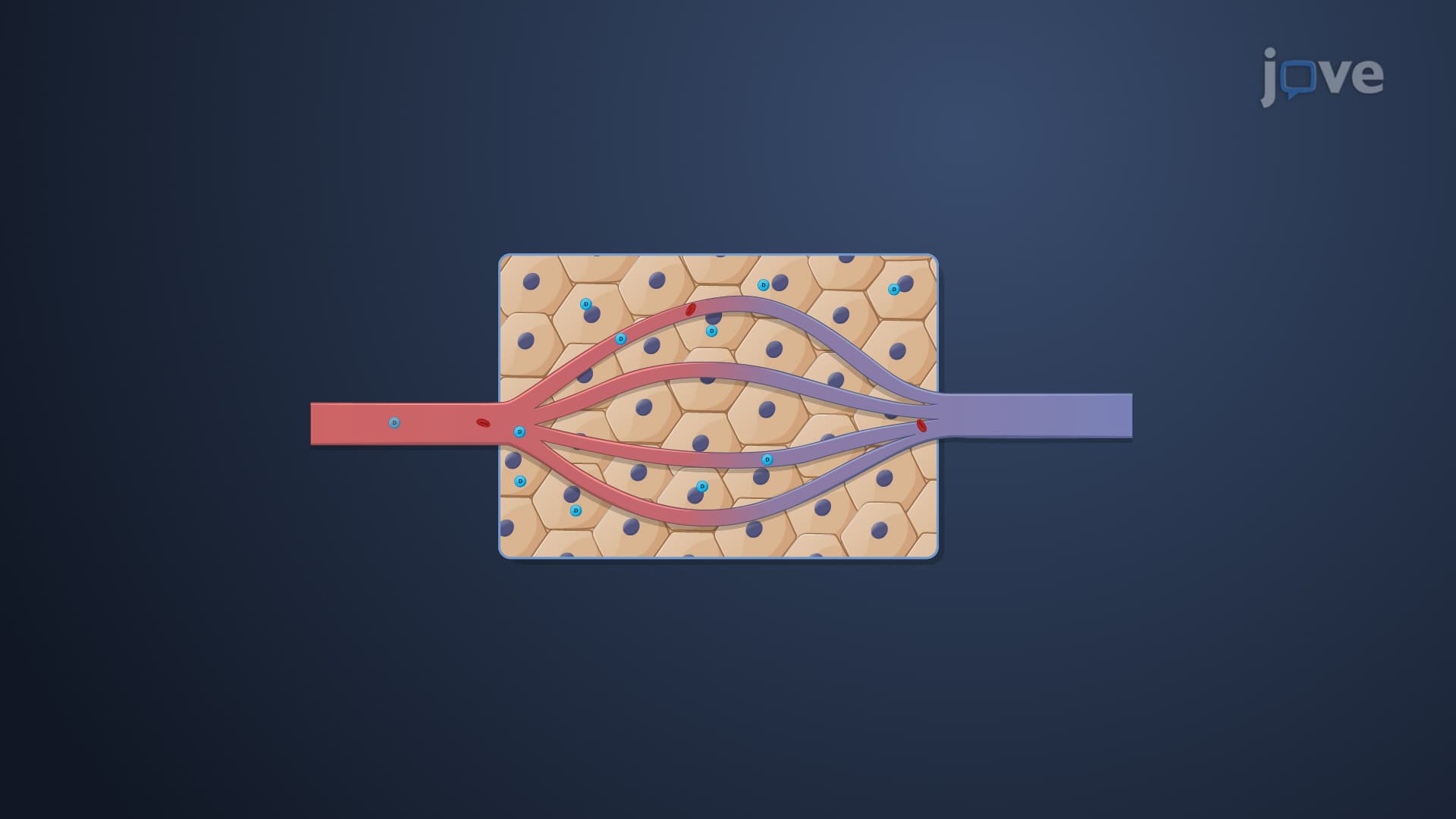
4. Physiological Pharmacokinetic Models and Mechanistic Approaches Physiological models incorporate actual organ blood flows, tissue volumes, and drug-specific partition coefficients to predict drug concentrations in target organs. Unlike compartment models, these mechanistic approaches use real anatomical and physiological data from healthy adults and special populations. Blood flow-limited models apply to drugs like lidocaine where perfusion determines distribution, while diffusion-limited models describe drugs facing membrane barriers. These models are increasingly important for pediatric dosing, where organ sizes and blood flows differ significantly from adults, and for predicting drug interactions involving hepatic transporters in medications like statins.
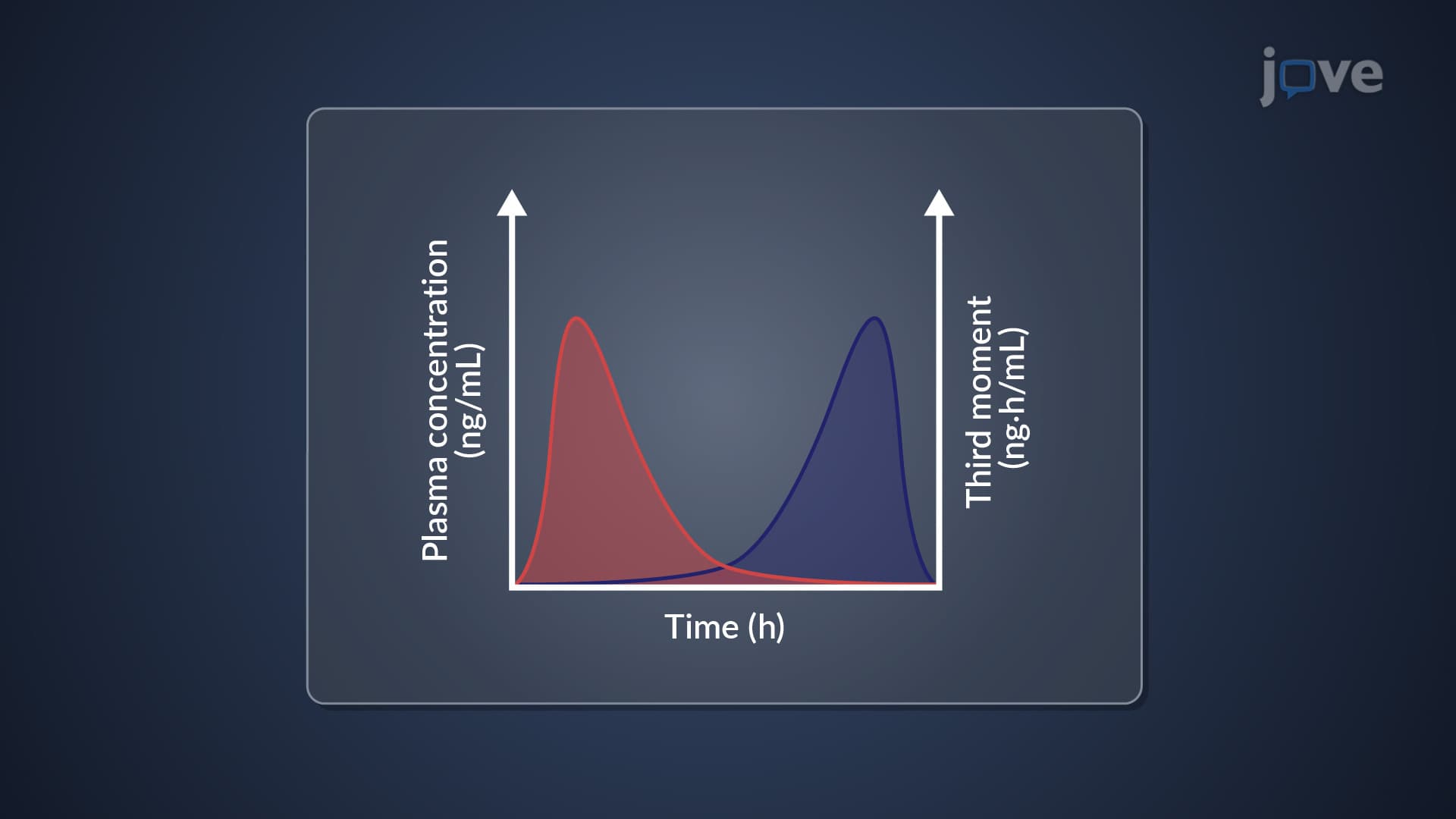
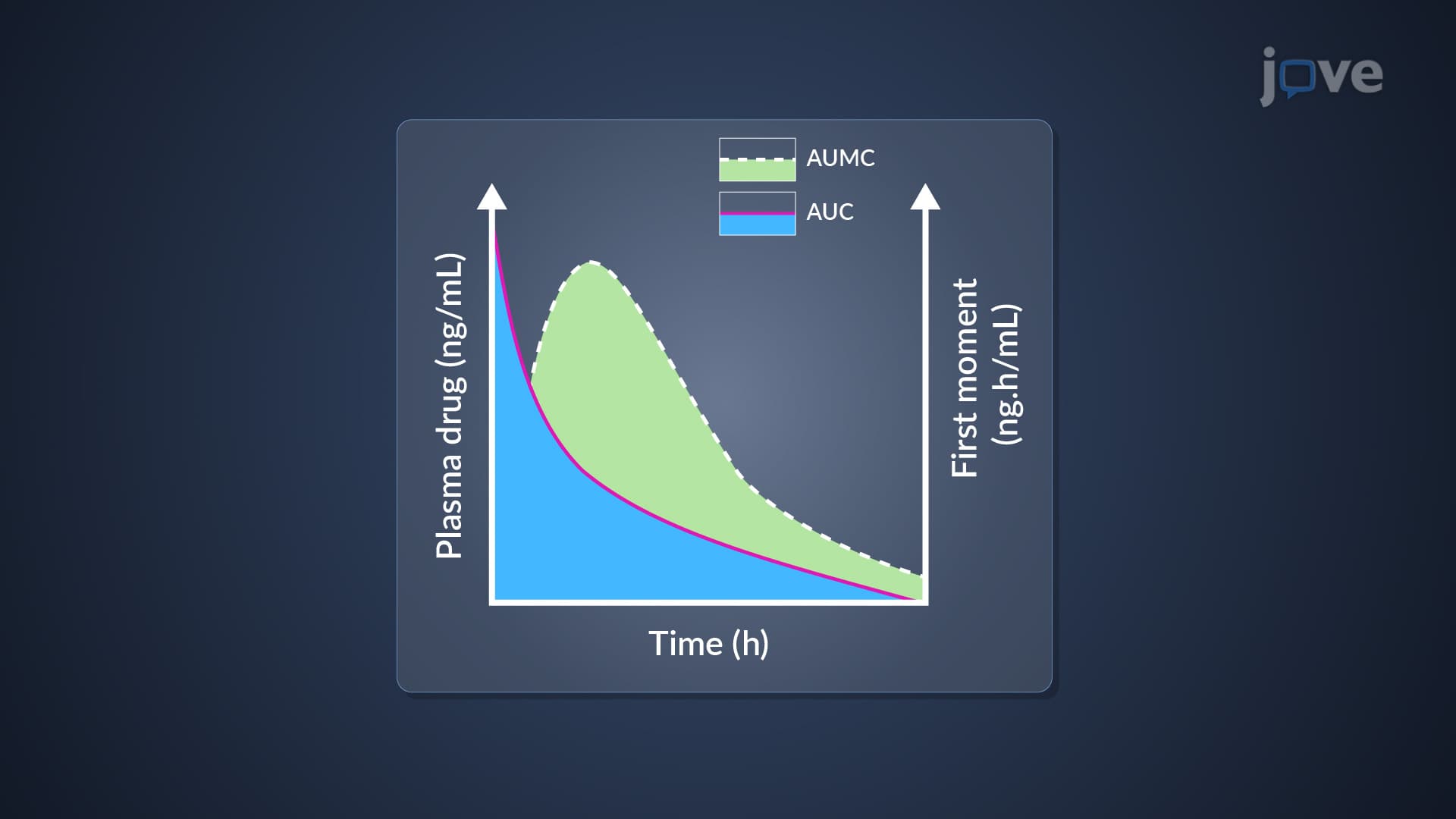
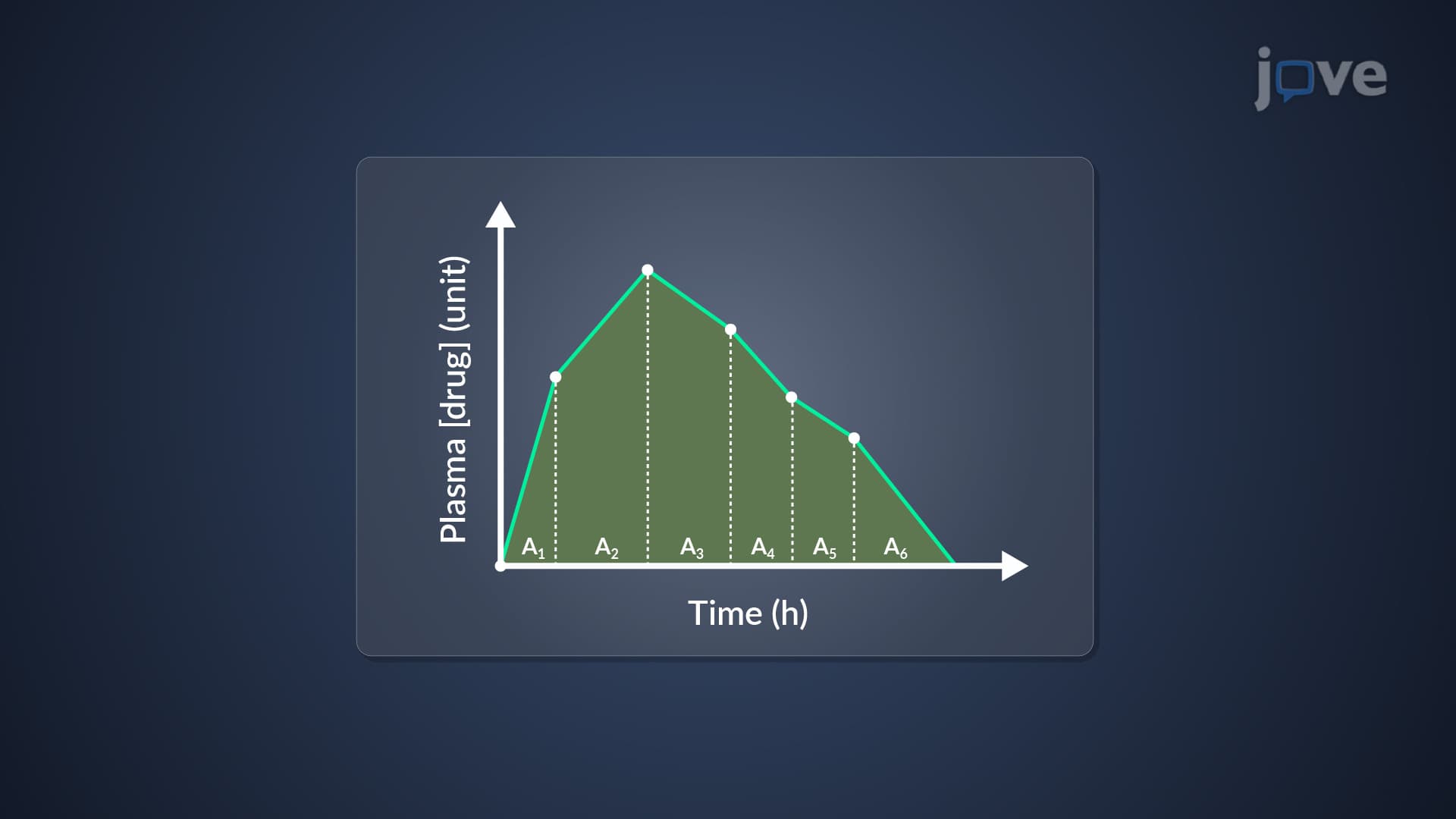
5. Noncompartmental Analysis and Model-Independent Parameter Estimation Noncompartmental analysis provides pharmacokinetic parameter estimates without assuming specific compartment models, making it ideal for regulatory submissions to the FDA. This approach uses statistical moment theory to calculate bioavailability, clearance, and mean residence time from concentration-time data. The method is particularly valuable for analyzing generic drug bioequivalence studies required for FDA approval and for drugs where compartment model selection is uncertain. Noncompartmental analysis also enables calculation of mean transit times and absorption parameters essential for understanding how different formulations affect drug delivery in clinical practice.