Loading video…


 30 Concepts
 9.7K views

Video Summary: One Compartment Open Model for Iv Bolus Administration General Principles
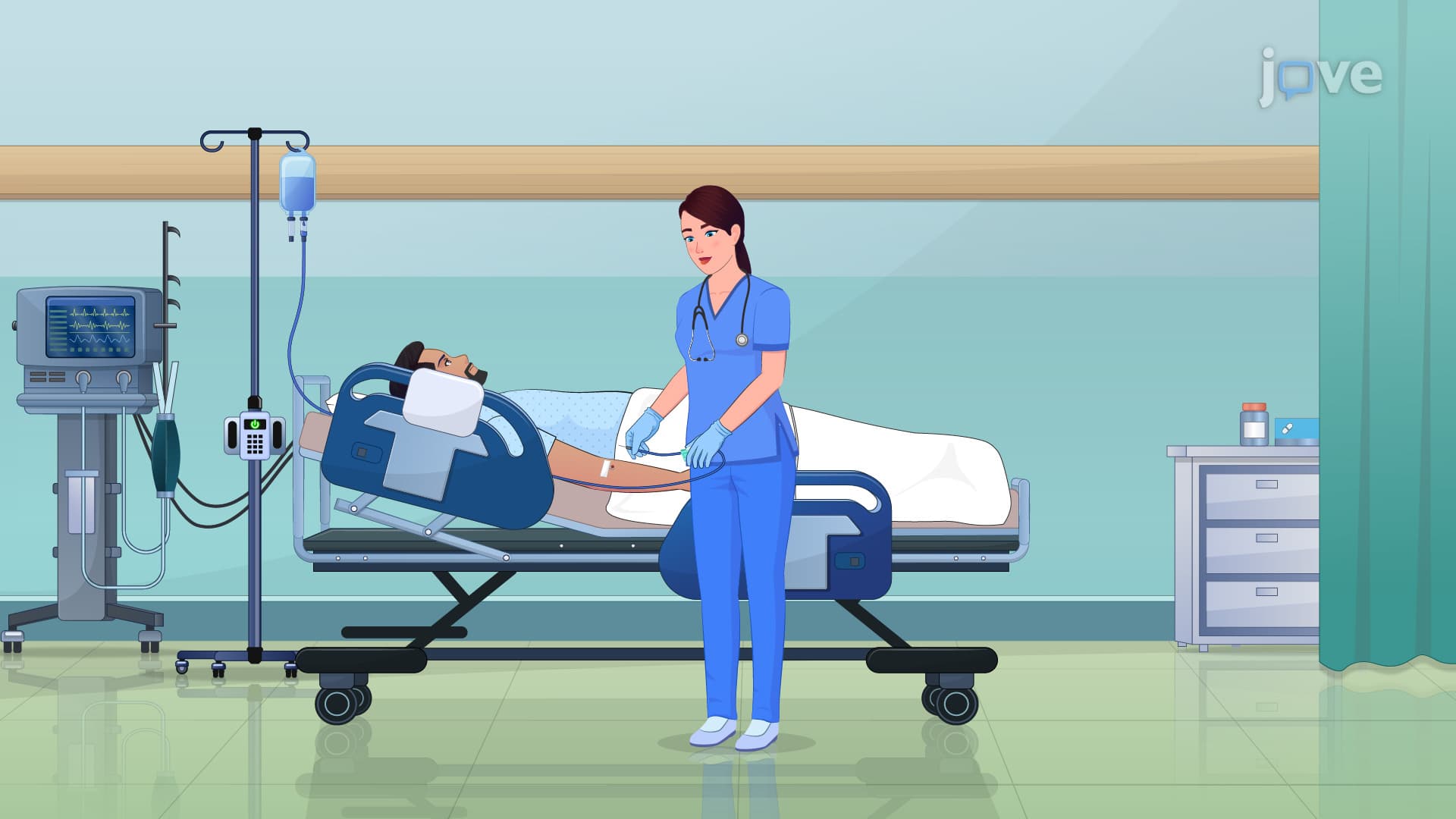
Did you know that when a patient receives an IV medication like theophylline for asthma, pharmacologists can predict exactly how the drug moves through their body using mathematical models? The one-compartment open model iv approach treats the entire human body as a single, well-mixed container where drugs rapidly distribute and eliminate following predictable patterns. This foundational concept in pharmacokinetics helps healthcare professionals at institutions like Johns Hopkins calculate safe dosing regimens for IV medications. Watch the full video on JoVE Coach to master this concept with expert-led visuals and step-by-step explanations.
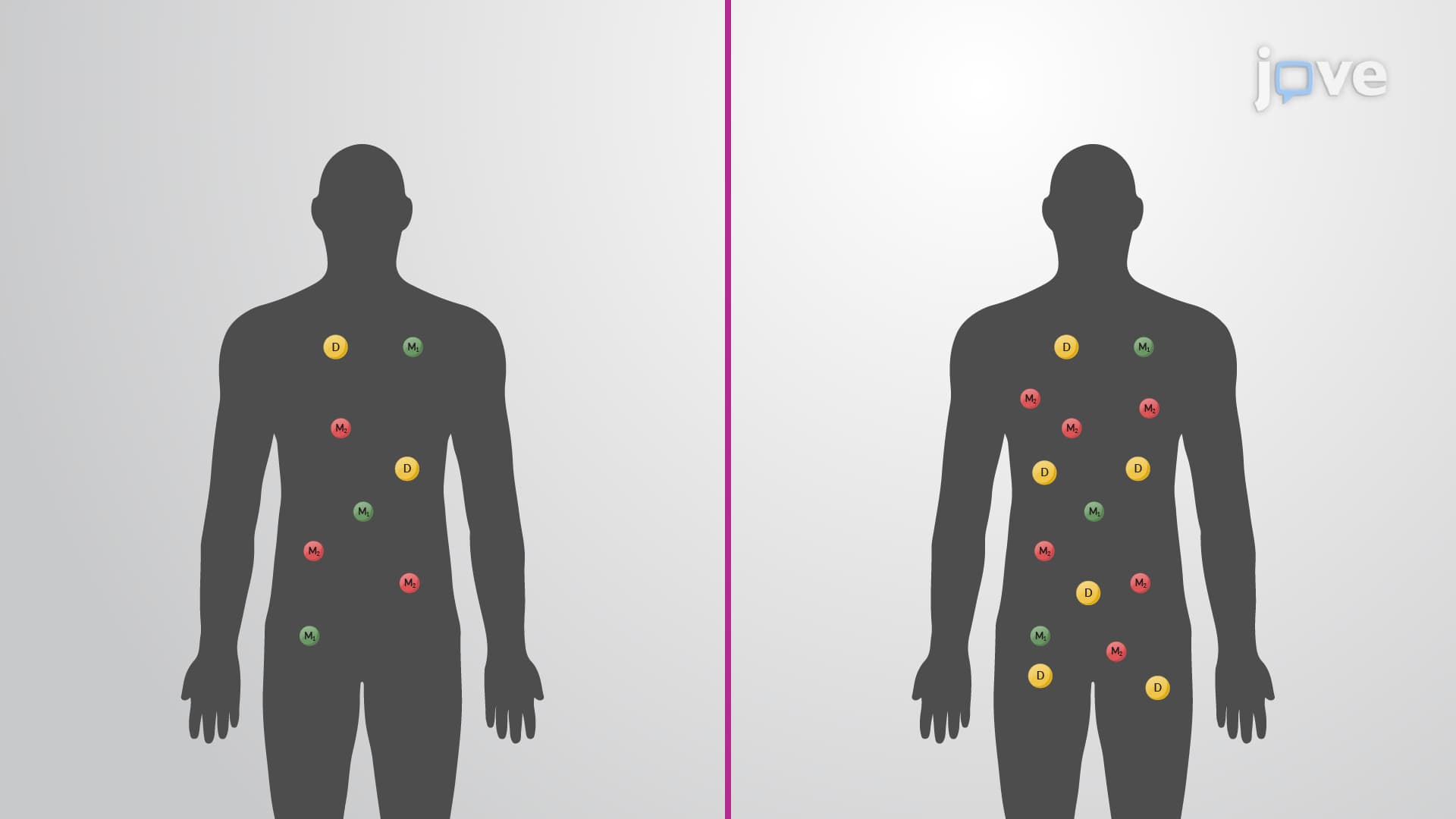
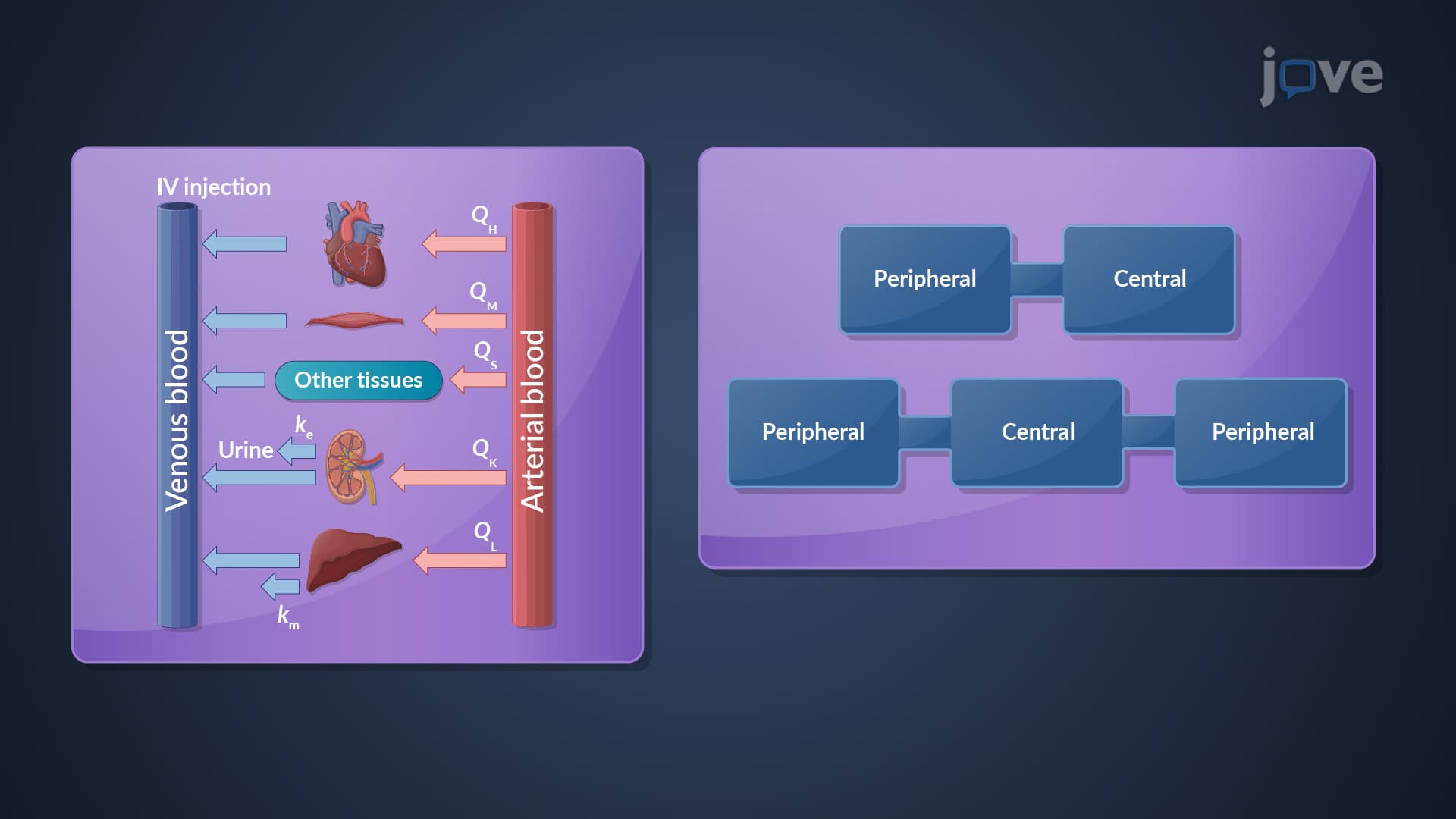
The one-compartment open model represents the cornerstone of pharmacokinetic analysis, providing healthcare professionals with a mathematical framework to predict drug behavior in the human body. This model simplifies the complex reality of drug distribution by treating the entire body as a single, homogeneous compartment-imagine a well-stirred beaker where medication instantly mixes throughout.
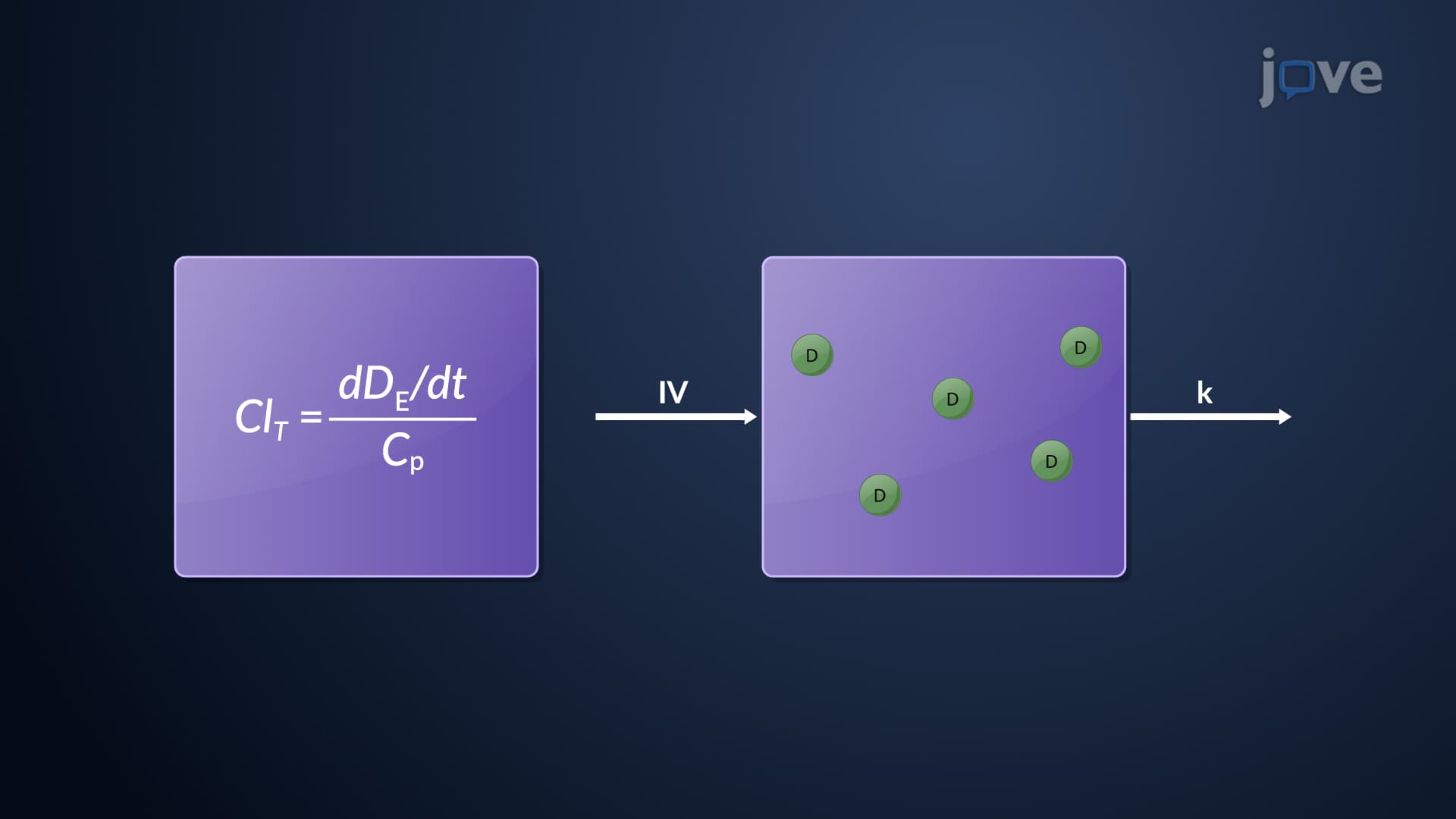
This pharmacokinetic model operates under several critical assumptions that make it particularly useful for IV bolus medications. First, the model assumes rapid equilibrium between plasma and tissues, meaning drug concentrations equalize quickly throughout the body. Second, elimination follows first-order kinetics, where a constant fraction of drug is removed per unit time regardless of concentration. The "open" designation indicates that drugs enter and exit the system unidirectionally, unlike closed systems where drugs recirculate.
At institutions like UCLA Medical School, students learn that plasma serves as the reference compartment because it's easily accessible for blood sampling. The mathematical relationship follows: dA/dt = Input Rate - Output Rate, where A represents the amount of drug in the body. For IV bolus administration, input occurs instantaneously at time zero, leaving only the elimination component.
Consider theophylline, a bronchodilator used in US emergency departments for severe asthma attacks. When administered as an IV bolus at facilities like Mayo Clinic, this drug demonstrates classic one-compartment kinetics. Healthcare providers can predict plasma concentrations at any time point using the equation: C(t) = C0 × e^(-kt), where C0 is the initial concentration and k is the elimination rate constant.
This model proves invaluable for drugs with narrow therapeutic windows-medications where the difference between effective and toxic doses is small. Pharmacists at major US hospitals use these calculations daily to adjust dosing regimens, ensuring patient safety while maintaining therapeutic efficacy.
Students preparing for the MCAT or pharmacy school entrance exams frequently encounter one-compartment model questions. The concept appears in AP Chemistry courses when studying reaction kinetics, as both follow similar mathematical principles. College-level pharmacology courses at institutions like Stanford University emphasize understanding elimination half-life calculations and clearance determinations using this model.
Practice problems often involve calculating drug concentrations after specific time intervals or determining appropriate dosing intervals to maintain therapeutic levels. Understanding these principles provides the foundation for more complex multi-compartment models encountered in advanced pharmaceutical sciences.
Related Micro-courses