Loading video…


 30 Concepts
 9.7K views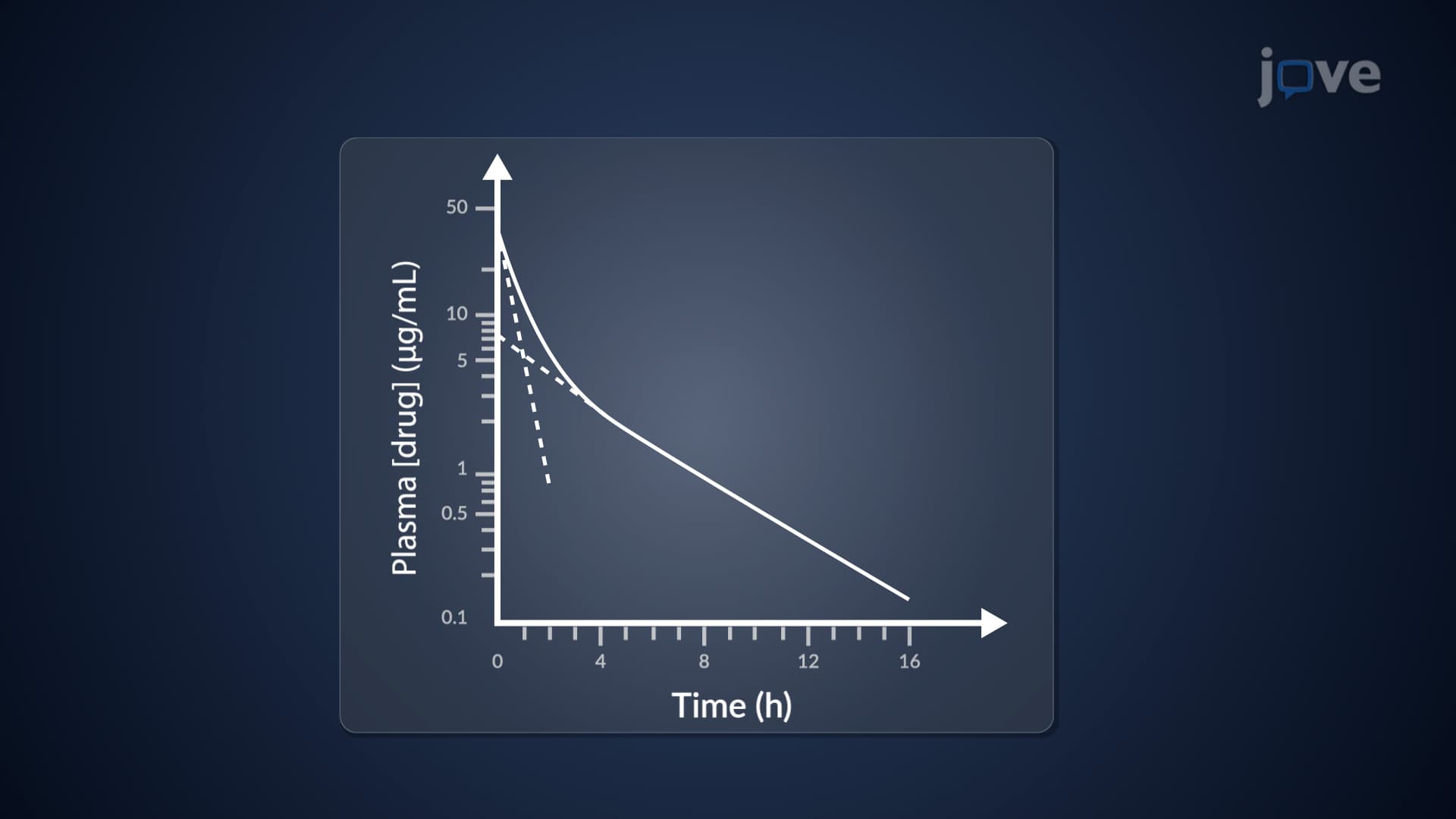

Video Summary: Two Compartment Open Model Iv Explained
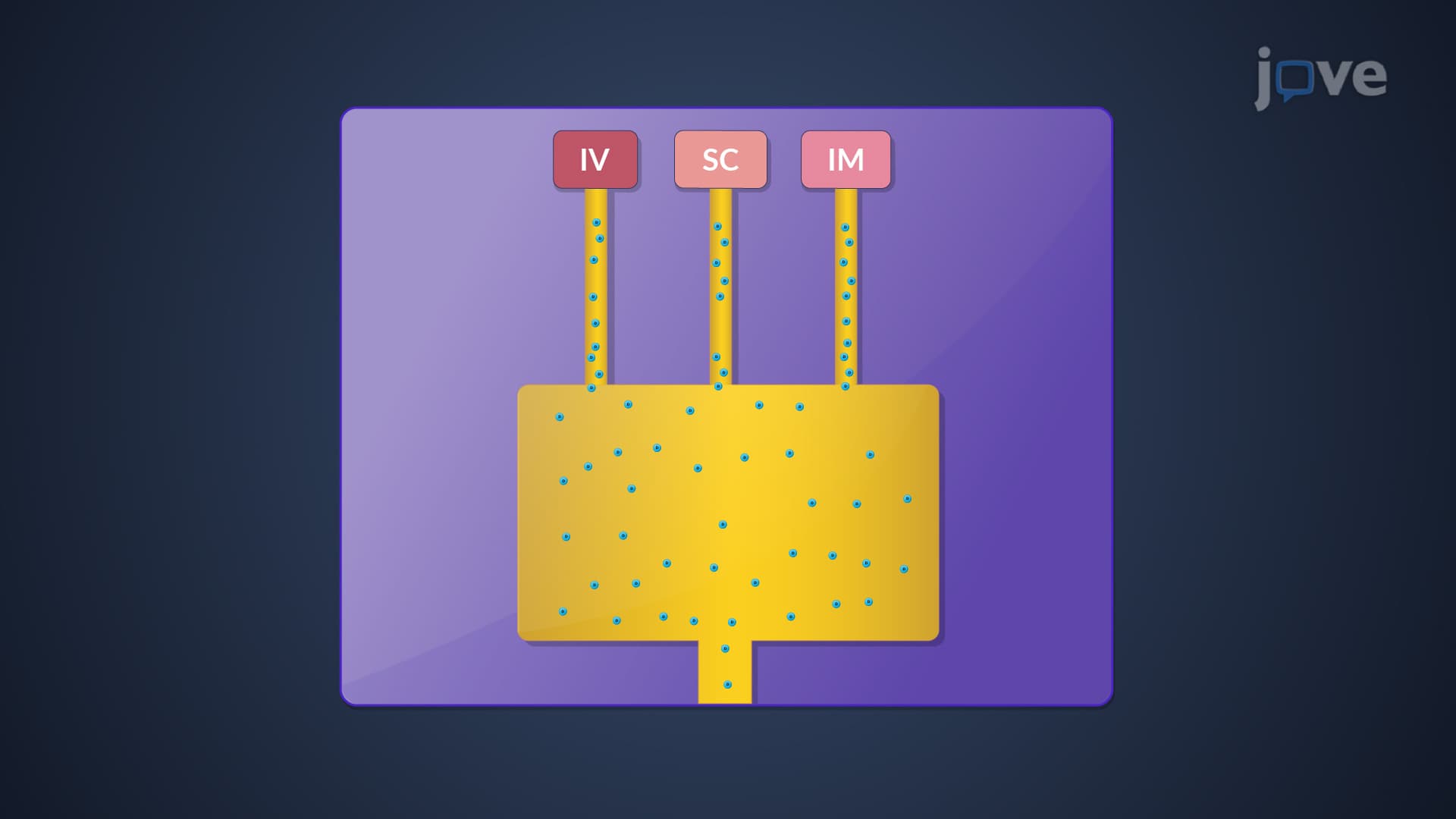
Did you know that when a patient receives an IV medication like morphine at Johns Hopkins Hospital, the drug doesn't distribute uniformly throughout their body? The two compartment open model reveals how medications move between your bloodstream and tissues in a predictable pattern. This pharmacokinetic concept explains why drug concentrations follow a distinctive biexponential decline after intravenous administration. Watch the full video on JoVE Coach to master this concept with expert-led visuals and step-by-step explanations.
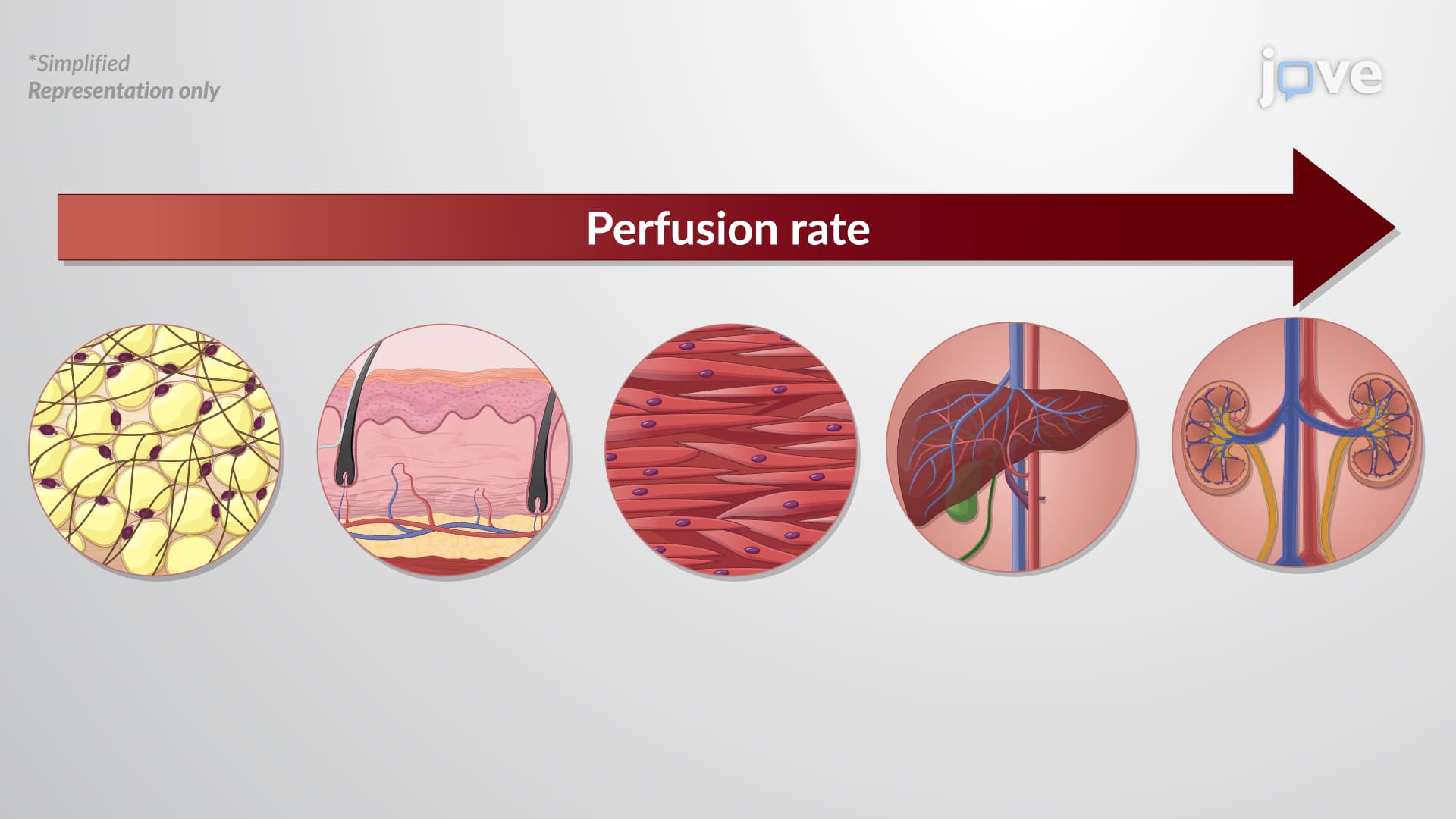
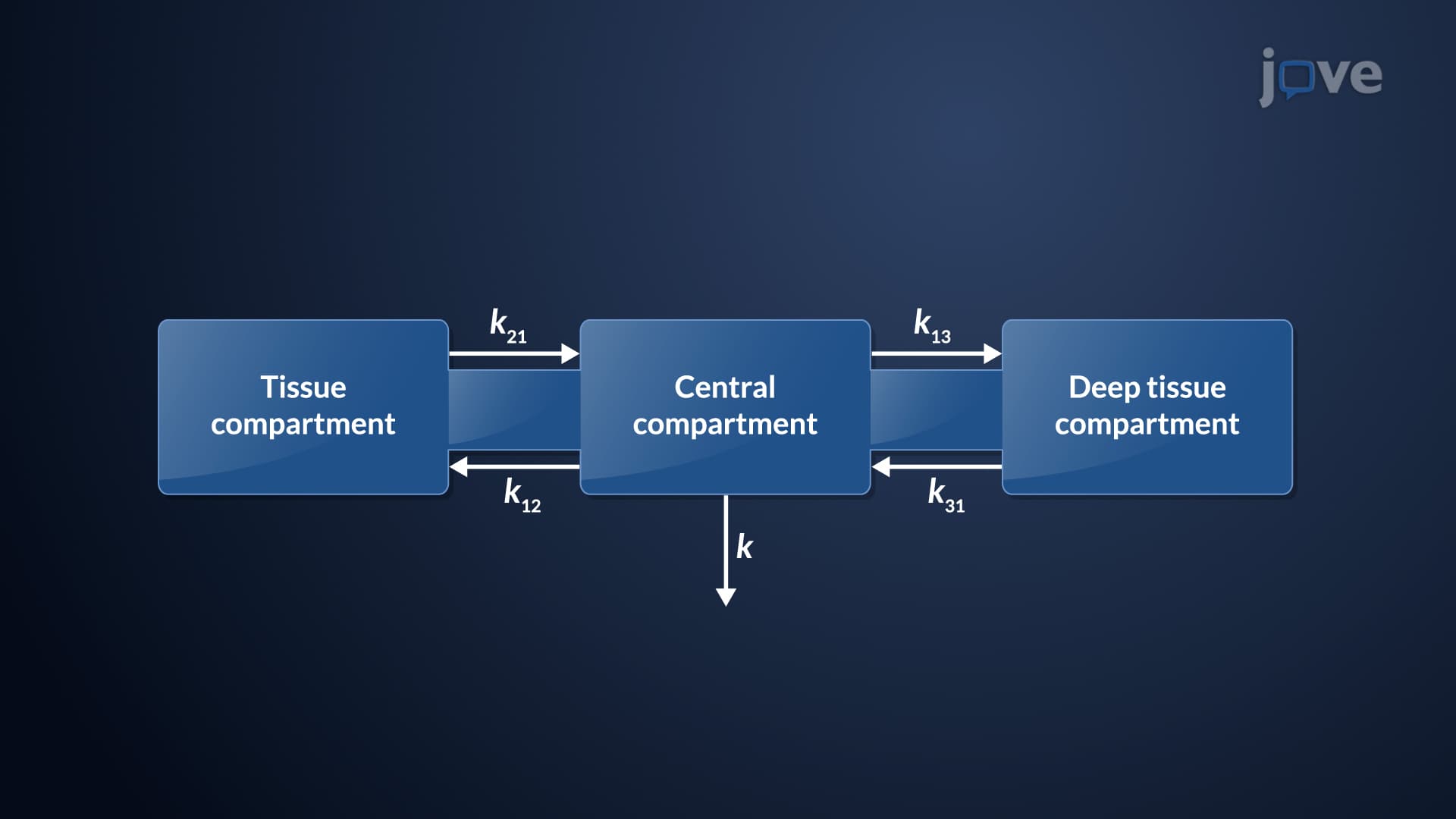
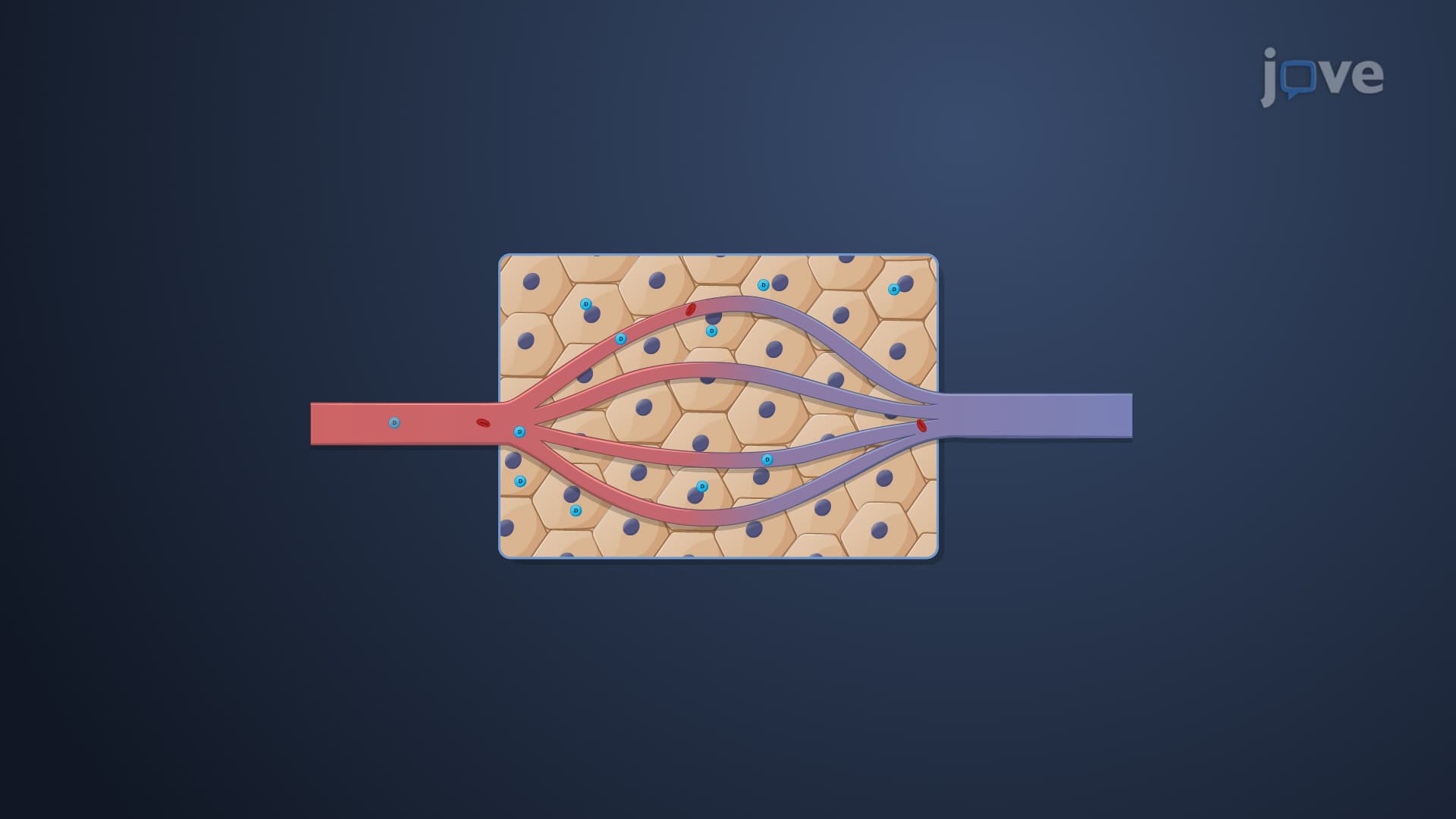
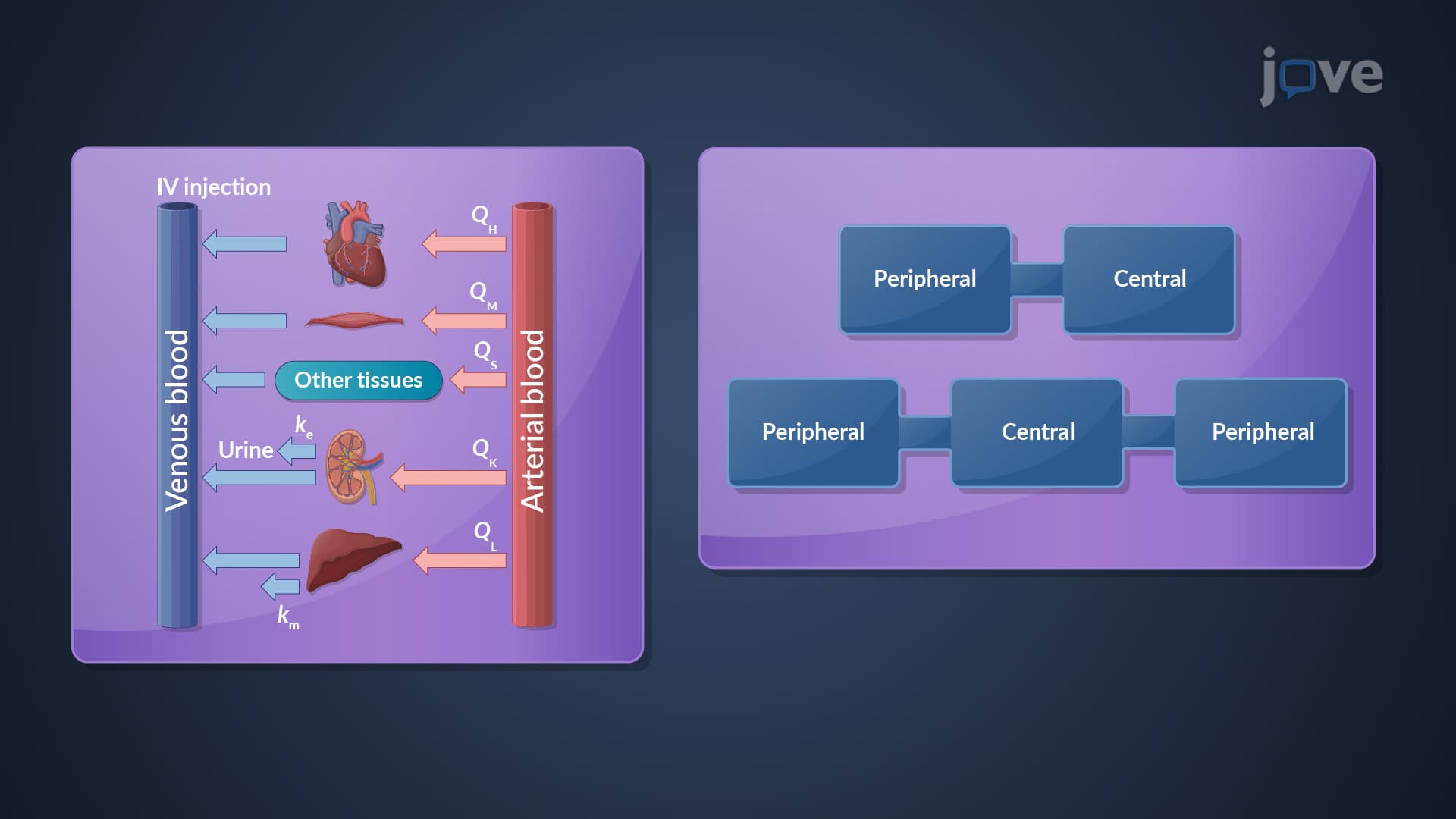
The two compartment open model represents a significant advancement in pharmacokinetic modeling, providing a more realistic picture of how drugs behave in the human body compared to simpler one-compartment models. This model divides the body into two distinct spaces: the central compartment (representing blood and highly perfused organs like the heart, lungs, liver, and kidneys) and the peripheral compartment (representing less perfused tissues such as muscle, fat, and bone).
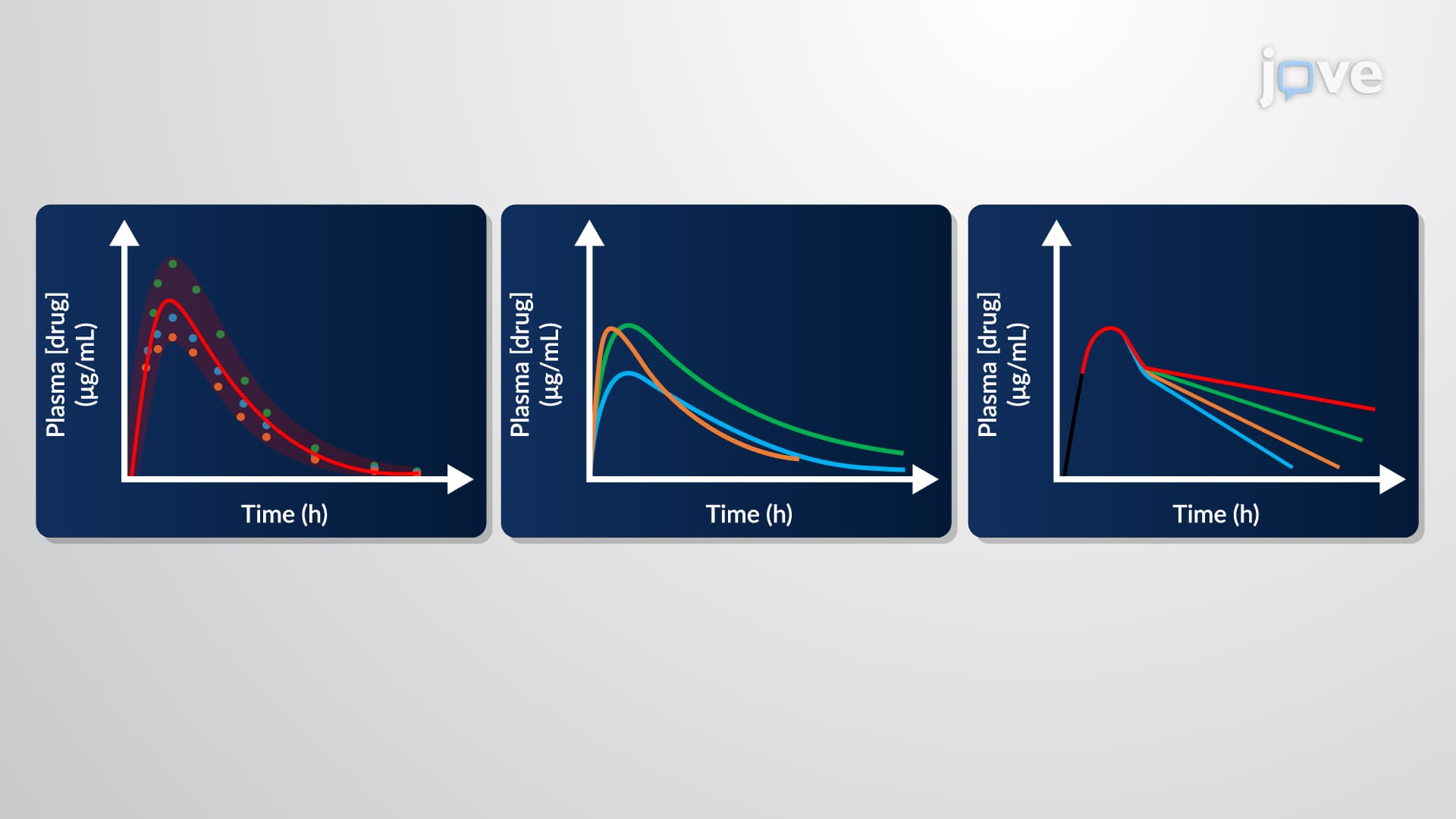
When a drug is administered intravenously, it initially enters the central compartment at high concentrations. The model uses specific rate constants to describe drug movement: k12 represents the transfer rate from central to peripheral compartment, while k21 describes the reverse process. The elimination rate constant k10 accounts for drug removal from the central compartment through metabolism and excretion. These processes occur simultaneously, creating the characteristic biexponential decline seen in plasma concentration curves.
For students preparing for the MCAT or advanced placement chemistry exams, understanding these rate constants is crucial. The rapid initial decline (alpha phase) primarily reflects drug distribution into tissues, while the slower terminal phase (beta phase) represents elimination from the entire system. This concept frequently appears on pharmacy school entrance exams and medical school pharmacology courses.
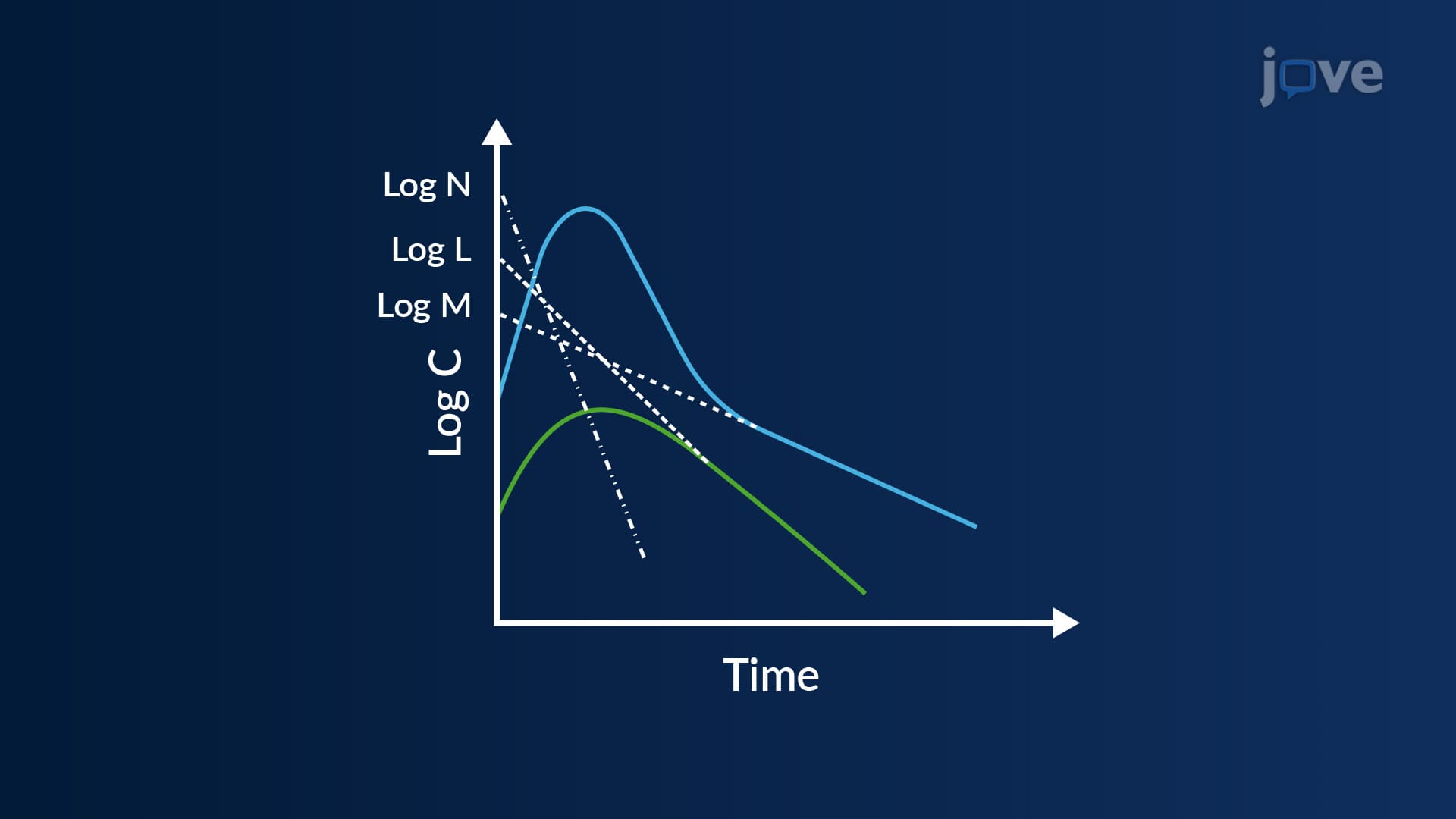
The method of residuals allows pharmacologists to separate the biexponential curve into its component parts, enabling precise calculation of pharmacokinetic parameters. This technique involves plotting plasma concentrations on semi-logarithmic paper and using mathematical curve-stripping to isolate individual exponential terms. Healthcare professionals at institutions like Mayo Clinic and Cleveland Clinic routinely apply these calculations when dosing medications with narrow therapeutic windows, such as digoxin or lithium.
The model's practical importance extends to drug development and therapeutic drug monitoring. Pharmaceutical companies use two-compartment modeling during clinical trials to optimize dosing schedules and predict drug accumulation. For college students studying biochemical engineering or pharmaceutical sciences, mastering these calculations provides foundation knowledge for advanced coursework in pharmacokinetics and drug delivery systems.
Understanding compartmental pharmacokinetics directly impacts patient safety and treatment efficacy. Emergency department physicians must consider distribution kinetics when administering rapid-acting medications, while intensive care specialists rely on these principles to maintain steady therapeutic levels of critical medications like propofol or fentanyl.
Related Micro-courses