Loading video…


 30 Concepts
 9.7K views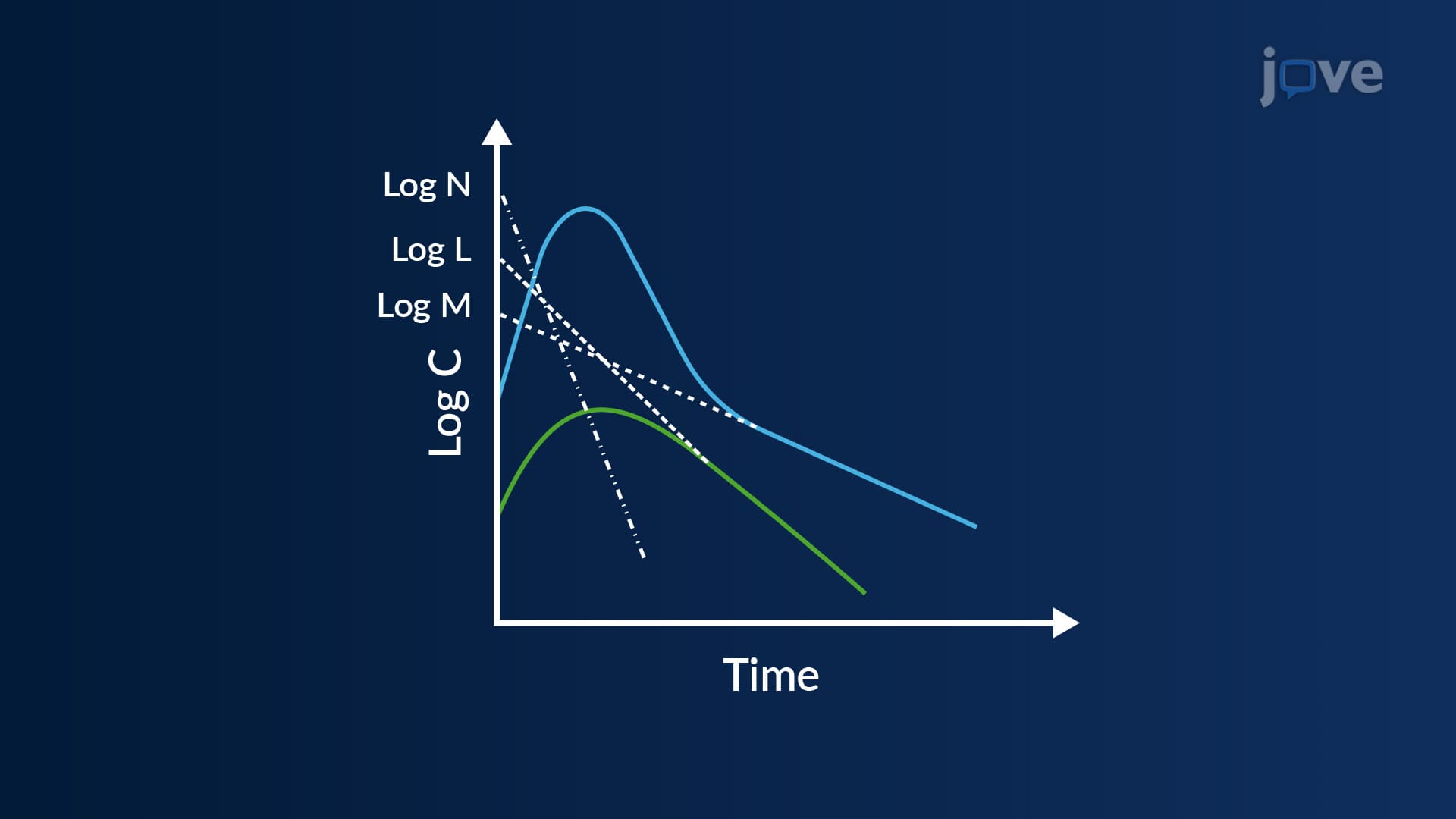

Video Summary: Two Compartment Open Model Extravascular Administration Explained
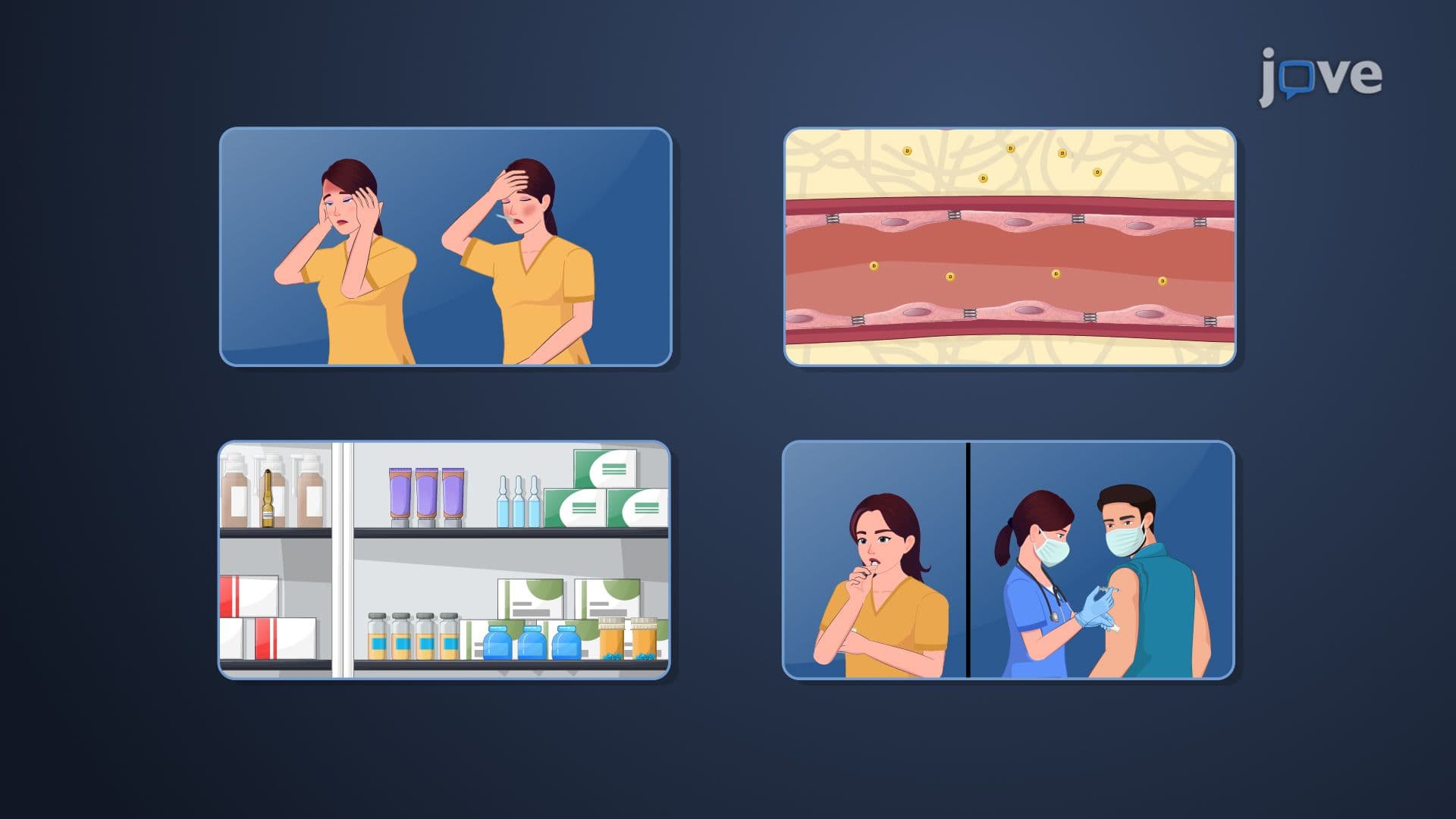
Ever wonder why some medications like extended-release ibuprofen work differently than immediate-release versions? The two compartment open model explains how drugs move through your body's central bloodstream and peripheral tissues after oral administration. Consider how Advil XR releases medication gradually compared to regular Advil-this difference illustrates the complex absorption, distribution, and elimination processes described in Two Compartment Open Model Extravascular Administration Explained. Watch the full video on JoVE Coach to master this concept with expert-led visuals and step-by-step explanations.
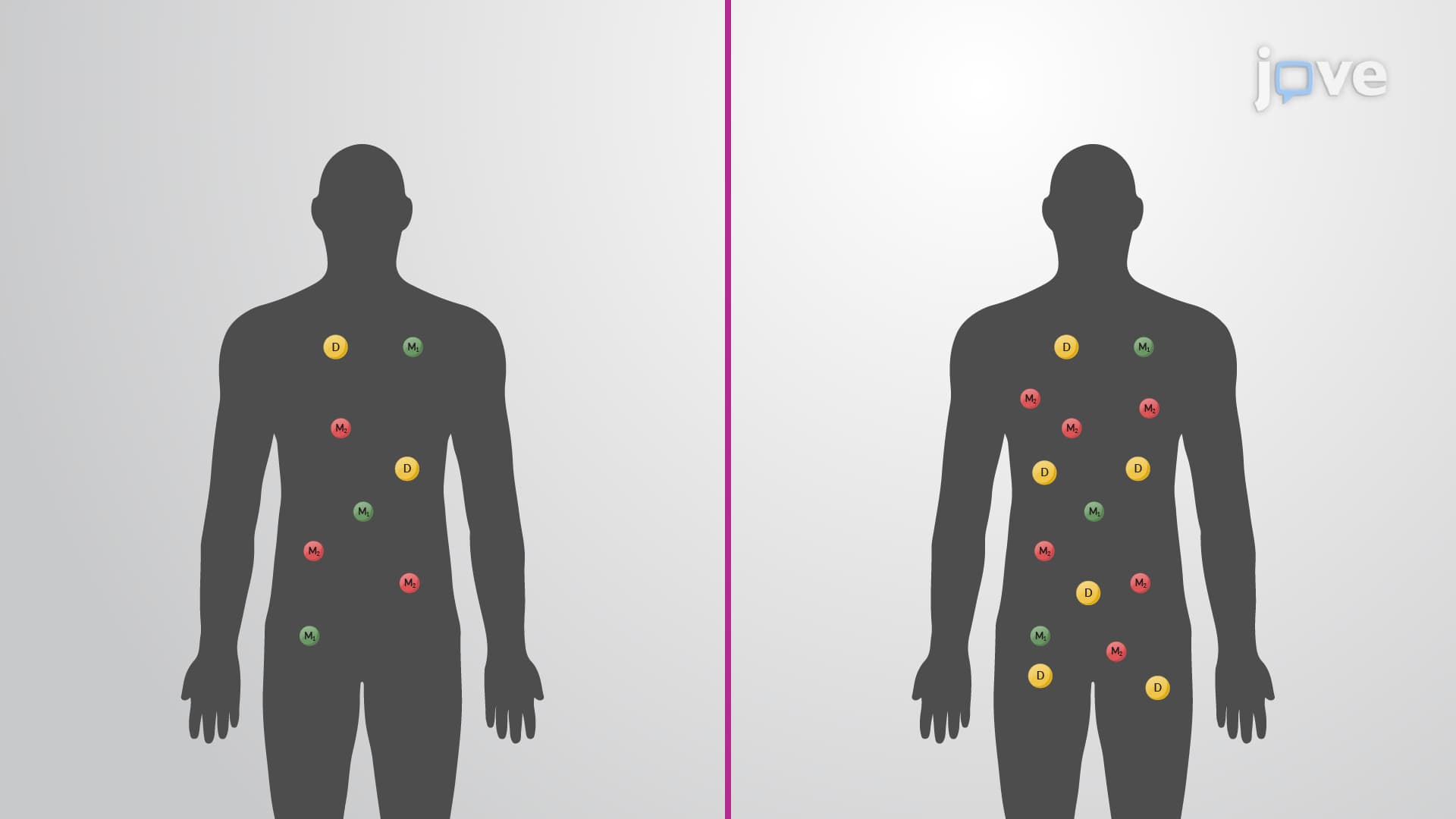
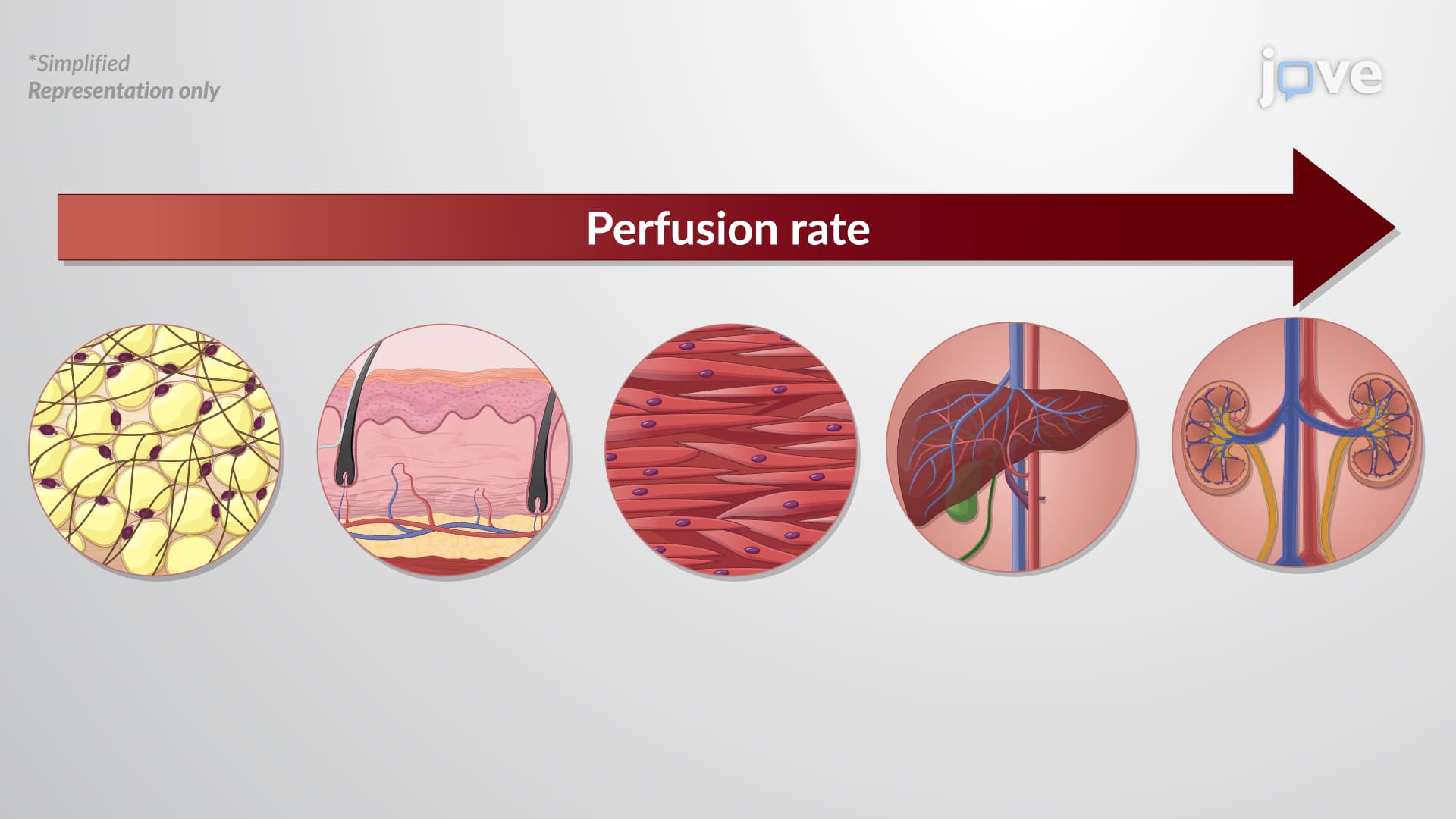
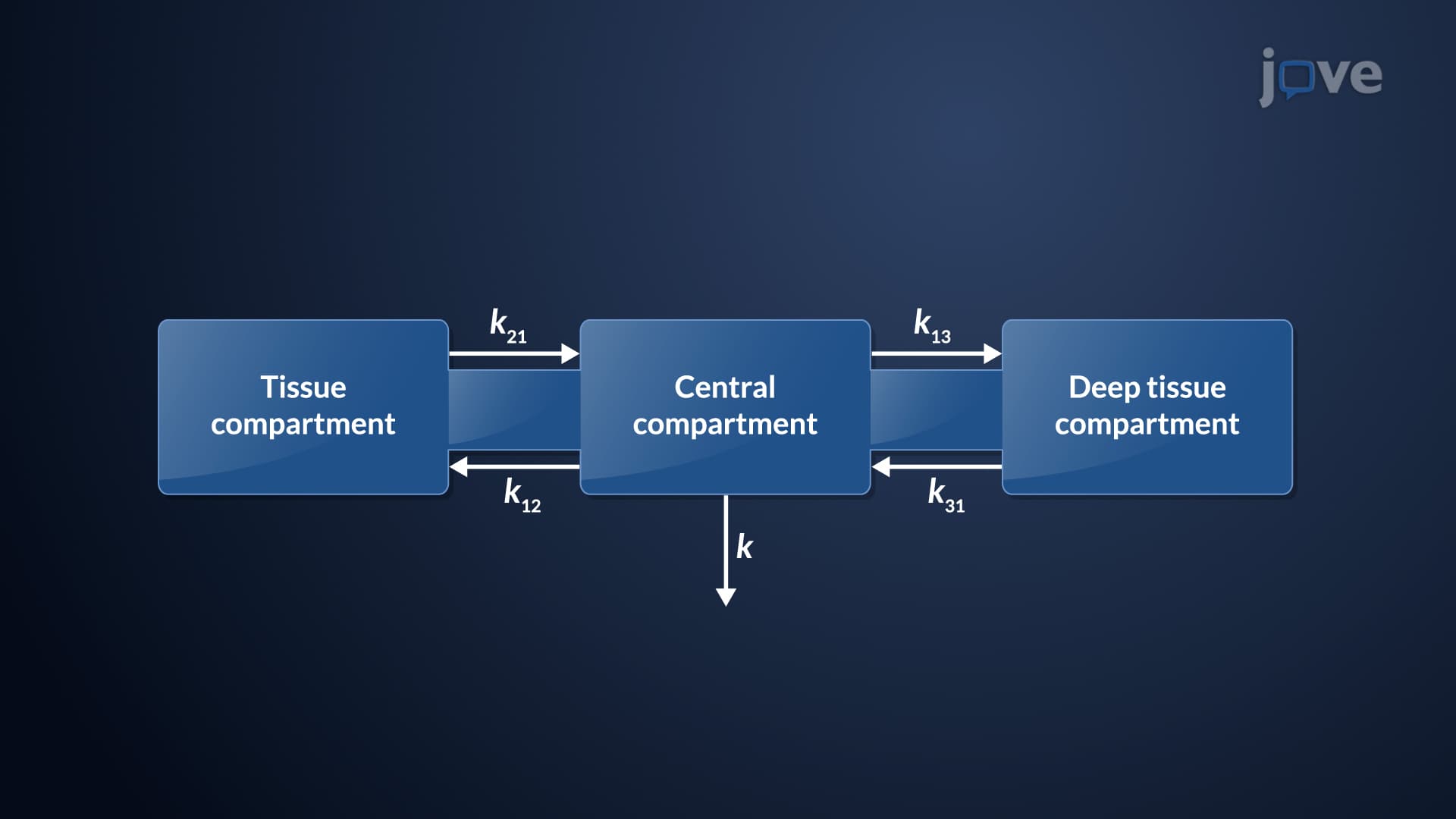
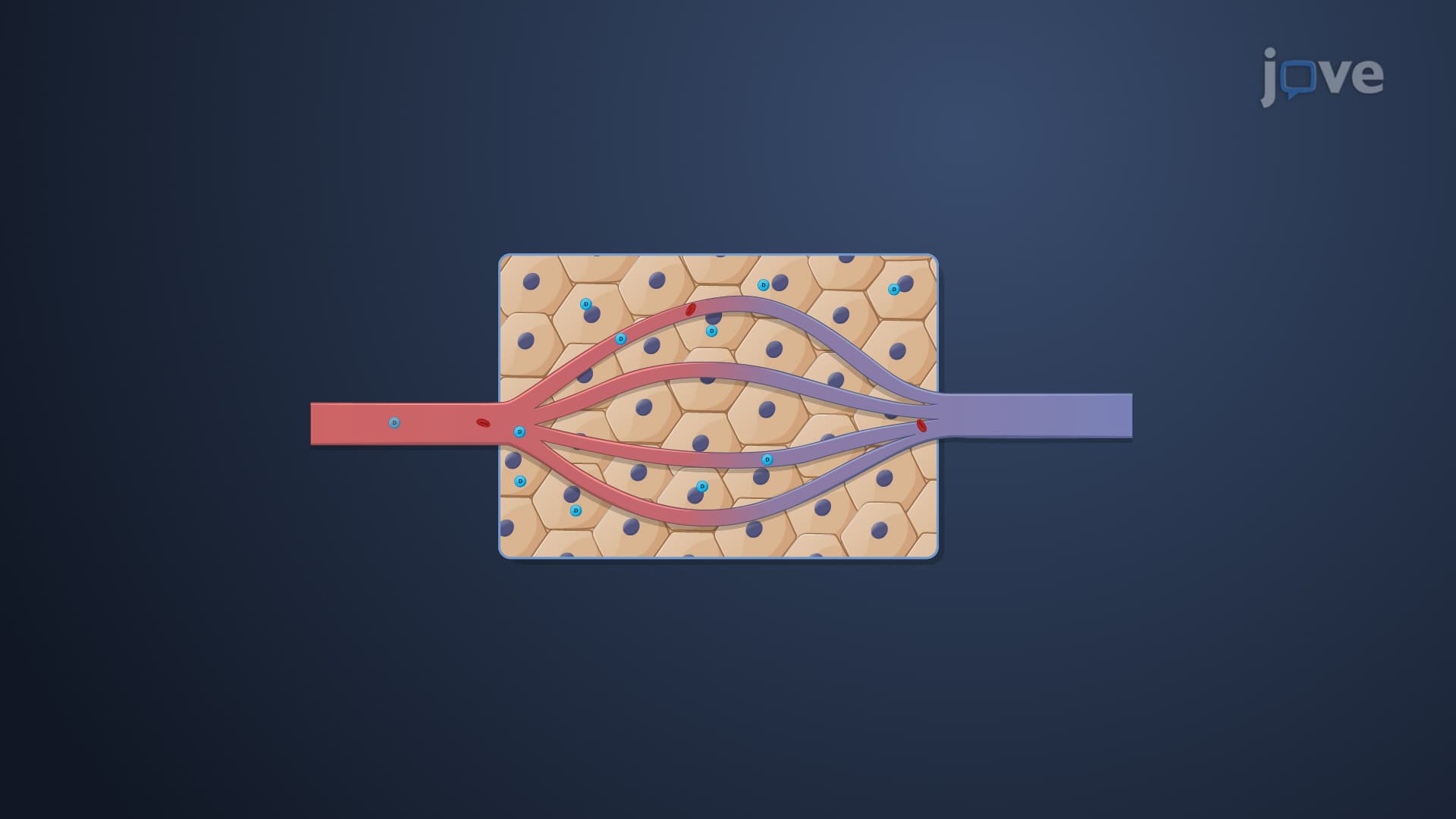
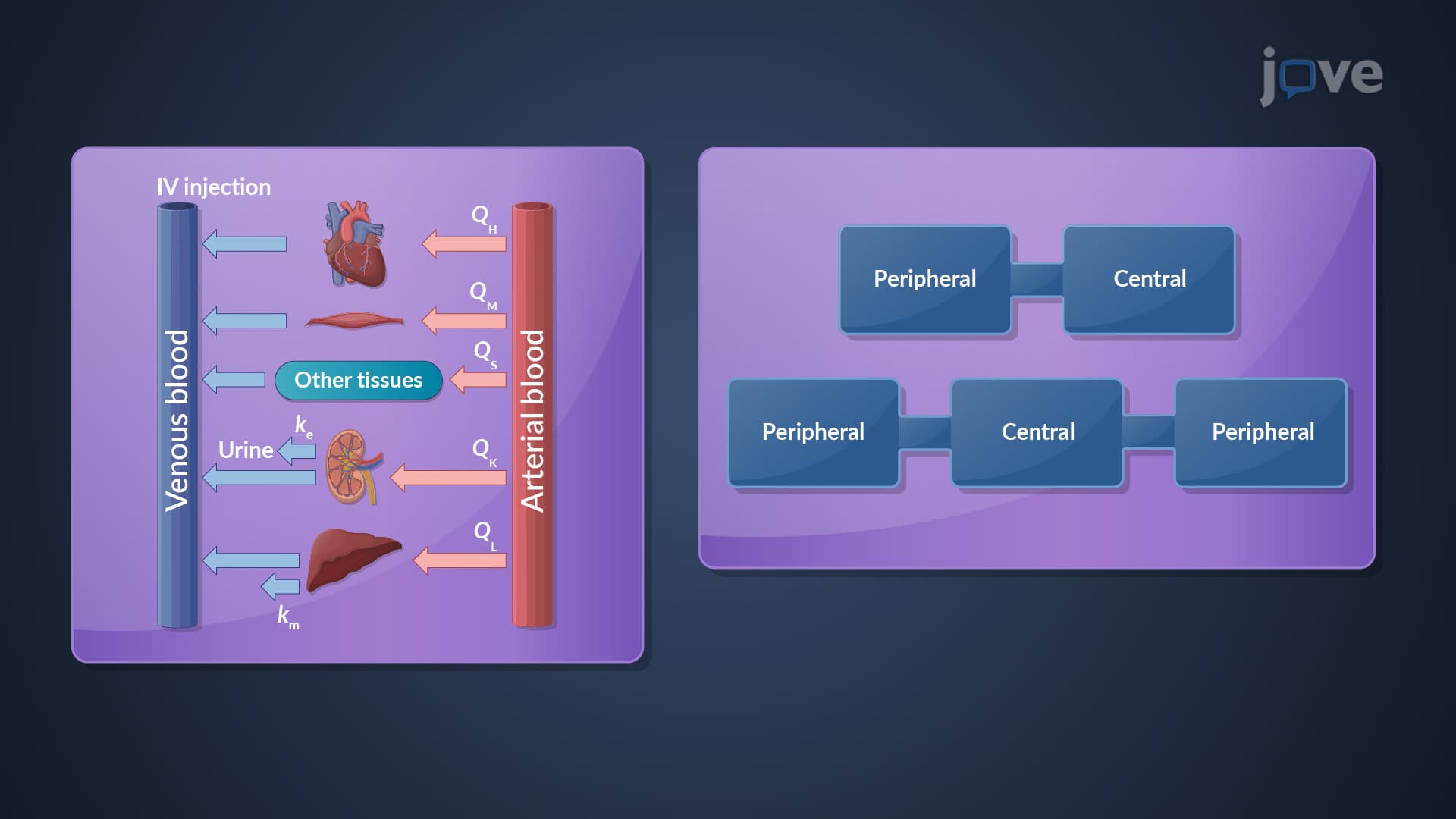
The two compartment open model extravascular administration represents a sophisticated approach to understanding drug behavior in the human body. Unlike simple one-compartment models, this system recognizes that the body contains distinct spaces where drugs distribute differently. The central compartment represents highly perfused organs like the heart, liver, and kidneys, where blood circulation rapidly delivers medications. The peripheral compartment includes less vascularized tissues such as muscle, fat, and bone, where drug distribution occurs more slowly.
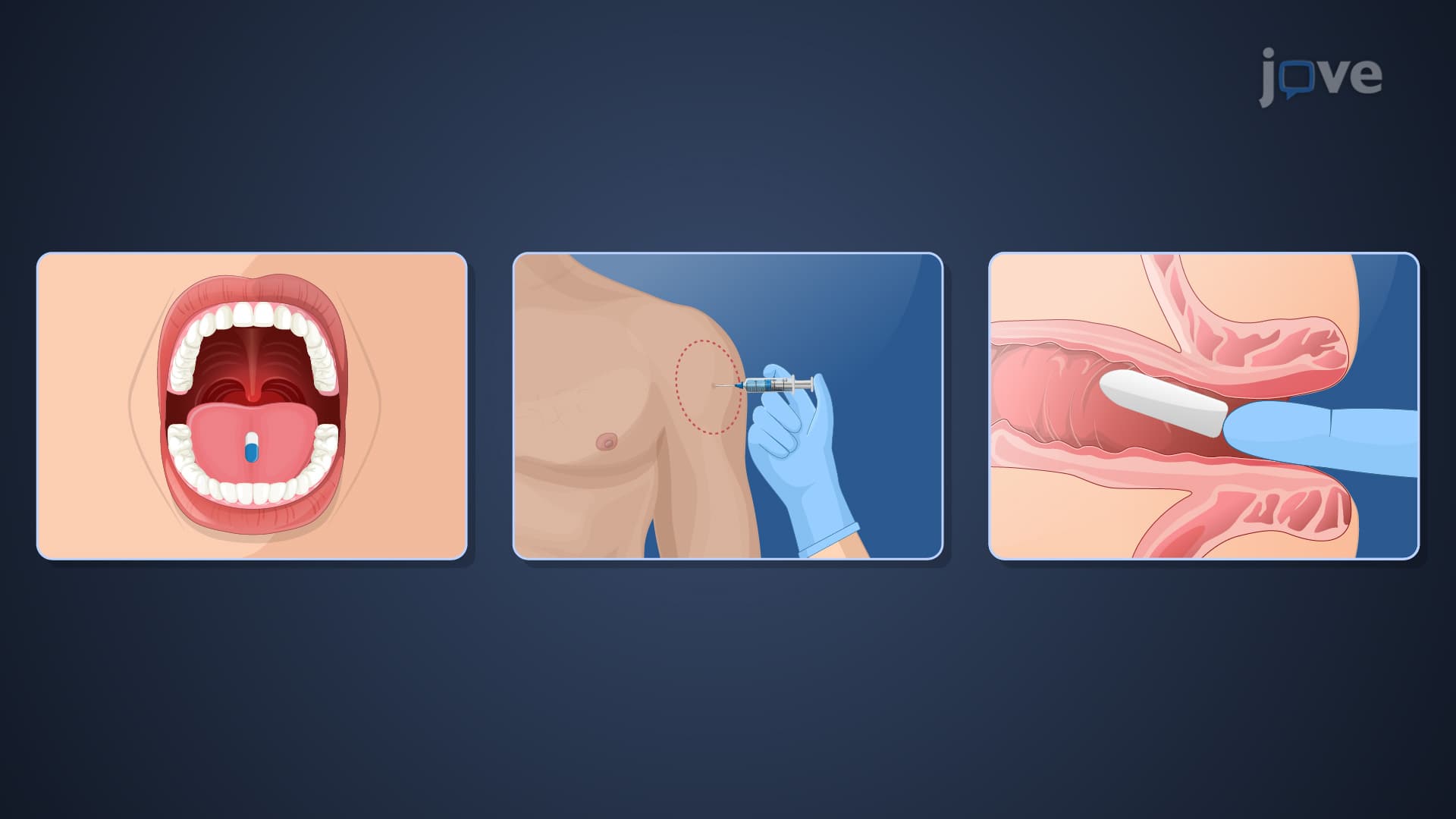
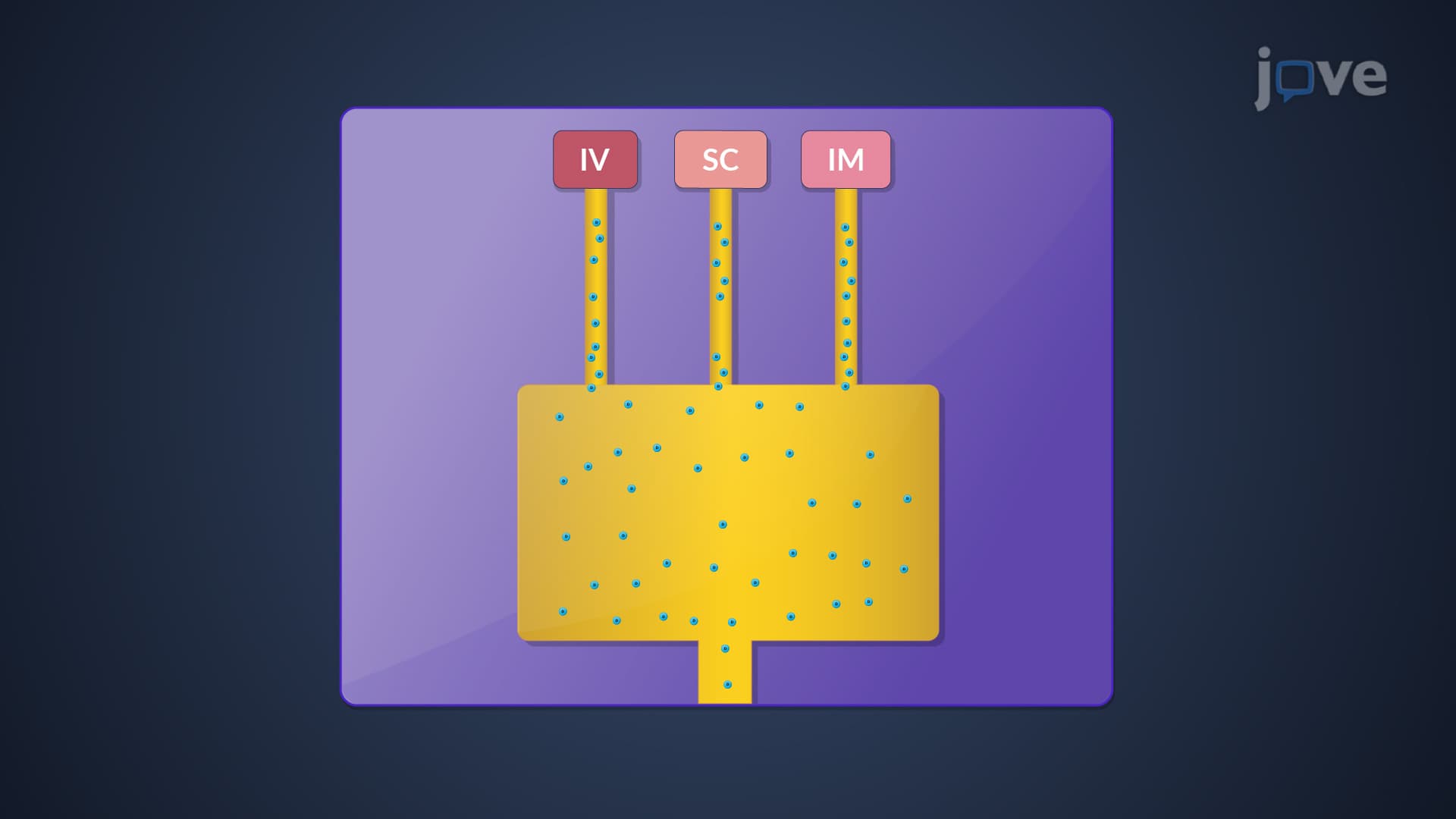
When a drug enters the body through extravascular routes-such as oral tablets, capsules, or intramuscular injections-three mathematical exponents describe its journey. The absorption exponent quantifies how quickly the drug moves from its administration site into systemic circulation. For example, when a patient takes oral acetaminophen, this parameter determines how rapidly the medication dissolves in the stomach and crosses intestinal membranes.
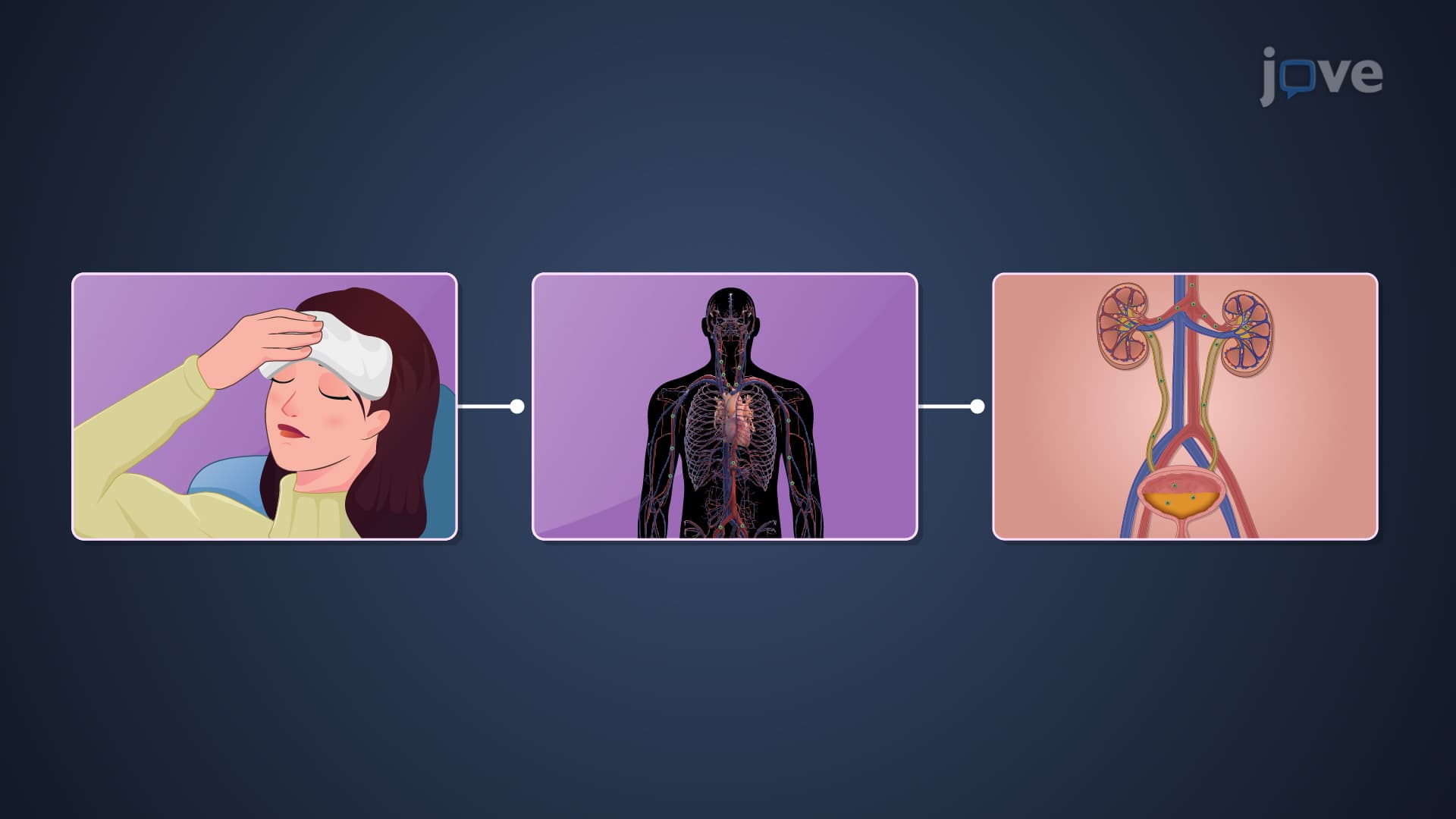
The distribution exponent describes the drug's movement between central and peripheral compartments. Consider how caffeine from coffee initially concentrates in blood plasma (central compartment) before gradually distributing into brain tissue and other organs (peripheral compartment). Finally, the elimination exponent accounts for how the body removes the drug through metabolism and excretion, primarily via liver processing and kidney filtration.
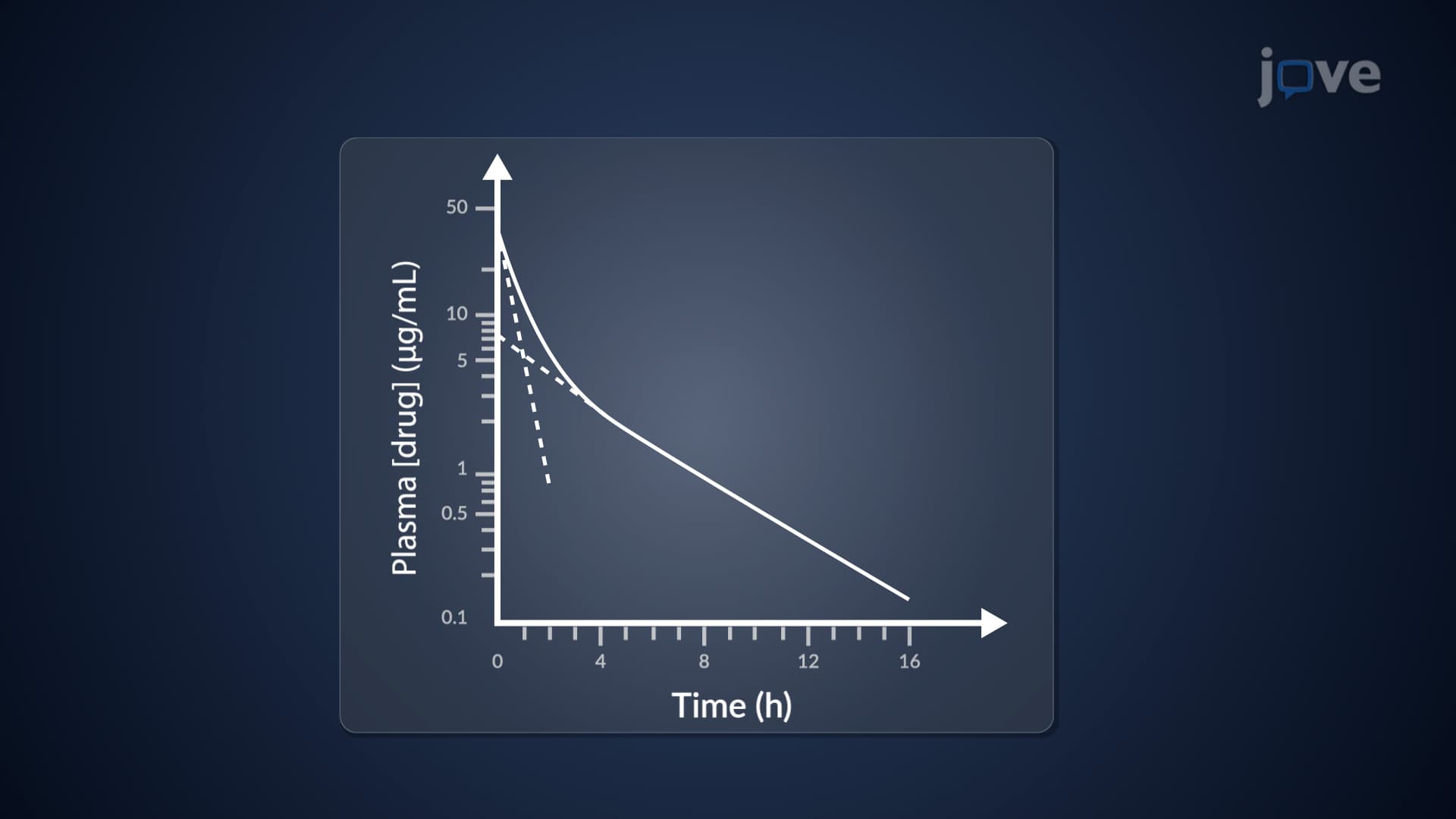
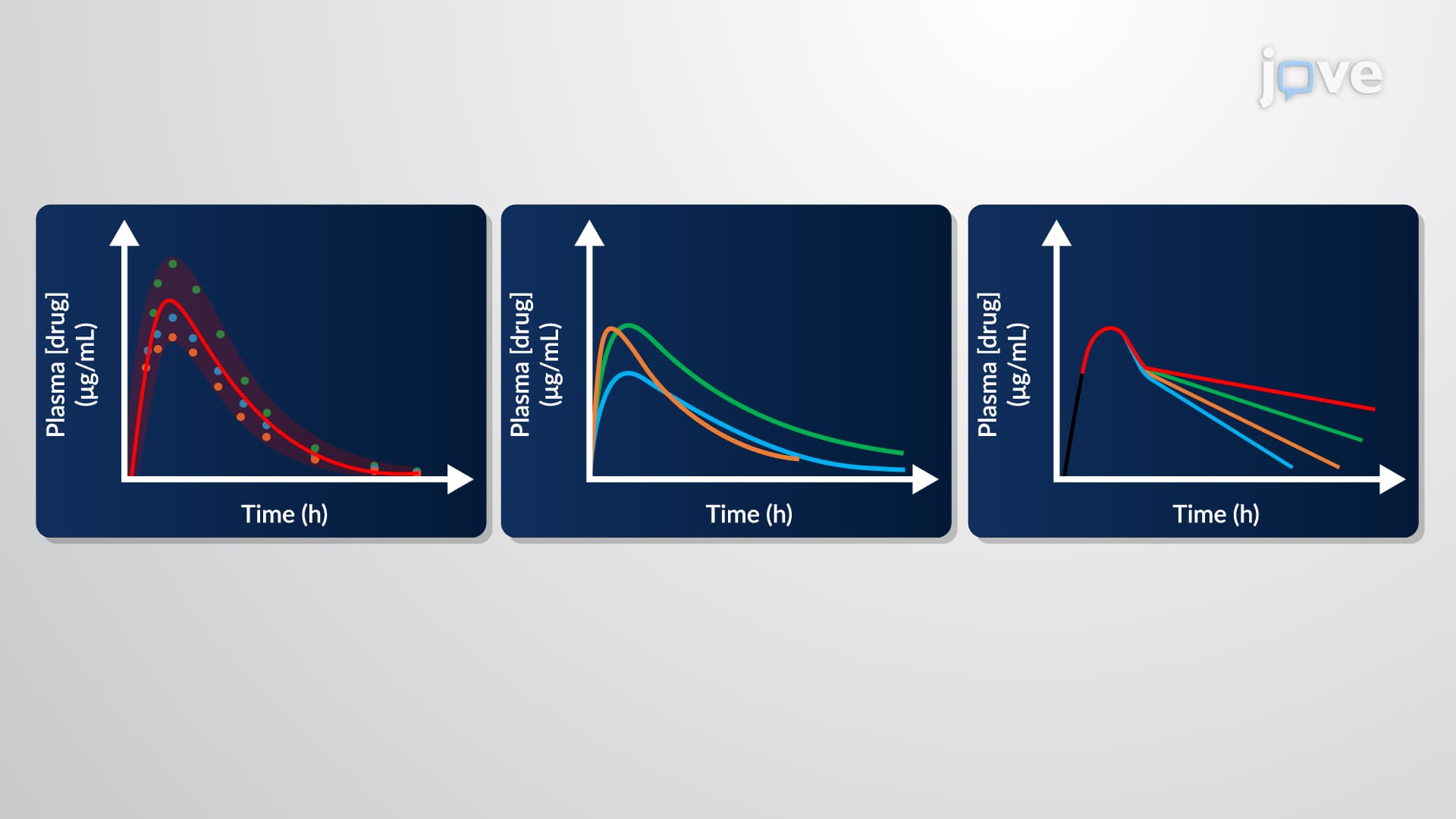
Pharmacokineticists use sophisticated techniques to extract meaningful parameters from plasma concentration data. The method of residuals involves plotting concentration-time curves on semi-logarithmic paper and using mathematical curve-stripping to separate different exponential phases. This approach helps determine individual rate constants that govern absorption, distribution, and elimination.
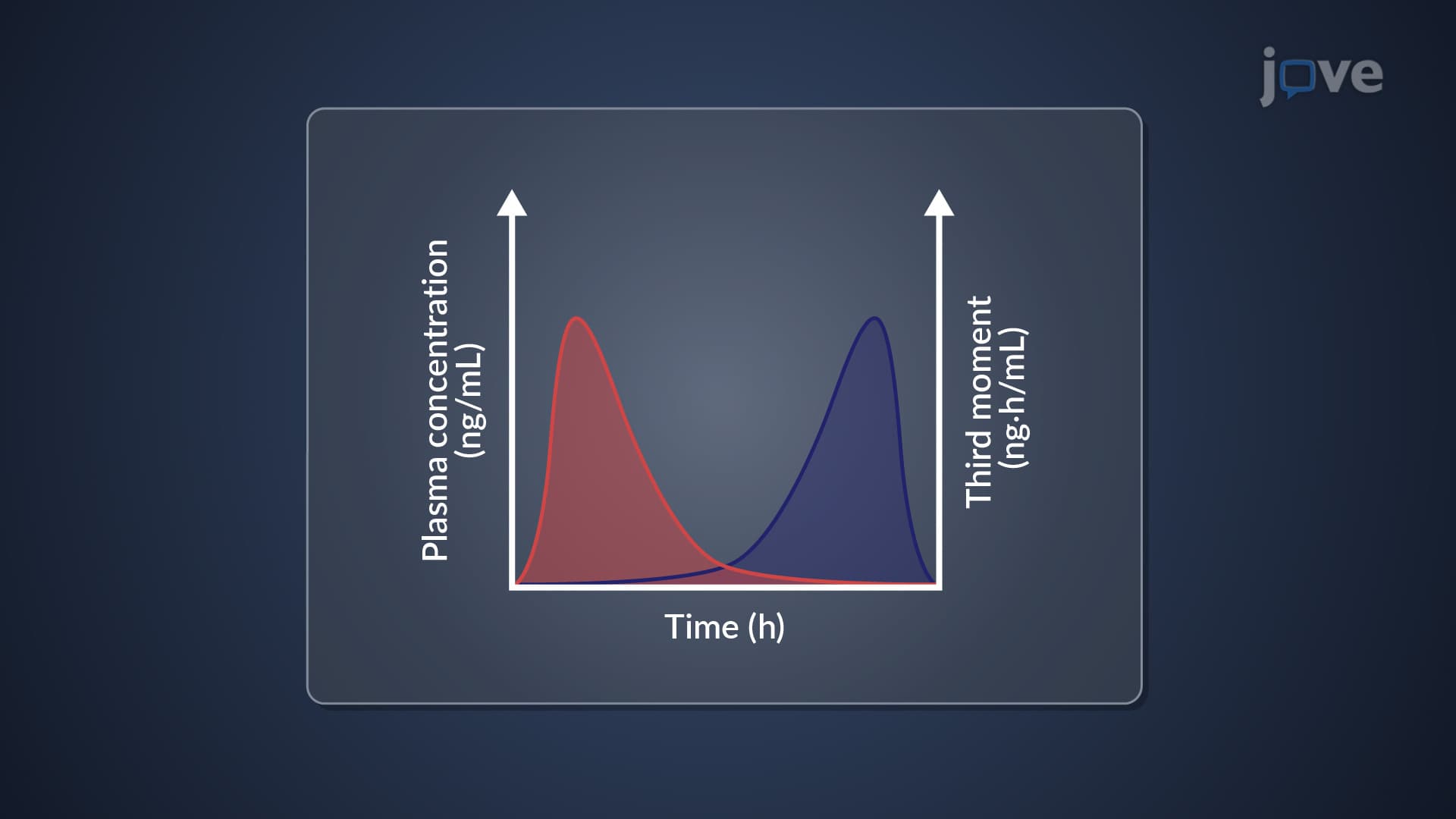
The Loo-Riegelman method specifically addresses drugs exhibiting two-compartment behavior. This technique requires plasma concentration data from both oral and intravenous administration to the same individual, allowing researchers to separate absorption effects from distribution and elimination processes. In contrast, the Wagner-Nelson method works well for simpler one-compartment drugs but becomes inadequate for complex distribution patterns.
These concepts frequently appear on pharmaceutical science exams, including MCAT questions about drug kinetics and college pharmacology midterms. Understanding compartment models helps predict why some medications require loading doses, why certain drugs have delayed onset times, and how sustained-release formulations maintain therapeutic levels. For students pursuing healthcare careers, mastering these principles provides essential foundation knowledge for clinical decision-making and drug therapy optimization.
Related Micro-courses