Loading video…


 30 Concepts
 9.7K views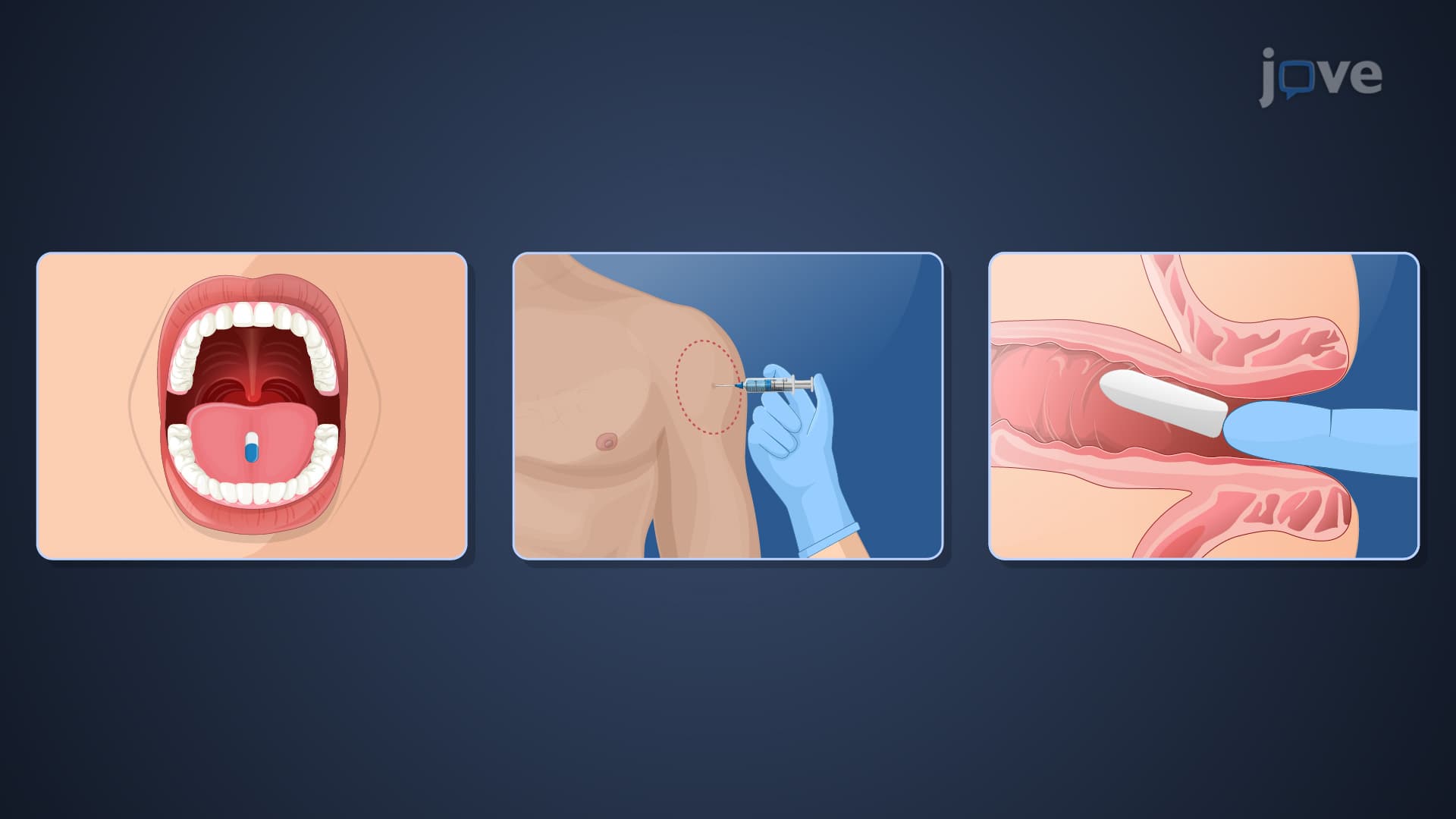

Video Summary: One Compartment Open Model for Extravascular Administration Zero Order Absorption
Did you know that when you take an extended-release aspirin tablet, the drug enters your bloodstream at a constant rate regardless of how much remains unabsorbed? The one-compartment open model extravascular approach explains this fascinating zero-order absorption process, where drugs administered through oral, intramuscular, or rectal routes maintain steady absorption rates over time. This concept is crucial for understanding how medications like controlled-release morphine tablets work in US hospitals. Watch the full video on JoVE Coach to master this concept with expert-led visuals and step-by-step explanations.
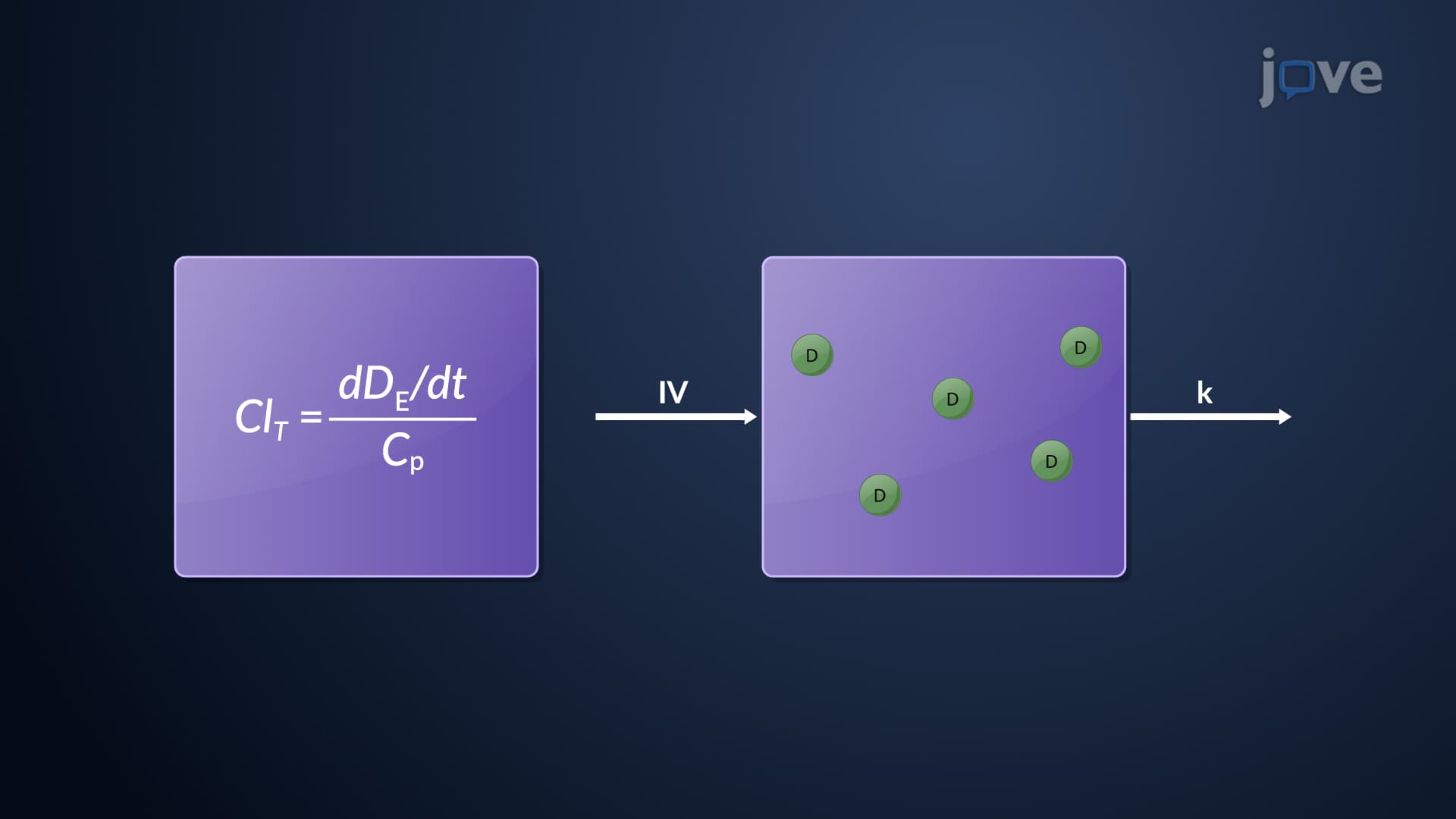
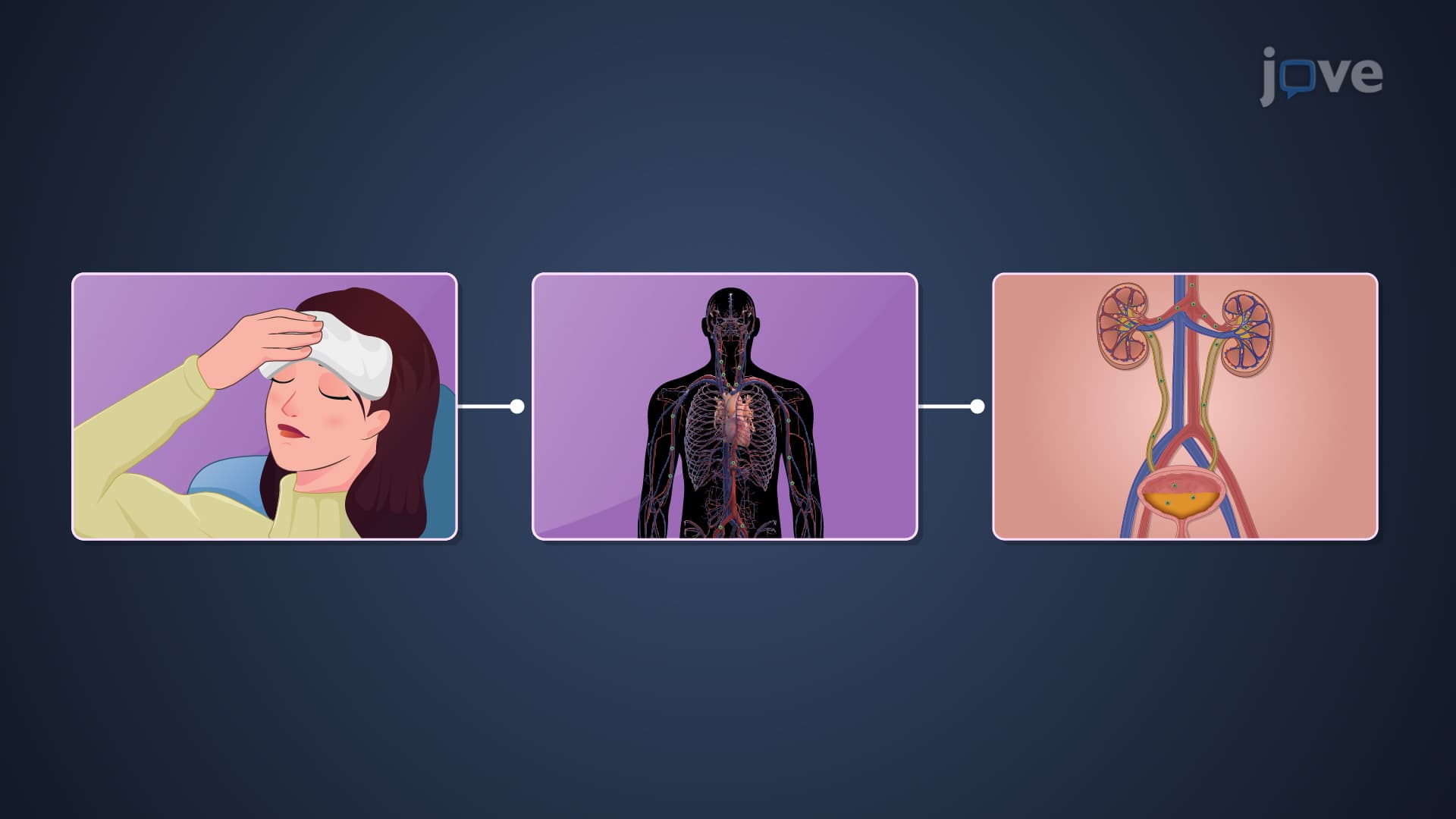
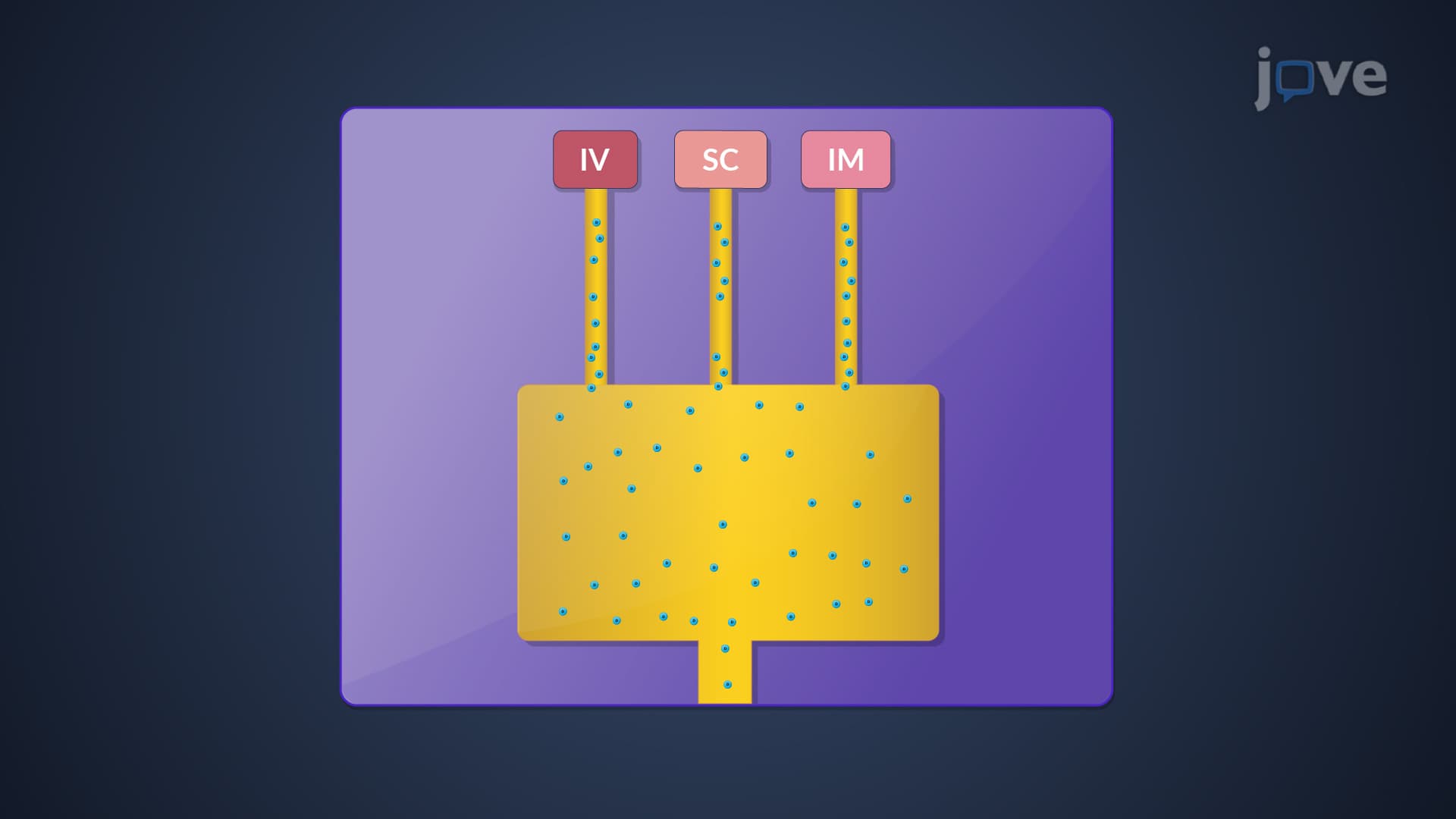
The one-compartment open model for extravascular administration represents a fundamental pharmacokinetic framework used extensively in pharmaceutical sciences and clinical practice. Unlike intravenous administration where drugs enter circulation directly, extravascular routes-including oral tablets, intramuscular injections, and rectal suppositories-require an absorption phase before reaching systemic circulation.
Zero-order absorption kinetics describes a process where the absorption rate remains constant over time, independent of the drug amount remaining at the absorption site. This contrasts sharply with first-order kinetics, where absorption rate decreases proportionally with remaining drug quantity.
The mathematical representation follows: dA/dt = k0, where k0 represents the zero-order absorption rate constant. This equation appears frequently on MCAT pharmacology sections and college-level pharmacokinetics exams. Common US pharmaceutical examples include extended-release formulations like Oxycontin (controlled-release oxycodone) and Concerta (extended-release methylphenidate), which maintain therapeutic drug levels through zero-order release mechanisms.
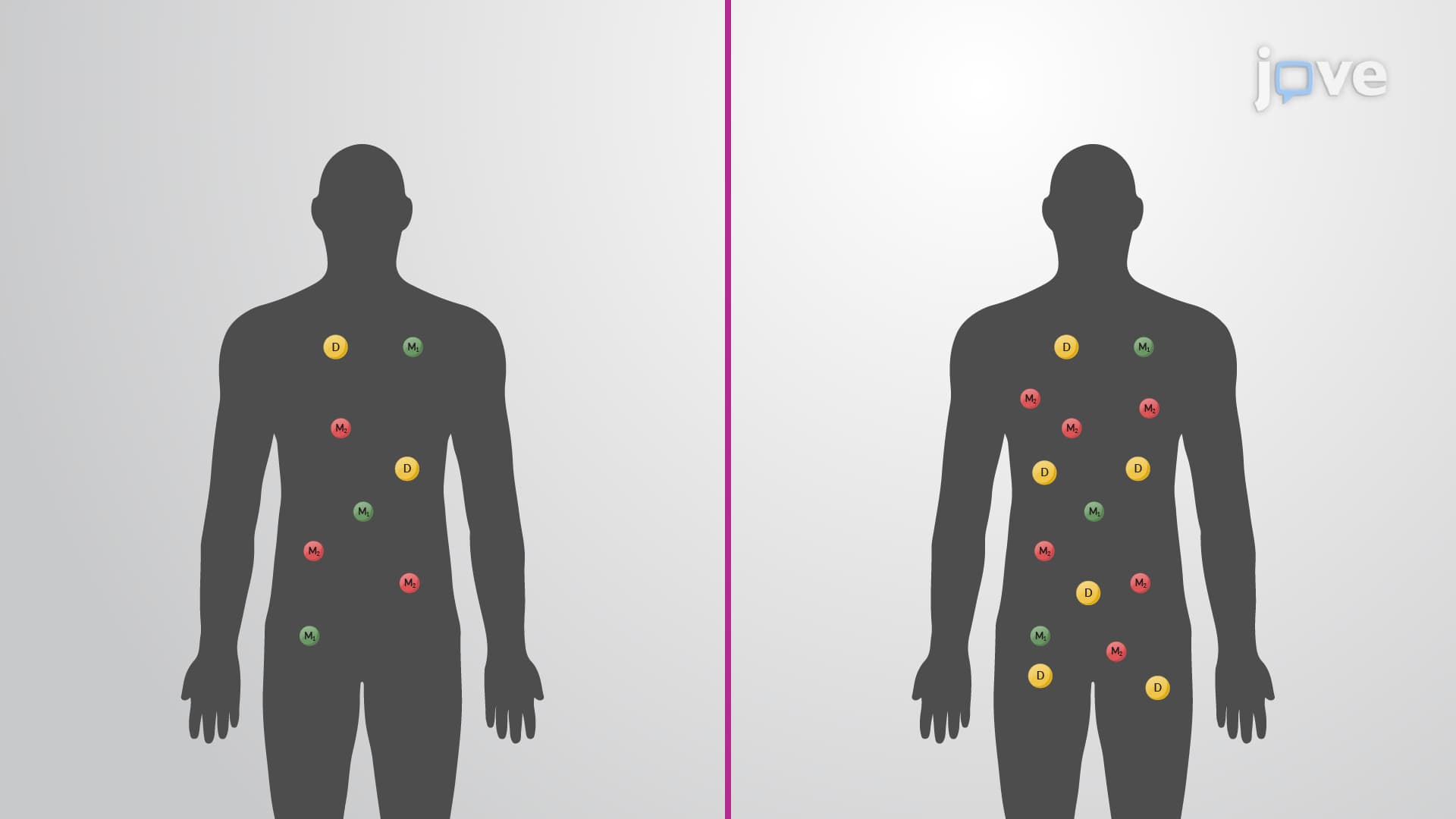
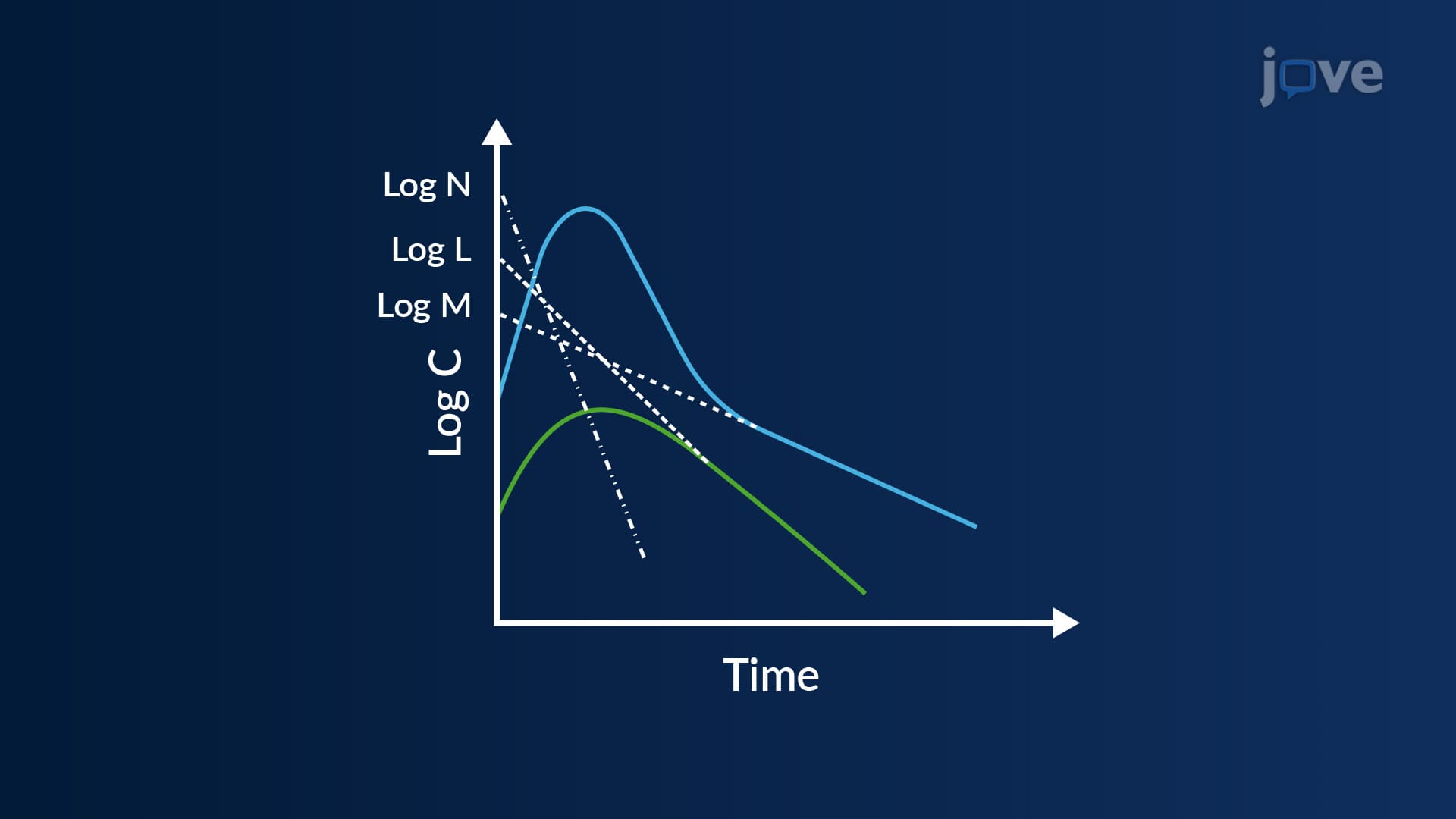
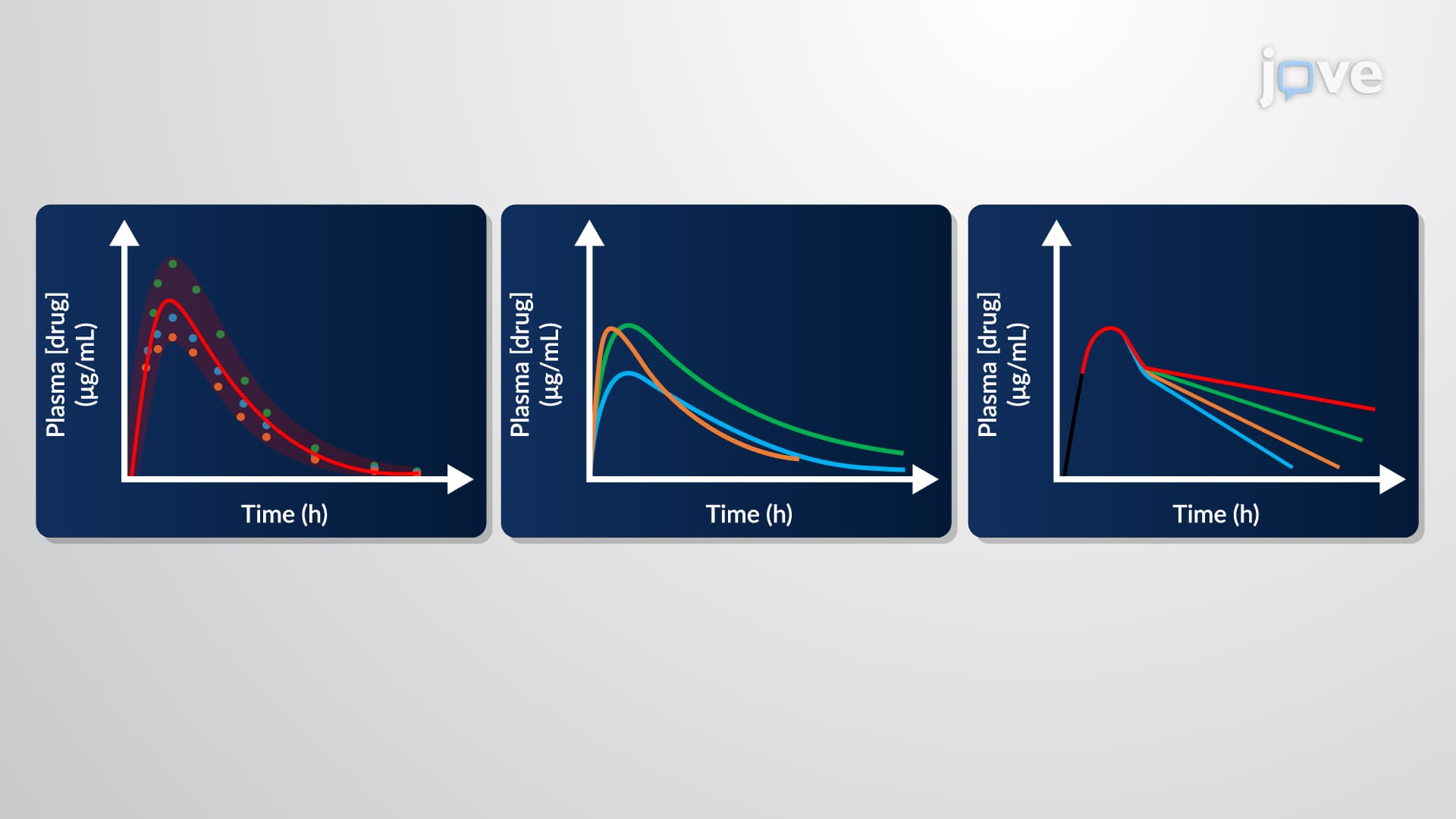
The characteristic three-phase profile defines drug behavior in one-compartment systems. During the absorption phase, absorption rate exceeds elimination rate, causing plasma concentrations to rise steadily. Students preparing for AP Biology or college pharmacology courses should note this phase's importance in determining onset of therapeutic action.
Peak plasma concentration occurs when absorption rate equals elimination rate-a critical concept for USMLE Step 1 preparation. This equilibrium point represents maximum drug concentration and often correlates with peak therapeutic effect. The post-absorption phase begins when elimination rate surpasses absorption rate, leading to declining plasma levels.
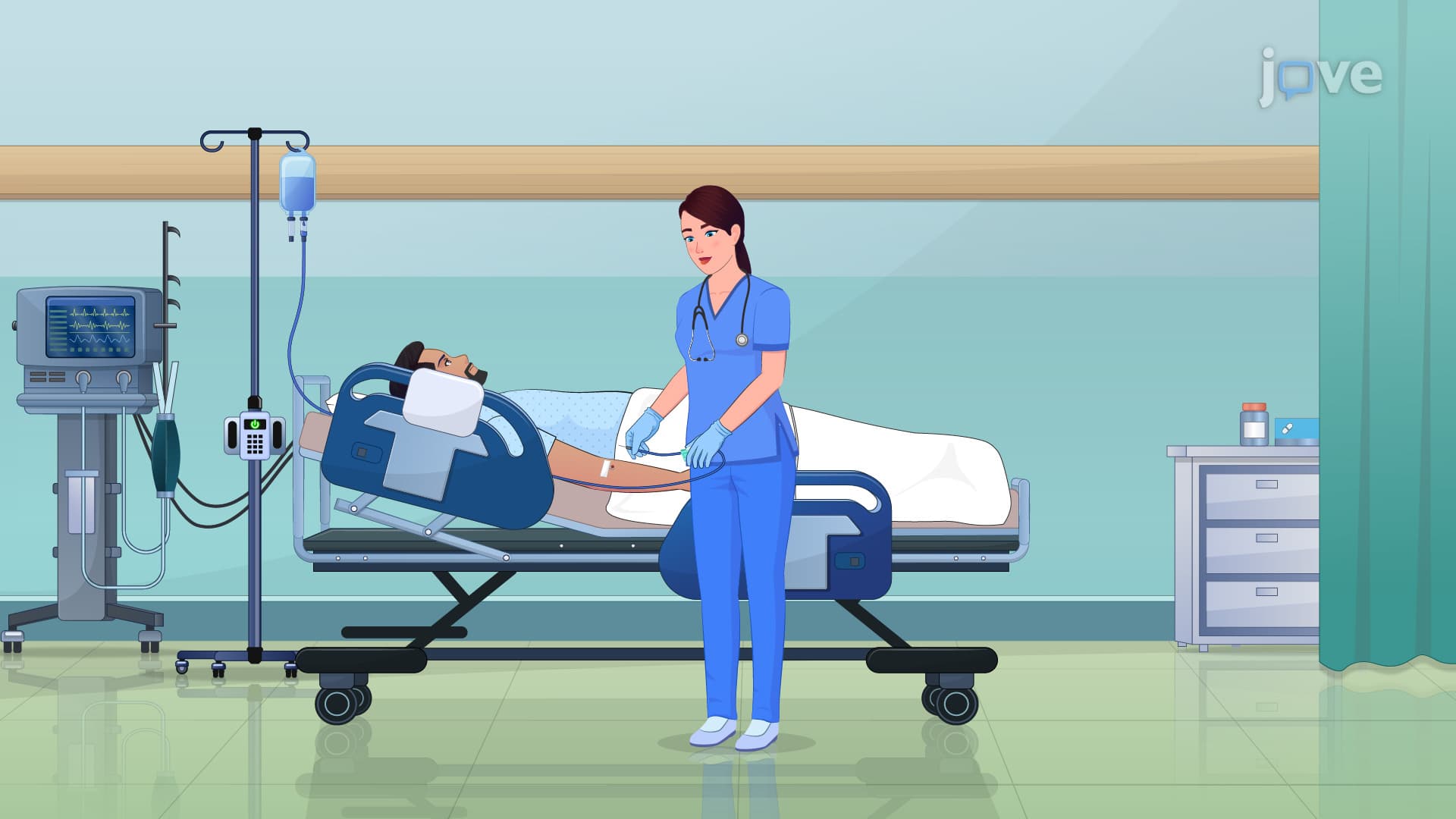
Understanding this model proves essential for healthcare professionals interpreting drug dosing regimens. NCLEX-RN examinations frequently test candidates' ability to predict drug behavior using compartment models. For instance, when administering extended-release medications in US hospitals, nurses must understand why drug effects persist despite decreasing absorption rates over time.
Related Micro-courses