Loading subject page…


9,675 views


Video Summary: What Is Physiological Pharmacokinetic Models Assumption
Ever wondered how doctors determine the exact Tylenol dose that reaches your liver versus your brain? Physiological pharmacokinetic models assumption forms the foundation for predicting where drugs travel in your body, assuming that drug-protein interactions follow predictable, linear patterns. These sophisticated models help pharmaceutical companies like Pfizer calculate precise dosing for medications ranging from insulin to chemotherapy drugs, ensuring optimal therapeutic effects while minimizing side effects. Watch the full video on JoVE Coach to master this concept with expert-led visuals and step-by-step explanations.
Physiological pharmacokinetic models assumption represents a cornerstone principle in pharmaceutical science, establishing that drug-protein interactions behave in predictable, linear patterns throughout the human body. This assumption enables scientists and clinicians to create mathematical models that accurately predict how medications distribute across different organs and tissues, from the moment they enter your bloodstream until they're eliminated.
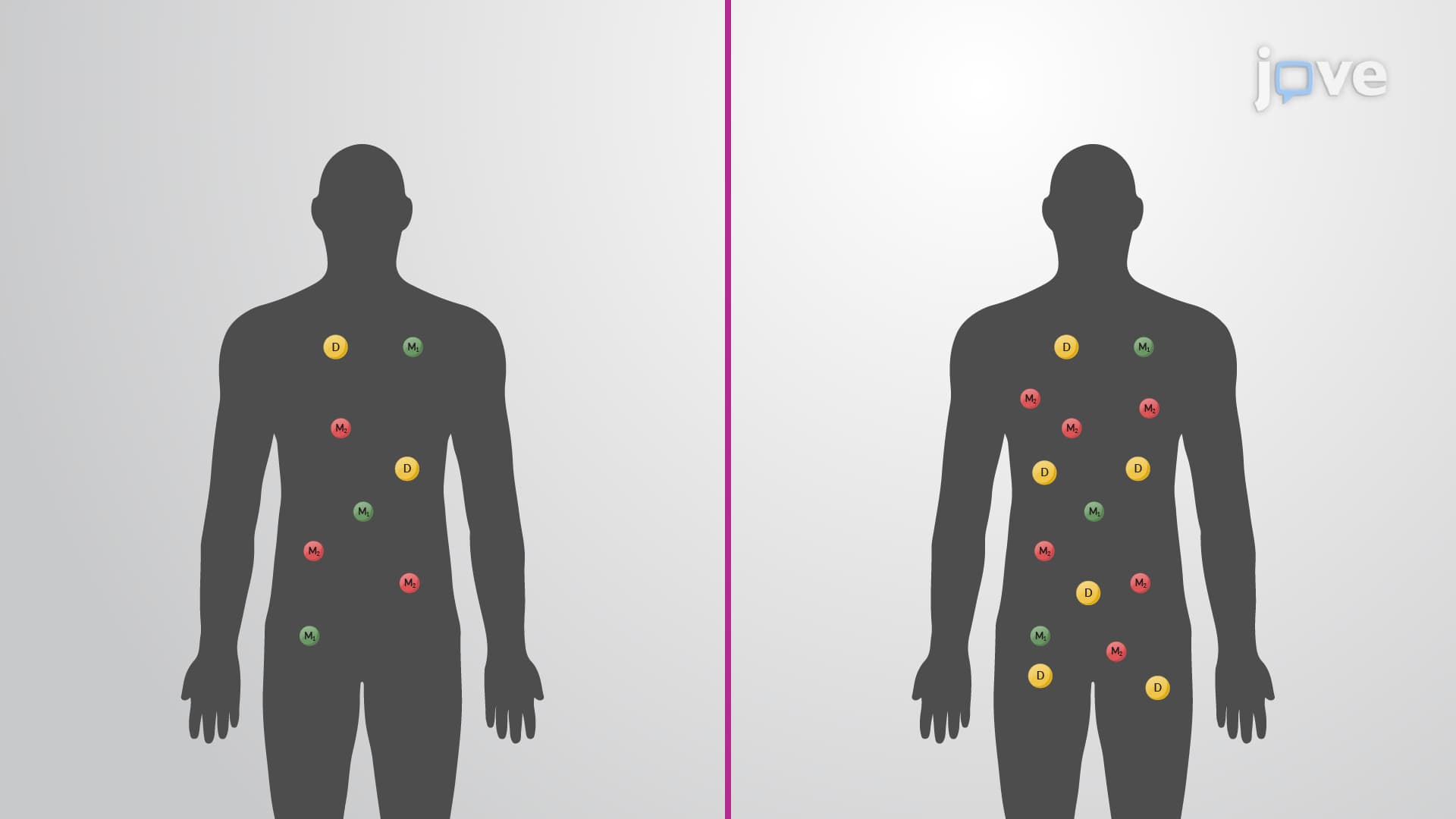
The core assumption centers on linear drug binding, where the fraction of unbound drug remains constant regardless of the total drug concentration in your system. Imagine taking ibuprofen for a headache, this principle suggests that whether you take 200mg or 400mg, the percentage of drug that remains "free" (unbound to proteins) stays consistent. This free drug is crucial because only unbound medication can cross cell membranes and reach target sites like inflamed tissues.
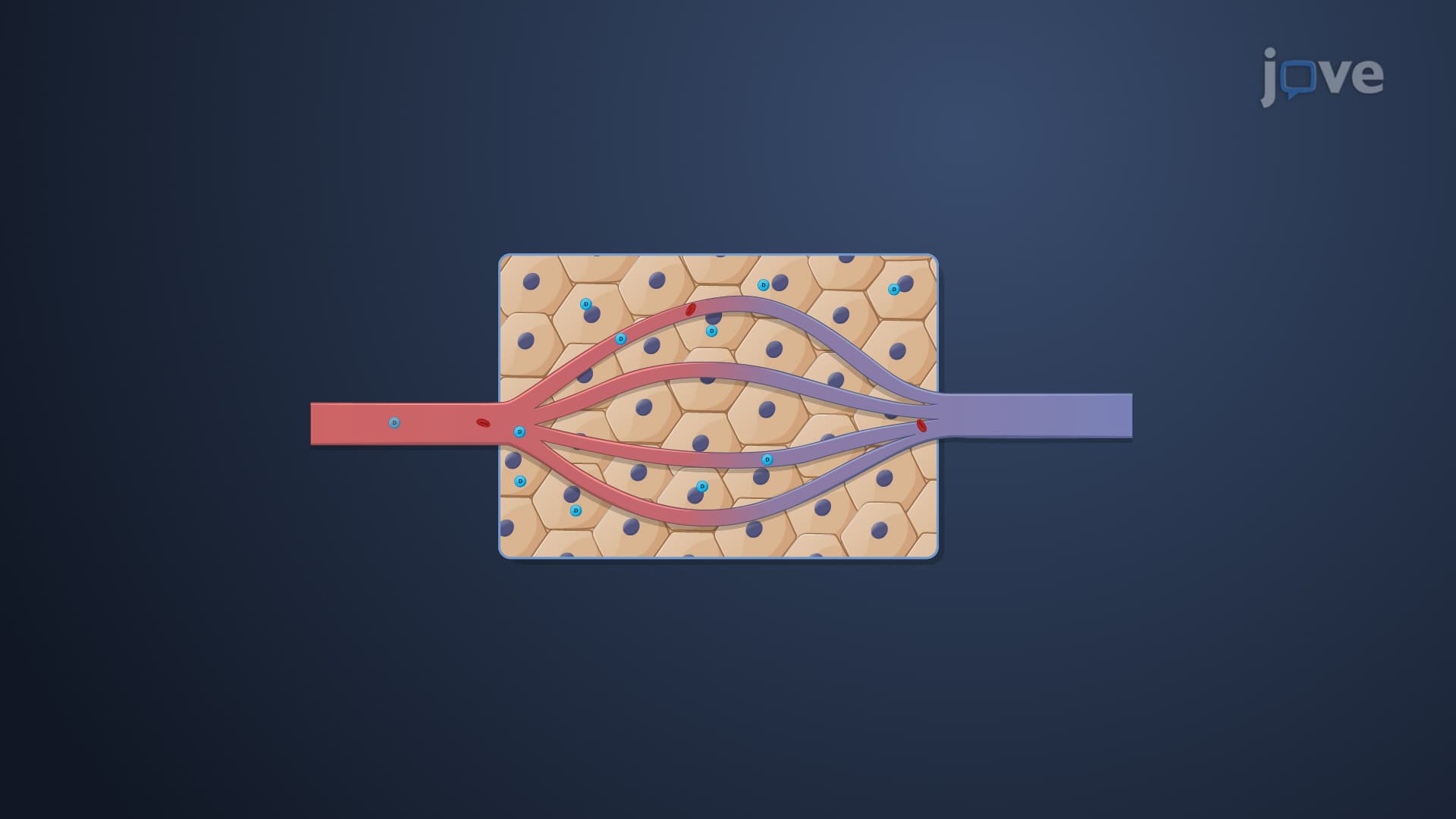
In practical terms, this assumption simplifies complex biological processes into manageable equations. When students encounter this concept in AP Biology or college pharmacology courses, they learn that bound and free drugs exist in equilibrium between tissues and plasma. The free drug concentration in tissues equals that in the blood leaving those tissues, a principle that pharmaceutical companies like Johnson & Johnson rely on when developing new medications.
Partition ratios quantify how drugs distribute between blood and tissues, incorporating factors like blood concentration and protein binding extent. These ratios become essential for MCAT preparation, as pre-med students must understand how drugs like digoxin (heart medication) or warfarin (blood thinner) behave differently based on their binding characteristics.
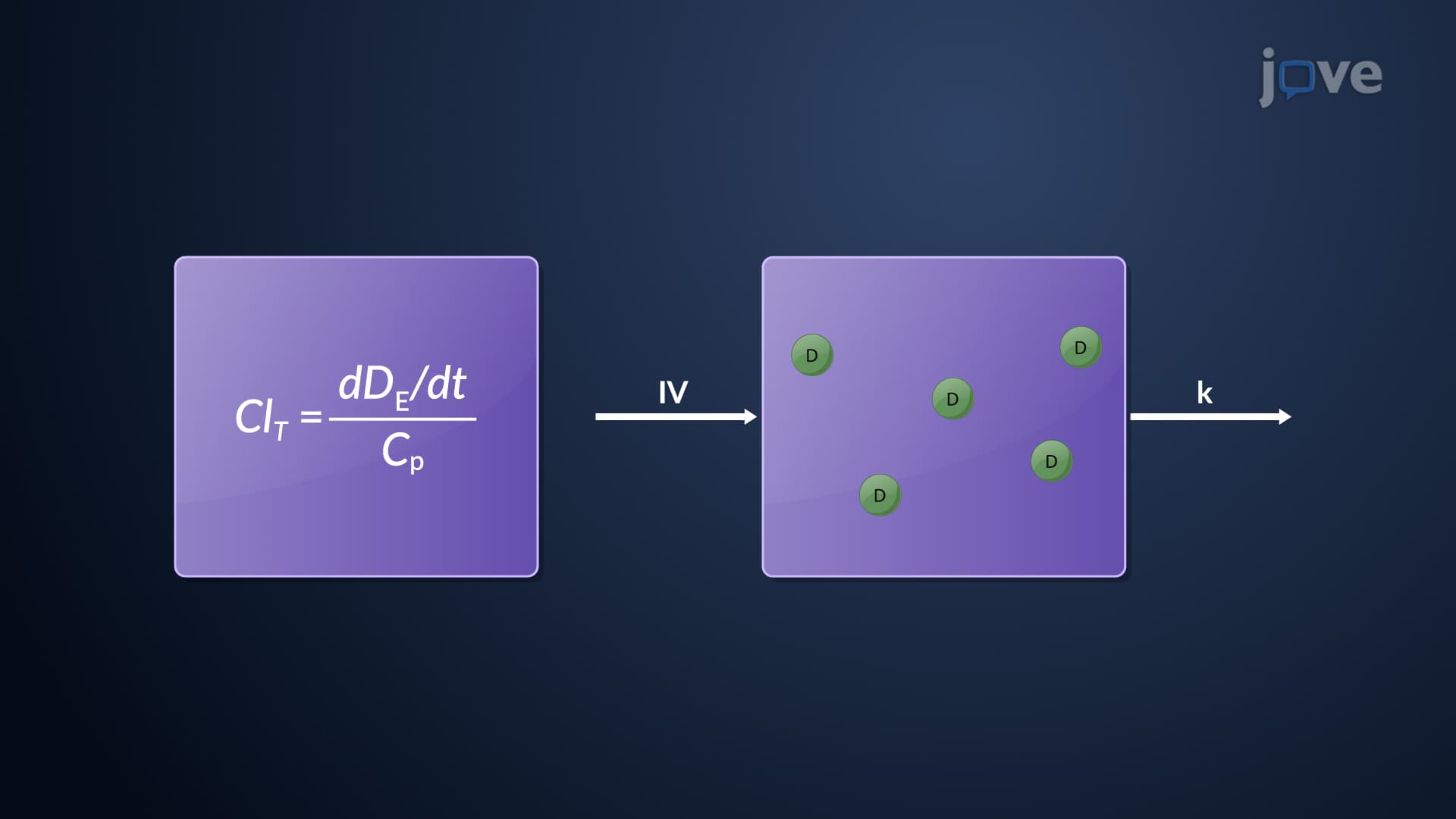
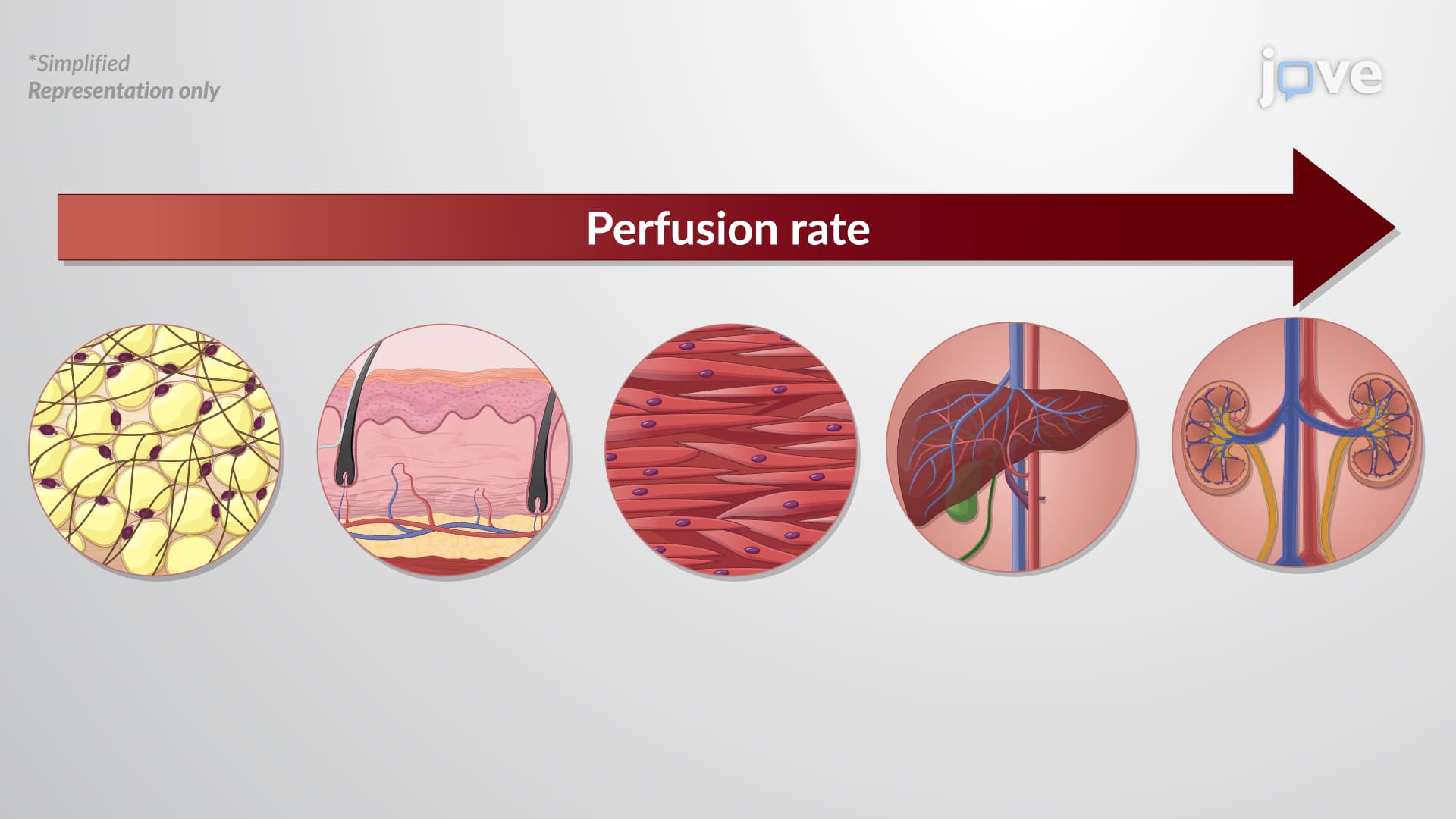
Clearance efficiency (Cl int) represents an organ's inherent capacity to metabolize and eliminate drugs. Your liver, for instance, has high clearance for alcohol, while your kidneys excel at clearing water-soluble medications like penicillin. Understanding these concepts proves valuable for students pursuing careers in pharmacy, medicine, or pharmaceutical research.
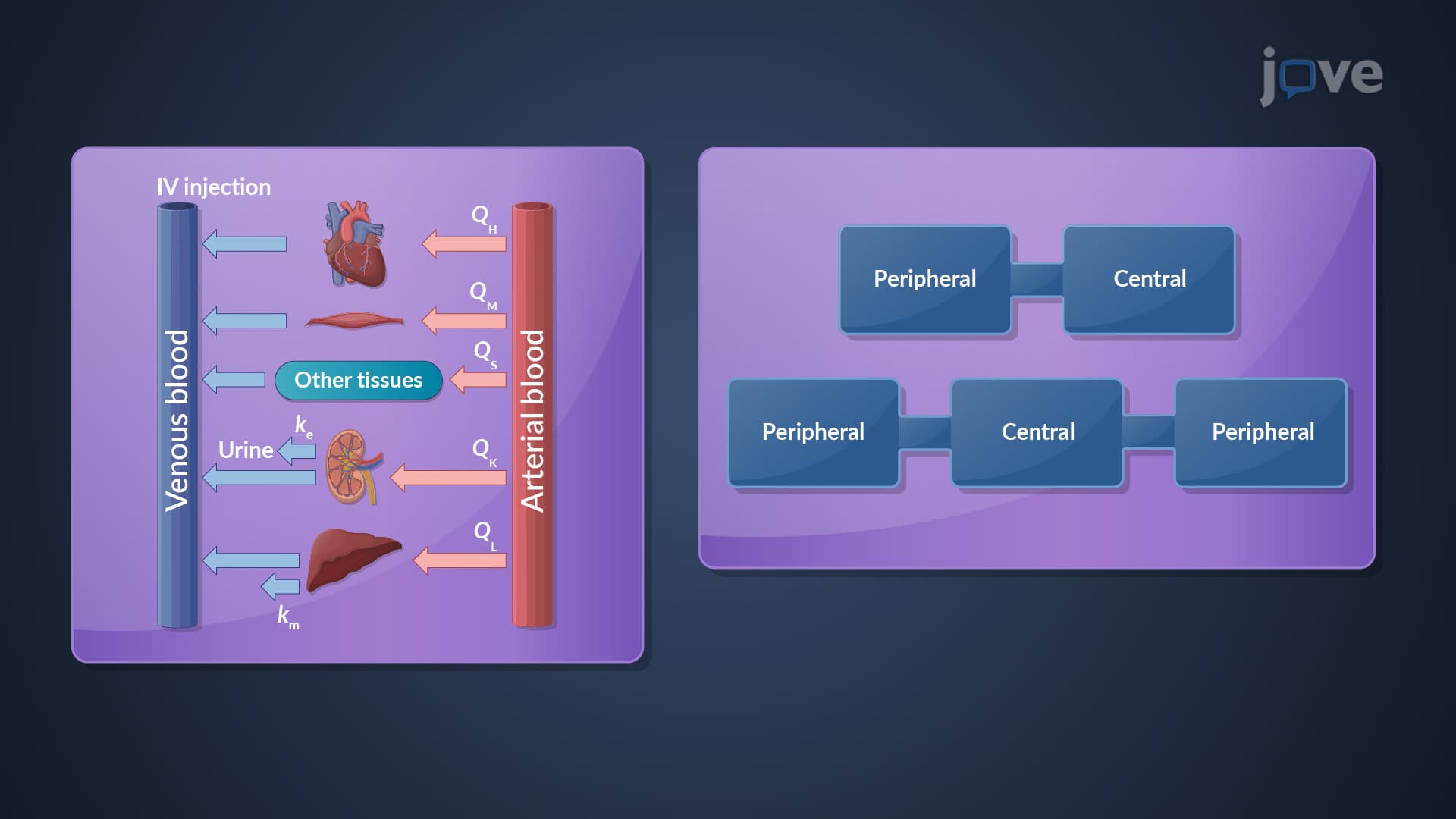
The mass balance equation for drugs in the blood pool encompasses distribution across all organs, creating a comprehensive picture of drug behavior. This mathematical framework guides dosing decisions in hospitals nationwide, from determining insulin doses for diabetic patients to calculating chemotherapy regimens at cancer centers like MD Anderson or Mayo Clinic.
Related Micro-courses