Loading video…


 30 Concepts
 9.7K views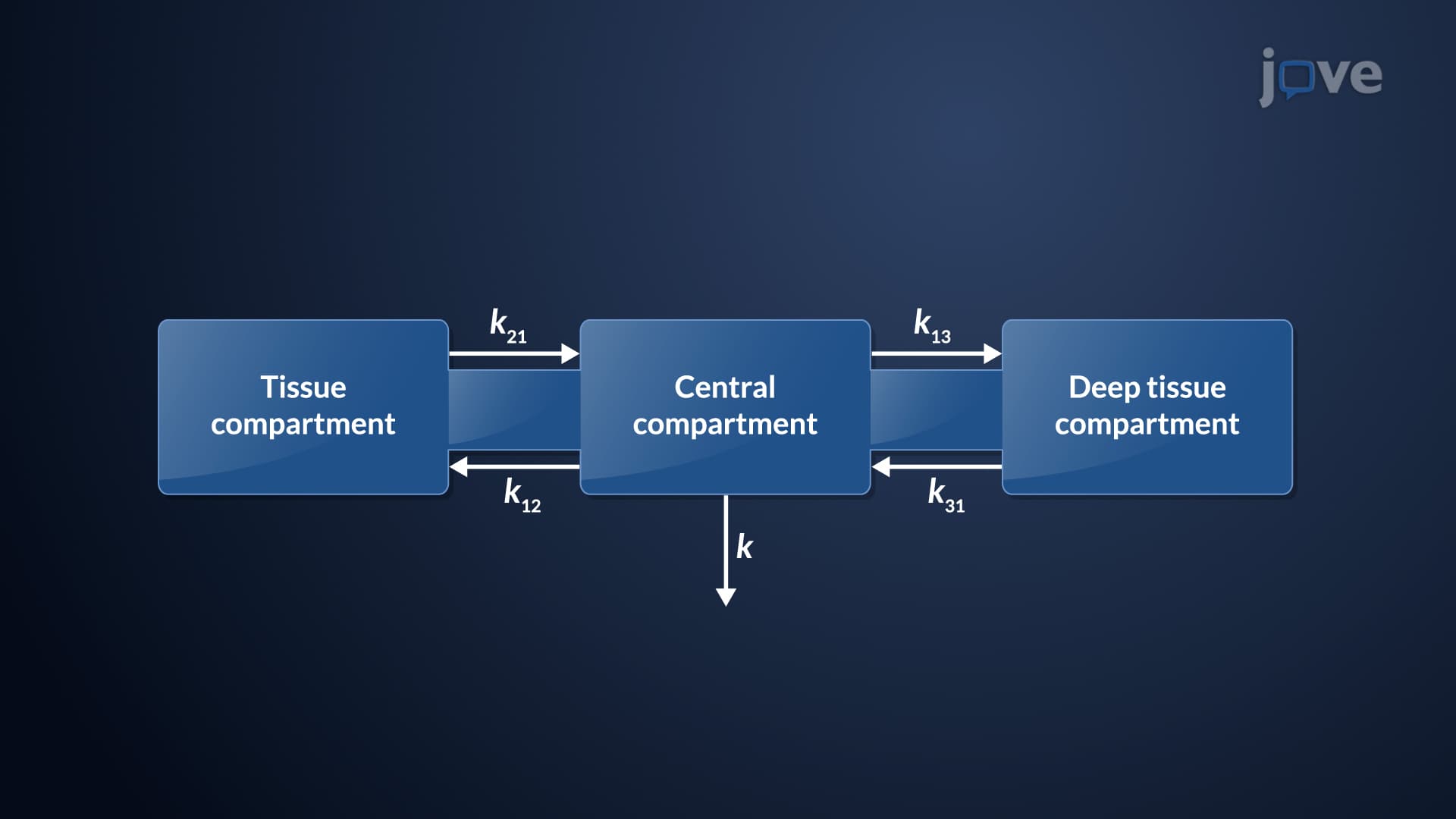

Video Summary: What Is Three Compartment Open Model
When the FDA analyzes how lithium distributes in bipolar patients, they use sophisticated models that track drug movement through multiple body tissues. The three compartment open model extends beyond simple blood monitoring to include poorly perfused tissues like bone and fat, where drugs can hide for extended periods. This advanced pharmacokinetic model helps predict how medications like digoxin or certain antibiotics behave in patients with varying body compositions. Watch the full video on JoVE Coach to master this concept with expert-led visuals and step-by-step explanations.
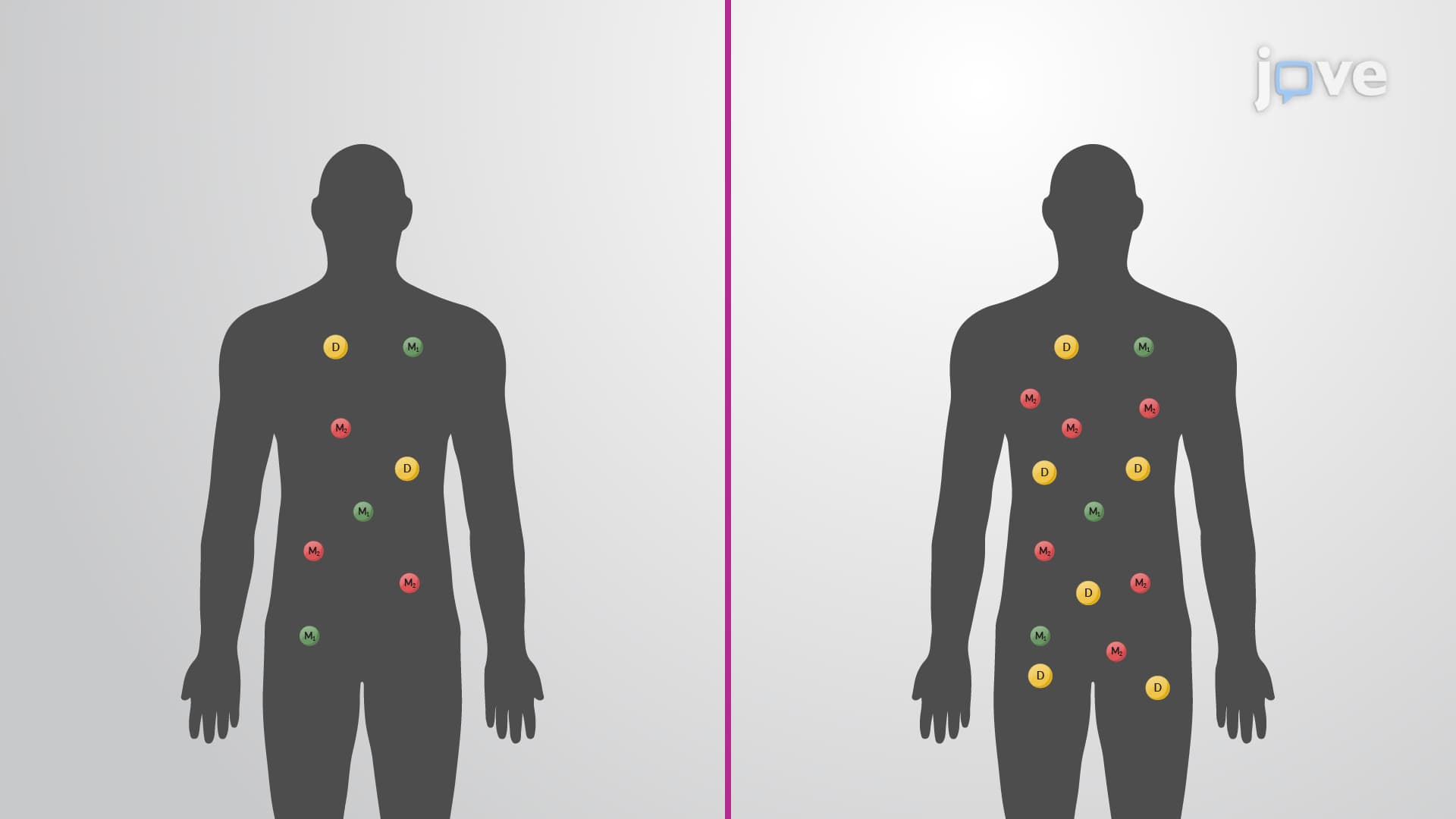
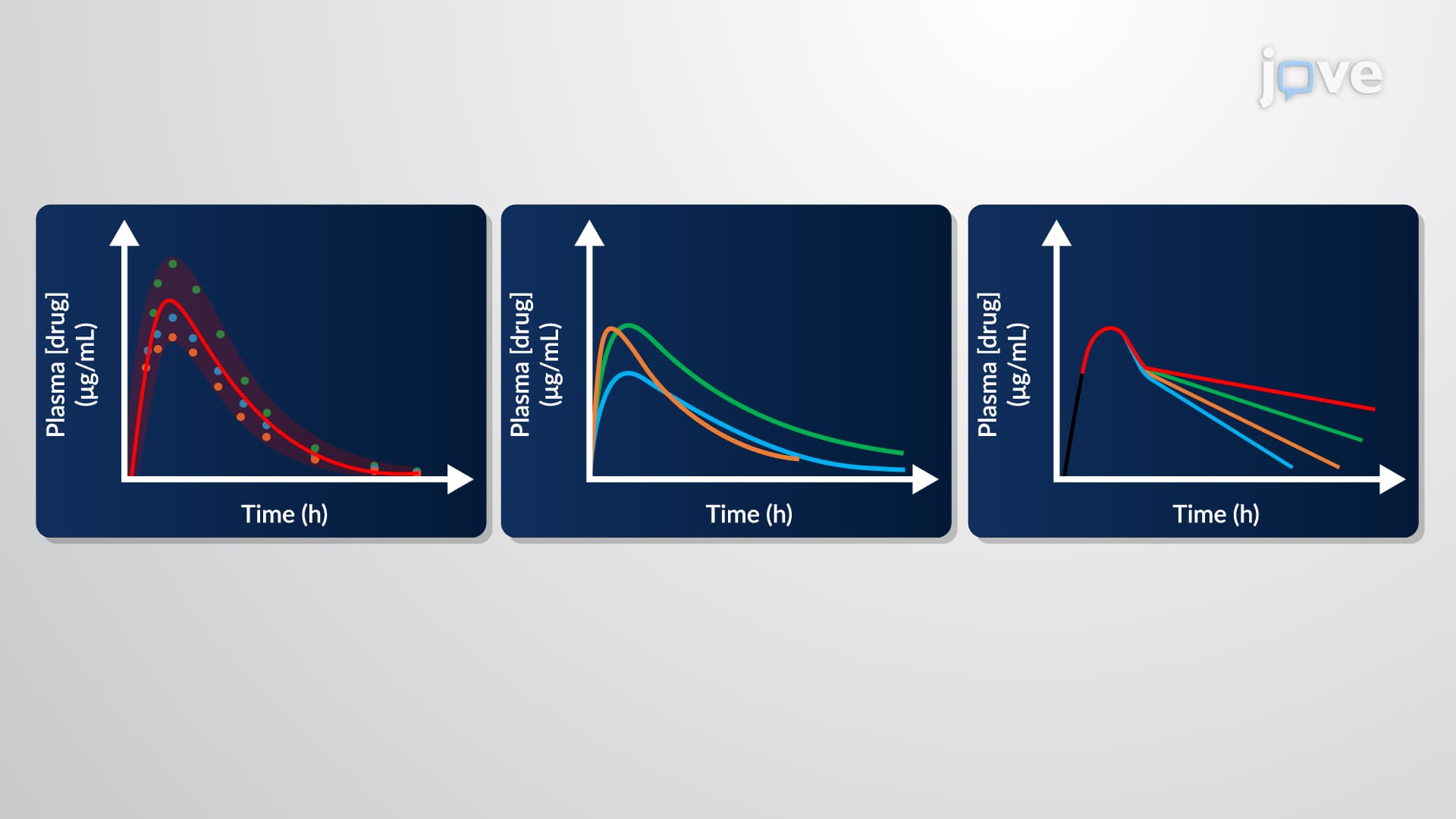
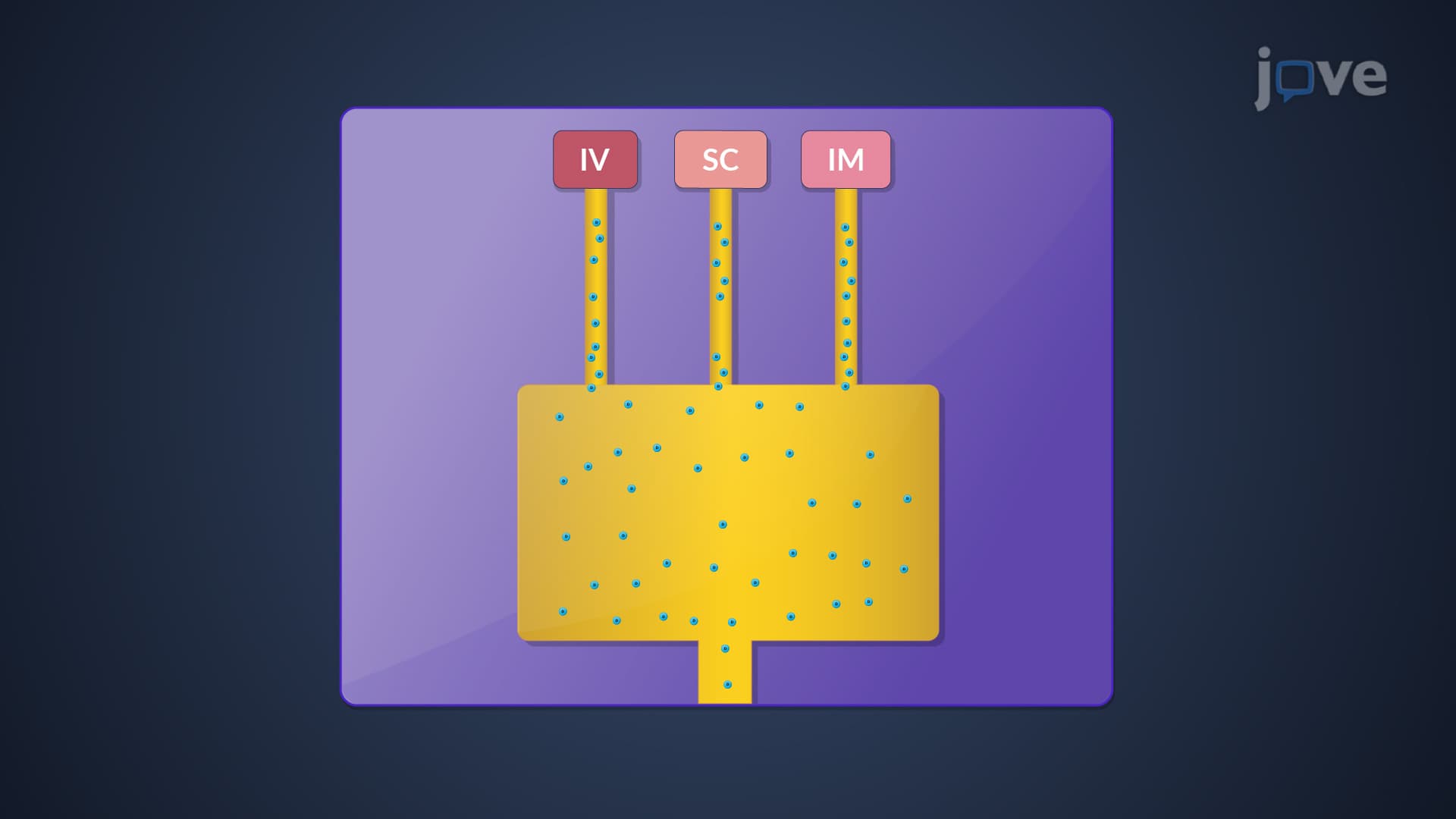
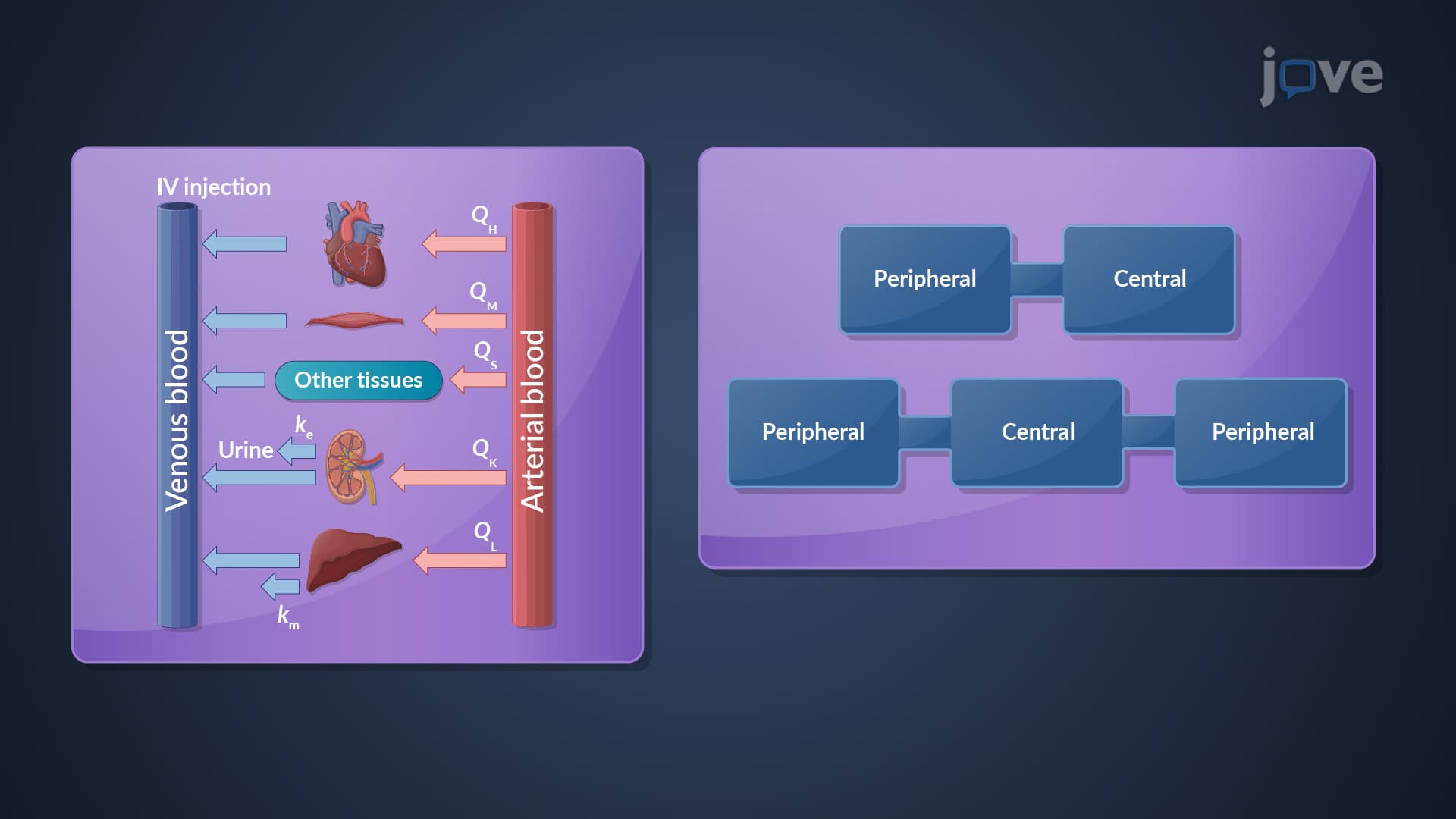
The three compartment open model represents one of the most sophisticated approaches to understanding drug distribution in the human body. Unlike simpler one or two-compartment models, this framework accounts for the complex reality that drugs don't distribute uniformly throughout body tissues. Instead, they move at dramatically different rates depending on tissue perfusion, binding affinity, and accessibility.
This model proves essential for drugs like digoxin (used for heart failure), certain chemotherapy agents, and fat-soluble anesthetics that exhibit complex distribution patterns. Students preparing for the MCAT or advanced pharmacology courses will encounter this concept when studying personalized medicine and therapeutic drug monitoring.
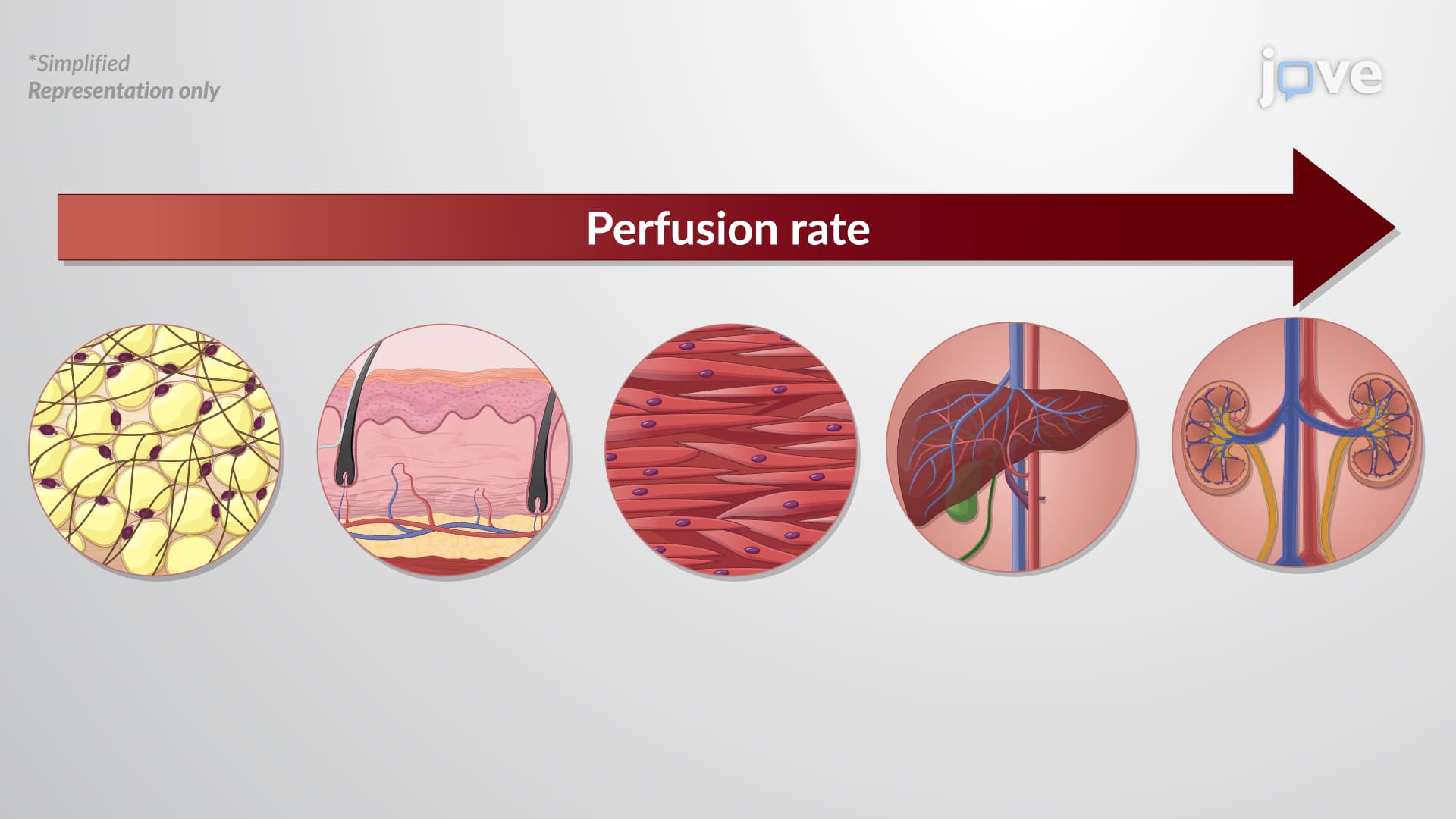
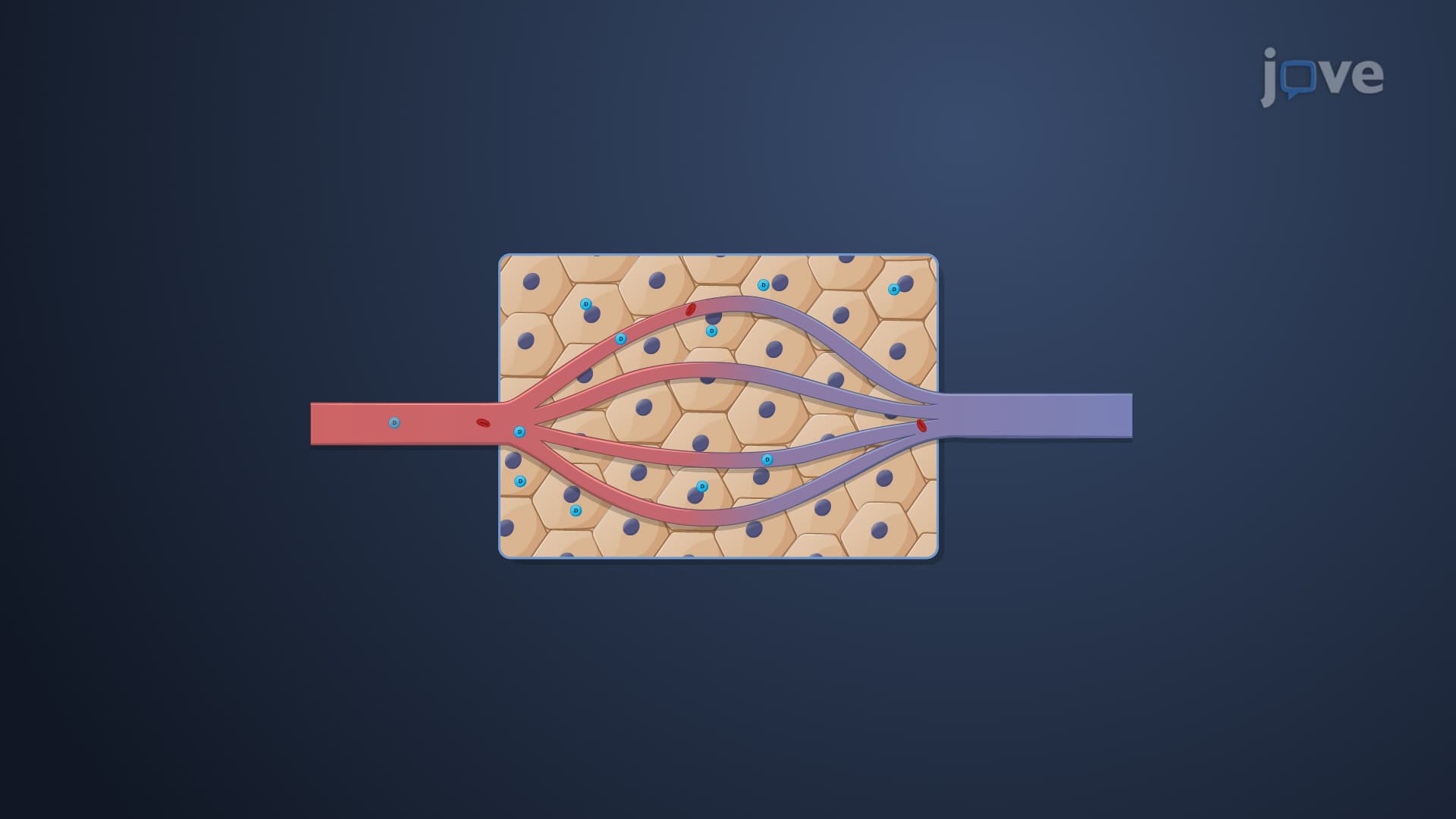
The central compartment represents highly perfused organs where drug concentrations can be easily measured-primarily blood, heart, liver, kidneys, and lungs. Drug distribution here occurs within minutes of administration. The peripheral tissue compartment includes moderately perfused tissues like muscle and skin, where distribution occurs over hours. Finally, the deep tissue compartment encompasses poorly perfused areas such as bone, adipose tissue, and certain protein-bound drug reservoirs where equilibrium may take days or weeks.
Consider amiodarone, an antiarrhythmic drug used in US cardiac intensive care units. This medication requires months to reach steady-state because it accumulates extensively in fat tissue (deep compartment), affecting dosing strategies for patients with different body compositions.
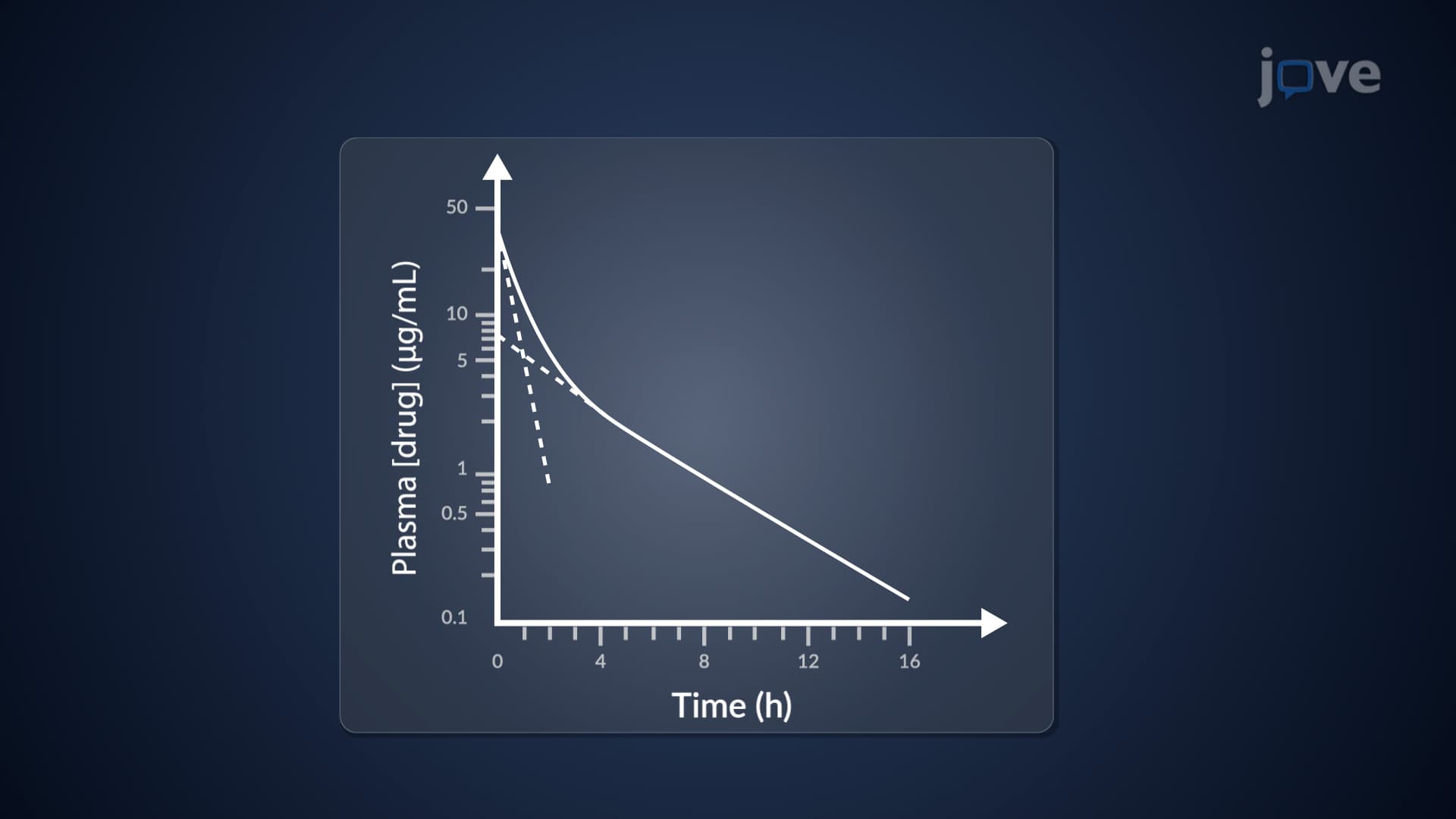
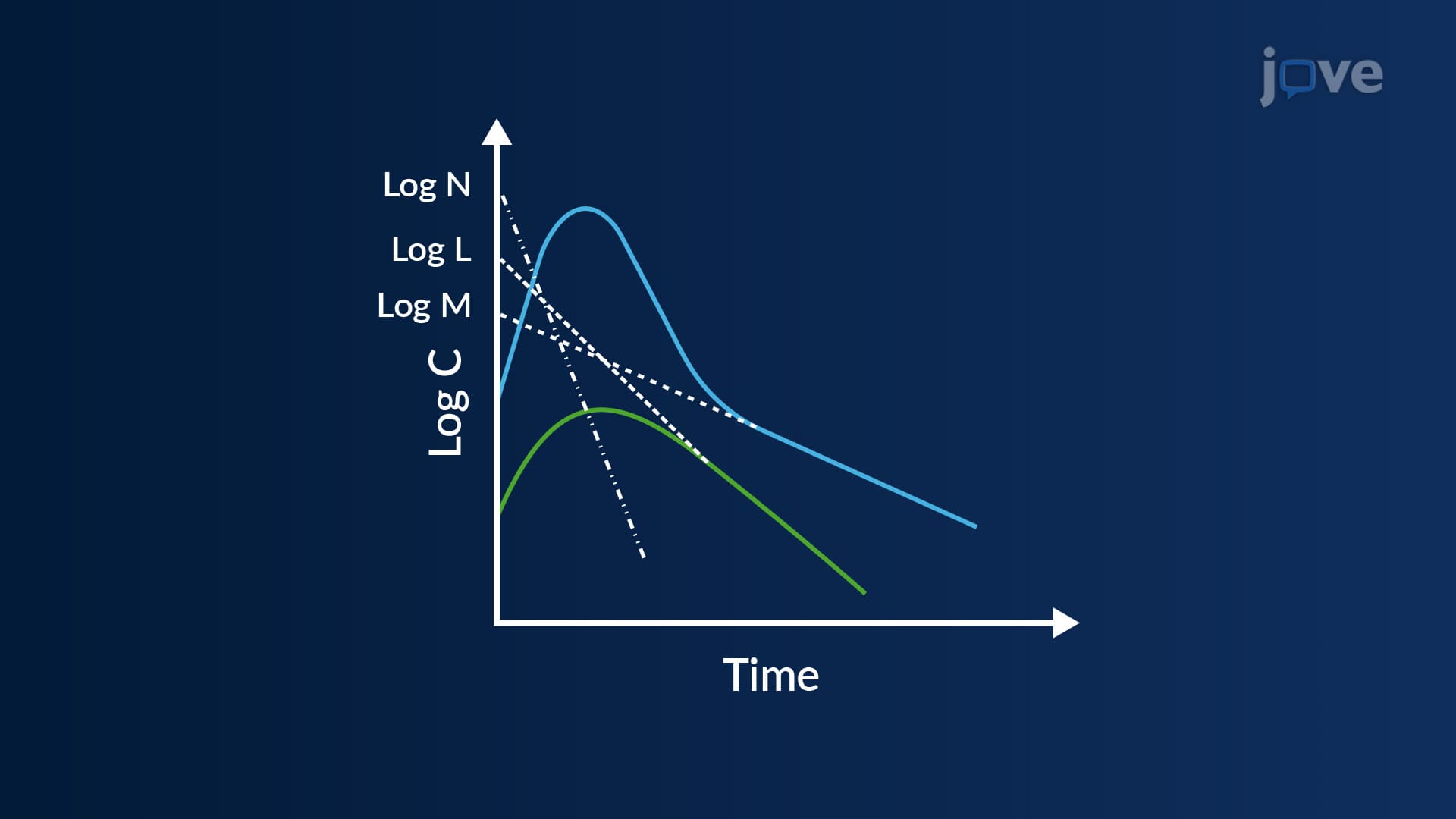
The three-compartment model uses triexponential equations with rate constants α, β, and γ (alpha, beta, gamma) representing elimination from central, peripheral, and deep tissue compartments respectively. These mathematical relationships help clinicians predict drug behavior: C(t) = A × e(-αt) + B × e(-βt) + C × e(-γt), where A, B, and C represent distribution coefficients.
Students studying for AP Biology or college-level pharmacology courses should understand how these models influence real clinical decisions. Oncologists use three-compartment modeling when administering drugs like doxorubicin, ensuring adequate tumor penetration while minimizing cardiotoxicity. The method of residuals-a graphical technique for calculating pharmacokinetic parameters-appears frequently on MCAT practice exams and graduate-level pharmacology assessments.
This modeling approach directly impacts dosing regimens for elderly patients, obese individuals, and those with altered body composition, making it crucial knowledge for future healthcare professionals in the US medical system.
Related Micro-courses