Loading video…


 30 Concepts
 9.7K views

Video Summary: Model Approaches for Pharmacokinetic Data Guide
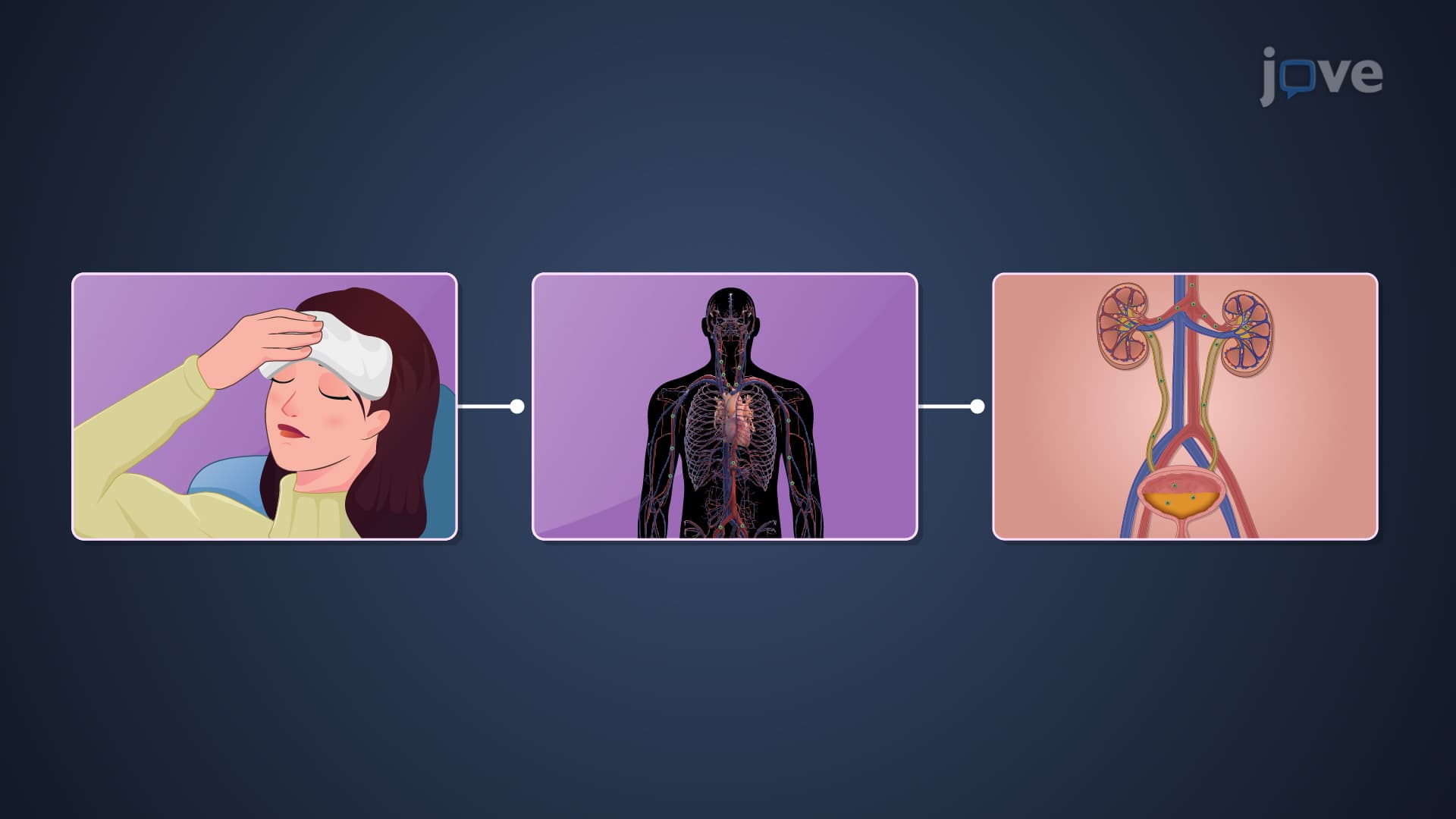
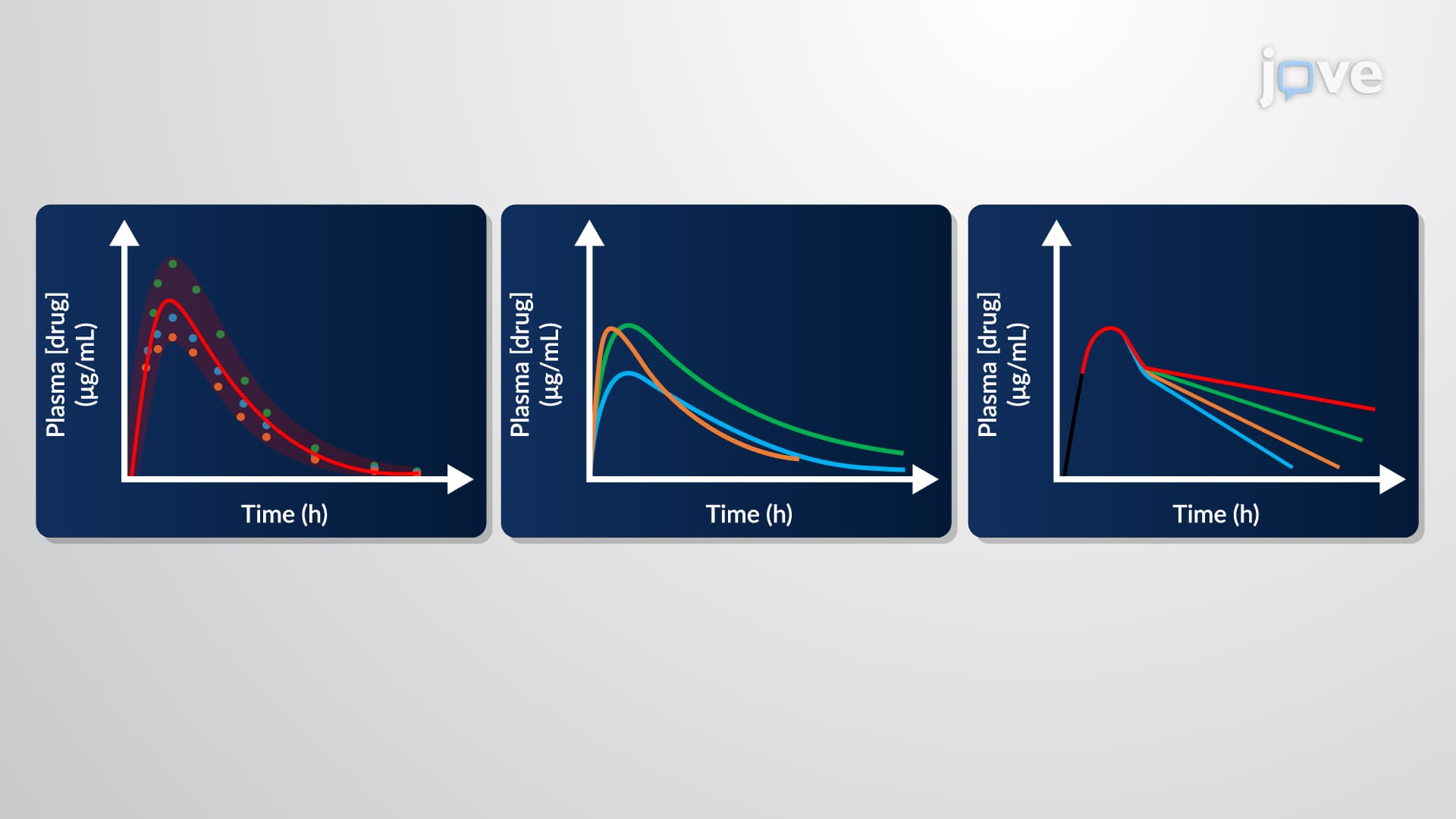
Ever wonder how the FDA determines safe dosing for medications like insulin or chemotherapy drugs? Model approaches for pharmacokinetic data provide the mathematical framework that predicts how drugs move through your body, from absorption to elimination. These sophisticated models help pharmaceutical companies like Pfizer optimize drug dosages and ensure patient safety during clinical trials. The Model Approaches For Pharmacokinetic Data Guide covers compartment models, physiological models, and distributed parameter models-each serving unique roles in drug development and therapeutic monitoring. Watch the full video on JoVE Coach to master this concept with expert-led visuals and step-by-step explanations.
Model approaches for pharmacokinetic data represent the cornerstone of modern pharmaceutical science, providing quantitative frameworks for understanding drug behavior in biological systems. These mathematical models serve as essential tools for predicting how medications will perform in patients, from initial absorption through final elimination. In the United States healthcare system, these models directly influence FDA approval decisions, clinical trial designs, and therapeutic drug monitoring protocols used in hospitals nationwide.
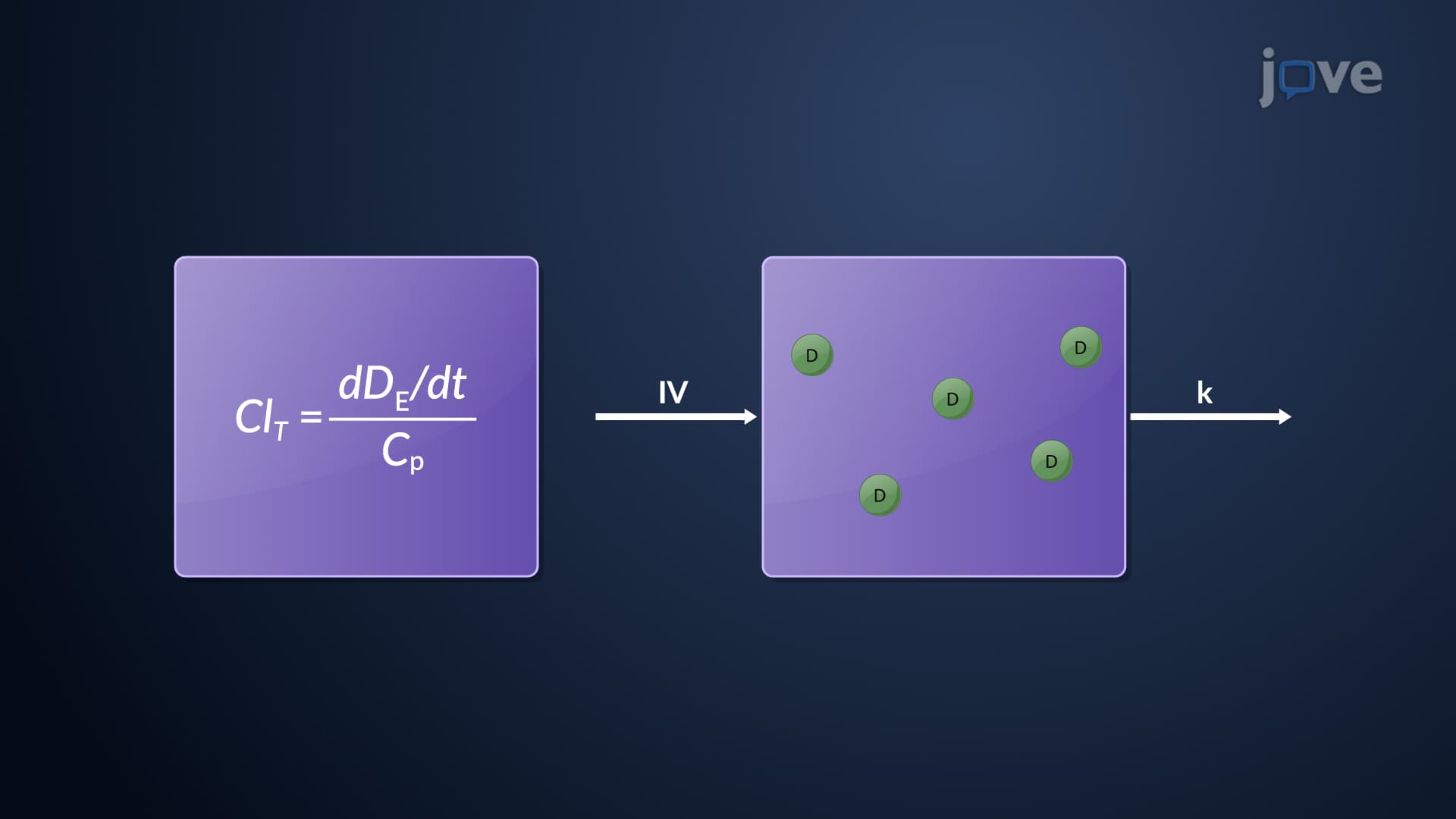
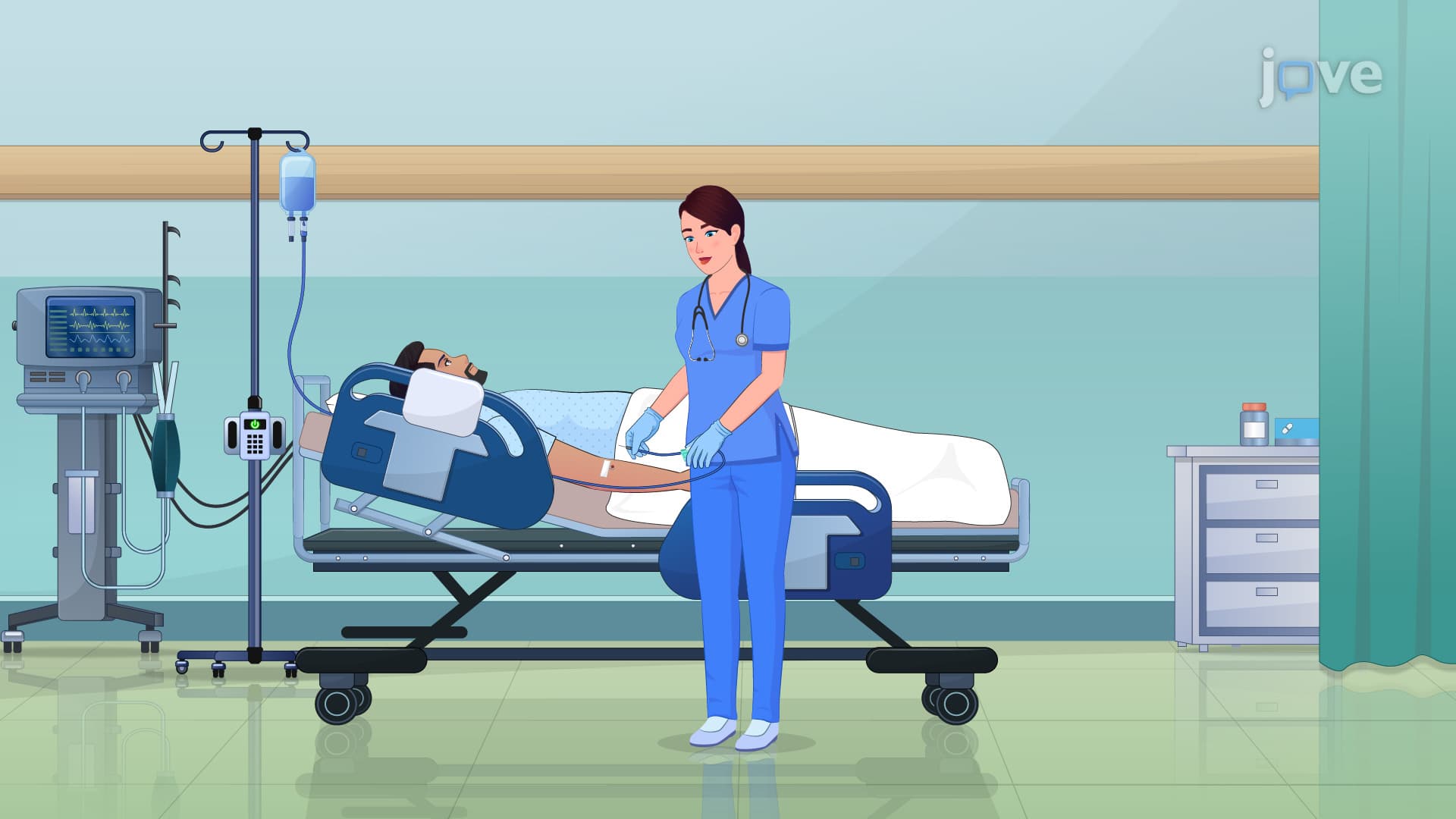
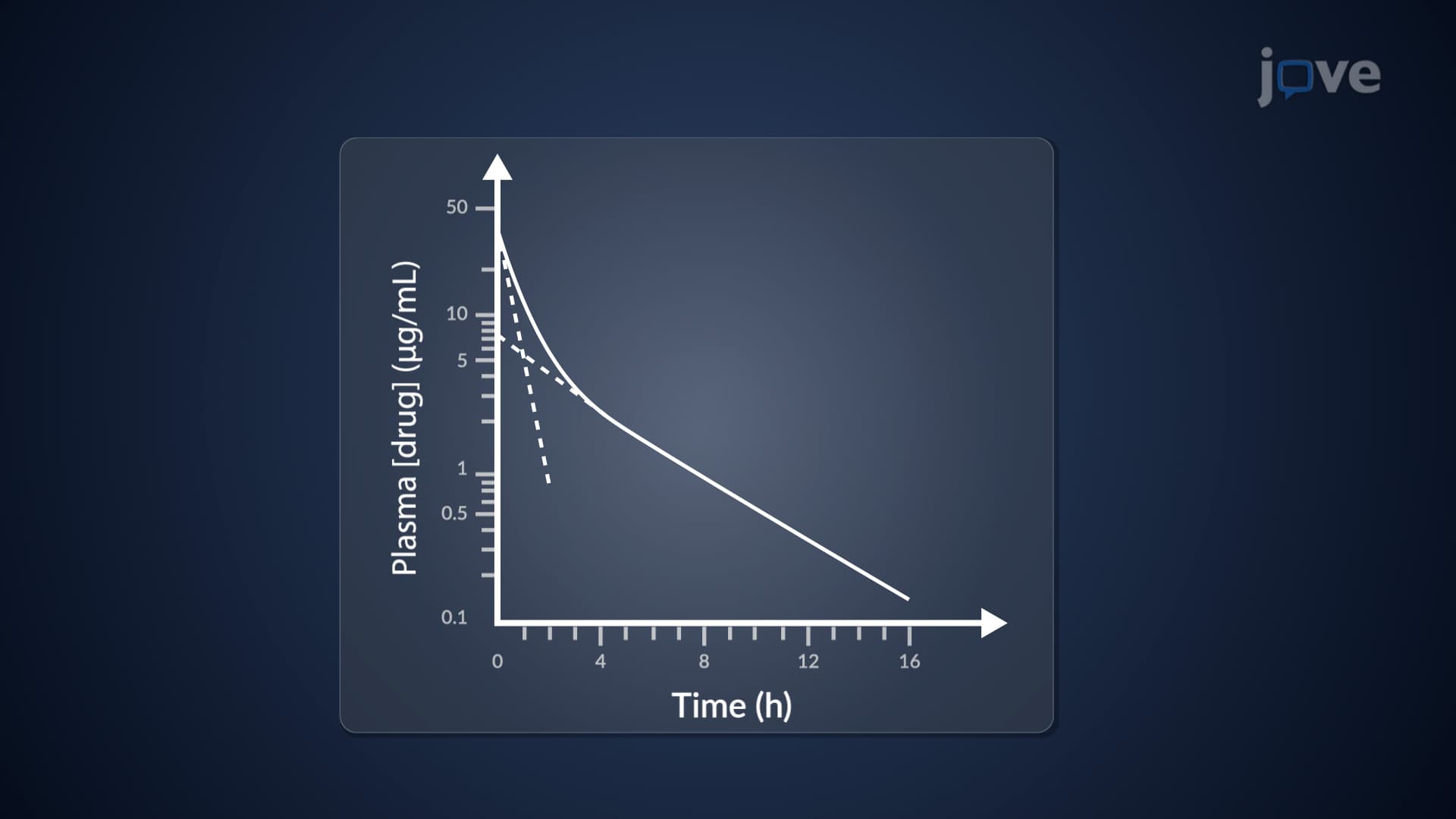
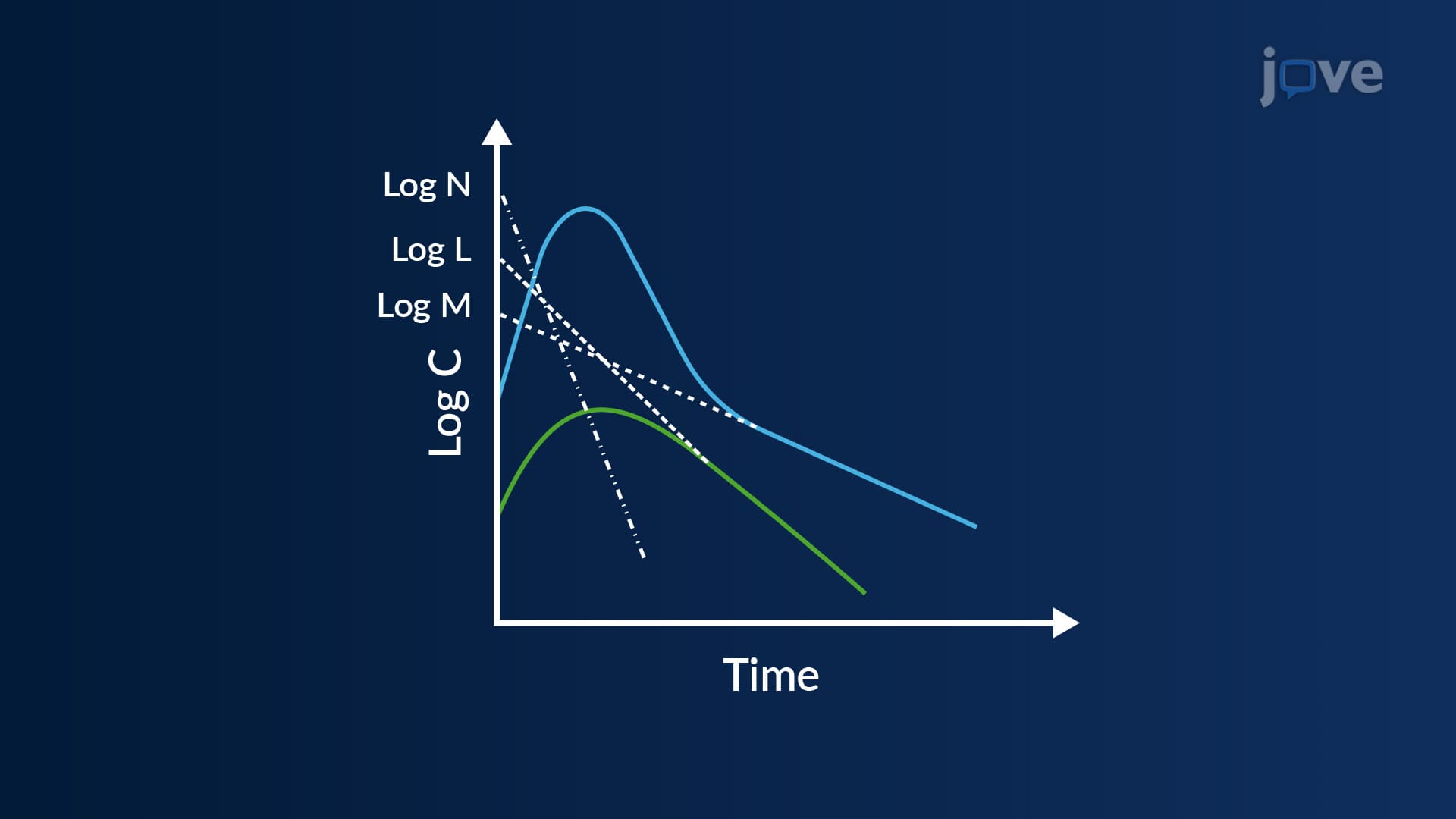
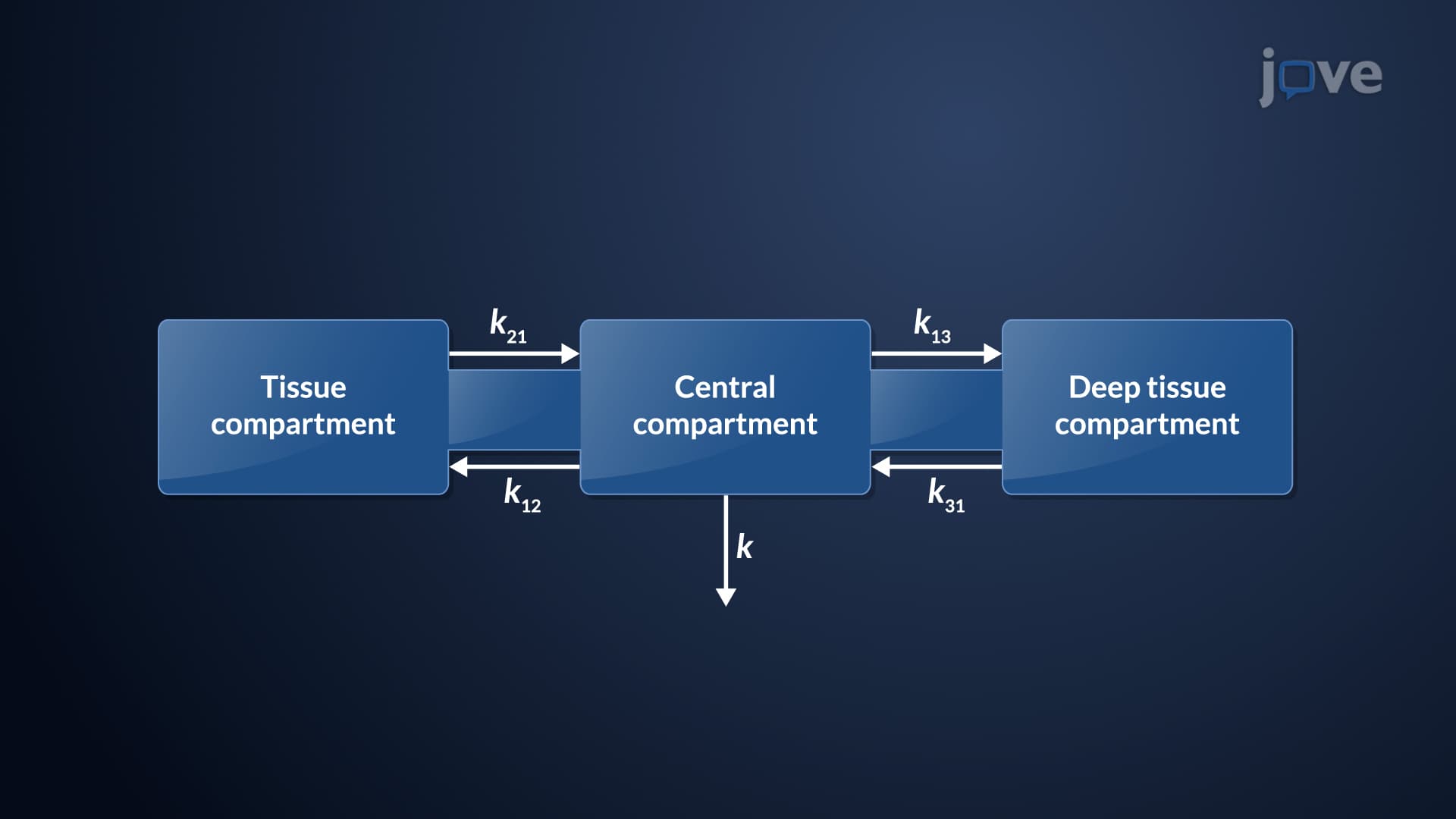
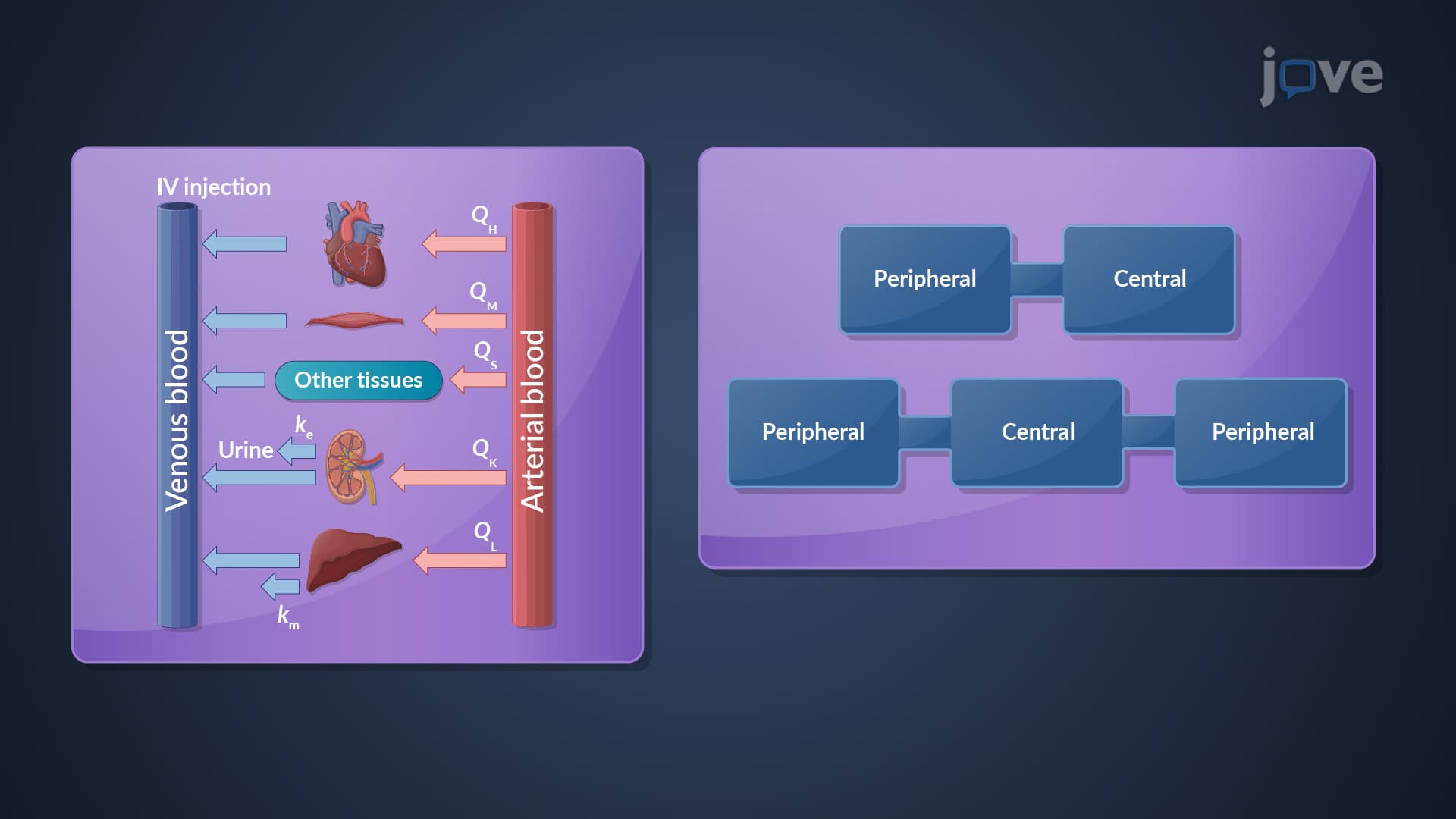
Mechanistic compartment models form the backbone of pharmacokinetic analysis, treating the body as interconnected compartments where drugs distribute and eliminate. These models simplify complex biological processes into manageable mathematical equations, making them invaluable for undergraduate pharmacology courses and MCAT preparation. For instance, a two-compartment model might represent how intravenous morphine distributes from plasma (central compartment) into tissues (peripheral compartment) in post-surgical patients at Johns Hopkins Hospital.
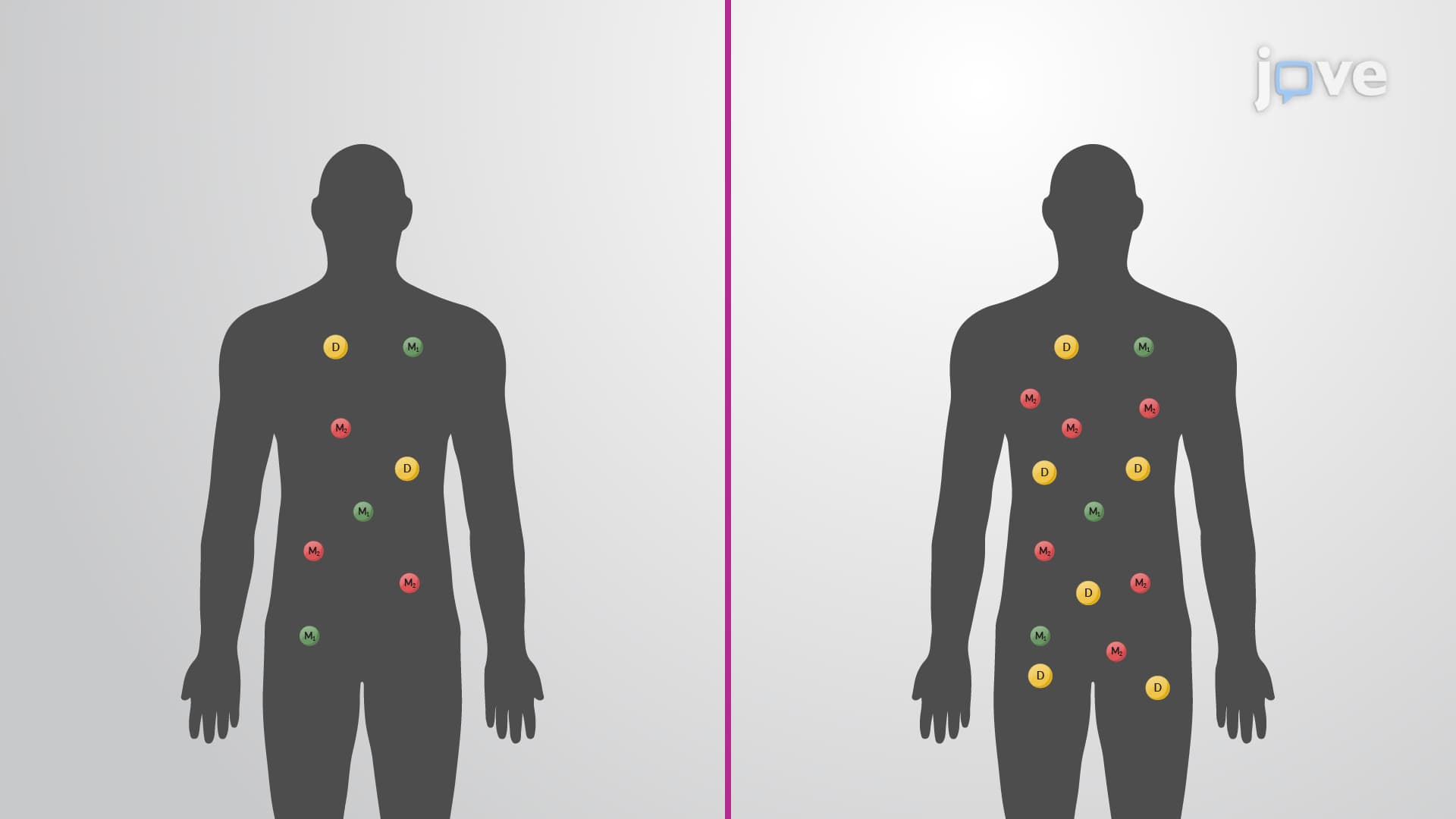
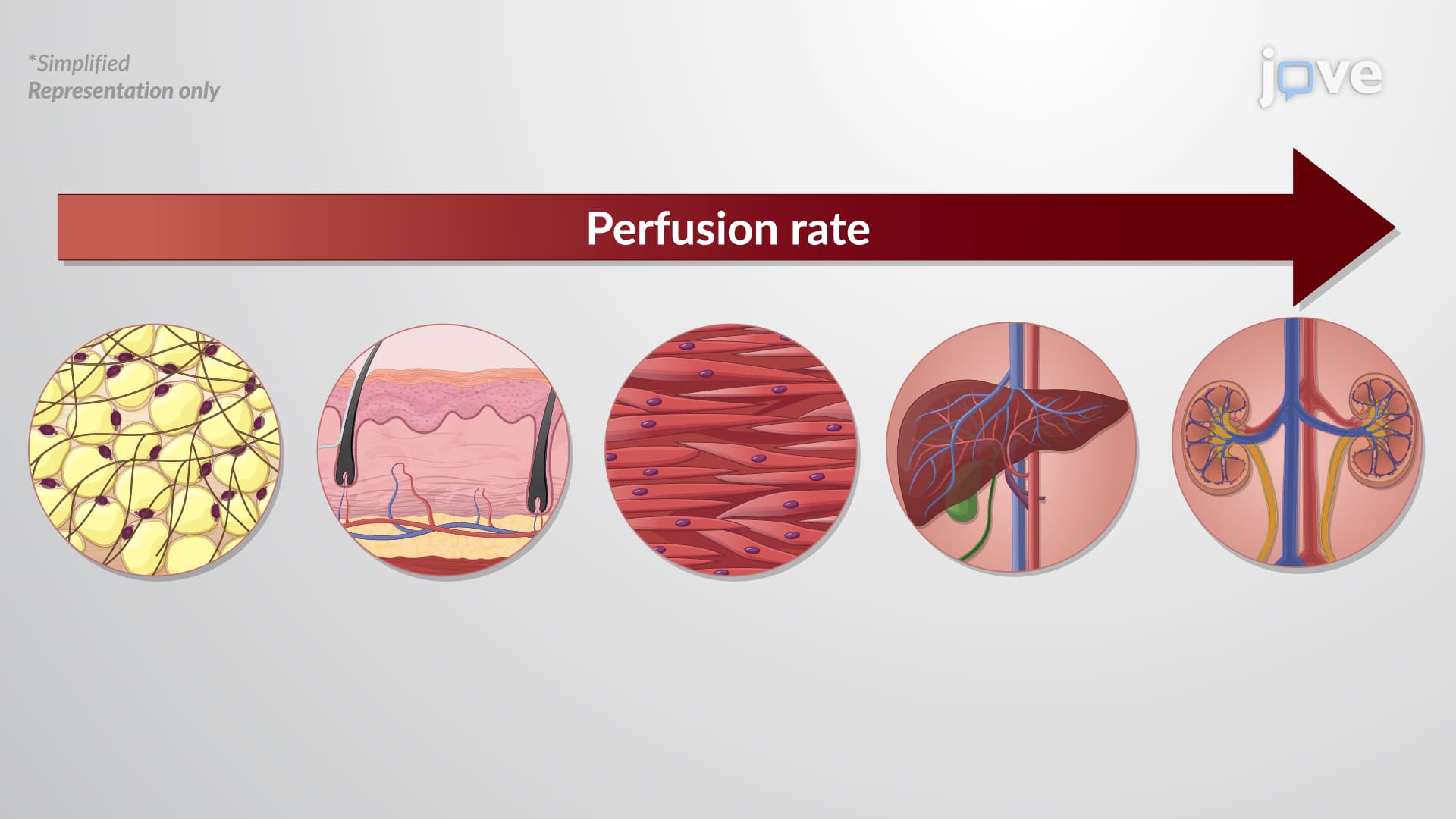
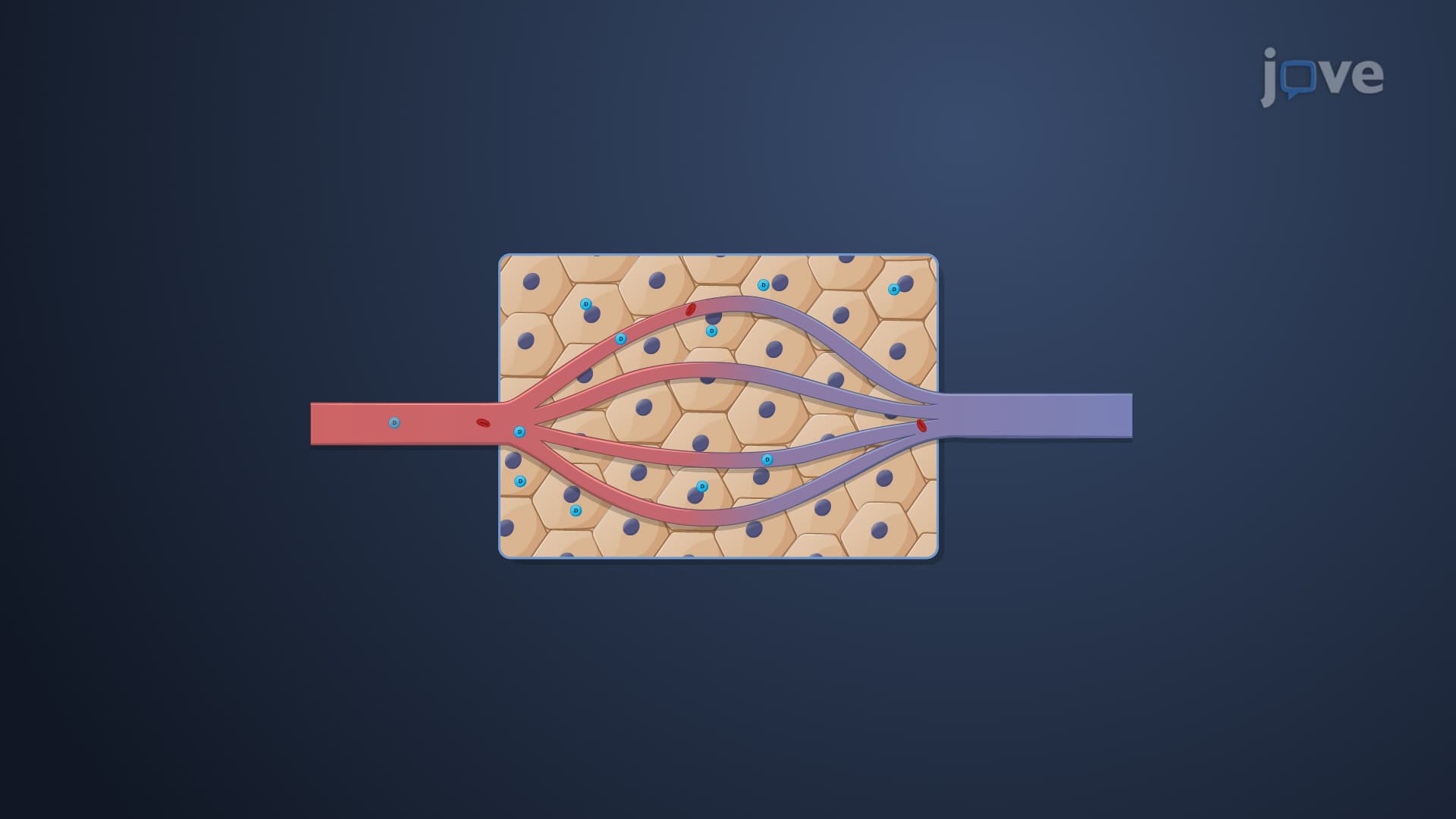
Physiological models advance beyond simple compartments by incorporating actual anatomical and physiological parameters. These sophisticated approaches consider real organ blood flows, tissue volumes, and binding characteristics. Medical schools like Harvard Medical School extensively use these models in their pharmacology curricula because they provide more realistic predictions for drug behavior. When developing new cardiac medications, companies like Johnson & Johnson employ physiological models to predict how drugs will behave in patients with varying heart conditions.
Distributed parameter models represent the most advanced approach, specifically designed to account for spatial variations in drug distribution within organs. These models excel at assessing localized concentration differences between healthy and diseased tissues-a critical capability for cancer therapeutics. At cancer centers like MD Anderson in Texas, oncologists rely on these models to optimize chemotherapy dosing, ensuring maximum tumor exposure while minimizing healthy tissue damage. The mathematical complexity increases significantly, but the clinical insights prove invaluable for personalized treatment protocols.
Understanding these model approaches proves essential for students pursuing healthcare careers. The MCAT frequently tests compartment model concepts, while nursing licensure exams (NCLEX) emphasize practical applications of pharmacokinetic principles. Advanced placement (AP) biology courses increasingly incorporate these mathematical modeling concepts, preparing students for college-level pharmacology studies.
Related Micro-courses