Loading video…


 30 Concepts
 9.7K views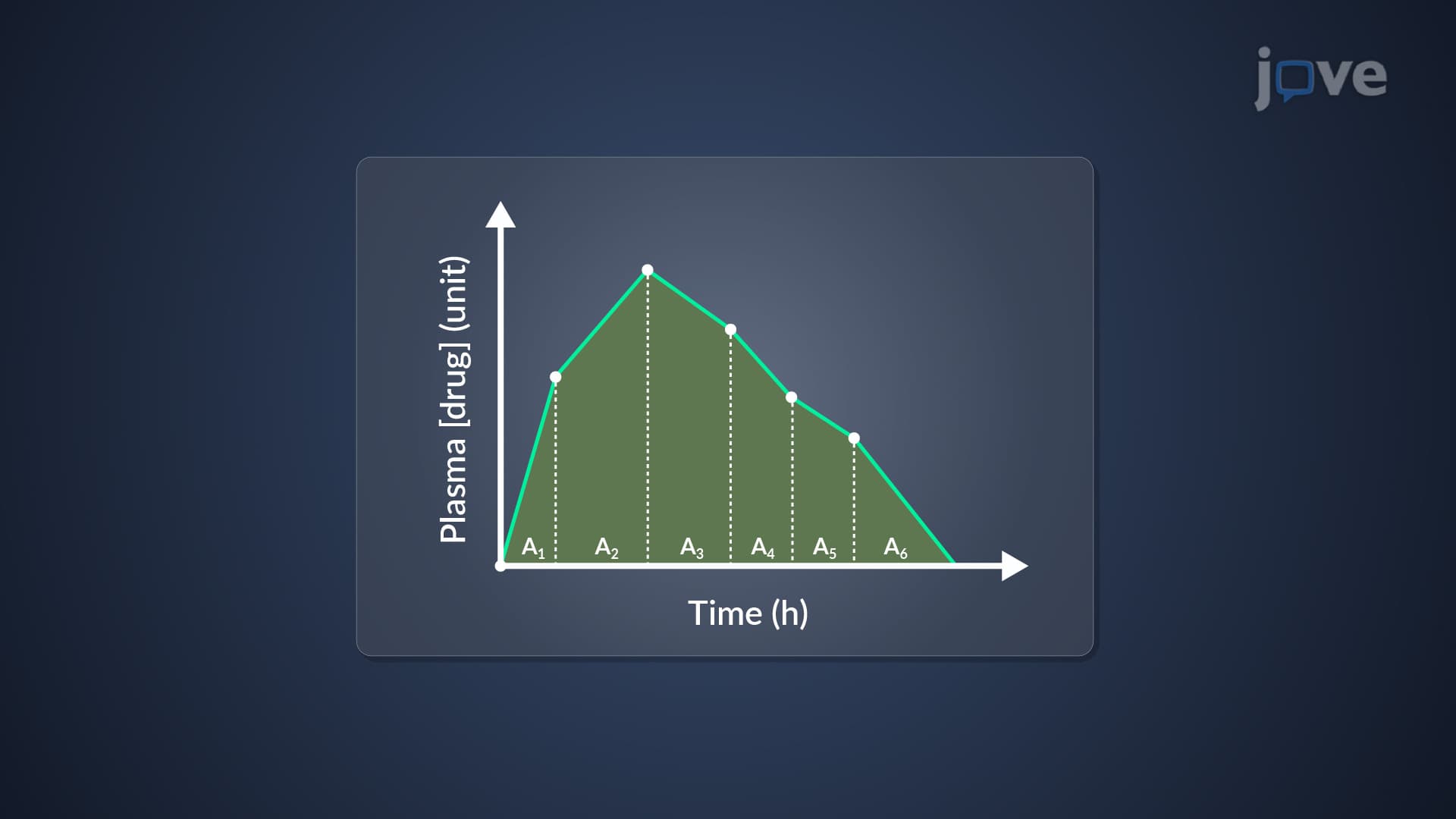

Video Summary: Noncompartmental Analysis Miscellaneous Pharmacokinetic Parameters Explained
Ever wonder how researchers determine if that Tylenol you took will clear your system safely? Noncompartmental analysis miscellaneous pharmacokinetic parameters provide crucial drug safety calculations without complex mathematical modeling. This approach helps pharmaceutical companies like Pfizer evaluate how medications like ibuprofen move through your body by measuring clearance, bioavailability, and distribution volume. Watch the full video on JoVE Coach to master this concept with expert-led visuals and step-by-step explanations.
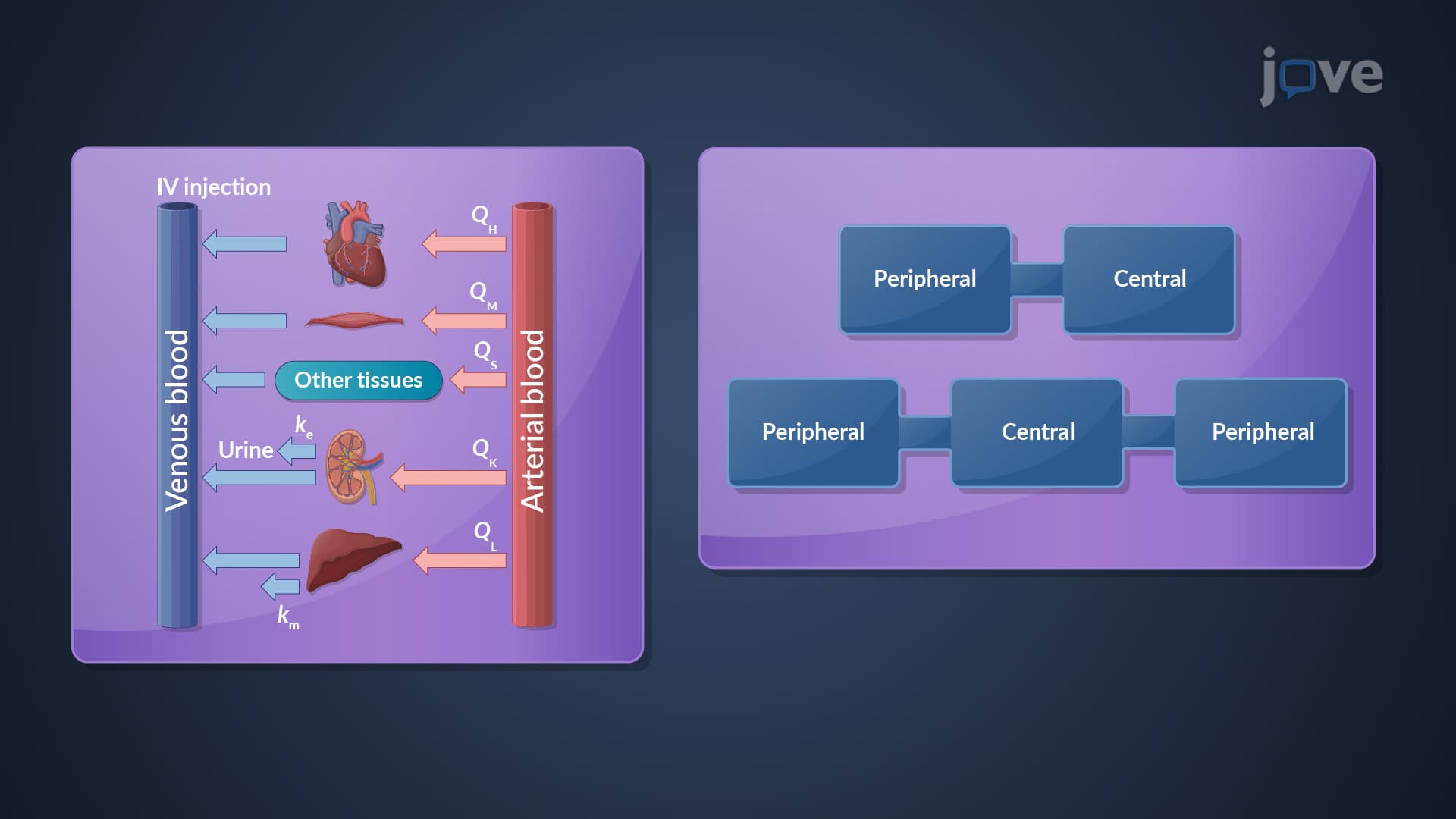
Noncompartmental analysis represents a fundamental approach in pharmacokinetics that evaluates drug behavior without assuming specific compartmental models. Unlike compartmental methods that require complex mathematical assumptions about how drugs distribute in body tissues, this approach relies on direct measurement and calculation of observable parameters. Students preparing for the MCAT or advanced placement biology exams frequently encounter these concepts as they form the foundation of modern pharmaceutical research.
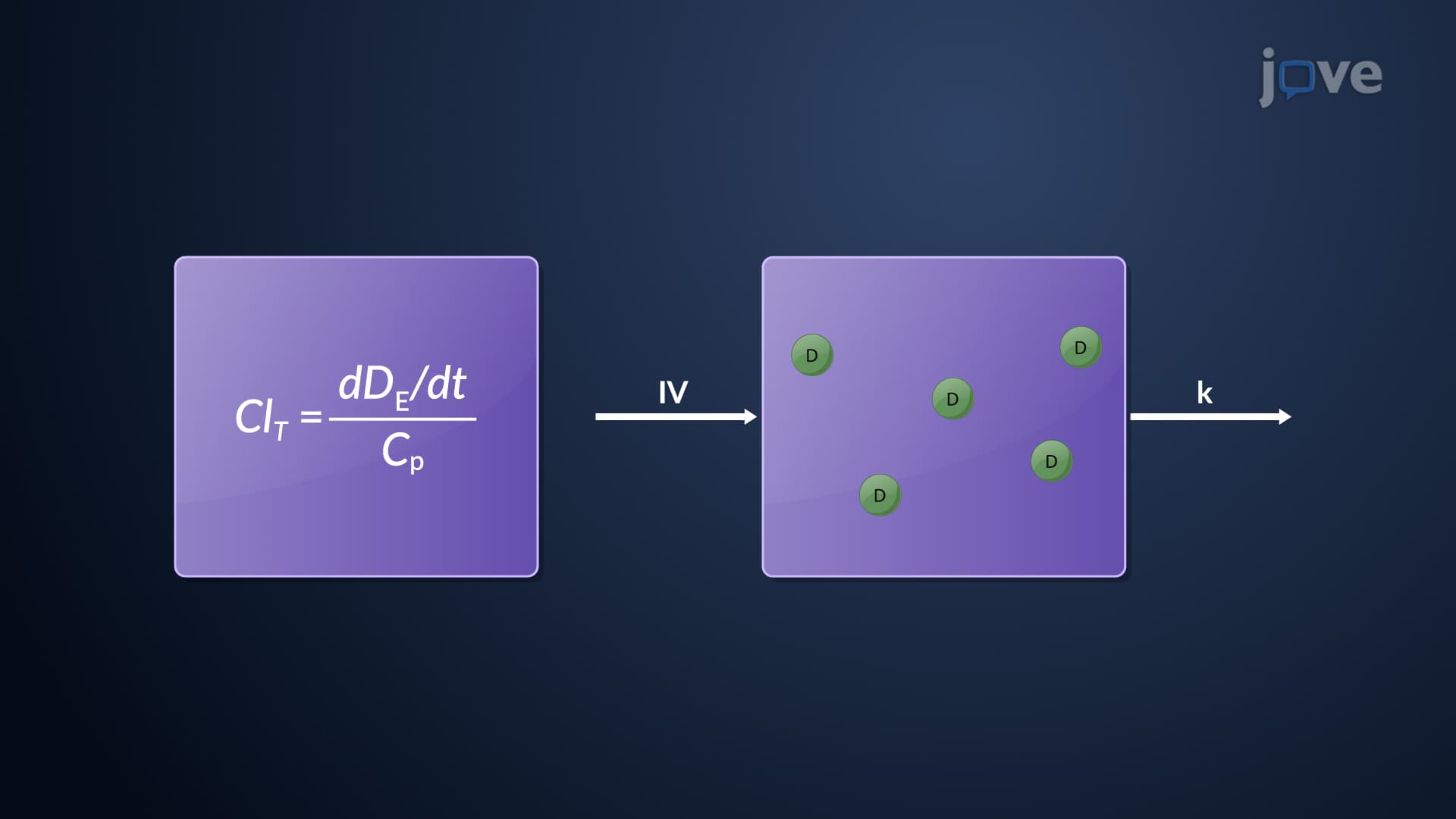
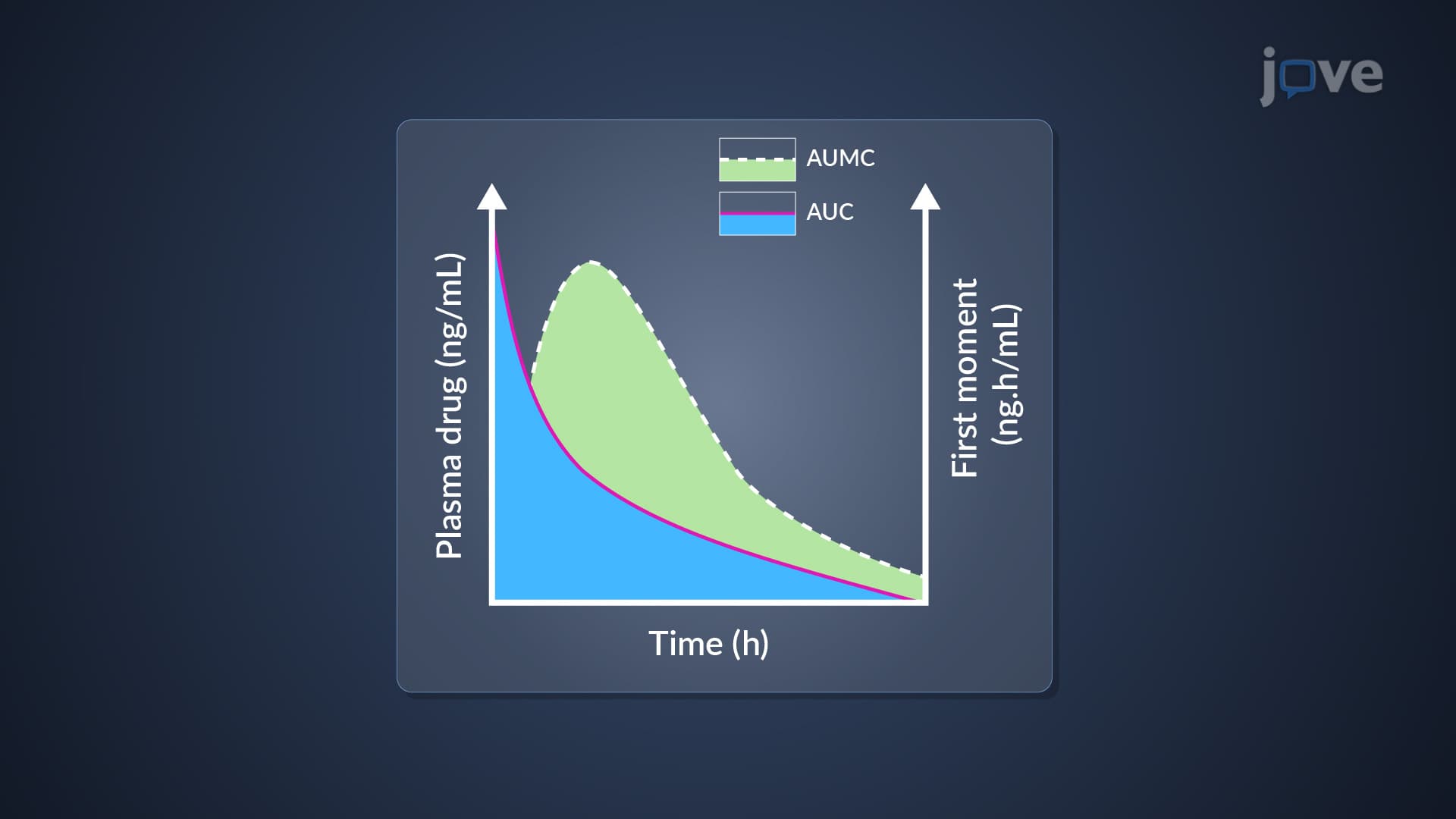
Total clearance measures how efficiently your body eliminates a drug from circulation. The calculation involves dividing the administered dose by the area under the concentration-time curve (AUC) from time zero to infinity. For example, when studying acetaminophen clearance in clinical trials, researchers measure blood concentrations over time and use the trapezoidal rule to calculate AUC. This parameter proves essential for determining safe dosing intervals and identifying patients with compromised liver or kidney function who might clear drugs more slowly.
Bioavailability (F) quantifies the fraction of an administered drug that reaches systemic circulation unchanged. This parameter becomes crucial when pharmaceutical companies like Johnson & Johnson compare their oral medications to intravenous formulations. By administering the same drug through both routes and measuring resulting blood concentrations, researchers determine what percentage of the oral dose actually enters circulation. College biochemistry courses emphasize this concept because it directly impacts dosing decisions in clinical practice.
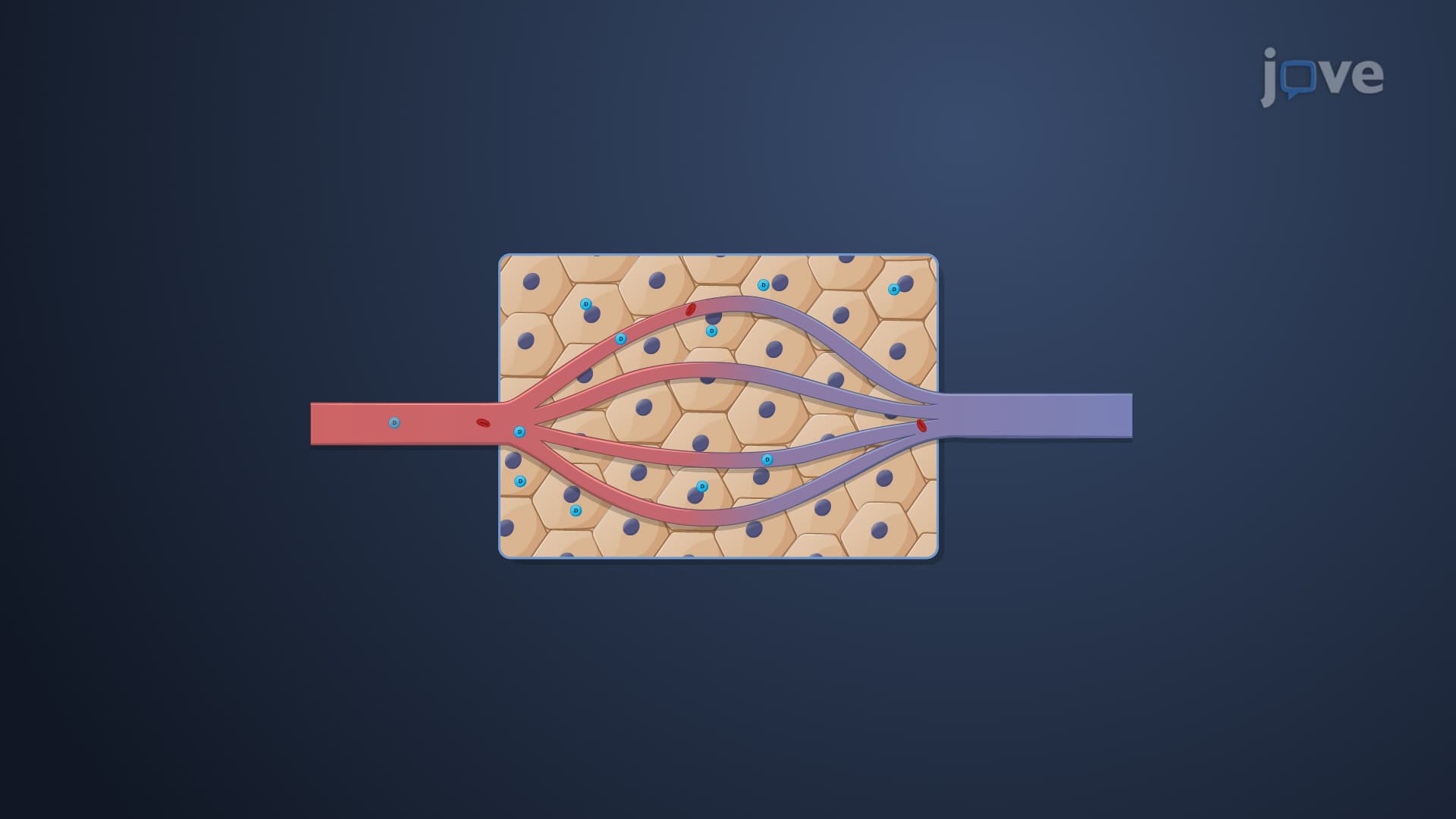
The volume of distribution at steady state (Vss) represents the theoretical volume needed to contain the total drug amount at the same concentration found in plasma. This parameter equals the product of clearance and mean residence time. However, mean residence time calculations require intravenous administration data, creating a significant limitation compared to compartmental approaches. Students studying for USMLE Step 1 must understand this limitation because it affects clinical study design and drug evaluation protocols in real pharmaceutical development scenarios.
Related Micro-courses